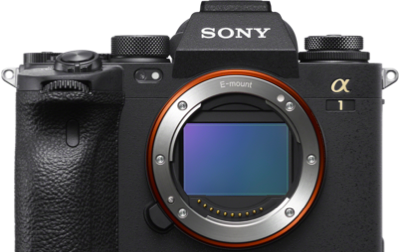
If you're looking to elevate your photography skills, here are 10 quick and effective tips you can start using today to improve your photos.
1. Understand The Rule Of Thirds
The rule of thirds is a fundamental composition rule in photography. Imagine your frame divided into nine equal sections by two horizontal and two vertical lines. Try to position the most important elements of your photo along these lines or at their intersections. This technique can help create more balanced and engaging shots. Learn more in Understanding The Rule Of Thirds: A Beginner’s Guide To Better Composition.

2. Play With Shutter Speed
Experimenting with your shutter speed can lead to interesting effects. A fast shutter speed can freeze action, while a slow shutter speed can create a motion blur effect, adding a sense of movement to your pictures. Learn more in Understanding Shutter Speed: A Beginner's Guide To Capturing Motion.
3. Invest In A Good Lens
Investing in a good lens can elevate your photography and provide greater creative control. The Sony 24-70mm f/2.8 G Master II is a popular choice among Sony shooters because its range is a great option for both photo and video. Adding in a polarizing filter can enhance the colors and contrast in your image, particularly in landscapes. It can darken skies, reduce reflections, and make colors more vibrant.
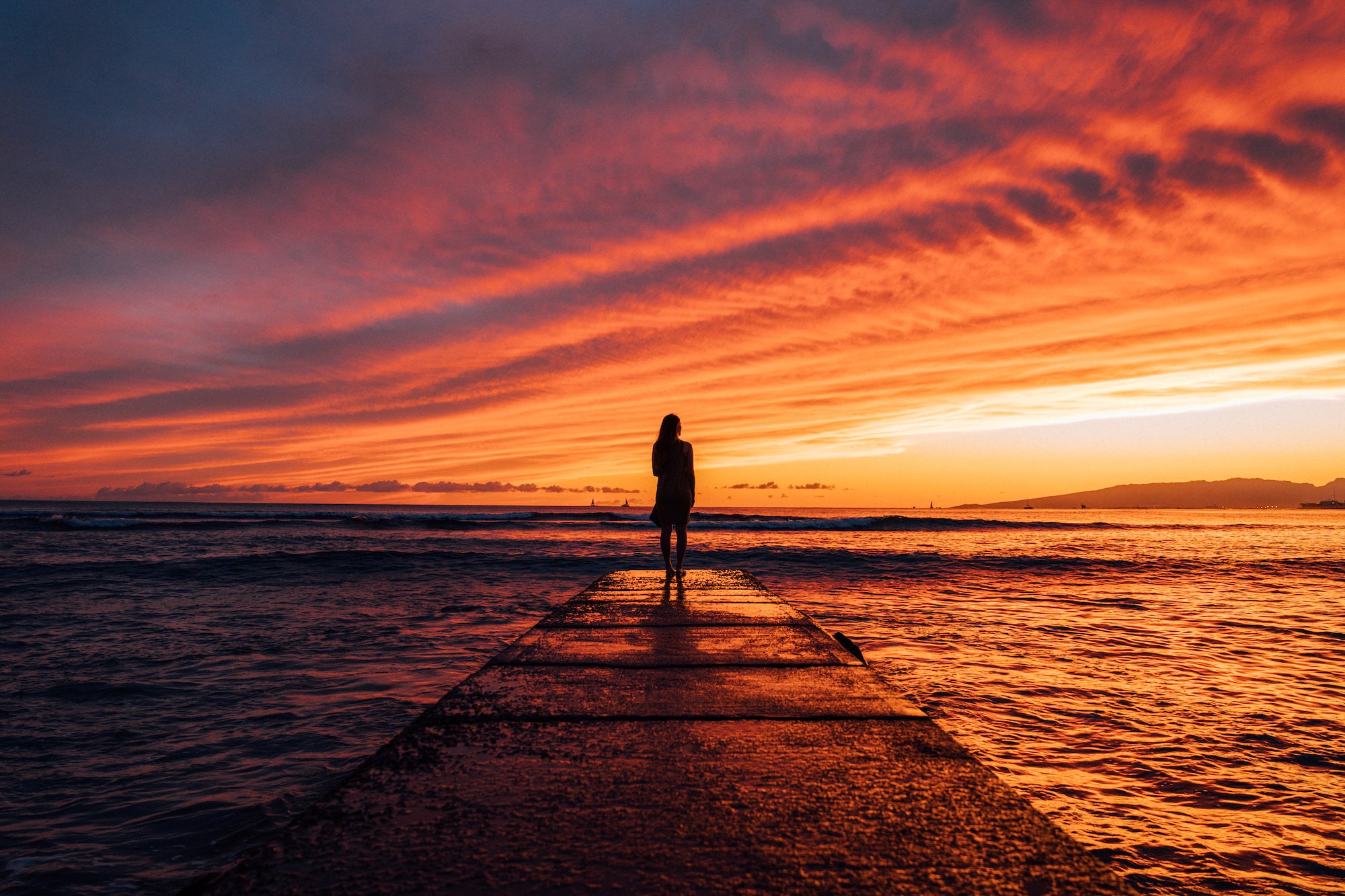
Photo by Vincent Lim. Alpha 7R V. 24-70mm f/2.8 G Master II. 1/160-sec., f/4, ISO 320
4. Create A Sense Of Depth
For landscape photos, try to create a sense of depth by including objects in the foreground, middle ground, and background. This gives your image a three-dimensional feel and draws the viewer into the scene.
5. Use Simple Backgrounds
A simple background helps your subject stand out and reduces distractions in your frame. This is particularly important in portrait photography.

Photo by Scott Robert Lim. Alpha 9 III. 50mm f/1.2 G Master. 1/320-sec., f/1.2, ISO 400
6. Don't Be Afraid Of ISO
Increasing your ISO in low light conditions can help you capture sharper images. However, keep in mind that a higher ISO can also introduce more noise into your photograph. Learn more in Understanding ISO: A Beginner's Guide To Mastering Light.
7. Experiment With Perspective
Try photographing your subject from different perspectives for unique and interesting shots. This could mean shooting from high above, down at ground level, or from the side.

Photo by Jess Santos. Alpha 7R IV. 14mm f/1.8 G Master. 1/160-sec., f/11, ISO 100
8. Use Leading Lines
Using leading lines in your composition can help guide the viewer's eye through the image. These could be anything from roads and fences, to streams and buildings.
9. Capture Candid Moments
Candid moments often make for the most memorable and authentic images. Keep your camera ready at all times and be prepared to capture those spontaneous shots.
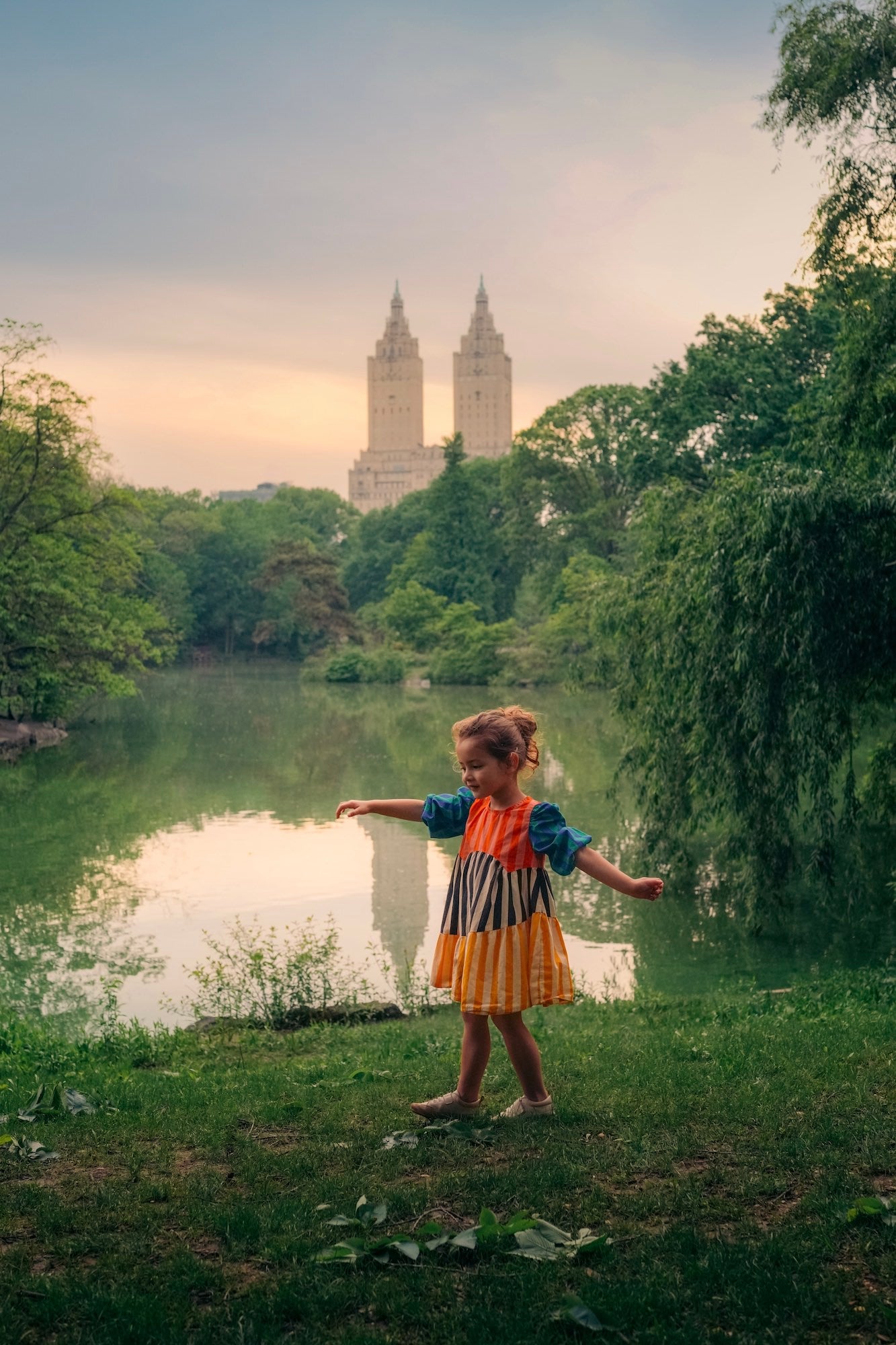
Photo by Monaris. RX1R III.
10. Practice Regularly
As with any skill, the more you practice, the better you'll get. Shoot regularly, experiment with different techniques, and don't be afraid to make mistakes. That's how you learn!
Remember, great photography is not just about the gear you use, but about how you see the world. Keep these tips in mind as you develop your own unique photographic eye. Explore more articles to help with your photography journey on AlphaUniverse.com.