Sports photography rewards speed, precision and anticipation –and the right gear and settings can make all the difference. In this guide, you’ll learn proven sports photography tips for Alpha cameras, including how to use fast shutter speeds to freeze action, Continuous Autofocus (AF‑C) to track athletes, burst mode to capture the decisive moment, and smart ISO choices for low light.
1. Use A Fast Shutter Speed To Freeze The Action
Sports move fast, and so should your camera settings. A fast shutter speed – like 1/1000-sec. or higher – freezes motion, whether it’s a soccer player mid-kick or a basketball dunk in progress. Practice increasing your shutter speed to stop the action in its tracks.
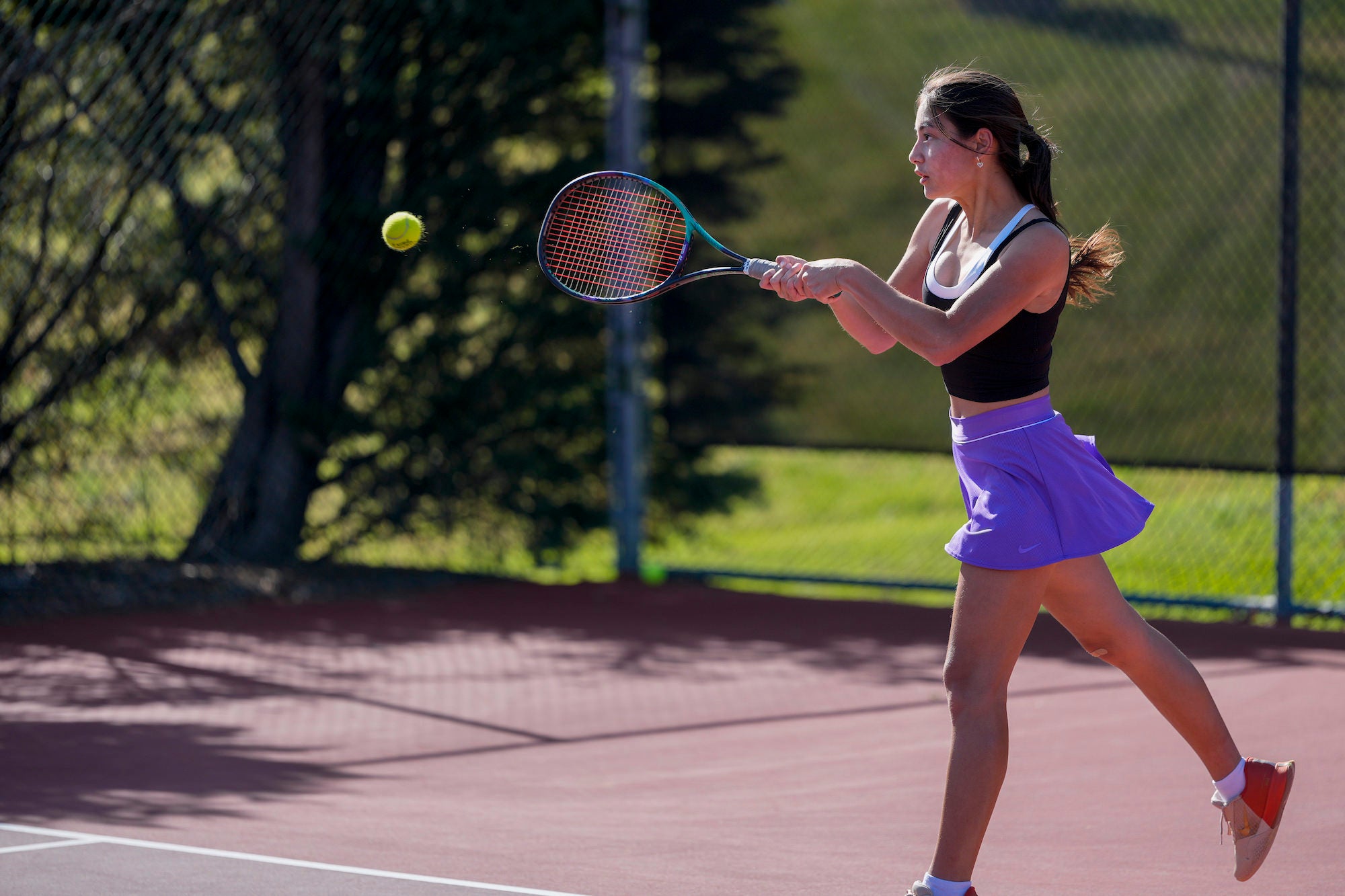
Photo by Patrick Murphy-Racey. Alpha 1 II. 50-150mm f/2 G Master. 1/4000-sec., f/2, ISO 200
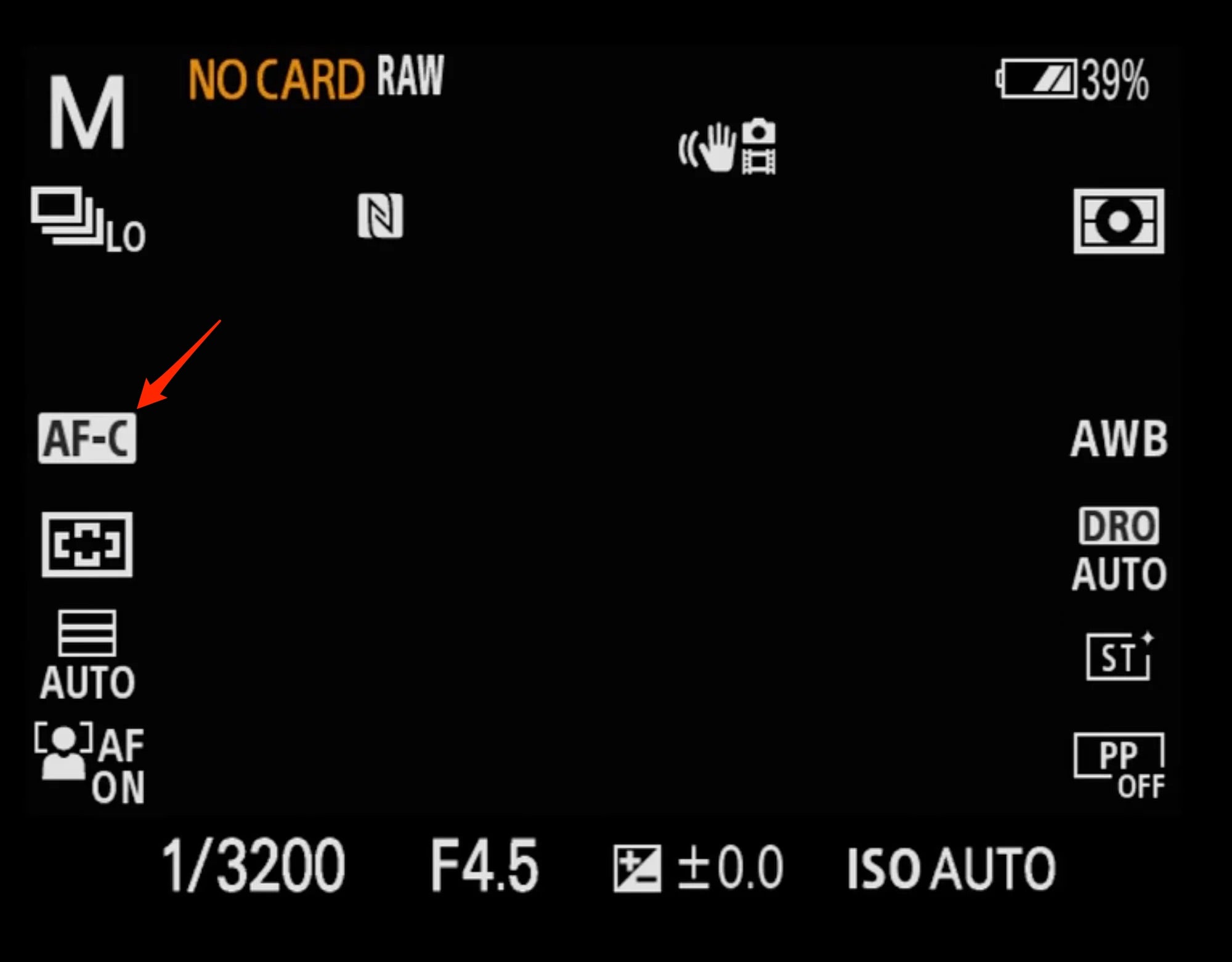
2. Switch To Continuous Autofocus (AF-C)
Athletes are constantly on the move, and tracking them with a single focus point can be tough. Switch your camera to Continuous Autofocus (AF-C) mode. This setting keeps your subject sharp even as they move across the frame.
3. Use Burst Mode For Multiple Shots
Sometimes the perfect moment is a blink-and-you’ll-miss-it event. Burst mode (also called continuous shooting mode) allows you to fire off multiple shots in rapid succession. This increases your chances of capturing the decisive moment, whether it’s a winning goal or an intense facial expression.
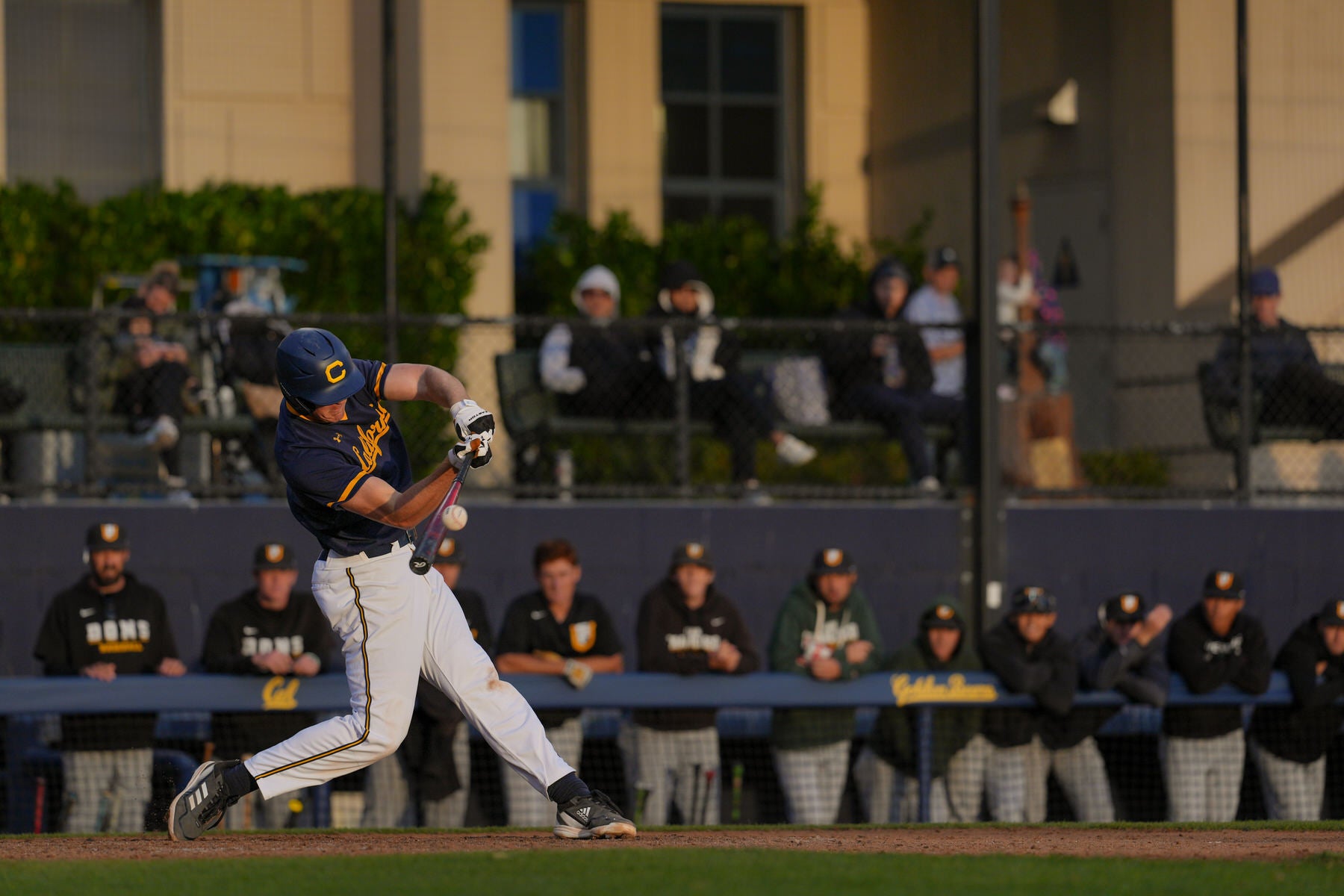
Photo by Jean Fruth.
4. Choose A Speedy Camera & Telephoto Lens
Your choice of camera and lens can significantly impact your sports photography. If you’re serious about the endeavor, the Alpha 9 III or Alpha 1 II, offer excellent autofocus capabilities and high frame rates, making them ideal for capturing fast-moving subjects. If you don’t want to go top tier right away as a beginner, try something like the Alpha 6700 – a great APS-C and compact option for sports photography.
A telephoto lens (like the 70-200mm f/2.8 G Master II) lets you zoom in on the action, even from the sidelines. Other favorites include the 300mm f/2.8 G Master, 100-400mm f/4.5-5.6 G Master, 200-600mm f/5.6-6.3 G - and you can read more about why they're top choices for sports in 4 Telephoto Lenses For On-The-Field Action.
A new favorite lens of Sony Artisan and sports photographer Patrick Murphy-Racey's is the 50-150mm f/2 G Master. "Honestly, it’s a focal length I’ve never thought of before and it turned out to be a range I never knew I needed. The more I used it, the more I liked it." Read more about what he has to say in Hands-On With The Sony 50-150mm f/2 G Master: The Surprise Lens You Didn’t Know You Needed.
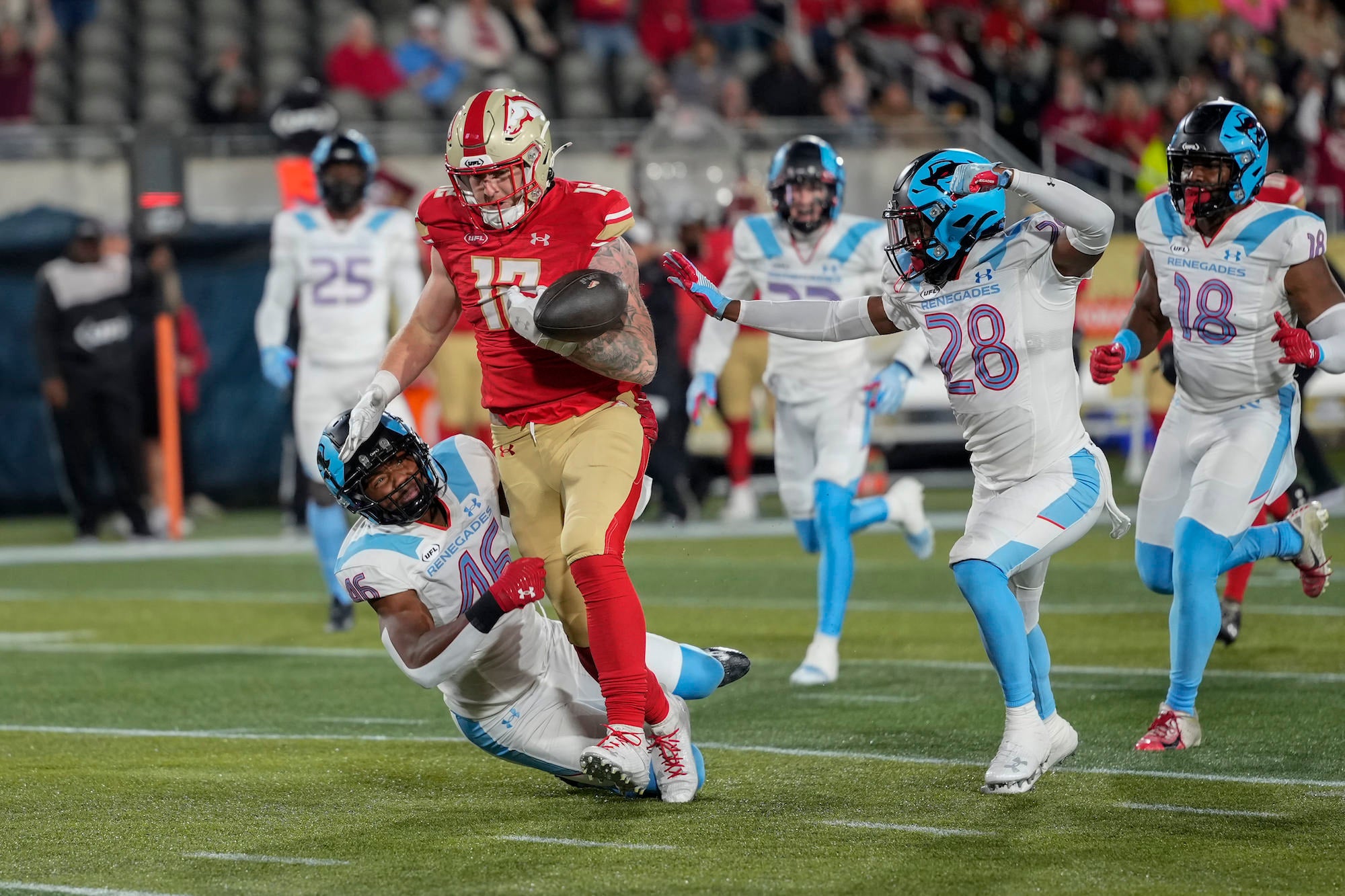
Photo by Patrick Murphy-Racey. Alpha 1 II. 50-150mm f/2 G Master. 1/2000-sec., f/2, ISO 1600
If you’re just starting, don’t worry if you don’t have a high-end lens – use what you have and focus on getting closer to the action when possible. The 70-200mm f/2.8 G Master is also a great option for beginners, but depending on what sport you’re shooting and the kind of access you have will determine which lenses will work best for you. Get more lens recommendations for sports photography in 8 Lenses For Capturing The Thrill Of Victory And The Agony Of Defeat In Sports.
Another secret weapon for professional sports photographers? Sony’s PDT-FP1 5G portable data transmitter. The device is a game-changer for photographers like Kit Karzen, who has to quickly transfer the moments he captures on the sidelines out to the client. Learn more about how he does it in How Kit Karzen Delivers Under Pressure With His Alpha Camera & PDT-FP1.
5. Anticipate The Action
Learn to predict where the action will happen. Pay attention to the flow of the game or the athletes’ movements. For example, in soccer, keep an eye on the player with the ball and where they might pass or shoot. Anticipation will help you be ready to capture key moments.
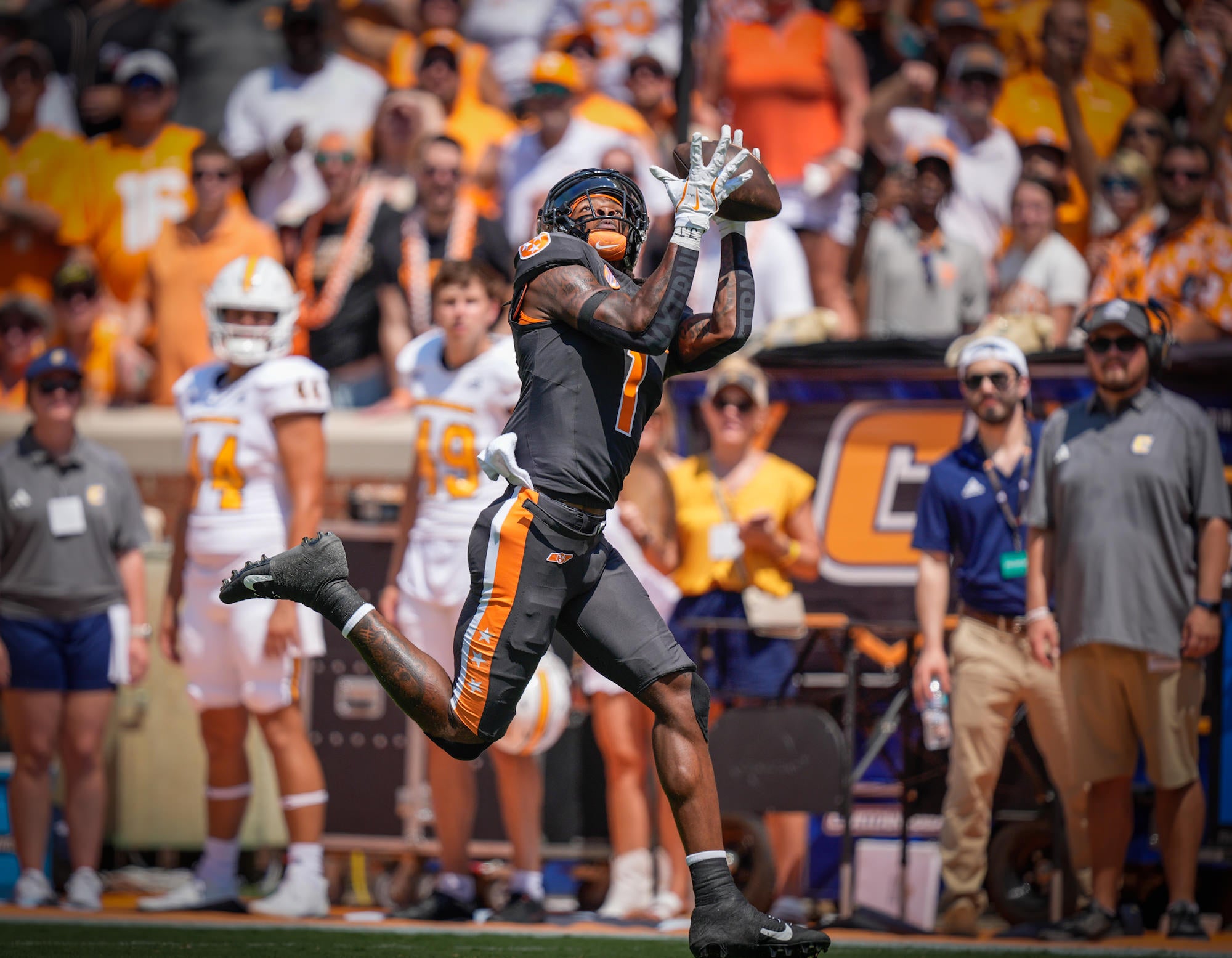
Photo by Patrick Murphy-Racey. Alpha 9 III. 600mm f/4 G Master. 1/3200-sec., f/4, ISO 320
6. Pay Attention To Composition
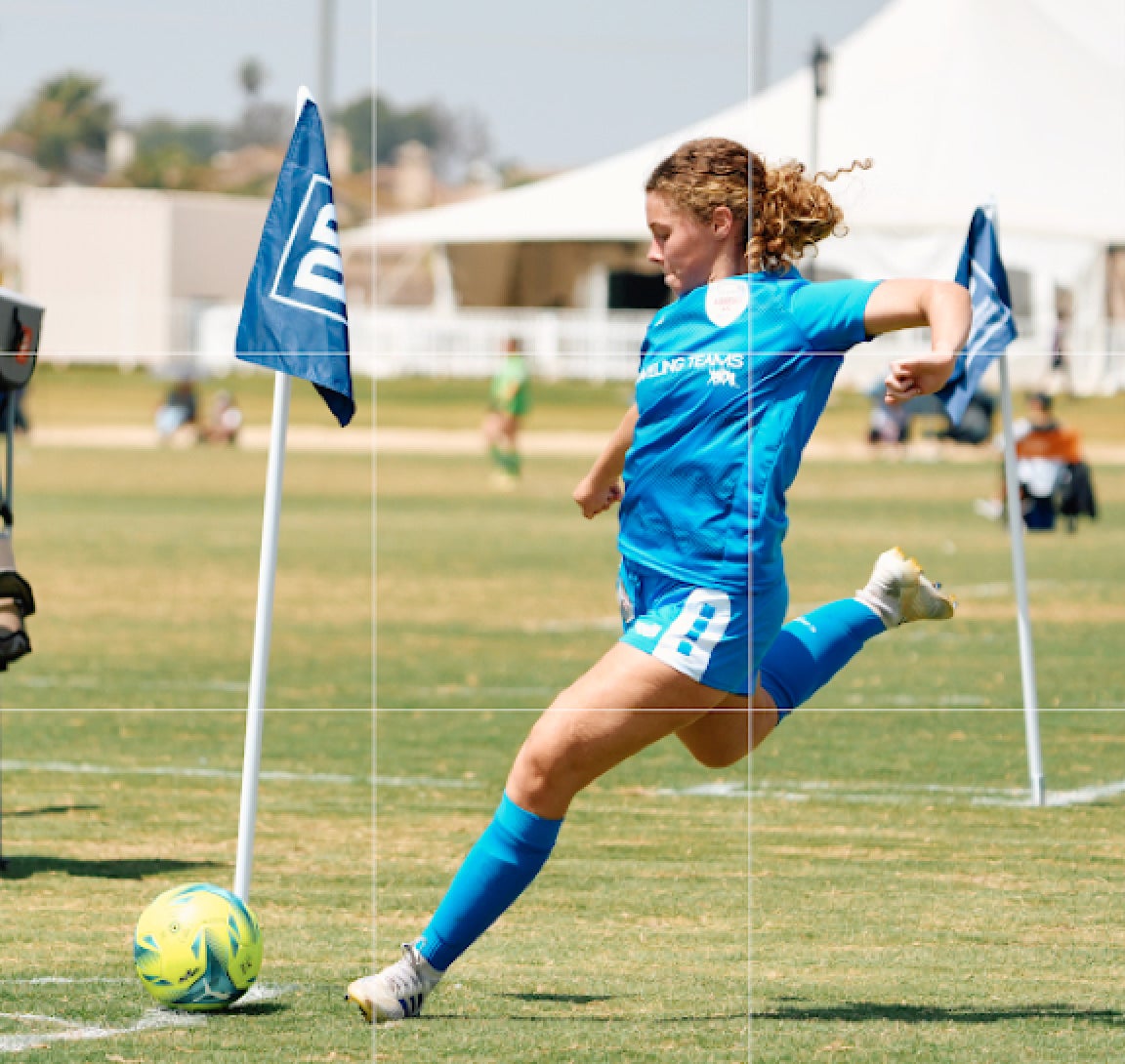
Even in fast-paced sports, good composition can make your photos stand out. Use techniques like the rule of thirds to position your subject off-center, creating a more balanced and interesting image. Look for clean backgrounds to keep the focus on the action.
7. Use The Right ISO Settings
Sports often happen in less-than-ideal lighting conditions, especially indoors or at night. If the light is low, increase your ISO to brighten your images without sacrificing shutter speed. Start with ISO 800 and adjust as needed – but watch out for too much noise in your photos.
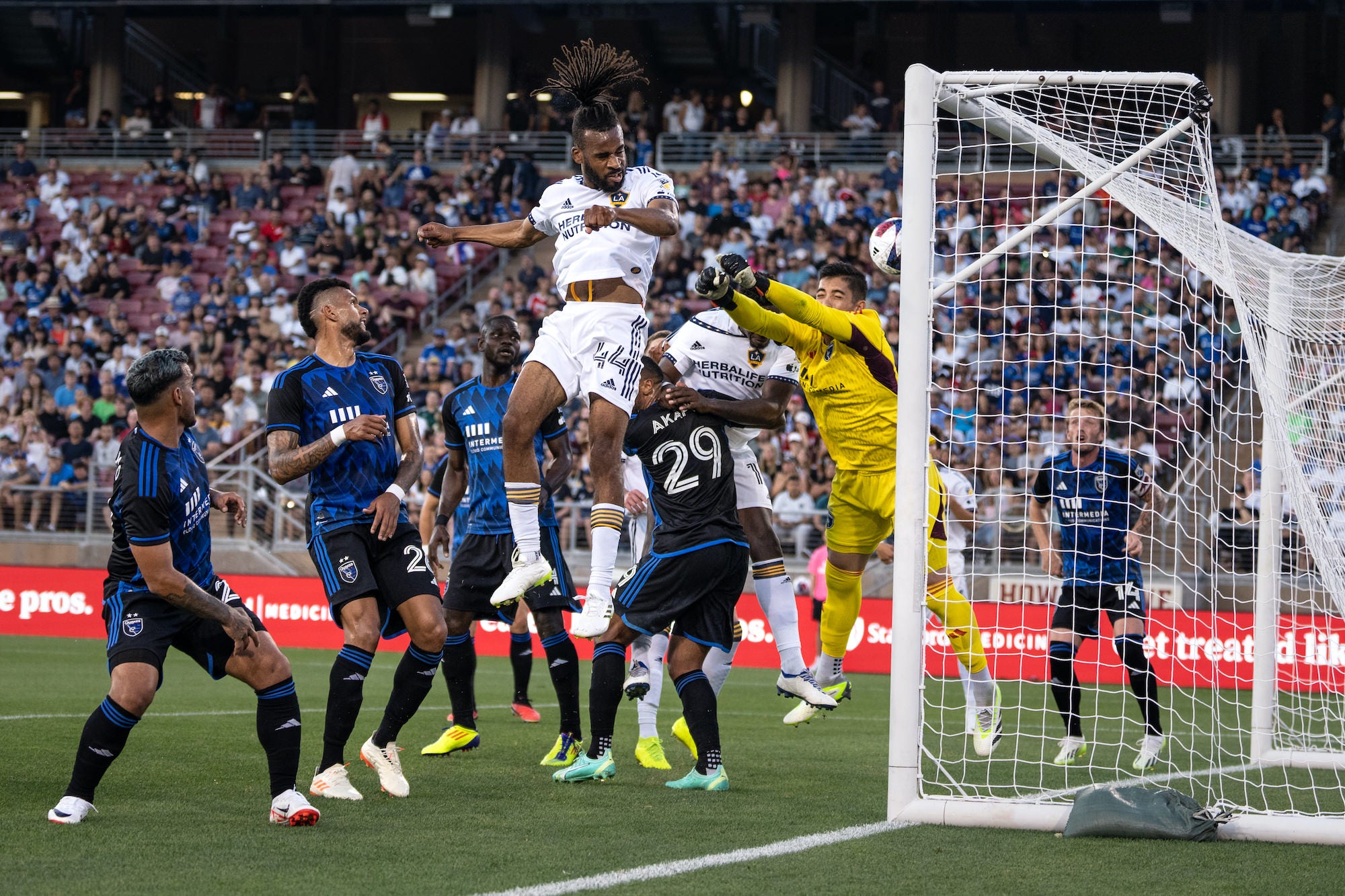
Photo by Jean Fruth. Alpha 1. 70-200mm f/2.8 G Master II. 1/1250-sec., f/2.8, ISO 1000
8. Experiment With Panning For Motion Blur
For a creative touch, try panning. Use a slower shutter speed (like 1/30 or 1/60 of a second) and move your camera along with the athlete. This creates a motion blur effect, with your subject in focus and the background streaked, emphasizing the speed and energy of the moment.
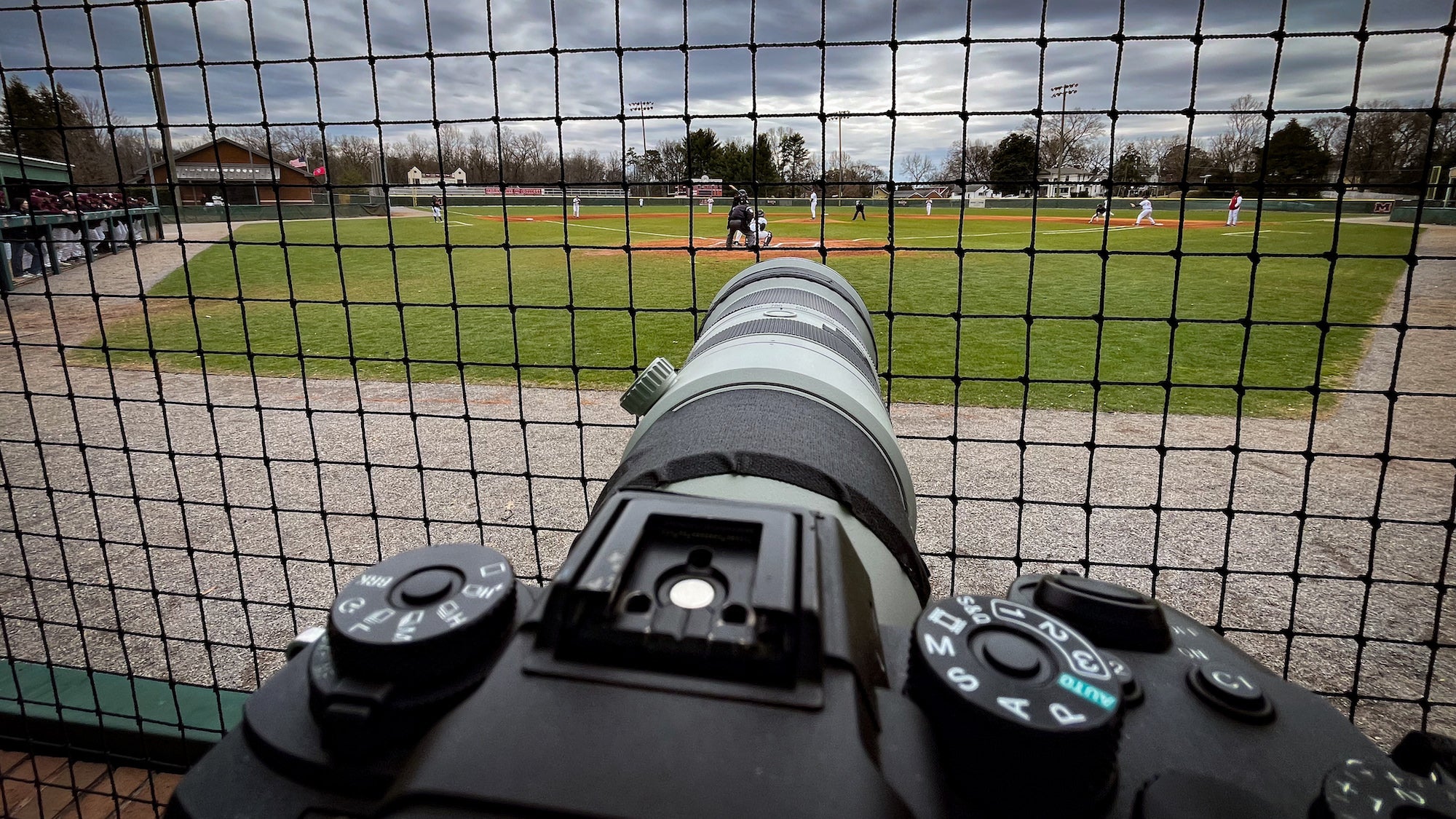
Photo by Patrick Murphy-Racey
9. Capture The Emotion
Sports photography isn’t just about the action – it’s also about the emotion. Look for moments of celebration, frustration, or determination. Capturing a player’s expression or a team’s camaraderie adds depth and storytelling to your images. Sony Artisan Jean Fruth is an absolute pro at capturing the emotion behind the sport.
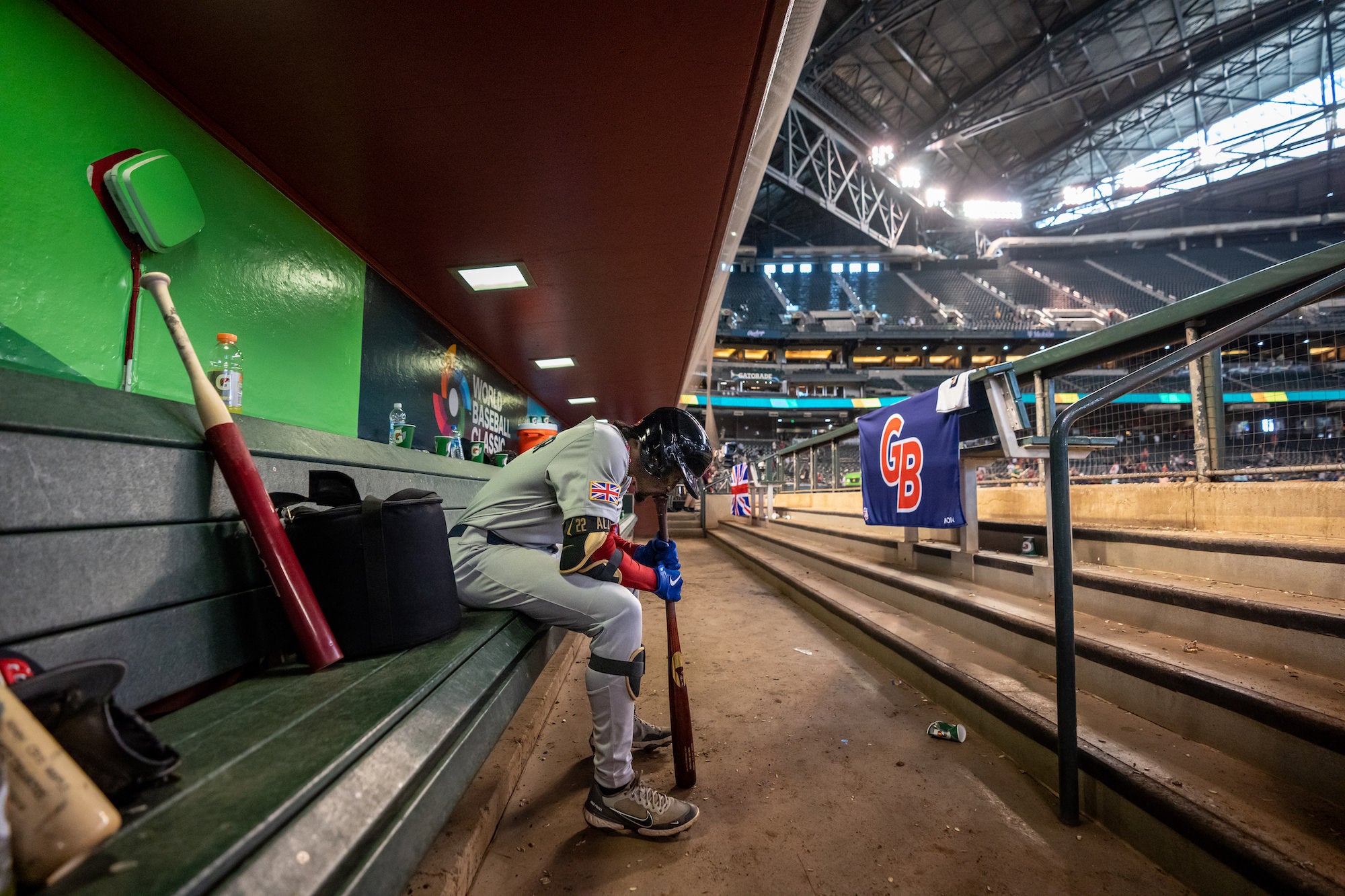
Photo by Jean Fruth. Alpha 1. 16-35mm f/2.8 G Master. 1/800-sec., f/2.8, ISO 4000
10. Take The Alpha Camera Academy Sports Photography 101 Course
The learning doesn't stop here. You can dive deeper into the world of sports photography in our Sports Photography 101 course with instructor Brad Deel. Learn to photograph sports action with your Alpha camera, step-by-step, using simple settings and techniques.
Take the course.