Hannah Alexander (@hannahshoneycomb) is a professional nature photographer, beekeeper, master gardener and certified horticulturist. She uses her lens, in this case the new 100mm f/2.8 Macro G Master (Buy Now), along with her deep horticultural expertise to reveal the hidden dynamics of ecosystems and inspire others to connect with the natural world. “I used the 100mm f/2.8 Macro G Master in my garden, at nature preserves, and inside of my beehives. I photographed honey bees, bumblebees, butterflies, foliage, water droplets, flowers and some landscapes.” See some of her first photos with the new lens and thoughts on its performance below.
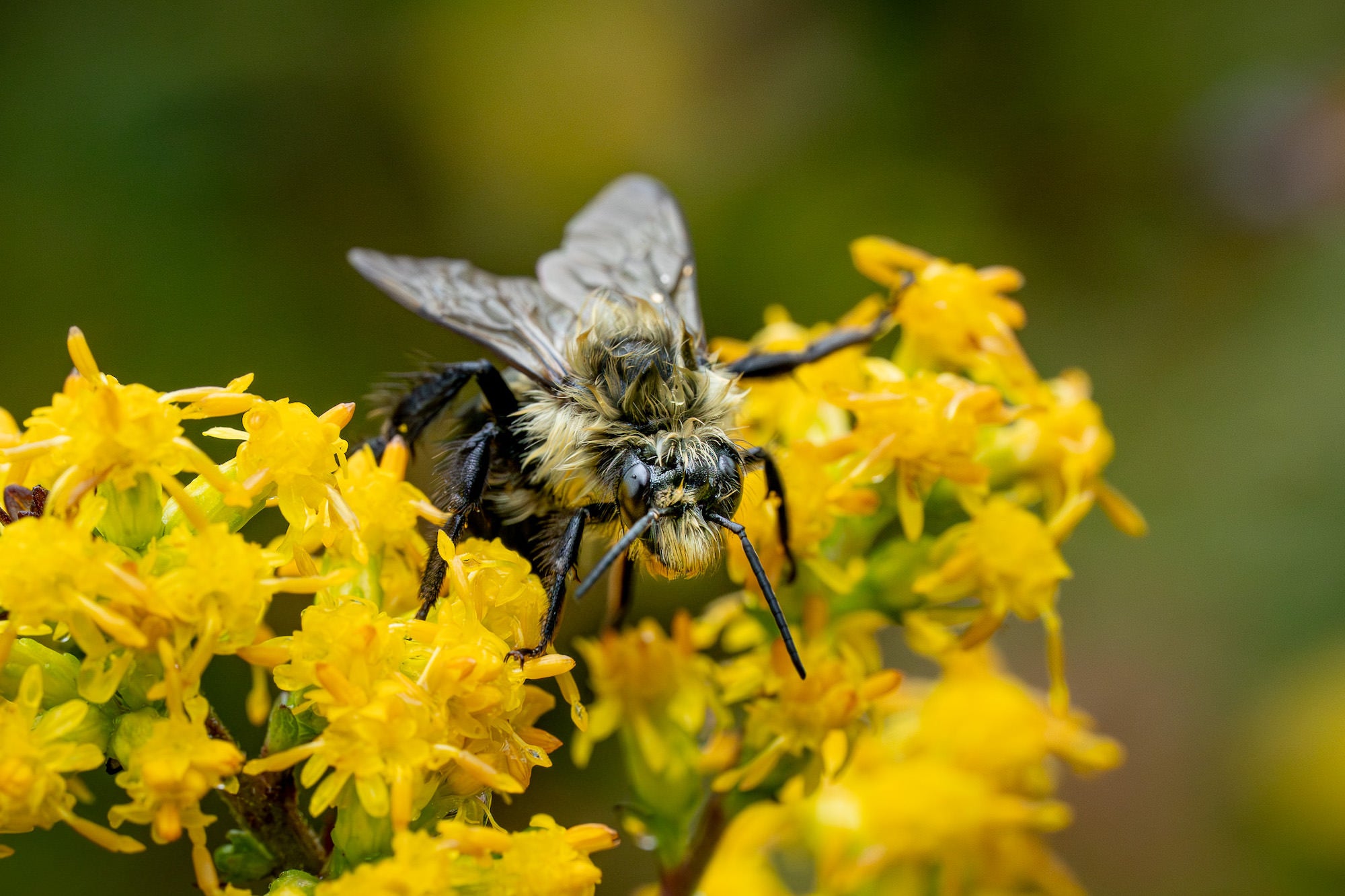
Photo by Hannah Alexander. Alpha 7R V. 100mm f/2.8 Macro G Master. 1/160-sec., f/9, ISO 2500
Like Seeing Under A Microscope
Hannah’s work leads her to document what’s going on inside the hive, and the lens helped her capture things she normally would need a microscope for. “Some of the photos I took were so detailed and close enough that parasites and diseases on the bees were detectable, which isn’t necessarily glamorous in the sense of art, but very useful for documenting things that are otherwise only able to be done under a microscope from a deceased specimen.”
She continues, “I also really appreciated the extra reach given when combined with the 2x teleconverter, which allowed me to get different perspectives with greater background compression. This is particularly useful with subjects like butterflies that can be tough to get close to.”
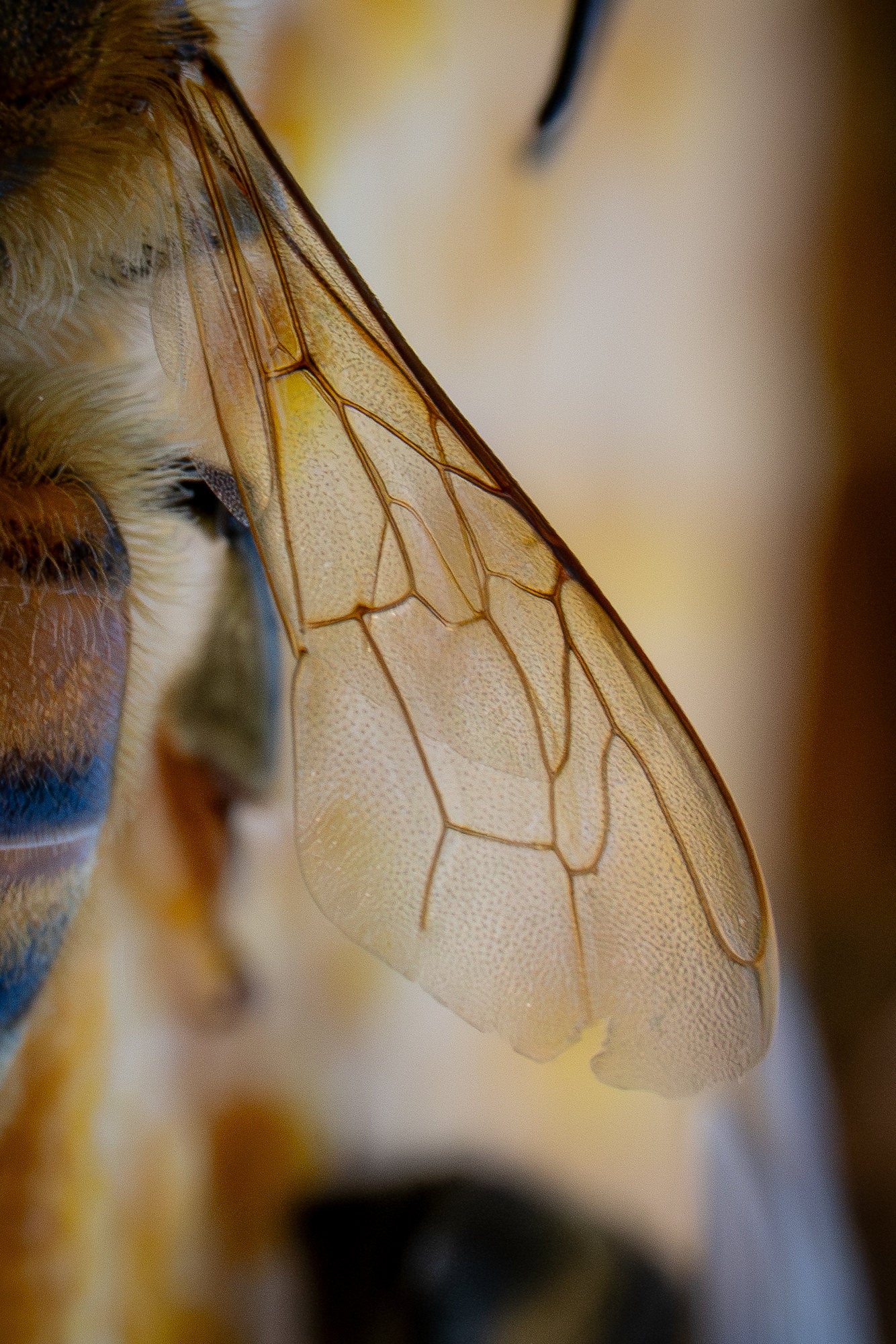
Photo by Hannah Alexander. Alpha 7R V. 100mm f/2.8 Macro G Master +2x Teleconverter. 1/200-sec., f/13, ISO 2000
Fast Autofocus & Durable Build
One of the most standout features of the new lens for Hannah is the autofocus.The linear motors that enable high-speed, high-precision, and quiet lens drive, make autofocus performance up to 1.9 times faster than previous models. “The autofocus is considerably faster than the previous options – I used to have to rely primarily on manual focus and holding my breath,” she explains. “I love the construction of the lens and that the sliding focus ring can be used to override the autofocus to tweak things slightly without fully having to change back to manual focus mode. I also really appreciate the high quality of the sealing and fluorine-coated front element, because I need something durable and easy to clean especially when working in hives around beeswax and honey.”
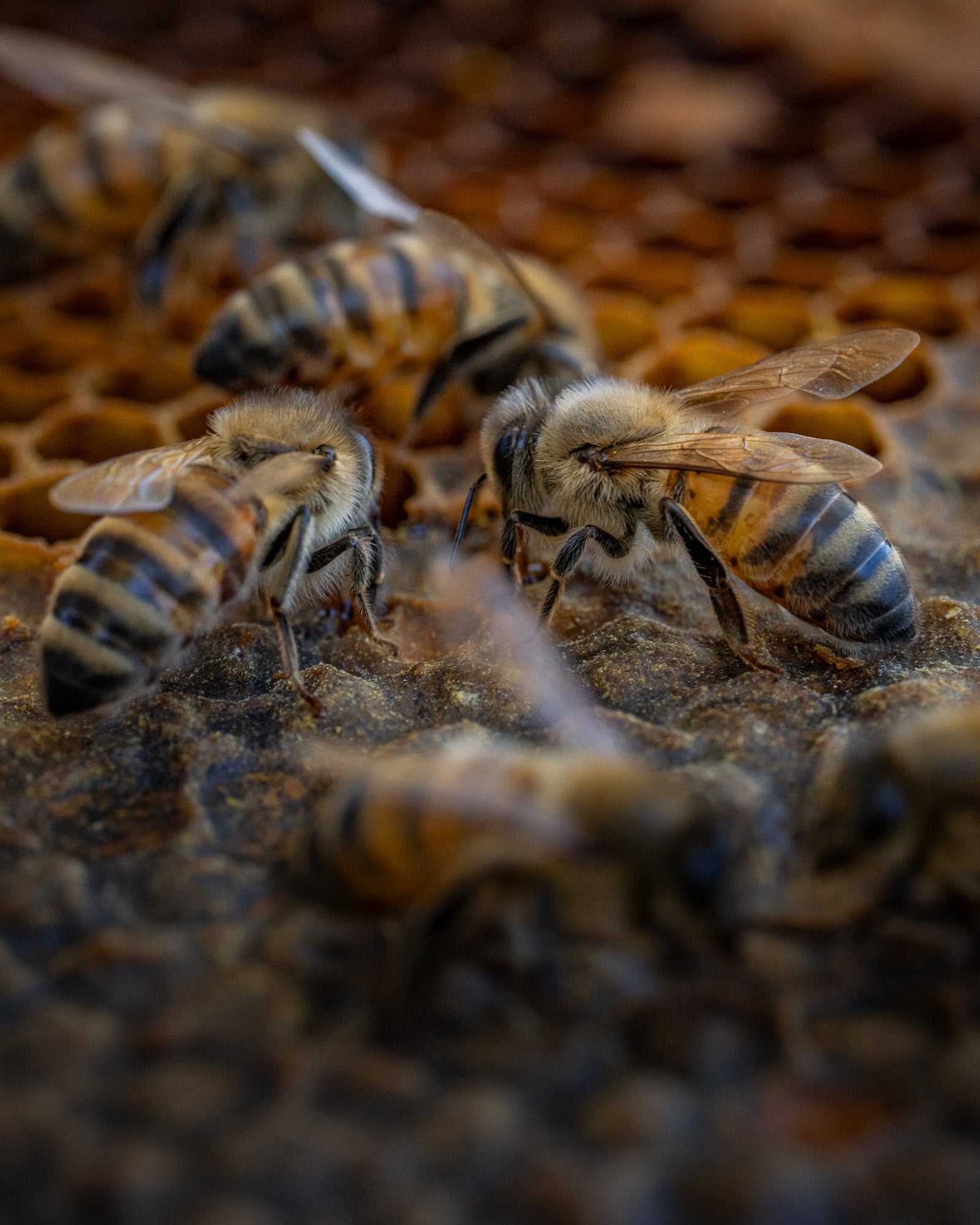
Photo by Hannah Alexander. Alpha 7R V. 100mm f/2.8 Macro G Master. 1/125-sec., f/7.1, ISO 800
More Usable Photos & Video
Another thing Hannah noticed with the 100mm f/2.8 Macro G Master is how many usable shots she walked away with compared to the past. “This lens is a gamechanger for me for video content, the improved autofocus has given me so many more useful shots of moving insects,” she says. “I also was really thrilled with how close I could get with the 2x teleconverter addition to have the insect subject fill the frame with minimal cropping needed after. The most notable improvement to me compared to the older 90mm macro is the amount of workable photos vs. outtakes due to the autofocus.”
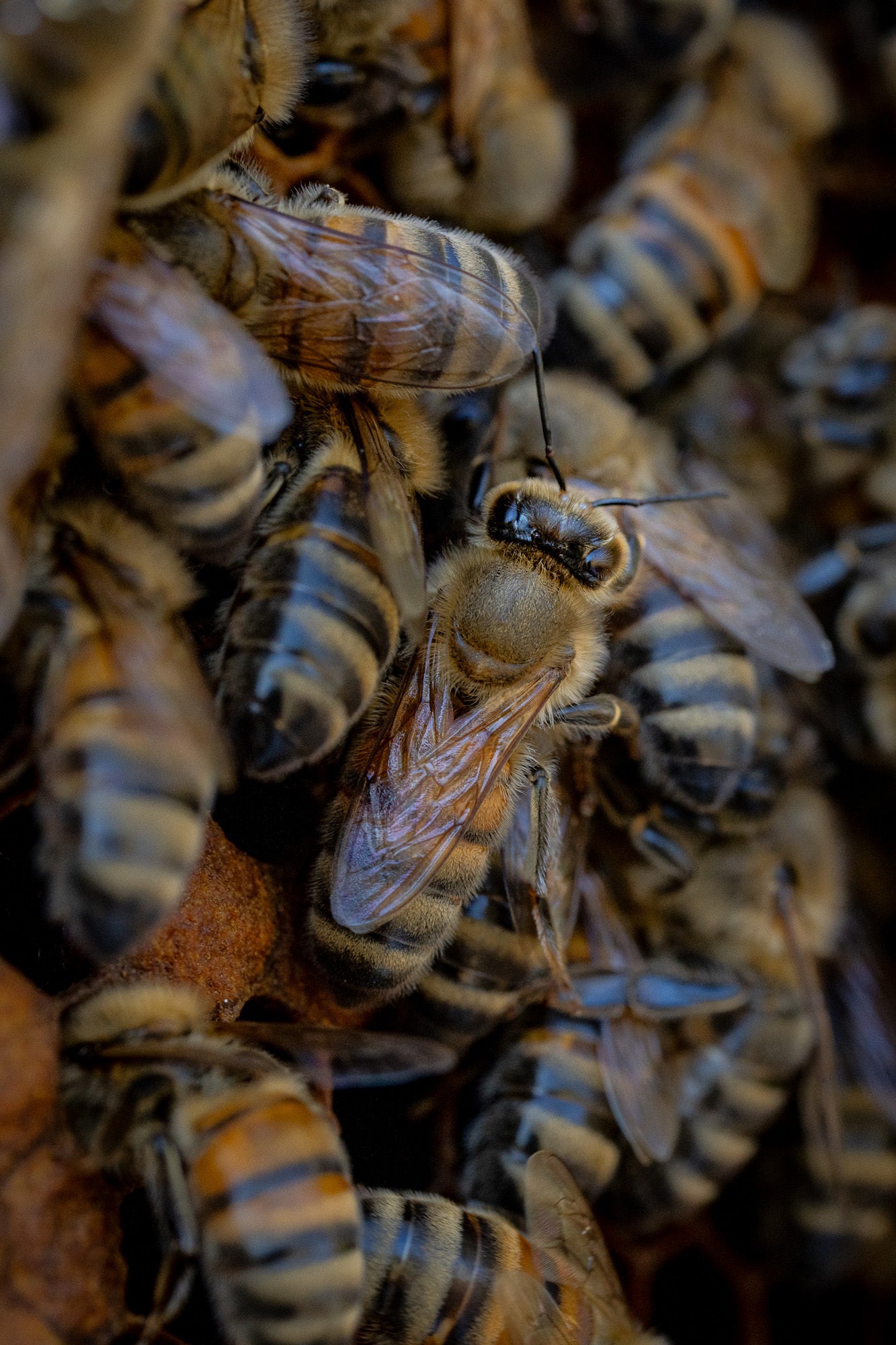
Photo by Hannah Alexander. Alpha 7R V. 100mm f/2.8 Macro G Master. 1/125-sec., f/7.1, ISO 800
Making Macro More Accessible
Hannah, who also leads nature walks for others including the elderly, sees the improved autofocus and stabilization as a major barrier-breaker for those who may not be as steady. “I think this lens will make macro photography more accessible to many interested people,” she says. “With the improved autofocus and stabilization, it’s a great option for people who are physically unable to hold as still as is often needed for macro.”
Testing out the lens confirmed that she will be officially adding it to her nature photography kit. “I’m really happy and excited for this lens, it will improve my workflow considerably and it’s a pleasure to use. I will definitely be adding it to my kit as soon as possible!”
See more of Hannah Alexander’s work on Instagram @hannahshoneycomb.
Click here to add the new 100mm f/2.8 Macro G Master to your kit.