Our What’s In My Bag series gives us an inside look at the kits of your favorite photographers, revealing the most popular cameras and lenses in the creative space. One that continues to be a popular choice among many photographers is the 200-600mm f/5.6-6.3 G (Buy Now). Perfect for wildlife and more, the 200-600mm super-telephoto zoom can reach as far as 840mm or 1200mm with 1.4x teleconverter and 2.0x teleconverter. You don’t have to take our word for it…keep reading below as a group of photographers share why you’ll always find the 200-600mm f/5.6-6.3 G in their bags.
Photographers Who Love The 200-600mm f/5.6-6.3 G
Matt Kloskowski
“This is my main bird and wildlife photography lens. It gives me the versatility of being able to zoom in and out when I need and is also light enough that I can handhold it without getting too tired. The lens is razor sharp and with really fast auto focus. If you look at any of my wildlife photos there’s an 80% chance they were taken with this lens.”
Read more in What's In My Bag: A Nature Photographer's Kit That's All About The Need For Speed.
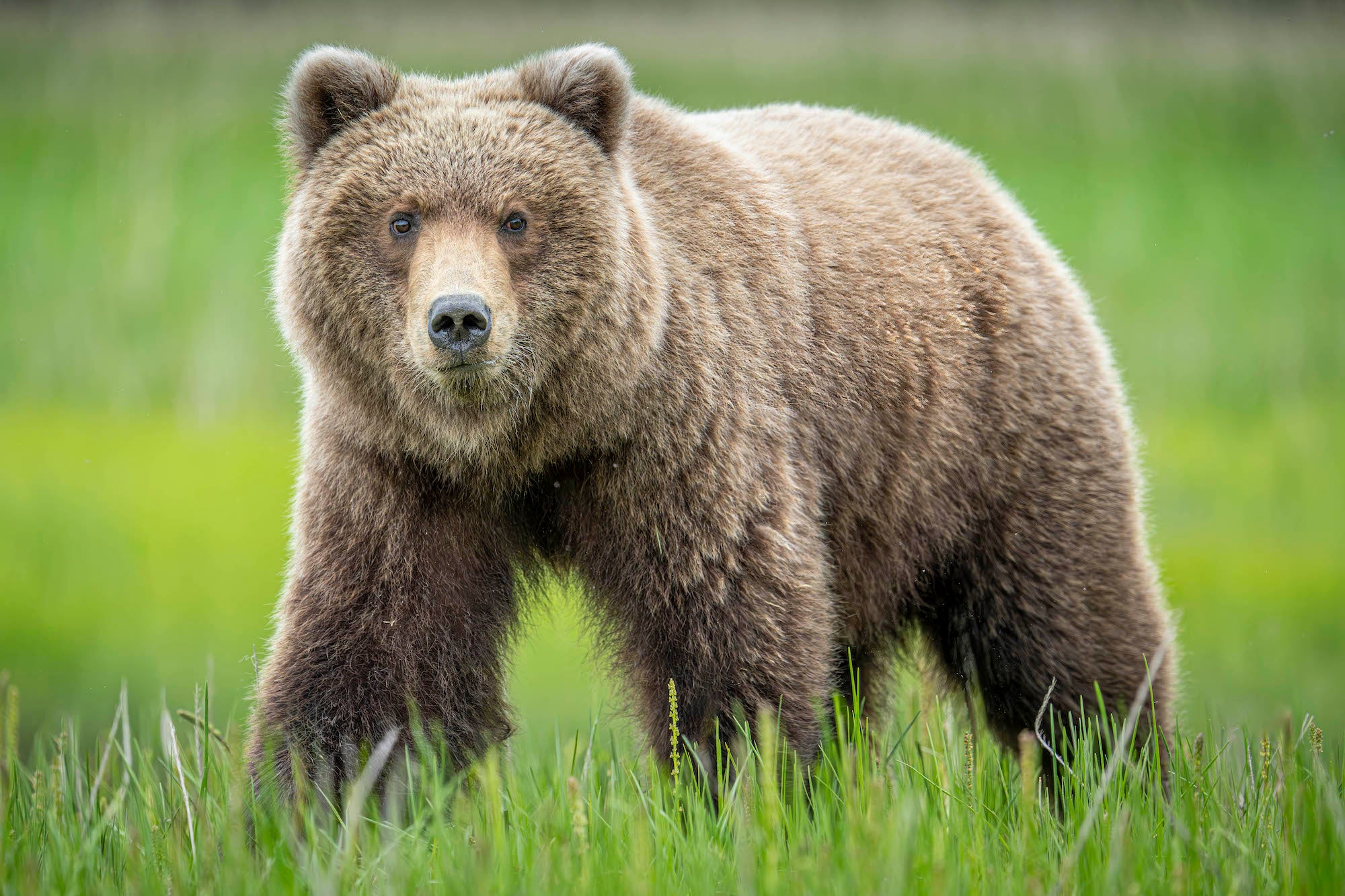
Being able to quickly zoom in and out allowed me to capture so many more photos of bears on my Alaska trip without having to change lenses. Photo by Matt Kloskowski. Sony Alpha 1. Sony 200-600mm f/5.6-6.3 G. 1/1250-sec., f/6.3, ISO 1000
JP Ramirez
“The king of all sports and wildlife lenses. Yes, it’s big – but the image quality that this glass produces is unmatched. I keep this with me at all times during my outdoor shoots because I never know what I'll run into and how much reach I will need to capture it. Also having an all white lens just looks really cool.”
Read more in What’s In My Bag: A Hybrid Shooter's Alpha 7 IV & FX3 Kit For Photo & Video.
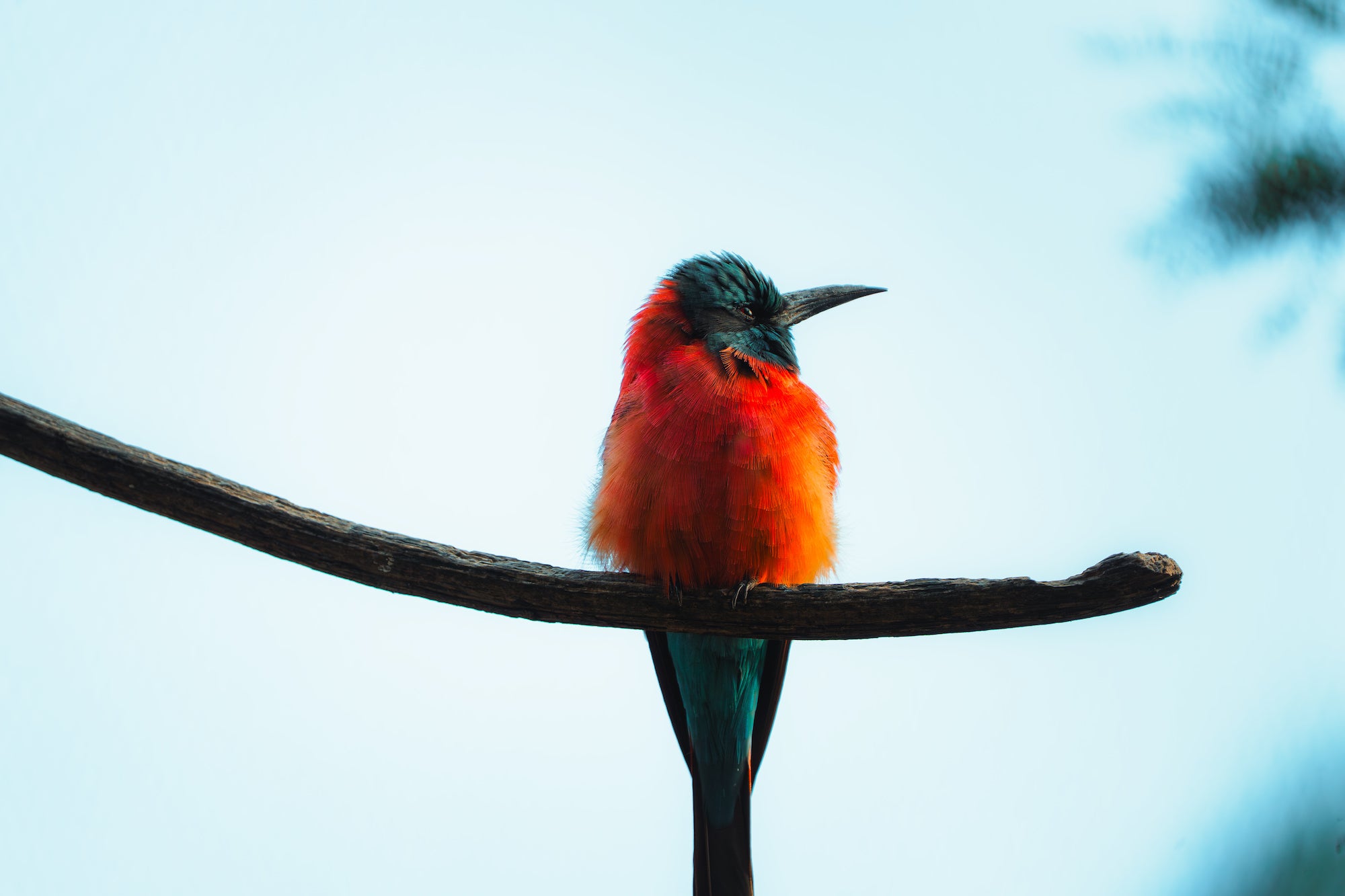
"The sharpness of this lens and reach allows me to capture all sorts of animals no matter how small." Photo by JP Ramirez. Alpha 7 IV. 200-600mm f/5.6-6-3 G.
Pierre Gavarry
“This lens never leaves my side. It gives me the reach and precision I need for wildlife photography while keeping the image quality exceptional. The internal zoom makes it perfect for handheld shooting, and the compression creates that cinematic look I love in my work.”
Read more in What’s In My Bag: A Wildlife & Nature Photographer’s Kit For Capturing Fall Colors.
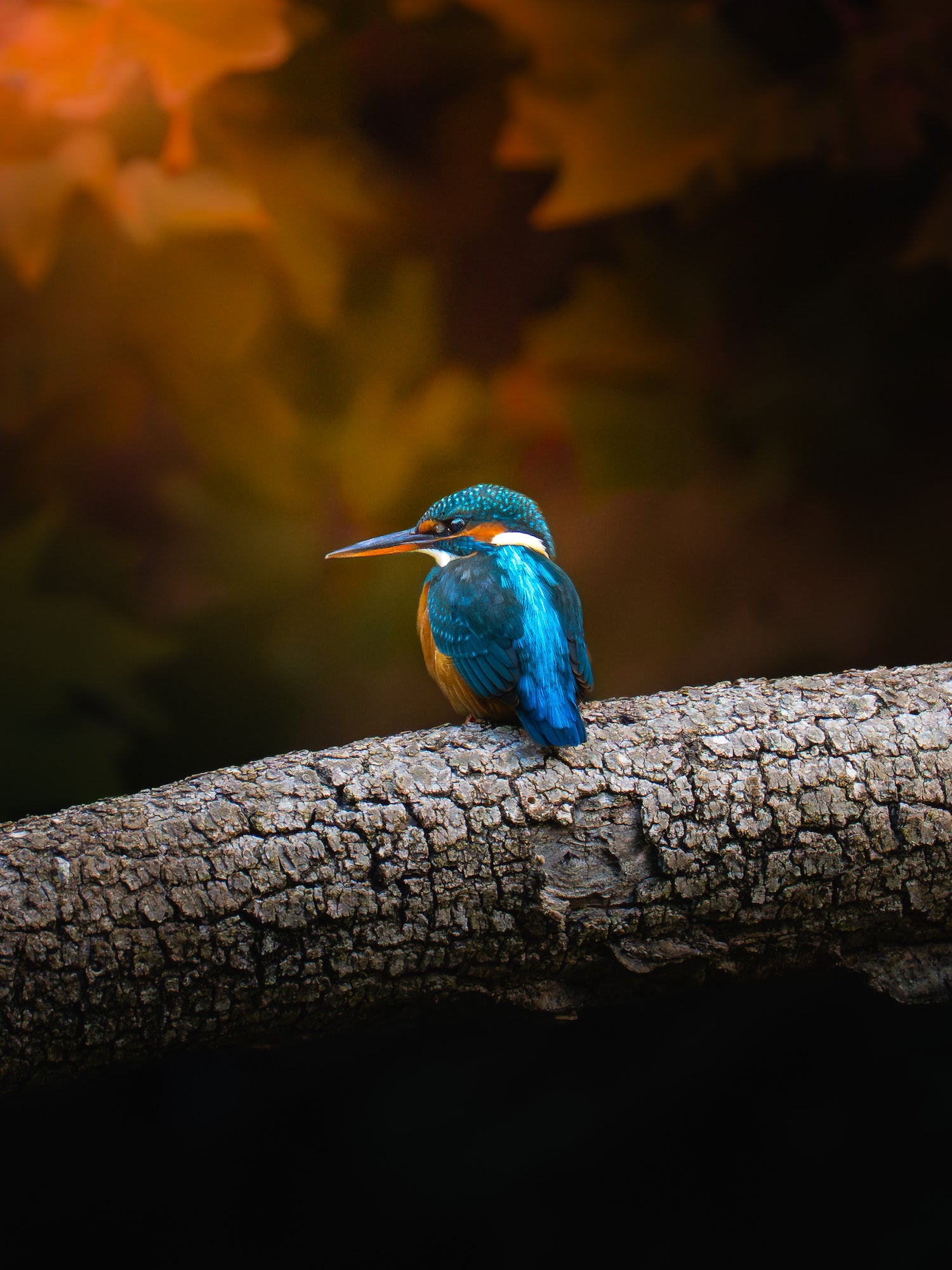
Photo by Pierre Gavarry. Alpha 7 IV. 200-600mm f/5.6-6.3 G. 1/2000-sec., f/6.3, ISO 10000
Tori Harp
“When my subject is a bit further out I go for this lens. This is great for taking on shorter walks when wildlife might be present. This lens is quite impressive even when I use it handheld and captures sharp detail on the subject while providing striking bokeh in the background. Adding a teleconverter is a great option to increase the zoom without adding the weight of a bigger zoom lens. I also love this lens for capturing moonrises and moonsets and other celestial events with a star tracker. I always leave a UV filter on this lens to protect it from scratches.”
Read more in What’s In My Bag: A Glacier Guide’s Camera Gear For Ice Climbing Adventures.
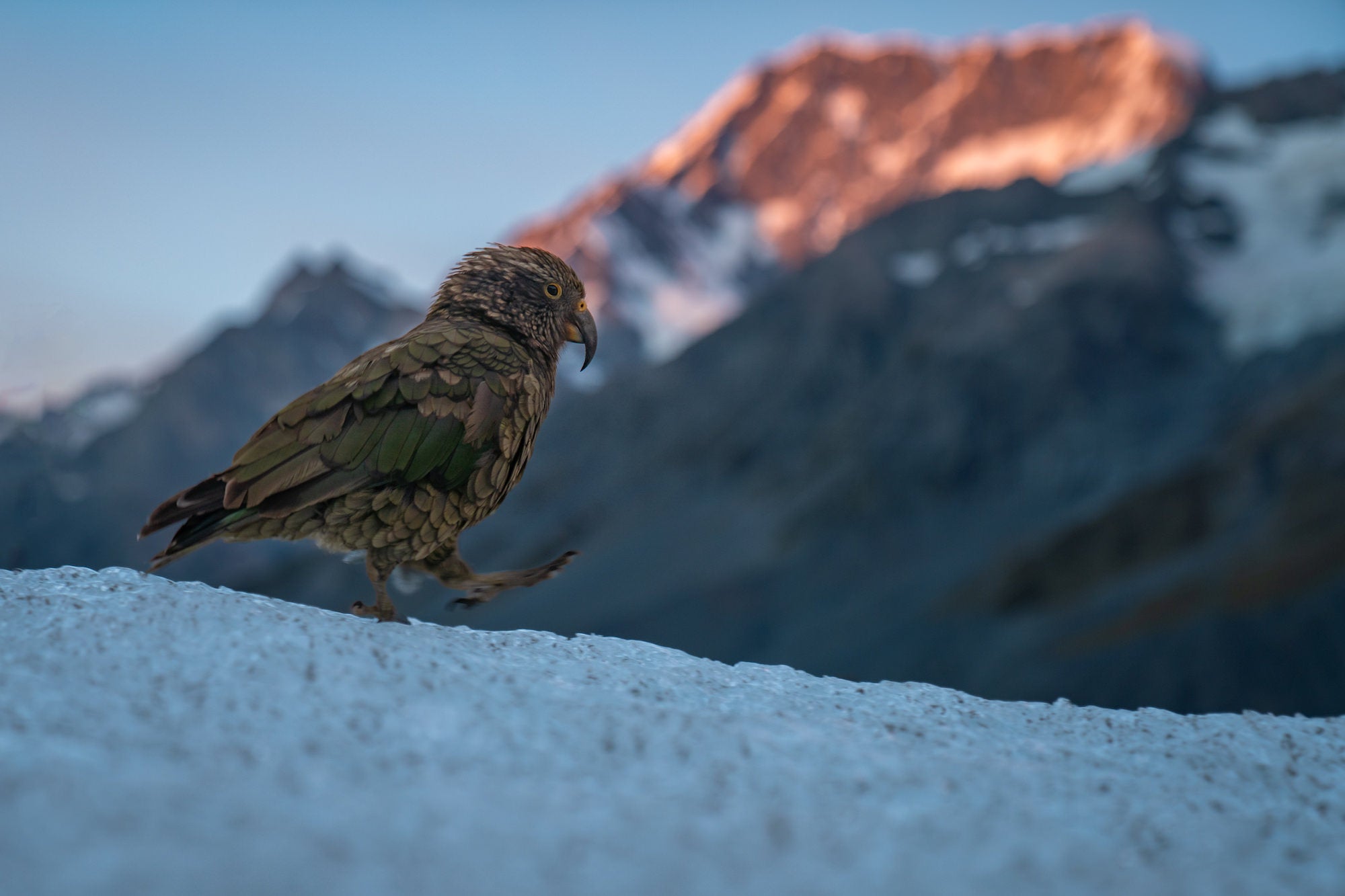
Photo by Tori Harp. Alpha 7R IV. 1/100-sec., f/2.8, ISO 250
Hannah Rheaume
“The 200-600mm allows me to get really intimate moments with wildlife. And it’s in a way where I’m not intruding on its personal space, that’s the last thing you want to do as a wildlife photographer. So it’s really important to be able to create that safe distance from the animal while still maintaining those images that you want to craft. So I have that range from 200-600mm so I’m able to take more wide landscape shots, or I’m able to kind of zoom in and get more of those portrait full frame of the animal in the photo.”
Read more in What's In My Bag: See Inside Hannah Rheaume's Nature & Wildlife Photography Kit.
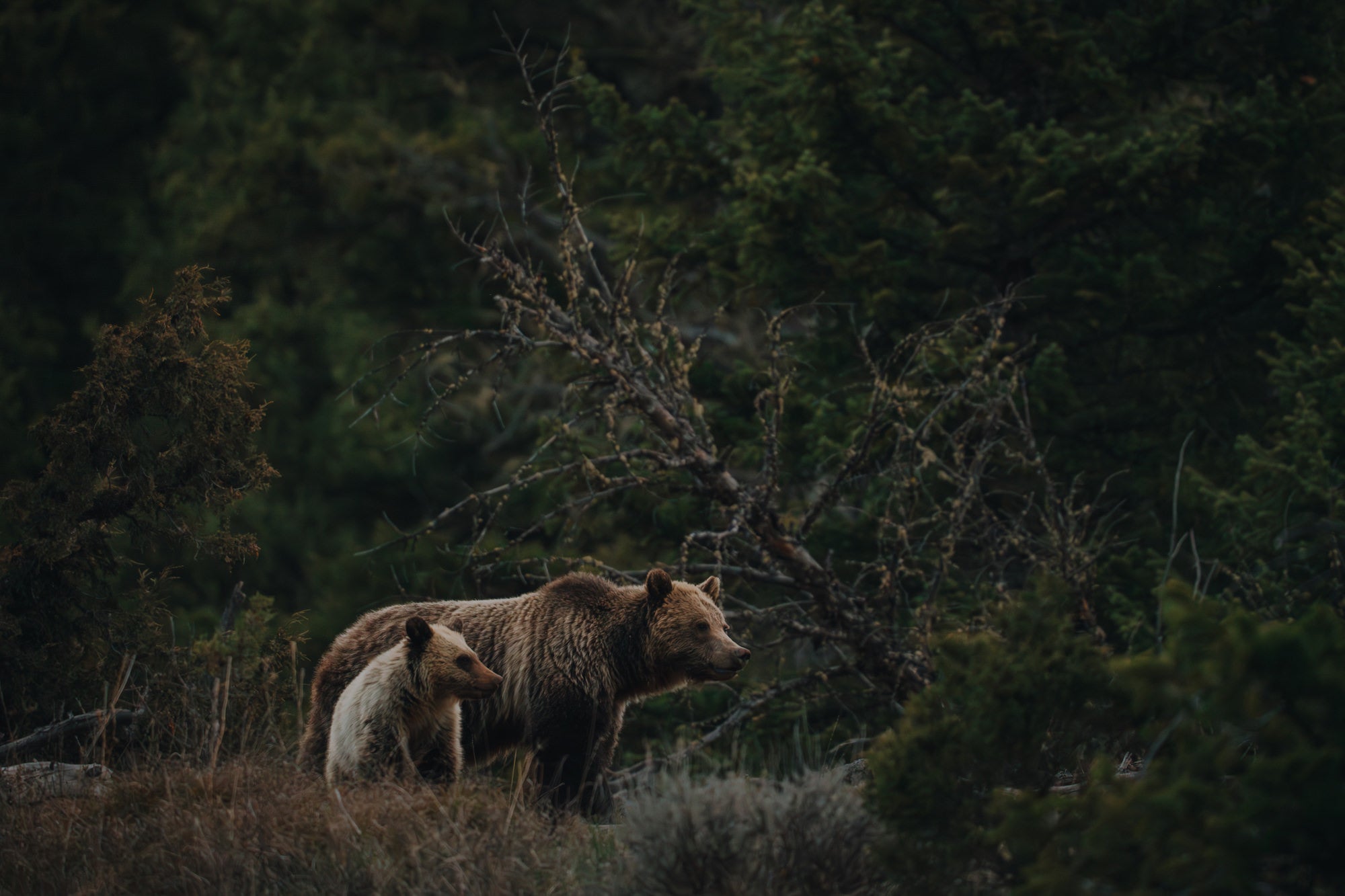
Photo by Hannah Rheaume. Alpha 7R V. 200-600mm f/5.6-6.3 G. 1/1600-sec., f/6.3, ISO 5000
Vikas Chander
“I use the 200-600mm lens to capture deep sky images. The genre of deep sky imaging requires the shooting of many images which are then integrated together in specialized programs such as PixInsight to construct the final image. An image can contain 100’s of stacked images shot over multiple hours with long exposures. The high megapixel sensor of the Alpha 7R V and the sharp optics of the 200-600mm lens always results in high quality images.”
Read more in What’s In My Bag: The Ultimate Astro Kit For Milky Way & Deep Sky Photography.

Photo by Vikas Chander. (Stack of 50 images) Alpha 7R V. 200-600mm f/5.6-6.3 G. 30-sec., f/6.3, ISO 1600
Hayden Dumaw
“The Sony 200–600mm was the first lens I ever used for wildlife photography, and it remains a vital part of my kit. Its flexibility is what makes it so valuable – allowing me to adapt quickly when subjects move unpredictably or when I need less than the reach of a 600mm prime. It’s also more practical for travel where I have to pack lighter and smaller. With great autofocus and versatile range, it’s a dependable lens that balances performance with portability.”
Read more in What’s In My Bag: The Perfect Kit For Bird, Wildlife & Underwater Photography.
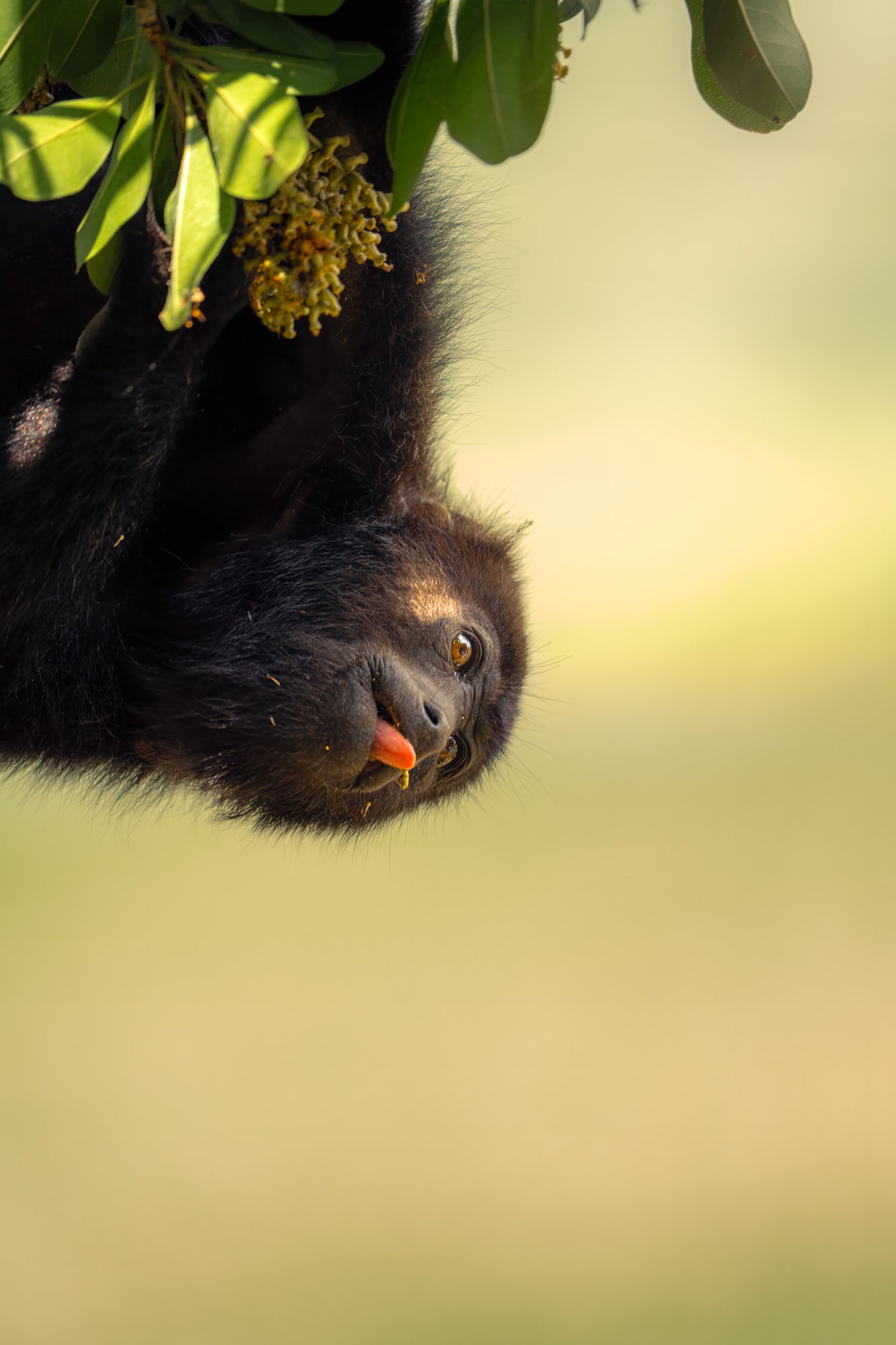
Photo by Hayden Dumaw. Alpha 7R IV. 200-600mm f/5.6-6.3 G. 1/500-sec., f/6.3, ISO 800
Henrique Maia
“My window into the intimate lives of wildlife. The 200–600mm f/5.6–6.3 G is the lens that brings me closest to the wild without ever crossing the line of respect and safety. It’s my way of observing the most private, undisturbed moments of an animal’s life – from a safe distance that keeps them comfortable and allows me to remain invisible in their world.”
Read more in What's In My Bag: Everything You Need For A Wildlife Photography Expedition.
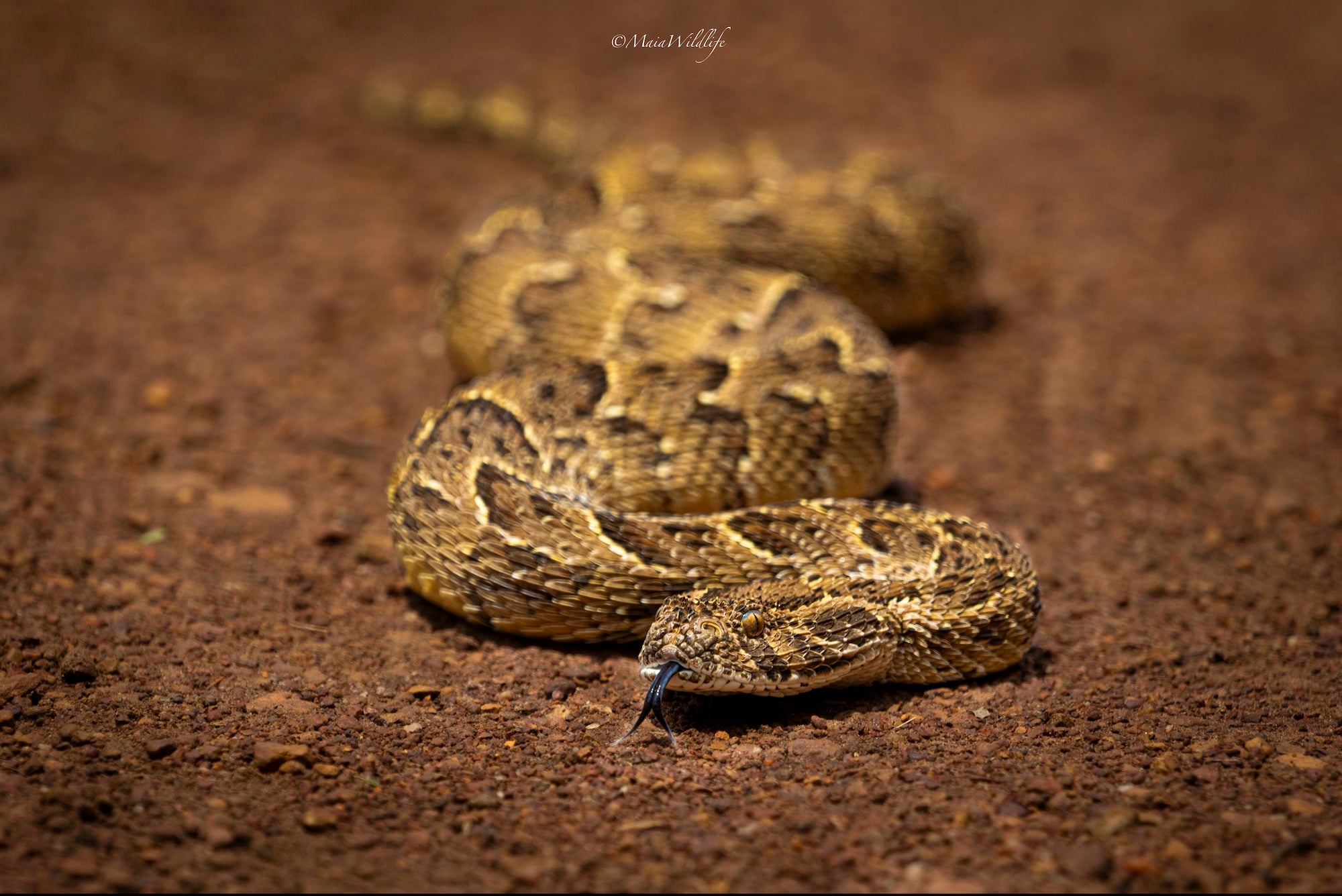
Photo by Henrique Maia. Alpha 7R V. 200-600mm f/5.6-6.3 G.
Todd Frame
“My favorite lens for wildlife. It’s got great reach on the long end for when you can’t get close to your subject, and the zoom makes it incredibly versatile when you’re shooting from a safari vehicle or blind. You can’t always adjust your distance to the animal if it’s moving, so the zoom allows you to compose the shot you want from a static position.”
Read more in What's In My Bag: 2 Cameras & 5 Zooms For Landscape & Wildlife Photography.
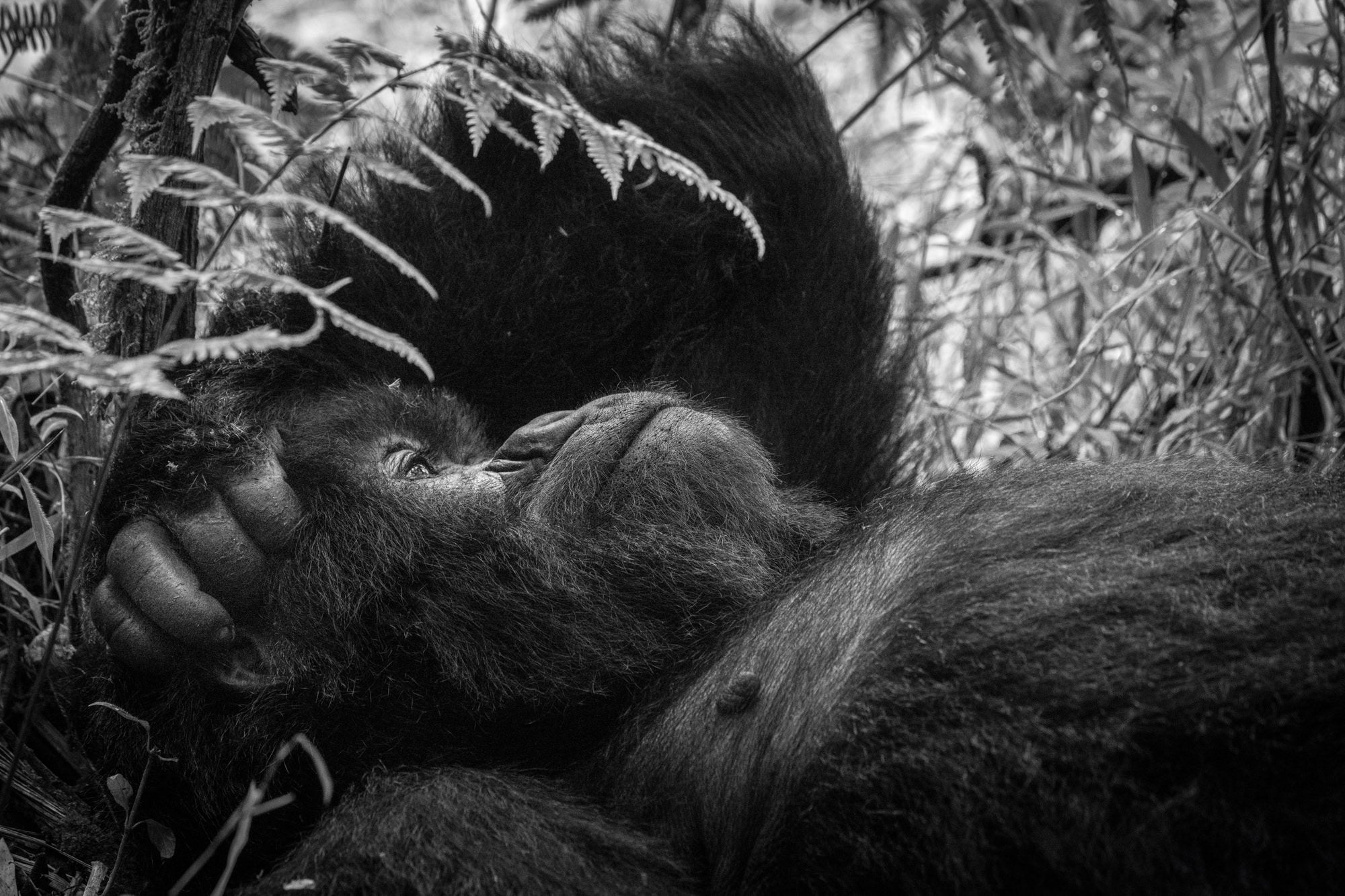
Photo by Todd Frame. Alpha 7R V. 200-600mm f/5.6-6.3 G. 1/200-sec., f/8, ISO 6400
Brandon Kirk
“As for lenses, the 200-600mm f/5.6-6.3 G is my primary lens for surf photography. Honestly, for the money, I think it’s the best value available.”
Read more in What’s In My Bag: A Sony Alpha 7R V Kit For Surf Photography.
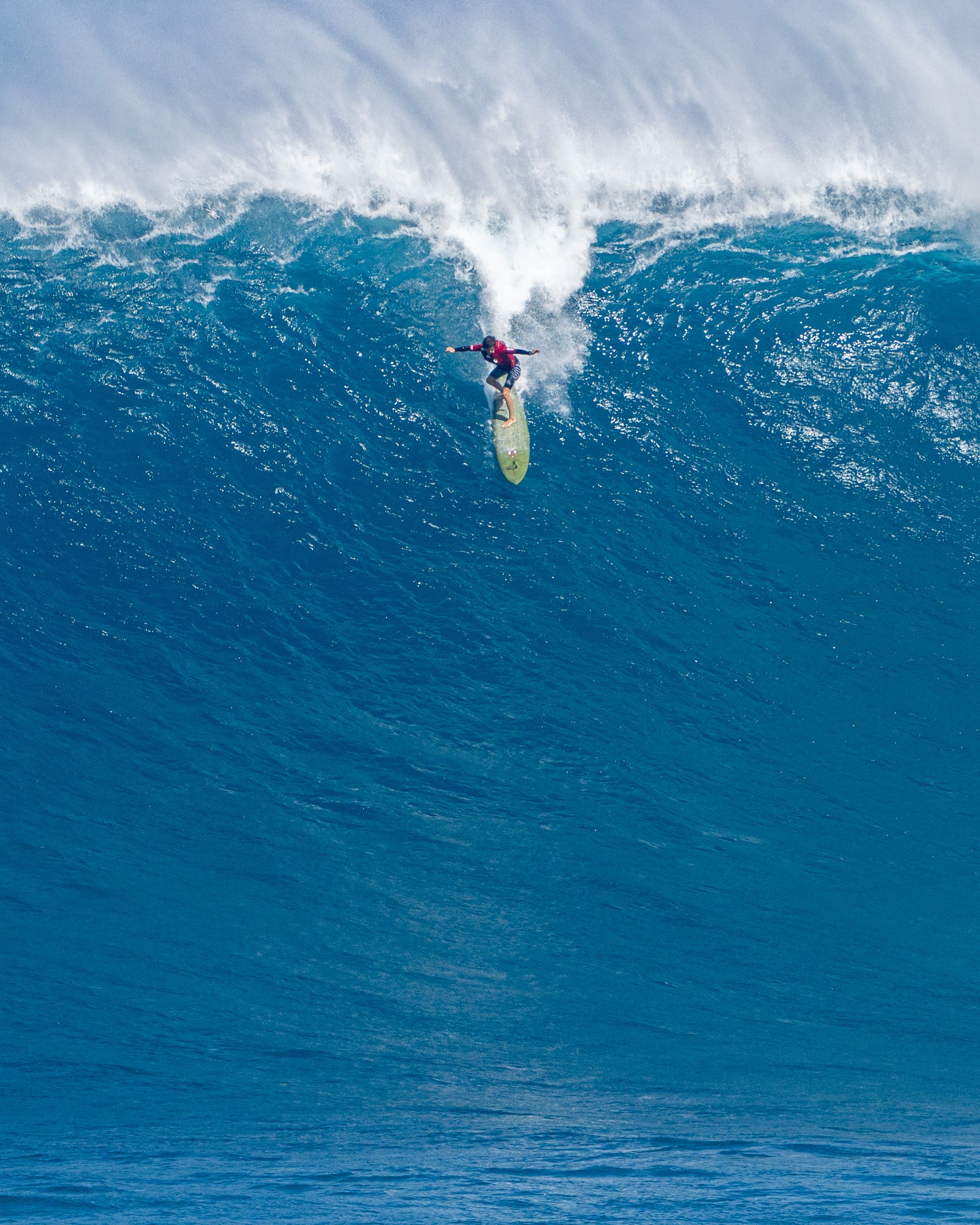
Surfer Trevor Collins. Photo by Brandon Kirk. Sony Alpha 7R V. Sony 200-600mm f/5.6-6.3 G. 1/1600-sec., f/6.3, ISO 320
Evan Possley
“A fantastic lens when I need some extra reach for wildlife. For the amount of zoom, it's a relatively compact lens, and I like that it zooms internally which is great when I’m out in the field in dusty environments. The OSS ensures that I can get the shot even hand held at 600mm.”
Read more in Explore Evan Possley's Gear For Stunning Wildlife & Underwater Photography.
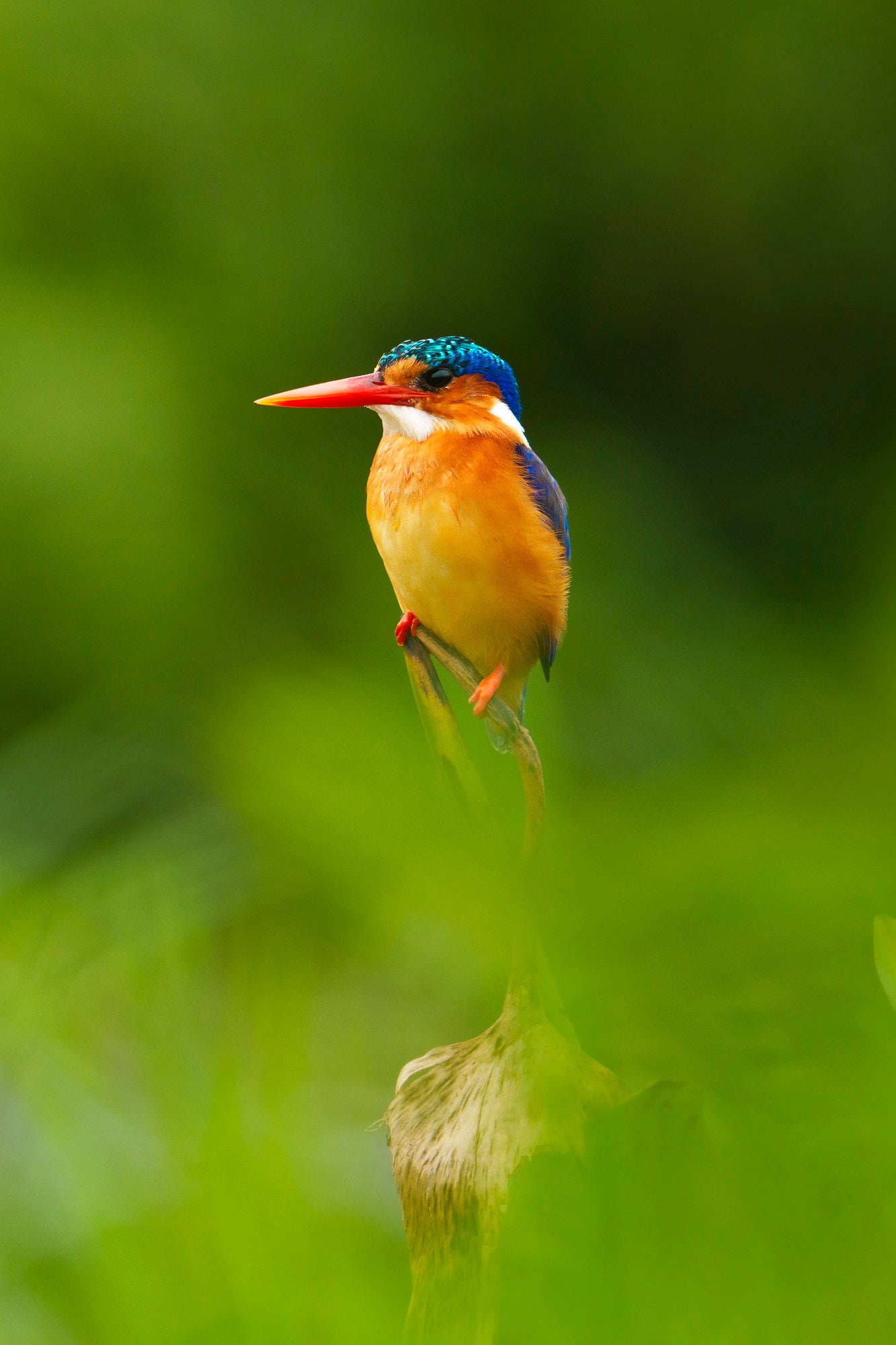
A Malachite Kingfisher in Uganda. Photo by Evan Possley. Alpha 1. 200-600mm f/5.6-6.3 G. 1/1000-sec., f/7.1, ISO 640
Jake Brass
“The lens that I find most often attached to my camera is the Sony 200-600mm f/5.6-6.3 G. This lens is so versatile that when things are moving fast and there isn’t time for change, I know 9 times out of 10 it’s a lens that’ll get the job done. I’ve also always been a fan of the background compression you get when shooting with long lenses, I think it really helps to isolate an animal and bring a real sense of drama to a photo.”
Read more in What’s In My Bag: The Essentials For All-Terrain Bird & Wildlife Photography.
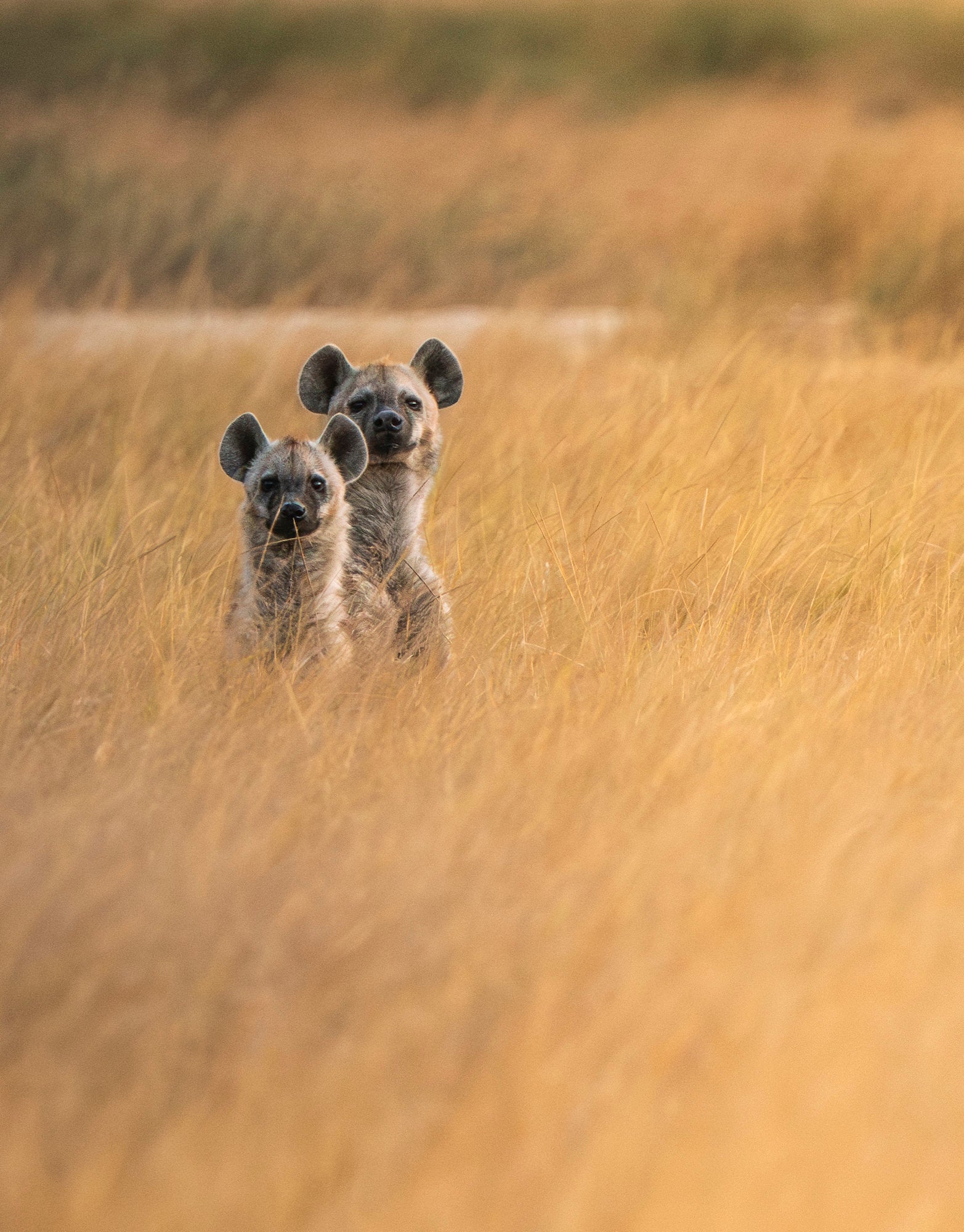
Photo by Jake Brass. Alpha 7R III. 200-600mm f/5.6-6.3 G. 1/160-sec., f/6.3, ISO 2000
Alex Briere
“For wildlife photography, the200-600mm f/5.6-6.3 G is indispensable. It allows me to capture distant subjects without disturbing them, which is crucial for photographing animals in their natural habitat. I am drawn to capturing birds, specifically owls, which at times can be very skittish.”
Read more in What’s In My Bag: A Photo & Video Kit For Wildlife, Landscapes, Weddings & More.
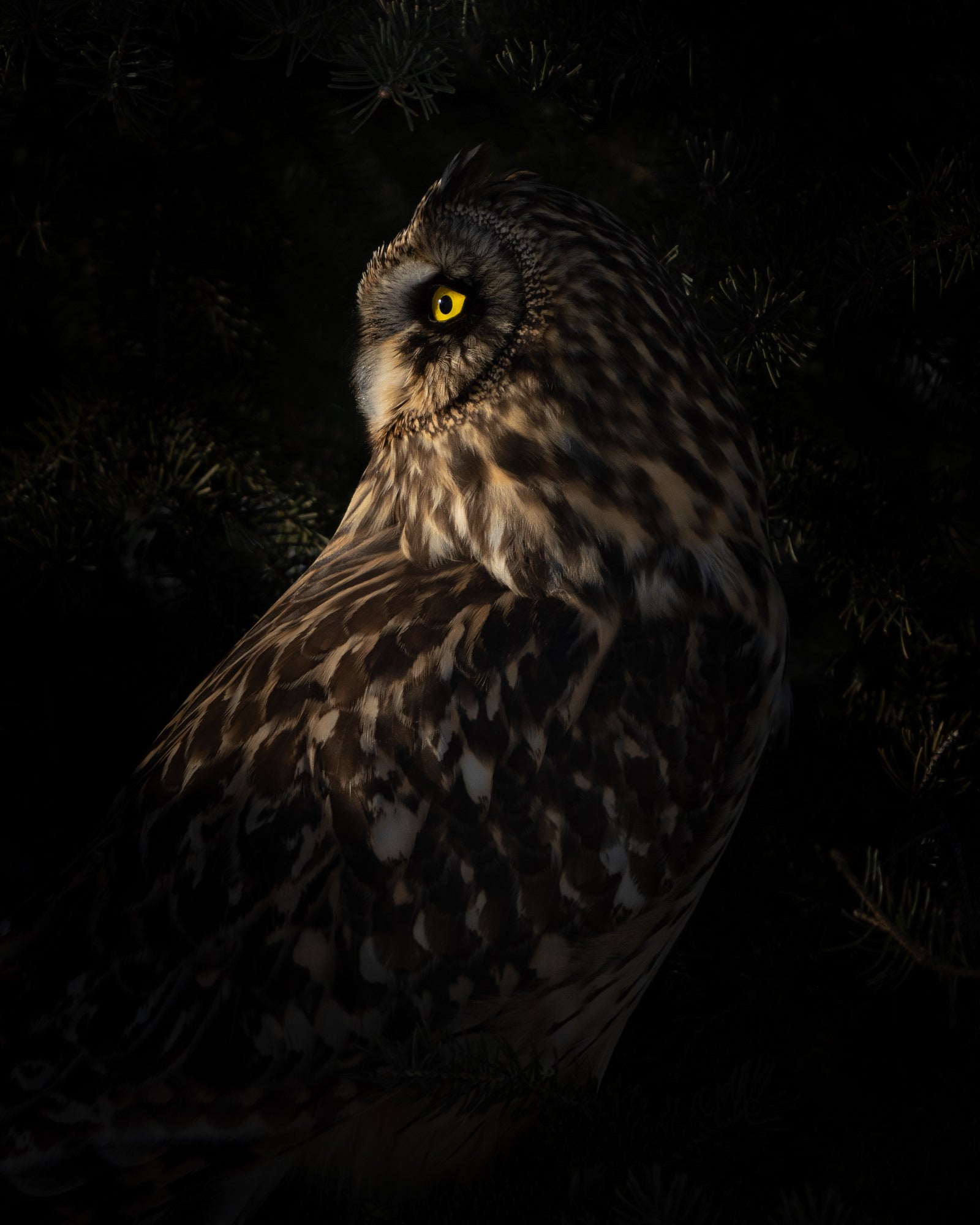
Photo by Alex Briere. Sony Alpha 7R IV. Sony 200-600mm f/5.6-6.3 G. 1/2000-sec., f/6.3, ISO 400
Amber Favorite
“This is the first Sony lens I purchased. It is my most versatile, my favorite, and most used lens that I own for wildlife. It is balanced enough that I can handhold this lens all day long in some instances. The internal zoom mechanism and the short throw of the zoom ring make this perfect for my small hands. It’s light enough that I have used it handheld while standing in a boat through ocean tidal rapids while videoing and photographing bald eagles but heavy enough that it doesn’t blow all over the place with the wind. This is the lens that I use the most for video also. You have to be smooth when videoing and this one allows me to keep the bird in flight in the viewfinder better than a prime because of the zoom capability. If I could only take one lens with me on a wildlife trip, this one would be it based on size and focal length.”
Read more in What’s In My Bag: An Outdoor Photo & Video Kit For Travel, Wildlife & Landscapes.
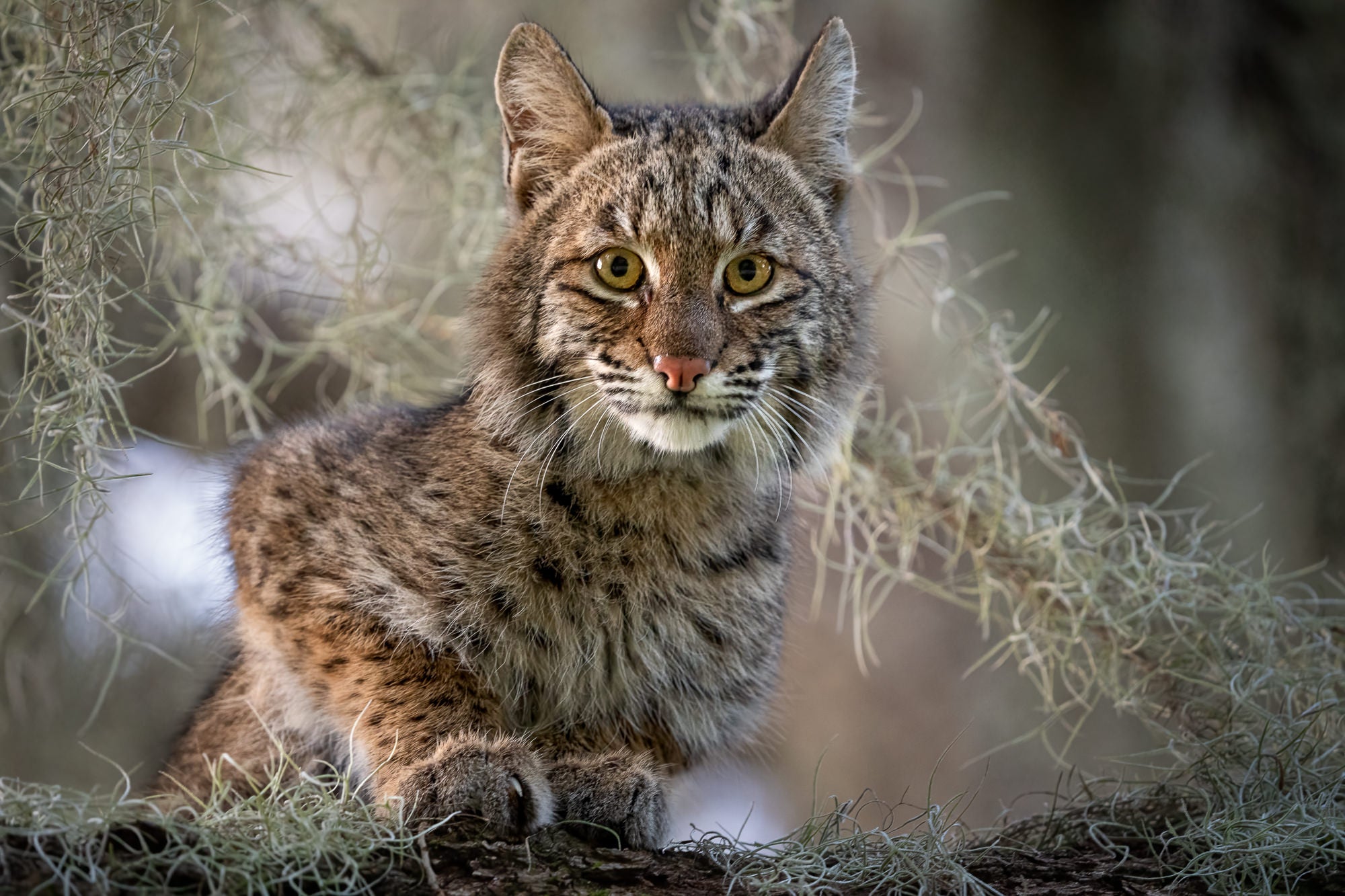
I waited what seemed like years to see a bobcat so you can imagine my excitement when I found this Bobcat kitten perched in a tree waiting for its mother to get back. Photo by Amber Favorite. Alpha 1. 200-600mm f/5.6-6.3 G. 1/125-sec., f/6.3, ISO 5000
Michael Castaneda
“The newest lens in my bag, this lens really takes landscapes to a new level for me. As I’ve touched on throughout the article, landscapes are traditionally thought to be shot wide. With this lens, I can really zoom into the Earth’s smaller detail and open up a whole new world of landscape photography. Furthermore, when coupled with the 1.4 or 2x teleconverter, this lens will allow you to get really detailed moon images and is great for the solar eclipse, which was the main reason I purchased it earlier this year.”
Read more in What’s In My Bag: A 2-Camera, 4-Lens Kit For Landscape & Lifestyle Photography.
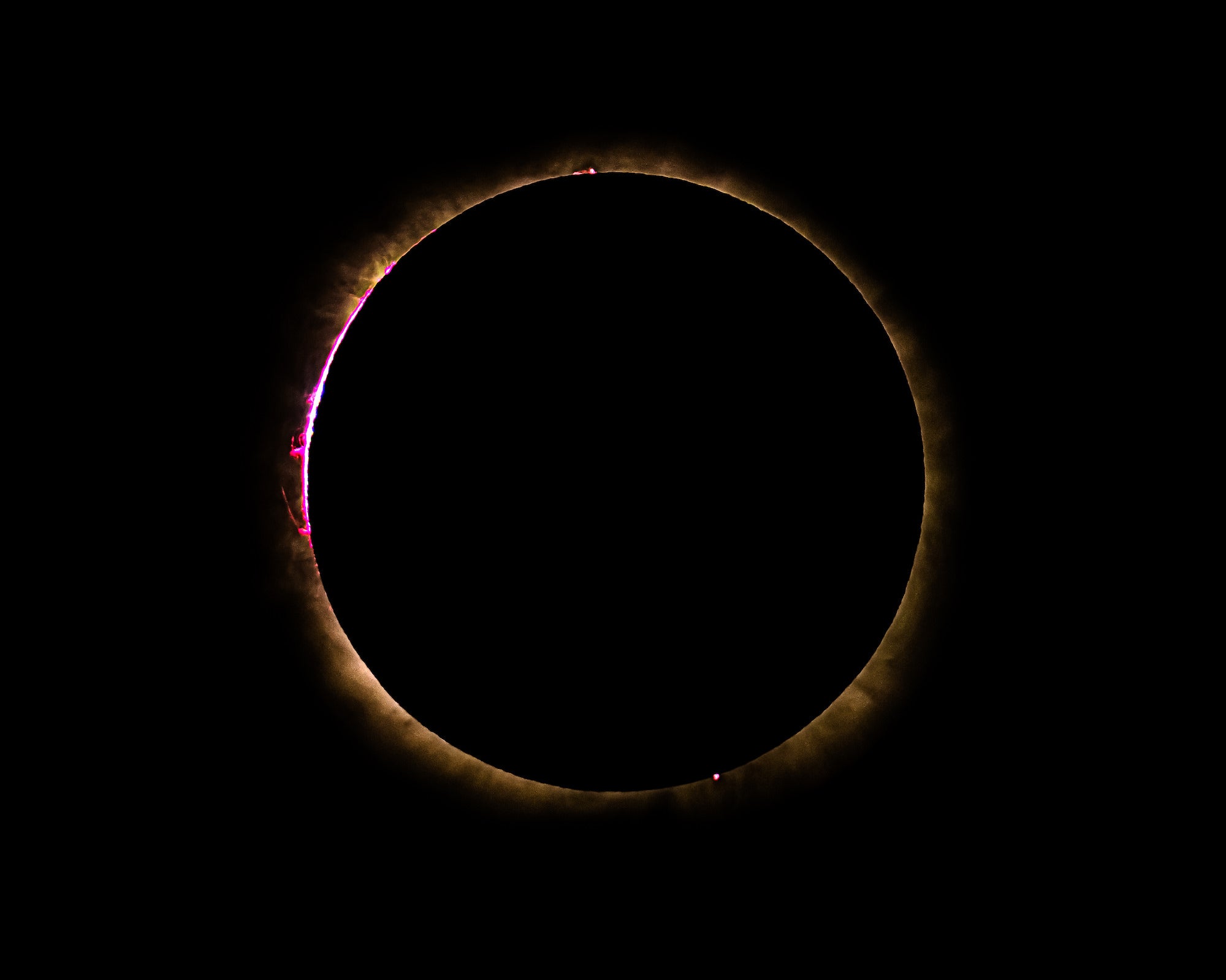
Photo by Michael Castaneda. Sony Alpha 7R V. Sony 200-600mm f/5.6-6.3 G + 1.4X TC.. 1/100-sec., f/9, ISO 100
Bret Blakely
“I am extremely excited to take it to my upcoming trip to the Grand Tetons for both wildlife as well as capturing the beautiful peaks from a distance and playing with the compression and depth a lens like this can provide. I also love that it has an internal zoom. This will make the handling and control of it so much easier than with an extending zoom lens.”
Read more in What’s In My Bag: From 14mm to 600mm, This Landscape, Astro & Wildlife Photo Kit Covers It All.
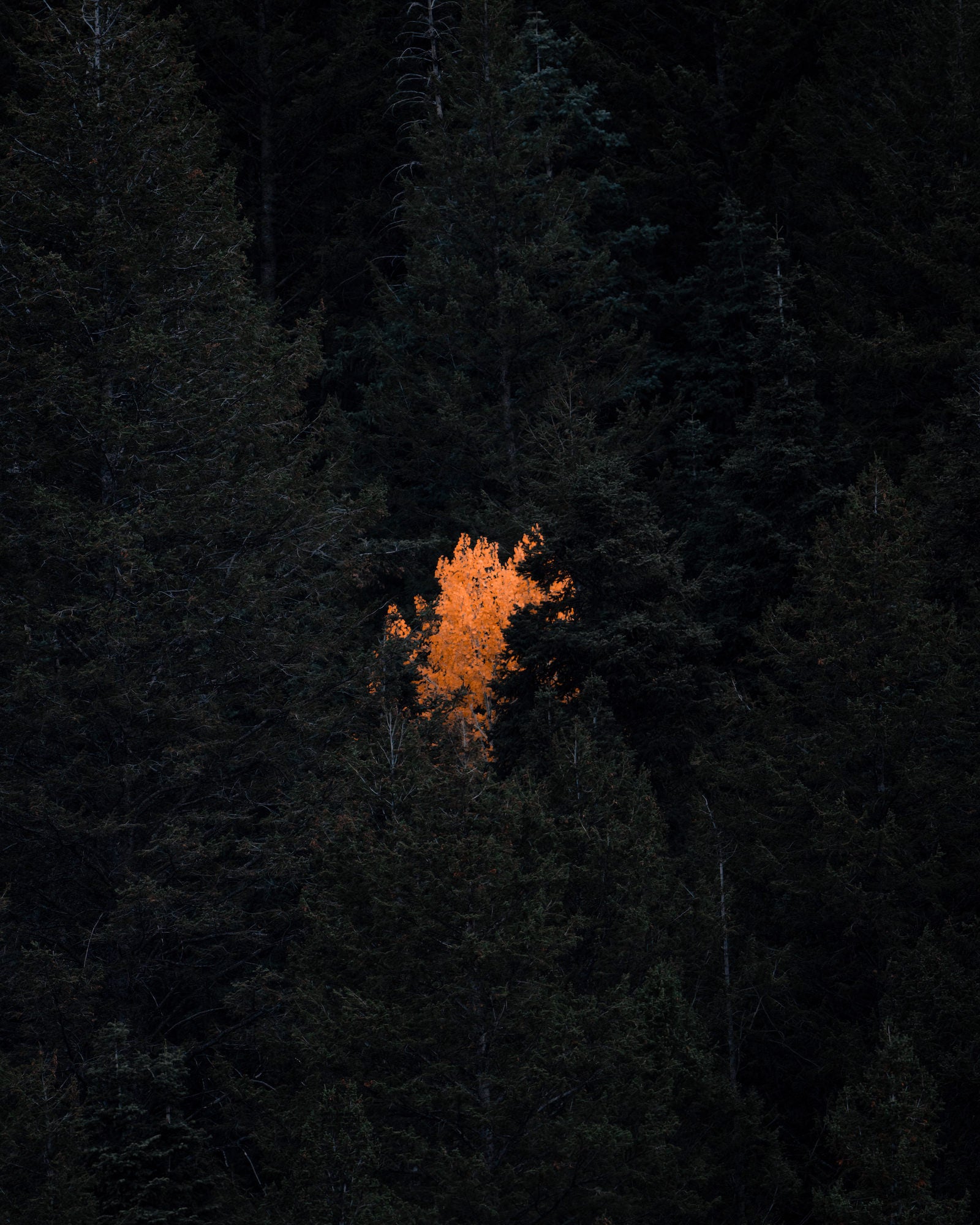
"Taken at the full 600mm of a lone tree resisting the change of seasons near Salt Lake." Photo by Bret Blakely. Alpha 7R V. 200-600mm f/5.6-6.3 G. 1/500-sec., f/6.3, ISO 2500
Raj Bose
“I affectionately refer to it as my ‘reliable workhorse.’ Having this lens in my bag is reassuring. Its lightweight and compact design, featuring internal zoom, makes it an invaluable asset for me for wildlife photography. This lens excels in capturing intimate moments from a respectful distance, minimizing disruption to wildlife. With exceptional optical image stabilization and a well-balanced internal zoom, I can often shoot handheld, allowing me to seize more moments without the need for a cumbersome tripod.”
Read more in What’s In My Bag: A Hybrid Sony Kit For Landscape & Wildlife Photography, Vlogging, Timelapses & More.
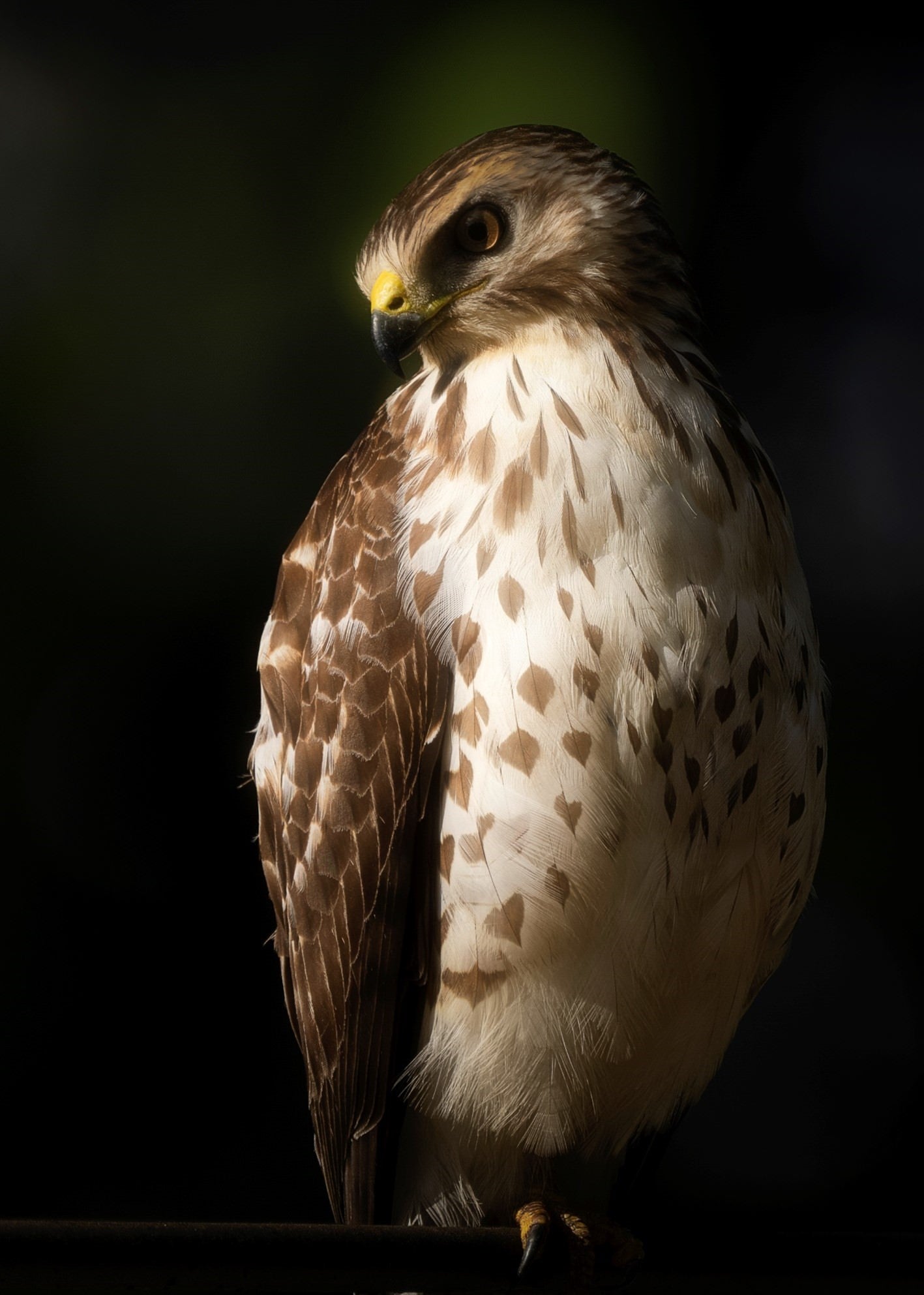
“A Hawk takes a moment to rest its soaring spirit in Costa.” Photo by Raj Bose. Alpha 1, 200-600mm f/5.6-6.3 G. 1/800-sec., f/6.3, ISO 100.
Allegra Hutton
“I cannot put into words the love I have for this lens – it’s my baby. As a photographer with an affinity for wildlife, this lens is the holy grail. It allows me to get up close and personal with animals while maintaining a safe and respectful distance. In the Arctic specifically, where the wildlife seems to be extra good at hiding/camouflage, this lens is a must. By regulation, we were required to maintain a 200m distance from any polar bears. To the naked eye, that often looked like a small smudge of yellow against the blue white ice – but not with this baby! The Arctic is also full of more birds than I’ve ever seen in my life – I’m talking serious Alfred Hitchcock moments. Generally speaking, these birds tend to be pretty small, so having a nice big lens can help you capture details you might never notice – like the patterns on a puffin’s beak and feathers. All in all, this lens in combination with the Alpha 7R V is my ideal setup and I made sure to always have them ready to capture the shot!”
Read more in What’s In My Bag: A Double Camera & Lens Kit For Arctic Adventures & Wildlife.
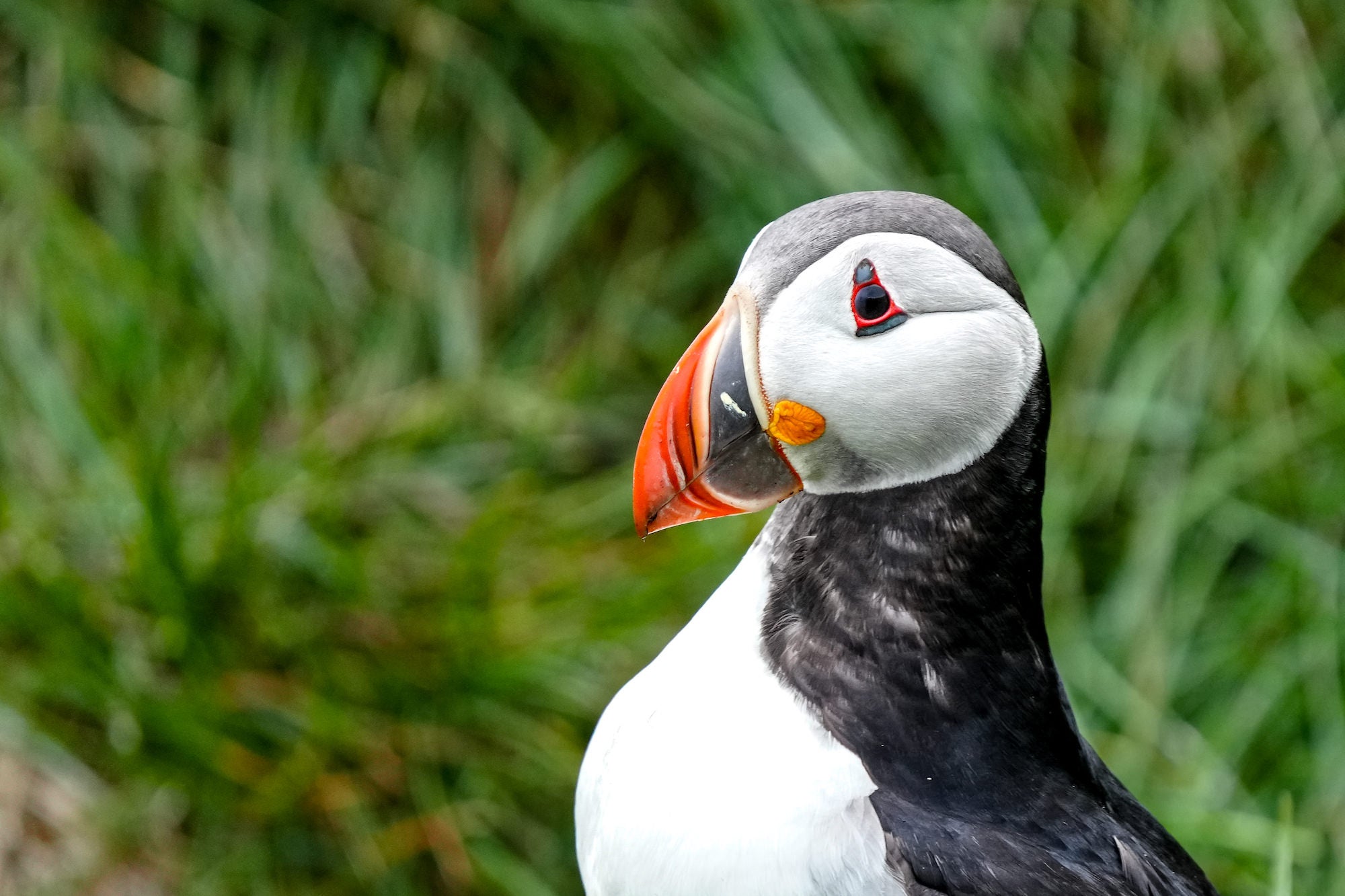
This puffin popped out of his burrow and paused momentarily before taking flight to dive for more sand eels." Photo by Allegra Hutton. Sony Alpha 7R V. Sony 200-600mm f/5.6-6.3 G. 1/500-sec., f/6.3, ISO 1250
Andrew Macdonald
“This became my main lens for wildlife photography a couple of years ago, the extra range comes in so handy for those further away subjects. I think it's incredible value for money and I love the lightweight and also the internal zoom mechanism. The versatility from 200-600 comes in very handy which can make it better than shooting on a prime lens in many situations.”
Read more in What’s In My Bag: A Hybrid Kit For High-Quality Travel & Conservation Projects.
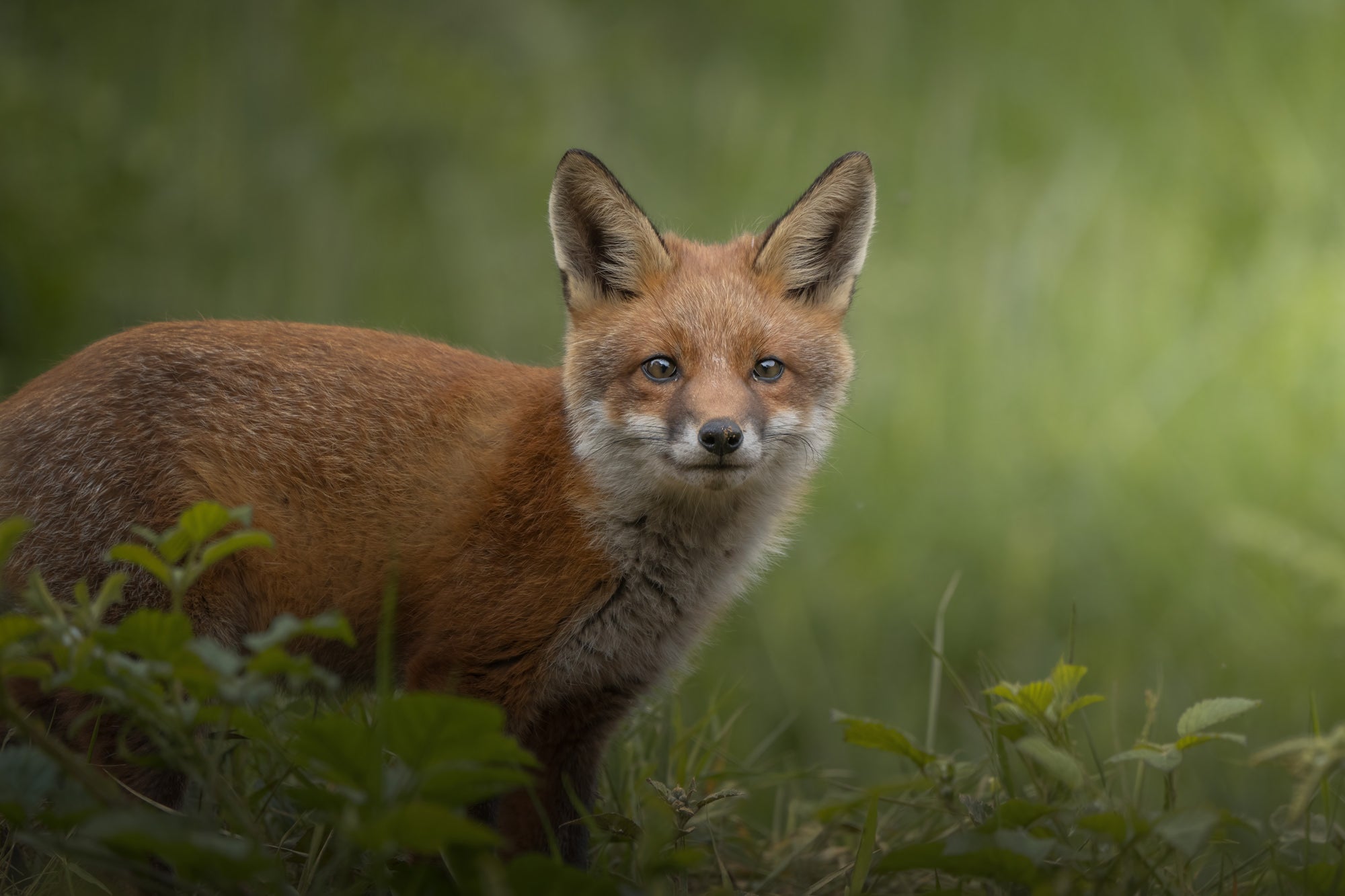
Photo by Andrew Macdonald. Sony Alpha 1. Sony 200-600mm f/5.6-6.3 G.
Paul Browning
“I call her my ‘trusty workhorse.’ It’s always good to know I have it in my bag. It’s just so light and compact with the internal zoom.”
Read more in What’s In My Bag: Two Cameras And A Quiver Of Lenses from 14mm to 600mm For Wildlife, Nature & Landscapes.
Click here to learn more about the 200-600mm f/5.6-6.3 G lens.