Night photography can feel daunting when you’re just starting out, but with the right techniques, you can capture stunning images of the world after dark. Let’s dive into some beginner-friendly tips to help you get started in low-light photography:
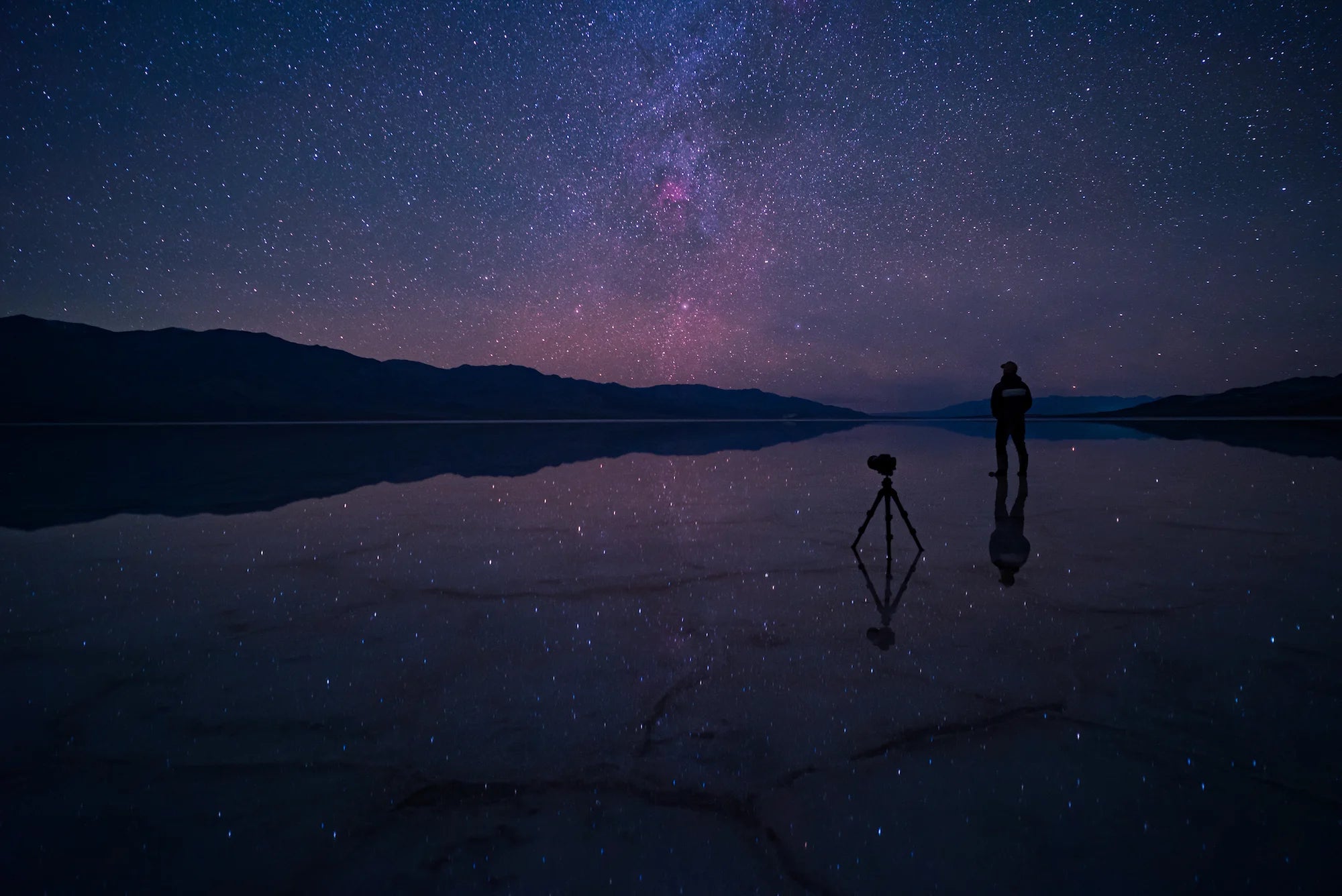
Photo by Stan Moniz. Sony Alpha 7S. Sony 24mm f/1.4 G Master. 20-secs., f/2.2, ISO 6400
1. Use A Tripod To Eliminate Camera Shake
At night, your camera needs longer shutter speeds to let in more light, which makes handholding your camera tricky. A sturdy tripod is your best friend – it keeps your camera steady so you can avoid blurry photos. If you don’t have one, improvise by setting your camera on a flat surface or leaning it against a wall.
2. Use A Solid Camera For Low-Light & A Wide Aperture Lens
Having the right gear is crucial for night photography. Sony's Alpha series of cameras have been used by many night photographers, and all seem to shine for their exceptional low light performance. As a beginner, you might want to check out the Alpha 7S III (Buy Now), Alpha 7 IV (Buy Now) or Alpha 7CR (Buy Now). If you want to take it up a notch, check out the Alpha 7R V (Buy Now) or Alpha 1 II (Buy Now). All of Sony's full-frame cameras have an impressive ISO range to allow you to capture detailed and noise-free images even in challenging lighting conditions. You can learn more about how to capture sharp stars with your Alpha camera from Alpha Collective member Stan Moniz in How To Capture Sharp Stars For Stunning Astrophotography.
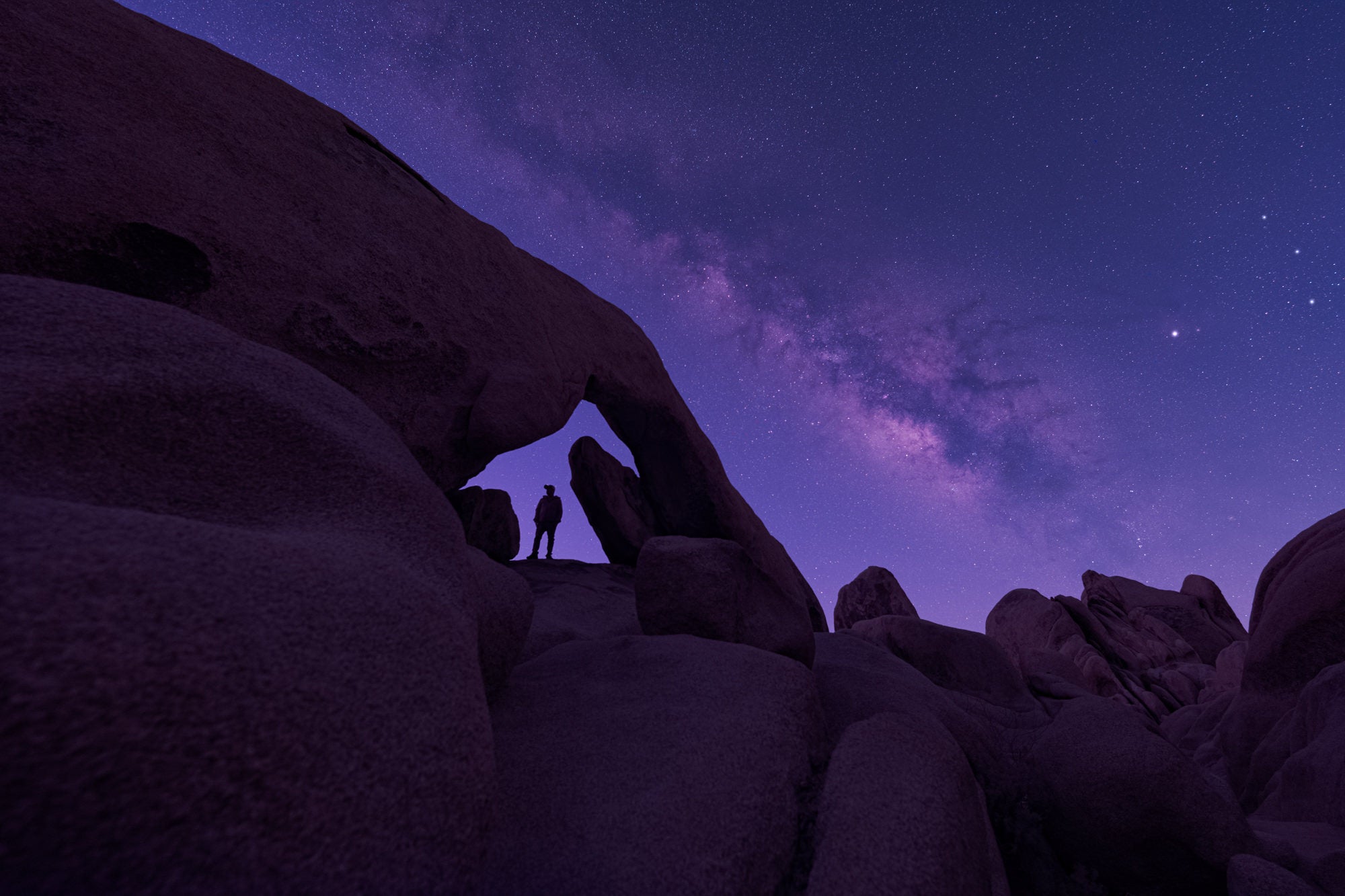
Photo by Stan Moniz. Alpha 7 IV. 14mm f/1.8 G Master. 10-sec., f/2.8, ISO 3200
A lens with a wide aperture (like f/1.8 or f/2.8) lets in more light, making it ideal for low-light situations. Lenses like the 14mm f/1.8 G Master (Buy Now) and 12-24mm f/2.8 G Master (Buy Now) are great for night photography. If your camera came with a kit lens, don’t worry—it can still work! Just use the lowest f-stop your lens allows. Check out some more of our favorite lens options for astro in 4 Best Prime Lenses For Night & Astrophotography In 2025.
3. Boost Your ISO (But Don’t Overdo It)
ISO controls how sensitive your camera’s sensor is to light. At night, you’ll likely need to increase your ISO to 800, 1600, or even higher. Be mindful, though – higher ISOs can add digital noise (graininess) to your photos. Experiment to find the right balance between brightness and clarity.
4. Experiment With Long Exposures
Long exposures (10-30 seconds or more) are the key to capturing enough light at night. They’re perfect for shooting star trails, city lights, or glowing landscapes. Just remember, the longer the exposure, the steadier your camera needs to be – another reason a tripod is essential! Just check out the long exposure created by photographer Cody Conk below and learn how he did it in Behind The Shot: A Long Exposure Light Trail In The Valley Of Fire.
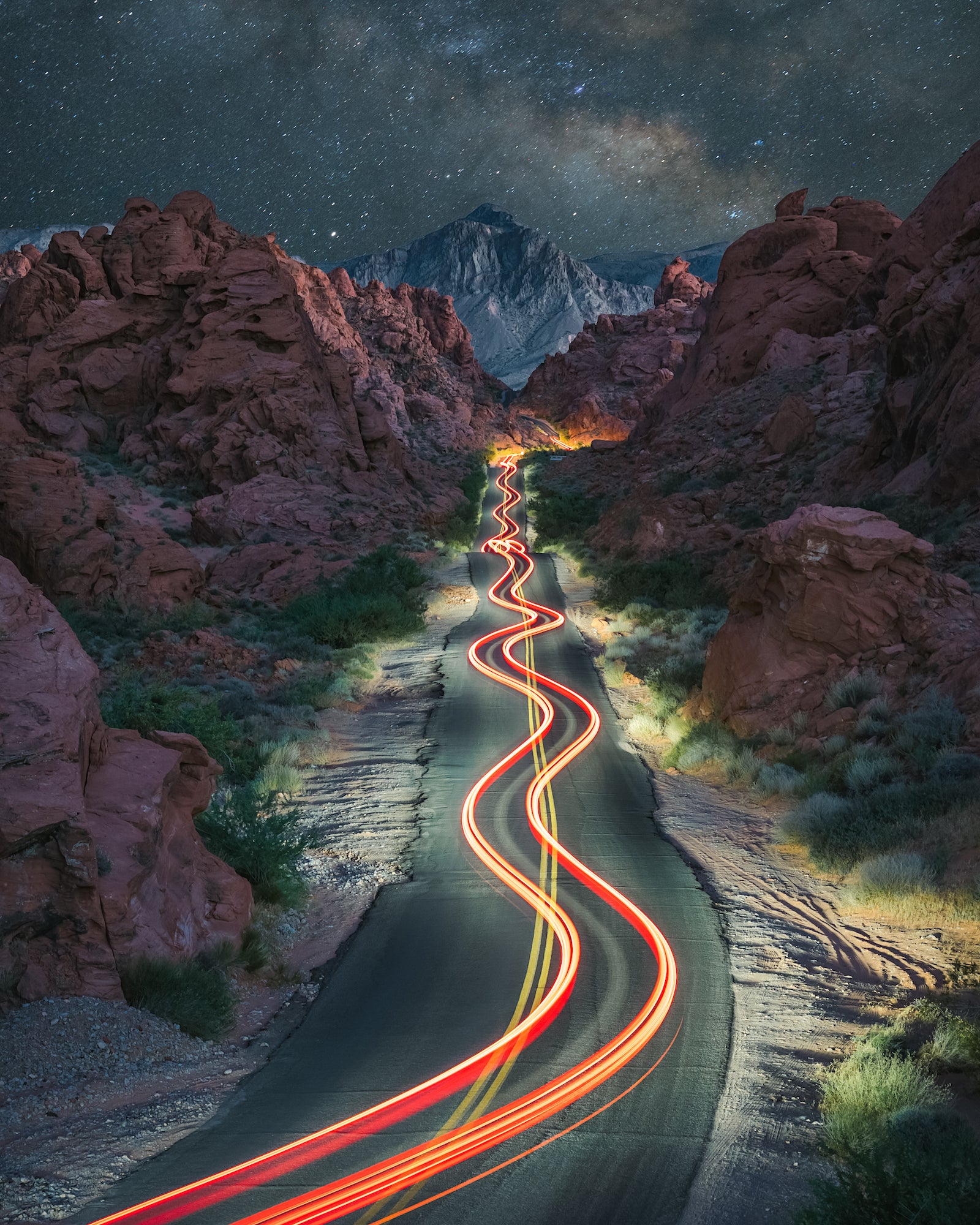
From Behind The Shot: A Long Exposure Light Trail In The Valley Of Fire. Photo by Cody Conk. Alpha 7 III. 24-70mm f/2.8 G Master. 30-secs, f/10, ISO 250
5. Bring A Remote Shutter Release
Even the smallest touch can cause camera shake. A remote shutter release (or using your camera’s timer function) lets you take a photo without physically pressing the shutter button. This ensures sharper results.
6. Take Advantage Of Available Light
Look for existing light sources like streetlights, neon signs, or the glow of the moon. These can add drama and depth to your photos. Don’t be afraid to move around and find angles where the light works best for your composition. Check out Behind The Shot: Going Ultra-Wide To Photograph The Milky Way for a quick trick to create a wider composition from Alpha Collective member Mike Meyers, who explains how he captured this image below.
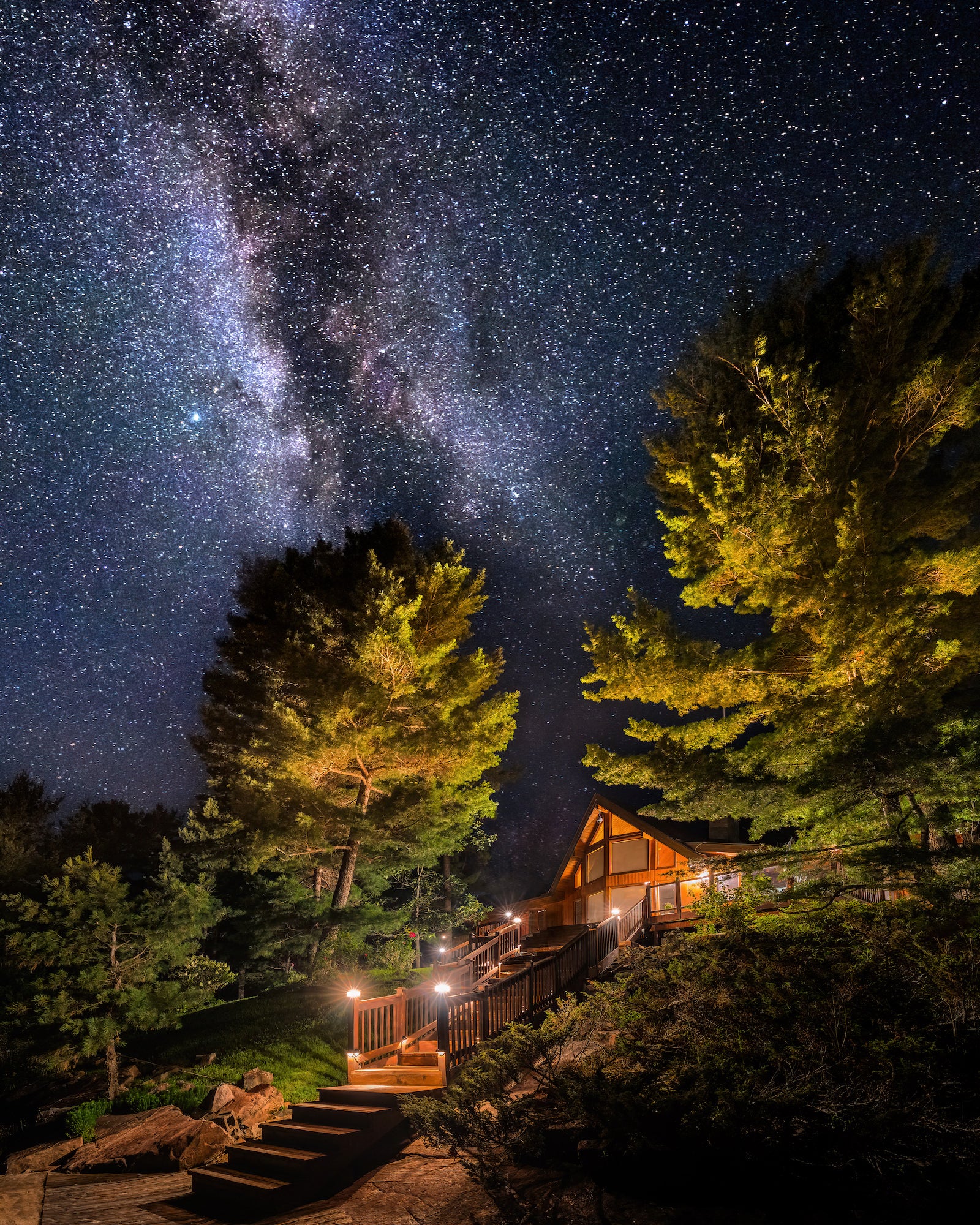
Photo by Mike Meyers. Alpha 1. 12-24mm f/2.8 G Master. 30-sec., f/4, ISO 500
7. Shoot In RAW Format
RAW files capture more detail than JPEGs and give you greater flexibility during editing. With RAW, you can adjust exposure, white balance and shadows more effectively without losing quality.
8. Practice, Experiment & Have Fun!
Night photography is all about trial and error. Your first shots might not be perfect, and that’s OK. Experiment with different settings, compositions and light sources. The more you practice, the better you’ll get – and you’ll discover your unique style along the way. You can't get better at photography without taking photos, and the best photographers take A LOT of them. Now get out there and start practicing, before you know it you'll be creating images like the one below, taken by Alpha Collective member Rachel Jones Ross. Read more about how she's been using a different camera for low light lately in From Night To Day: The Sony Alpha 9 III Is About More Than Just Speed.
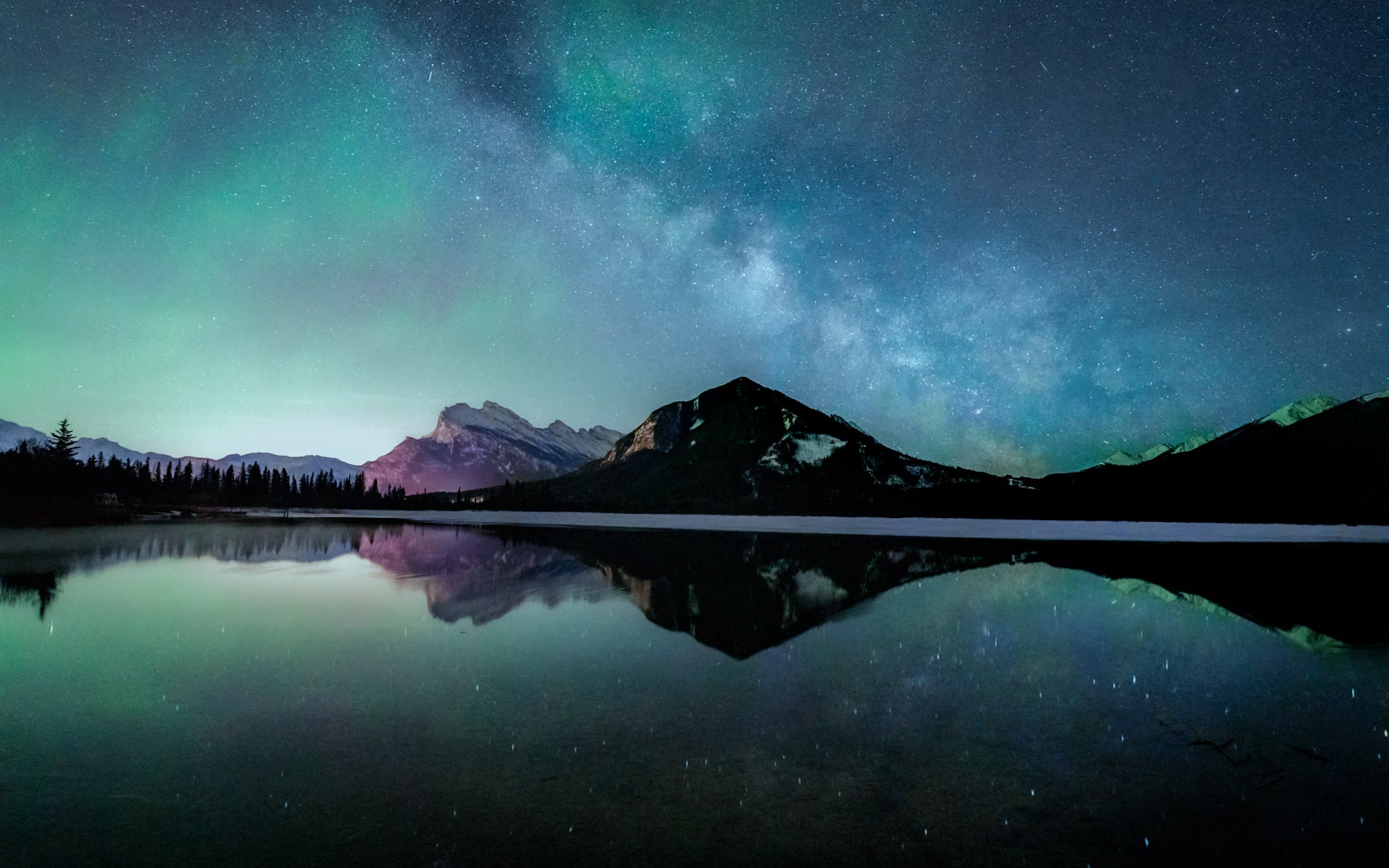
Photo by Rachel Jones Ross. Alpha 7S III. 12-24mm f/2.8 G Master.
Explore more night and astrophotography articles at alphauniverse.com/astro.