Welcome to Part 2 of A Photographer’s Guide To Your First African Wildlife Safari – where the safari actually begins. If Part 1 set the stage for what to bring and how to think, this installment from Brandon Kirk dives into the lived experience of photographing from inside the jeep with his Alpha 7R V. From this confined vantage, you’ll discover that invisibility is an advantage, angles are everything and patience is your sharpest tool. Buckle in – the best images are closer than you think, and often right outside the window.
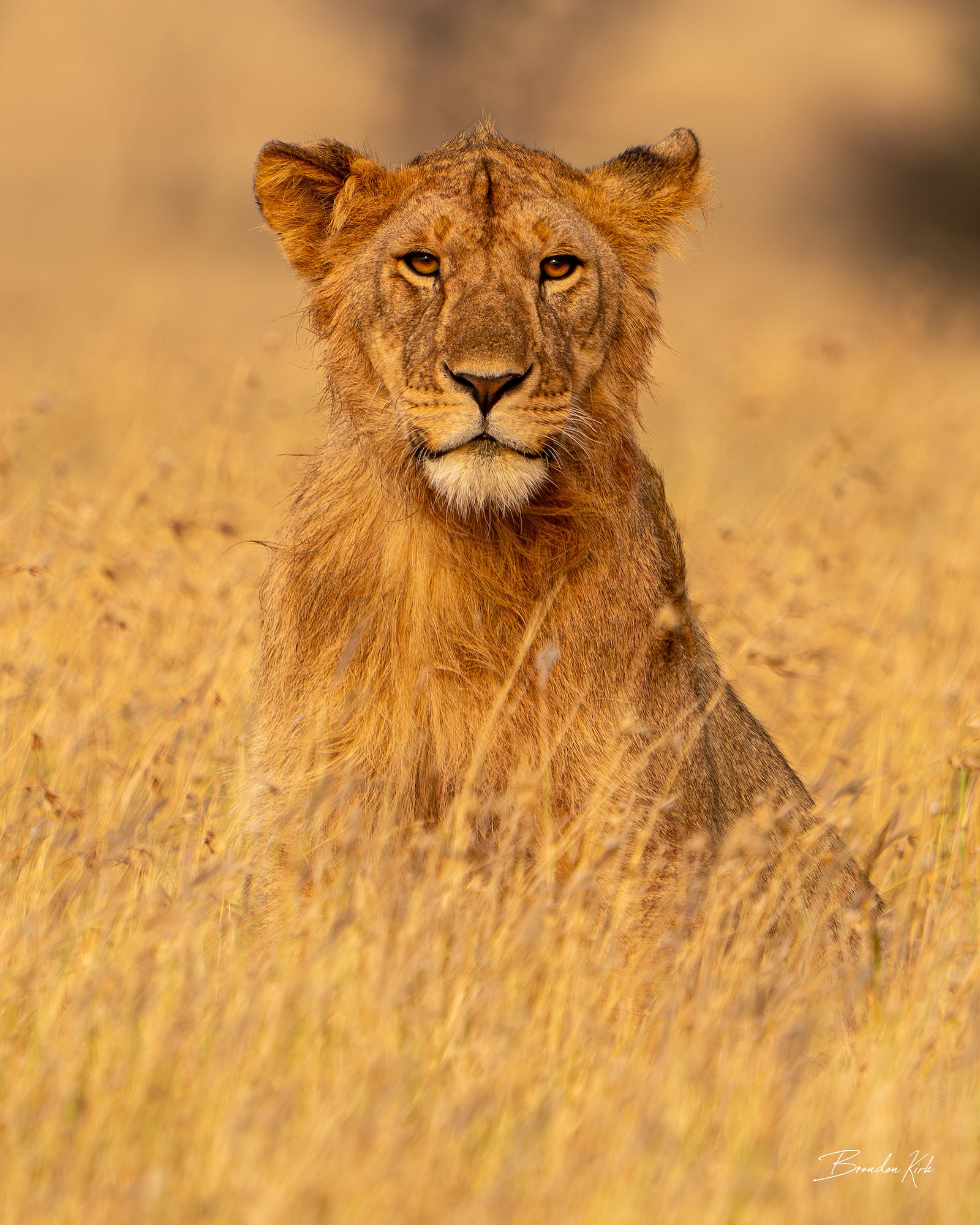
Photo by Brandon Kirk. Alpha 7R V. 200-600mm f/5.6-6.3 G. 1/320-sec., f/6.3, ISO 200
The Realities Of Photographing From A Safari Vehicle
Confined To The Jeep
The morning of our first game drive in Amboseli National Park in Kenya, the realities of photographing from a vehicle quickly became clear. We were told – repeatedly – that we could not leave the vehicle unless directed by our safari guide.
As I was still contemplating the challenges of how I would capture glorious African safari images from a backseat, we came across a pride of lions that had recently killed a water buffalo just yards off the road. Besides our close proximity to the lions (yikes), what stunned me was the size of the buffalo – our guide estimated it was 1,000 pounds.
Trust me when I say, you won’t want to leave the vehicle. In fact, you’ll probably wonder why you’re sitting in an open jeep with a pride of professional killers within spitting distance. If there were any doubt, you’re in the wild – not an amusement park. The lions are incredibly beautiful but absolutely ferocious. Fortunately, you’re not on the menu, and the backseat of the jeep quickly starts to feel pretty comfortable.
That said, there will be occasions when your guide allows you out of the vehicle for a snack or quick lunch. When that happens, bring your camera. It’s a great time to capture wide landscape images and maybe an herbivore or two wandering nearby.
Invisibility Mode Activated
Here’s the good news about being inside a jeep: most animals you’ll encounter in national parks are habituated to vehicles. They simply ignore you. Guides will tell you that animals perceive the jeep as one large neutral object – neither predator nor prey. As long as you stay inside, you’re safe. Roger that.
It’s difficult to describe how incredible it is to observe and photograph wild animals—especially the large African mammals – that seem not to care or even notice that you’re there. It’s like you’ve been dropped into a live nature documentary. You get to witness the animals’ behavior in their natural environment as they have been for literally millions of years.
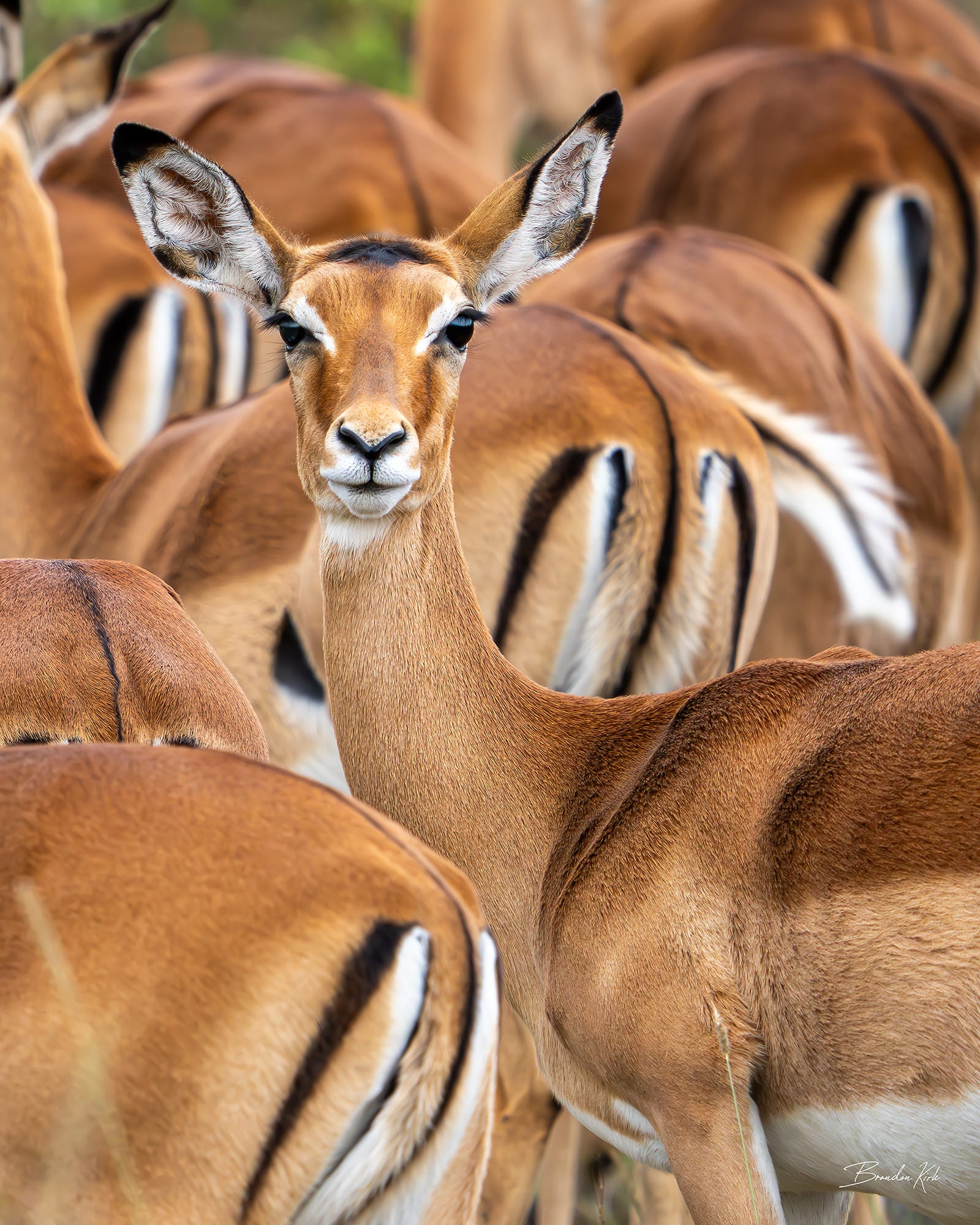
Photo by Brandon Kirk. Alpha 7R V. 200-600mm f/5.6-6.3 G. 1/320-sec., f/6.3, ISO 640
Mastering Angles From the Jeep
The real challenge of safari photography is learning how to work the angles to get the best possible images.
High & Mighty
Most safari jeeps have a hard plastic roof that pops up about two feet, offering 360-degree unobstructed views and plenty of room for long lenses. At about 8–9 feet off the ground, this elevated position is ideal for photographing large animals like elephants and giraffes in their environment.
When I photographed a herd of elephants from the rooftop, I could incorporate the distant backgrounds beyond the subjects. A lower shooting angle would have lost some of that depth and turned the image into more of a portrait.
This high perch is also fantastic for photographing animals that are above you – like leopards in trees. Ideally, your images will be more compelling the closer you get to eye level with the animal. There’s no way to get 20 feet up to eye level (and drones are not allowed), but the rooftop gets you closer.
When you encounter a rare animal like a leopard in a tree, it’s tempting to rush in, but don’t. If it’s comfortable, it’s likely not going anywhere. Remember that the farther you are from your subject, the more “eye level” your images will appear. Take some wide establishing shots first, then switch to your long lens and move in closer after capturing the broader scene.
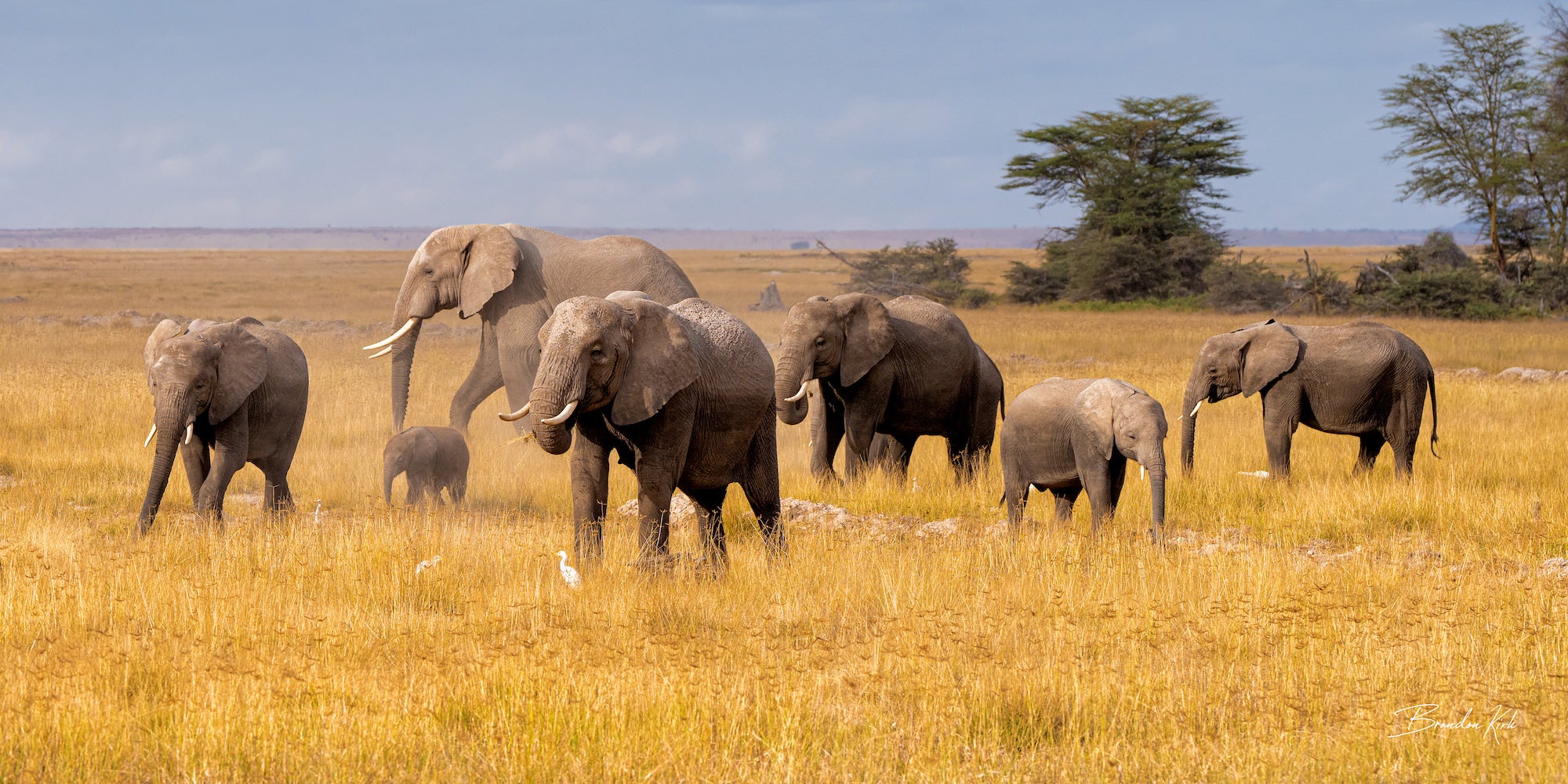
Photo by Brandon Kirk. Alpha 7R V.
How Low Can You Go?
As incredible as that elevated view is, the rooftop has limitations. Sometimes the best images come from getting as low as possible.
On Day 1, I learned the rooftop wasn't ideal for everything – especially big cats or smaller animals. Shooting downward tends to miniaturize your subject, making it look smaller and less powerful – not flattering for majestic lions.
And as animals approach the vehicle, that downward angle becomes even more extreme. A beautiful shot of a lion at 30 yards quickly turns into an overhead shot when it gets close.
This is where the side windows come into play. Most vehicles have sliding windows (never shoot through glass). Shooting from the open window allows you to get much closer to eye level with the big cats and antelope, producing more engaging images.
Some safari vehicles are almost completely open with no windows and only minimal door frames. In these jeeps, I spent an unusual amount of time lying on the floor of the first row of seats to get as low as possible. The near eye-level perspective of a young male lion I photographed came from exactly that position.
Keep Your Distance
Once you get a feel for the angles from the jeep, you need to manage distance whenever possible. Closer isn’t always better. This is especially true for smaller animals and for lions when they're lying down. If you’re too close, you’ll be creating a straight-down shot of the top of an animal’s head—hardly a compelling image.
I didn’t expect being too close to the animals would be an issue. Perhaps it shouldn’t have surprised me, but in many jeeps everyone was attempting to capture the beauty of Africa with their phones. The drivers expect this and so they assume that they need to get as close as possible. Don’t let this happen to you. As you approach an animal, you need to speak up and ask the driver to keep the jeep at a distance that keeps the animal as close to eye-level as possible.
Stabilizing Long Lenses
Now that you’ve mastered the angles and distances, the final piece of the puzzle is what every safari photographer struggles with – stabilization. As with all long lenses, stabilization is essential.
Unfortunately, tripods are impractical and very difficult in safari jeeps (unless you paid the big bucks to have a jeep to yourself). They simply take up too much space and will be repeatedly kicked by your fellow passengers. With numerous other people shifting and moving around in the jeep, you’re almost never going to get a stable tripod platform from which to shoot.
The solution, though not perfect, are bean bags – simple canvas bags filled with beans – placed around the perimeter of the pop-up roof openings. The bean bag conforms to your lens and is easy to grab and reposition when you need to move between the roof and side windows.
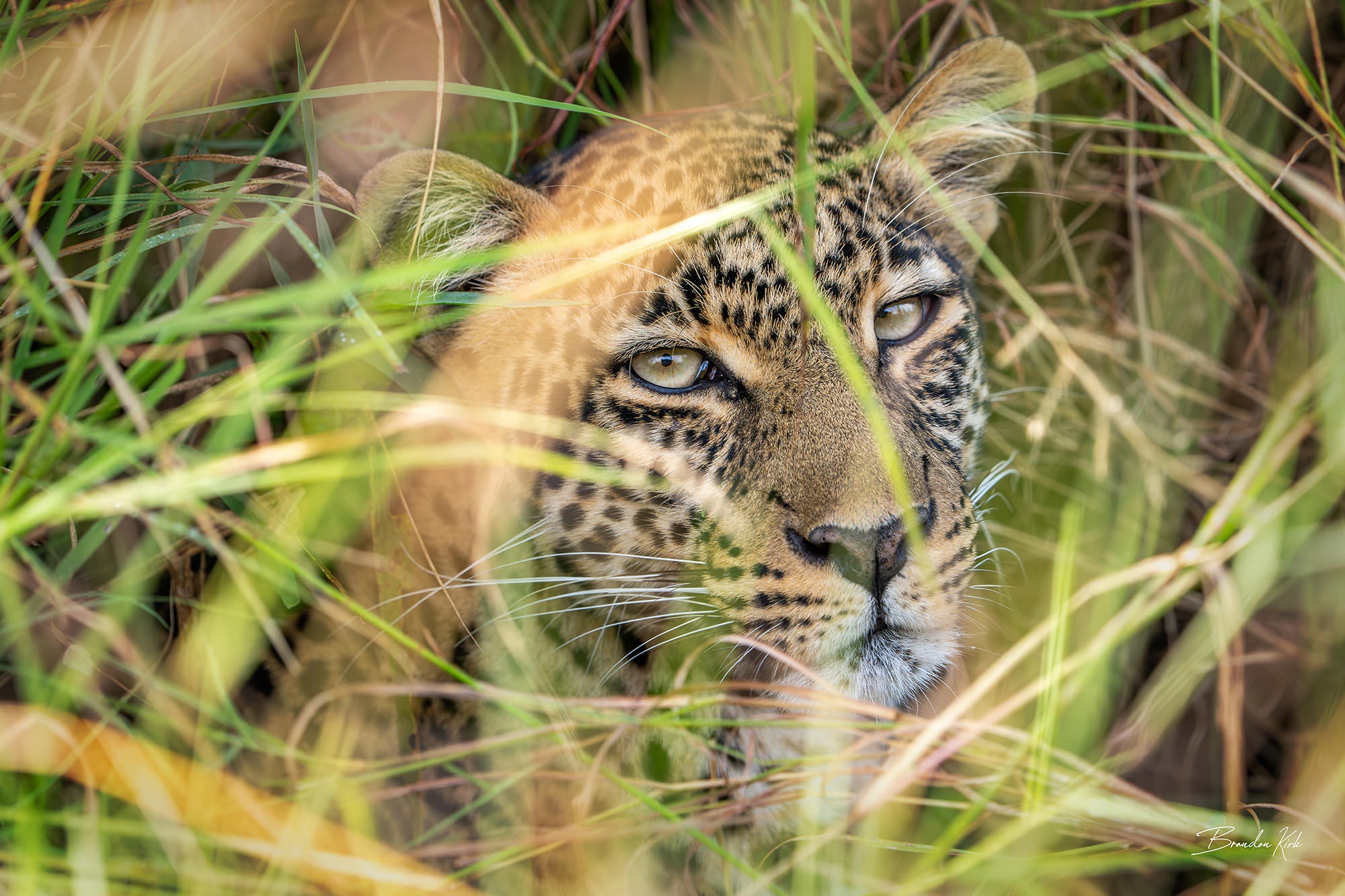
Photo by Brandon Kirk. Alpha 7R V. 200-600mm f/5.6-6.3 G. 1/250-sec., f/6.3, ISO 320
You still need to hold the camera body, but it’s far better than having no support. Most safari vehicles include bean bags, but always confirm with your tour operator and driver before your game drive.
As a backup, I brought a monopod for my longest lens (200-600mm). I used it frequently at side windows when no sill was available or when the sill was too low. More than once, the monopod saved the shot. Because monopods collapse well and are easy to pack, I recommend bringing one.
One last tip: make sure the driver turns off the engine before you shoot. Engine vibrations travel directly to your equipment and can wreak havoc on stabilization systems – whether you’re using a bean bag, a window sill, or a monopod.
Conclusion: Embrace The Jeep
Though photographing from a safari vehicle presents a whole host of challenges, you’re given an amazing opportunity to witness first hand the lives of animals that have been roaming the Earth for millions of years. Those initial concerns about being “stuck in a jeep” disappear the moment a lion strolls past your door or a herd of elephants fills the landscape around you.
Just remember the rooftop is best for the largest animals and distant landscapes. The windows are your low-angle, eye-to-eye secret weapons. Don’t get too close and use bean bags whenever possible for your longest lens.
Once you master your new confines, the vehicle that once felt limiting becomes the key to capturing the most exhilarating images.
See more of Brandon Kirk's work on Instagram @brandonkirk and at BrandonKirk.com.
ICYMI: A Photographer’s Guide To Your First African Wildlife Safari, Part 1
Stay tuned to AlphaUniverse.com for the final installment (Part 3) of the series.