Photographing birds and wildlife demands patience, fieldcraft and optics you can trust when the moment finally happens. For Sony Alpha shooters, the telephoto lineup delivers reach, speed and autofocus performance that make a real difference – from small songbirds to distant big game and fast raptors in flight. Below, you’ll find our 2026 guide to the top Sony lenses for bird and wildlife work, with why each one stands out and real-world reviews from photographers who have used them in the field.
What are the best lenses for bird and wildlife photography in 2026?
1. Sony 600mm f/4 G Master
Why It’s Great For Bird & Wildlife Photography
When you need uncompromising reach, speed, and subject separation, the 600mm f/4 GM remains a gold standard. The wide f/4 aperture enables faster shutter speeds and beautiful background blur for clean, high-impact wildlife portraits and flight shots in lower light.
Standout Features
- G Master optics: Exceptional acuity, contrast, and control of aberrations.
- Wide f/4 aperture: Freezes motion sooner and isolates subjects decisively.
- Optical SteadyShot: Stabilization tailored for super-telephoto work.
- Pro build: Balanced, durable design that’s ready for demanding field use.
Creator Reviews
"This is by far my favorite lens for wildlife. The image quality is nothing short of stunning, and its relatively low weight for its size allows me to shoot handheld for extended periods without fatigue. The bokeh is simply unmatched, creating the creamy, magical look that has become central to my artistic style. Thanks to the f/4 aperture, I can also continue shooting deeper into the day when light begins to fade. The sharpness is so strong that I can crop extensively while maintaining image quality." – Hayden Dumaw, What’s In My Bag: The Perfect Kit For Bird, Wildlife & Underwater Photography
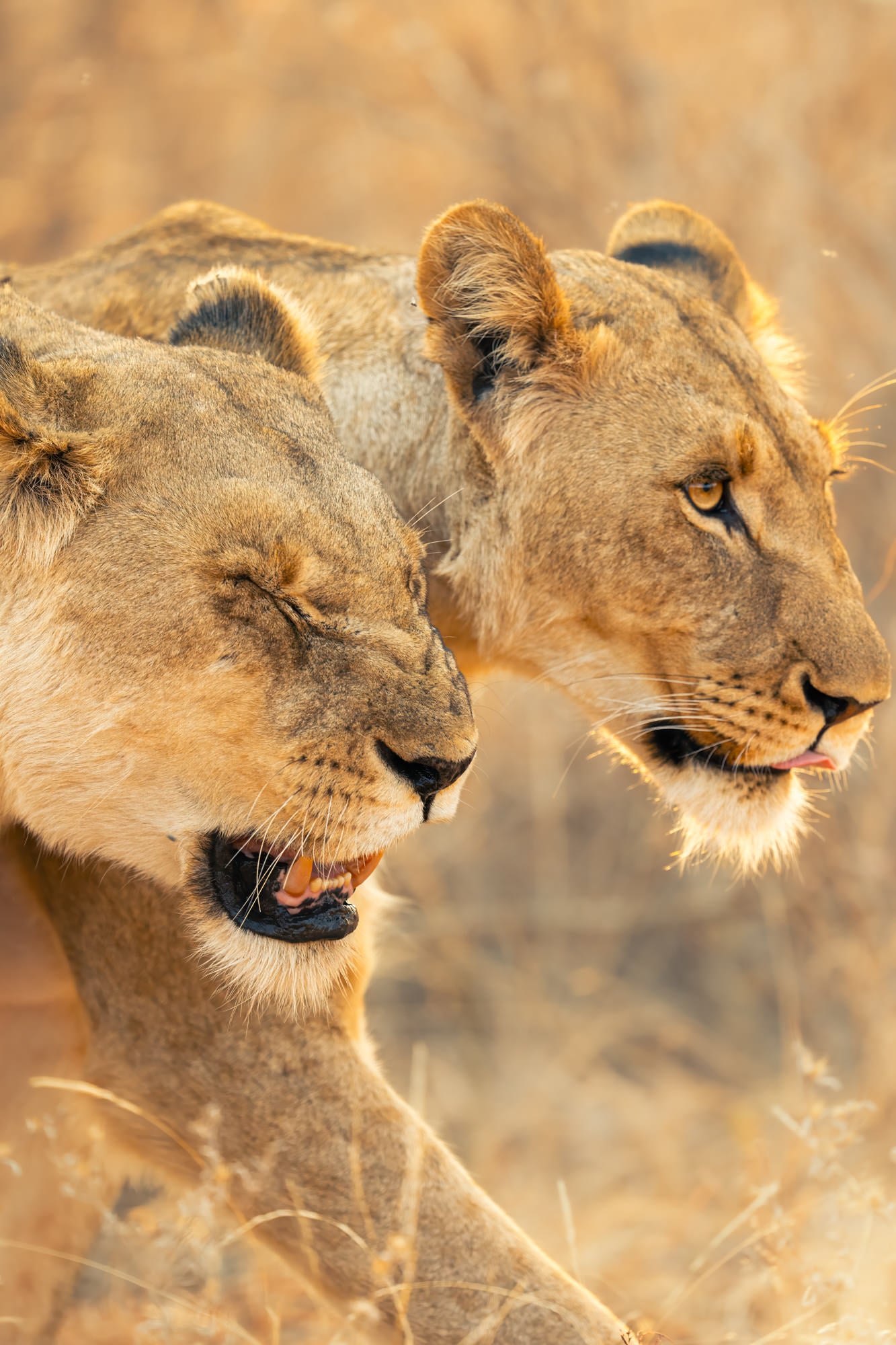
Photo by Hayden Dumaw. Alpha 1 II. 600mm f/4 G Master. 1/1000-sec., f/4, ISO 1250
"For stills, I would probably mostly be using my 600mm f/4 GM. The image quality on the 600mm f/4 is…I’ve never really seen anything quite like it. And when you pair it with the high-resolution sensor that you have on the Alpha 1 or the Alpha 1 II you can really capture a lot of fine detail at great distances, which is amazing." – Mark Smith, What’s In My Bag: Mark Smith’s Gear & Tips For Bird Photos & Videos
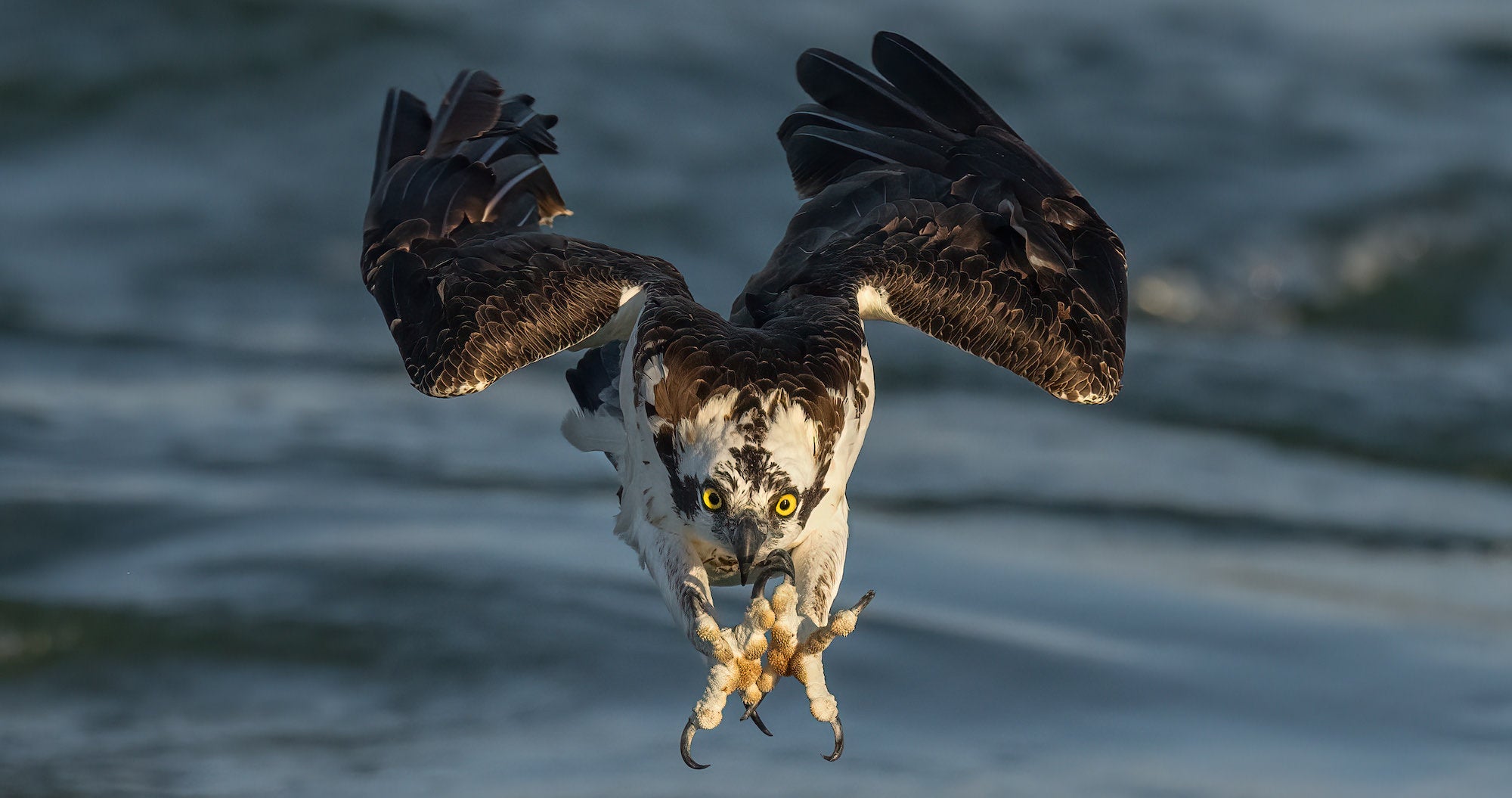
Photo by Mark Smith. Alpha 1 II. 600mm f/4 G Master.
2. Sony 400mm f/2.8 G Master
Why It’s Great For Bird & Wildlife Photography
For action-first wildlife, the 400mm f/2.8 GM combines serious reach with a bright f/2.8 aperture – ideal for speed, low light, and subject isolation. It’s a favorite for birds in flight, active predators, and any scenario where responsiveness is everything.
Standout Features
- f/2.8 speed: Faster shutter speeds and creamy bokeh in dawn/dusk light.
- Lightweight for its class: Comfortable to handhold or work on a monopod.
- Elite AF support: Built to keep up with fast, erratic subjects.
Creator Reviews
"Ever since I switched to Sony, my collection of lenses has been changing almost constantly. But when I got my new main lens in March of 2024 — the Sony 400mm f/2.8 G Master — I knew most of my lenses had become obsolete, so I sold them." – Pascal Maranus, What’s In My Bag: Essential Gear For Animal & Human Portraits
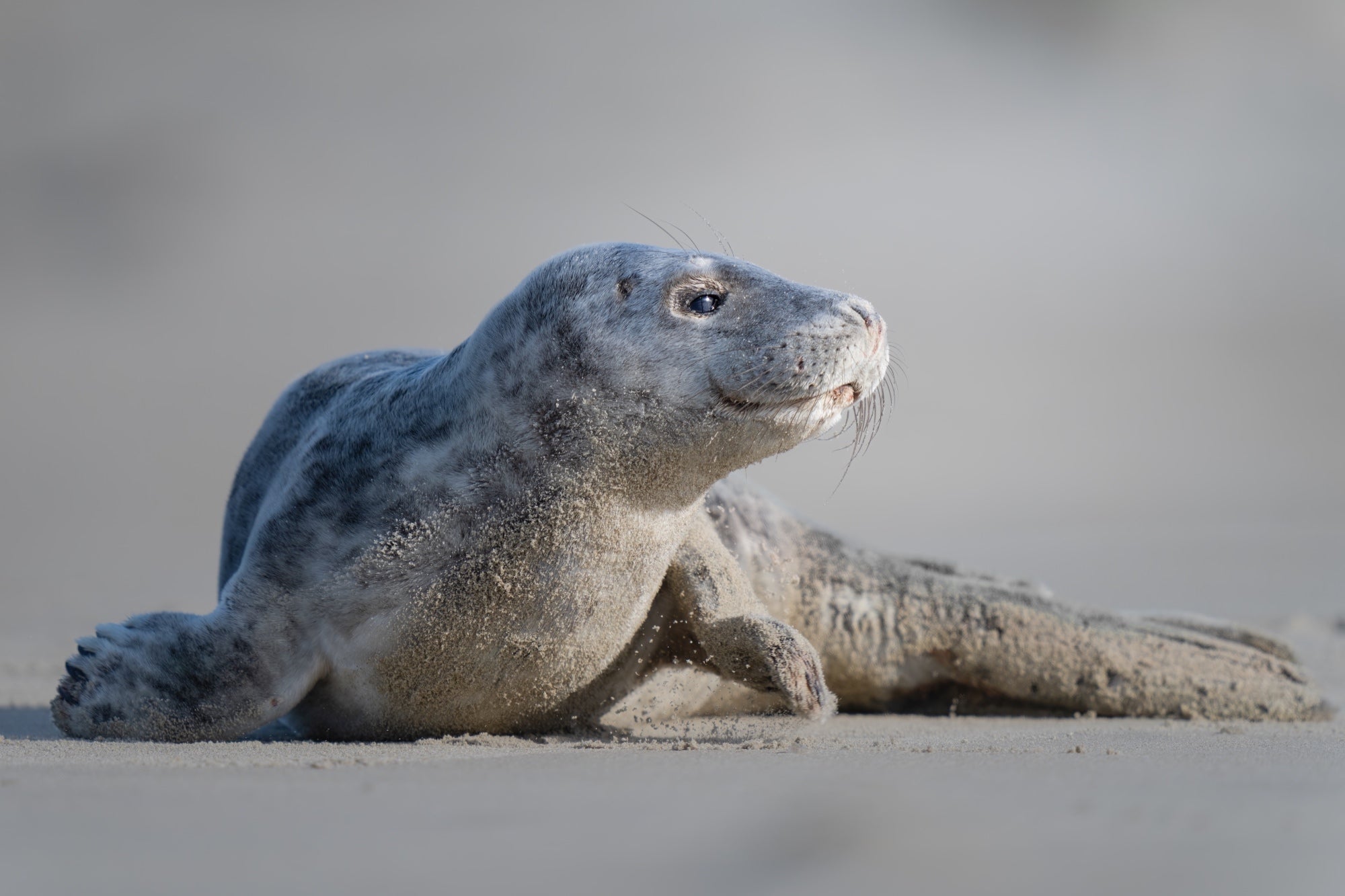
“After having seen a close up portrait of a harbour seal by another Dutch photographer, I’ve been obsessed with getting myself a similar image. There’s a small bay only 20 minutes from my home, where grey seals are known to show up regularly. So I took my Sony 400mm f/2.8 G Master there and I found this one lying in a great spot. It wasn’t the portrait I was after, but a lovely image, nonetheless.” Photo by Pascal Maranus. Sony Alpha 7R V. Sony Sony 400mm f/2.8 G Master.
"The Sony Alpha 1 allowed me to capture that stunning detail and gave me the flexibility to crop in post-processing, while the f/4 aperture of the Sony 400mm f/2.8 G Master lens delivered beautiful background blur, perfectly isolating my subject even in difficult lighting. This combination of speed, precision, and optical quality is my go-to for wildlife and action photography, especially when both detail and timing are crucial. At f/4, the Sony 400mm f/2.8 G Master lens kept both the jaguar and caiman in focus from my distance, while letting in plenty of light and delivering sharpness on the jaguar, with a beautifully blurred background." Ian Ford, Behind The Shot: Wildlife Photographer Captures The “Deadly Bite”
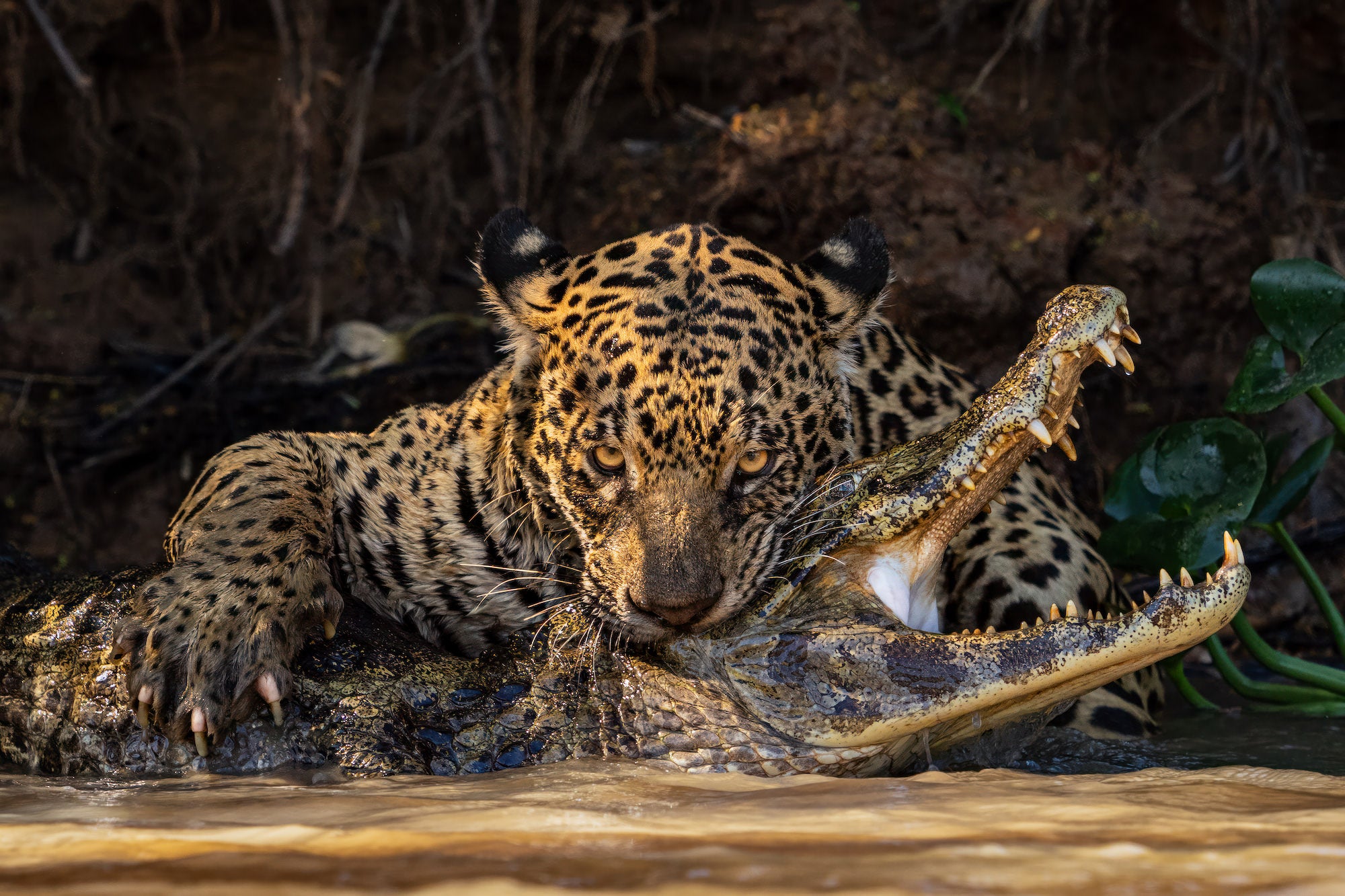
Photo by Ian Ford. Sony Alpha 1. Sony 400mm f/2.8 G Master. 1/800-sec., f/4, ISO 400
3. Sony 300mm f/2.8 G Master
Why It’s Great For Bird & Wildlife Photography
A modern take on the classic wildlife focal length, the 300mm f/2.8 GM offers a nimble, bright option with outstanding sharpness. It pairs beautifully with teleconverters for flexible reach without giving up speed and handling.
Standout Features
- Tack-sharp optics: Crisp across the frame—great for small birds and detail.
- Speed + portability: A compelling balance for long days in the field.
- Teleconverter-friendly: Extend to 420mm f/4 or 600mm f/5.6 as needed.
Creator Reviews
"With the 300mm f/2.8 GM in my hands, I had exactly the right tool for the job: A lens that offered incredible light-gathering from its wide f/2.8 aperture, in an easily hand-holdable package that would allow me to react quickly and stay on target while tracking fast-moving birds in my viewfinder." – Dan Carr, Behind The Shot: Low-Light Flight Action With The 300mm f/2.8 G Master
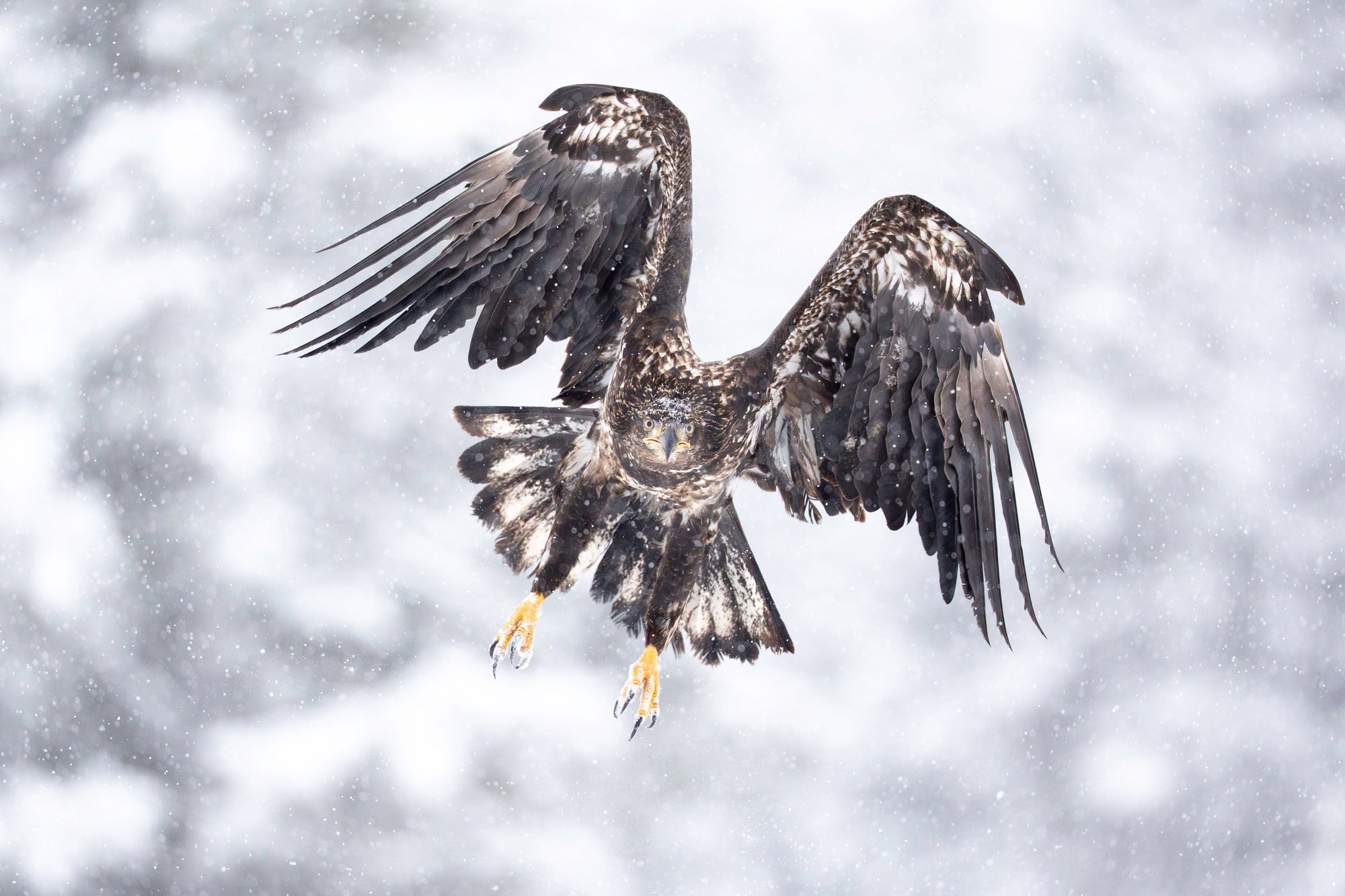
Photo by Dan Carr. Alpha 9 III. 300mm f/2.8 G Master. 1/5000-sec., f/2.8, ISO 4000
"I appreciate how this lens beautifully separates subjects, presenting them against a creamy, smooth background. Weighing only three pounds without the collar, this lens is a dream come true for me. With a much lighter payload, I can move around more quickly and perform 360-degree tracking motions. I have been using the 300mm f/2.8 GM full-time now. The 300mm f/2.8 GM works exceptionally well with both the Sony 1.4x and 2.0x teleconverters. Having this lens is like possessing three lenses in one: a 300mm f/2.8, a 420mm f/4, and a 600mm f/5.6 at your disposal. When you attach the 1.4x teleconverter, you will barely notice any degradation in quality, and auto-focus remains extremely fast." – Alex Phan, What’s In My Bag: A Single Camera & Lens Kit For Fast-Action Bird Photography
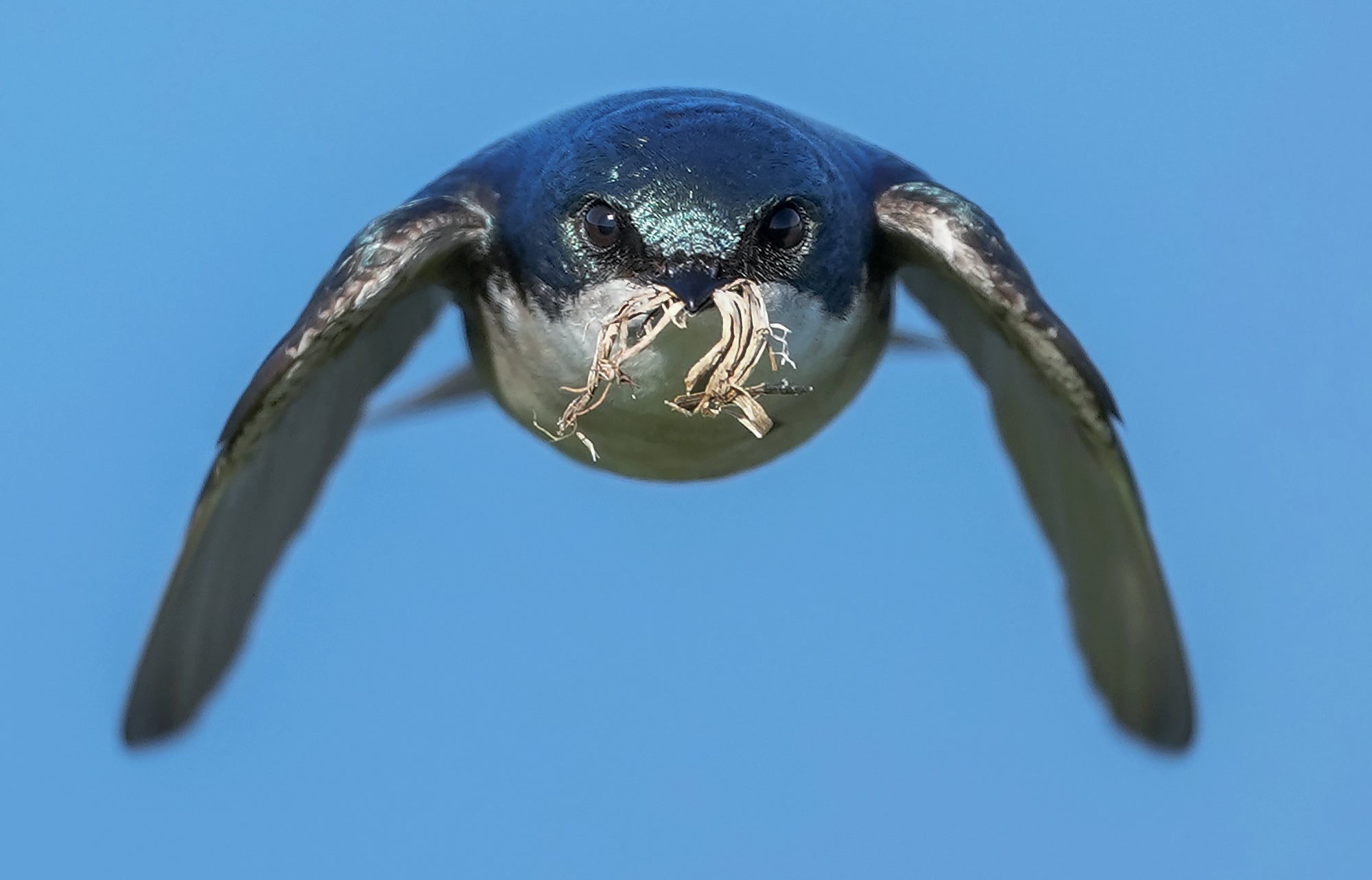
Photo by Alex Phan. Sony Alpha 1. Sony 300mm f/2.8 G Master. 1/2000-sec., f/2.8, ISO 250
4. Sony 100-400mm f/4.5-5.6 G Master
Why It’s Great For Bird & Wildlife Photography
Compact, sharp, and fast-focusing, the 100-400 GM is a superb all-around wildlife zoom - especially for active hikes or mixed days that include landscapes, mammals, and birds in flight. It also pairs well with a 1.4x teleconverter for added reach.
Standout Features
- G Master rendering: High-resolution performance with pleasing bokeh.
- Agile AF: Keeps up with erratic motion and quick behavior changes.
- Travel-friendly: Lighter footprint for long treks or carry-on kits.
Creator Reviews
"This is a very nimble telephoto for handheld wildlife photography. A great lens for tracking fast moving animals. It’s lightweight and compact for the focal range. It’s also my go-to lens for longer landscapes and moon photography." – Todd Frame, What's In My Bag: 2 Cameras & 5 Zooms For Landscape & Wildlife Photography
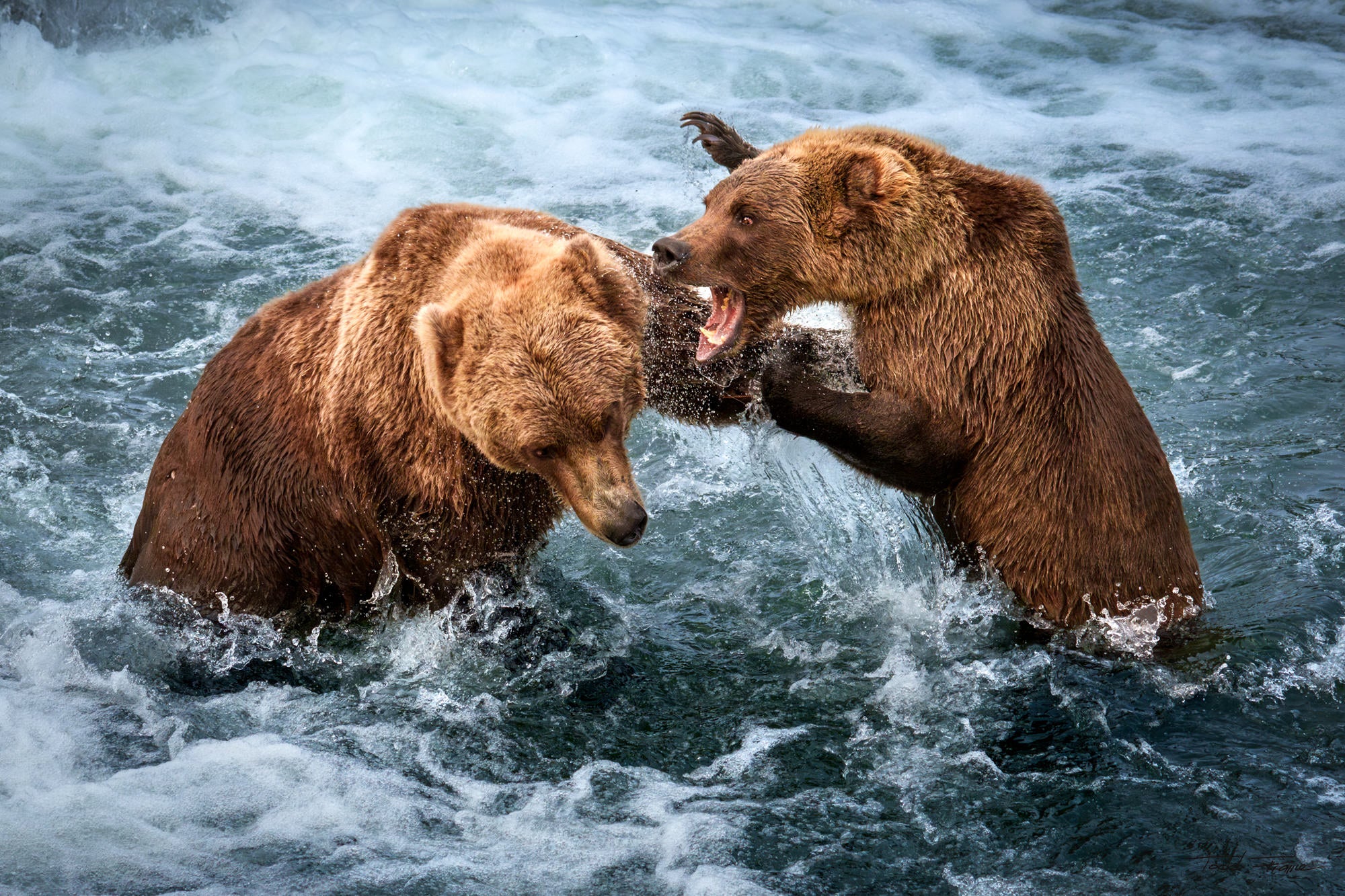
Photo by Todd Frame. Alpha 7R V. 100-400mm f/4.5-5.6 G Master. 1/1600-sec., f/8, ISO 1600
"This lens is pure versatility in my world. I use it for wildlife, distant action, and when I can’t physically get close – like photographing a group of walrus resting in Svalbard, an owl hiding under a rock on Isabela Island, or seabirds sweeping through the air. It's razor sharp across its entire zoom range and handles fast movement like a champ." – Katjana Cabenda, What’s In My Bag: An Alpha 7R V Kit That Goes Where The Wild Things Are

Photo by Katjana Cabenda. Alpha 7R V. 100-400mm f/4.5-5.6 G Master. 1/1250-sec., f/5.6, ISO 640
5. Sony 70–200mm f/2.8 G Master II
Why It’s Great For Bird & Wildlife Photography
While not a traditional birding focal length, the 70–200 GM II shines for larger mammals, environmental wildlife portraits, and low-light scenes. With a 1.4x teleconverter, it punches to 280mm f/4 – handy for flexible coverage when you’re packing light.
Standout Features
- Bright constant f/2.8: Helps in dawn/dusk forest light and for subject isolation.
- Refined optics and AF: Clean imagery with responsive tracking.
- Versatility: Covers wildlife one minute and landscapes or people the next.
Creator Reviews
"The Sony 70-200mm f/2.8 GM II is the second generation of Sony’s popular 70-200mm GM series. Lighter, smaller, and sharper, the 70-200mm GM II improves in every possible way compared to the older model. For wildlife photography, a lens like this is critical to have in your gear bag because you often need a fast lens (f/2.8) when subjects end up getting much closer to you than you initially expected." – Colby Brown, What’s In My Bag: Colby Brown’s Alpha 1 II & Alpha 9 III Kit For Wildlife Photography
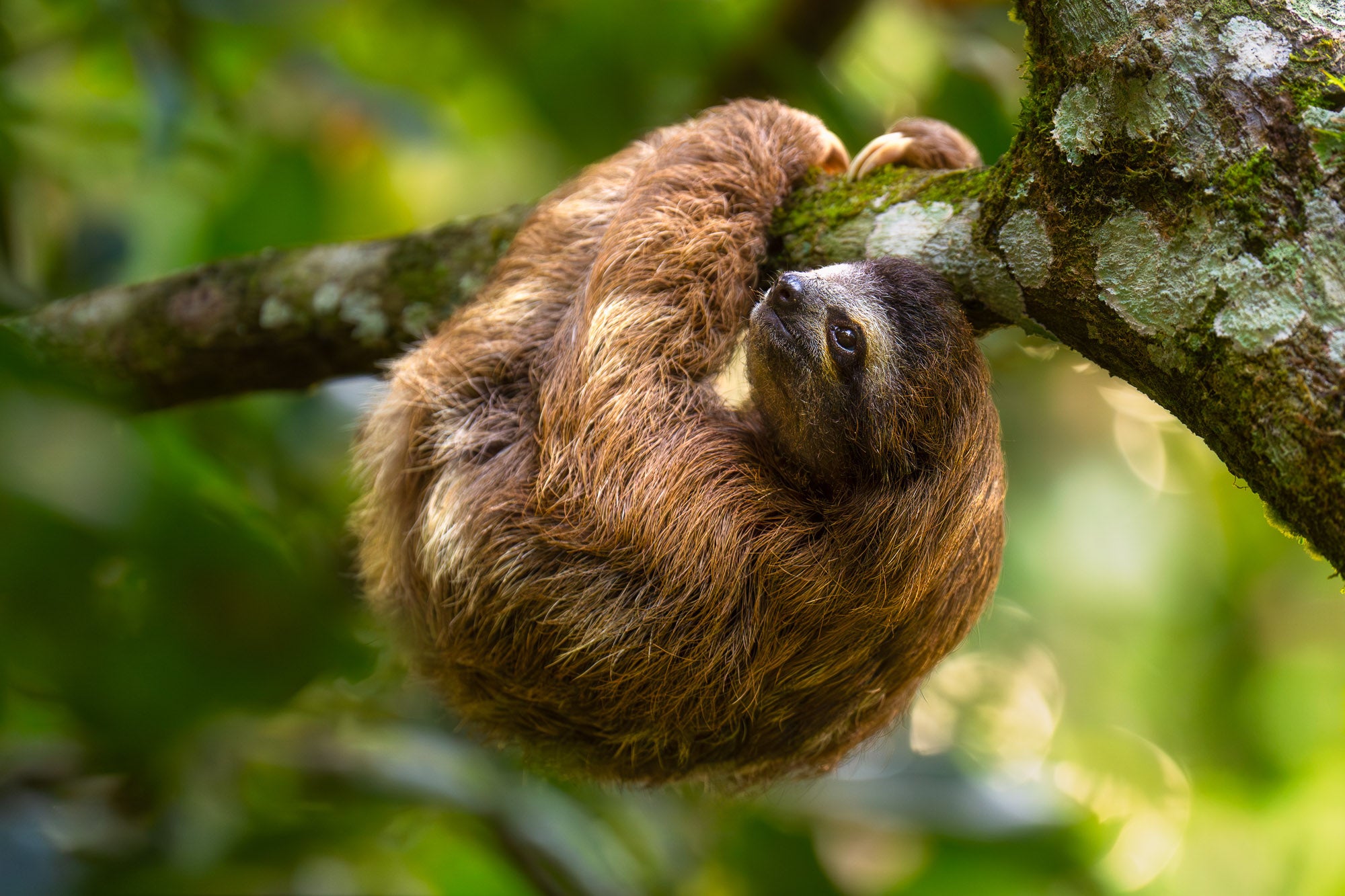
Photo by Colby Brown. Sony Alpha 1 II. Sony 70-200mm f/2.8 G Master II. 1/400-sec., f/3.2, ISO 1250
"My bridge between environment and close-up. At Dinokeng Game Reserve, my number one residence reserve in South Africa, we are allowed to off road and get in quite a close distance to the animals. The 70–200mm f/2.8 G Master II is my go-to lens when I need to bridge the gap between wide environmental shots and extreme telephoto close-ups. It’s the perfect middle ground = versatile enough for intimate wildlife portraits, yet wide enough to still capture some of the surrounding context that tells the full story." – Henrique Maia, What's In My Bag: Everything You Need For A Wildlife Photography Expedition
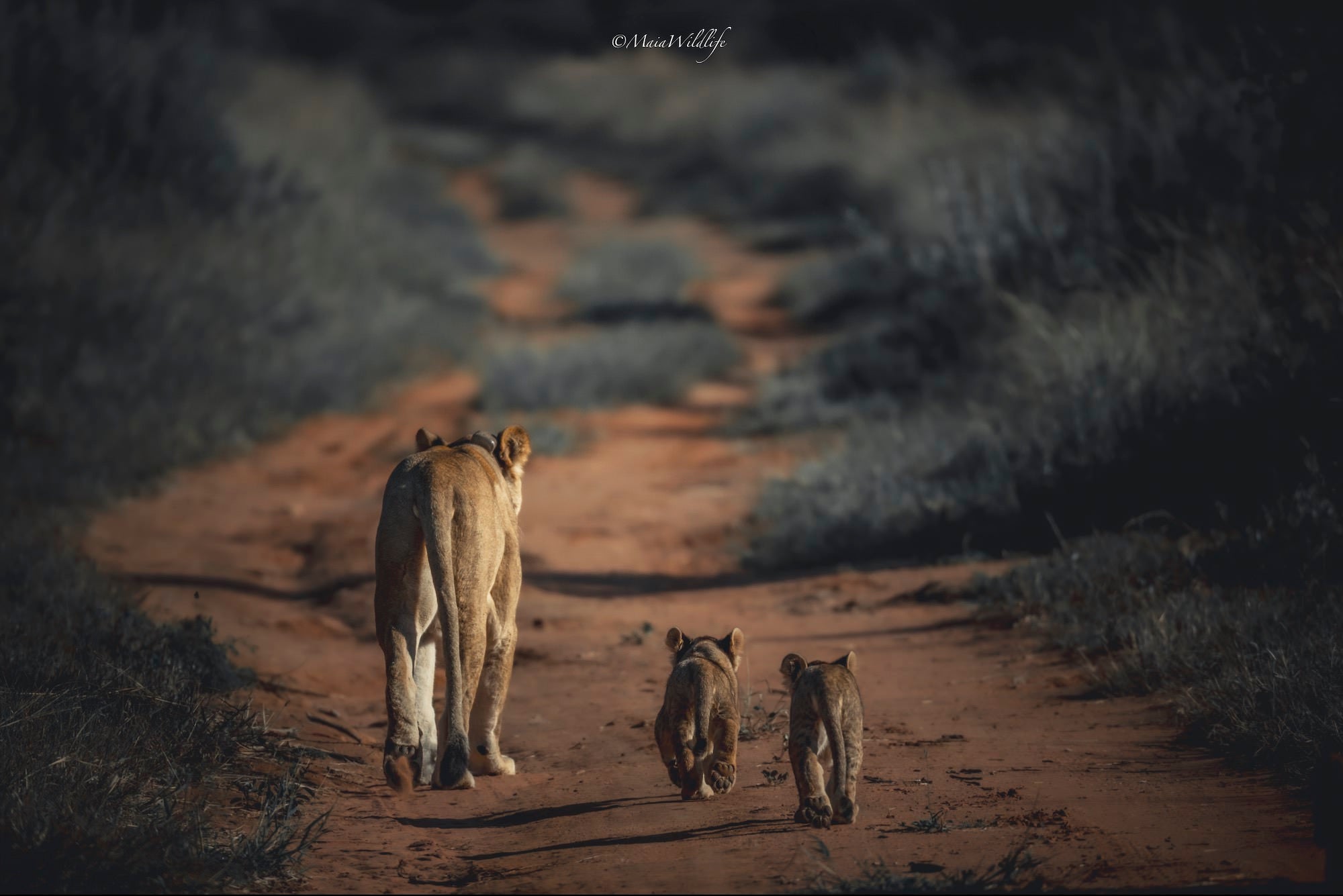
Photo by Henrique Maia. Alpha 7R V. 70-200mm f/2.8 G Master II.
6. Sony 200-600mm f/5.6-6.3 G
Why It’s Great For Bird & Wildlife Photography
Why it’s great in 2026 A workhorse for birders and wildlife generalists, the 200–600 G brings a wide working range, consistent performance, and internal zoom—excellent for balance, gimbal use, and dust/weather resilience. It’s a go-to for versatility without the super-tele price tag.
Standout Features
- Internal zoom: Maintains length and balance throughout the range.
- Broad coverage: From environmental frames to tight portraits at 600mm.
- Reliable stabilization: Helps keep shutter speeds workable in variable light.
- Field durability: Built to handle real-world weather and travel.
Creator Reviews
"When choosing gear for this type of photography, attention to detail is essential. This lens is incredibly versatile, offering the ideal focal length range for capturing wildlife at long distances. The Maasai Mara (like most African national parks) is extremely dusty. The internal zoom design of this lens is a true game changer, allowing for fast and exceptionally smooth focal length changes, while keeping dust out of the lens’s internal mechanism. Other features I truly appreciate are its excellent image stabilization and the different stabilization modes it offers. Being able to stabilize the lens along different axes opens up a lot of creative possibilities. And despite being a large telephoto lens, it is still light enough to shoot handheld, allowing me to react quickly to fast-moving action." – Miguel Bellido, What’s In My Bag: A Single Camera & Lens Setup For Wildlife Photography
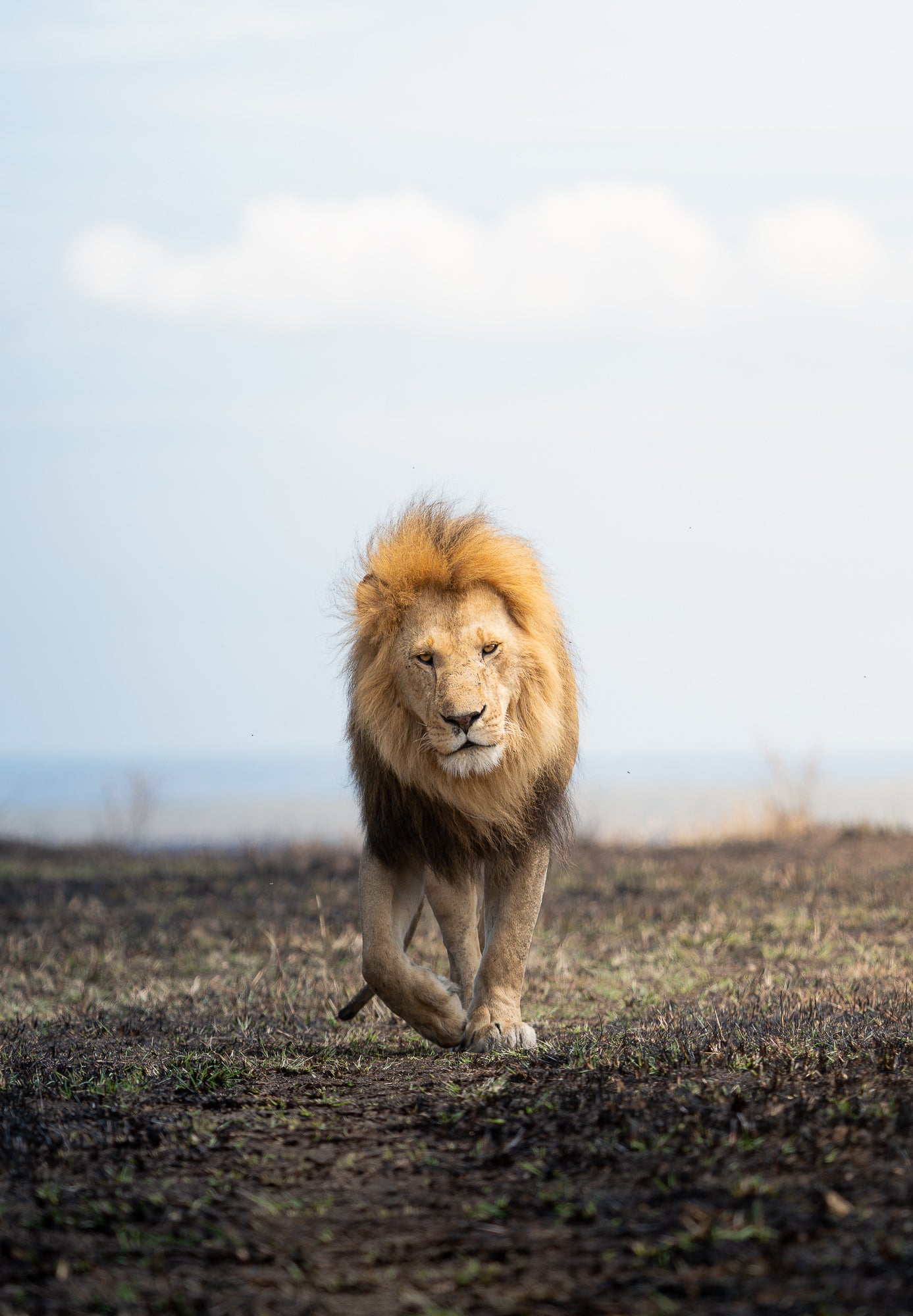
Photo by Miguel Bellido. Alpha 7 V. 200-600mm f/5.6-6.3 G. 1/1000-sec., f/6.3, ISO 500
"The 200-600mm allows me to get really intimate moments with wildlife. And it’s in a way where I’m not intruding on its personal space, that’s the last thing you want to do as a wildlife photographer. So it’s really important to be able to create that safe distance from the animal while still maintaining those images that you want to craft. So I have that range from 200-600mm so I’m able to take more wide landscape shots, or I’m able to kind of zoom in and get more of those portrait full frame of the animal in the photo." – Hannah Rheaume, What's In My Bag: See Inside Hannah Rheaume's Nature & Wildlife Photography Kit
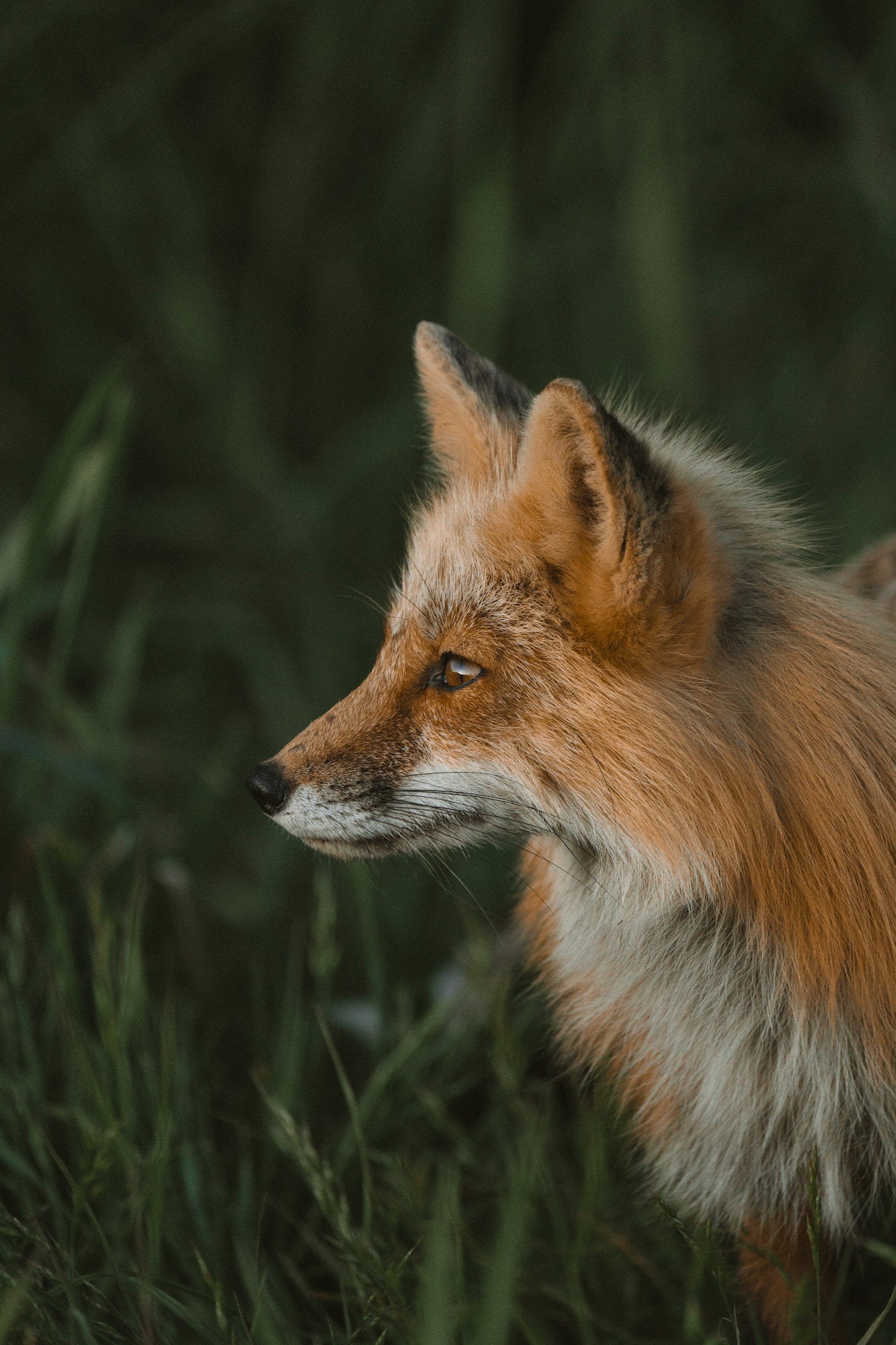
Photo by Hannah Rheaume. Alpha 7R V. 200-600mm f/5.6-6.3 G. 1/1250-sec., f/7.1, ISO 4000
7. Sony 400–800mm f/6.3–8 G
Why It’s Great For Bird & Wildlife Photography
The 400–800mm G packs extraordinary reach in a relatively portable package, making it a powerful option for birds, distant mammals, and situations where you can’t approach. The flexible zoom range lets you reframe quickly as behavior changes—no lens swap required.
Standout Features
- Extended reach: 400–800mm covers small passerines to far-off raptors and shorebirds.
- Consistent sharpness: G-series optical formula designed for high-resolution sensors.
- Optical SteadyShot: Adds stability when you’re working at the long end or in wind.
- Field-ready handling: Zoom flexibility without a massive weight penalty.
Creator Reviews
“I truly loved some of the slow-motion 120fps video I shot of different bird species drinking from the watering hole outside of the hides I was using. The details captured by the 400-800mm f/6.3-8 G, when paired with my Alpha 1 II, were impressive!” – Colby Brown, Birds Up-Close: See The 400-800mm f/6.3-8 G Lens In Action
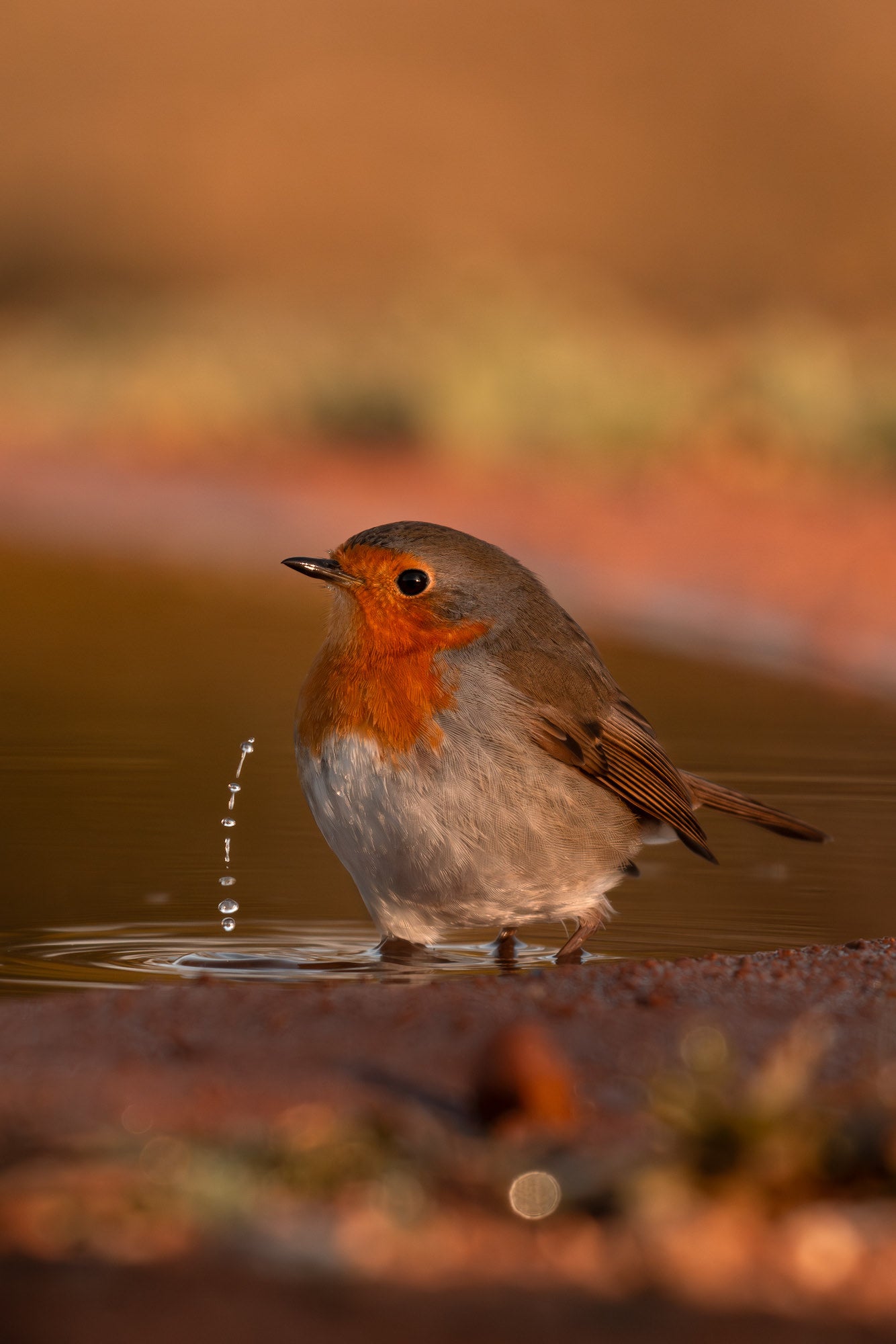
Photo by Colby Brown. Alpha 1 II. 400-800mm f/6.3-8 G.