For two years, Seattle-based photographer, climber and Alpha Collective member Scott Kranz set a singular intention: climb and document the 100 highest peaks in Washington State – an iconic legacy collection of summits known as the Bulger List. “Across 55 trips and two full alpine seasons, I carried a Sony Alpha camera on every ascent, through old-growth forests, up loose gullies, across glaciers, and along ridgelines that few people ever see,” Scott says.
The result is Cascade High, a nearly 300-page, large‑format photography book shaped by 55 trips, 38 climbing partners and a deep, decade-long relationship with the Cascade Range. We connected with Scott to learn more about the project, the book, and the gear that made it all possible.
Why The Cascades – And Why Now
Kranz’s connection to the range began soon after he moved from Minnesota to Seattle in 2013. “Within months, I stumbled upon Renowned Aerial Photographer John Scurlock's Snow & Spire – a photography book about the North Cascades – and something shifted. I drove north, set foot in that range for the first time, and sparked a connection with this landscape that has now spanned more than a decade.” A decade later, the project's timing, he says, was a natural culmination. “Two full seasons of climbing (2023-2024), 38 partners, tens of thousands of frames – the story was there. Cascade High is the result of more than a decade of looking carefully at one place, and a two-year project that gave that relationship a clear shape and purpose.”
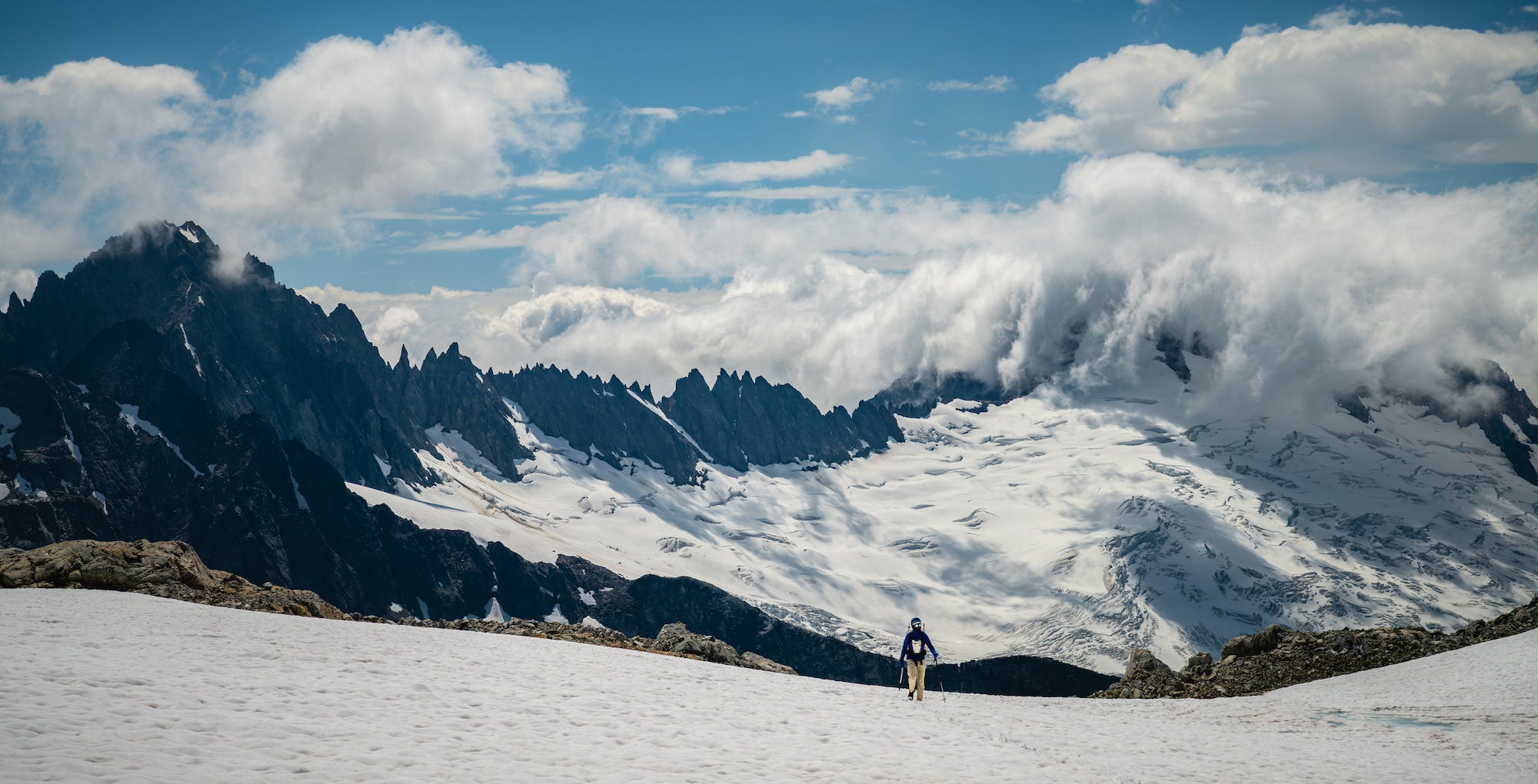
Photo by Scott Kranz. Alpha 7R V. 20-70mm f/4 G. 1/640-sec., f/11, ISO 200
A Project About More Than Peaks
The climbs were a vehicle for community and stewardship. “I climbed alongside 38 climbing partners – friends, mentors, first-time alpine climbers, professional athletes, and educators – and partnered with six nonprofits working to expand access and stewardship in outdoor spaces.” Those partners include groups like Washington Trails Association, Climbers of Color, and SheJumps. “At its core, Cascade High is a story about a journey across a revered mountain range, shared experience, and the quiet transformation that comes from returning to the same landscape long enough for it to shape you.”
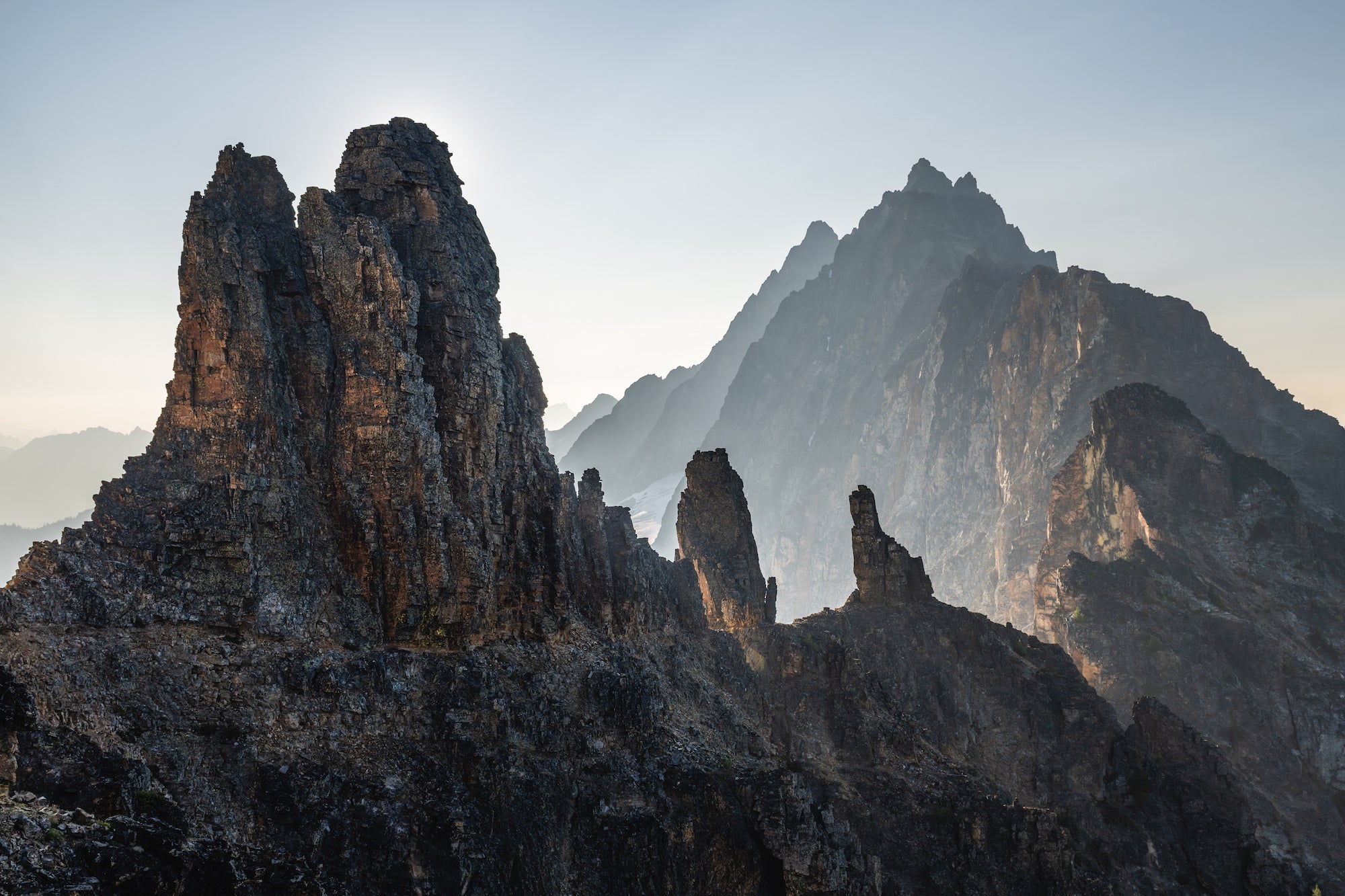
Photo by Scott Kranz. Alpha 1. 20-70mm f/4 G. 1/500-sec., f/6.3, ISO 250
Moments That Made The Book
Many images are meaningful to Kranz, but a handful anchor the book’s narrative. The cover photograph, made at dawn on the summit of Fortress Mountain, looks west toward Dakobed (Glacier Peak). “The night before had been a real question mark… Then the alarm went off and everything had changed. Low clouds filled the valleys, the nearby volcano rose above them in early light, and the wind was whipping. I handheld the shot – 1/320-sec., f/6.3, ISO 320 at 70mm on the Alpha 7R V – and it came out tack sharp, with exactly the color and dynamic range the scene deserved. That image earned the cover not just visually, but because of everything that went into being there.”
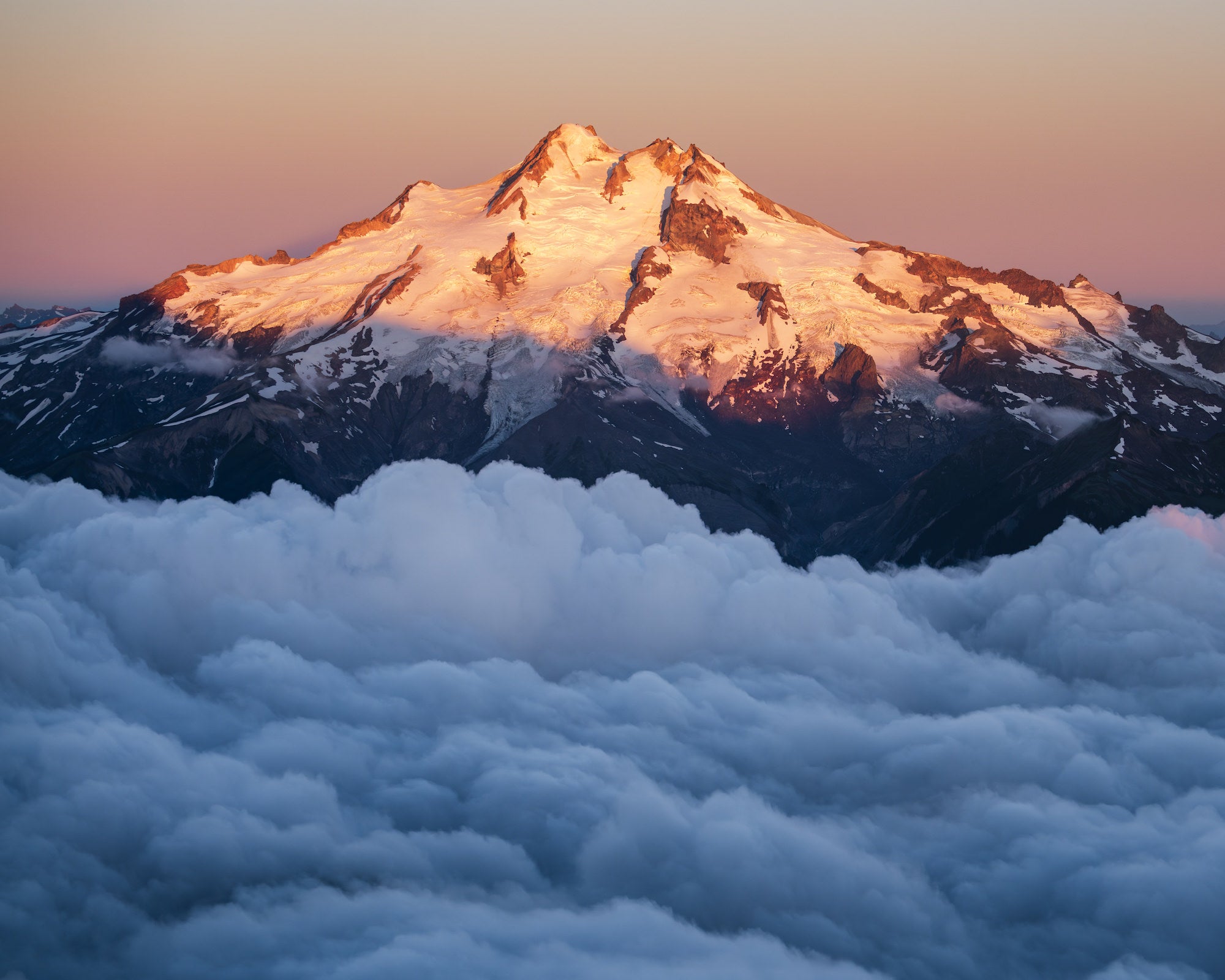
Photo by Scott Kranz. Alpha 7R V. 70-300mm f/4.5-5.6 G. 1/320-sec., f/6.3, ISO 320
Another formative sequence unfolded on the Chickamin Glacier during the traverse between Dome and Sinister Peak. Kranz describes descending onto a notoriously fractured glacier before dawn, watching first light flush the ice pink, and recognizing both a wide and a telephoto composition as the scene evolved. “Some moments ask you to stop moving, even on a fractured glacier. The Alpha 7R V's dynamic range handled the extreme contrast of alpenglow on ice without clipping a highlight.”
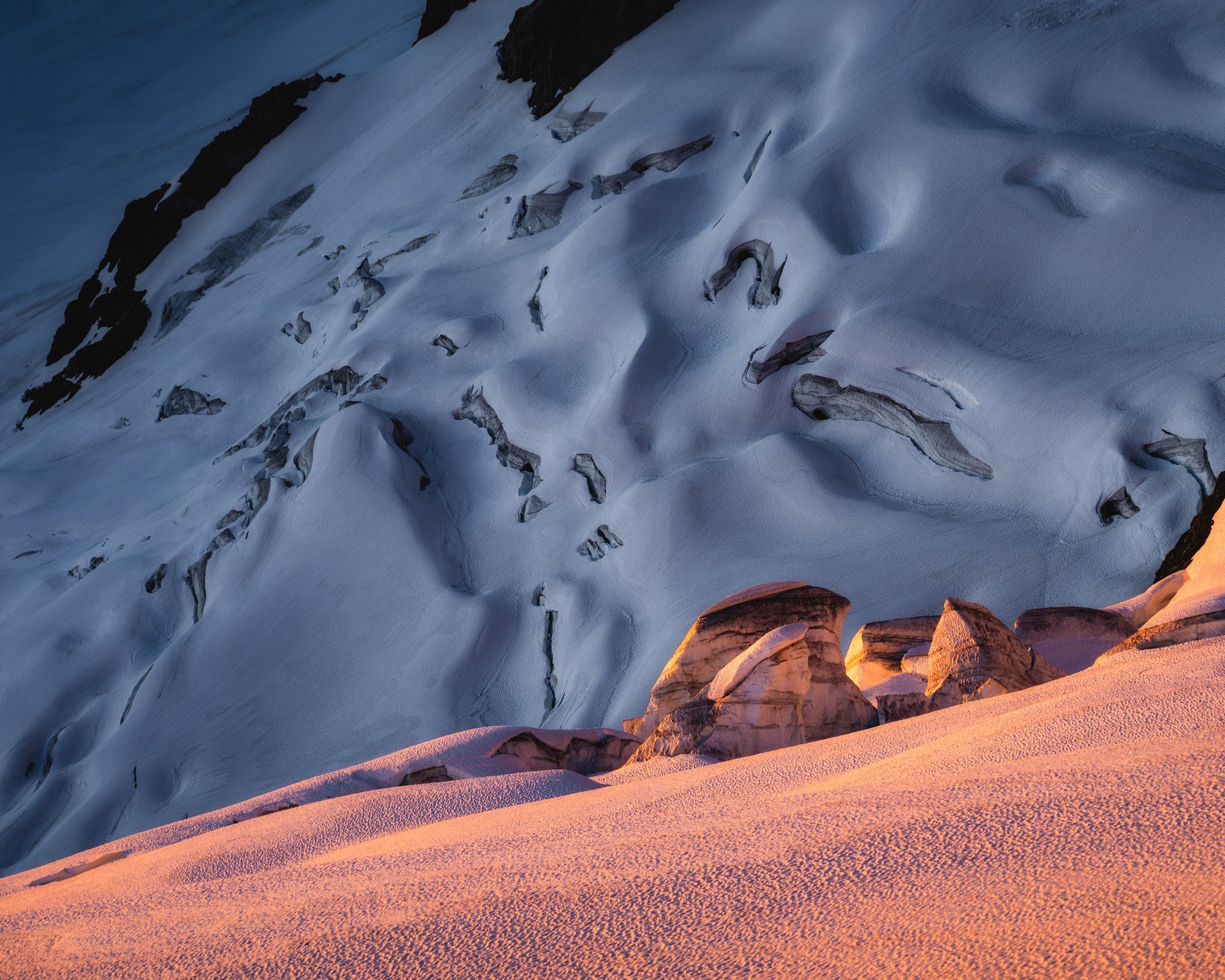
Photo by Scott Kranz.
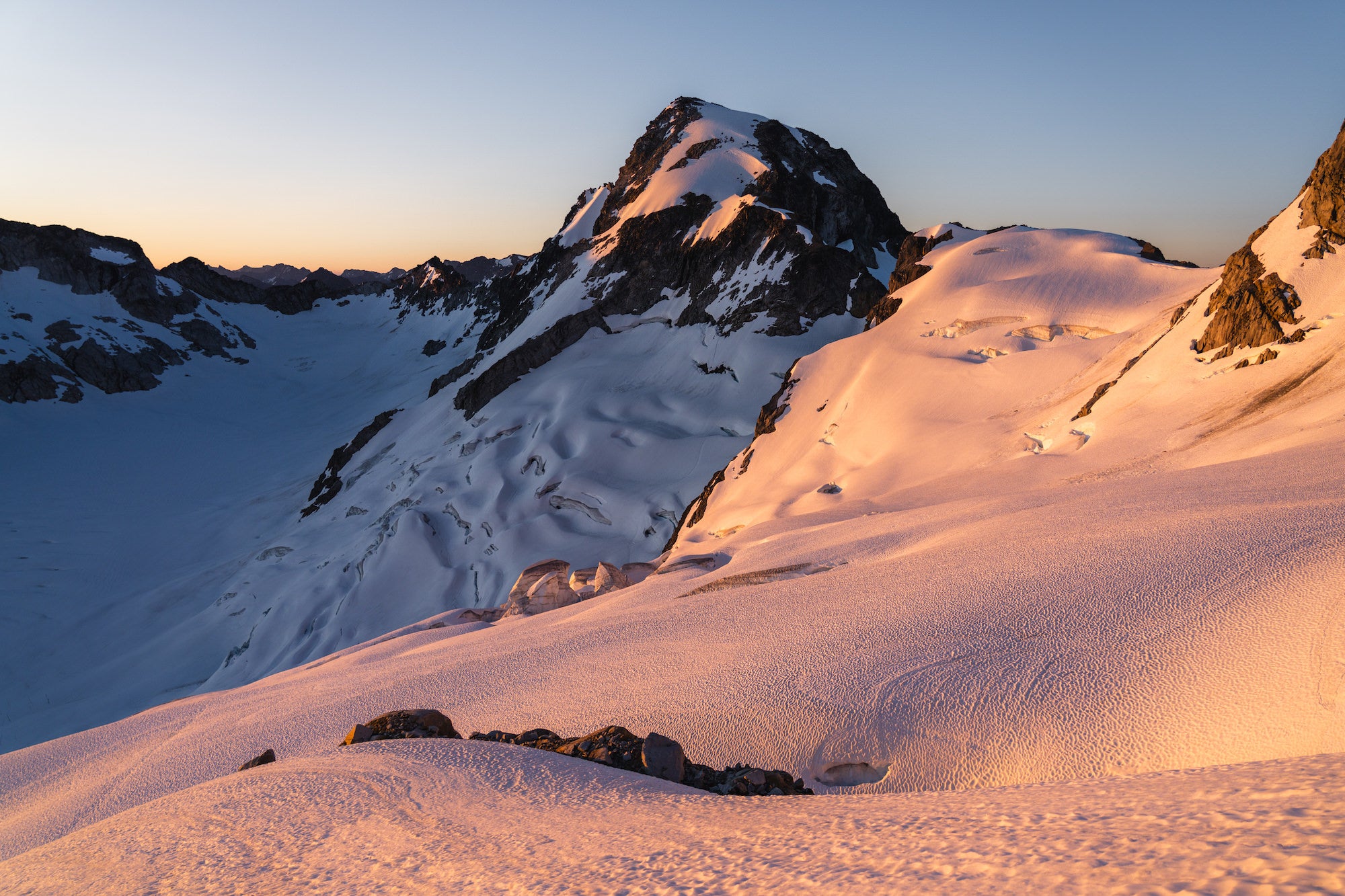
Photo by Scott Kranz.
A Sony Alpha Kit Built For Big Mountains
Across 100 summits, Kranz balanced reliability, resolution, and weight. His primary stills body was the Alpha 7R V. “Its 61MP sensor gave me the resolution a large-format book demands, and the flexibility to recompose in post when shooting from fixed or exposed positions.” He relied on the Alpha 1 as a second body, and he brought the Alpha 7S III for missions that required extended low-light performance – alpine starts, long approaches by headlamp, and summit bivies.
Lens choice was equally intentional. Telephoto glass anchored much of the project: the 70-200mm f/2.8 G Master II and 100-400mm f/4.5–5.6 G Master helped him isolate peaks and convey depth and scale in complex terrain.
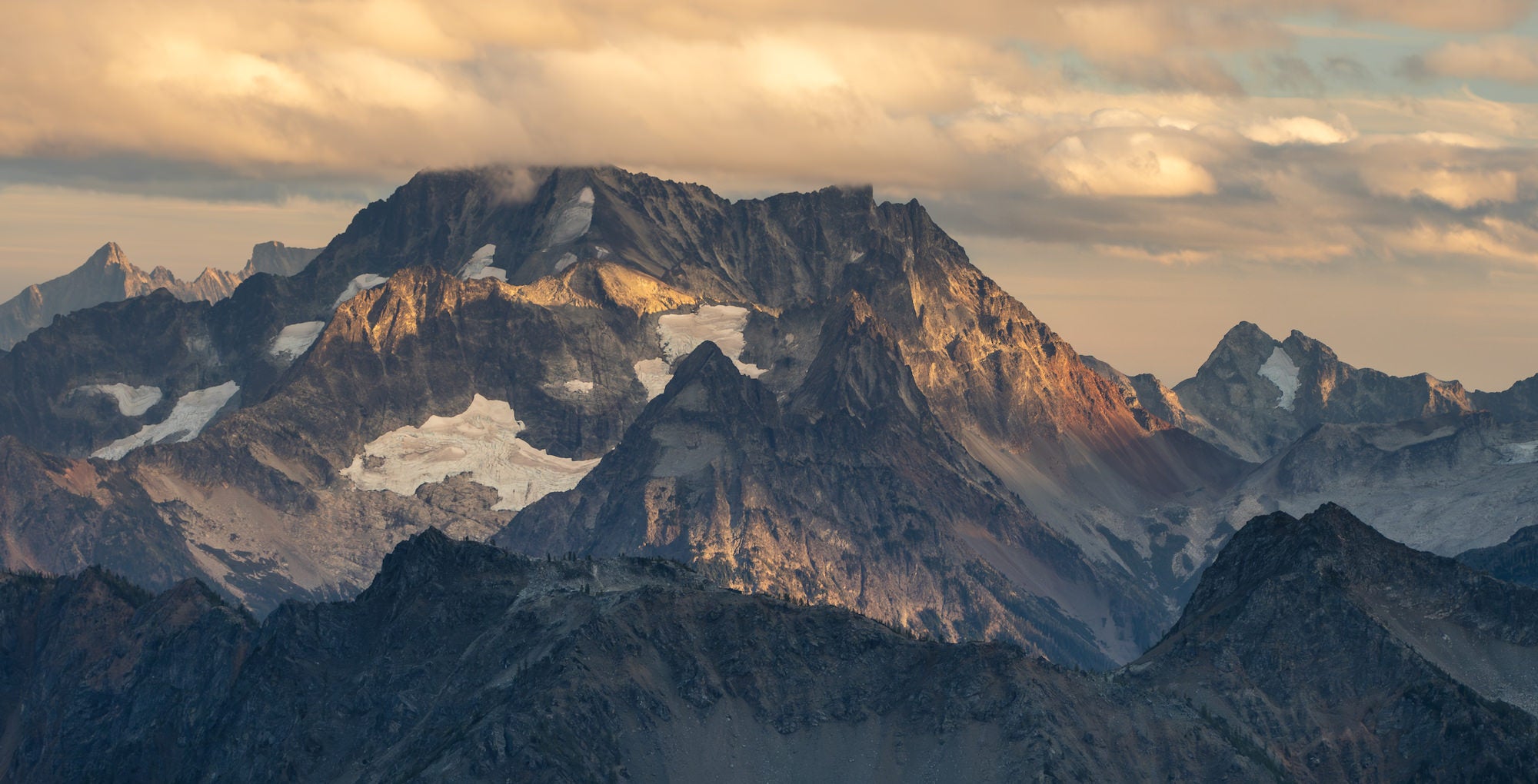
Photo by Scott Kranz. Alpha 7R V. 100-400mm f/4.5-5.6 G Master. 1/100-sec., f/6.3, ISO 640
The surprise workhorse was the 20-70mm f/4 G. “Wider than a standard 24-70mm, longer than most wide zooms – and in alpine terrain that flexibility proved genuinely valuable.” On fast-and-light missions, he often paired that zoom with the 20mm f/1.8 G or the 35mm f/1.4 G Master when he needed more speed while keeping the kit light enough for technical climbs.
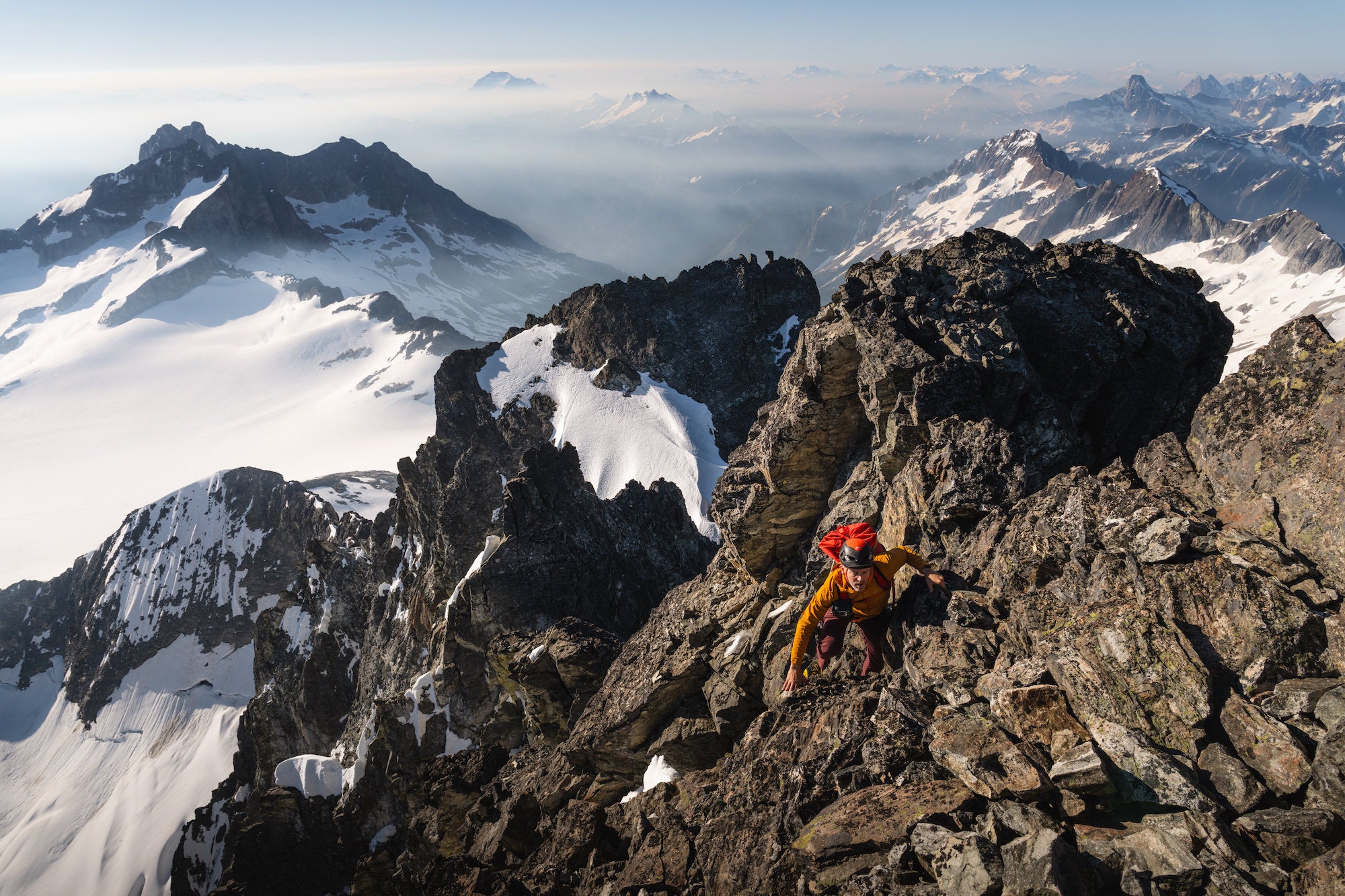
Photo by Scott Kranz. Alpha 1. 20-70mm f/4 G. 1/500-sec., f/9, ISO 250
Techniques That Made The Difference
Kranz points to two scenarios where specific lenses unlocked images that wouldn’t otherwise exist. Pre‑dawn movement on Jack Mountain required speed and sharpness in near‑darkness. “We started before 4:30 a.m., moving through the bergschrund in the blue hour. I was carrying the 35mm f/1.4 G Master – the combination of focal length and aperture let me capture movement in near-darkness without sacrificing sharpness. That image wouldn't have existed without it.”
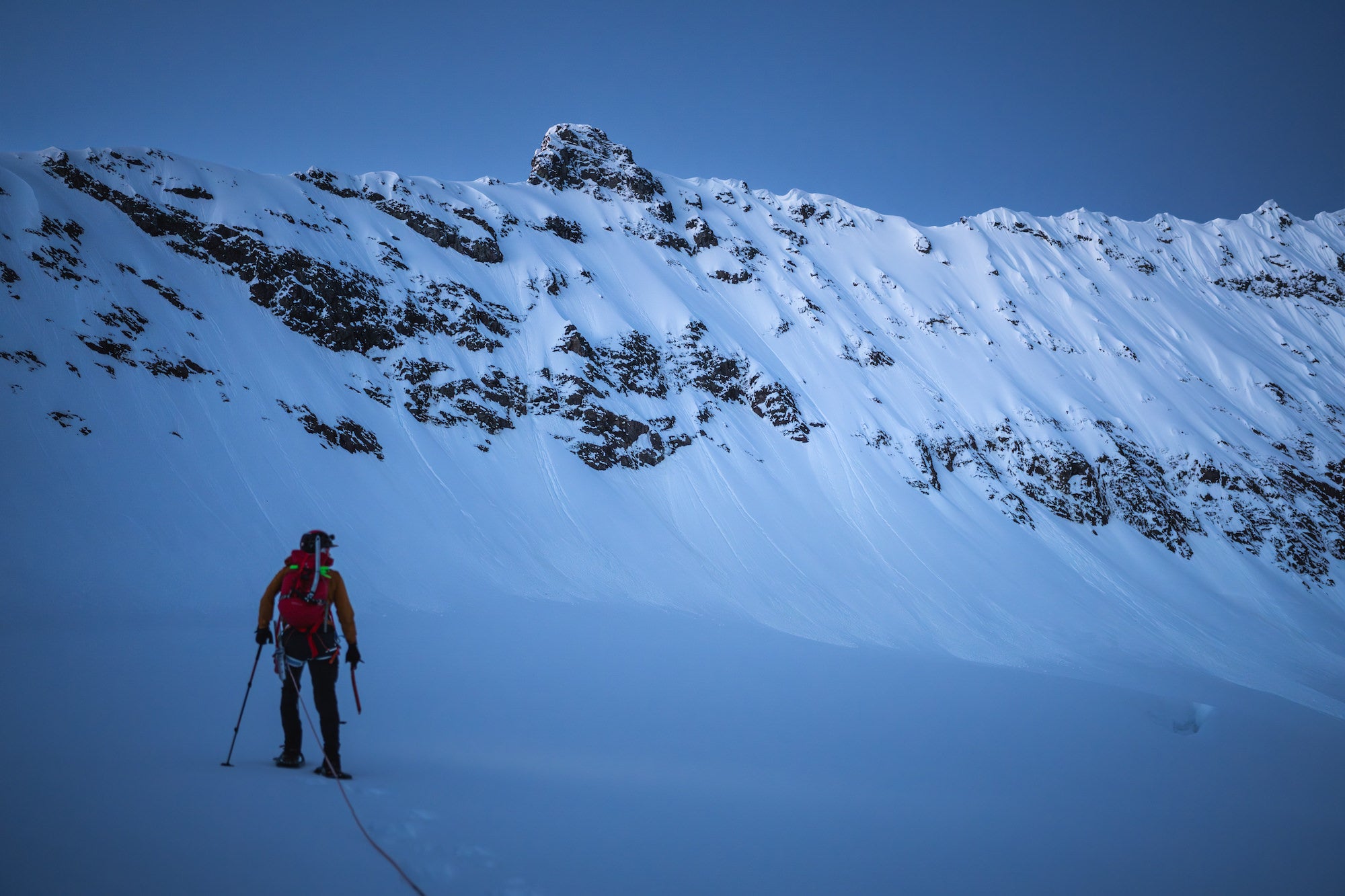
Photo by Scott Kranz. Alpha 1. 35mm f/1.4 G Master. 1/125-sec., f/1.4, ISO 1250
Night work and alpine astro called for a different approach. “On various mountains (including an epic solo overnight on the very top of one peak), I made long exposures under dark skies using the 20mm f/1.8 G – lightweight enough for technical terrain, sharp enough to render stars as points, and wide enough to capture the full sweep of the Milky Way above the alpine landscape.”
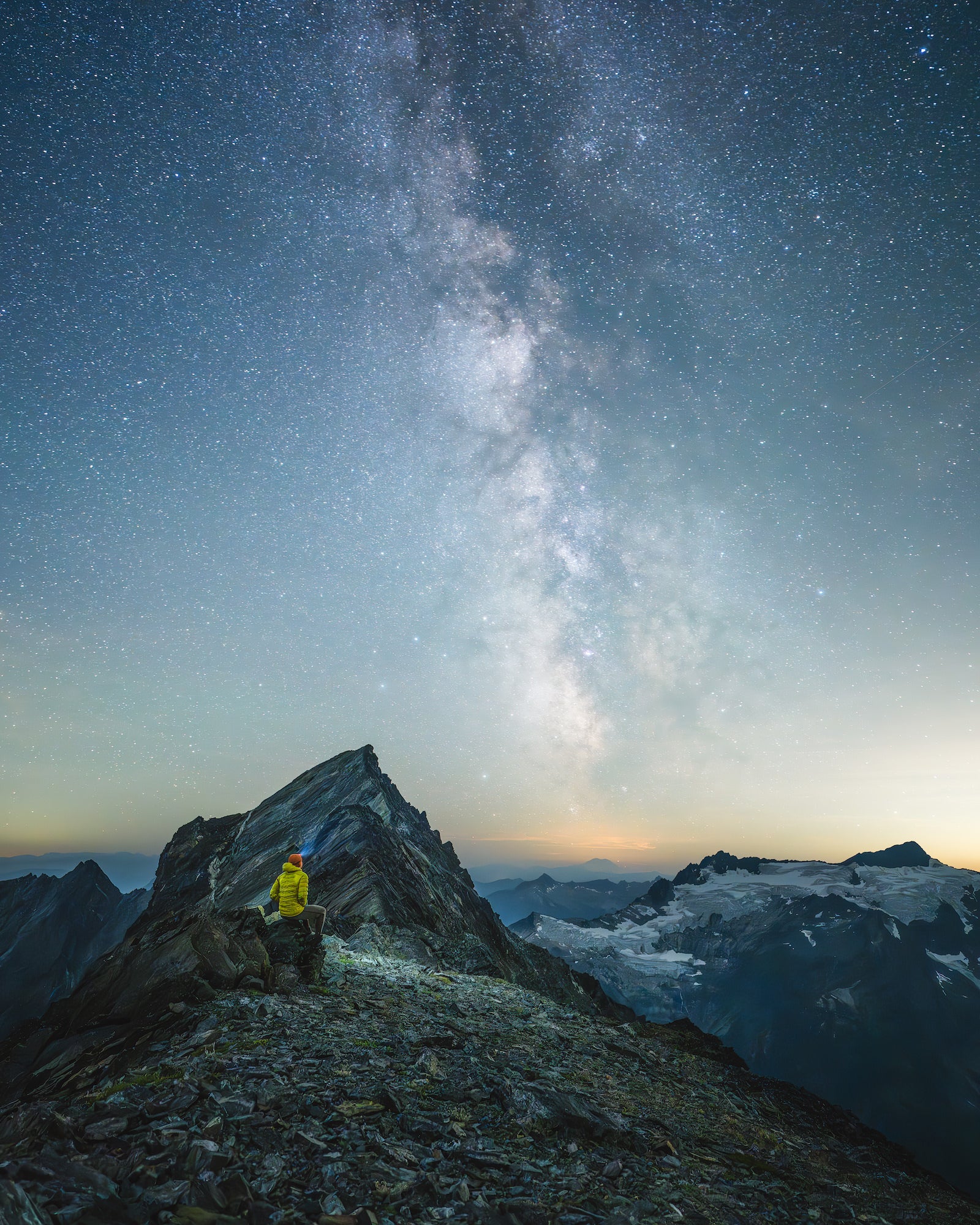
Photo by Scott Kranz. Alpha 7R V. 20mm f/1.8 G. 25-sec., f/2, ISO 5000
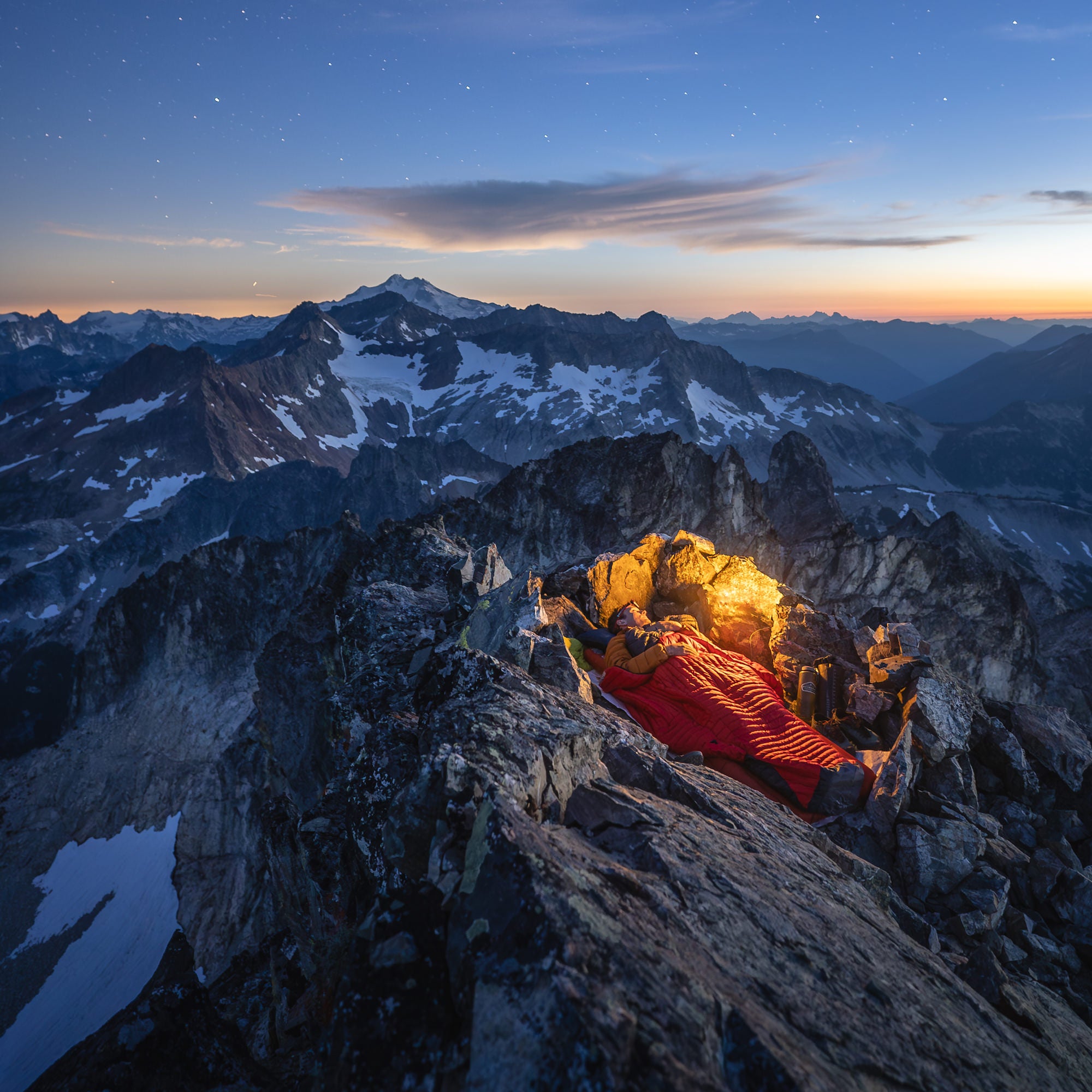
Photo by Scott Kranz. Alpha 7S III. 20mm f/1.8 G. 15-sec., f/2.5, ISO 1600
A Lineage – And A Community
As the project concluded, Kranz learned he had become the 100th person to complete the Bulger List – 100 people finishing 100 peaks – a thread tying his effort to a lineage dating back to 1980. “That connection to a lineage of climbers stretching back to 1980 was meaningful. But what mattered most was the shared experience – climbing with community, trusting partners on technical terrain, and creating images and memories I'll carry for the rest of my life.”
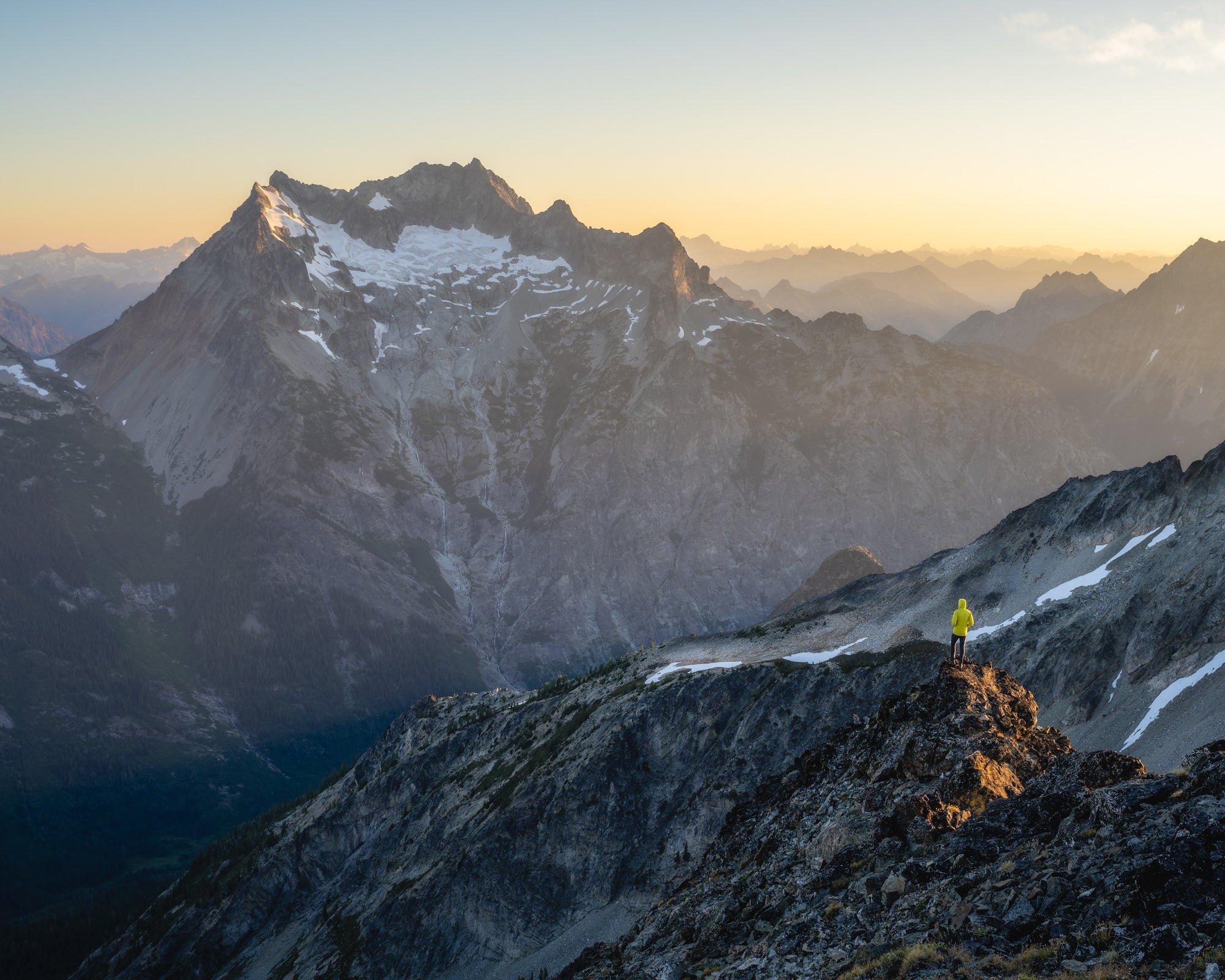
Photo by Scott Kranz.
Kickstarter Cascade High is now live on Kickstarter:
www.kickstarter.com/projects/scottkranz/cascade-high-by-scott-kranz
“This is my first Kickstarter and my first large-format photography book,” Kranz says. “The campaign is all-or-nothing – which carries real stakes – but I'm proud of this work and grateful to have had Sony tools that could keep up across 100 peaks, 55 trips, and two full alpine seasons. A Sony camera went up every summit. Truly proven in the field.”
A portion of every pledge supports trail stewardship and access. “$5 from every book pledged through the Kickstarter will be donated to the Washington Trails Association… providing backpacks, boots and overnight gear to those who might not otherwise have it.”
Cascade High is, in Kranz’s words, “A story about a journey across a revered mountain range, shared experience, and the quiet transformation that comes from returning to the same landscape long enough for it to shape you.” It’s also proof that the right tools, used with intention, can keep pace with big objectives in bigger terrain.
Click here to back Scott's Kickstarter project for Cascade High.
See more of Scott Kranz's work on his Instagram @scott_kranz and at scott-kranz.com.