Photographer Justin Veenema spends his days making soulful portraits of people and their pups throughout the streets of major cities like New York, Seattle and Vancouver. With a mission to uncover the most meaningful stories between humans and dogs, all while inspiring people around the world to advocate and adopt, Justin’s approach to dog photos is all about the small moments in between. “I’m not trying to get single shots one by one – I’m trying to capture the micro‑emotions,” he says. Watch and read below as Justin shares more on his approach to dog photography so you too can build a setup that lets you stay present with your dog, hold the moment, and trust your autofocus to come home with frameworthy photos of your best friend.
Why Justin Shoots With The Alpha 7R V
- 61‑megapixel confidence: The Alpha 7R V’s resolution lets Justin step back, frame a little wider, and re‑crop in post without losing detail. Translation: you keep the spontaneous moment and still get a perfect crop.
- Tilty‑flippy screen, real connection: The fully articulating display helps him shoot low, high, or off‑angle while maintaining eye contact with human and dog. That rapport shows up in the photos as real expression.
- AI‑assisted autofocus that feels telepathic: With Human and Dog subject‑recognition AF, the camera sticks to eyes and faces so Justin can focus on timing, gesture, and micro‑expressions.
- Practically endless buffer: When the moment heats up, he holds the shutter and rides the burst without worrying about drops in performance.
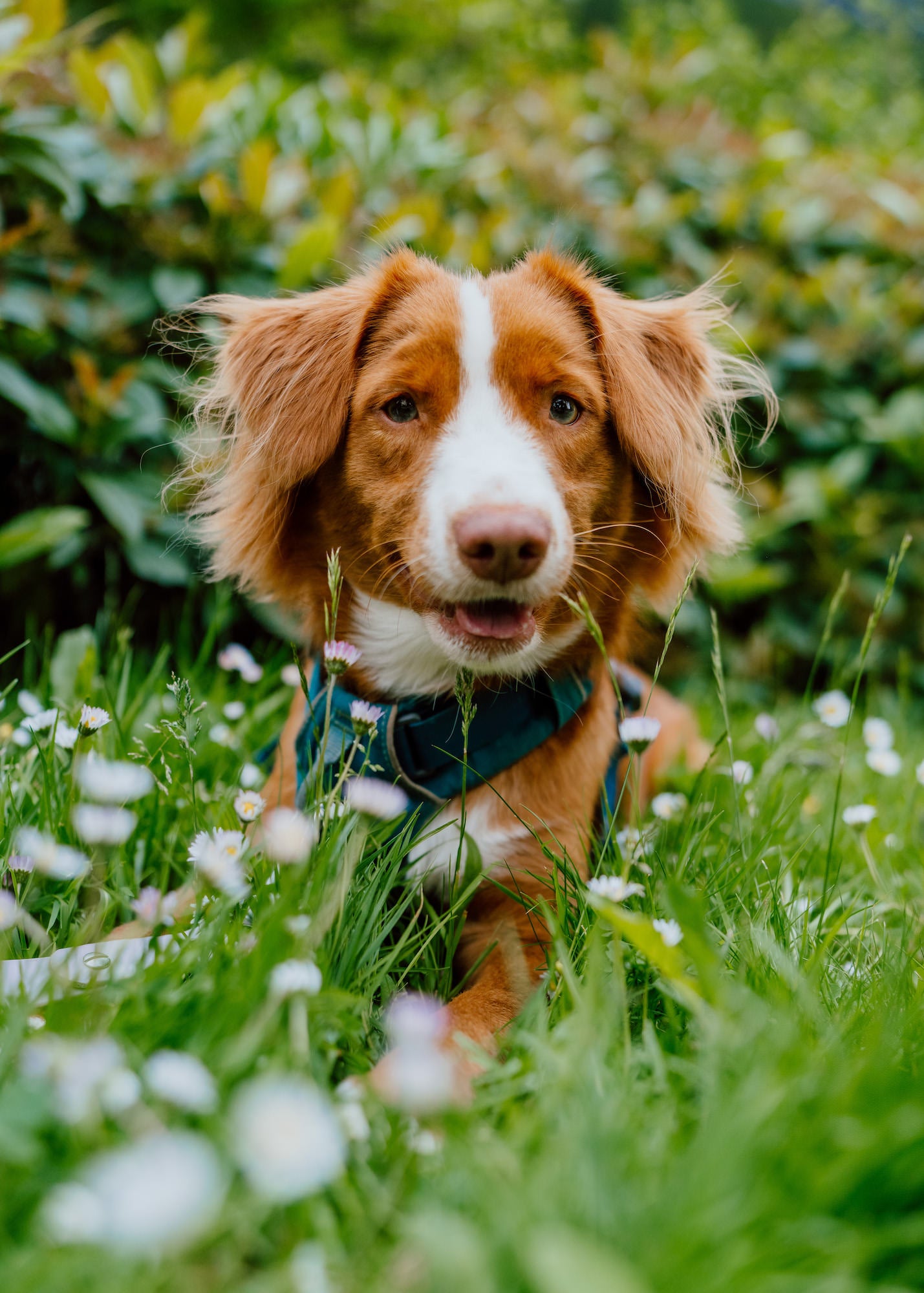
Photo by Justin Veenema. Alpha 7R V. 28-70mm f/2 G Master. 1/2000-sec., f/2, ISO 640
Lens Pairing: 28–70mm f/2 G Master
Justin calls the Alpha 7R V plus the 28–70mm f/2 G Master “a cheat code.” Here’s why:
- 28mm for scenes and context: Go wide, step back, and tell a story—then re‑crop thanks to 61MP if you need a tighter frame.
- 70mm for punchy portraits: Zoom in for that prime‑like compression and subject separation, right in‑camera.
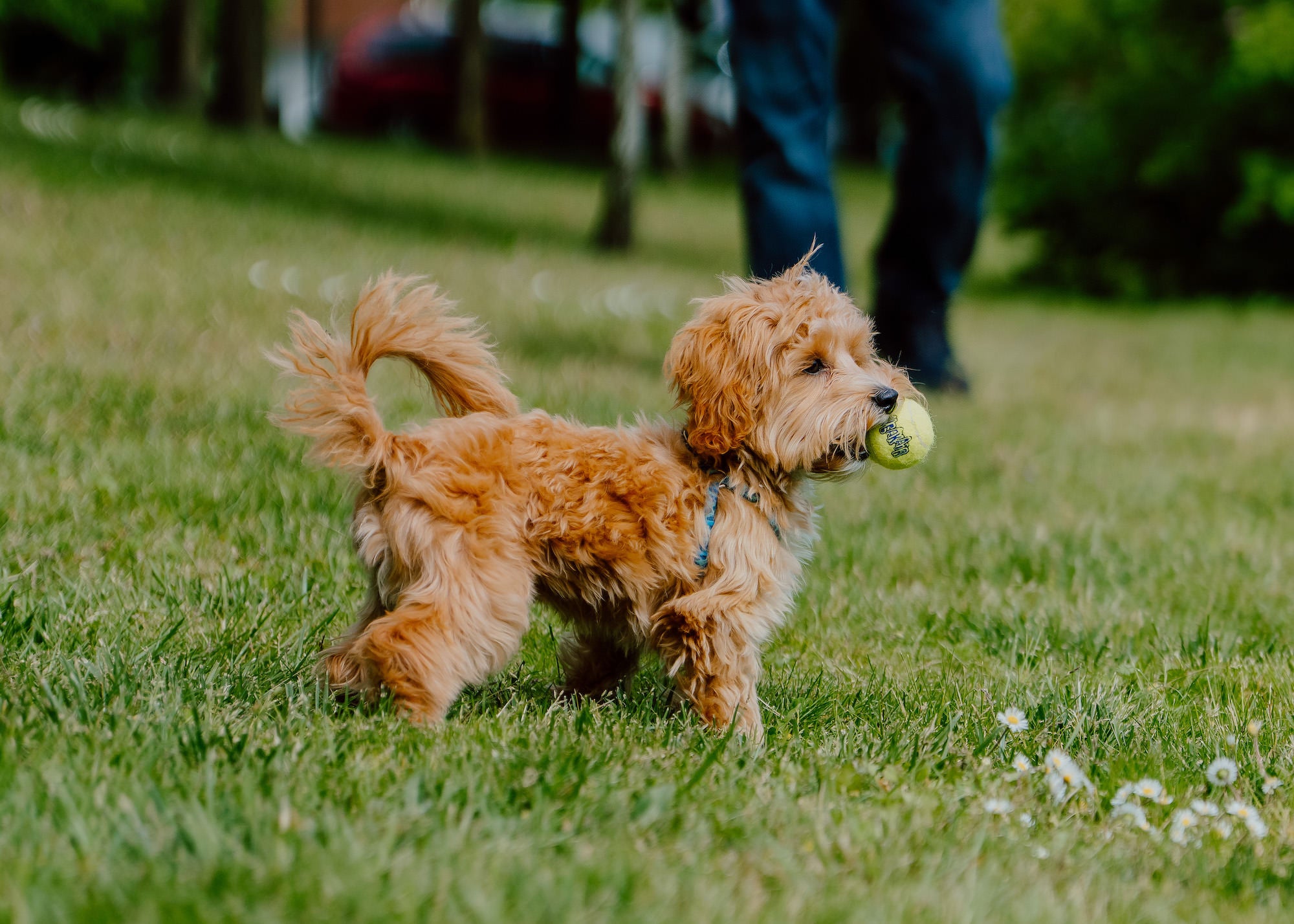
Photo by Justin Veenema. Alpha 7R V. 28-70mm f/2 G Master. 1/6400-sec., f/2, ISO 250
A Fast, Flexible Dog‑Portrait Setup (Justin’s Baseline)
- Aperture: f/2–f/2.8 for separation and light.
- Shutter speed: Start at 1/200-sec. minimum. Push to 1/2000-sec. (or higher) for zippy pups and action.
- ISO: Auto ISO. Use exposure compensation to taste. The Alpha 7R V’s clean high‑ISO files mean you can prioritize freezing motion without fear of noise.
- Focus mode: AF‑C with Dog Eye-AF enabled.
- Shooting style: Compose, then hold the shutter to capture micro‑expressions as they unfold.
Why This Works
- Motion first, always: Dogs are unpredictable. By fixing a fast shutter and letting ISO float, you preserve sharpness through bursts, changes in light, and sudden sprints.
- Minimal mental overhead: Auto ISO + exposure comp removes a variable so you can stay present with your subject.
- Expression over perfection: Long bursts capture subtle ear twitches, blinks, sniffs and head tilts – the magic that makes a dog feel like themself.
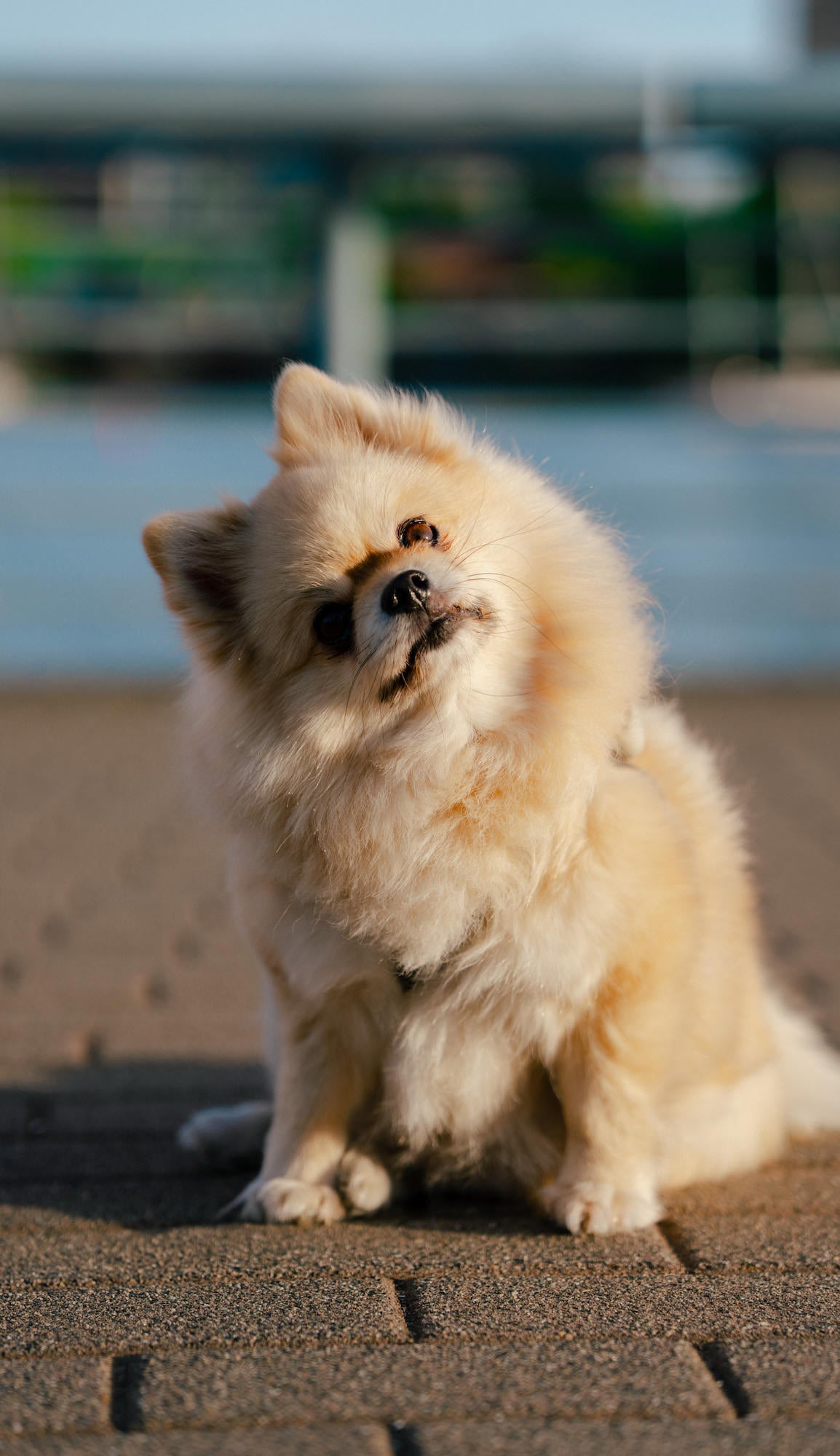
Photo by Justin Veenema. Alpha 7R V. 28-70mm f/2 G Master. 1/1600-sec., f/2, ISO 100
Field‑Tested Tips For Better Dog Photos
1. Get low to their world.
Use the tilty‑flippy screen to shoot at eye level without lying on the ground.
Going lower increases connection, fills the frame with your subject, and cleans up busy backgrounds.
2. Lead with expression.
Start with a calm greeting; let the dog sniff the camera and your hand.
Cue curiosity with sounds or a soft squeak held near the lens to draw eye contact.
3. Build a clean background.
Step a few feet to remove distractions or bright hotspots.
At 70mm and f/2–2.8, a small shift can turn a cluttered street into creamy bokeh.
4. Time the micro‑moments.
Pre‑compose, half‑press to confirm Dog Eye AF, then hold the shutter as ears perk, tongues loll, and tails wag mid‑arc.
5. Match speed to the breed.
Puppies and high‑drive dogs: 1/2000-sec.–1/4000-sec.
Slow, older dogs: 1/200-sec.–1/1000-sec. is often enough. Don’t be afraid to go faster if light allows.
6. Use light that flatters fur.
Open shade = soft detail and sparkle in eyes.
Backlight for glow: Position the sun behind the dog, expose for the face via exposure comp, and let rim light define fur texture.
7. Keep the session playful.
Short bursts of direction, quick praise, then a reset.
Treats are great, but hold them just behind or above the lens to direct the gaze where you want it.
See more of Justin Veenema’s people‑and‑pup street portraits on Instagram @justinveenema.
Shop Justin's Dog Photography Kit:
–Alpha 7R V
–28-70mm f/2 G Master