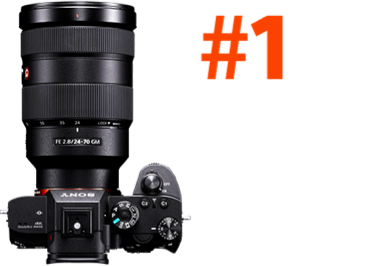
NYC-based portrait, street and lifestyle photographer Gabriela Gabrielaa is often on the go for her work. “When I’m traveling shooting portraits, whether that’s on set or in the busy streets of the city, I love being very minimal with my gear.” In this short video and article, she breaks down the essential Alpha camera body and trio of lenses she relies on when agility and speed matter most.
The Go-To Camera
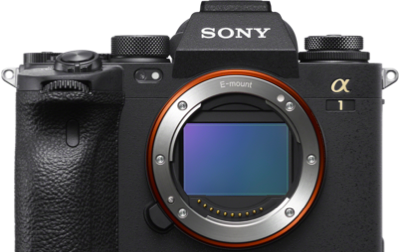
The Alpha 1 or Alpha 1 II For Fleeting, Unrepeatable Moments
One of Gabriela's go-to camera's is the Alpha 1 (or more recently, the Alpha 1 II). “It’s so quick for all of these once-in-a-lifetime moments that happen in front of me,” she says. For fast-paced portrait sessions, street candids or lifestyle work where expression and gesture can change in an instant, responsiveness is everything. The camera's autofocus, responsiveness and overall reliability let Gabriela stay present with her subjects instead of fiddling with settings.
Photo Tip: For fast-moving city portraits, use continuous autofocus with eye detection and assign a back-button focus for consistency while re-framing.
Why Two Prime Lenses Anchor The Kit
The 85mm & 35mm G Master Primes: Tight & Broad, Minimal & Complete
Her portrait primes of choice? The 35mm f/1.4 G Master and the 85mm f/1.4 G Master II (Note: she upgraded to the second gen version not long after filming.) This pairing gives her both intimacy and context. “It’s the perfect medium to have a more zoomed focus and then something more broad.”
- 85mm f/1.4 G Master II: Ideal for classic portrait compression and shallow depth of field that keeps attention on the subject. Great for isolating a face in busy environments without stepping too far back.
- 35mm f/1.4 G Master: A cinematic, “film-like” field of view that’s wide enough to include environment and storytelling elements, yet still flattering for portraits – especially in tight NYC spaces or when traveling to crowded places.
Photo Tip: For dreamy background separation, start near f/1.4-f/2 on the 85mm and step back slightly to keep eyes tack sharp.
The Flexible Zoom When There’s Room
Adding The 16–35mm f/2.8 G Master II For Playful Motion
There’s also a particular zoom lens she likes to bring along for portraits when there’s room. “I really love using the 16-35mm f/2.8 G Master II when I’m taking portraits that are playful and the subject is moving – whether they’re on stage or in studio.” The zoom’s range keeps pace with dynamic subjects, offers dramatic perspective – plus it lets her shift quickly between environmental and tight frames without lens swaps.
Photo tip: Work in the 24–28mm sweet spot for portraits to keep faces natural while still feeling wide. Get close and place a foreground element inches from the lens to create parallax and depth, then pan slightly with your subject at around 1/125–1/250 to keep them sharp while the environment blurs with motion.
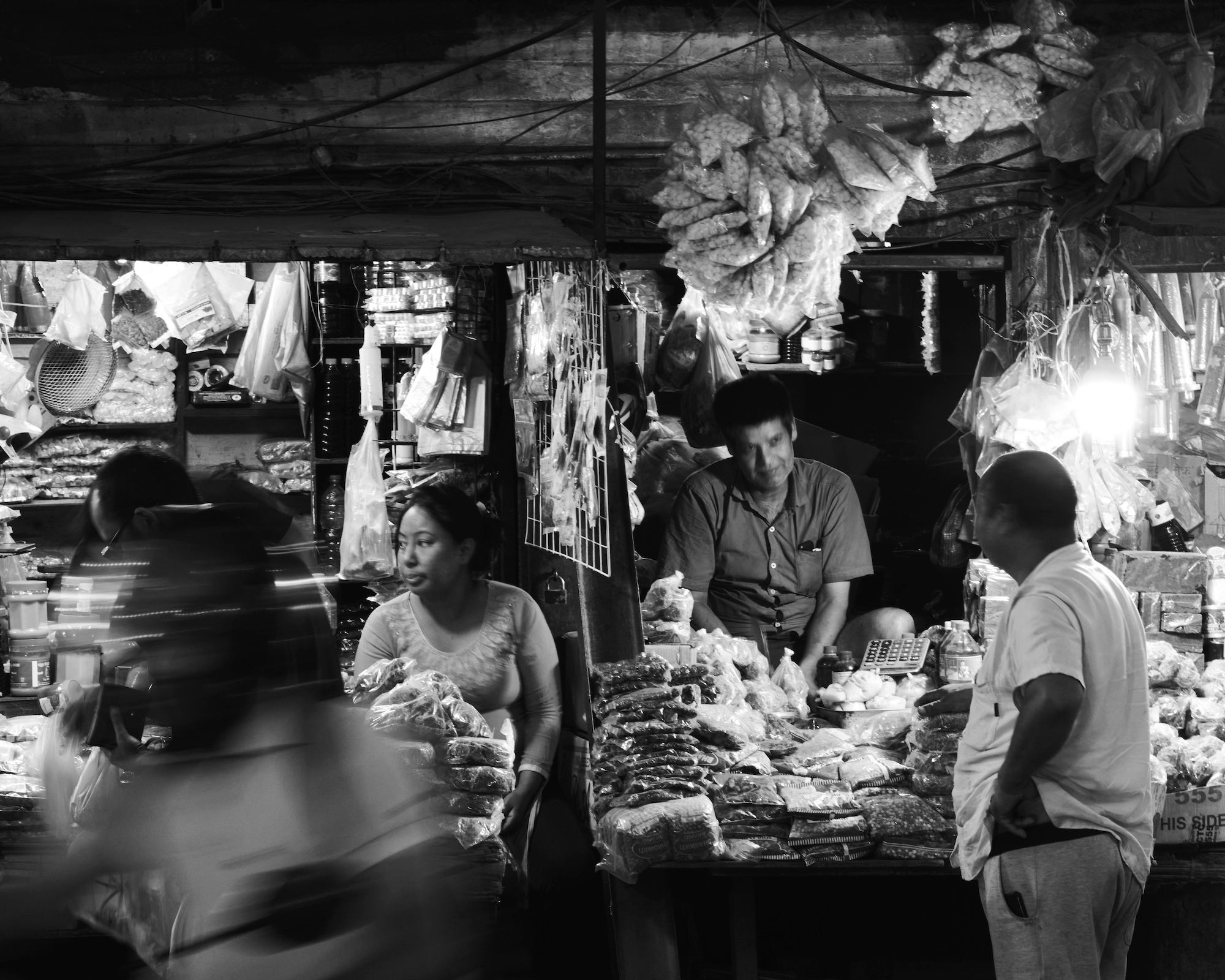
Photo by Gabriela Gabrielaa.
Flash As A Creative Counterpoint
Balancing Harsh Sunlight & Night Energy With Flash
Gabriela also likes to use flash in her photography. “If there’s too much sun it’s nice to contrast that with a flash. Or at night, if there’s movement, somebody’s dancing – it’s definitely one of my go-tos.” In bright sun, a touch of fill flash helps maintain skin tone and detail. At night, flash creates a crisp, electric mood and freezes motion while ambient light paints in the scene.
Photo tip: Daylight: Dial flash to subtle fill so it lifts shadows without looking “flashy.” Keep shutter within sync and adjust power for a natural blend. Night: Use slower shutter speeds to drag ambient light for motion trails, then pop flash to freeze the subject. Slightly gel the flash to match or creatively contrast street lighting.
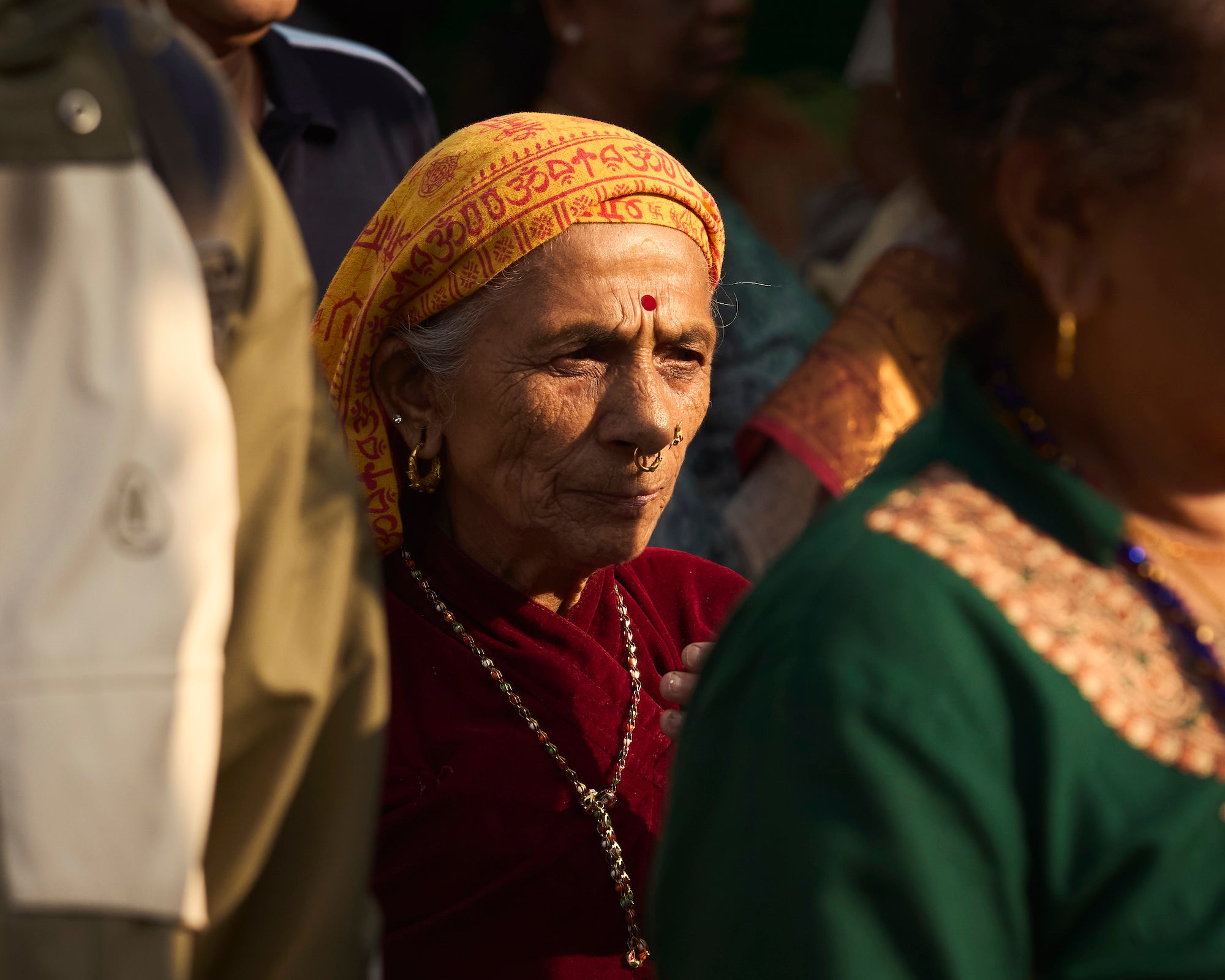
Photo by Gabriela Gabrielaa.
See more of Gabriela Gabrielaa’s on Instagram @gabrielagabrielaa.
Shop Gabriela Gabrielaa's Kit
Camera: Alpha 1 II
Lenses: 35mm f/1.4 G Master, 85mm f/1.4 G Master II, 16-35mm f/2.8 G Master II