Los Angeles-based, Australia-born photographer Bradley Patrick has spent three decades shaping how audiences meet films – first through key art, posters and gallery portraits, then as a unit stills photographer embedded with casts and crews. A former Sony Australia Ambassador with editorial credits from Vanity Fair to Rolling Stone, he brings a portraitist’s precision to fast-moving productions.. Early assignments with DreamWorks (including Shrek, Madagascar and Shark Tale) led to his first portrait of Jack Black – an image he pulled up on set day one for the film “Anaconda,” rekindling an easy rapport that set the tone for the show.
Paul Rudd and Jack Black in the film Anaconda. Photo by Bradley Patrick Alpha 7R IV. 24-70mm f/2.8 G Master II. 1/160-sec., f/8, ISO 800
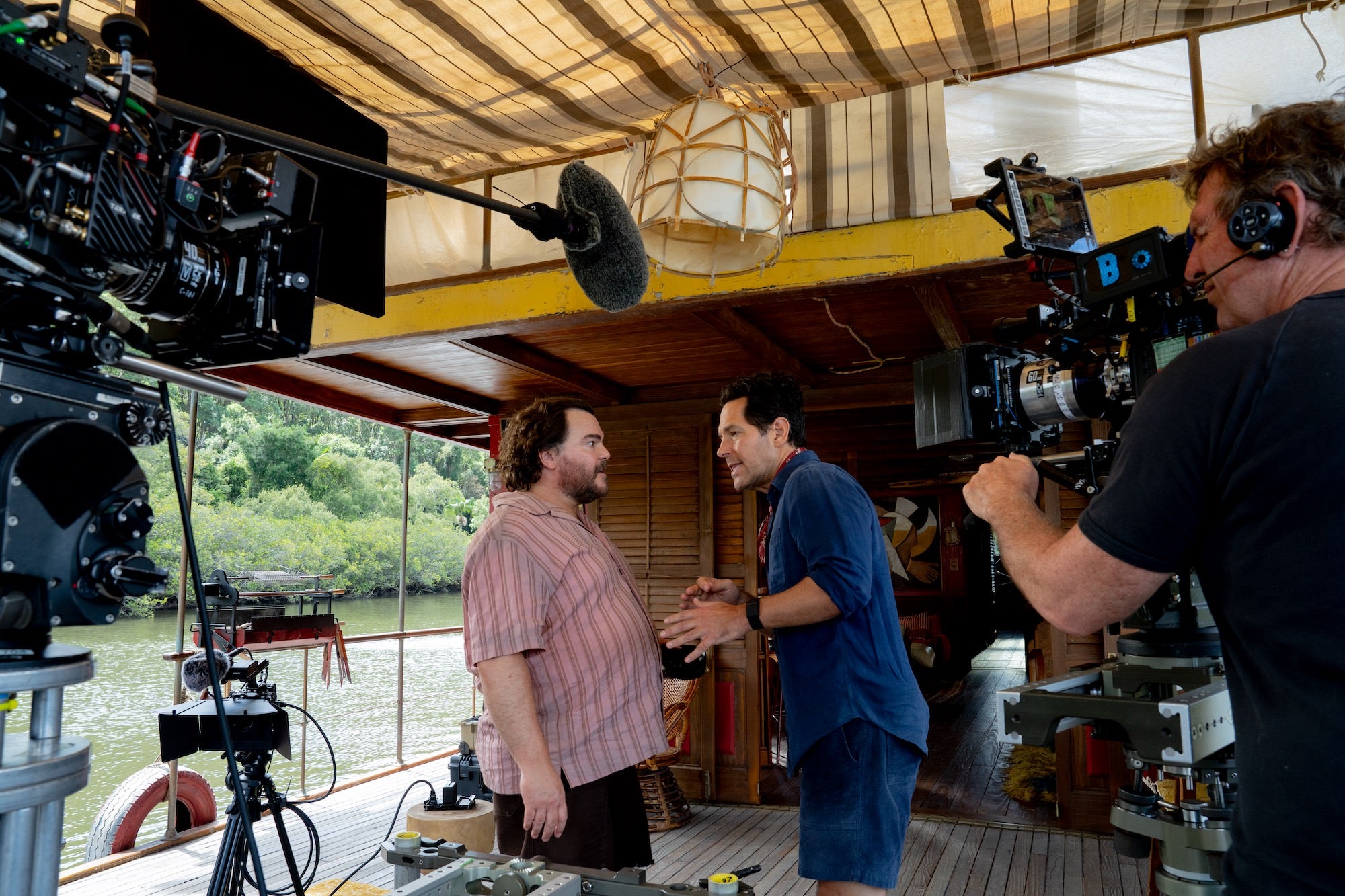
For the film, Patrick returned to Australia with his Alpha cameras and a tight lens kit, tracking a production that turned Queensland into the Amazon. The shoot delivered everything a stills photographer quietly prepares for: a mid-production cyclone that forced the crew onto generators, blistering heat in remote jungle and river locations, and long days on a custom-built boat – where space was scarce and the camera had to be invisible.
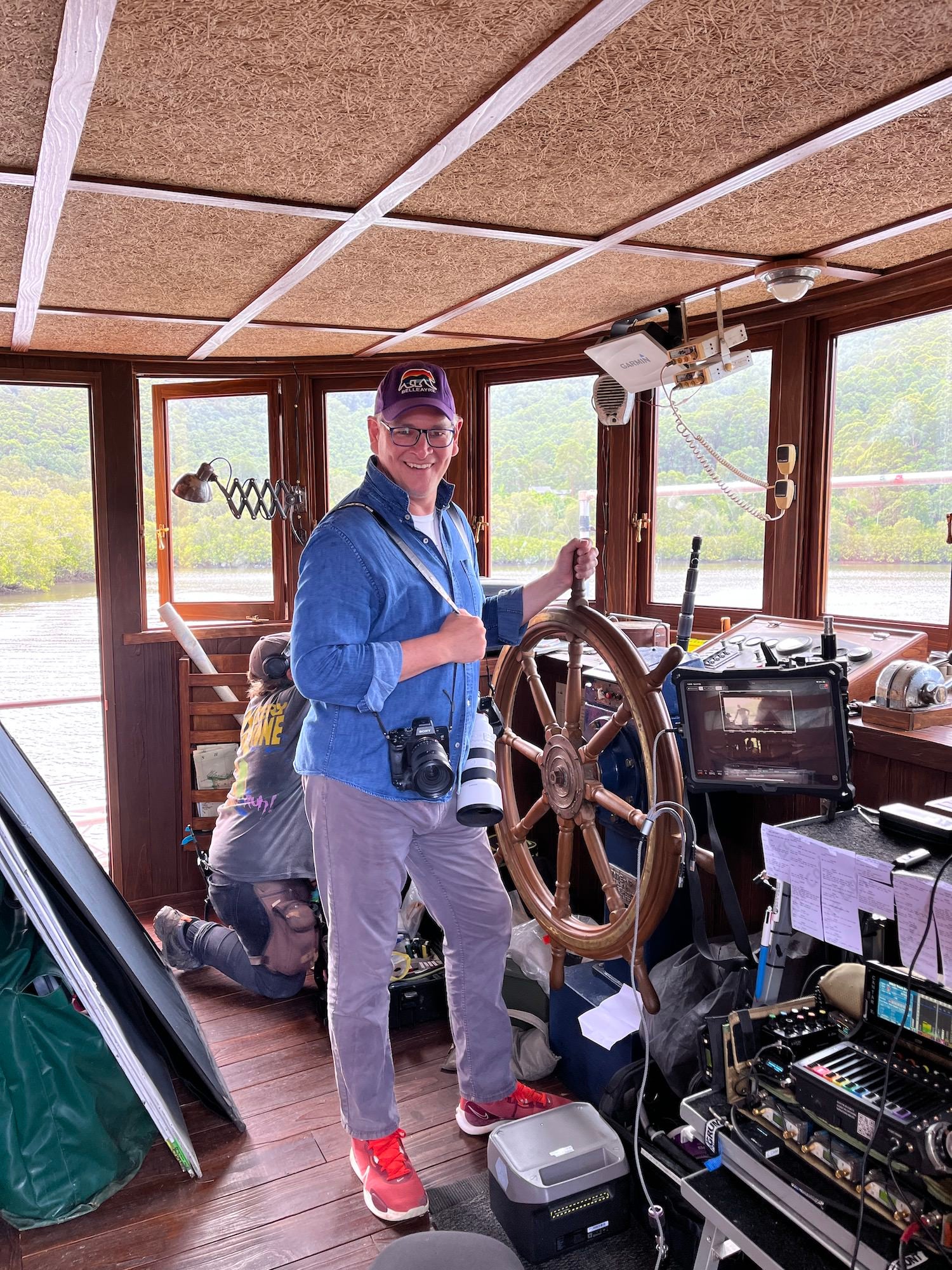
Unit stills photographer Bradley Patrick on the set of "Anaconda"
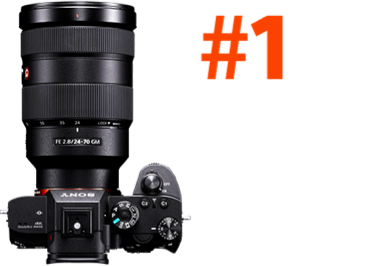
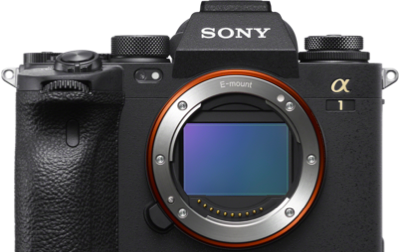
Bradley Patrick’s Photography Kit For The Set Of “Anaconda”
Patrick’s workhorse was the Alpha 9 III for silent, quick and blackout‑free coverage. “The global shutter is amazing,” he says. “I can shoot during rehearsal and whenever I want, because the camera’s not making any noise.” That silence made him effectively invisible during intimate dialogue and explosive set pieces alike. For high-resolution hero frames and campaign-ready detail, he leaned on the Alpha 7R-series, the Alpha 7R V and Alpha 7R IV, pairing resolution and dynamic range with color that matched what cinematography was crafting on set. “The color that you’re getting is a true representation of what’s being filmed,” he says. “You don’t really need anything in color grading or Photoshop – the profiles are just ridiculously amazing.”
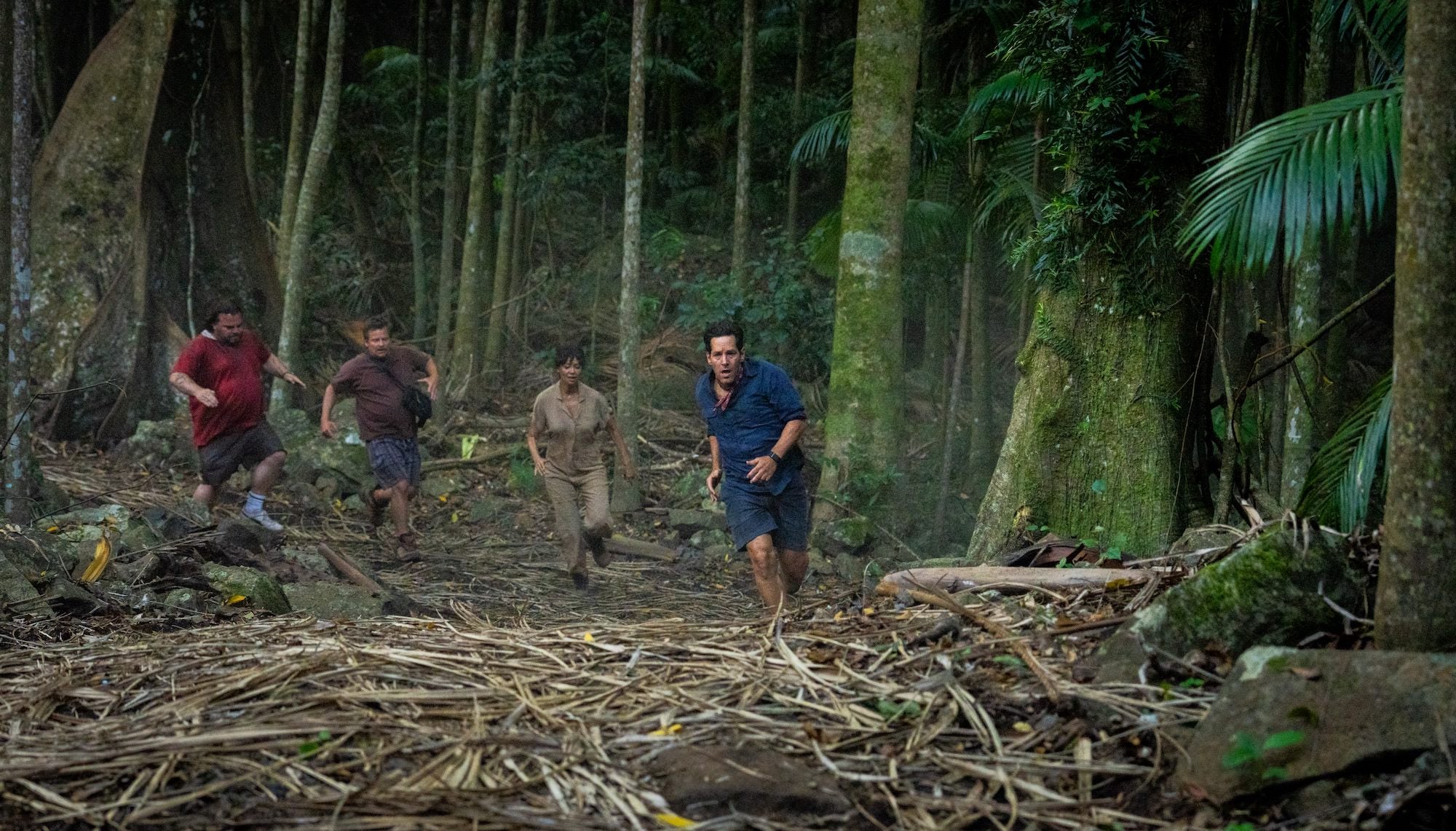
Photo from the film Anaconda by Bradley Patrick Alpha 7R IV. 85mm f/1.4 G Master II. 1/320-sec., f/1.8, ISO 1000
Lens choices followed the realities of a moving set. The 70-200mm f/2.8 G Master II and 24-70mm f/2.8 G Master II did most of the lifting, pivoting from tight performance beats to environmental frames in seconds. When a scene called for a gallery sensibility, he reached for the primes – the 50mm f/1.4 G Master and 85mm f/1.4 G Master II – to get clean contrast, shallow depth and natural skin tones with minimal post-processing needed. Despite night work and practical explosions, he rarely pushed past ISO 3200, trusting fast glass and the sensors’ latitude. His 300mm f/2.8 G Master also rode in the bag but seldom came out – access on the small boat kept him close.
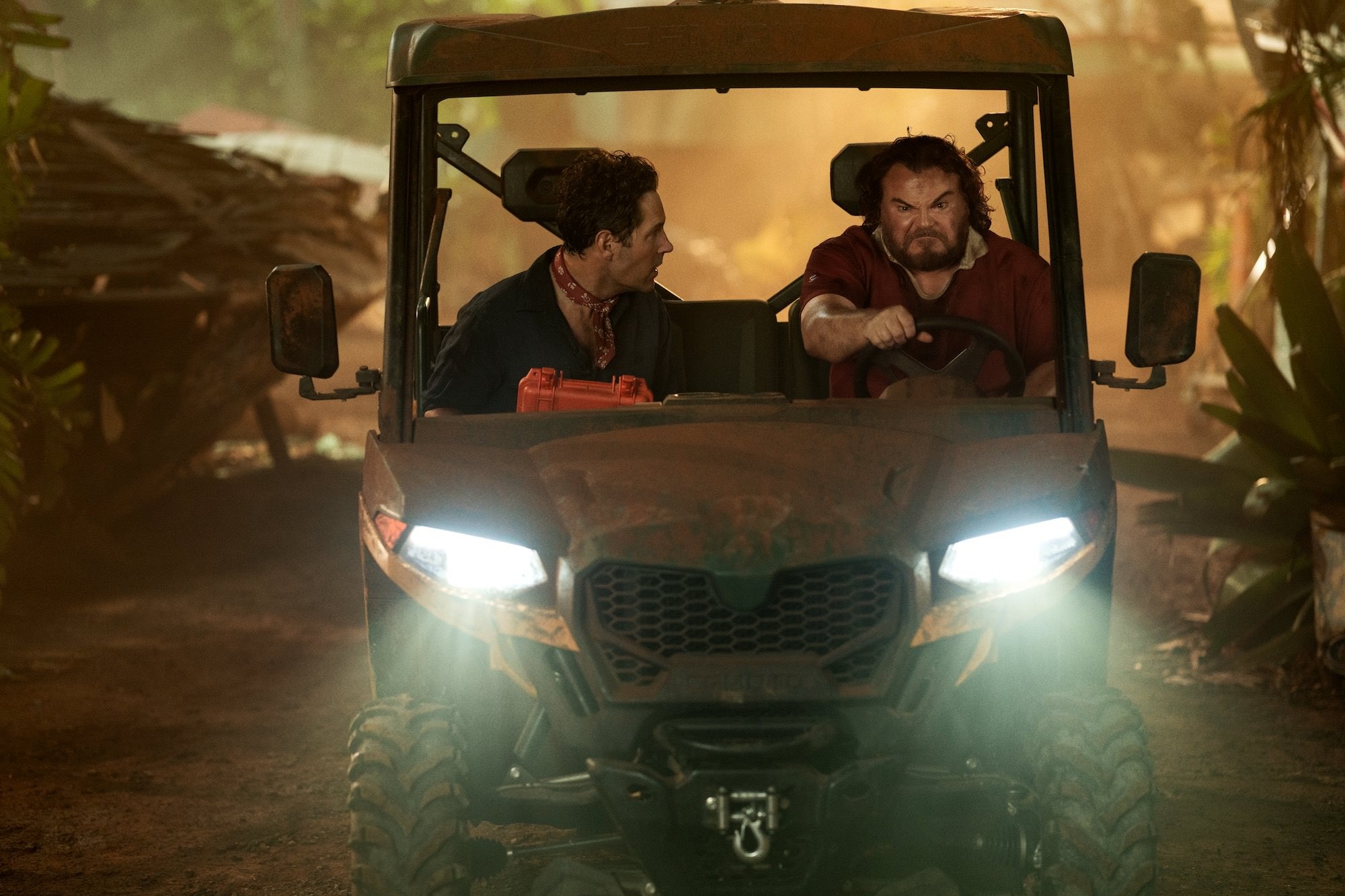
Paul Rudd and Jack Black in the film Anaconda. Photo by Bradley Patrick Alpha 7R IV. 85mm f/1.4 G Master II. 1/320-sec., f/1.8, ISO 1000
On‑Set Photography: Capturing The Moments Between Moments
One frame became the production’s touchstone for the whole film: Jack Black on the boat, writing, as a projected snake drifts across his face. Patrick caught the split-second when the serpent’s eye landed squarely on Black’s forehead – concept and character in perfect alignment, the kind of campaign anchor that happens when timing, proximity and silent shooting all click. “That is the shot of the whole film,” he says.
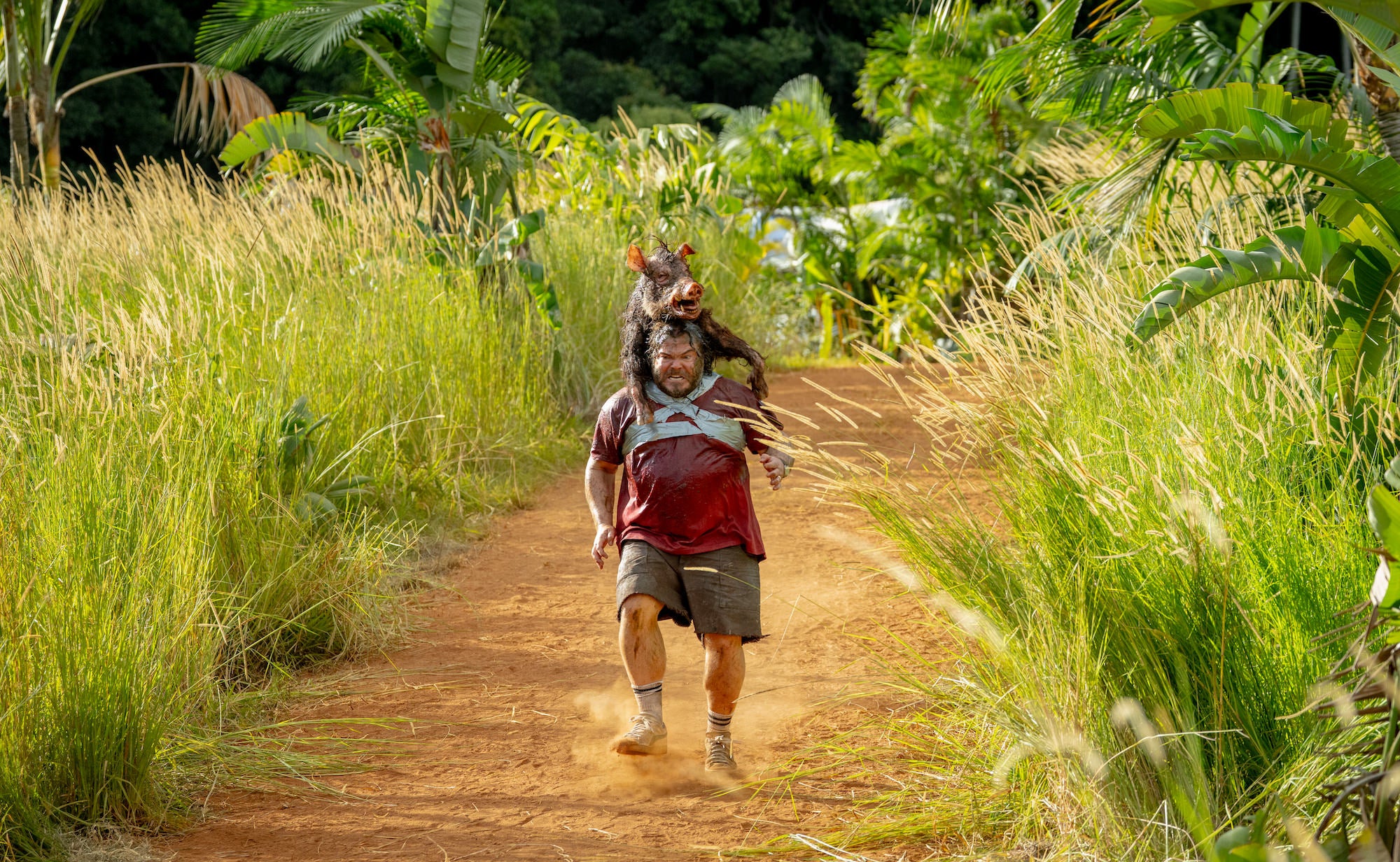
Jack Black in the film Anaconda. Photo by Bradley Patrick Alpha 7R IV. 70-200mm f/2.8 G Master II. 1/3200-sec., f/4, ISO 1000
Beyond set pieces such as a village day with 400–500 extras, or a Buffalo, New York diner built on a Queensland stage, Patrick’s archive is the texture between action: menus, pie cases, sweat laughter, and the occasional on-deck jam session between Jack Black and Paul Rudd when guitars surfaced between setups. Across roughly 4.5 months he made 25–30,000 frames, a comprehensive record that could move from weekly publicity beats to awards-season assets without rework.
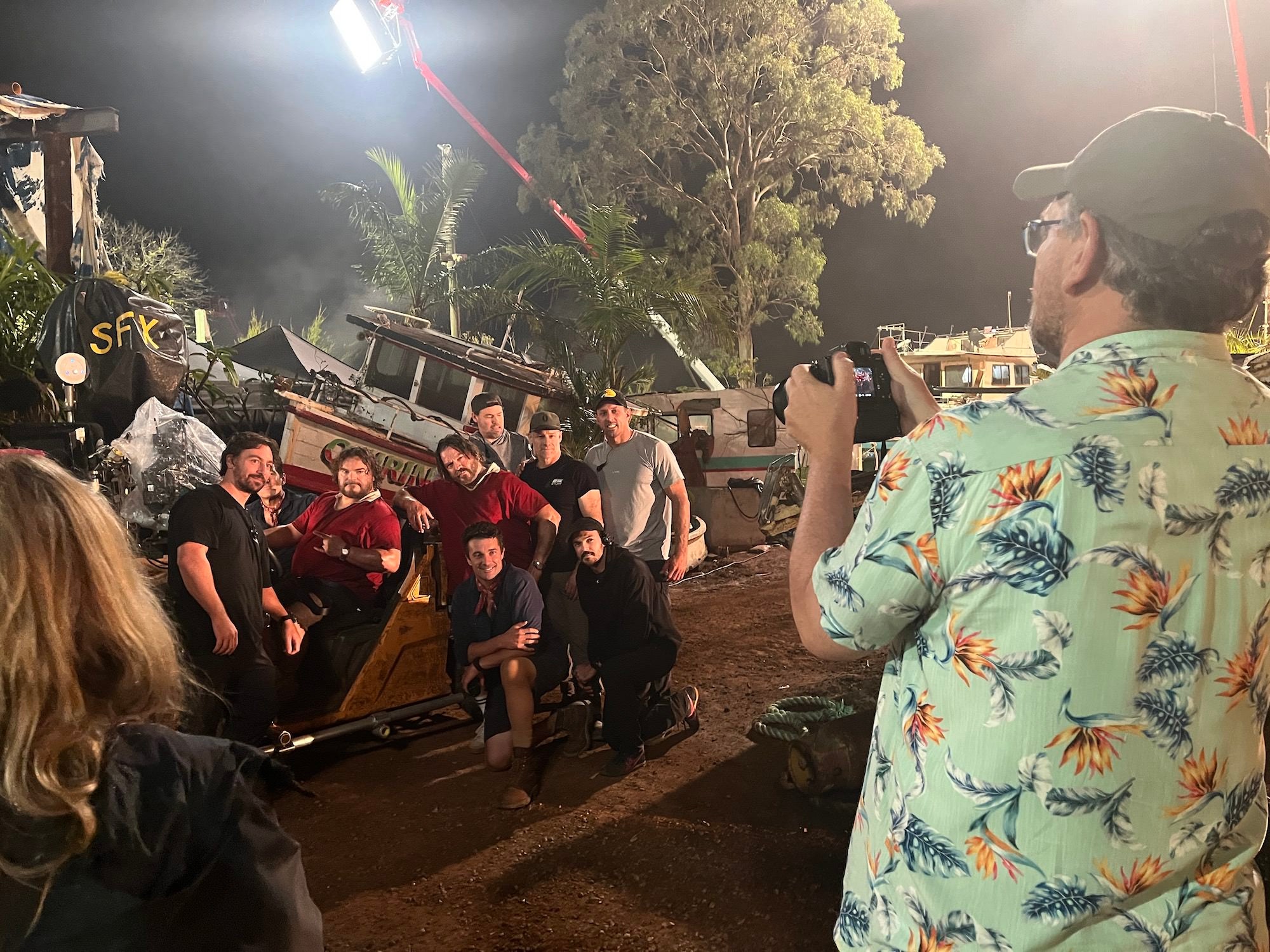
Unit stills photographer Bradley Patrick on the set of "Anaconda"
Alpha 9 III: Subtle & Reliable Coverage On Set
Reliability mattered as much as image quality. “There was no situation where I was thinking I can’t get the shot, Patrick says.” Fast autofocus, stable battery life, and color-true files meant quick handoffs to publicity and marketing. And the Alpha 9 III's nimble silence made his favorite kind of coverage possible: “People ask, ‘Have you done any shots today, Bradley?’ I’ve shot about a thousand pictures – but you didn’t notice, because that’s my job.”
Now based full-time in LA and frequently requested by producers, Patrick continues to straddle key art, editorial and unit assignments – a blend that serves him well when a single still needs to function as both reportage and poster. “The technology just keeps getting better,” he says. “My job is to capture the moment, and have the gear that backs it up and tells the story as well.” On the set of “Anaconda,” his Alpha kit stayed out of the way while telling the story with him: quick when the set was chaotic, silent when the room needed to breathe, and overall faithful to the filmmakers’ craft.
Be sure to catch Anaconda in theaters December 25.
See more of Bradley Patrick’s work on Instagram @bradleypatrickphotography and at bradleypatrick.com.
Shop Bradley's Kit:
Cameras: Alpha 9 III, Alpha 7R V, Alpha 7R IV
Lenses: 24-70mm f/2.8 G Master II, 70-200mm f/2.8 G Master II, 50mm f/1.4 G Master, 85mm f/1.4 G Master, 300mm f/2.8 G Master