Sony Artisan, sports photographer and dad Jermaine Horton brings his field experience, sharing the two lenses he trusts when photographing his son's youth baseball team. Jermaine leans on a simple two‑lens setup – a fast, flexible zoom for plate‑to‑dugout coverage and a lightweight telephoto for crisp reach and separation. Jermaine shares more on those lenses and some of his baseball imagery in the article below.
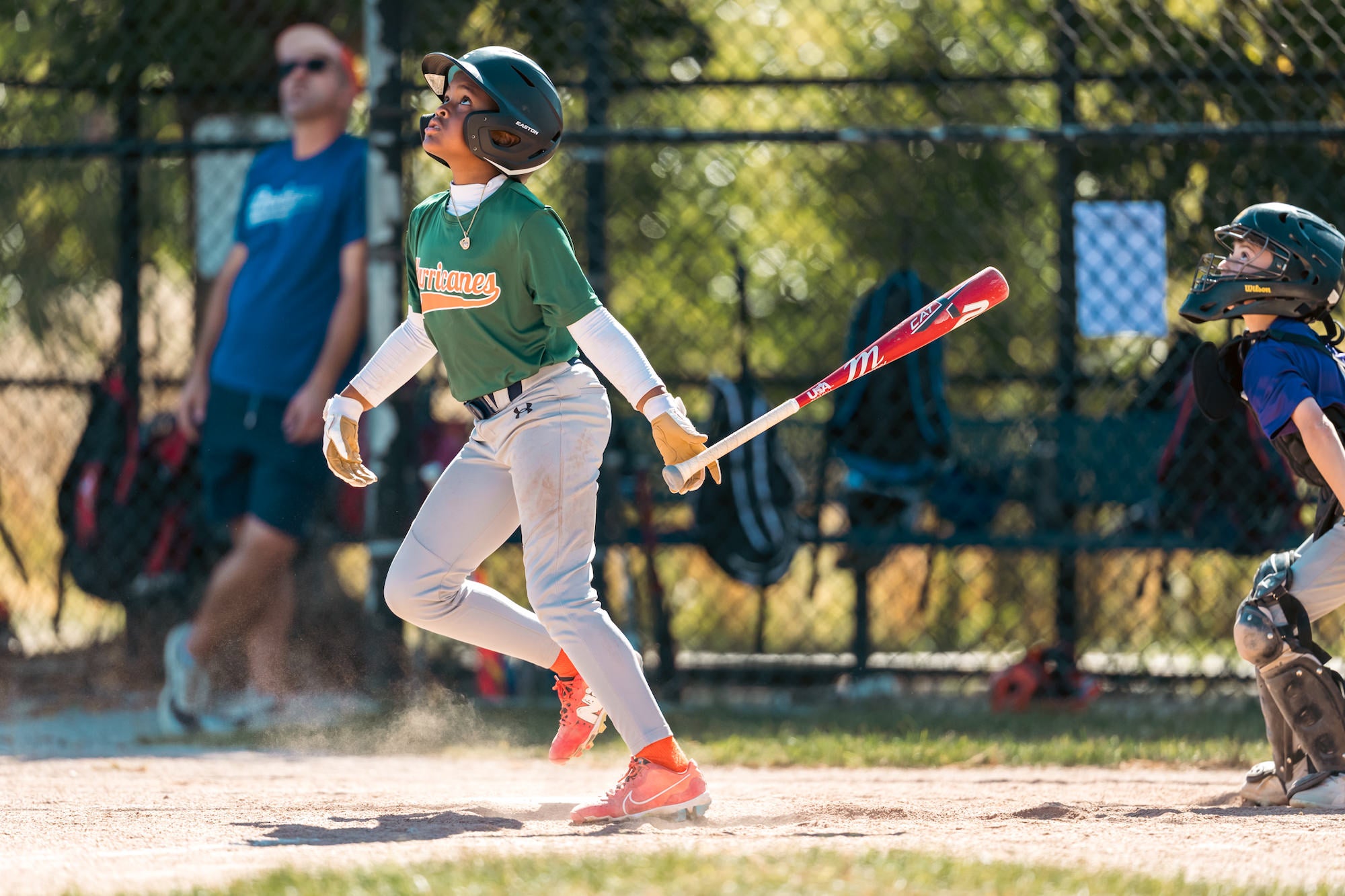
Photo by Jermaine Horton. Alpha 1. 300mm f/2.8 G Master. 1/2500-sec., f/2.8, ISO 640
Two Great Lenses For Baseball Photography
As a sports photographer, having the right tool for the job isn’t optional – it’s everything. Each sport demands specific focal lengths, speed and flexibility. For my son’s youth baseball games, two lenses have quickly become my go-to setup: the 50-150mm f/2 G Master and the 300mm f/2.8 G Master.
The 50-150mm f/2 G Master gives me the flexibility I need when players are at the plate, charging down the first baseline, or when the action shifts quickly between infield and dugout. It’s responsive, versatile, and incredibly sharp throughout the range.
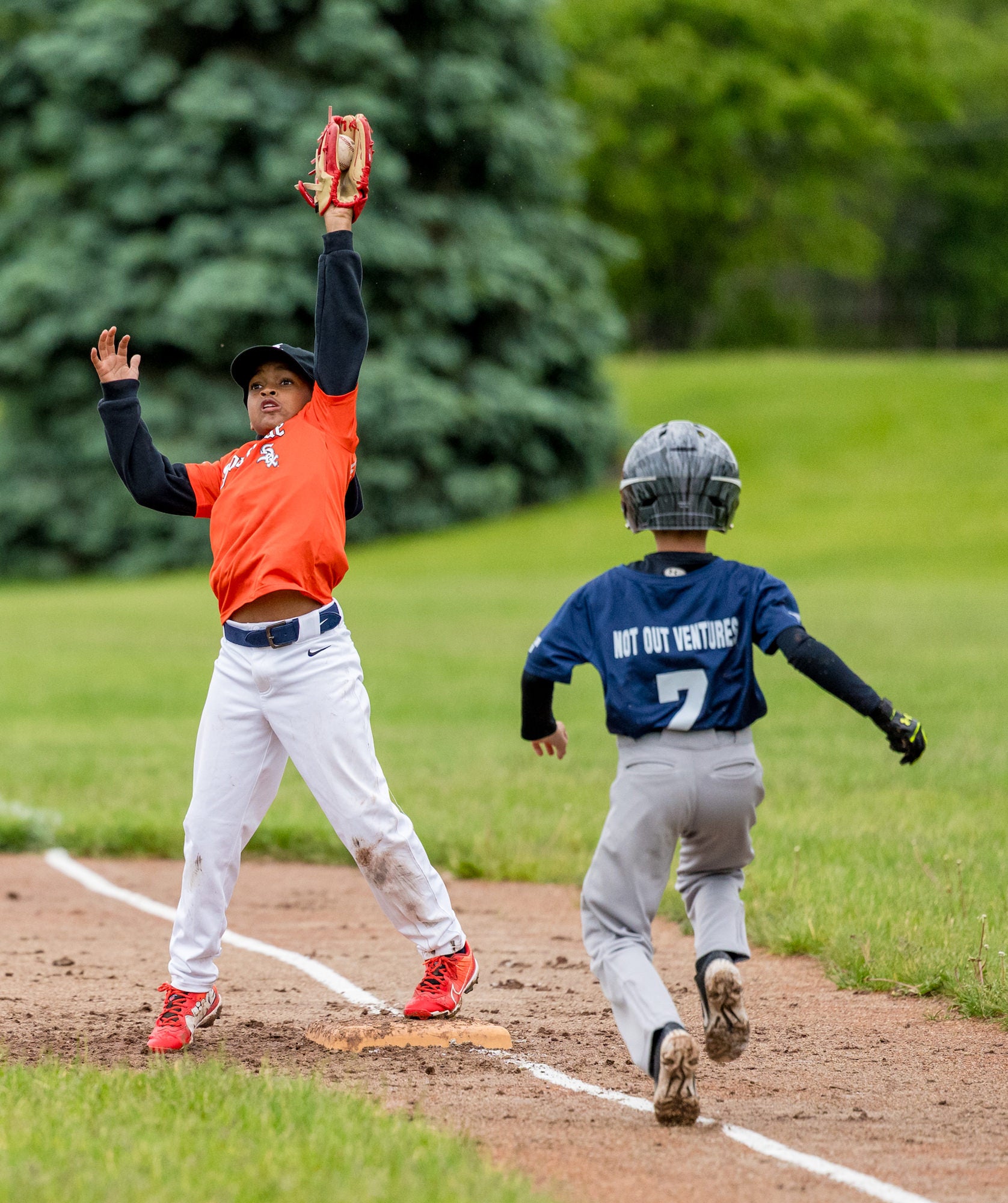
Photo by Jermaine Horton. Alpha 1. 50-150mm f/2 G Master. 1/2000-sec., f/2, ISO 1000
When I want tight, compressed action – whether it’s a play in the infield or a deep outfield moment – the 300mm f/2.8 G Master is my weapon of choice. It delivers beautiful subject isolation and that professional look that makes the athlete stand out from the background.
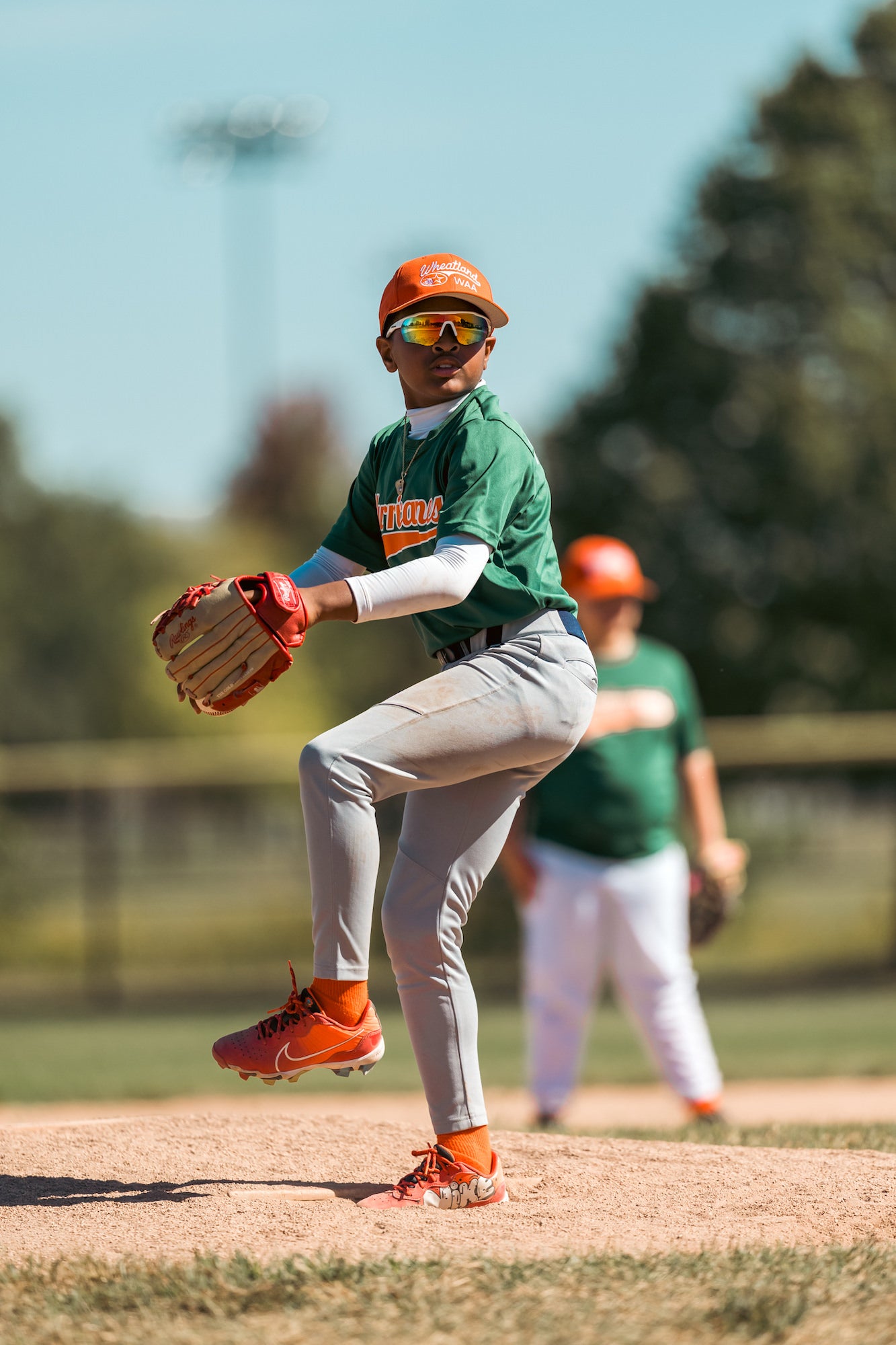
Photo by Jermaine Horton. Alpha 1. 300mm f/2.8 G Master. 1/6400-sec., f/2.8, ISO 640
For youth baseball, there’s rarely a need to go beyond 300mm. The fields simply aren’t that large. But these focal lengths? They’re key. They offer the perfect balance of reach and flexibility without overextending.
Shooting In Challenging Light
Overcast days are part of the game. Flat lighting can drain depth from an image – and that’s where the 50-150mm f/2 G Master truly shines. Shooting wide open at f/2.0 allows more light to hit the sensor while creating stunning separation between subject and background.
Pair that with the performance of the Alpha 1, and you have a setup that thrives in any condition. Modern Sony sensors offer exceptional dynamic range, allowing us to recover detail whether we’re protecting highlights or lifting shadows. Even at higher ISOs, noise is minimal – but personally, I still aim to keep ISO as low as possible while maintaining a fast shutter speed. Being able to shoot at f/2 in youth sports is a true game-changer.
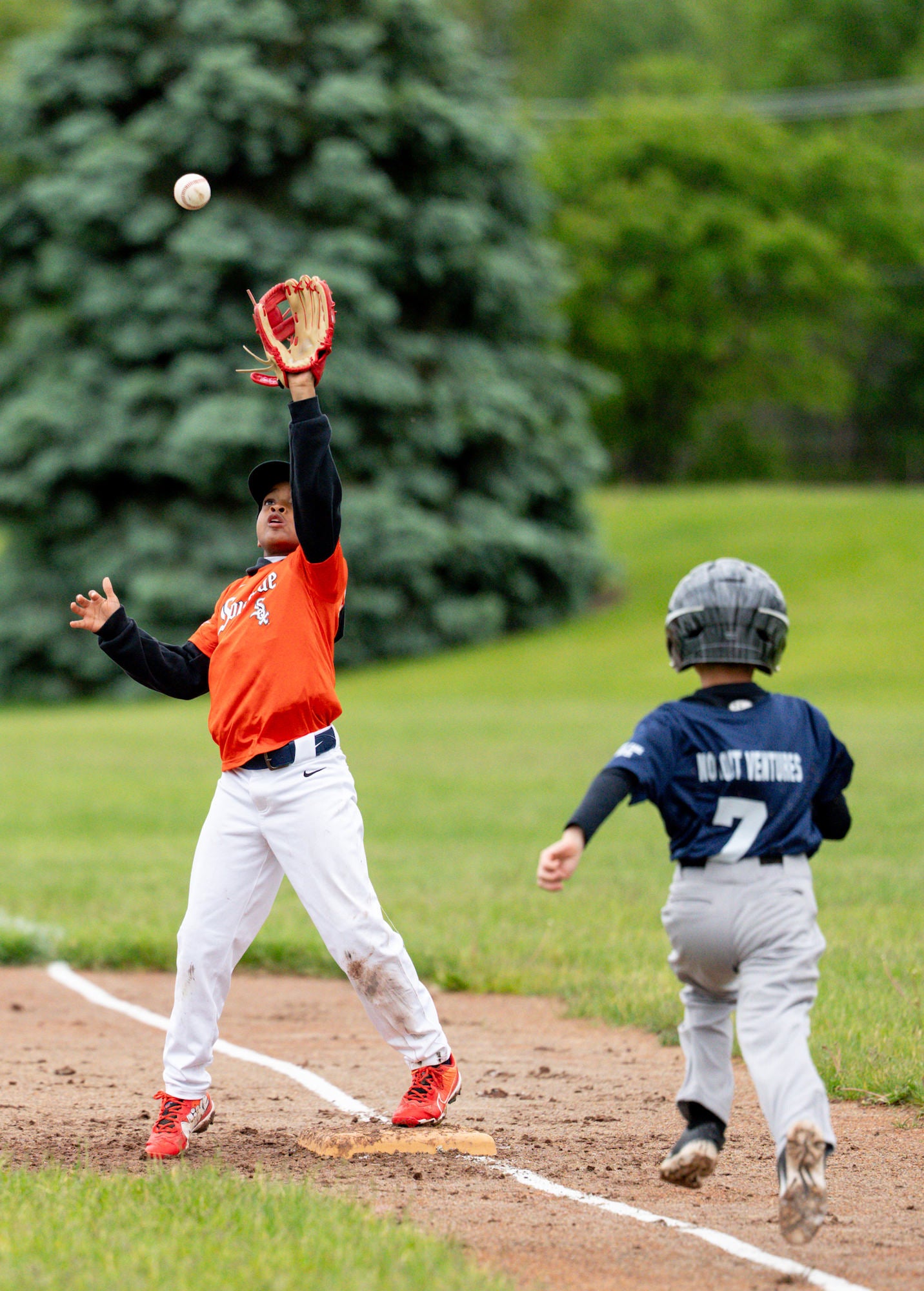
Photo by Jermaine Horton. Alpha 1. 50-150mm f/2 G Master. 1/2000-sec., f/2, ISO 1000
Lightweight Power
The 300mm f/2.8 G Master has quickly become my favorite telephoto lens. It’s an ideal focal length for both youth and professional baseball, yet remarkably lightweight. I can shoot an entire game handheld without a monopod – something that simply wasn’t realistic with older telephoto designs.
I remember a parent once saying, “That lens must be heavy.” I handed them my camera and lens, and their jaw dropped. They couldn’t believe how light it was. I just smiled.
That’s the power of Sony.
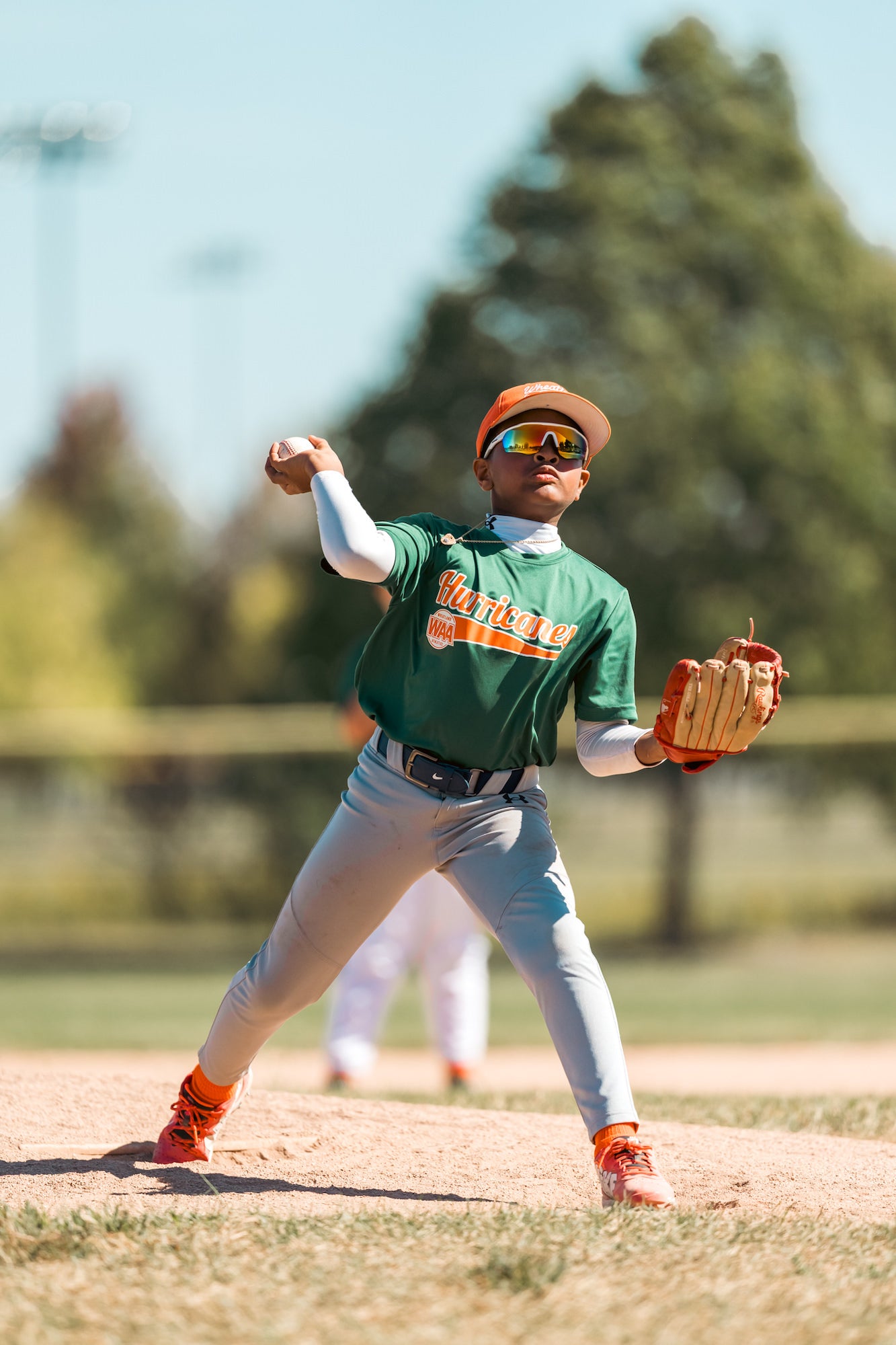
Photo by Jermaine Horton. Alpha 1. 300mm f/2.8 G Master. 1/5000-sec., f/2.8, ISO 640
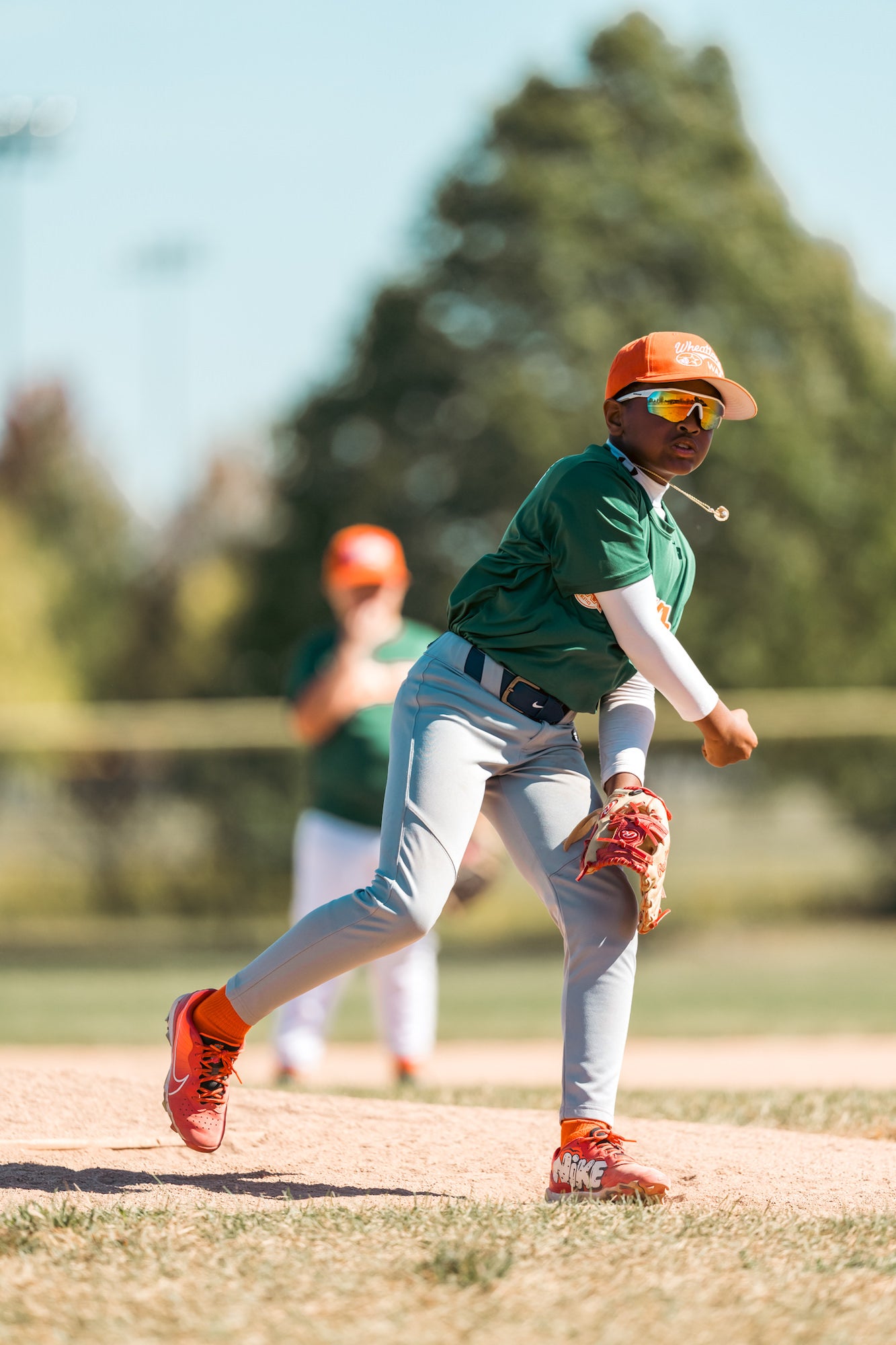
Photo by Jermaine Horton. Alpha 1. 300mm f/2.8 G Master. 1/5000-sec., f/2.8, ISO 640
Another advantage? Pricing. The 300mm f/2.8 G Master is significantly more approachable than a 400mm for hobbyists and parents who want professional-quality images of their children without investing in the longest glass available.
Final Thoughts
These lenses aren’t just built for professionals – they’re accessible tools for serious hobbyists and dedicated sports parents who want elite performance without compromise. In youth baseball, precision, speed and flexibility matter. And for me, the 50-150mm f/2 G Master and 300mm f/2.8 G Master deliver exactly that.
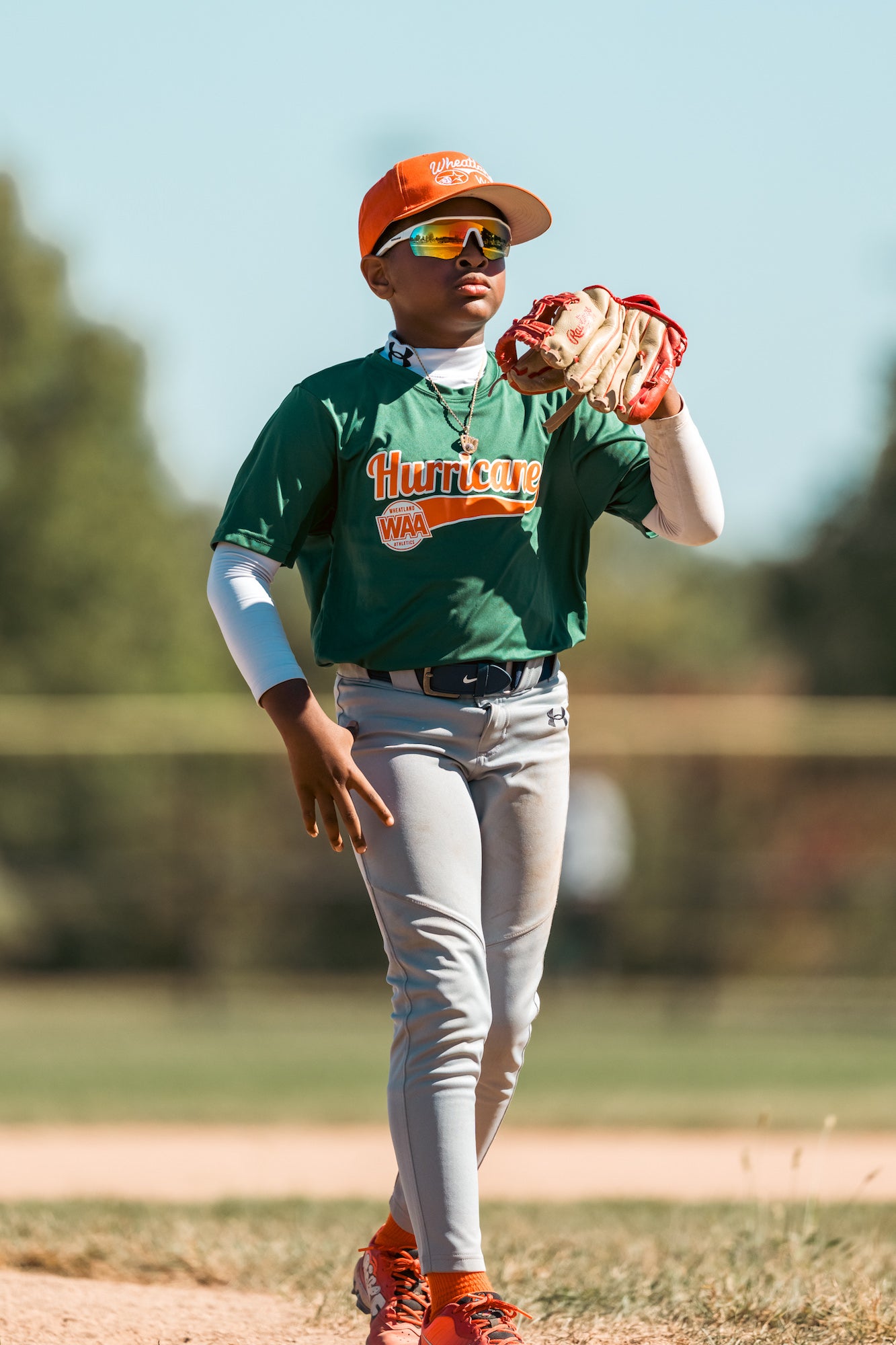
Photo by Jermaine Horton. Alpha 1. 300mm f/2.8 G Master. 1/6400-sec., f/2.8, ISO 640
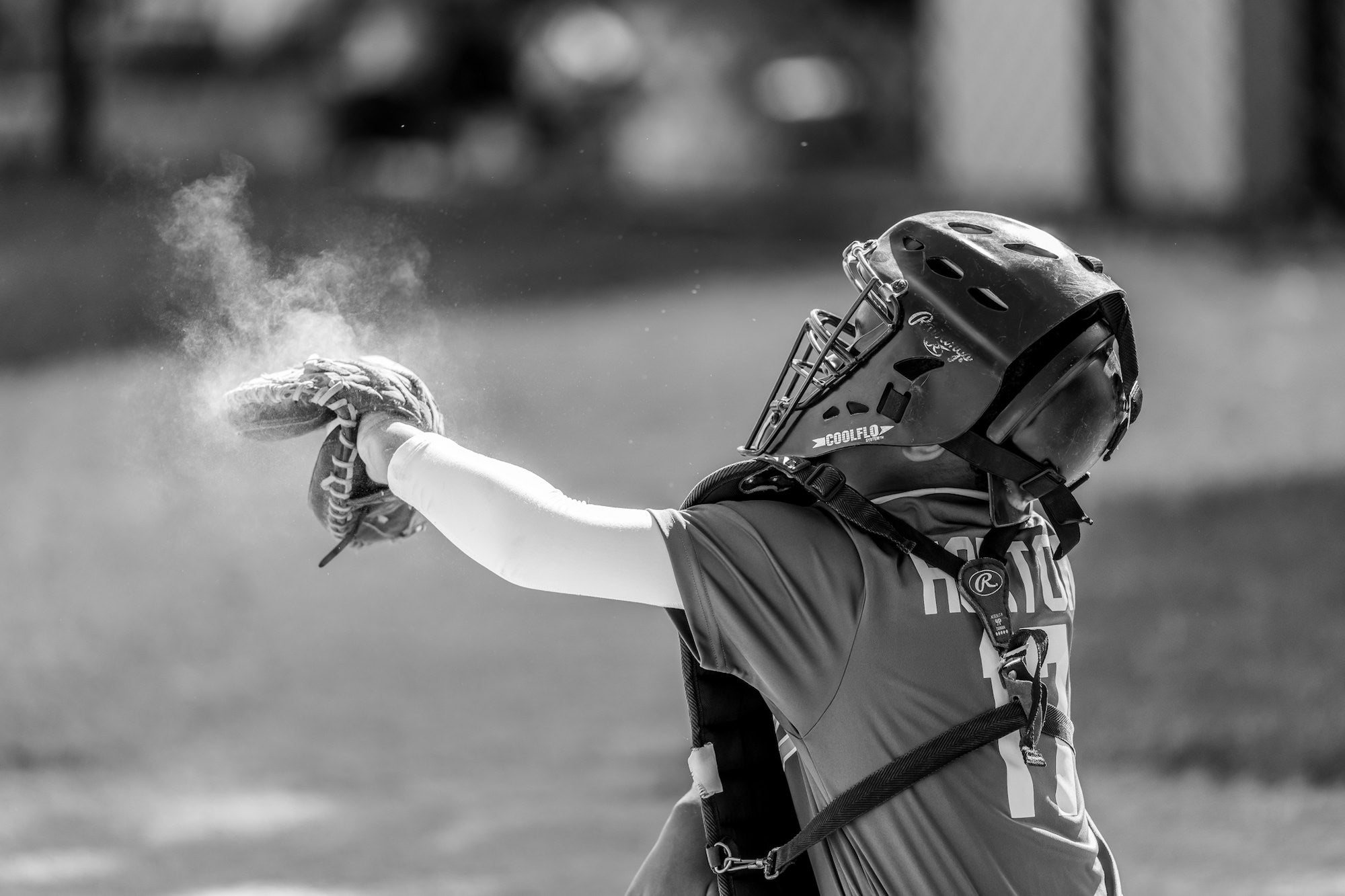
Photo by Jermaine Horton. Alpha 1. 300mm f/2.8 G Master. 1/1000-sec., f/2.8, ISO 500
See more of Jermaine Horton’s work on his Alpha Universe Profile and on Instagram @jermainehortonstudios.
Want to brush up on your sports photography? Take the Sports Photography 101 course on Alpha Camera Academy.