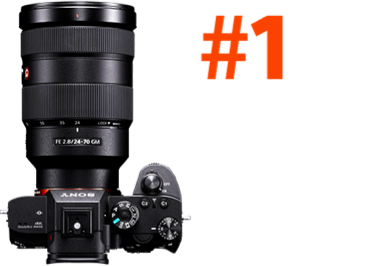
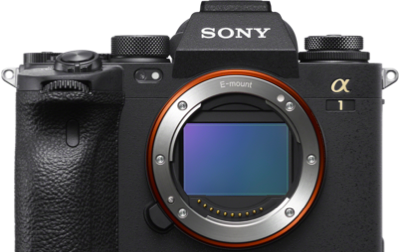
Nature and wildlife photographer Hannah Rheaume (@hannahrheaume) has made it her duty to tell the stories of animals, and she needs a photography kit that can allow her to do just that. “From my long lenses to even my 24-70mm and the tiny tools in here like my microphone, they all kind of work together to allow me to tell deeper stories of the animals that I’m photographing.” Watch and read below as Hannah gives us an inside look at the gear she relies on to tell nature’s stories.
Shop This Kit
Camera: Alpha 7R V
Lenses: 24-70mm f/2.8 G Master II, 100-400mm f/4.5-5.6 G Master, 200-600mm f/5.6-6.3 G
Accessories: ECM-M1 Microphone
Camera
Alpha 7R V (Buy Now): I shoot on the Alpha 7R V. It is 61 megapixels and an absolute beast of a camera. I also shoot video on it and love it for so many reasons, but mostly because it is an extension of me. I feel like I know this camera inside and out. I don’t even need to think when I’m pressing all of the buttons. Everything is customized exactly how I need it to be.
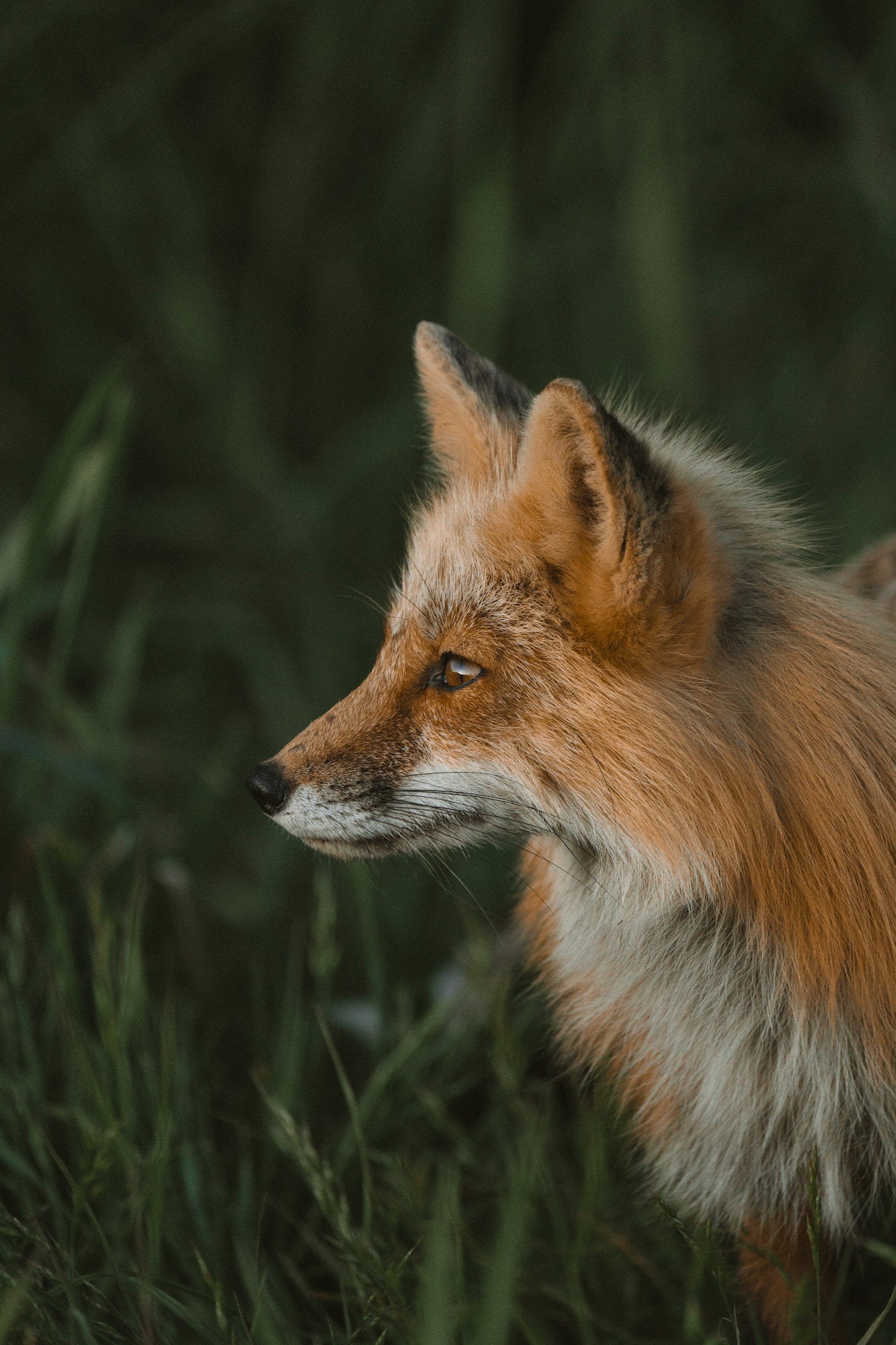
Photo by Hannah Rheaume. Alpha 7R V. 200-600mm f/5.6-6.3 G. 1/1250-sec., f/7.1, ISO 4000
Lenses
24-70mm f/2.8 G Master II (Buy Now): I use this mostly for landscapes and tight portrait shots. So this is kind of my do-everything lens.
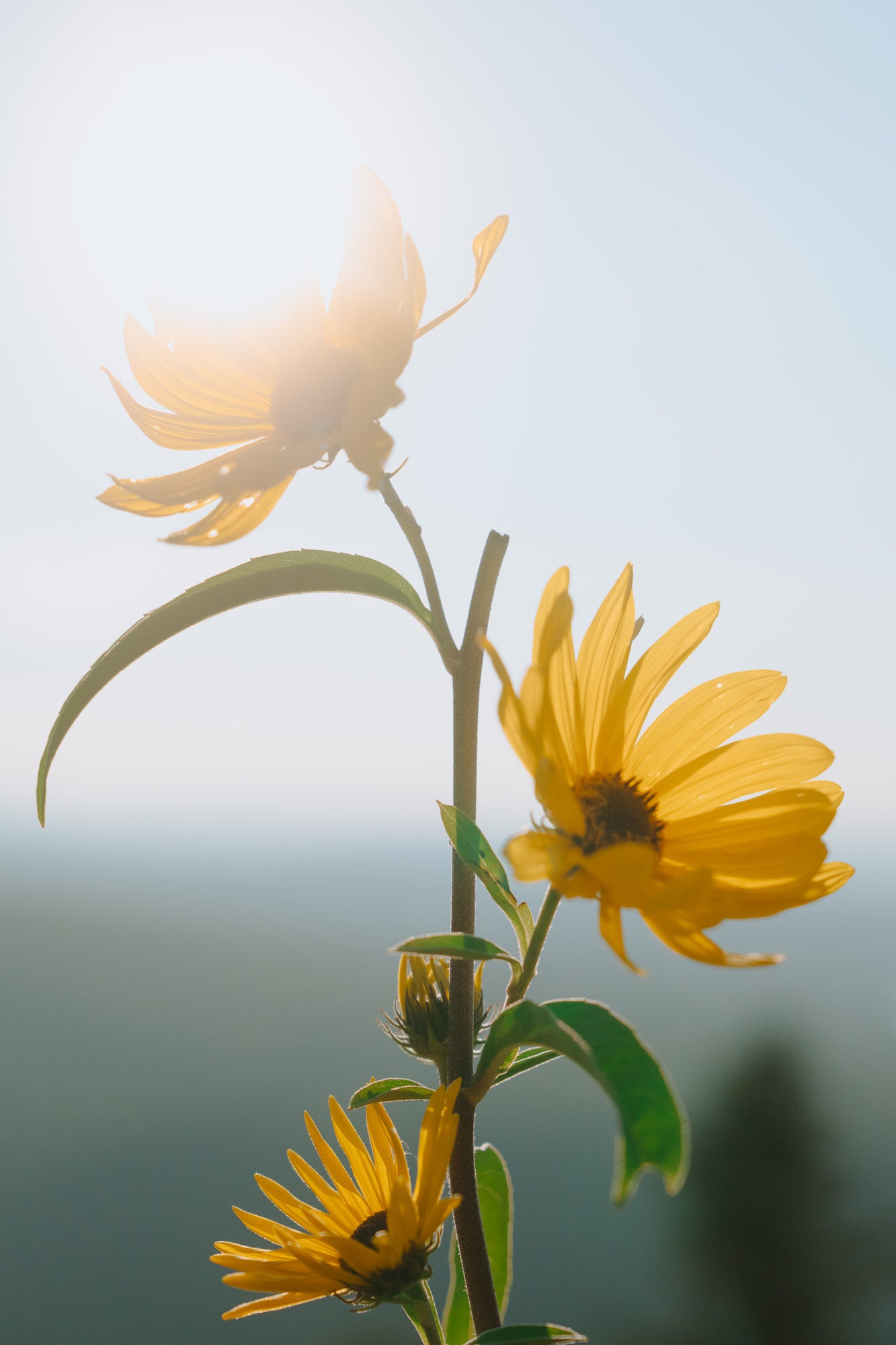
Photo by Hannah Rheaume. Alpha 7R V. 24-70mm f/2.8 G Master II. 1/1250-sec., f/7.1, ISO 4000
100-400mm f/4.5-5.6 G Master (Buy Now): This was actually my first wildlife lens. And it was great for me because it was also versatile in the sense where I could shoot landscape photography as well. And so having a lens that is 100-400mm allows for compressing those landscapes as well as getting those wildlife shots. And for me, I also have the 24-70mm like I mentioned, and I opted for the 100-400mm over the 70-200mm mostly because I knew I wanted to go into wildlife. And so this lens just gives me a little bit more range in comparison to the 70-200mm.
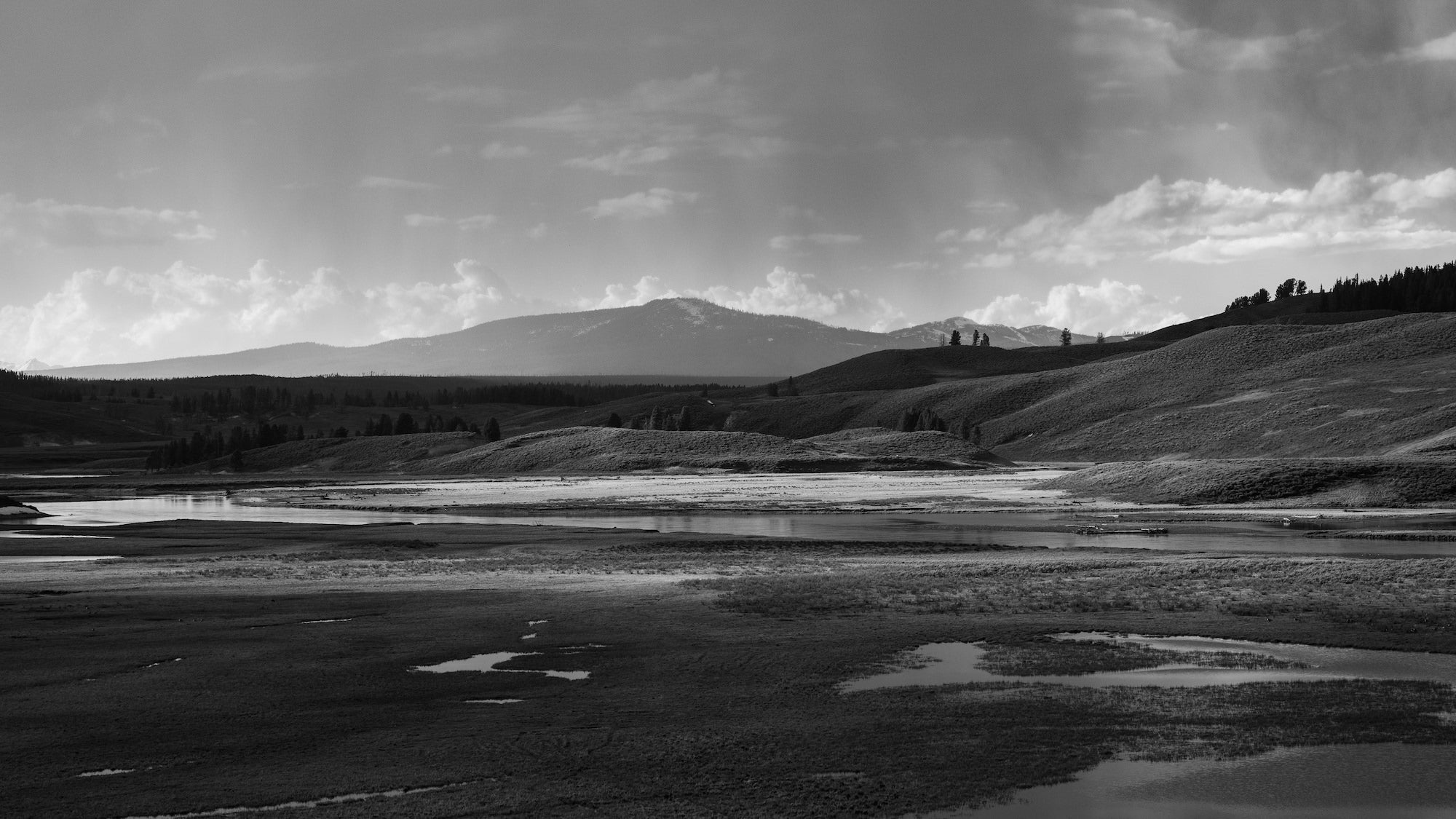
Photo by Hannah Rheaume. 100-400mm f/4.5-5.6 G Master. 1/640-sec., f/4.5, ISO 500
200-600mm f/5.6-6.3 G (Buy Now): The 200-600mm allows me to get really intimate moments with wildlife. And it’s in a way where I’m not intruding on its personal space, that’s the last thing you want to do as a wildlife photographer. So it’s really important to be able to create that safe distance from the animal while still maintaining those images that you want to craft. So I have that range from 200-600mm so I’m able to take more wide landscape shots, or I’m able to kind of zoom in and get more of those portrait full frame of the animal in the photo.
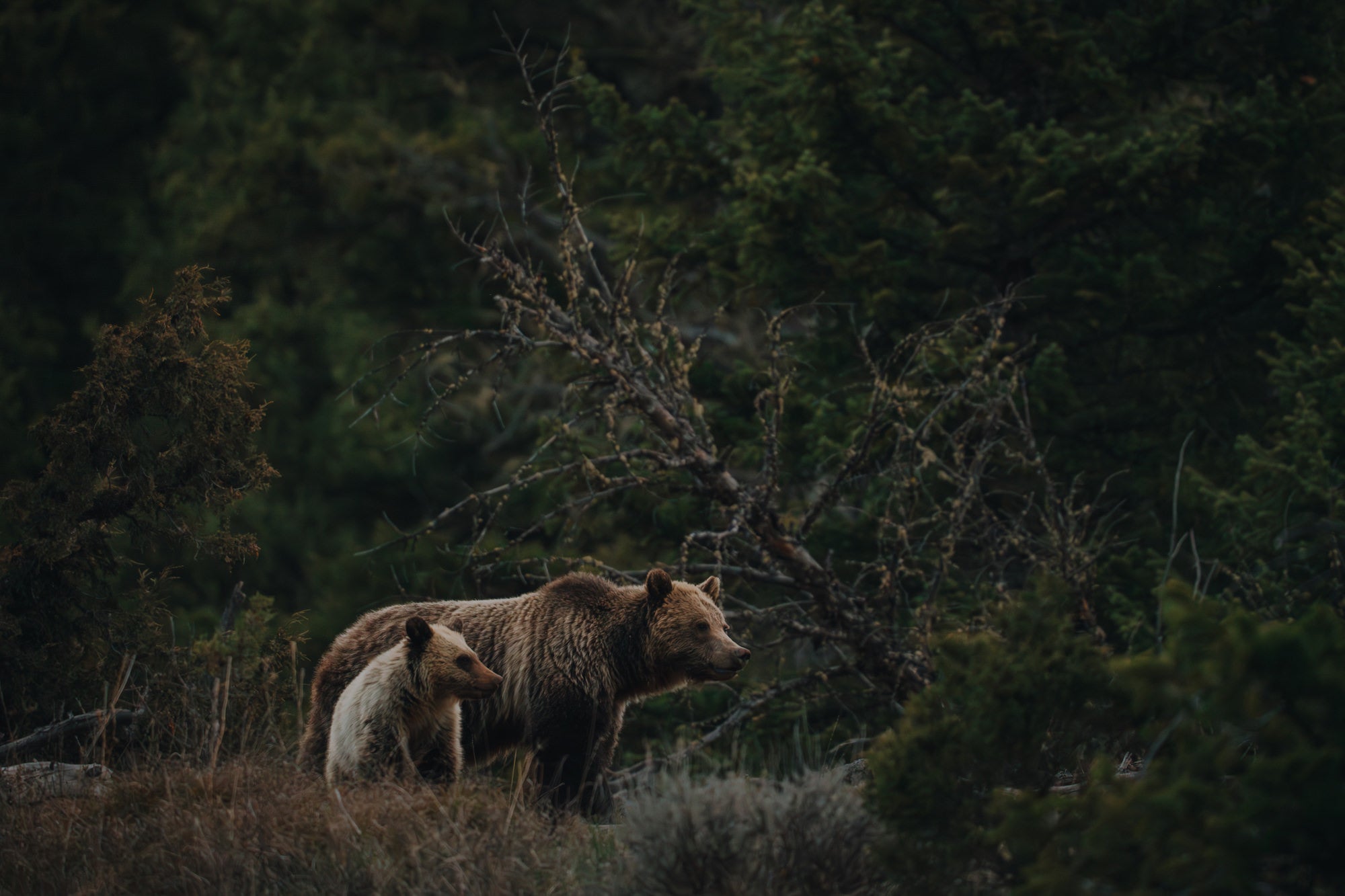
Photo by Hannah Rheaume. Alpha 7R V. 200-600mm f/5.6-6.3 G. 1/1600-sec., f/6.3, ISO 5000
These lenses really have me covered from 24mm all the way up to 600mm which is bananas. The only range that I’m not really covered in is 70-100mm. I have the 24-70mm followed by the 100-400mm. In my mind, I rarely shoot within that range of 70-100mm, and if I do, one of the great things about the Alpha 7R V is that I can shoot in APS-C mode. So sometimes I’m able to kind of get within that 70-100mm range. So these really work all together to capture some of my favorite things to photograph, which are landscapes and wildlife, plus occasionally portraits and lifestyle shots.
Accessories
ECM-M1 Microphone (Buy Now): I love this because it is a directional microphone so that I can change if I want it to pick up the audio from the front or the back. It’s really great for pretty much everything that I need for YouTube, for Instagram and especially for wildlife. Which is super fun to get more nat sound in my videos.
Pelican 1535 Case: This is great to put in the overhead bin in an airplane. It keeps all my equipment safe. What I love about my case is it keeps everything clean, organized and easy to access when I’m trying to change lenses.
Peak Design Backpack: This holds all my odds and ends. I often switch this up with my Pelican case depending on the type of trip that I’m taking. If I’m out in the field and I need a backpack, I’ll throw some lenses in here and then I’ll hit the trail.
Filters: I have a bunch of different filters, mostly for my 24-70mm. But they add a little bit of a creative look to some of my landscape photography.
SmallRig Mount: This mount really allows me to just be super keyed in when I’m in the field. So if I’m getting more of a behind-the-scenes shot of me taking photos of wildlife with my longer lenses, it just allows for a seamless switch between vertical content and horizontal content because I shoot for both Instagram and YouTube.
Hi8 Camcorder: This is for more behind-the-scenes, lifestyle stuff.
ThinkTank Pouches/Packing Cubes: Organization is key.
Cleaning Gear: Lens brush, lens cloths, dust blower, etc.
Extra Batteries & Battery Chargers: I think I have 13 batteries. You can never have too many.
Tech Pouch: This has all things tech-related. Hard drive, CFExpress Type A card case, back caps and body caps, card reader.
Binoculars: These are kind of my best friend in addition to my lenses when I’m in the field. They allow me to scan the landscape and just kind of key in on where those animals or even where those birds might be.
Headphones: Just in case, sometimes I like to listen to music when I’m out on the trail alone.
Cell Phone Mount: I have this hot shoe mount for my cell phone so I’m able to take more behind-the-scenes stuff with this.
Animal Bones: Because who doesn’t have animal bones and some rubber gloves in their camera bag?
See more of Hannah Rheaume’s work on Instagram @hannahrheaume.
Watch more videos featuring your favorite creators on the Alpha Universe YouTube Channel.
See more of the gear carried by the pros at alphauniverse.com/wimb.