If you're looking to delve into the world of portrait photography, you've come to the right place. Here are five portrait photography tips for beginners to help you capture stunning portraits that truly stand out, along with portrait photography examples.
A good portrait doesn’t just show a photo of someone in frame, it tells a story. Check out these five tips to help you level up your portrait game.
1. Get A Good Portrait Lens
A good portrait lens allows you to achieve a shallow depth of field, which helps isolate your subject from the background and creates a pleasing, professional look. These lenses also tend to have larger apertures (like f/1.8, f/1.4, or f/2.8), which lets in more light and enables faster shutter speeds—crucial for capturing sharp, well-exposed portraits. The 50mm f/1.4 G Master (Buy Now), 85mm f/1.4 G Master II (Buy Now) or the 135mm f/1.8 G Master (Buy Now) all offer exceptional sharpness and beautiful bokeh and the right perspective.
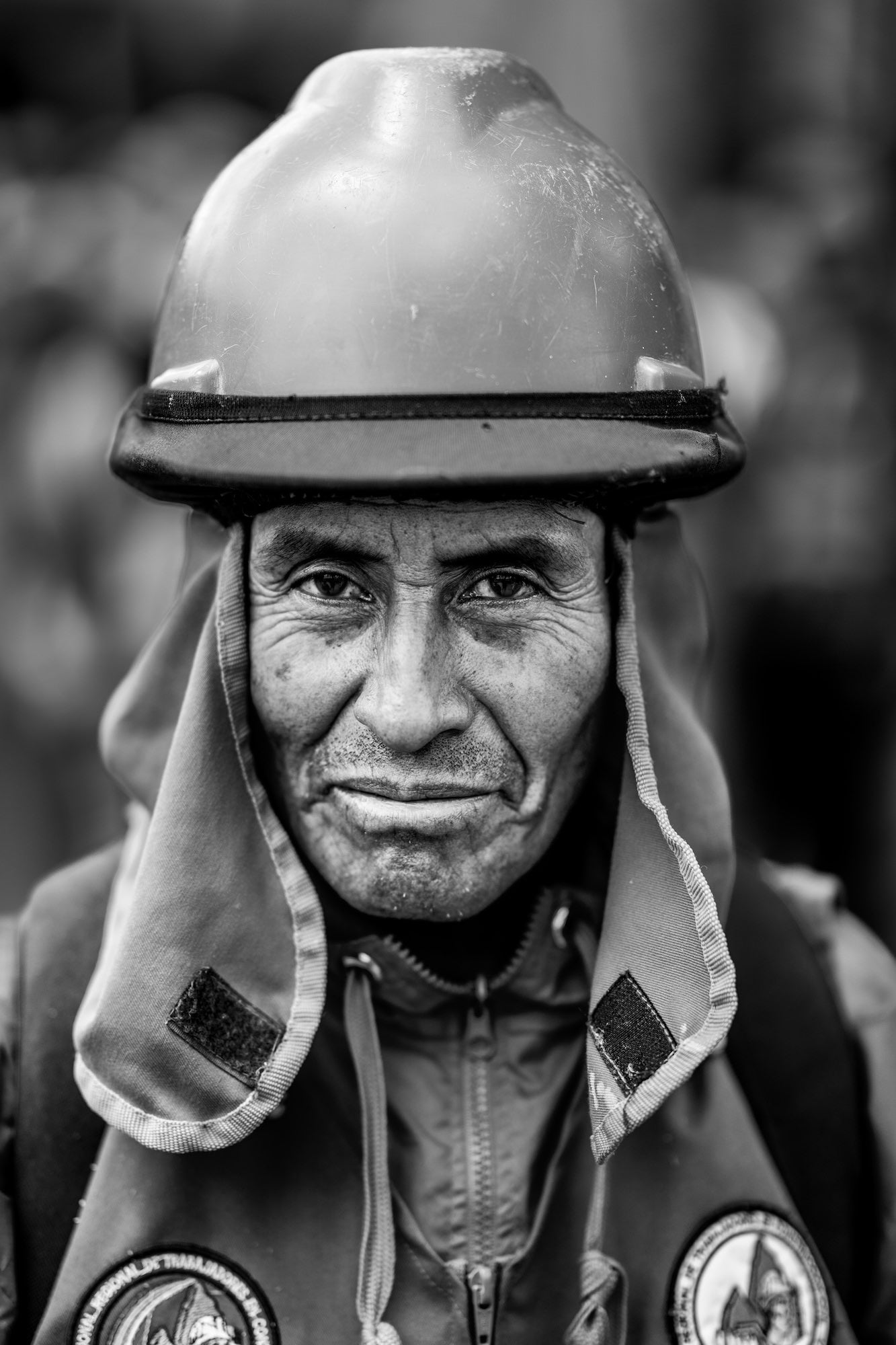
Photo by Brian Smith. Alpha 7CR. 85mm f/1.4 G Master II. 1/1600-sec., f/1.4, ISO 100
2. Connect With Your Subject
The connection between the photographer and the subject is vital in portrait photography. Engage with your subject, get to know them, make them feel comfortable in front of your camera. This will help to capture their genuine emotions and expressions, resulting in more authentic and captivating portraits.

Photo by Brian Smith. Alpha 7CR. 85mm f/1.4 G Master II. 1/640-sec., f/1.4, ISO 100
3. Pay Attention To Lighting
Lighting can dramatically impact the mood and quality of your portrait. Soft, natural light is often most flattering, helping to avoid harsh shadows and highlights. Experiment with different lighting conditions - direct light, diffused light, or backlit scenarios to understand how each can be used to create different effects.
Learn more about lighting techniques in Professional Portraits Simplified: How To Use A Versatile 3-Light Setup and Try This Magic Formula For Soft Portrait Lighting.
4. Focus On The Eyes
Eyes are often said to be the windows to the soul and they should be your focal point in portrait photography. Make sure the eyes are sharp and in focus, as they draw the viewer into the image. Experiment with different angles and perspectives to capture the unique spark in each individual's eyes.
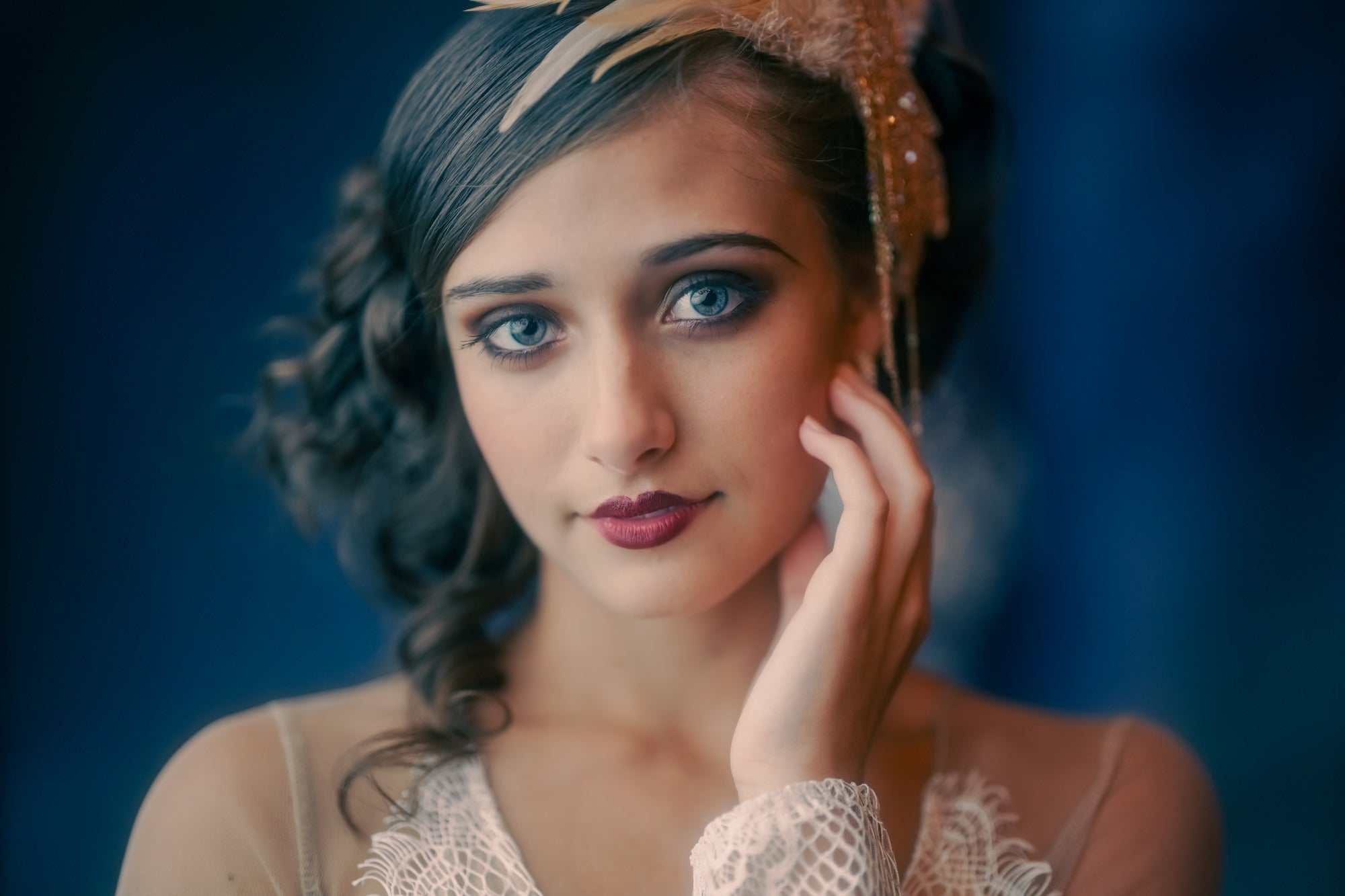
Photo by Scott Robert Lim. Alpha 7R V. 50mm f/1.2 G Master. 1/200-sec., f/1.2, ISO 640
5. Consider The Background
While the subject is the star of the show in portrait photography, the background can also play a significant role. Choose backgrounds that enhance your subject without stealing the spotlight. Use a shallow depth of field to blur the background, drawing attention to your subject and creating a beautiful bokeh effect.

Photo by Monica Sigmon. Alpha 7R V. 24-70mm f/2.8 G Master II.
6. Experiment With Composition
While traditional portrait compositions can yield beautiful results, don't be afraid to break the rules and get creative. Try different angles, perspectives, and compositions. Fill the frame with your subject, or use negative space to create a more dramatic effect.

Photo by Scott Robert Lim. Alpha 9 III. 16-35mm f/2.8 G Master II. 1/100-sec., f/2.8, ISO 200
Remember: Portrait photography is all about capturing the essence of a person. With these tips in mind, you'll be well on your way to creating exceptional portraits that not only look great, but also tell a story.
Find more articles related to portrait photography at alphauniverse.com.