We’re excited to kick off a three-part series with photographer Brandon Kirk, who took his Alpha cameras to East Africa for his first-ever wildlife safari. In Part 1, Brandon shares the hard-won, practical insights he wishes he’d known before wheels-up – from navigating strict bush-plane baggage limits to building a two-body, dust-ready setup that can jump from distant cheetahs to frame-filling lions in seconds. Along the way, he breaks down the camera features that mattered most in the field, the lenses that earned their keep, and the power/backup habits that kept him shooting through sunrise game drives. If you’re planning a safari or simply want to refine your wildlife workflow – this is your road map to arrive prepared and come home with keepers.
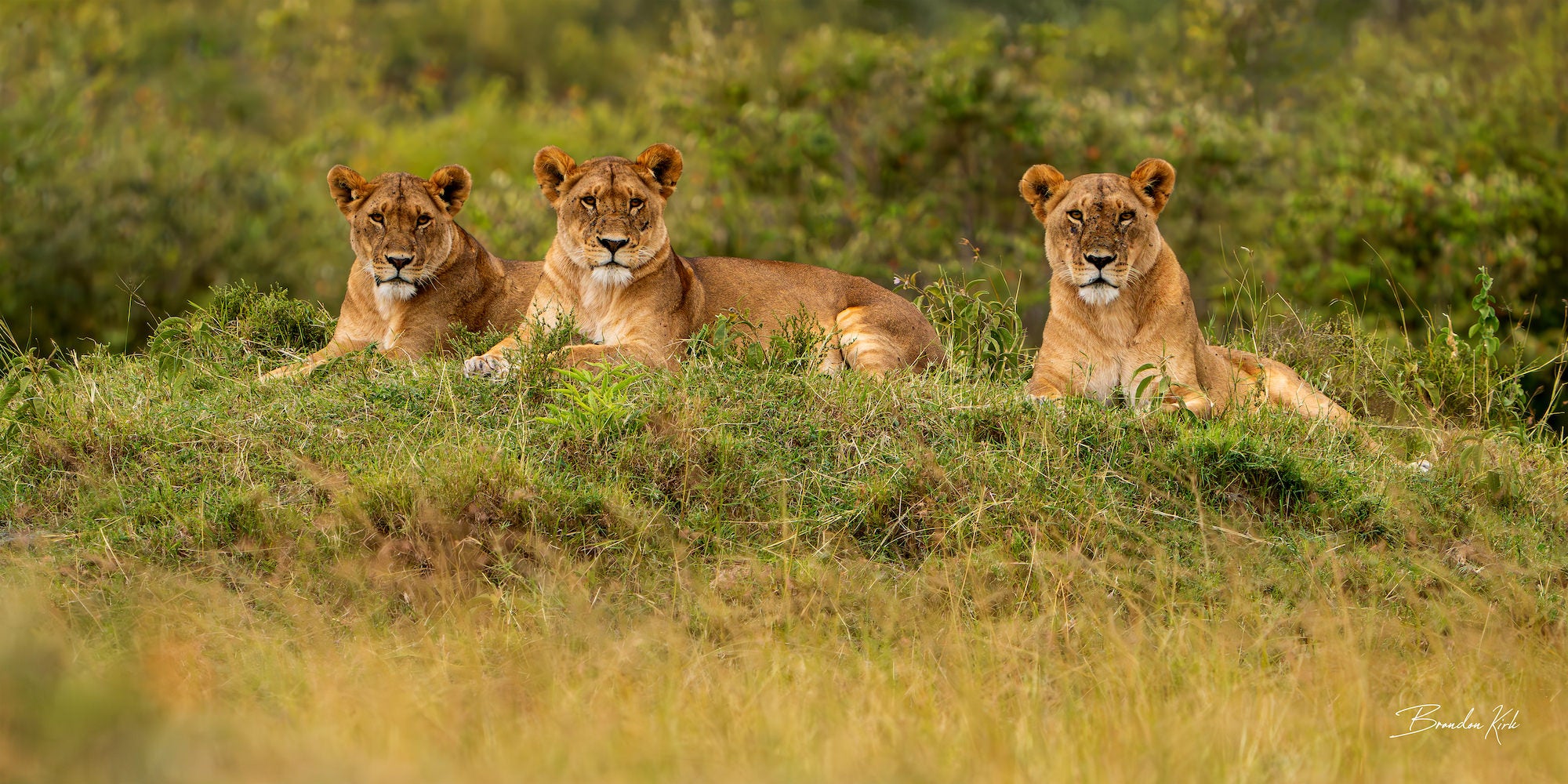
Photo by Brandon Kirk. Alpha 7R V.
A Photographer’s Guide To Your First African Wildlife Safari, Part 1:
This past summer, I traveled with my family to East Africa – specifically Kenya and Tanzania – for what became a life-changing African safari. We visited some of the most iconic wildlife destinations on the continent: Amboseli National Park, the Maasai Mara, Serengeti National Park, Ngorongoro Crater, and Lake Manyara.
Before this trip, my wildlife photography experience was limited. As a surf photographer, my world revolves around waves, beaches, and surfers. Occasionally, I’ll photograph pelicans, dolphins, or seals, but this was a completely different challenge.
I wanted to capture the experience not just for myself and my family, but also to grow as a photographer. I was excited to test my skills in a different environment and challenge myself to be a wildlife photographer.
Traveling Across The Globe With Camera Gear
I’m no stranger to traveling with equipment – every winter I fly to Oahu’s North Shore for surf season, usually with a hefty load of gear. But traveling to Africa is another level entirely. My route from Los Angeles to Nairobi, Kenya involved four flights, three layovers, and more than fifty hours door-to-door.
Once there, travel between parks was on small prop planes like the Cessna Caravan, where weight and size limits are strictly enforced. Additionally, because I refuse to check luggage, I had to make some tough choices about what equipment I could bring.
If you’re planning your own safari, talk to your tour operator in advance about luggage restrictions. Small aircraft will dictate what you can realistically travel with. Those limits often dictate your decisions. Plan ahead and be ready to make some tradeoffs.
Choosing The Right Gear
Wildlife photography on safari is unpredictable – you never know what you’ll see, where it will be or how far away it’ll be. One minute a cheetah might be two hundred yards off the road, the next a lion could stroll right past your vehicle. Because you can’t leave the roads in the national parks, it’s critical to have a wide range of focal distances at your disposal.
Bring Two Camera Bodies
Bring at least two camera bodies. If a second body isn’t in your budget, rent or borrow one. First, you need a backup in the unlikely event that one goes down or is dropped, gets left behind or is stolen. Second, you won’t have time to swap lenses when something incredible happens fast.
Imagine you turn a corner and a leopard suddenly emerges ten yards away while your long lens is mounted. By the time you’ve changed lenses, the moment is gone. Having two cameras ready, one with a long telephoto and one with a medium zoom, ensures that you won’t miss a moment.
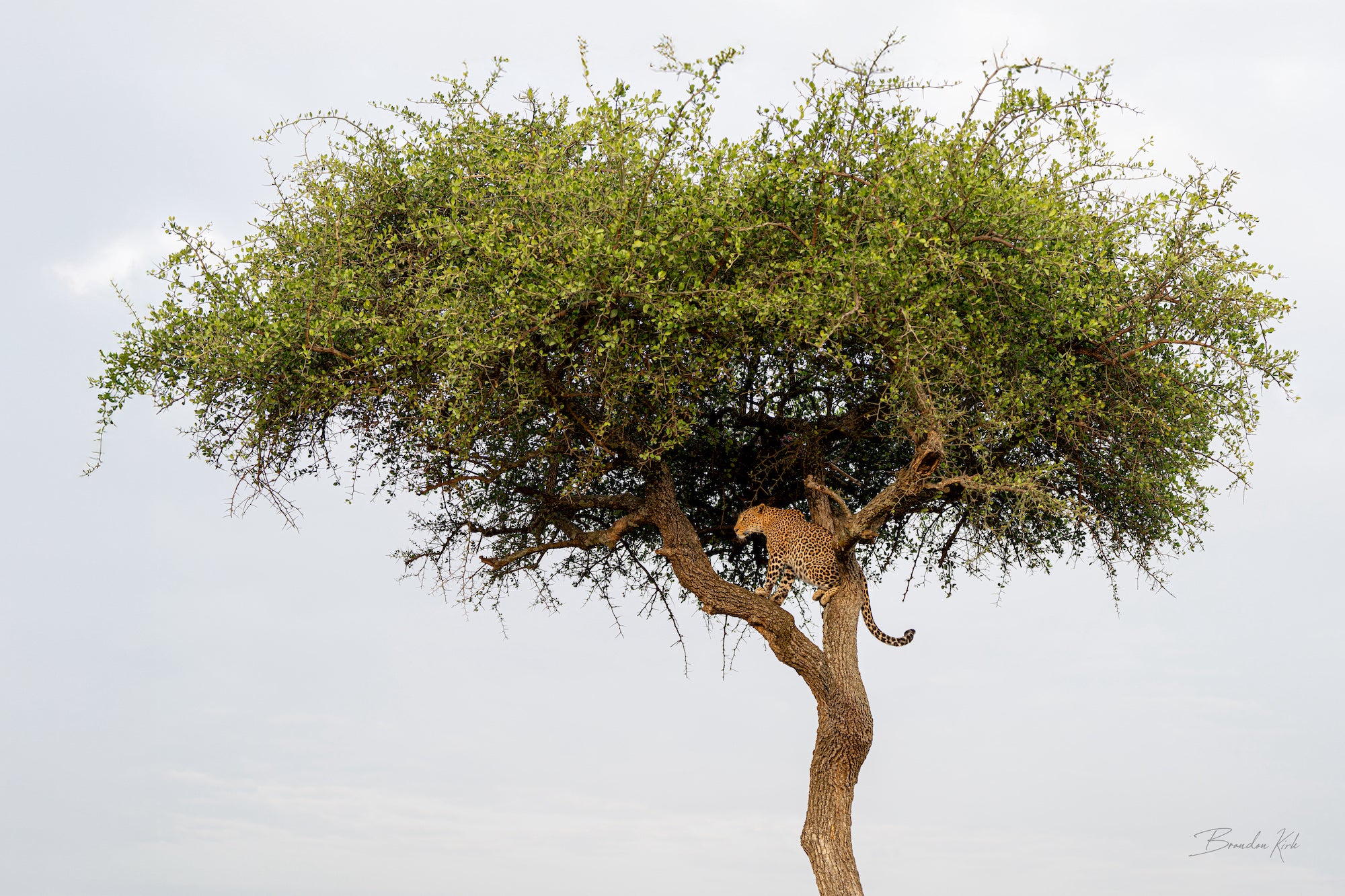
Photo by Brandon Kirk. Alpha 7R V. 70-200mm f/2.8 G Master II.
There’s also the dust factor. Nearly every road on safari is dirt, and by the end of every game drive you and your gear will be coated in a fine layer of it. In this environment, it’s important to avoid changing lenses as much as possible. Every lens swap is an invitation for dust into your camera.
Camera Features That Matter
A fast, accurate autofocus system is, of course, a must on safari, but here are a few additional features that made a real difference for me:
High megapixels: Even with the reach of a 600mm lens, some subjects will still be distant. A 60MP body like the Alpha 7R V gave me the freedom to crop significantly while still retaining incredible detail.
Image stabilization: Long lenses at slow shutter speeds are almost impossible to handhold. The in-body and lens stabilization in Sony gear saved many shots in low light.
Animal subject recognition: I switched my Alpha 7R V’s focus mode from human to animal and watched in real time as a green box locked perfectly onto my subject – a lifesaver to ensure I had my subject in focus.
Close shutter function: This simple feature closes the shutter when the camera is powered off, helping to protect the sensor when changing lenses. On dusty savannas, that’s a really good thing.
My Safari Lens Setup
In my pre-trip daydreams, I imagined myself with a complete assortment of G Master primes – a 300mm f/2.8, a 400mm f/2.8, a 600mm f/4 – and Scarlett Johansson as my photo assistant. In this fantasy, I call out for the next lens like a surgeon in a TV medical drama calling for the #10 blade. The reality was, of course, more modest, surprisingly simple but still very effective, and almost perfect.
I brought just three lenses:
200–600mm f/5.6–6.3 G OSS: My workhorse. It’s the same lens I use for surf photography, and it proved just as indispensable on safari. The range is perfect – long enough for most distant subjects, yet flexible enough when animals move closer. The only drawback is the limited aperture in low light, but the versatility outweighed that tradeoff.
If you’re wondering if 600mm is enough reach on safari, the answer is that I could have used more in numerous instances. But rather than bringing another lens, next time I will bring my 1.4x teleconverter.
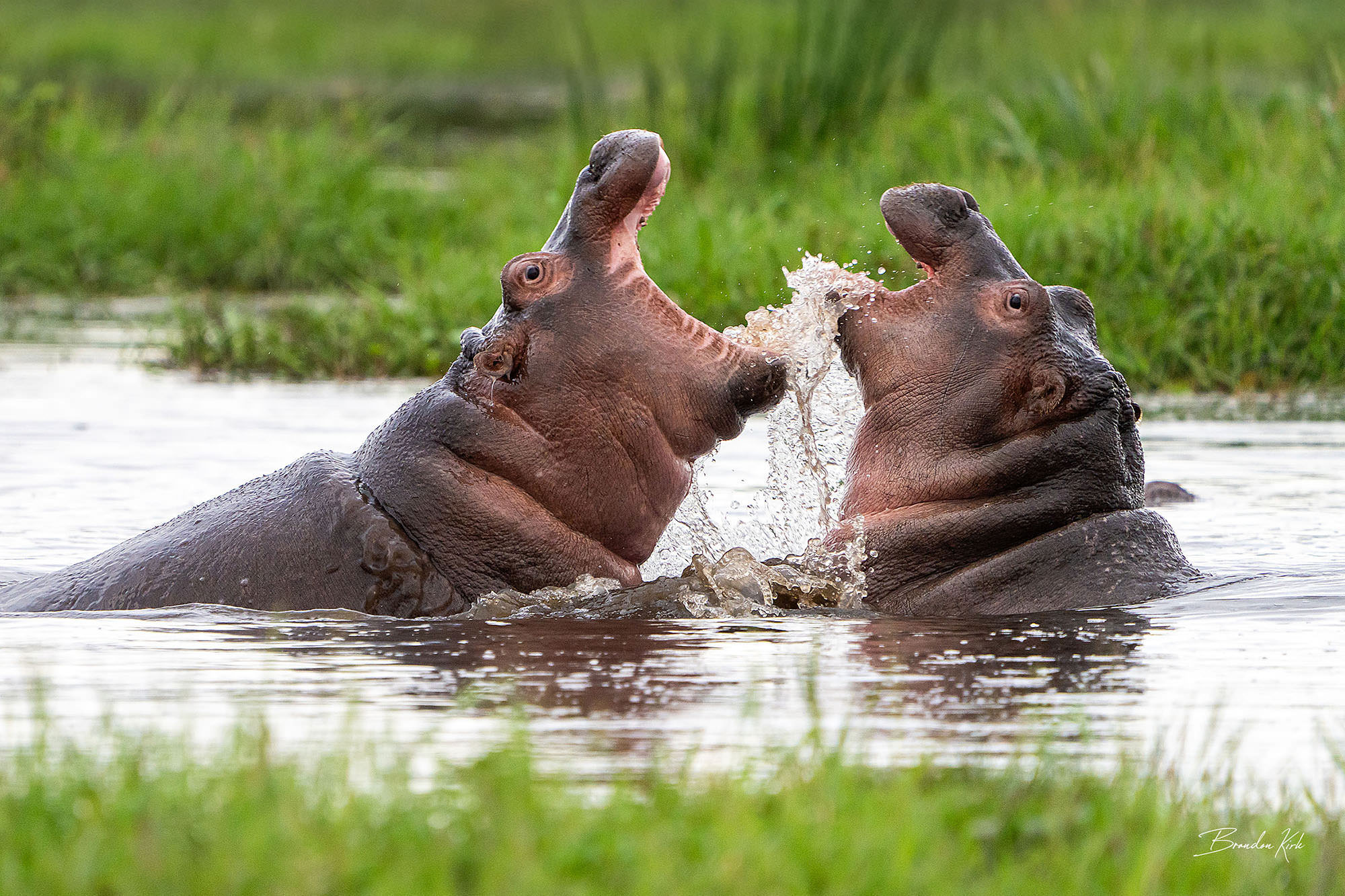
Photo by Brandon Kirk. Alpha 7R V. 200-600mm f/5.6-6.3 G.
70–200mm f/2.8 G Master II: My second essential lens. It covered the middle ground perfectly and was essential for pre-sunrise and post-sunset shooting thanks to its bright aperture. It’s also surprisinly lightweight and easy to handhold for extended periods.
If you’re wondering if 200mm is enough reach on safari, it’s obviously not, but that’s not the purpose of this lens on a safari. You’ll have another lens like the 200-600mm for distance. However, next time I’ll use a 1.4x teleconverter to achieve the reach of 280mm with a relatively bright aperture of f/4, giving myself a lot more flexibility for early morning and late day shooting.
But it’s the wider part of this lens's focal range that justifies having it. Some of my favorite images – like the herd of elephants walking into golden light or the leopard lounging in a tree – were captured with this lens.
If you’re wondering whether 70mm was wide enough? The answer is no. At times the wildlife was extremely close to my vehicle, hence my third lens.
24mm f/2.8 G: My choice for a lightweight option for occasional wide shots and night-sky photography. This is the one lens decision I would change next time. I’m not an astronomy photographer, so the few attempts I made were not productive. But if you are, you’re going to need a wider, brighter lens in any event.
Due to size and weight limitations, I knowingly left a third camera body and my 24-70mm f/2.8 at home. I assumed that almost all of the shooting would be far beyond its reach. This was true, but if I had the 24-70mm, I probably would have used it almost every day. At 24mm, it would have been useful for wider landscapes from the vehicle. And, it would have been perfect for when 70mm felt a bit too tight and there was no way for me (or the vehicle I was in) to back up.
Power, Backup & Coffee
Batteries
I brought six batteries for my two camera bodies – probably more than I needed, but it gave me peace of mind. On a typical day, I’d shoot 6-8 hours, draining nearly one battery per camera per game drive. I charged them during lunch and overnight, but on transfer days (when you fly to a new park and go straight into another game drive), staying charged can be tricky. Be sure to charge your batteries at all opportunities.
Memory & Backup
I carried a mix of 128GB and 256GB cards, plus two 2TB backup drives and a compact laptop to facilitate daily backups. My plan to backup every image onto both drives mostly worked – until the final days, when I had to rely on the memory cards themselves for my secondary copy. You will probably take more photos than you thought possible, so prioritize backups and clear your cards whenever you can so that you don’t fall behind.
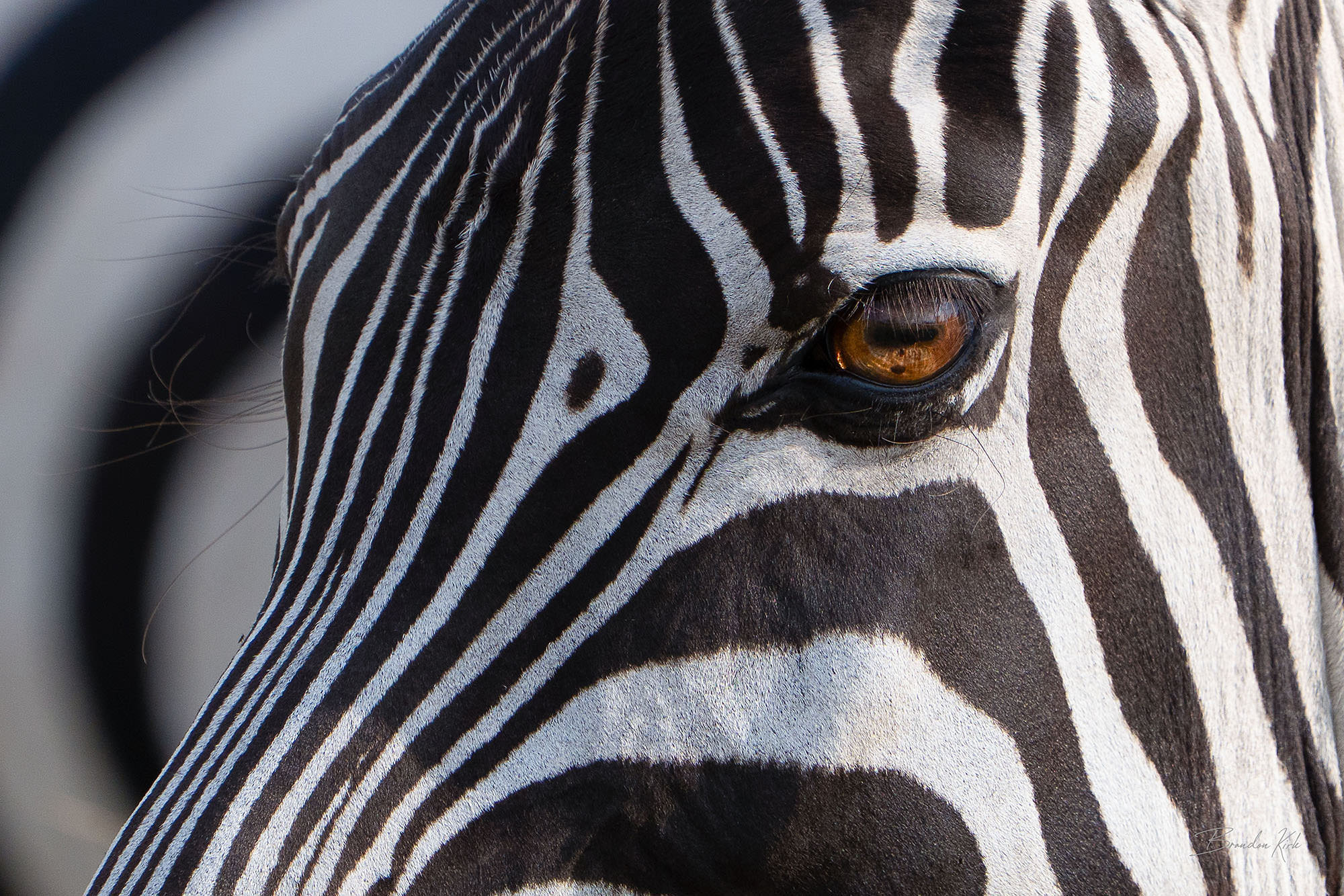
Photo by Brandon Kirk. Alpha 7R V.
But First, Coffee
With an 8–11 hour time difference from the U.S., coffee (or tea if you prefer) is a necessity. The good news is that most lodges serve excellent local coffee and can whip up an espresso or latte for you. And you will need it as morning game drives typically start before sunrise.
My first morning, I tried sipping coffee from a paper cup while bouncing around in the jeep. By the time we stopped for our first animal sighting 20 minutes later, I had more coffee on me than in me. A travel mug would have been heaven so I could have enjoyed hot coffee while watching the sunrise from a stationary vehicle.
Final Thoughts
My African safari was an unforgettable experience to share with my family, as we watched the wonders of the natural world unfold before us each day. Safari photography requires both flexibility and adaptability, and having the right gear is essential to meet those demands. In the wild, you don’t control the light, the subjects, or the distance – and that unpredictability is what makes an African safari so magical. Each game drive begins with a sense of mystery – you never know what you’ll encounter, when it will appear, or where it will happen. The key is to stay adaptable, observant and ready to capture the endless photographic moments that reveal themselves along the way.
See more of Brandon Kirk's work on Instagram @brandonkirk and at BrandonKirk.com.
Stay tuned to AlphaUniverse.com for Parts 2 & 3 of the series.