In this article, photographer and Sony Artisan Drew Geraci takes you inside autumn at the Biltmore Estate, sharing the gear he trusts and the techniques he leans on to capture the fleeting light and intimate seasonal details. From sunrise symmetry at the lagoon to blue-hour glow around the mansion, Drew’s field-tested tips translate just as well to your local park or backyard as they do to this iconic North Carolina landmark.
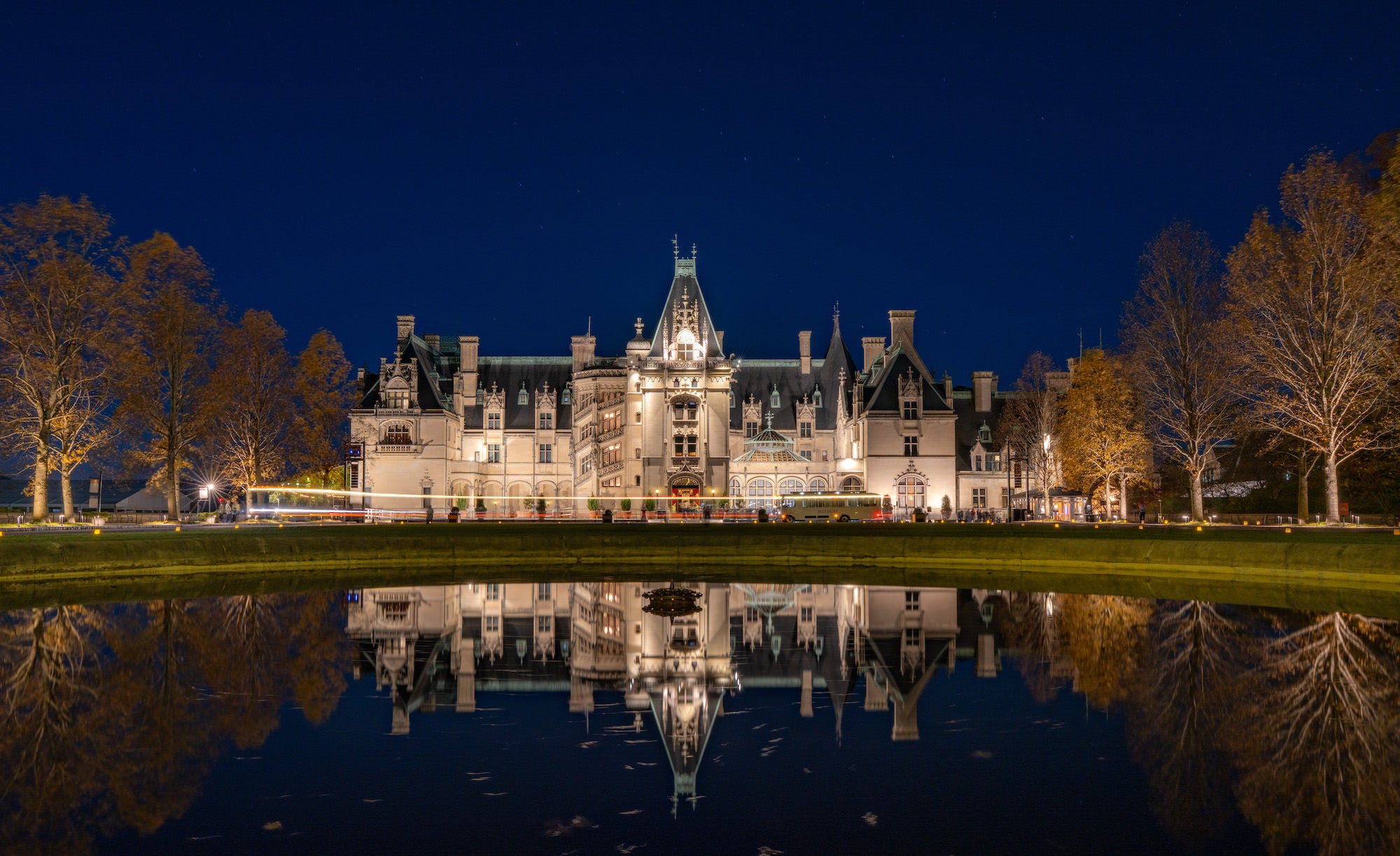
Photo by Drew Geraci. Alpha 7R V. 16-35mm f/2.8 G Master II. 20-sec., f/14, ISO 50
Photographing Fall At The Biltmore Estate
There are places that feel like they were designed for photographers, and then there’s the Biltmore Estate in Asheville, North Carolina. When autumn rolls in, with the annually-varying best time to capture peak color between late October and early November, this 8,000-acre masterpiece transforms into a painter’s dream. You'll find rolling hills dipped in crimson and gold, mist dancing along the French Broad River, and the grand Biltmore House glowing like something out of a Christmas fairy tale.
Armed with my Alpha 1 II, Alpha 7R V and an arsenal of lenses – the 16-35mm f/2.8 GM II, 70-200mm f/2.8 GM II, 50mm f/1.2 G Master, and the brand new 100mm f/2.8 Macro G Master – I set out to chase the season’s fleeting light and capture its quiet, cinematic beauty.
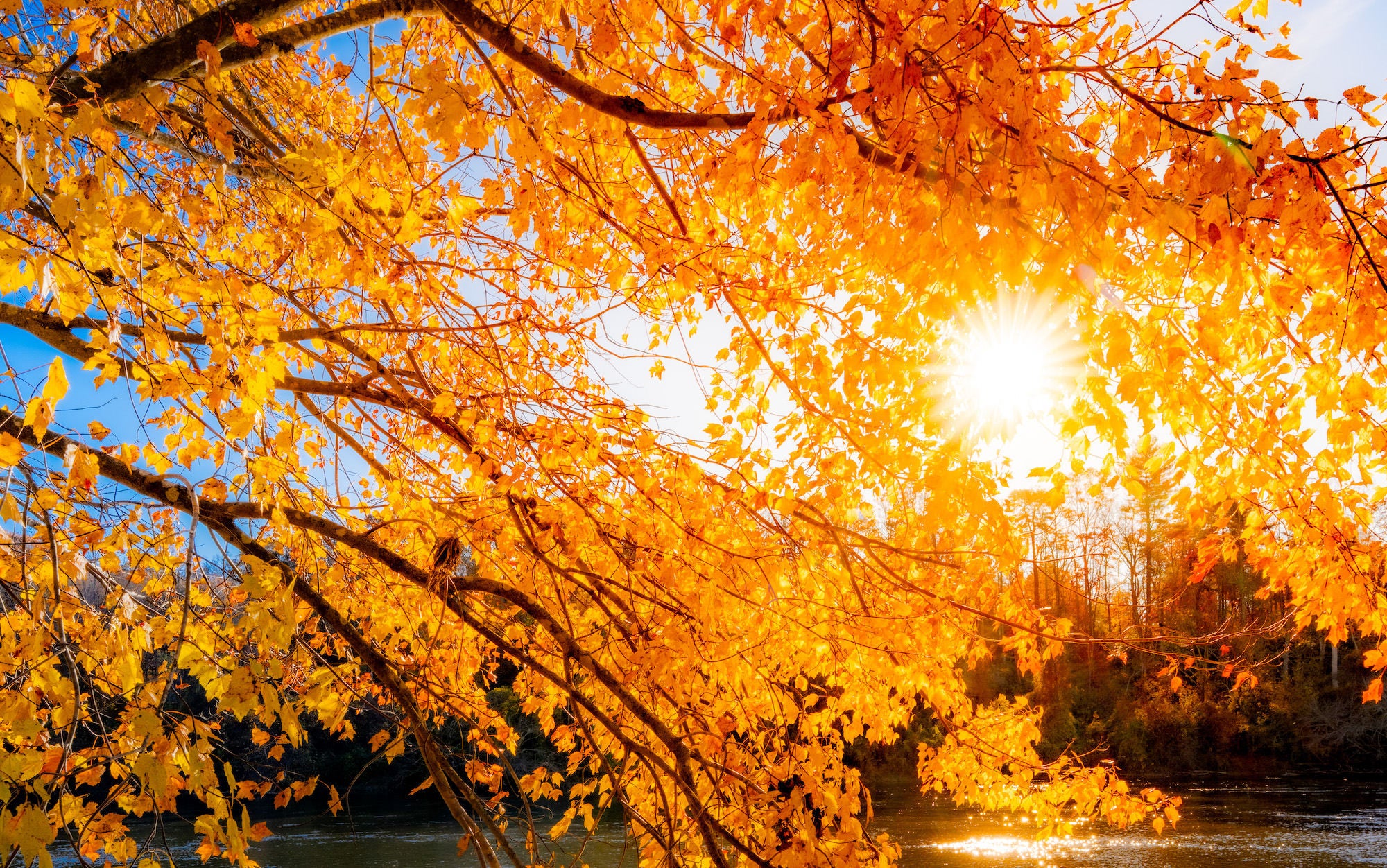
Photo by Drew Geraci. Alpha 7R V. 16-35mm f/2.8 G Master II. 1/160-sec., f/13, ISO 100
Waking Up Early To Photograph Sunrise
If you’re not up before sunrise, you’re missing half the show. Before most visitors have even had their first cup of coffee, the Biltmore is already putting on a performance. The lagoon along the main drive is the ideal curtain-raiser — a still mirror reflecting the fiery tapestry of fall. On windless mornings, the water becomes glass; when fog drifts across the surface, the world softens into a watercolor.
With the 70-200mm f/2.8 G Master II, I isolate intimate vignettes like the sun cascading through the branches on a lonely pathway or a row of trees sprinkled with the warm colors of autumn reflecting in the water. For the full scene, the 16-35mm f/2.8 G Master II captures the expanse: the lagoon, the trees, and the distant mansion emerging through morning light.
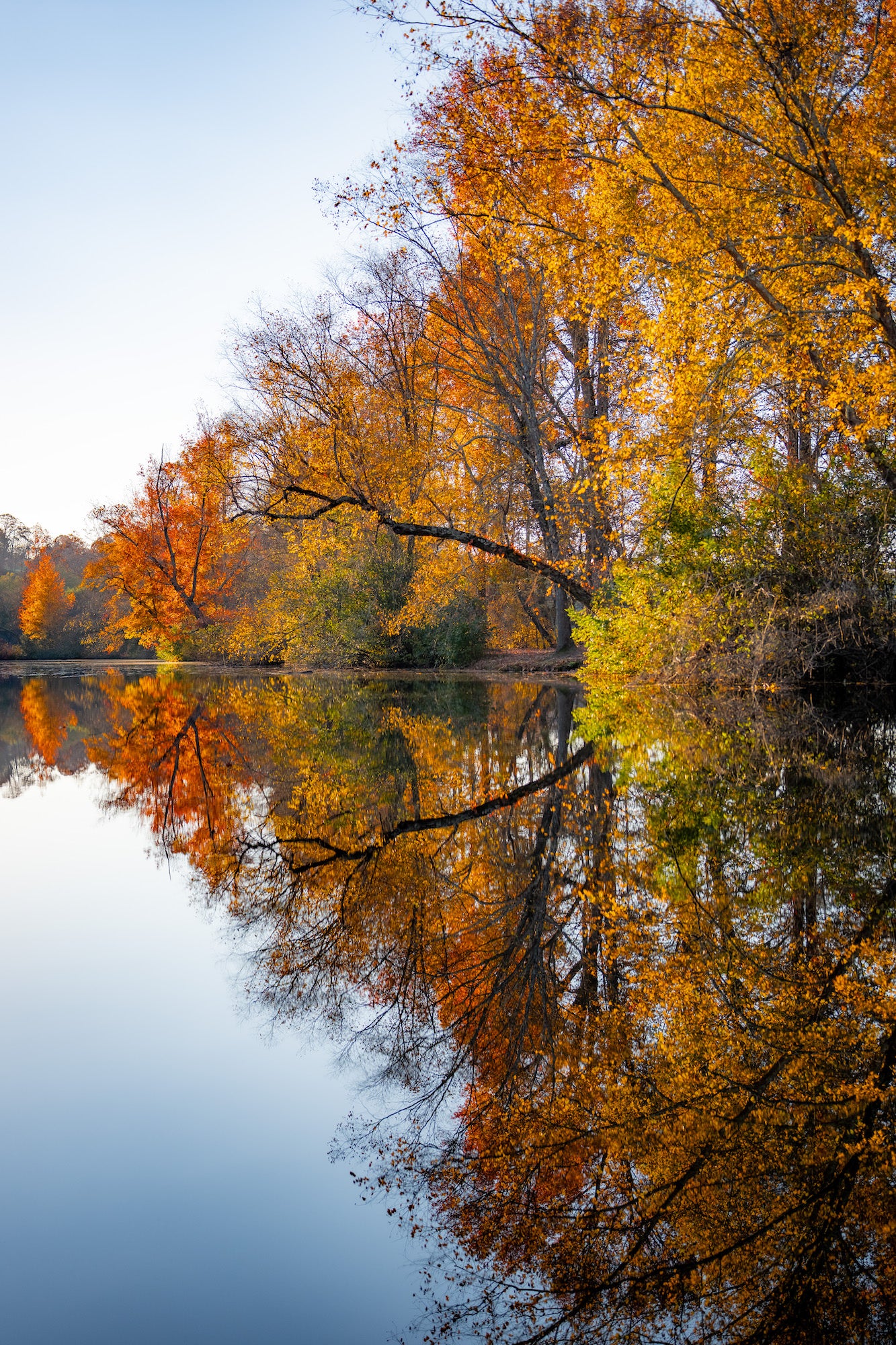
Photo by Drew Geraci. Alpha 1 II. 50mm f/1.2 G Master. 1/5000-sec., f/1.2, ISO 50
Exploring The Hidden World Of Detail
While the grand vistas steal the show, some of the most magical scenes at Biltmore hide in the margins – along fences, garden paths, and forest edges. In the cool air, spider webs become crystal tapestries, glistening under the rising sun.
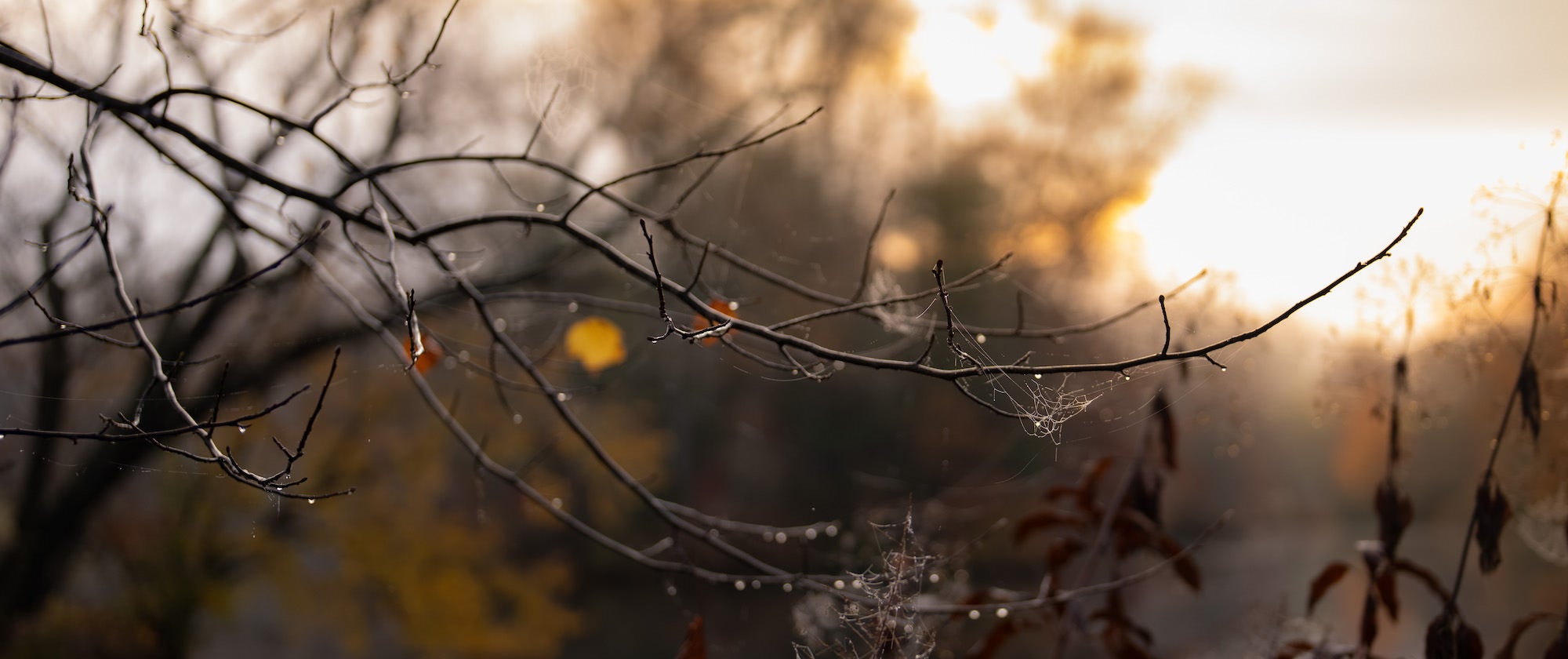
Photo by Drew Geraci. Alpha 1 II. 50mm f/1.2 G Master. 1/250-sec., f/1.2, ISO 64
That’s where the new 100mm f/2.8 Macro G Master earns its keep. Its tack-sharp optics and luscious bokeh turn even the simplest of flowers into fine art. Manual focus is key here – mist and dew can fool autofocus – and a background with depth will make those tiny details pop. Photography isn’t always about the big view. Sometimes it’s about the small miracle right in front of you.
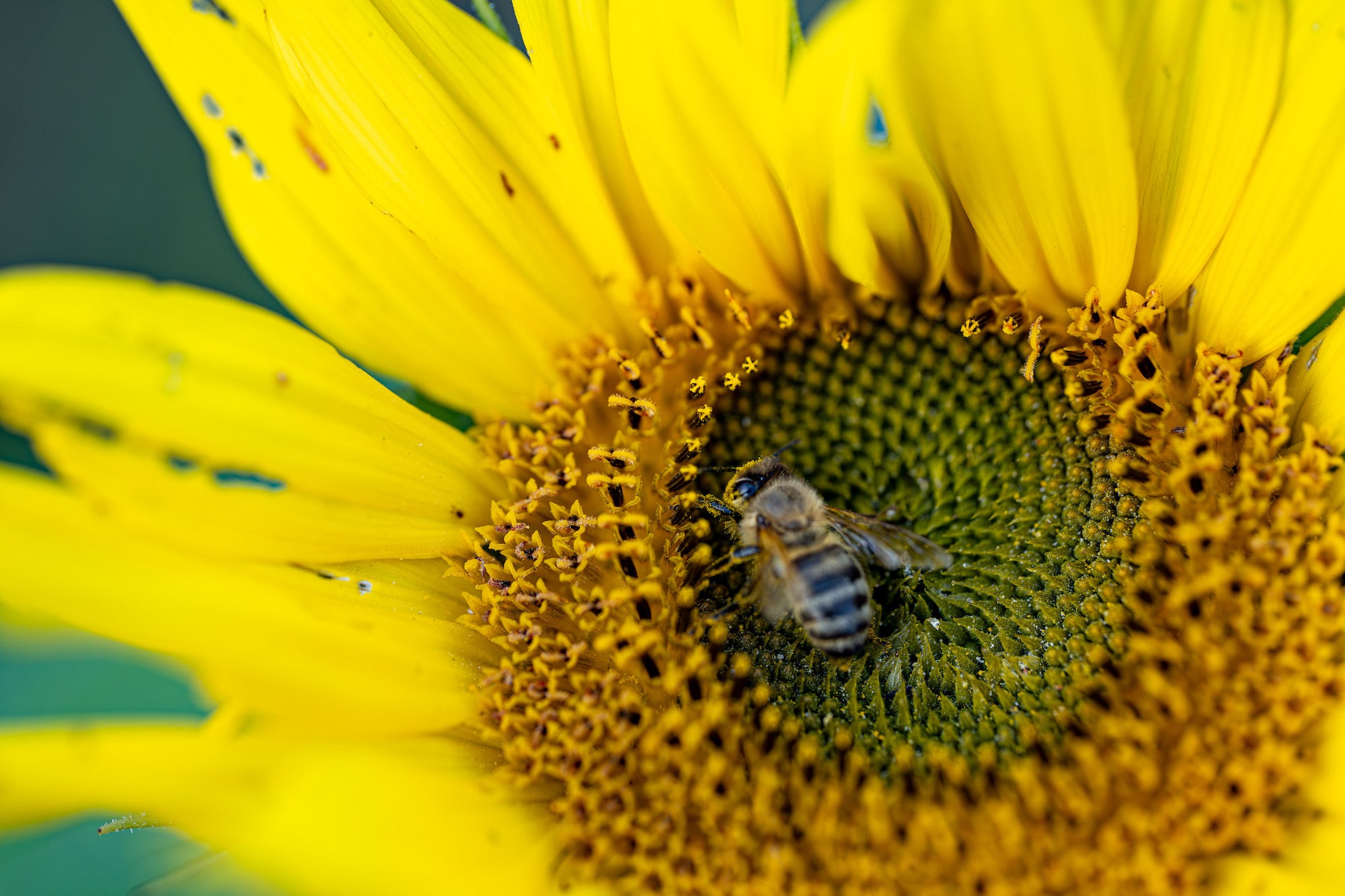
Photo by Drew Geraci. Alpha 1 II. 100mm f/2.8 Macro G Master. 1/640-sec., f/2.8, ISO 500
Capturing The Compelling Architecture
As morning gives way to day, the main house becomes the star. The sunlight hits its limestone façade just right, giving it an ethereal, honeyed glow. On clear days, the deep blue of the sky provides contrast; on foggy mornings, the mansion appears like a ghostly silhouette, drifting in and out of view.
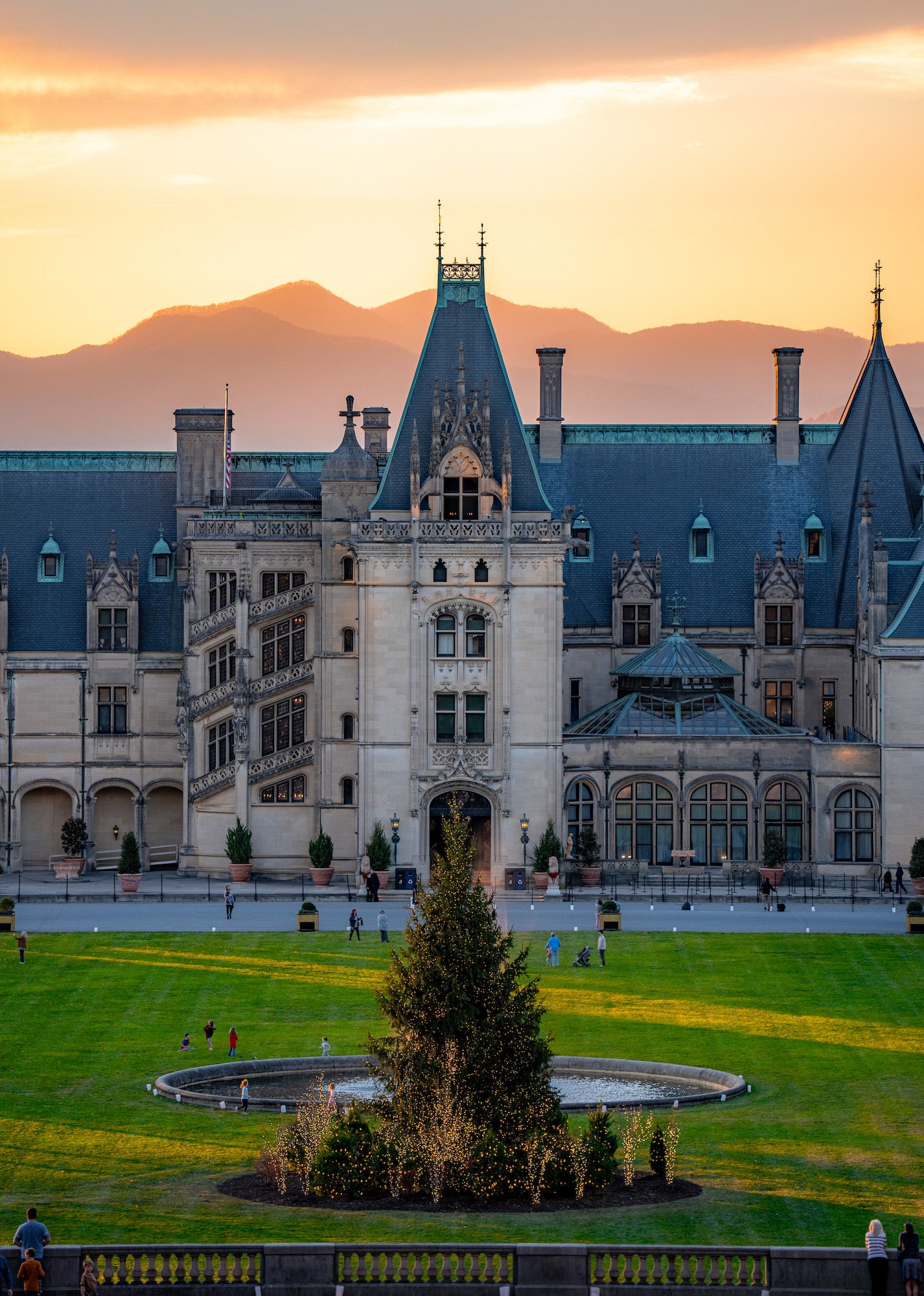
Photo by Drew Geraci. Alpha 1 II. 70-200mm f/2.8 G Master II. 1/500-sec., f/2.8, ISO 100
This is where the 50mm f/1.2 G Master truly shines. While it’s known as a portrait lens, it’s equally adept at storytelling. A shallow depth of field draws attention to architectural details – a tower, a balcony, a reflection in a window. And when visitors wander into your frame, they add a sense of life and scale that breathes energy into the scene.
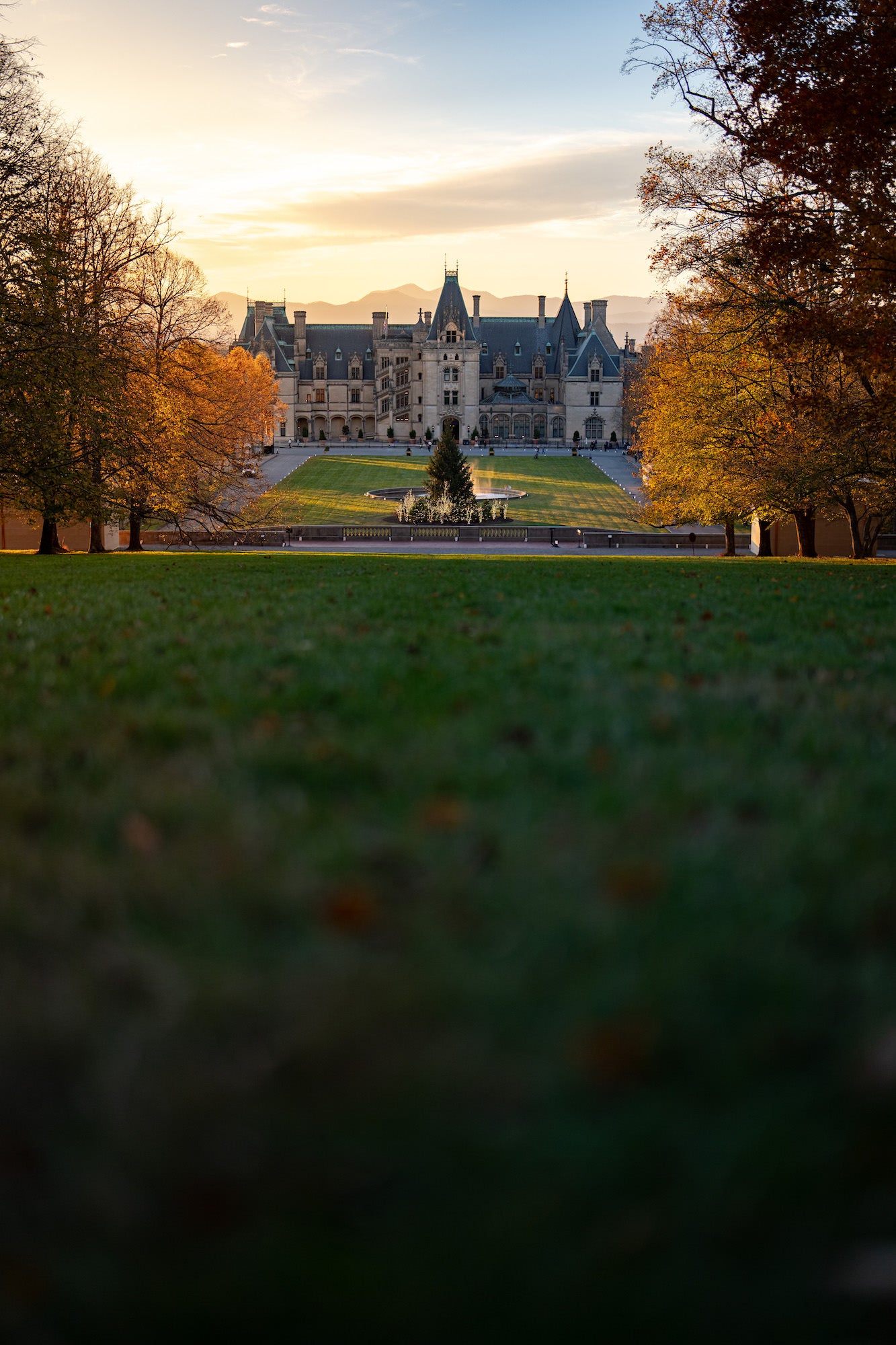
Photo by Drew Geraci. Alpha 1 II. 50mm f/1.2 G Master. 1/2000-sec., f/1.2, ISO 100
Taking Advantage Of Blue Hour
As evening sets in, don’t pack up yet. When the sun dips below the horizon, the estate transforms again. The lights come on, casting a warm amber glow that feels straight out of a holiday dream. I was lucky enough to visit when their Christmas decorations were being put on display and it’s just like jumping into a Charles Dickens novel from the late 1800s.
If you’re patient, the sky often delivers one final gift – that soft, moody gradient from violet to deep indigo, to brilliant tangerine. With the Alpha 1 II’s incredible low-light performance, you can shoot handheld longer than you’d expect, but a tripod and slower shutter speed will reward you with depth and clarity.
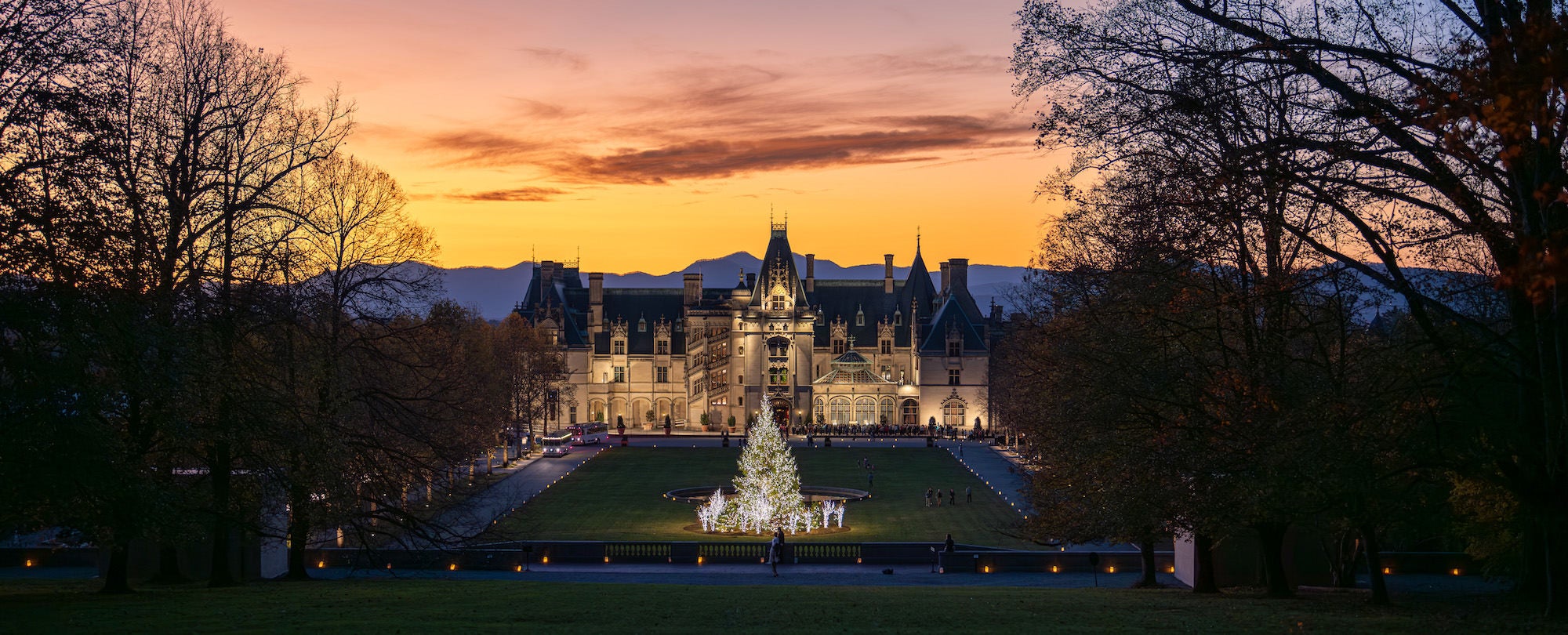
Photo by Drew Geraci. Alpha 1 II. 50mm f/1.2 G Master. 1/100-sec., f/1.3, ISO 100
Because the Alpha 1 II and Alpha 7R V have such a great dynamic range (14-15 stops), you can easily expose for the highlights in your scene and then in post, bring up the shadows and midtones to create a beautifully balanced image that looks like it could be a post card.
Favorite Cameras & Lenses For Fall Color Photography
Alpha 1 II: Lightning-fast and unstoppable for action or wildlife around the estate. The perfect body when fleeting light demands speed.
Alpha 7R V: The detail king. If you want those 61-megapixel files that make fall leaves look hand-painted, this is your go-to.
16-35mm f/2.8 G Master II: For grand scenes and reflections.
70-200mm f/2.8 G Master II: For isolating layers of color or distant subjects in fog.
50mm f/1.2 G Master: For storytelling, portraits, and dreamy shallow depth-of-field shots.
100mm f/2.8 Macro G Master: For textures, webs, and nature’s tiny masterpieces.
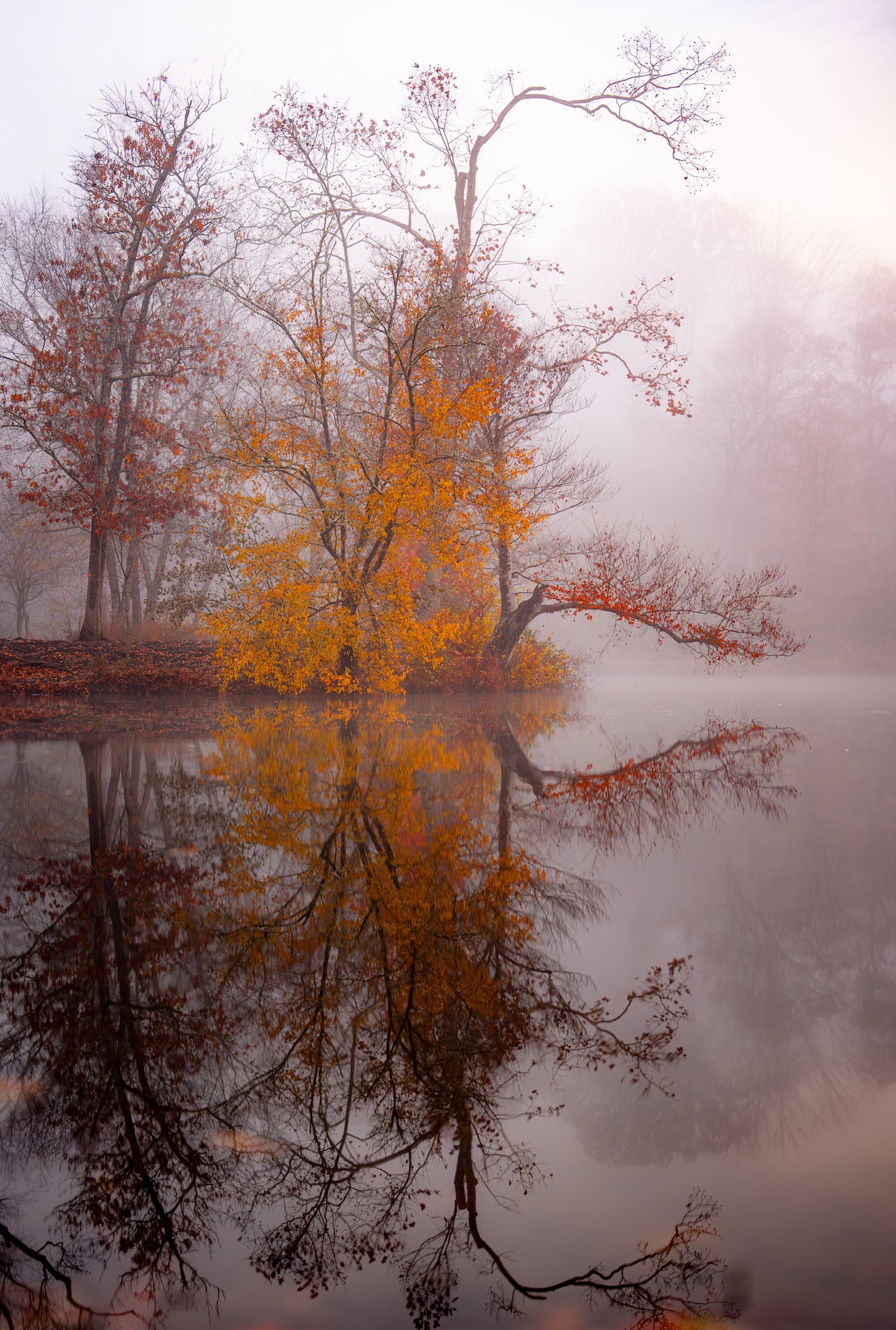
Photo by Drew Geraci. Alpha 1 II. 50mm f/1.2 G Master. 1/250-sec., f/1.2, ISO 50
Fall Photography Tips At Biltmore (and Your Backyard)
1. Beat the sunrise. The first light brings fog, dew and magic – all gone by 8 a.m.
2. Scout early. In the case of the Biltmore, the property is vast and you need time to look around. If you’re in your own backyard or somewhere else, just knowing where the light hits before the moment arrives will ensure you don’t miss it.
3. Work the reflections. Lakes and ponds create perfect symmetry.
4. Layer up. Fall mornings swing between crisp and freezing – protect yourself and your gear.
5. Embrace imperfection. A gust of wind, a bit of fog, or a stray leaf can make a good photo great.
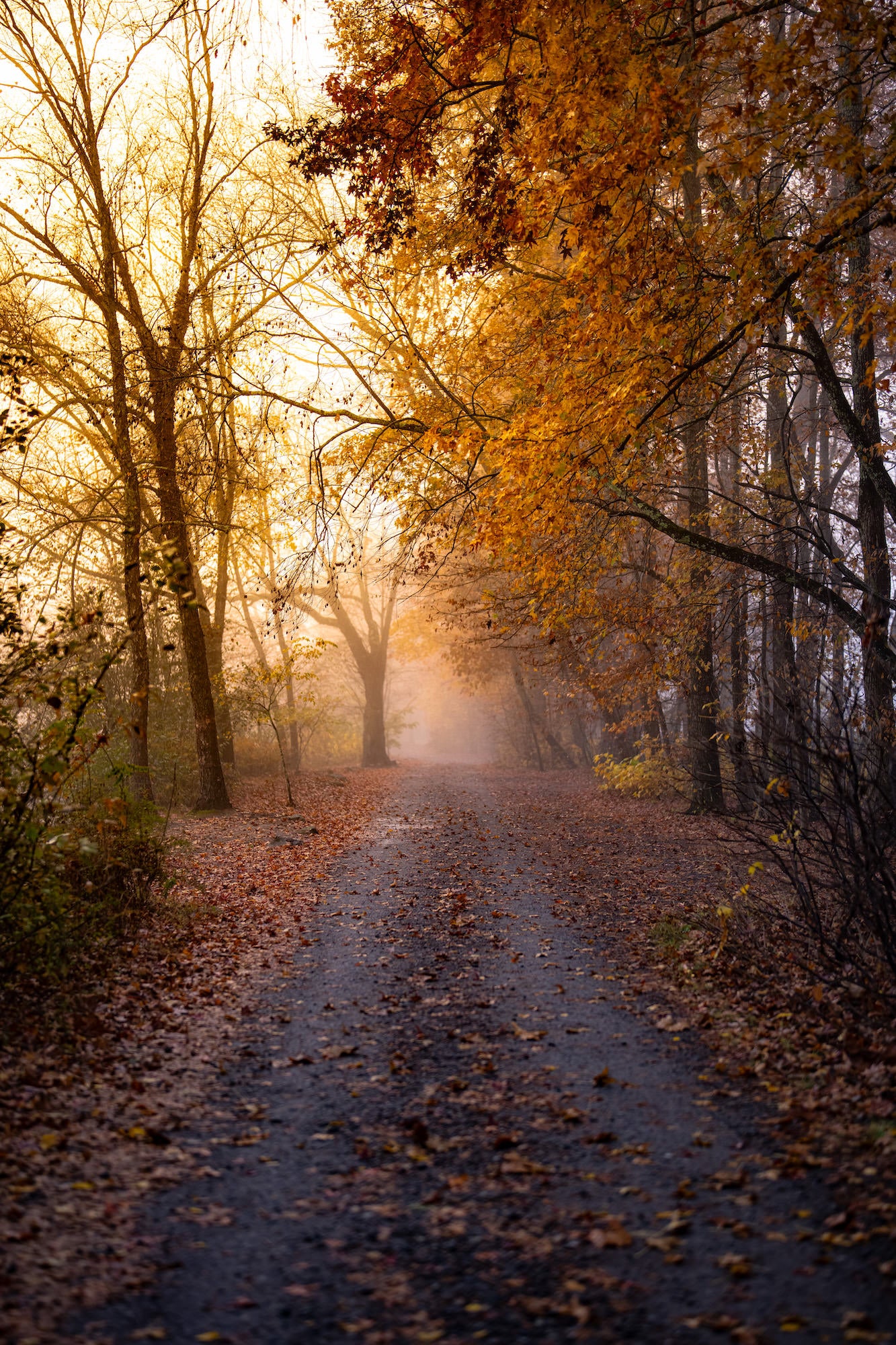
Photo by Drew Geraci. Alpha 1 II. 50mm f/1.2 G Master. 1/250-sec., f/1.2, ISO 50
A Final Reflection
As I packed up my cameras, the last light fading behind the mountains, I realized something: the Biltmore isn’t just photogenic – it’s alive with stories waiting to be told through light. Whether you’re a seasoned pro or a curious traveler, fall at the Biltmore reminds you why we chase the shot in the first place. Because every morning, for just a few minutes, the world feels like magic – and your camera is the only thing built to prove it.
See more of Drew Geraci’s work on his Alpha Universe profile and on Instagram @drewgiggity.