The night sky can make an incredible subject, but astrophotography asks photographers to think differently. Once the sun goes down, small decisions around planning, focus, exposure and composition can make all the difference. In the new free Astrophotography course on Alpha Camera Academy, Sony Artisan of Imagery Drew Geraci breaks down his approach to creating striking images after dark.
Geraci is an award-winning photographer and cinematographer whose work spans large-scale productions, cinematic time-lapses and some of the most visually demanding shooting conditions. In this six-part course, he shares the practical considerations that help make night photography feel more approachable – from preparing for a shoot and setting up your camera to working with foreground light and editing a finished time-lapse.
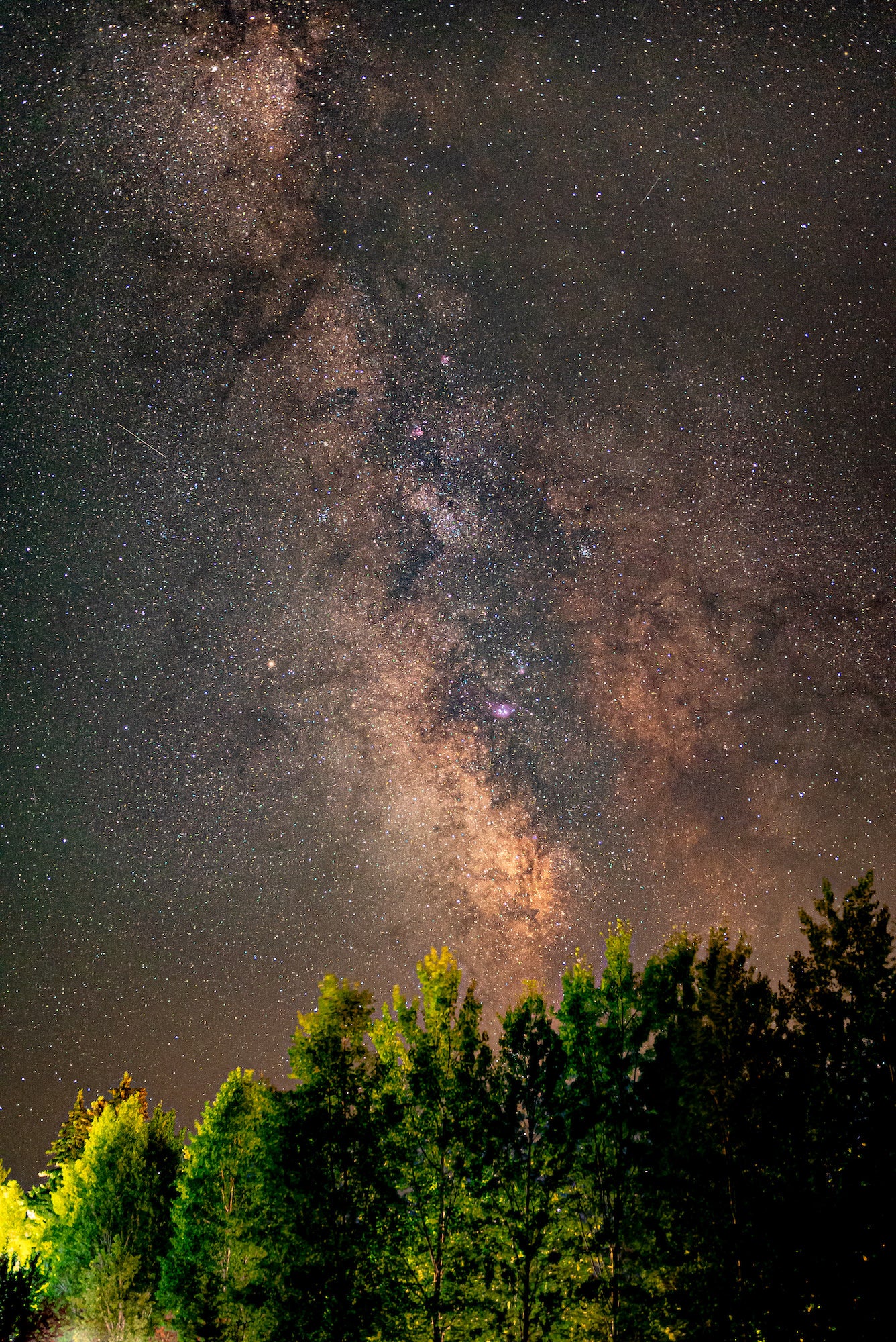
Photo by Drew Geraci
Start With A Plan
A great night-sky image is often decided before you arrive. Clear conditions, a thoughtful location and a strong foreground all give your image a better foundation. Geraci walks through how he prepares for a night shoot and the tools he uses to plan his frame before the stars come out.
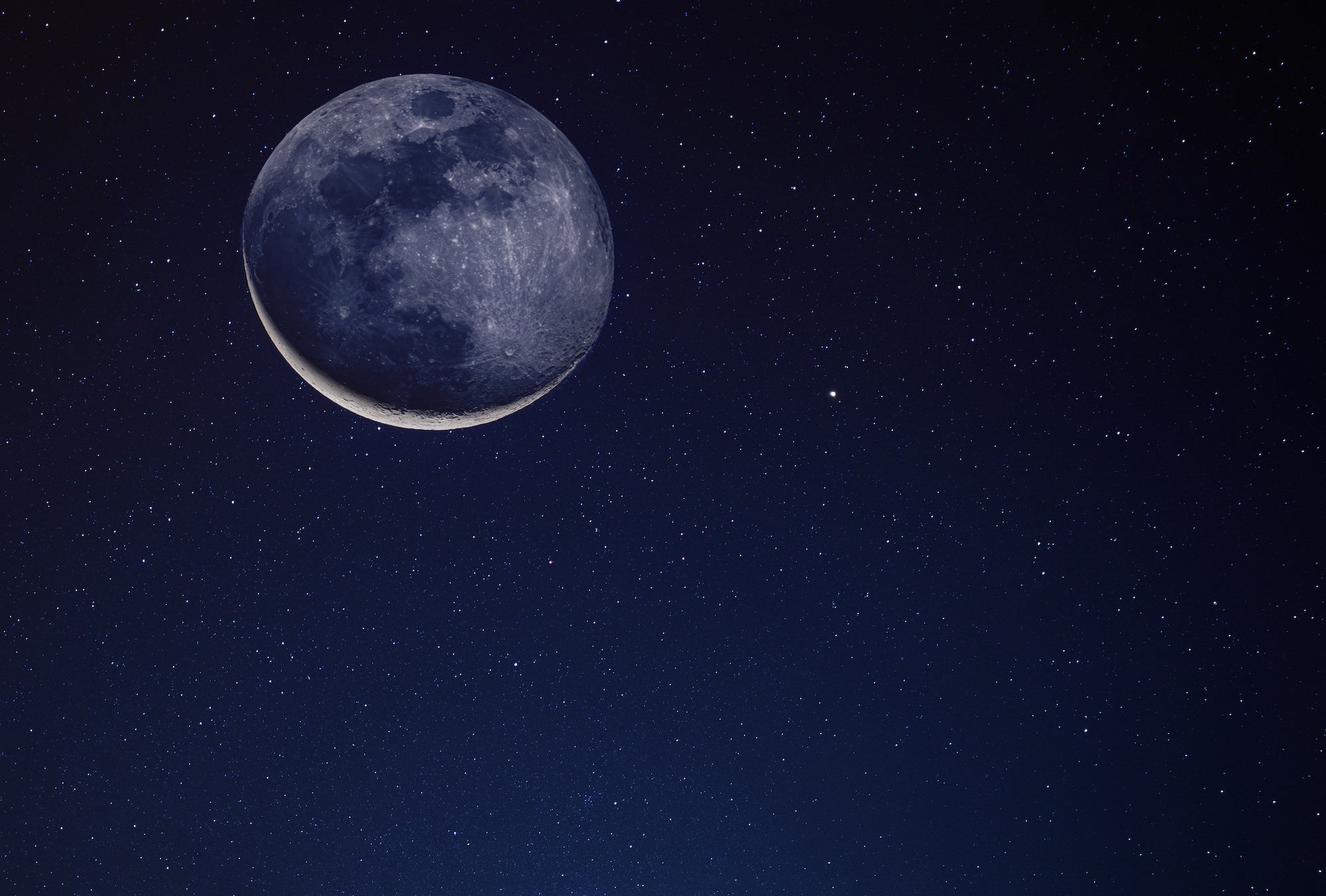
Photo by Drew Geraci
Make The Most Of Your Camera In The Dark
Low-light shooting comes with its own set of challenges, especially when it is time to focus and fine-tune an exposure. The course demonstrates how to approach camera setup for night photography, helping you work more confidently once you are out in the field.
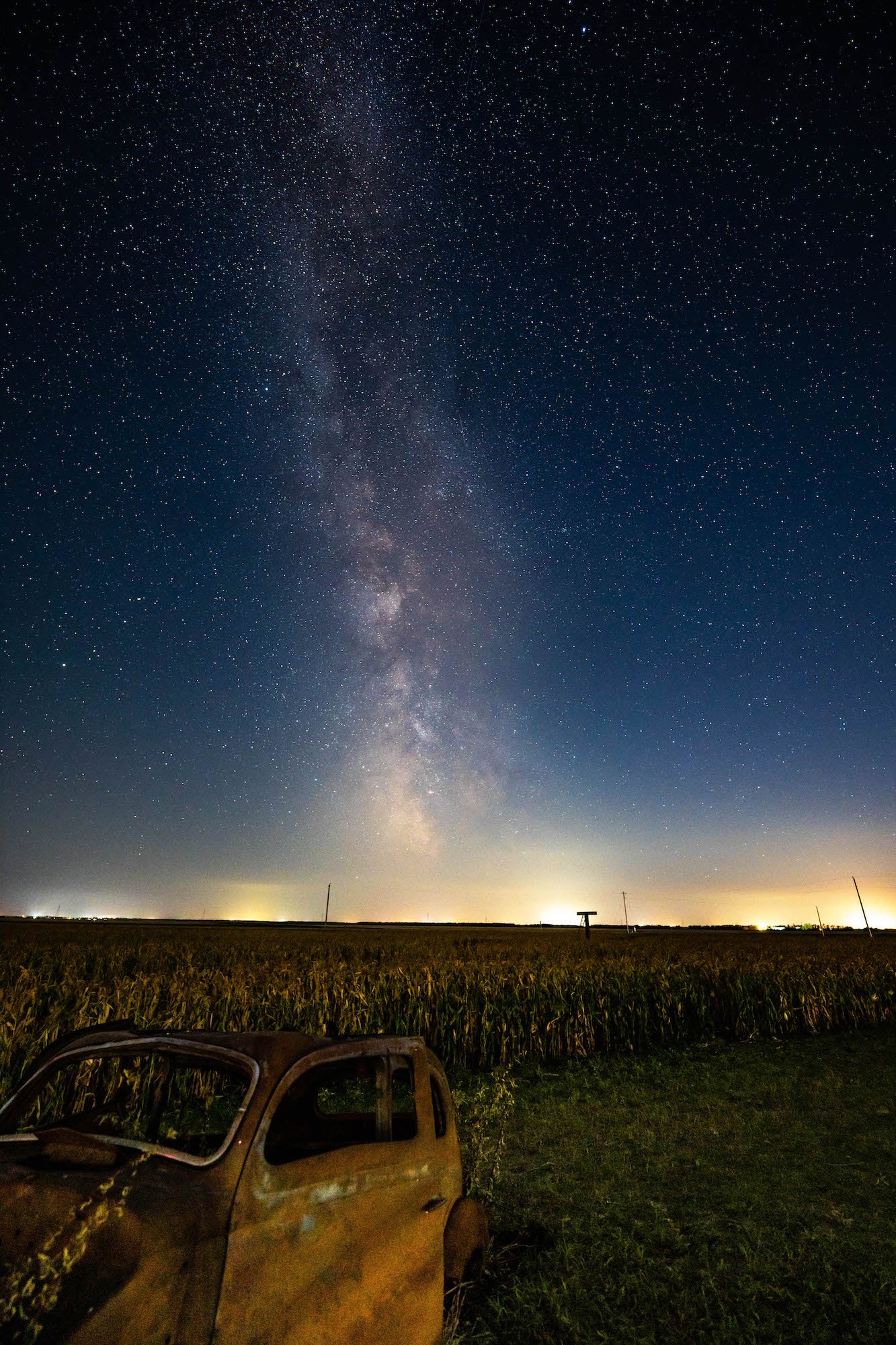
Photo by Drew Geraci
Create More Than A Picture Of The Stars
Astrophotography is not just about photographing the sky. A well-considered foreground, subtle use of light and a sense of movement can give a scene far more depth. Geraci explores these creative choices, including how to build a smooth, cinematic night-sky time-lapse.
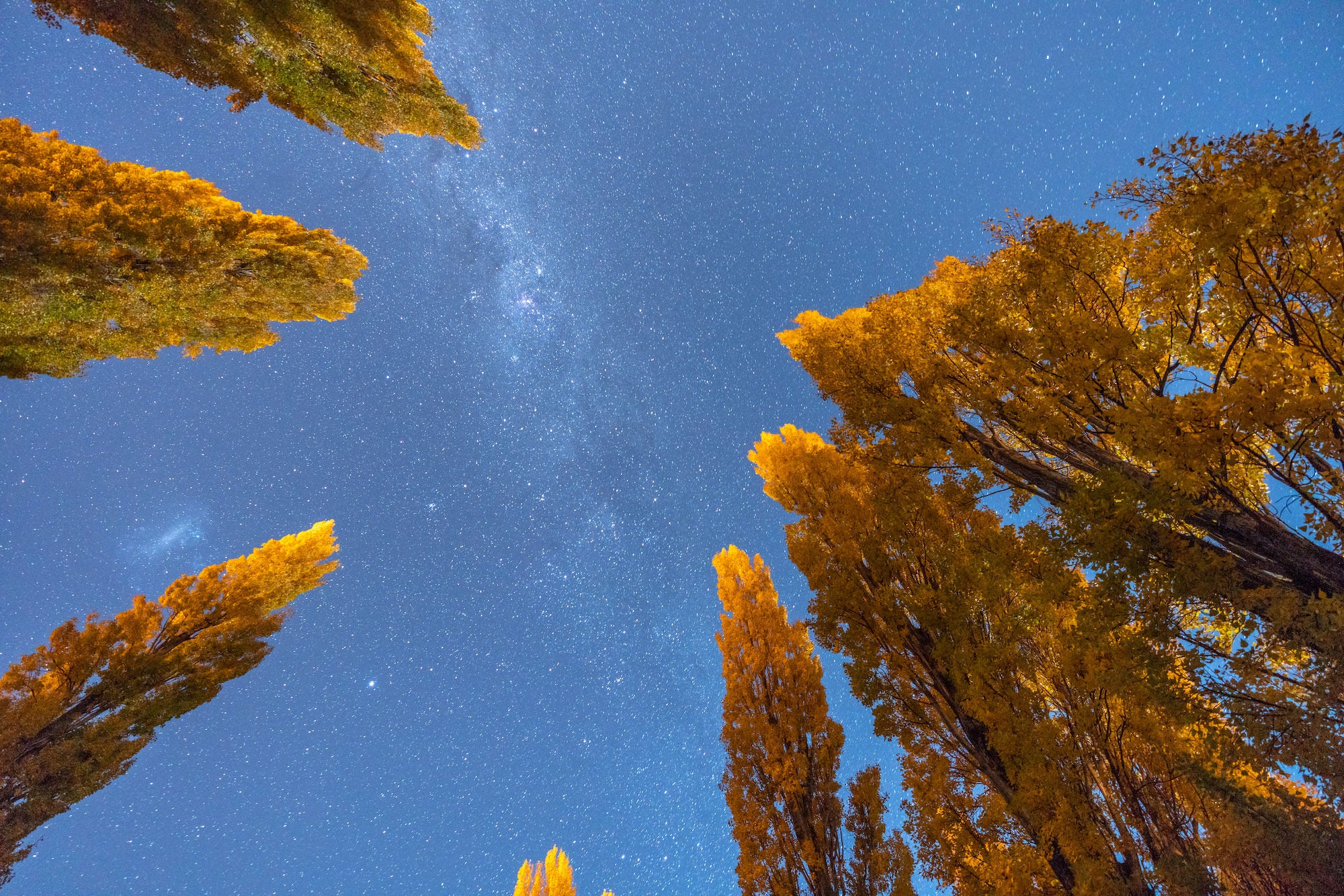
Photo by Drew Geraci