Landscape and nature photographer Beth Mancuso has extensive experience with macro photography. (She even won last year's Alpha Female+ Creator of the Year Award for this macro image.) Beth recently spent time with the Alpha 7R V and 100mm f/2.8 Macro G Master, and she came away with a gallery of butterfly images brimming with detail, color and texture. Below, she shares how the 100mm macro performed in the field and why it’s the upgrade macro shooters have been waiting for.
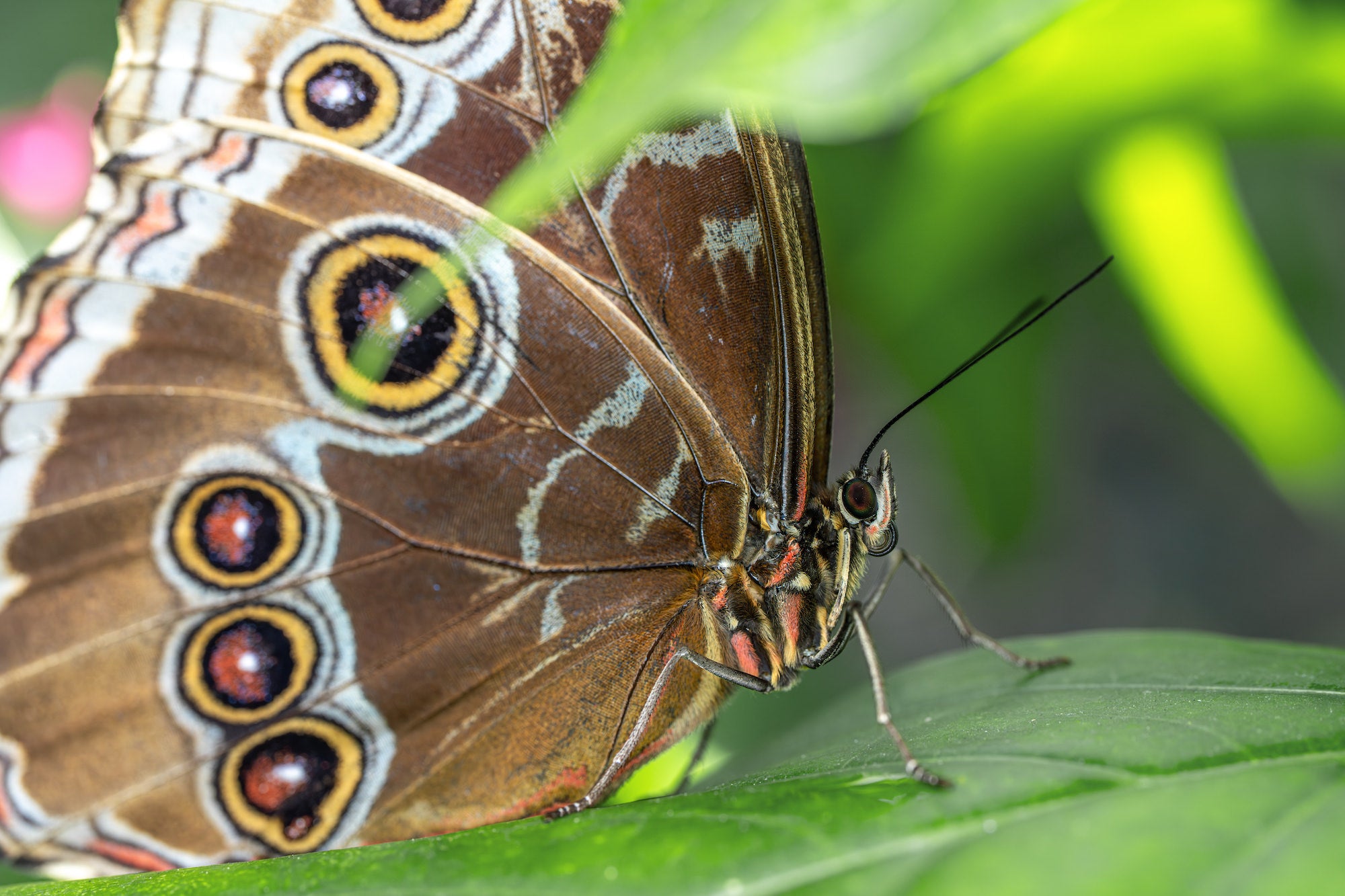
Photo by Beth Mancuso. Alpha 7R V. 100mm f/2.8 Macro G Master. 1/125-sec., f/6.3, ISO 400
Why 100mm For Macro Photography
For Beth, the 100mm focal length hits a sweet spot. “I like the 100mm because it gives you a really comfortable working distance,” she explains. “You’re not right on top of your subject, which is especially helpful for things like insects, but you can still fill the frame with detail.” That practical standoff distance meant fewer spooked subjects and more composed frames. Just as important, the lens’ extra magnification “goes beyond true 1:1,” letting her push even closer when she wanted to showcase micro‑textures, wing patterns, and the glint of dew.
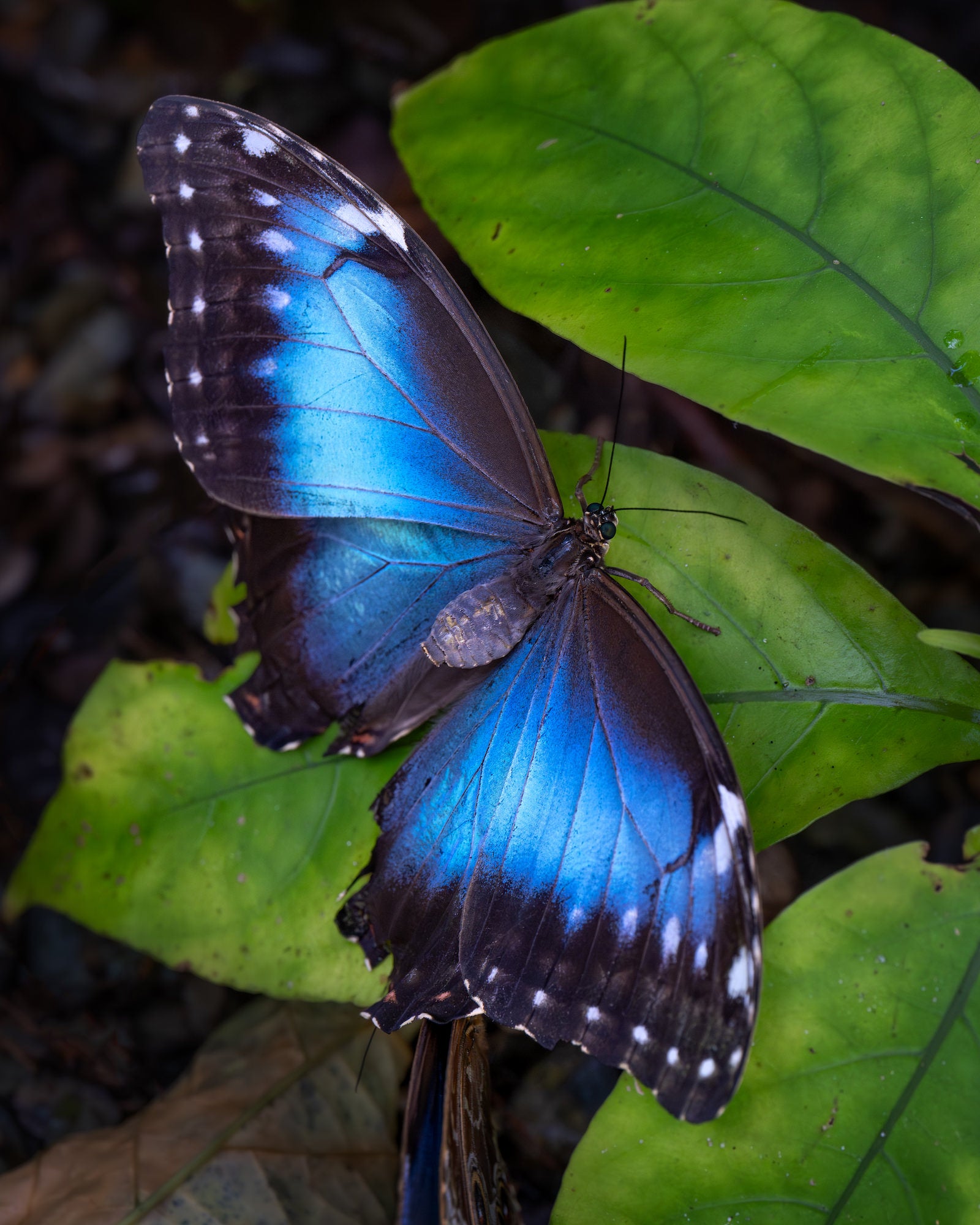
Photo by Beth Mancuso. Alpha 7R V. 100mm f/2.8 Macro G Master. 1/500-sec., f/6.3, ISO 1250
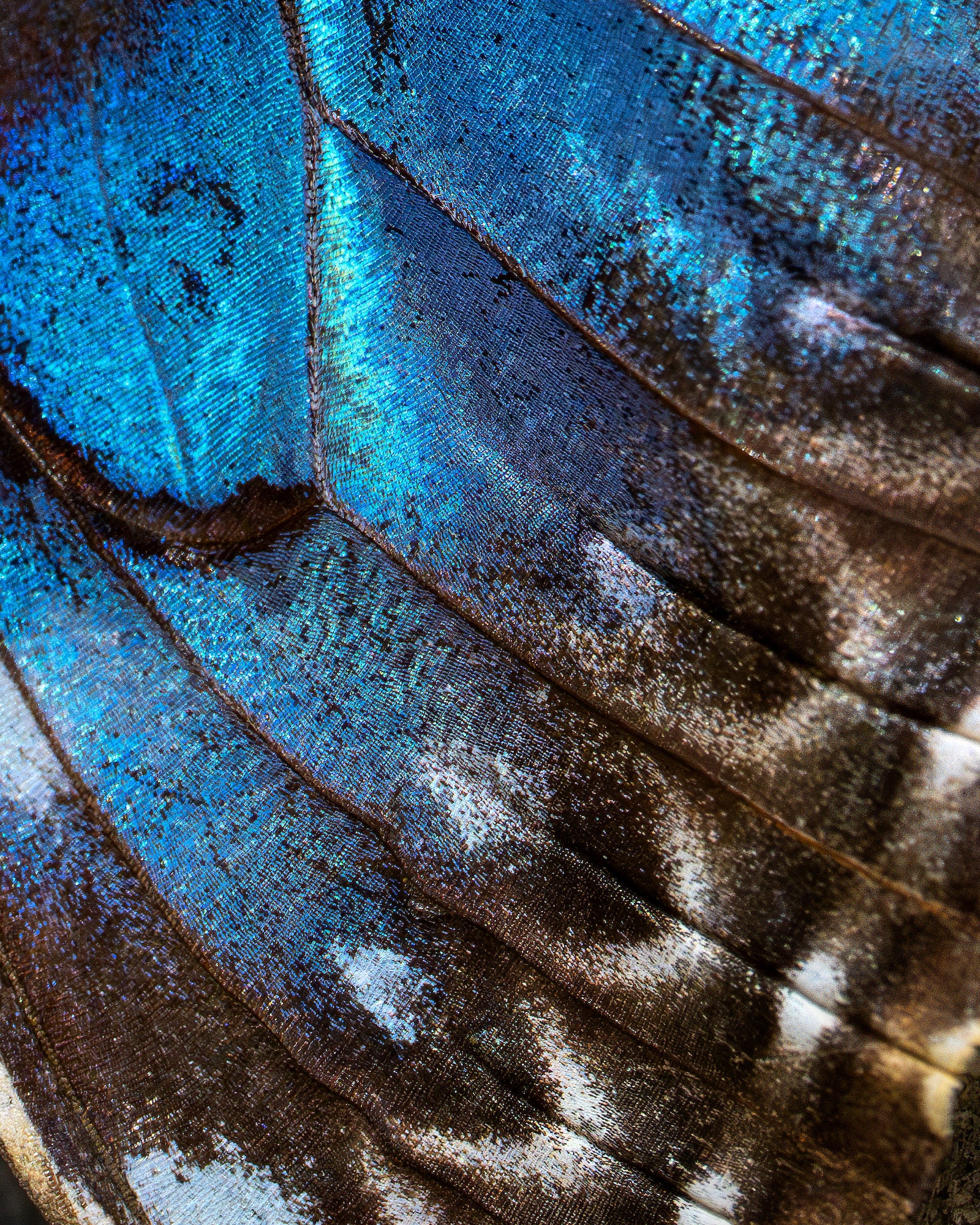
Photo by Beth Mancuso. Alpha 7R V. 100mm f/2.8 Macro G Master. 1/8000-sec., f/6.3, ISO 2500
Sharpness That Shows
Ask Beth for her single favorite quality and she doesn’t hesitate: “The sharpness is probably my favorite thing. The level of detail it captures is really impressive.” Across her set, eye‑spots read like tiny mosaics, iridescent blues stay clean, and delicate antennae render with edge‑to‑edge crispness. She notes that stopping down “just a bit” kept more of each butterfly in focus while preserving a soft, non‑distracting background.
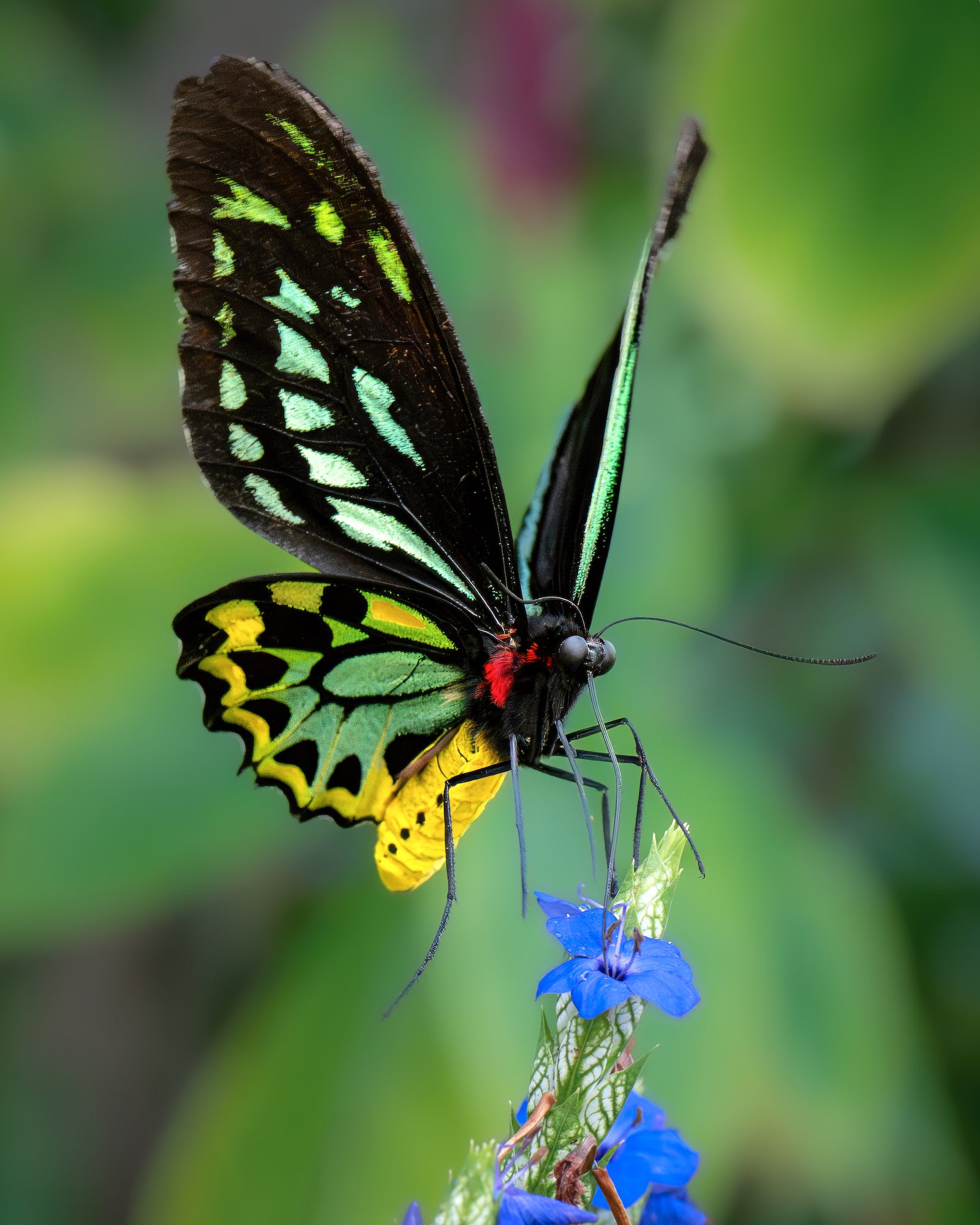
Photo by Beth Mancuso. Alpha 7R V. 100mm f/2.8 Macro G Master. 1/1600-sec., f/5.6, ISO 2500
Using Autofocus + Subject Recognition To Track Butterflies
You know how butterflies tend to move – they lift, pivot and stutter in unpredictable arcs. What Beth noticed was just how well the lens kept pace. “I really liked how fast and responsive the autofocus was, especially paired with the insect recognition on the Alpha 7R V. It worked well for butterflies in flight, and the extra reach made it easier to get the shot without being right on top of the subject.” For action‑leaning macro shooters, that combination – swift AF and useful working distance – expands what you can reasonably attempt handheld.
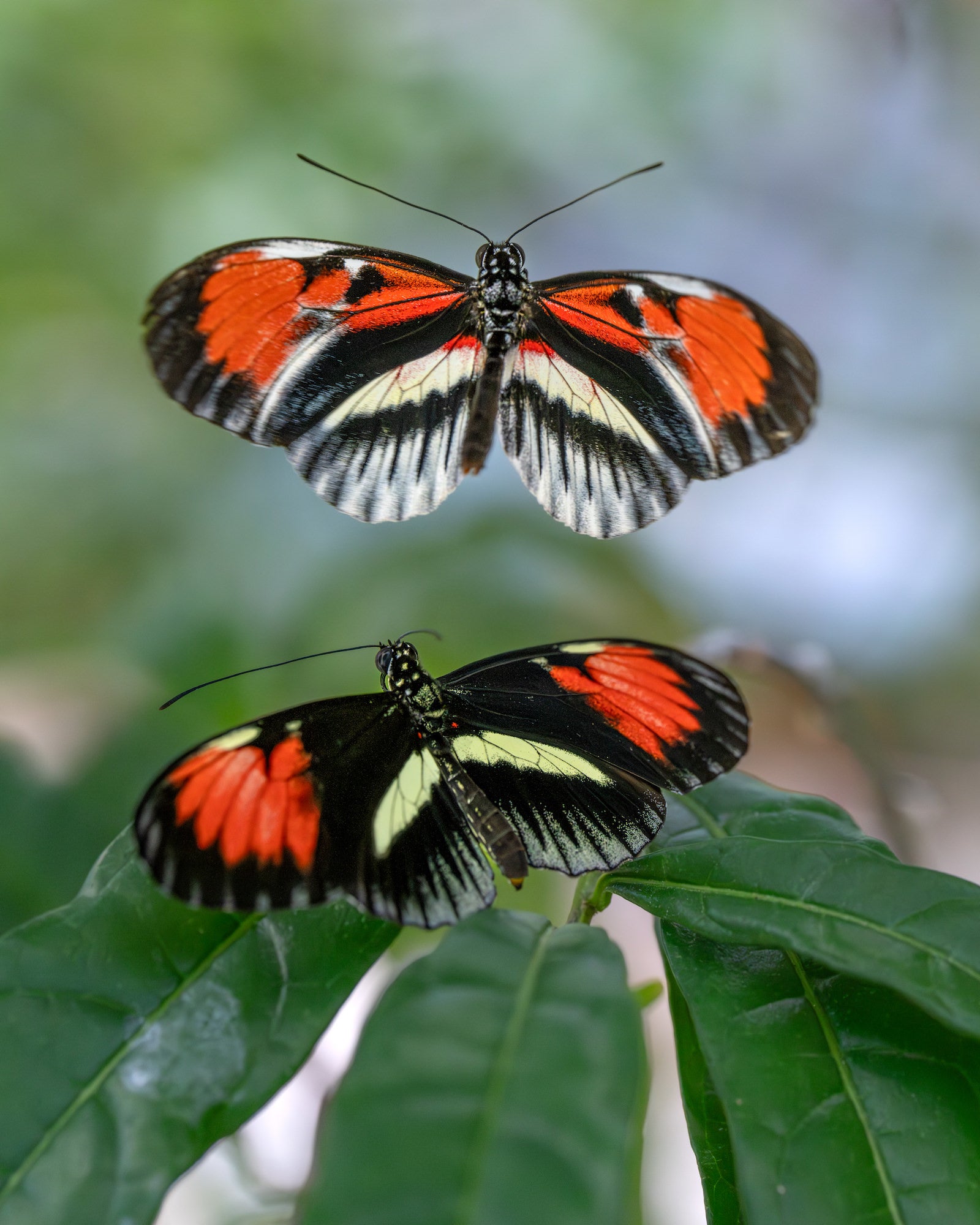
Photo by Beth Mancuso. Alpha 7R V. 100mm f/2.8 Macro G Master. 1/1250-sec., f/5.6, ISO 3200
A Standout Frame
Among the series, one image rises to the top for Beth: a common birdwing butterfly beaded with water droplets. “When you zoom in, the detail is really sharp, especially in the textures and the droplets.” It’s a perfect showcase for what this lens does best: render high‑frequency detail cleanly while preserving color fidelity and micro‑contrast, even when specular highlights push a scene’s dynamic range.
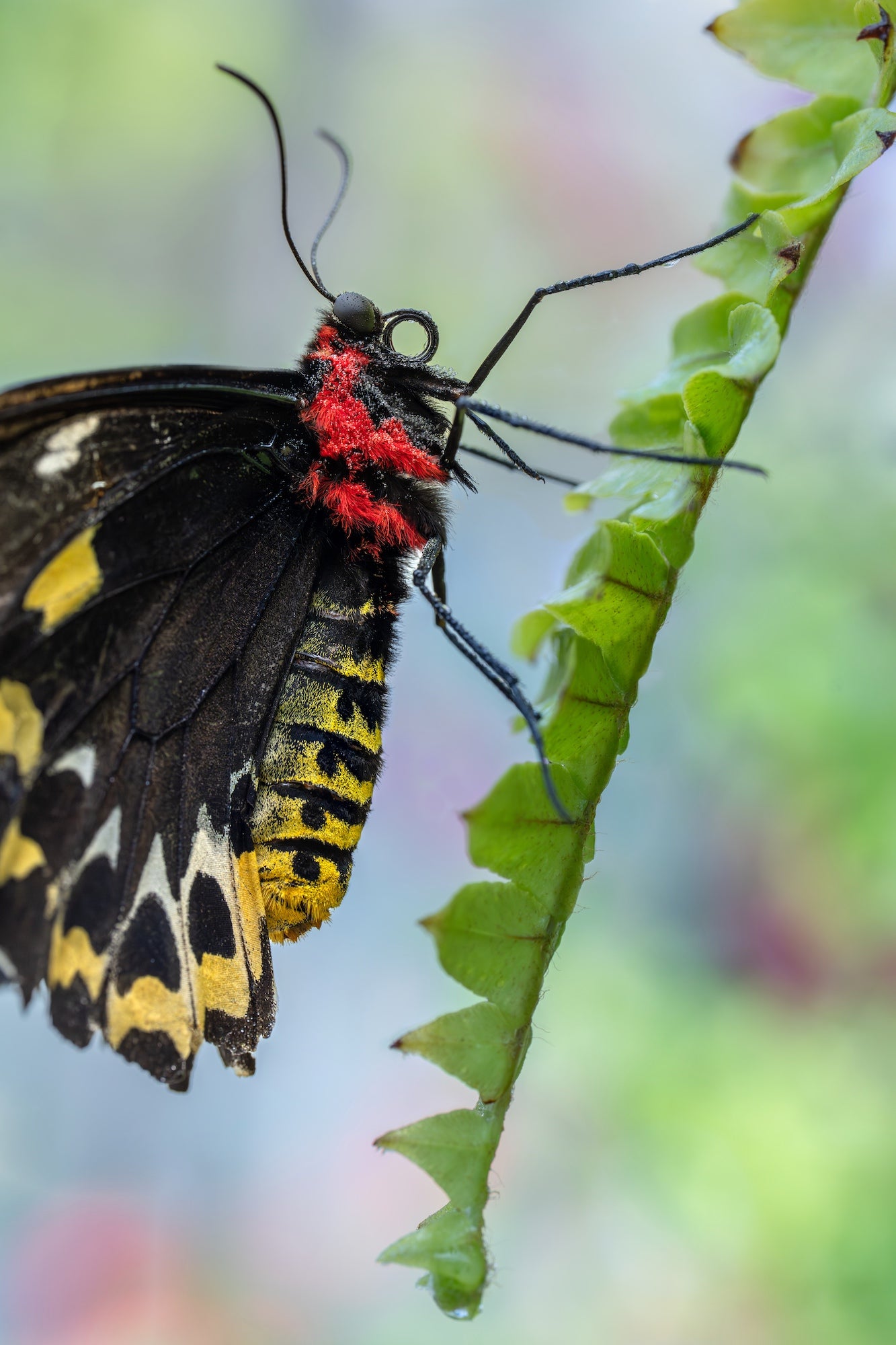
Photo by Beth Mancuso. Alpha 7R V. 100mm f/2.8 Macro G Master. 1/640-sec., f/6.3, ISO 1250
An Upgrade From A Trusted Workhorse
Beth has long experience with Sony’s 90mm f/2.8 Macro G lens – a favorite for many creators – which makes her verdict notable. “It felt like a definite upgrade from my 90mm. The sharpness and how well the autofocus handled moving subjects really impressed me.” If you’re weighing a move from 90mm, Beth’s advice is straightforward: it’s worth it.
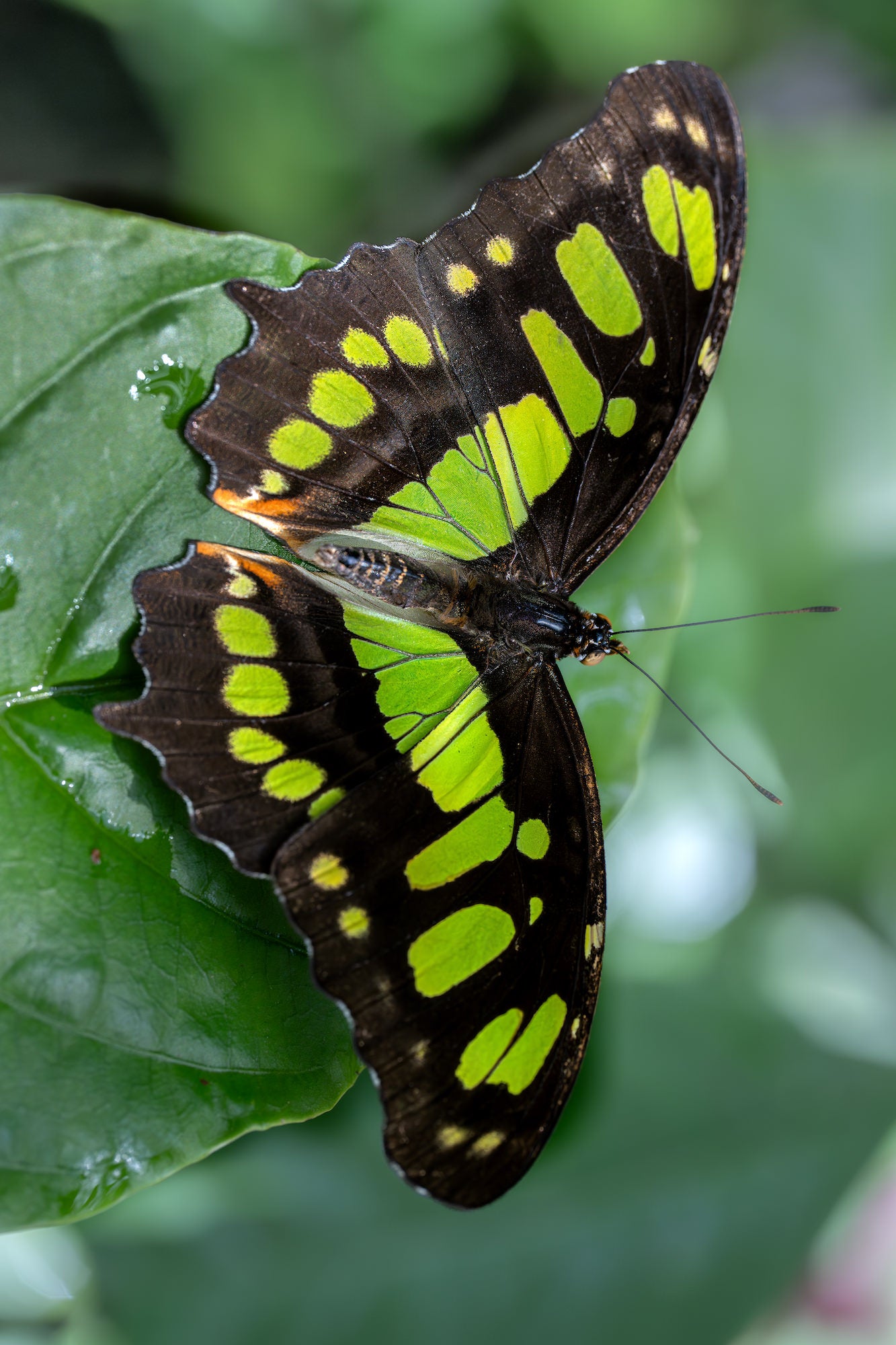
Photo by Beth Mancuso. Alpha 7R V. 100mm f/2.8 Macro G Master. 1/800-sec., f/6.3, ISO 1250
About The Creator – And Your Vote
Beth Mancuso is the reigning Alpha Female Creator of the Year, recognized for vision, craft, and community impact. The new season of Creator of the Year content is now live and open for public voting. Explore this year’s creators and support the work that moves you. Your vote helps decide which voices and visions get elevated next.
Cast your vote now through April 29: https://alphauniverse.com/creator-of-the-year/
See more of Beth’s work on Instagram @intothewild.wego.
Shop Beth’s Macro Kit:
–Alpha 7R V
–100mm f/2.8 Macro G Master