Fine art photography lives and dies under close scrutiny – on gallery walls, in museums, and in the hands of collectors who lean in to inspect every pixel. Early in Sony Artisan Brooke Shaden’s career, someone spotted a mistake in one of her prints at an exhibition, and she says that moment changed how she works forever. Since then, she's been uncompromising about image integrity, choosing tools that allow her to shoot in evocative low light, print wall-sized without sacrificing detail, and maintain sharpness edge-to-edge. In this article, Brooke shares the gear she relies on to create the highest quality images possible for the fine art market – and how it gives us the flexibility to make work that stands up to the closest look.
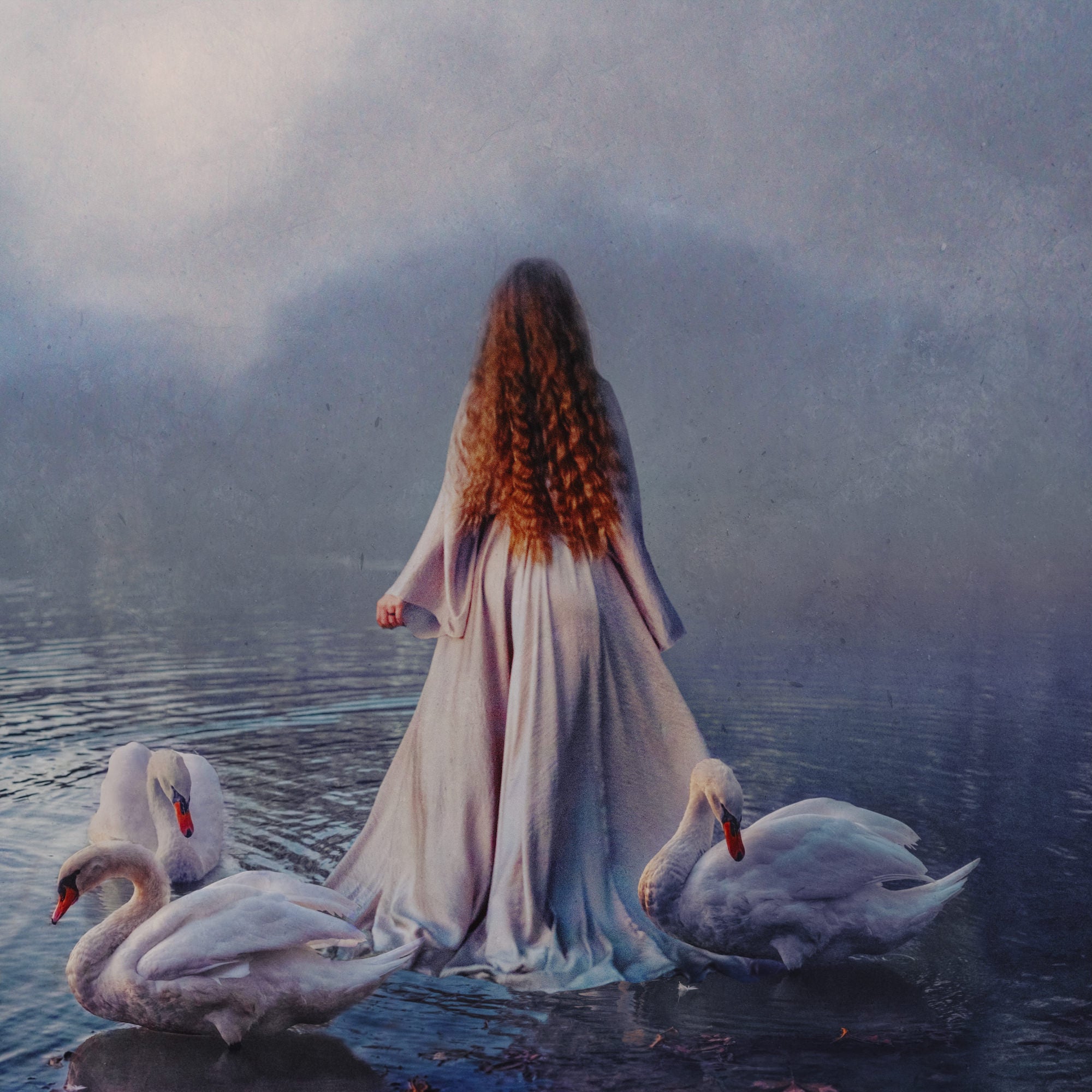
Photo by Brooke Shaden. Alpha 7R V. 24-70mm f/2.8 G Master II.
Fine Art Photography: When Every Pixel Matters
When we think of fine art photography, we often picture prints hung on gallery or museum walls with spectators squinting as close as they can to the images. Which is why, if we want to prepare our images as best we can for fine art, they need to hold up to scrutiny. I’ve had my work in galleries, art fairs, museums, and private collections, and one thing remains true across them all: art enthusiasts will get as close to the print as possible and assess every pixel.
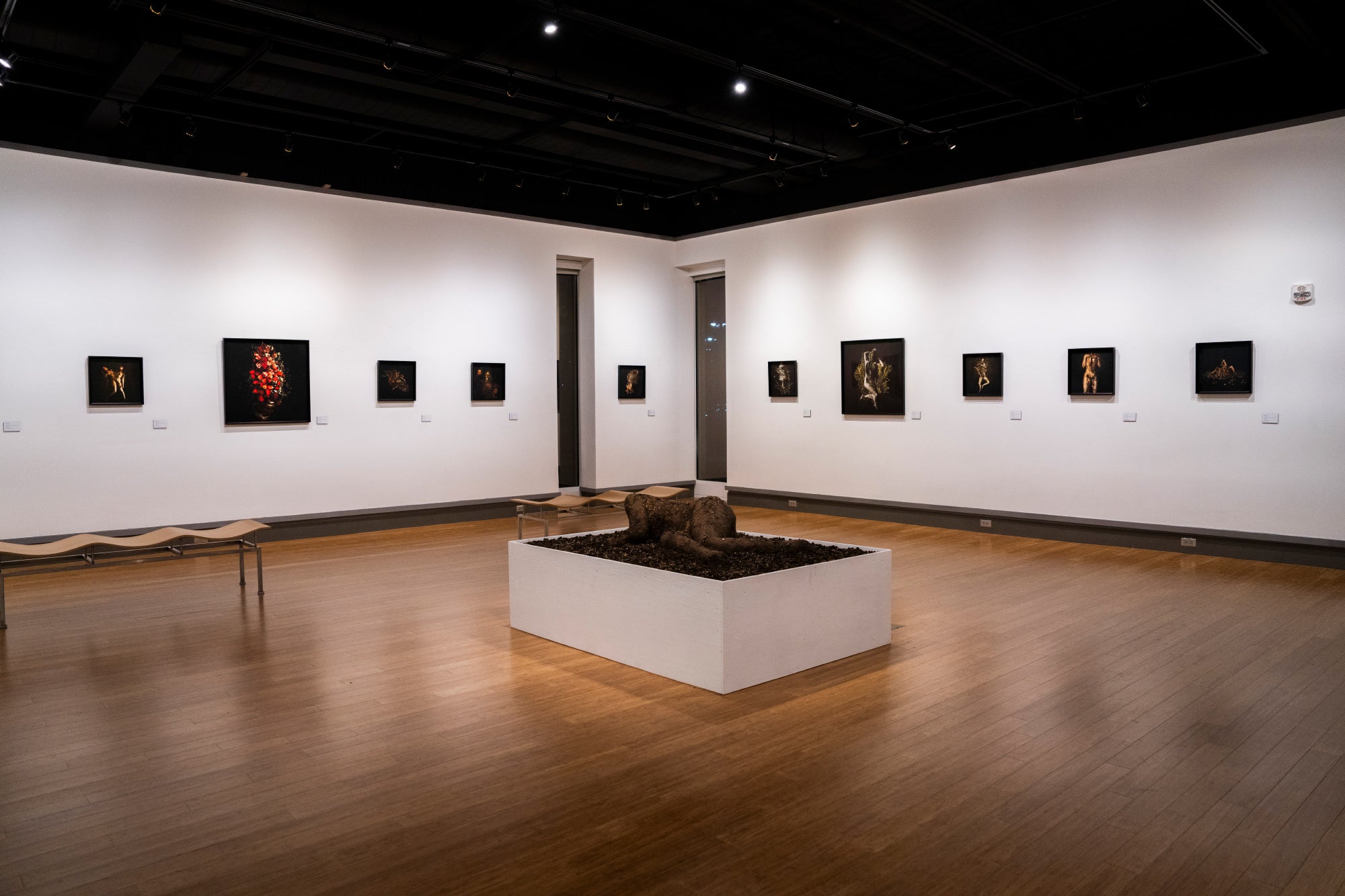
Brooke Shaden's fine art photography exhibition
At one exhibition very early on in my career, I missed a mistake in my image. Which, horrifyingly, someone attending the event pointed out. Since then, I have been meticulous in creating the highest quality images possible for the fine art market.
Best Camera For Large Fine Art Prints: Alpha 7R V (61MP)
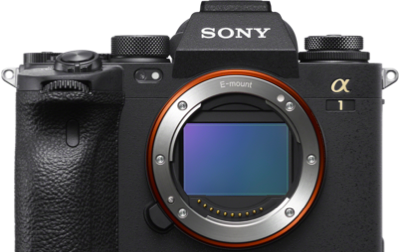
One of the ways I do that is to choose gear that allows me the greatest flexibility. The Alpha 7R V is my go-to camera. With 61MP, I can shoot wide and crop in, or I can use up all of those megapixels and produce a print triple the size, at least. This is highly valuable, because if you can put your image on a billboard, or create an extra-large print without sacrificing quality, the more options you’re giving buyers and licensors of your work.
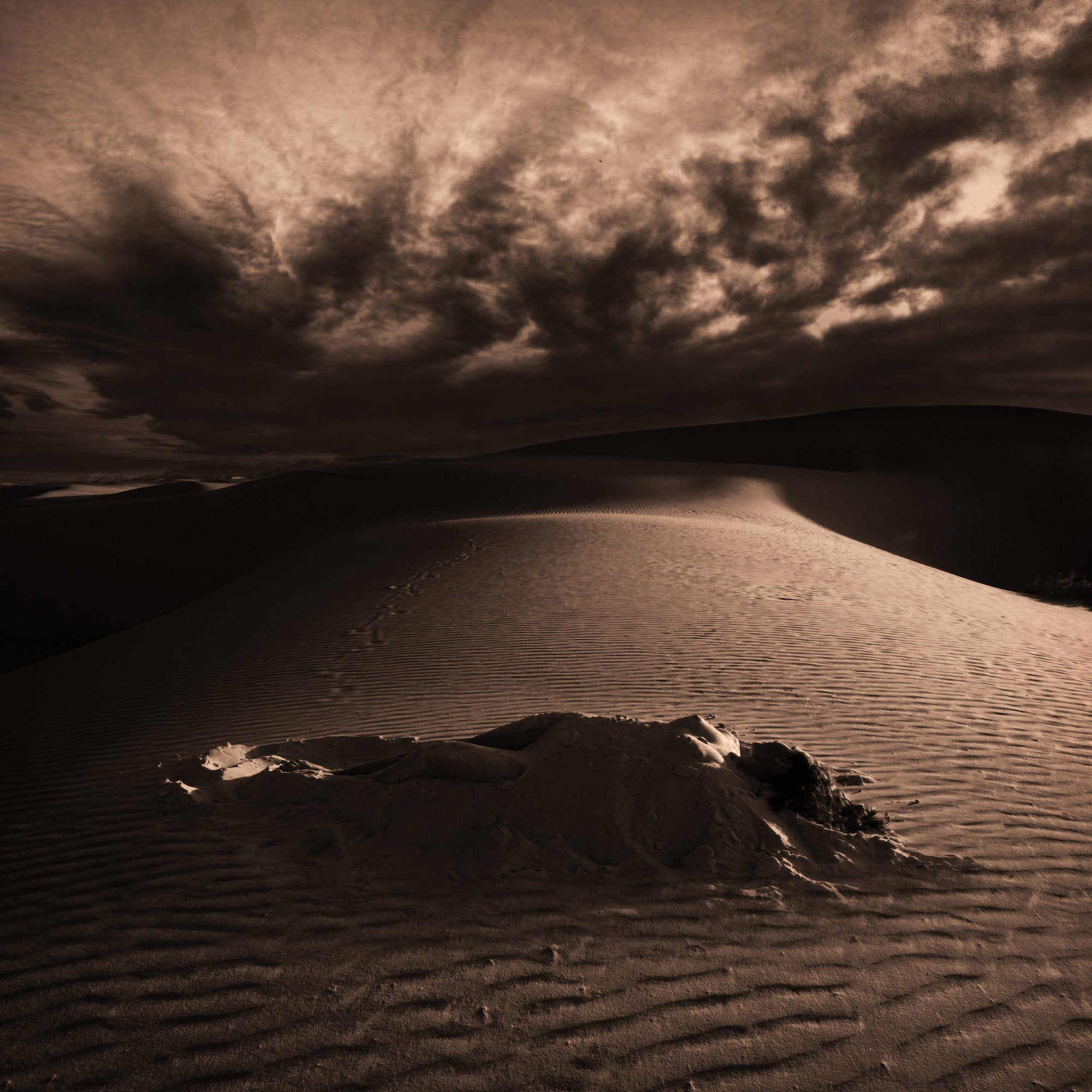
Photo by Brooke Shaden. Alpha 7R V. 24-70mm f/2.8 G Master II.
The Alpha 7R V has a very high dynamic range, meaning I can shoot in low light when the atmosphere is best and not worry about my images being too grainy or lowering quality.
The Fine Art Lens: 24–70mm f/2.8 G Master II Sharpness Edge-to-Edge
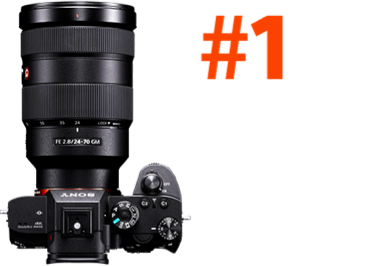
My go-to lens is the 24-70mm f/2.8 G Master II. Any lens from the G Master series will be a great choice for fine art because of its sharpness across the entire frame. The 24-70mm f/2.8 G Master II allows me flexibility in the field while never sacrificing quality.
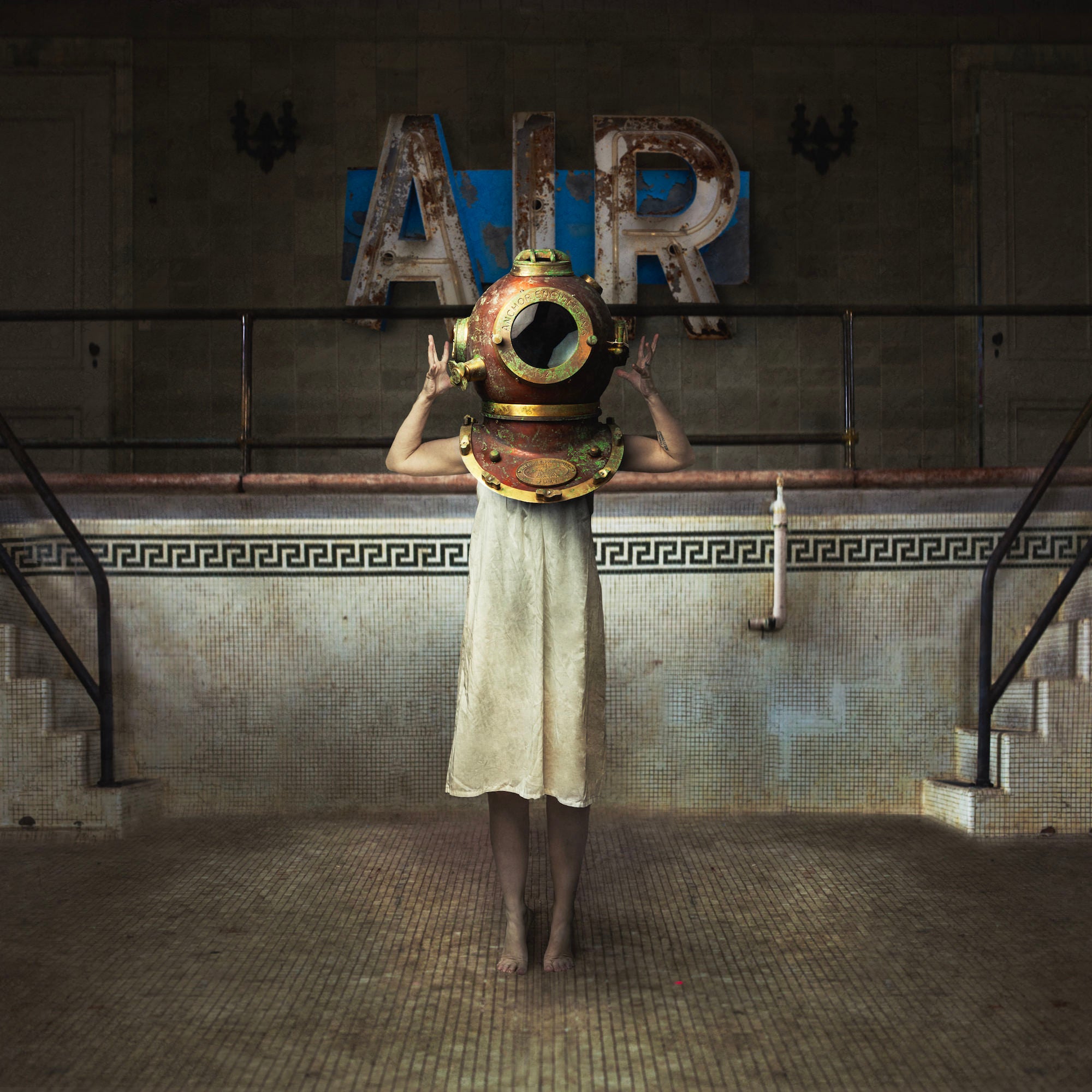
Photo by Brooke Shaden. Alpha 7R V. 24-70mm f/2.8 G Master II.
Work That Stands Up To The Highest Levels Of Judgment
In fine art, photography is a hard sell, with buyers often finding it less “artistic” and less “difficult” than other mediums. So, it is our job to show that photography is a quality artform that stands up to the highest levels of judgment.
The easiest way to begin? With the right gear.
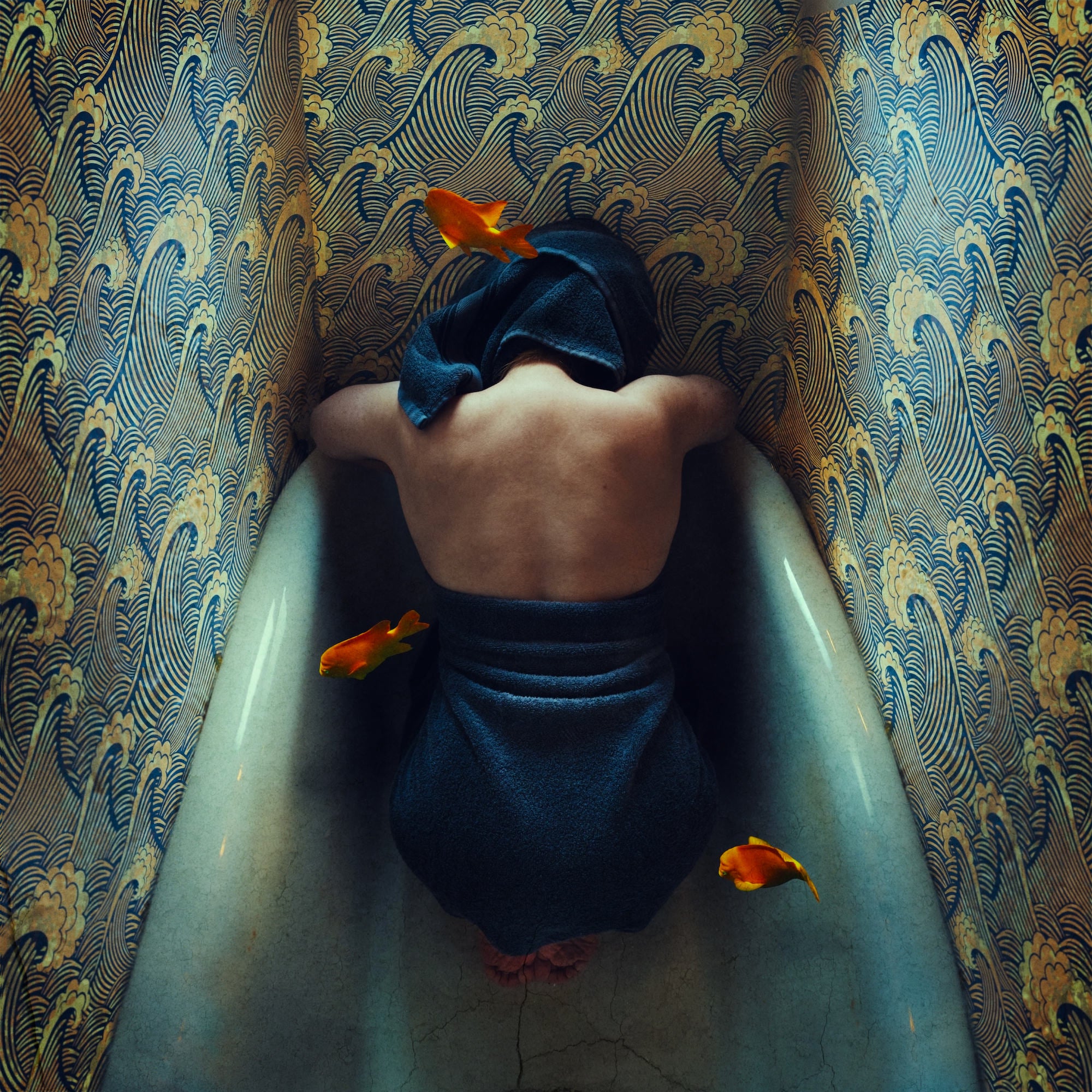
Photo by Brooke Shaden. Alpha 7R V. 24-70mm f/2.8 G Master II.
Want to learn more about self-portraiture? Brooke has a free Self-Portraiture course on Alpha Camera Academy! Click here to learn more and take the course.
See more of Brooke Shaden’s on her Alpha Universe Profile and on Instagram @brookeshaden.
Shop Brooke Shaden's fine art photography kit:
–Alpha 7R V (Now $700 off!)
–24-70mm f/2.8 G Master II