Astrophotography is a captivating pursuit that requires precision, patience and the right equipment. For photographers using Sony Alpha cameras, the extensive Sony lens lineup has so much to offer it can be difficult to decide. To help you out, below we explore some of the best Sony prime lenses suited for astrophotography – focusing on their features, performance and suitability for capturing the night sky. Explore and compare all lenses at alphauniverse.com/lenses.
What are the best lenses for night and astrophotography?
1. Sony 14mm f/1.8 G Master
Why It’s Great For Night & Astrophotography
The Sony 14mm f/1.8 GM is is purpose-built for the night sky. Its ultra-wide field of view pulls in sweeping Milky Way arches, vast starfields, and dramatic foregrounds in a single frame, while the f/1.8 aperture gathers an extraordinary amount of light – letting you keep ISO lower, retain more dynamic range, and pull finer detail from the darkness. Optical performance at the edges is exceptional: stars stay tight and coma is extremely well-controlled across the frame, even wide open.
Standout Features
- Ultra-wide 14mm focal length captures expansive starfields, full Milky Way arches, and wide environmental foregrounds in one shot
- Fast f/1.8 aperture maximizes light gathering for lower ISOs, cleaner shadows, and richer detail in the night sky
- Exceptional coma control and minimal aberrations keep stars pinpoint and well-resolved even at the corners of the frame
- Compact and lightweight (460g) for a lens of this class – easy to pack for remote dark-sky locations
Creator Review
“While I have used this lens on many video projects, taking advantage of its wide and dynamic look, I carried this lens during my thru-hike for a more specific purpose: night sky time lapses. Its 1.8 aperture allowed plenty of light in to shoot the starry sky and capture the Milky Way moving through the night during my journey through the high Sierra Nevada thanks to the built-in timelapse mode of the Sony Alpha 7S III. Plus, this lens is small and light, which makes it easier to carry with me on a hike.” – Titouan Le Roux, What’s In My Bag: A Lightweight Kit For A Thru-Hiking Photographer & Filmmaker
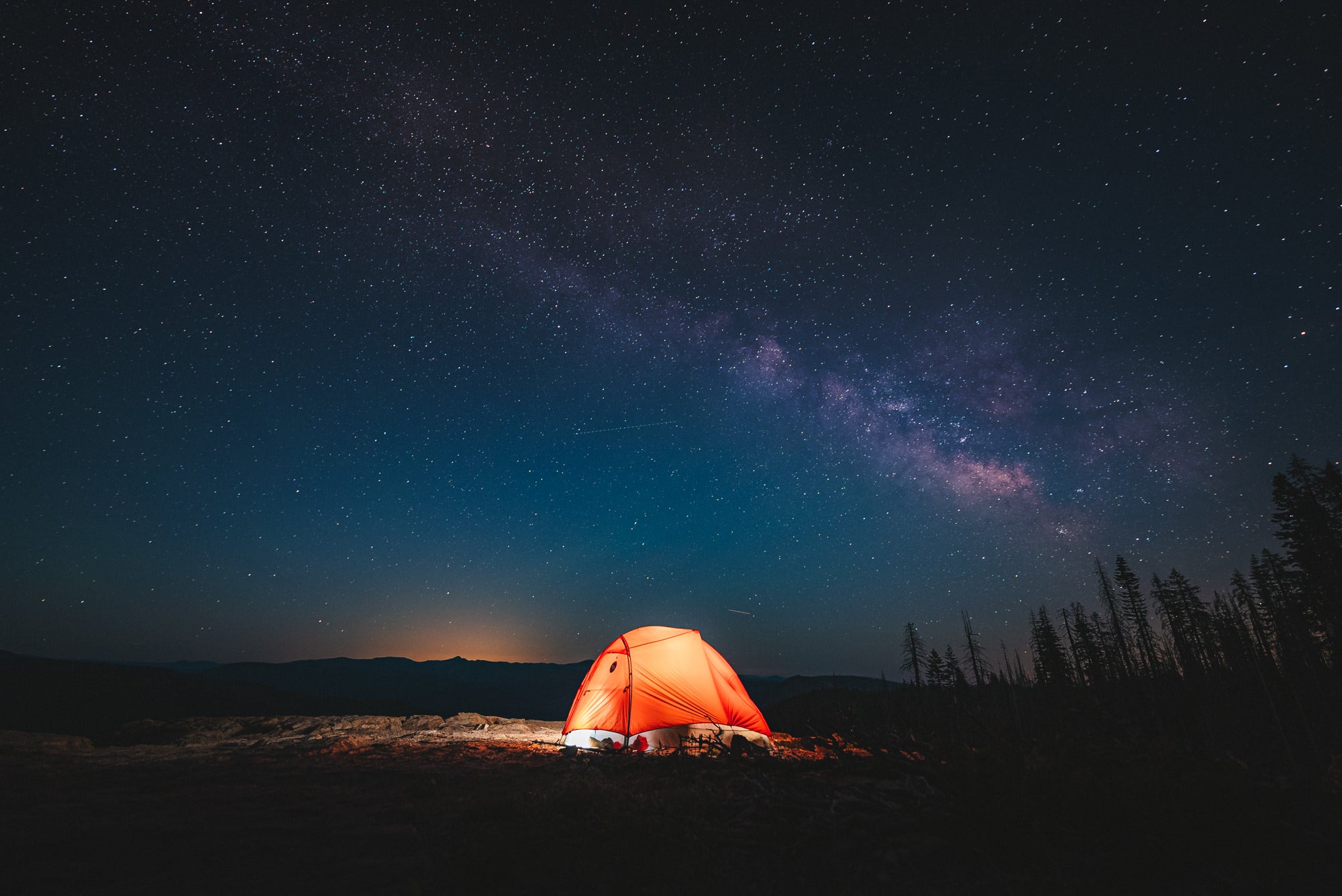
Photo by Titouan Le Roux. Alpha 7S IIl. 14mm f/1.8 G Master. 25-sec. f/1.8, ISO 3200
2. Sony 24mm f/1.4 G Master
Why It’s Great For Night & Astrophotography
If there's one lens astrophotographers consistently reach for first, it's the Sony 24mm f/1.4 GM. The focal length hits a sweet spot: wide enough to place the Milky Way core in context with a compelling landscape, yet tight enough to render stars with fine detail and give foreground subjects real presence. At f/1.4, it's one of the fastest options in the Sony lineup, and the G Master optics deliver the edge-to-edge sharpness and aberration control that night shooters demand. Pair it with a star tracker for multi-minute exposures and it becomes a true deep-sky landscape tool.
Standout Features
- 24mm focal length balances Milky Way coverage with foreground detail – ideal for single-shot compositions and panoramic sequences
- f/1.4 maximum aperture is among the fastest in the Sony FE lineup, delivering more light and greater subject separation in dark environments
- G Master optics with minimal coma, astigmatism, and field curvature for clean, sharp stars from edge to edge
- Lightweight and weather-sealed — comfortable on long nights in variable conditions
- Pairs seamlessly with a star tracker for longer, stop-down exposures with virtually no noise
Creator Review
"For this image I used the Sony Alpha 1 paired with what is perhaps Sony’s sharpest, and fastest lens, the Sony 24mm f/1.4 G Master. I like shooting a bit tighter at this location to get a tighter view of the lake, but I set up the second camera as a wide shot just in case the best parts of the aurora happened high in the sky. The Sony 24mm f/1.4 G Master turned out to be a fantastic choice as the aurora danced in the gap between the mountains. If you look closely, you can see the detail in the trees as the setting moon once again illuminated the foreground." – Rachel Jones Ross, What’s In My Bag: How This Adventurer And Nightwatcher Gets Ready For Prime Aurora Time
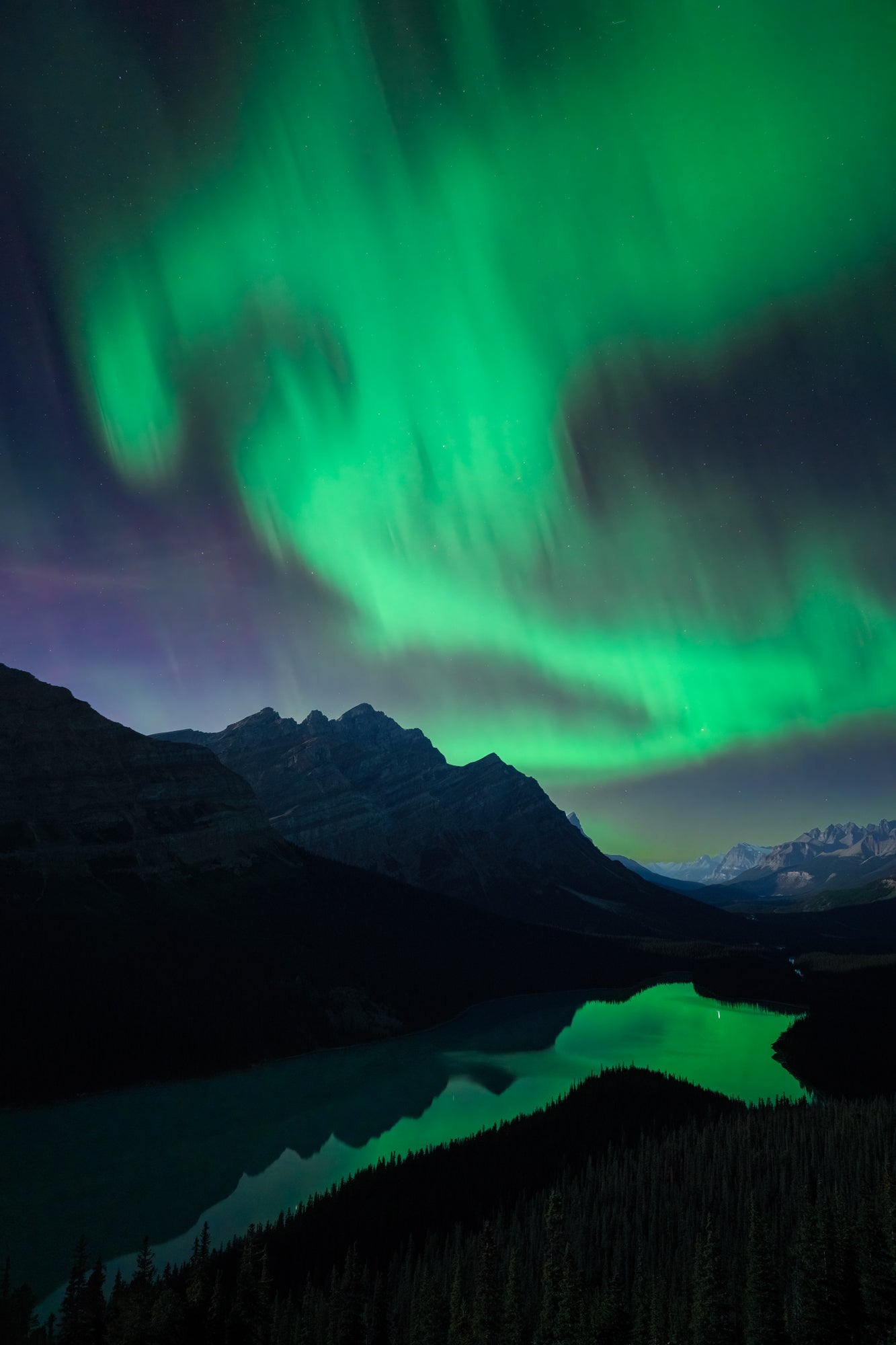
Photo by Rachel Jones Ross. Sony Alpha 1. Sony 24mm f/1.4 G Master.
3. Sony 20mm f/1.8 G
Why It’s Great For Night & Astrophotography
The Sony 20mm f/1.8 G sits in the perfect middle ground between the 14mm and 24mm – wide enough to capture the full sweep of the Milky Way arch and tight enough to give your foreground real weight and dimension. It's compact, exceptionally sharp, and performs at a level that competes comfortably with G Master glass. For photographers who want one ultra-capable night lens without the premium price tag, this is arguably the smartest pick in the lineup.
Standout Features
- 20mm focal length is an ideal single-lens choice for Milky Way arch photography and wide nightscape compositions
- Fast f/1.8 aperture delivers strong low-light performance while keeping star trailing within the 500 rule at reasonable ISO
- Excellent corner sharpness and minimal coma — critical for astrophotography where star quality across the full frame matters
- Lightweight and compact build makes it the most packable fast-prime option for backpacking and remote shooting
- Close minimum focus distance adds versatility for foreground-focused compositions
Creator Review
“This lens is such a secret killer in the Sony lineup. So small, so light, so sharp. We put this in the bag a lot for its versatility and perfect middle ground in focal length that is really wide but not too distorted. I got out of the tent solo in the middle of the night for this shot and the 20mm was the choice for a super fast night shot that didn’t seem too distorted. It was perfect for this night shot building snow walls as we tried to survive the 100mph winds.” – Renan Ozturk, What’s In My Bag: A Film Director & Photojournalist’s On-Assignment Kit
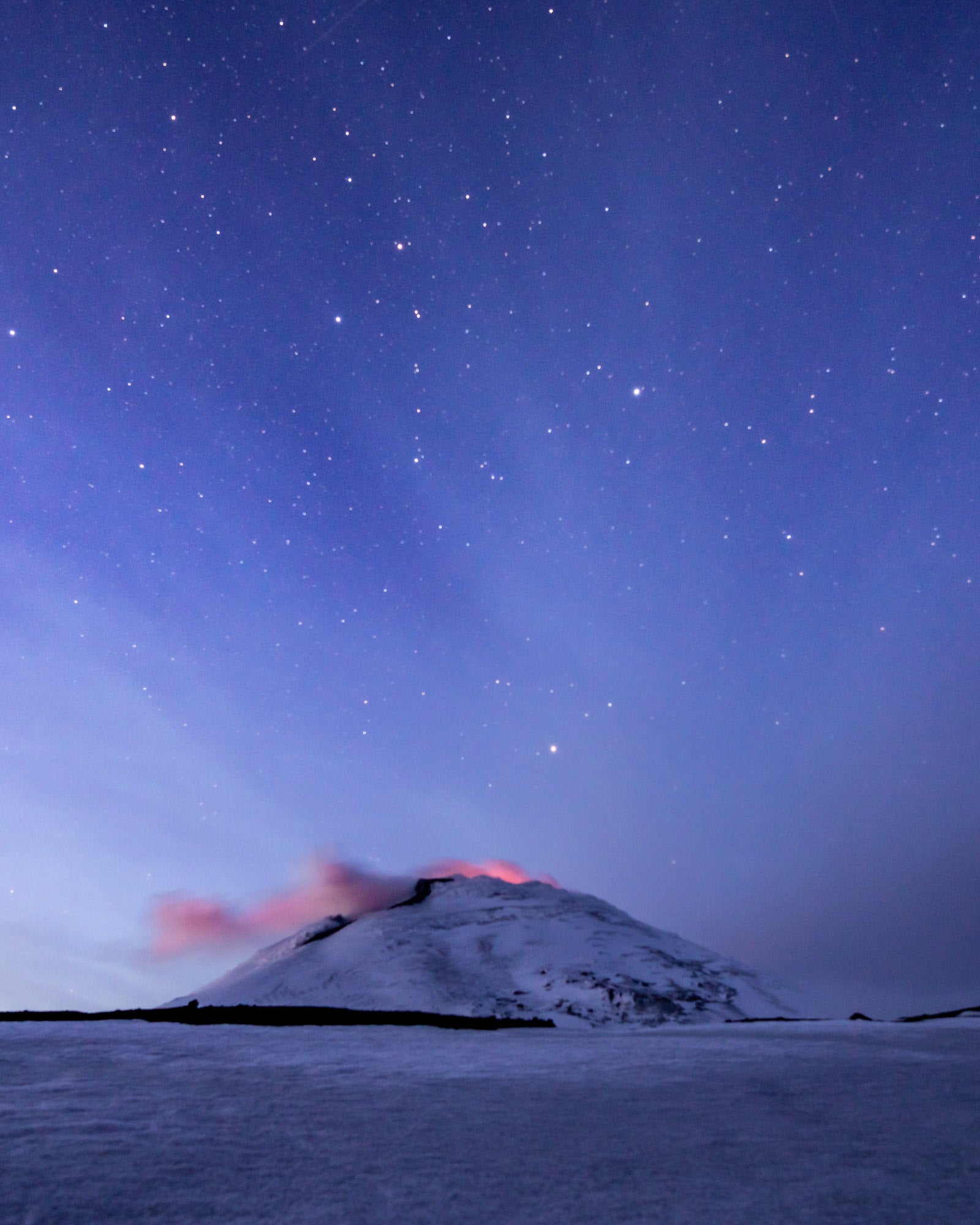
Photo by Renan Ozturk. Sony Alpha 7R IV. Sony 14mm f/1.8 G Master. 10-sec., f/1.8, ISO 800
4. Sony 35mm f/1.4 G Master
Why It’s Great For Night & Astrophotography
When the goal shifts from sweeping skyscapes to intimate nocturnal storytelling — a portrait under the Milky Way, a lone tree silhouetted against a starfield, a light-painted cabin in the foreground – the Sony 35mm f/1.4 GM is the lens to reach for. Its natural field of view draws viewers into the scene while the f/1.4 aperture keeps your ISO firmly in check. Sharpness wide open is remarkable, and the rendering quality gives nightscape images a cinematic depth that wider lenses simply can't match.
Standout Features
- 35mm field of view delivers a natural, immersive perspective — ideal for environmental nightscapes and subjects set in context
- f/1.4 aperture excels in extreme low light, enabling fast enough shutter speeds to freeze stars while maintaining a clean image
- Exceptional wide-open sharpness and G Master rendering quality for a finished, cinematic look
- Smooth 11-blade aperture produces beautiful, well-rounded bokeh on out-of-focus light sources and star trails
- Compact for an f/1.4 prime – balances well for handheld night work
Creator Review
"If I was only allowed one lens, the Sony 35mm f/1.4 G Master would be it. It's long enough to give you a sense of place but when you’re in tight and it's wide open, it could almost be mistaken for a longer portrait lens. It frees me up to shoot in almost any light. I still can't get over the degree to which I can shoot in situations you think won't even show up. Some of the images from this shoot speak to that. I could shoot most of the pictures I would ever want to shoot with this lens. The manual aperture ring is back to the future and I still can't get over how small and light this lens is." – David McLain, What’s In My Bag: This Pro's Simplified Kit For Authentic Storytelling

Photo by David McLain. Sony Alpha 7R V. Sony 35mm f/1.4 G Master. 1/80-sec., f/1.4, ISO 12800
5. Sony 12-24mm f/2.8 G Master
Why It’s Great For Night & Astrophotography
When you need maximum compositional flexibility under the night sky, nothing in the Sony lineup matches the 12-24mm f/2.8 GM. The 12mm end is among the widest rectilinear fields of view available, swallowing entire horizon-spanning Milky Way arches with room for dramatic foregrounds — while the constant f/2.8 aperture means you don't sacrifice light as you zoom in to 24mm for tighter compositions. It's the definitive night-sky zoom for photographers who want the freedom to compose without switching glass.
Standout Features
- 12–24mm zoom range at a constant f/2.8 – the widest fast zoom available for Sony full-frame, covering everything from horizon-filling skyscapes to detailed foreground-sky compositions
- G Master optical design delivers exceptional sharpness and aberration control across the full zoom range and into the extreme corners
- Front element accepts clip-in or rear-mount filters – important for night photographers using light-pollution filters or ND gels
- Robust weather sealing for unpredictable overnight conditions in the field
- Compatible with Sony's full autofocus system for flexibility across day-to-night shooting sessions
Creator Review
"This lens is all about scale. When you want to show the enormity of a city/stadiums towering into the skyline, clouds racing overhead, streets flowing like arteries nothing beats an ultra-wide. It’s dramatic without feeling distorted, and it’s a staple for epic establishing timelapses." – Drew Geraci, What’s In My Bag: Bringing Cities to Life, One Image Sequence At A Time(lapse)
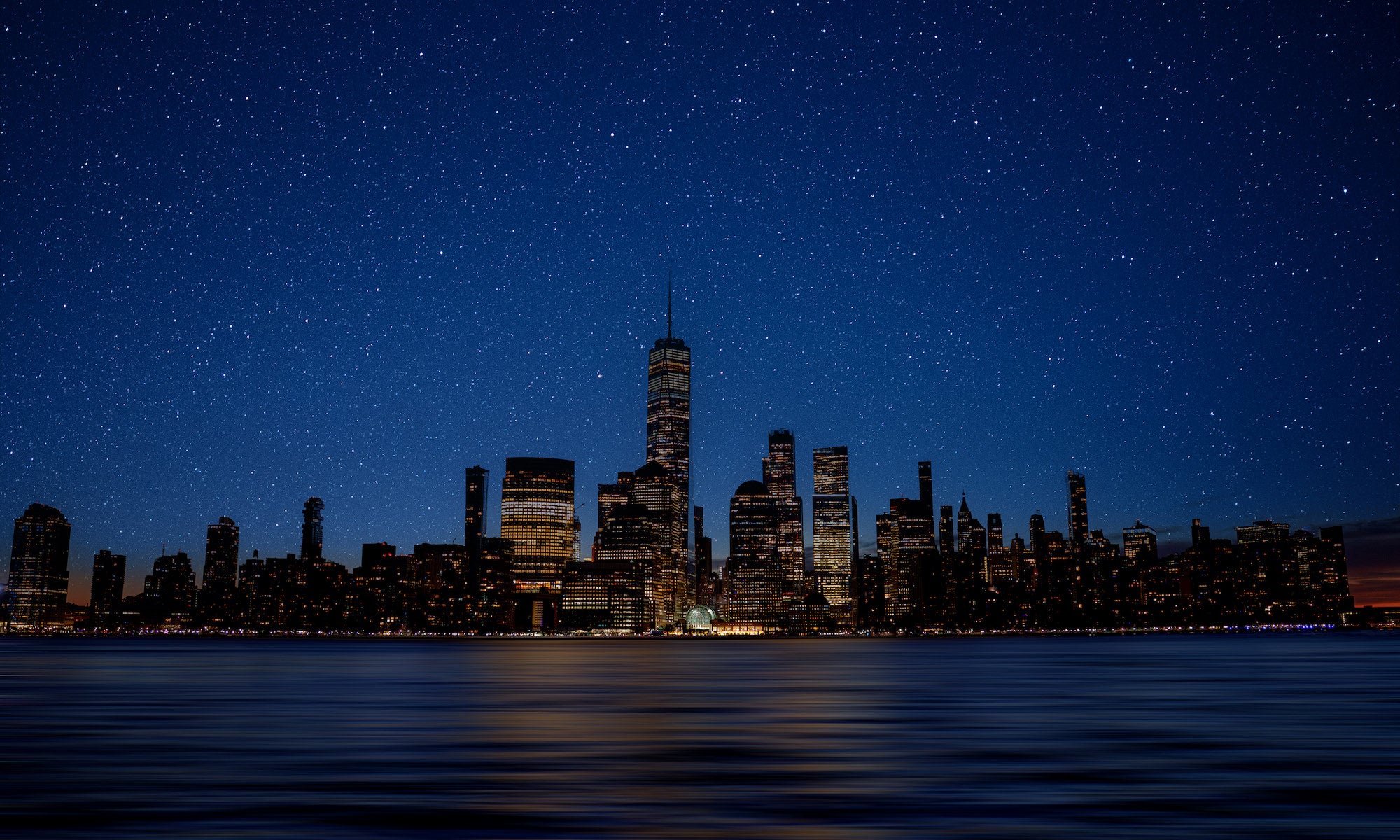
Photo by Drew Geraci (from timelapse). Alpha 1 II. 12-24mm f/2.8 G Master.
6. Sony 16-35mm f/2.8 G Master II
Why It’s Great For Night & Astrophotography
The 16-35mm f/2.8 GM II is the Swiss Army knife of night photography zooms. At 16mm it's wide enough to frame sweeping nightscapes and light-painted landscapes, while 35mm gives you reach for isolating specific constellations, light structures, or environmental subjects. The second-generation optics and autofocus make it a seamless transition from day to night shooting – perfect for photographers covering events, workshops, or mixed-genre projects where swapping glass isn't an option.
Standout Features
- 16-35mm range at constant f/2.8 covers the most useful night photography focal lengths in a single, versatile package
- Second-generation G Master optics with improved sharpness, lower distortion, and better coma correction vs. the original
- Lighter and more compact than its predecessor – easier to handle on a tripod or handheld during overnight sessions
- Highly responsive AF for astrophotography blends and focus-stack composites
- Weather sealed for confidence in demanding overnight environments
Creator Review
"While I own almost all the prime lenses that Sony has offered in the past decade, when travelling to off-beat locations and with restrictions on airline baggage weight, I usually travel with zooms. The 16-35mm f/2.8 G Master II are excellent lenses and provide a wide field of view necessary for Milky Way photography. Its fast aperture and coma free corners render the stars and nebulae precisely." – Vikas Chander, What’s In My Bag: The Ultimate Astro Kit For Milky Way & Deep Sky Photography
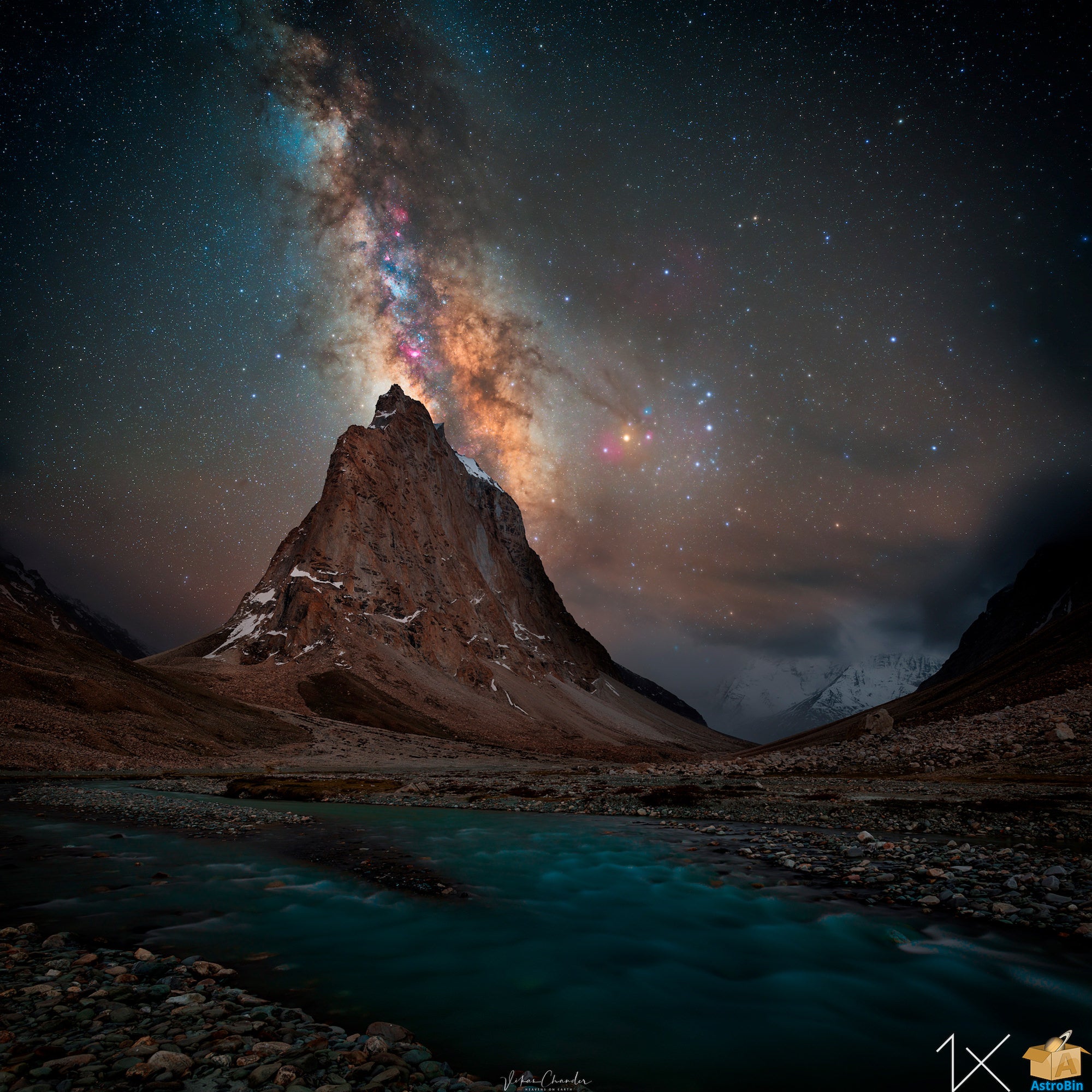
Photo by Vikas Chander. Alpha 7R V. 16-35mm f/2.8 G Master II. 300, 480-sec., f/2.8, ISO 800
7. Sony 16mm f/1.8 G
Why It’s Great For Night & Astrophotography
The Sony 16mm f/1.8 G is a remarkable addition to the astrophotography toolkit, offering an ultra-wide field of view ideal for capturing expansive starry skies. Its fast f/1.6 aperture ensures excellent low-light performance, making it perfect for photographing the Milky Way and other celestial phenomena.
Standout Features
- Ultra-Wide Angle: The 16mm focal length captures broad vistas of the night sky, providing a dramatic perspective.
- Fast Aperture: The f/1.6 aperture allows for more light intake, reducing noise and enhancing image quality in dark conditions.
- Advanced Optical Design: Features cutting-edge aspherical elements and ED glass to minimize distortion and chromatic aberrations.
Creator Review
“I love using my 16-35mm f/2.8 GM during the day, but at night I need more light so I find myself reaching for either the 14mm f/1.8 GM or the 20mm f/1.8 G. So now having my favorite focal length, 16mm, in my favorite aperture, f/1.8, is literally the lens I've been dreaming of for years." – Nate Luebbe, Sony 16mm f/1.8 G: See The First Shots Taken With The New Ultra-Wide Lens
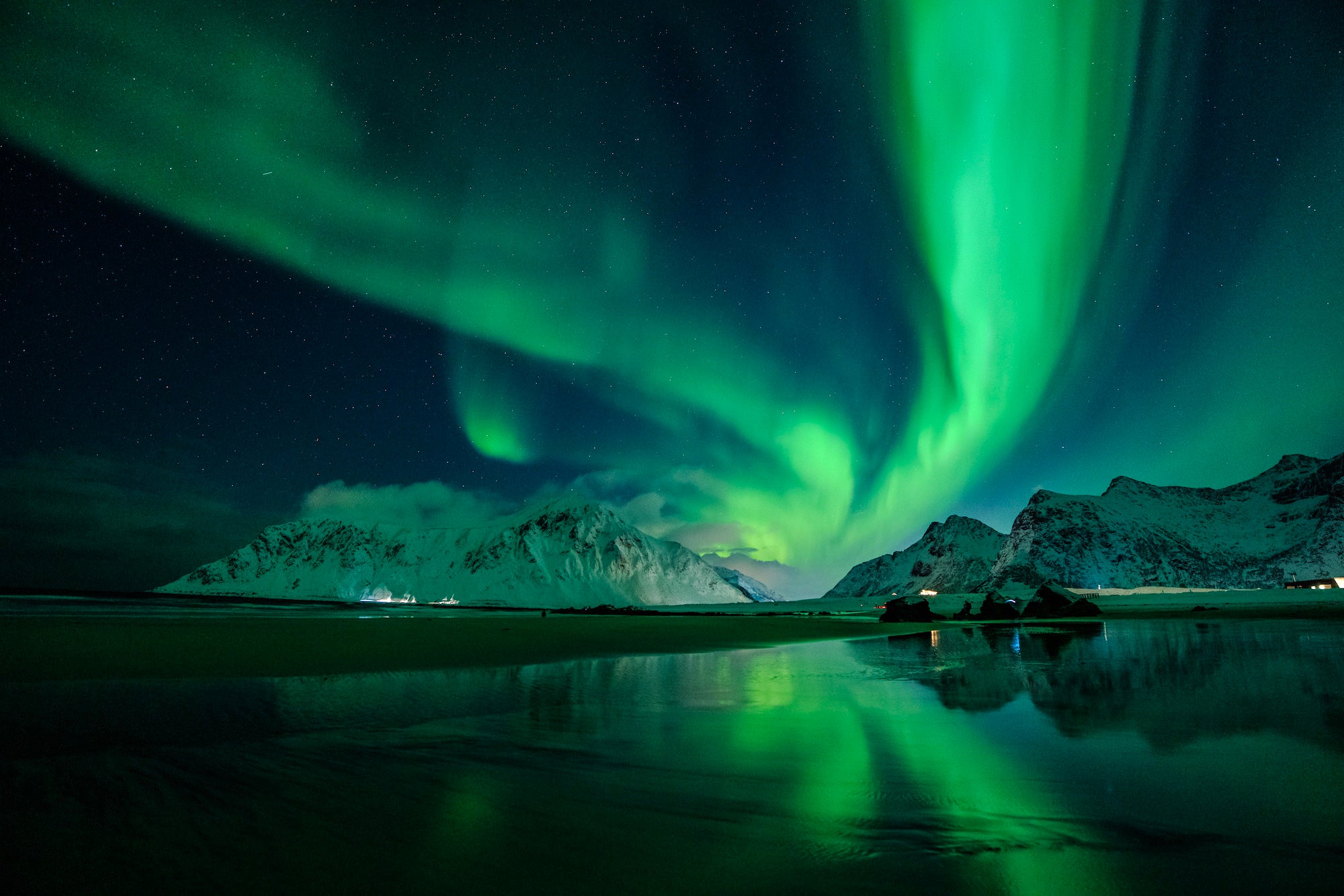
Photo by Nate Luebbe. Sony Alpha 1 II. Sony 16mm f/1.8 G.
Explore and compare all lenses at alphauniverse.com/lenses.