Miguel Bellido (@mikebellidowildlife) spends his free time capturing the beauty of the wild side of nature. “My passion for wildlife began long before I even picked up a camera,” he explains. “Being surrounded by nature, observing animal behavior while getting immersed into their habitat, it’s where I’ve always felt most alive. Over time, photography became the perfect way to preserve and share those powerful moments with others. When working with the unpredictable nature of wild animals, relying on the best and most versatile equipment is essential.”
Keep reading below as Miguel shares the main wildlife photography gear in his bag while exploring the vast plains of the Maasai Mara.
Shop This Kit:
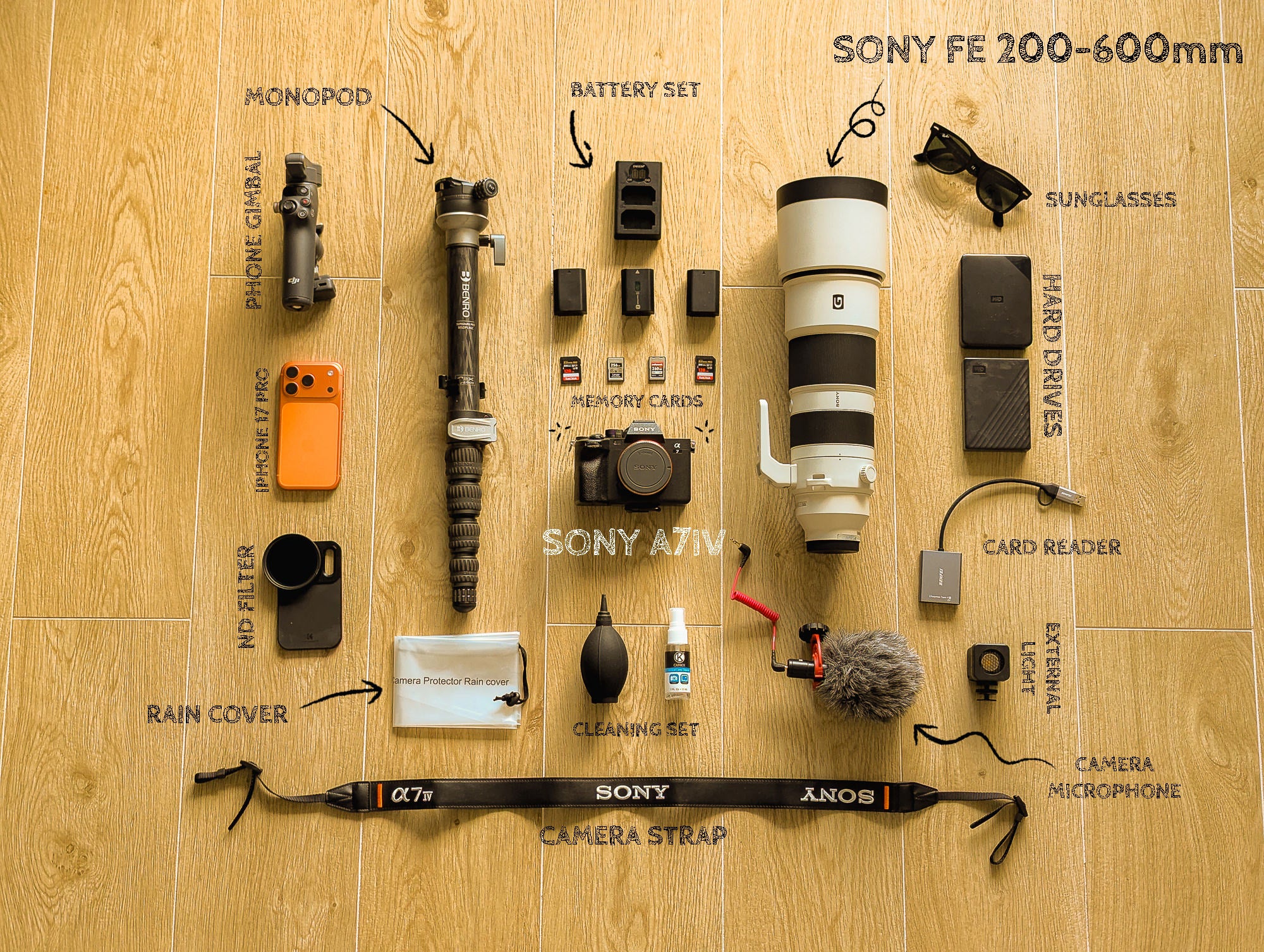
Camera: Alpha 7 IV
Lens: 200-600mm f/5.6-6-3 G
Camera
Alpha 7 IV: When I had to choose my very first camera body to begin my photography journey, my budget was quite limited. The Sony Alpha 7 IV turned out to be the perfect match, so much so that, after several years of intensive use, it’s still my main camera today.
In my opinion, it offers the best balance on the market (with the kind permission of the brand-new Sony Alpha 7 V), and it’s what I like to call “the off-road camera.”
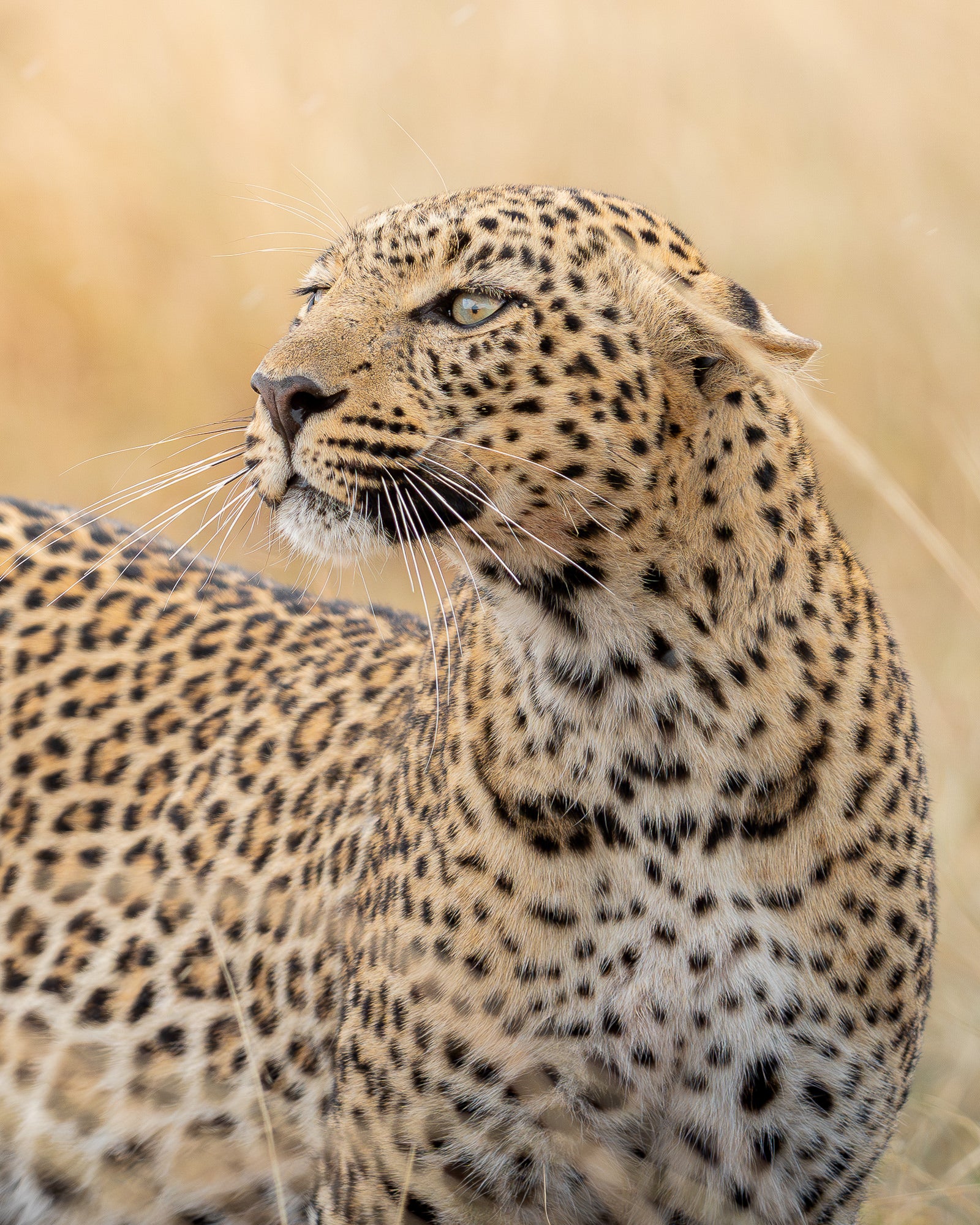
Photo by Miguel Bellido. Alpha 7 V. 200-600mm f/5.6-6.3 G. 1/1000-sec., f/6.3, ISO 1600
It excels at capturing fleeting moments in the wild, thanks to its solid burst speed (6 fps in RAW) and a remarkably reliable autofocus system, capable of tracking animals even through the tall grass so common in the Maasai Mara. And with its 33 MP sensor, cropping long-distance shots is still possible without compromising image quality.
Last but not least, the ability to switch instantly between photo and video modes is a huge advantage in the field. The S&Q mode is a real standout on this camera, enabling slow-motion video capture at up to 120 fps. This makes the Alpha 7 IV a true beast when it comes to covering both photography and videography simultaneously.
Lens
200-600mm f/5.6-6.3 G: This is the only lens I carry with me when photographing in the Maasai Mara.
When choosing gear for this type of photography, attention to detail is essential. This lens is incredibly versatile, offering the ideal focal length range for capturing wildlife at long distances.
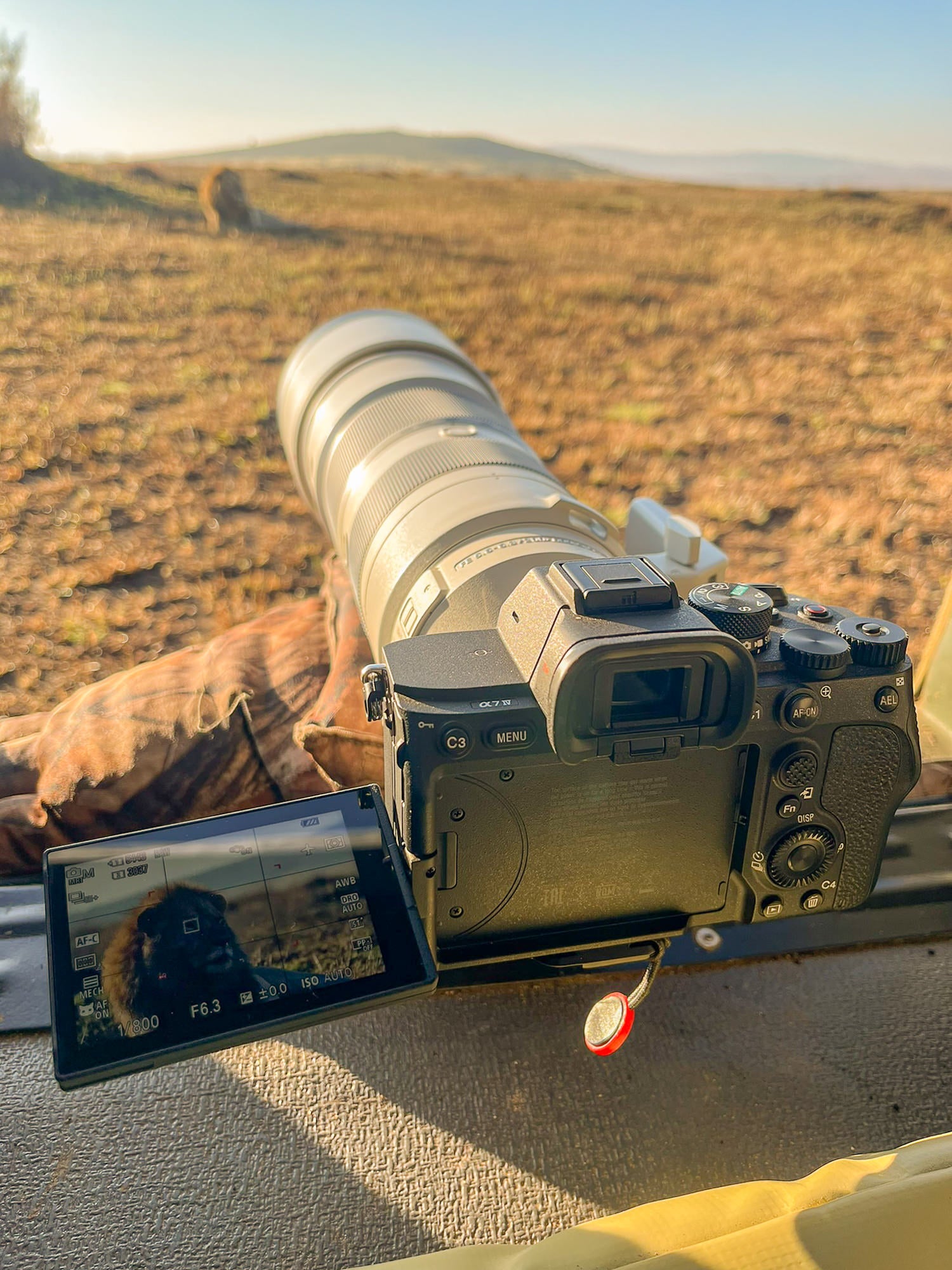
Photo by Miguel Bellido
The Maasai Mara (like most African national parks) is extremely dusty. The internal zoom design of this lens is a true game changer, allowing for fast and exceptionally smooth focal length changes, while keeping dust out of the lens’s internal mechanism.
Other features I truly appreciate are its excellent image stabilization and the different stabilization modes it offers. Being able to stabilize the lens along different axes opens up a lot of creative possibilities. And despite being a large telephoto lens, it is still light enough to shoot handheld, allowing me to react quickly to fast-moving action.
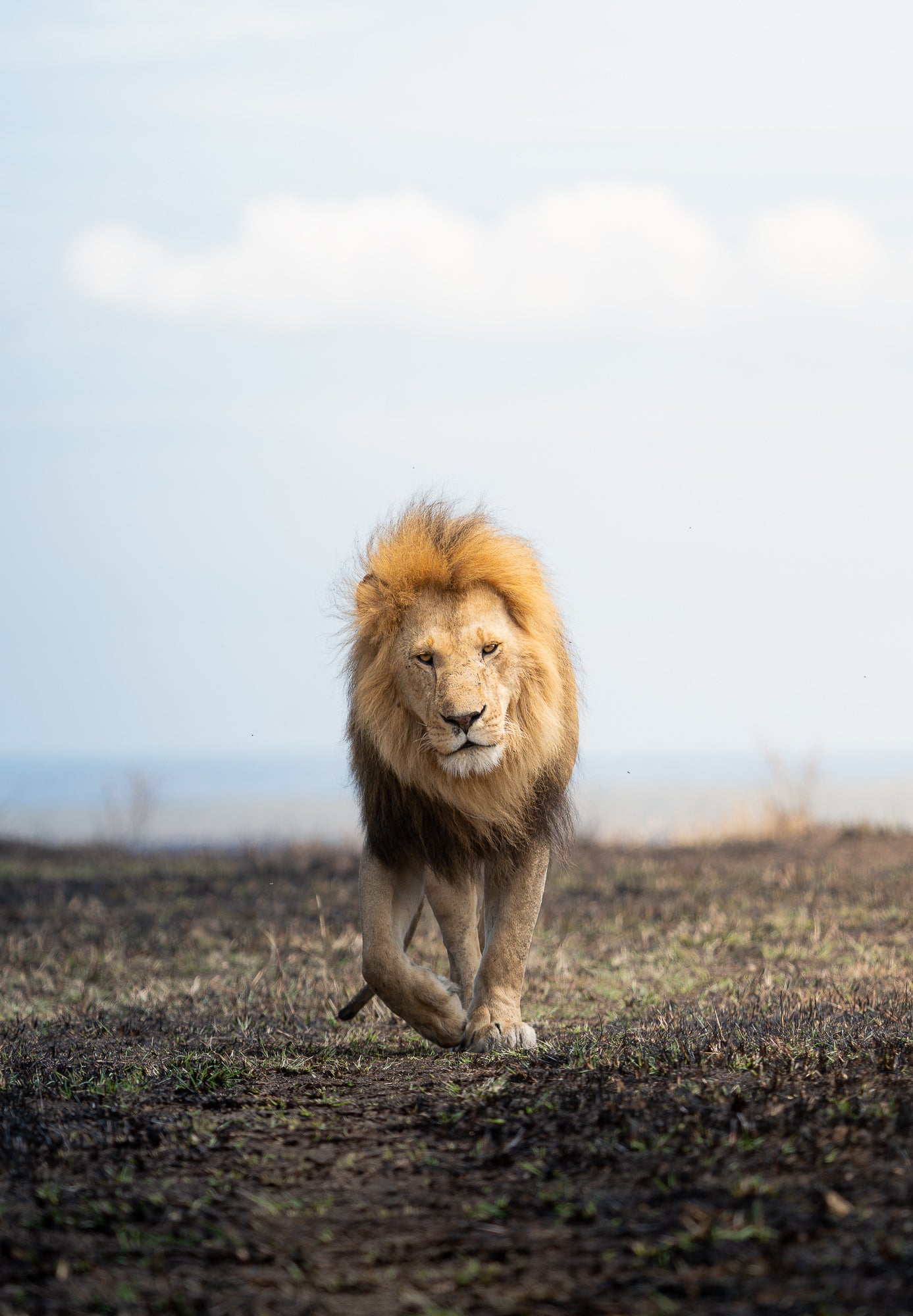
Photo by Miguel Bellido. Alpha 7 V. 200-600mm f/5.6-6.3 G. 1/1000-sec., f/6.3, ISO 500
Accessories
BENRO Monopod: Extremely useful when trying to capture low-angle shots from a safari vehicle. When paired with the Sony Creators' App this setup is ideal for achieving true eye-level perspectives, images that create a much stronger emotional connection when viewed.
Rain Cover: You’ll never forgive yourself if you miss the perfect shot just because a sudden downpour hits at the wrong moment – which, honestly, happens far more often than you’d expect in the Maasai Mara.
Battery Set: Always carry at least two spare batteries, along with a USB battery charger. I usually recharge batteries directly in the safari vehicle between sightings, which is essential during long days in the field when access to power is limited and action never really stops.
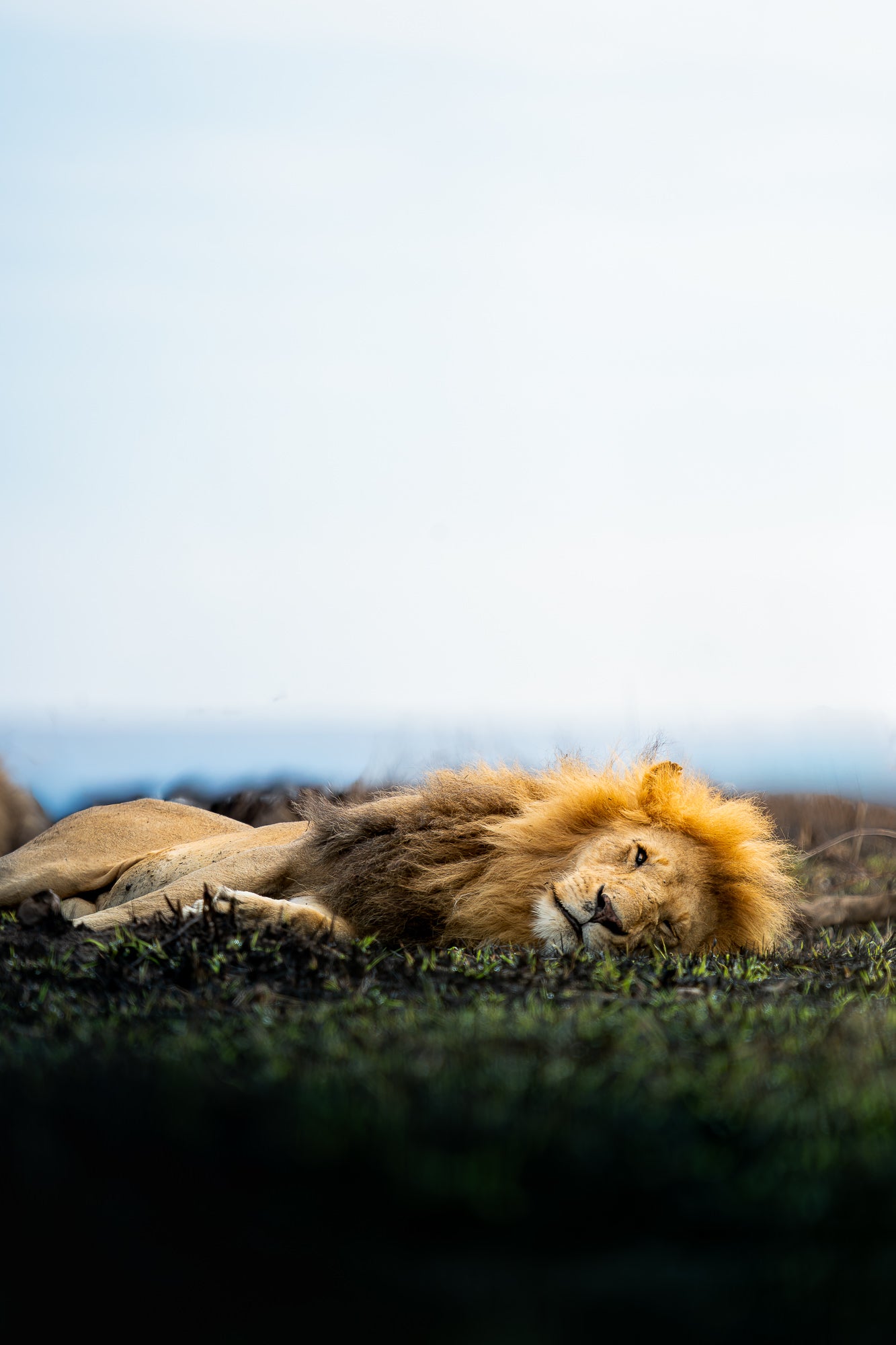
Photo by Miguel Bellido. Alpha 7 V. 200-600mm f/5.6-6.3 G. 1/320-sec., f/6.3, ISO 100
Spare Memory Cards: You can never have enough storage when photographing wildlife. Fast, high-capacity memory cards are a must when shooting continuous action, long bursts, and video – especially during those intense moments that seem to never end out in the wild.
Phone + DJI Gimbal + ND filter: I always like to capture behind-the-scenes moments to share on my social media. This setup allows me to stay fully focused on my main camera while effortlessly recording behind-the-scenes footage in the background.
Cleaning Set: A compact cleaning kit is essential when working in dusty environments like the Maasai Mara. An air blower is key for removing dust particles from the sensor, while a dedicated lens-cleaning spray helps keep the front element free from dust and smudges, ensuring consistent image quality throughout long shooting days.
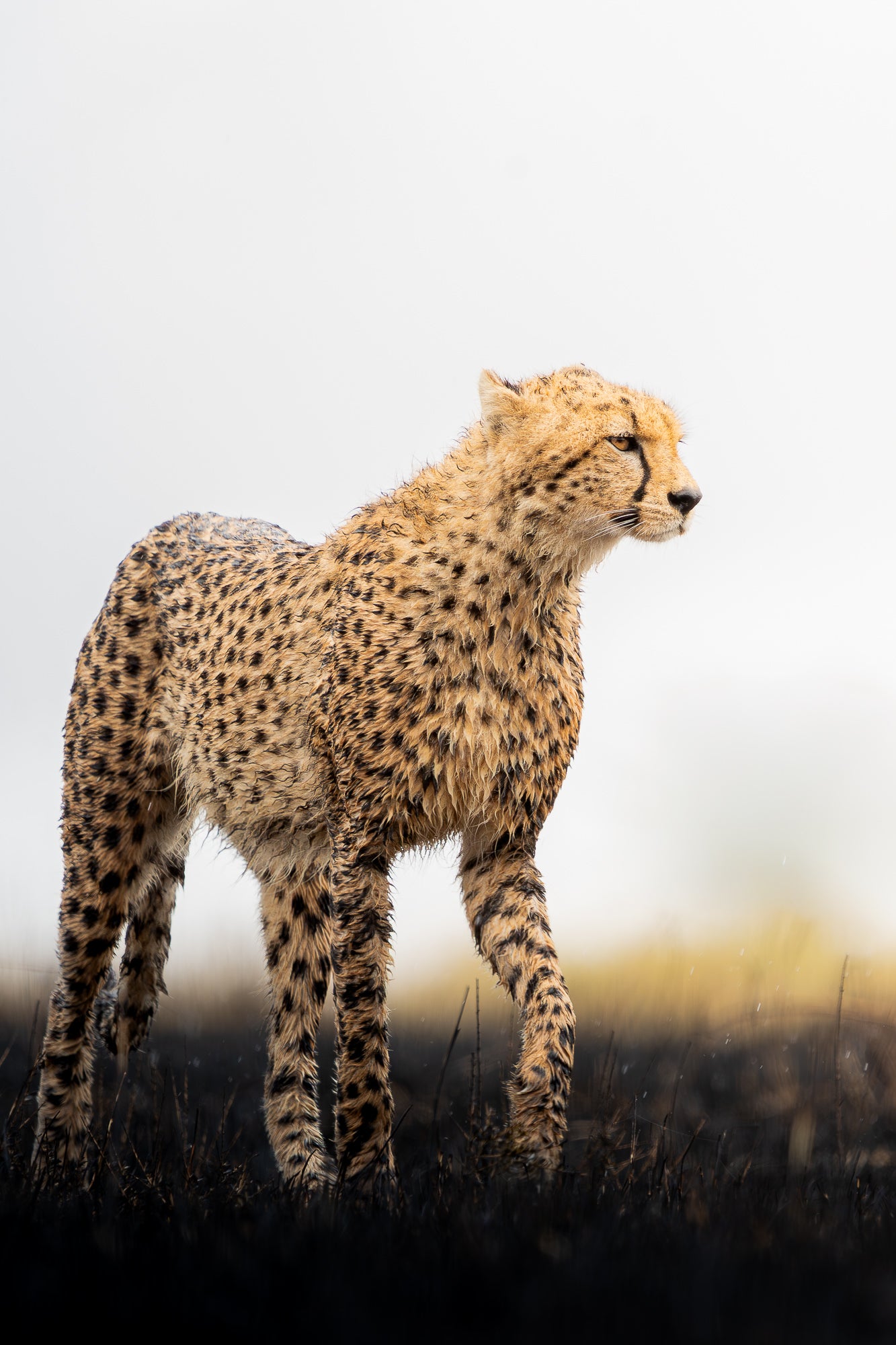
Photo by Miguel Bellido. Alpha 7 V. 200-600mm f/5.6-6.3 G. 1/1000-sec., f/6.3, ISO 1250
Camera External Microphone: Using an external microphone is essential when recording video in open environments. It helps significantly reduce wind noise and delivers much cleaner, more usable audio – especially when filming from a moving safari vehicle or in exposed conditions.
External Light: Carrying a compact external light can be extremely useful for occasional night photography or low-light situations. It provides controlled illumination when natural light is no longer available, allowing you to keep shooting even after sunset.
See more of Miguel Bellido’s work on Instagram @mikebellidowildlife.
See the gear used by more of your favorite photographers at alphauniverse.com/wimb.