Henrique Maia (@maiawildlife) is founder and CEO of MaiaWildlife, a company dedicated to photographic eco-friendly travel and wildlife conservation, and a wildlife photographer and expedition leader driven by a lifelong passion for nature, exploration and storytelling. "My journey behind the lens began 15+ years ago, fueled by a love for travel and a fascination with the raw beauty of wild places," he explains. "From the African savannah to remote wildernesses across the globe, I’ve dedicated my career to capturing authentic moments in nature that inspire awe and respect for our planet’s wildlife."
Over the years, his work has evolved from personal adventures to guiding others on unforgettable photographic expeditions, where the goal is not only to create beautiful images, but also to raise awareness about conservation and the importance of protecting fragile ecosystems. "When I’m out in the field – whether at the golden hour in South Africa’s Dinokeng Game Reserve or tracking tigers in India – my camera bag is always packed with the gear that allows me to work in any light, weather or situation. For wildlife photography, this is the gear I rely on." Keep reading as Henrique Maia shares what you'll find in his bag.
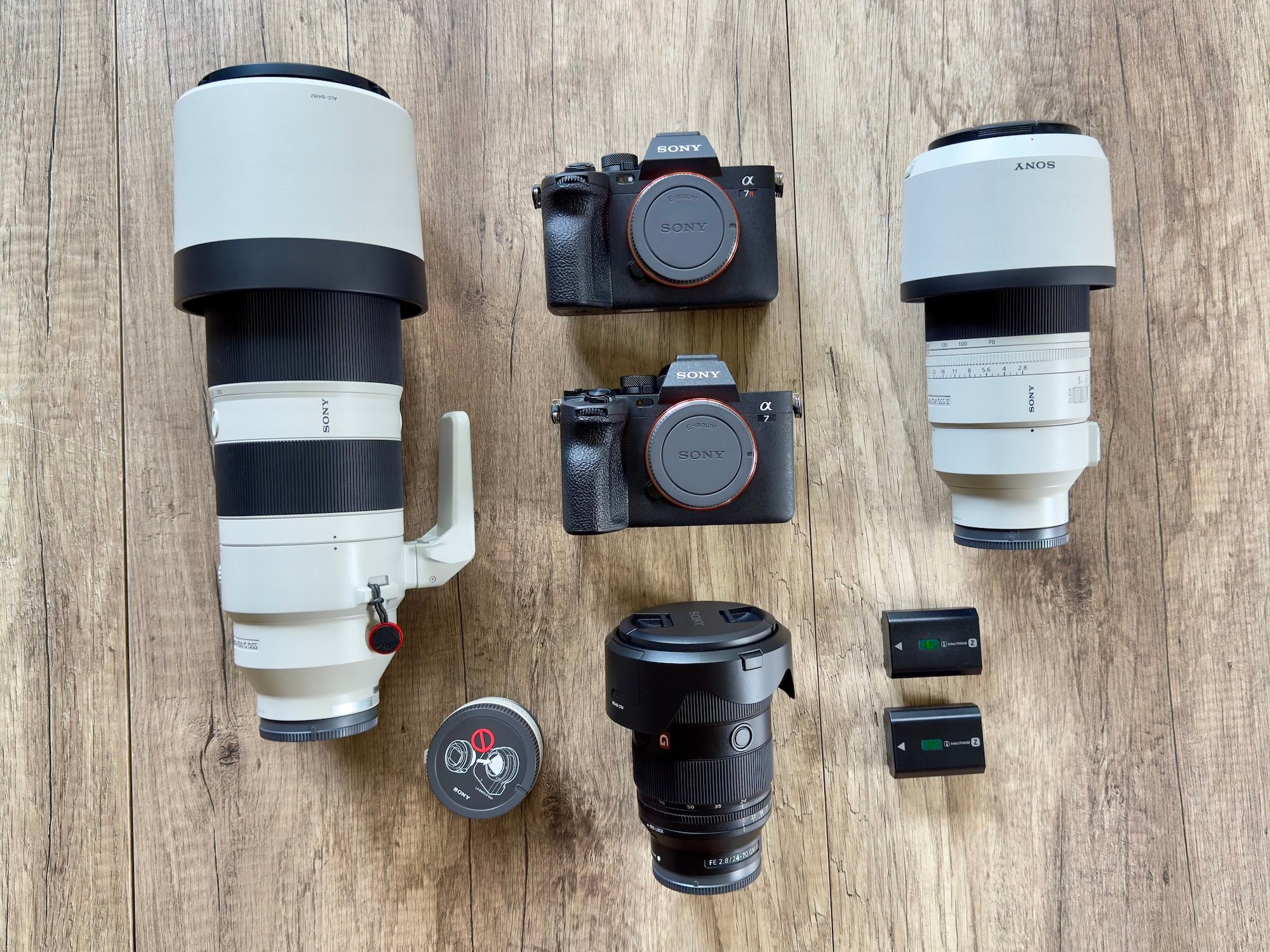
Shop This Kit:
Cameras: Alpha 7R V, Alpha 7 IV
Lenses: 24-70mm f/2.8 G Master II, 70-200mm f/2.8 G Master II, 200-600mm f/5.6-6.3 G, 1.4x Teleconverter
Cameras
Alpha 7R V (Buy Now): My precision tool for detail and storytelling. The Alpha 7R V isn’t just a camera in my bag – it’s the one I reach for when every single detail matters. Its 61-megapixel sensor gives me extraordinary resolution, allowing me to capture the fine textures of a lion’s mane, the glint in an elephant’s eye or the delicate patterns on a bird’s feathers. In wildlife photography, those details aren’t just decoration – they’re the essence of the subject, the elements that make a photograph truly immersive.
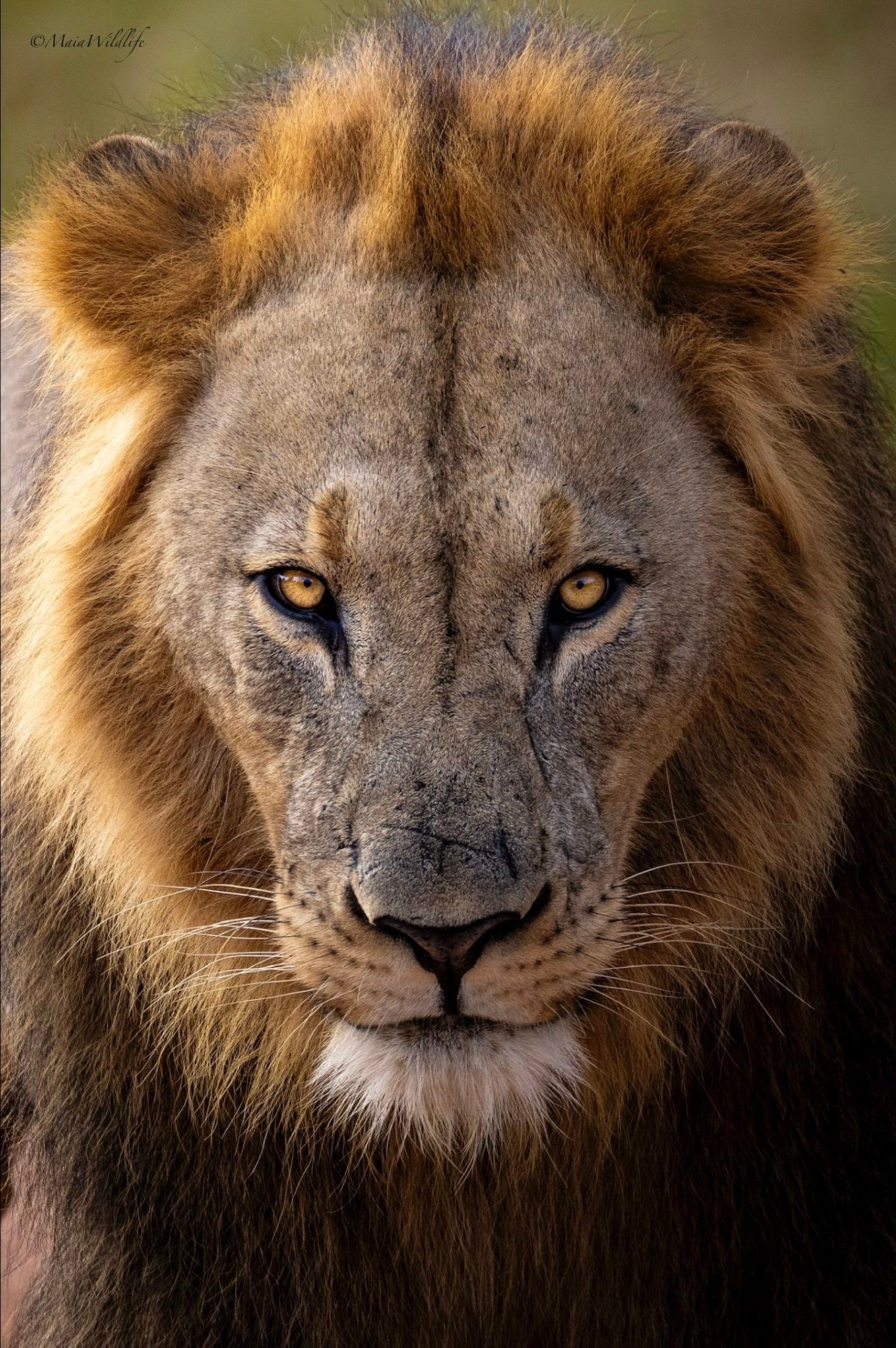
Photo by Henrique Maia. Alpha 7R V. 200-600mm f/5.6-6.3 G.
What I value most is the combination of incredible dynamic range and low-light performance. Wild animals don’t wait for perfect lighting, and some of the most magical moments happen in challenging conditions – at first light, during a dust storm or as the sun dips below the horizon. The Alpha 7R V’s ability to pull out detail from shadows and control highlights means I can work confidently in any environment, knowing I’ll retain the atmosphere and mood I experienced in the field.
In short, the Alpha 7R V helps me achieve exactly what I aim for in my photography: sharp, detailed, emotionally resonant images that do justice to the wild moments I witness. It gives me the technical reliability to match my creative vision, which is why it will always have a permanent place in my bag.
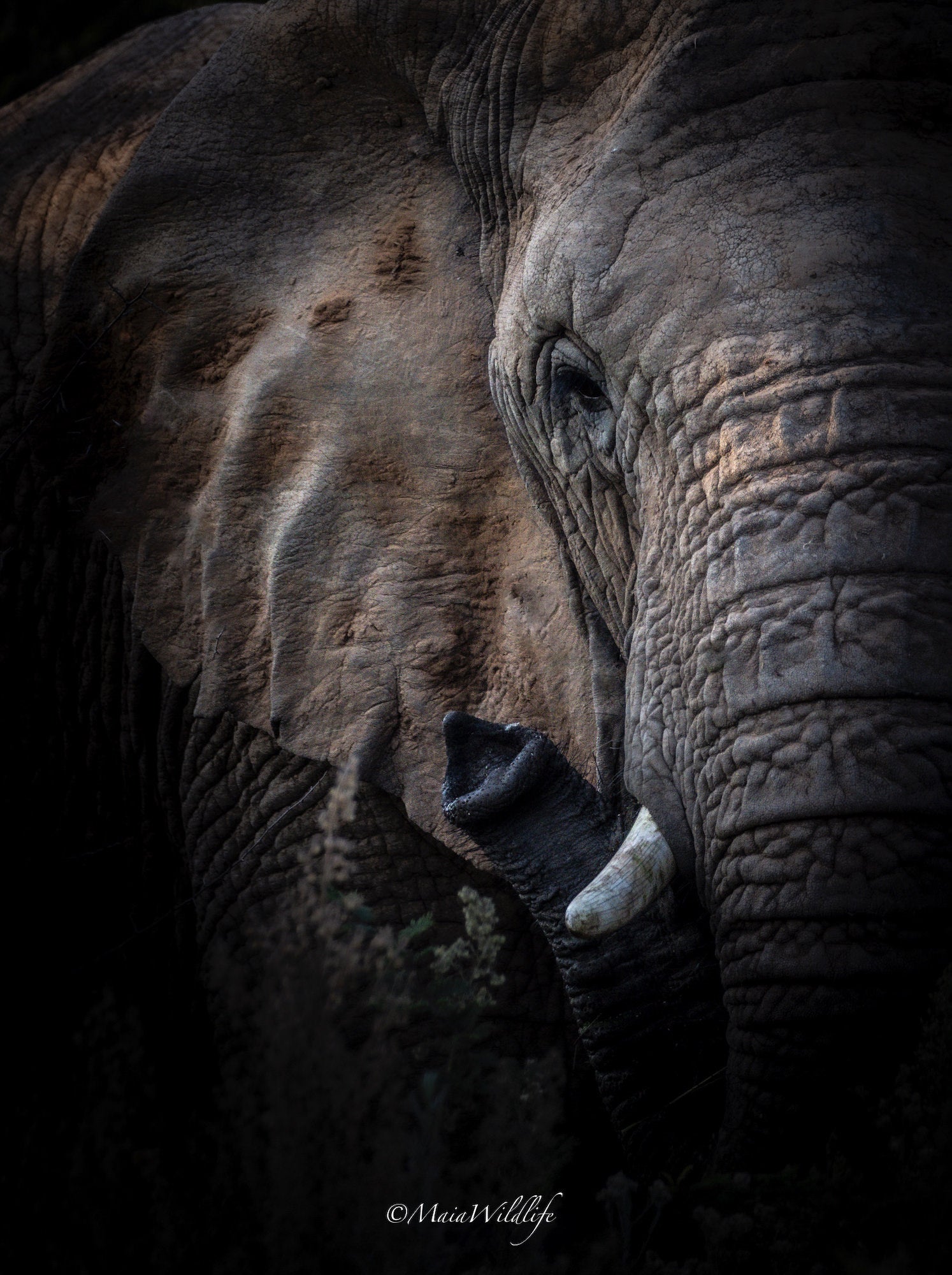
Photo by Henrique Maia. Alpha 7R V. 200-600mm f/5.6-6.3 G.
Alpha 7 IV (Buy Now): My versatile workhorse for wildlife and beyond: The Alpha 7 IV is the camera I trust when I need flexibility without compromise. The Alpha 7 IV gives me the adaptability to handle it all, switching effortlessly between stills and video without missing the shot.
One of its greatest strengths is its hybrid capability. I often use the Alpha 7 IV for video sequences that bring my expeditions to life. The Alpha 7 IV is my do-everything companion. While the Alpha 7R V is my precision tool for maximum detail, the Alpha 7 IV is my go-to for versatility, speed, and multimedia storytelling. Together, they give me the creative freedom to capture not just the scene, but the entire experience of the wild.
Lenses
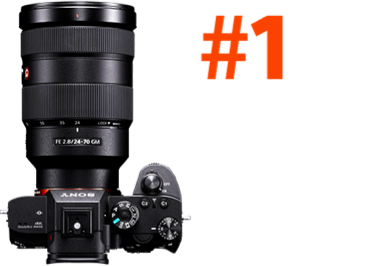
24-70mm f/2.8 G Master II (Buy Now): My lens for capturing the scene as a whole. The 24–70mm f/2.8 G Master II might not be the longest lens in my bag, but it plays a role I consider essential: capturing the story of the wild beyond just the close-up of the animal. Wildlife photography isn’t only about portraits = it’s about showing the connection between the subject and its environment, and this lens is my go-to for that.
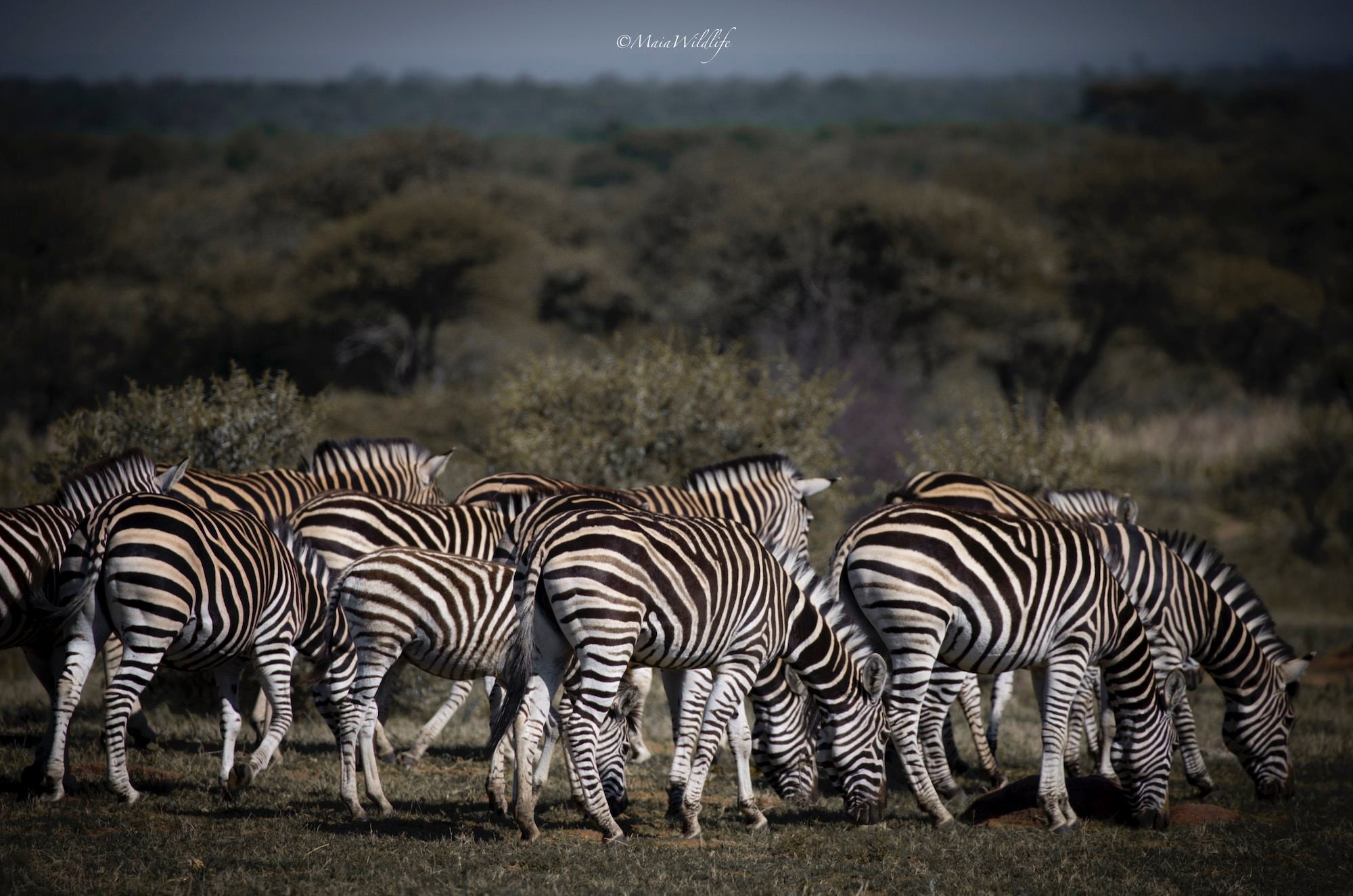
Photo by Henrique Maia. Alpha 7R V. 24-70mm f/2.8 G Master II.
I also rely on this lens for behind-the-scenes and expedition storytelling, photographing fellow photographers at work, vehicles crossing the savannah, or the changing light on the landscape. These images are the connective tissue of my work, helping me tell complete stories instead of isolated moments.
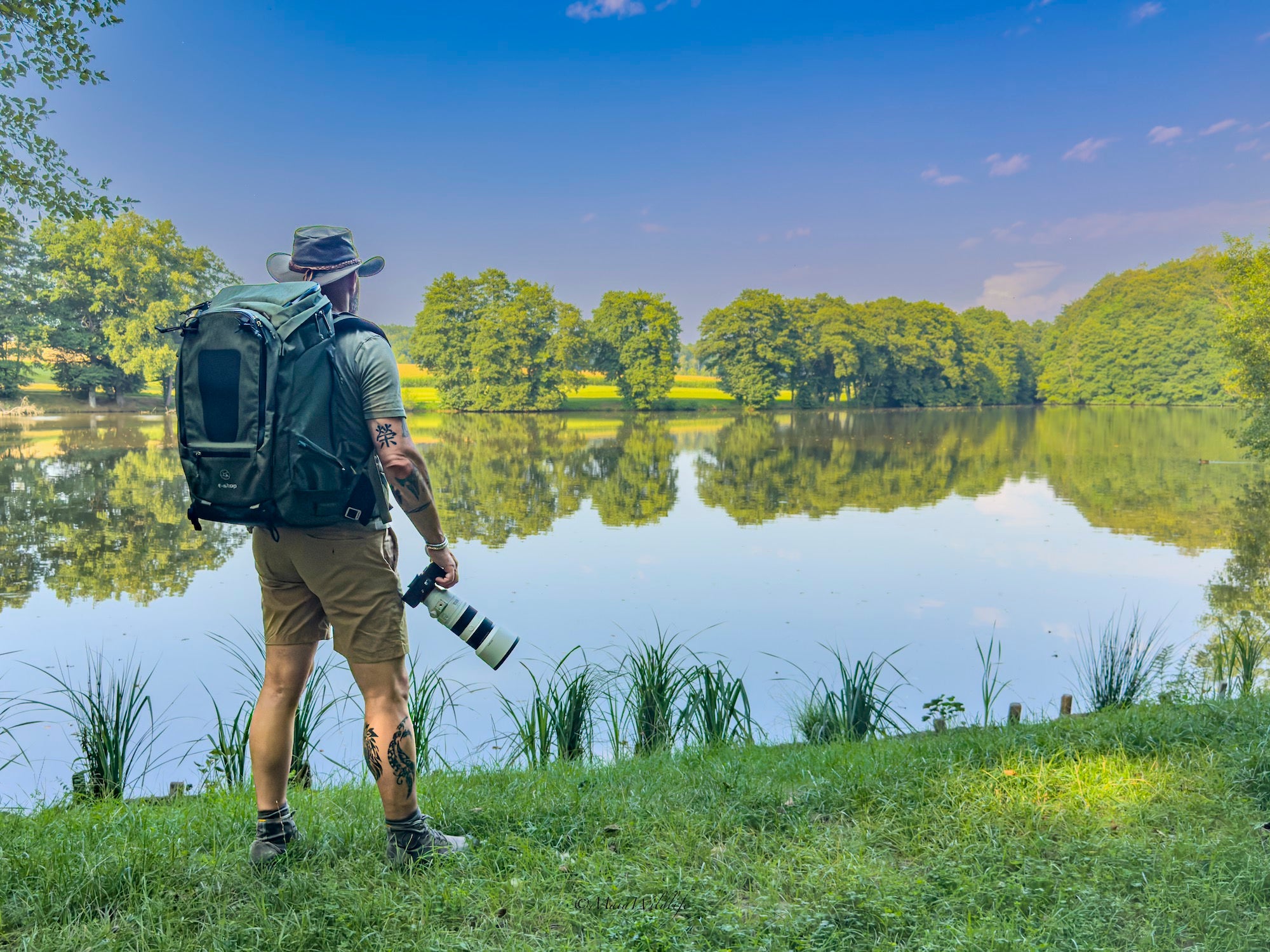
Photo by Henrique Maia. Alpha 7R V. 24-70mm f/2.8 G Master II.
70-200mm f/2.8 G Master II (Buy Now): My bridge between environment and close-up. At Dinokeng Game Reserve, my number one residence reserve in South Africa, we are allowed to off road and get in quite a close distance to the animals. The 70–200mm f/2.8 G Master II is my go-to lens when I need to bridge the gap between wide environmental shots and extreme telephoto close-ups. It’s the perfect middle ground = versatile enough for intimate wildlife portraits, yet wide enough to still capture some of the surrounding context that tells the full story.
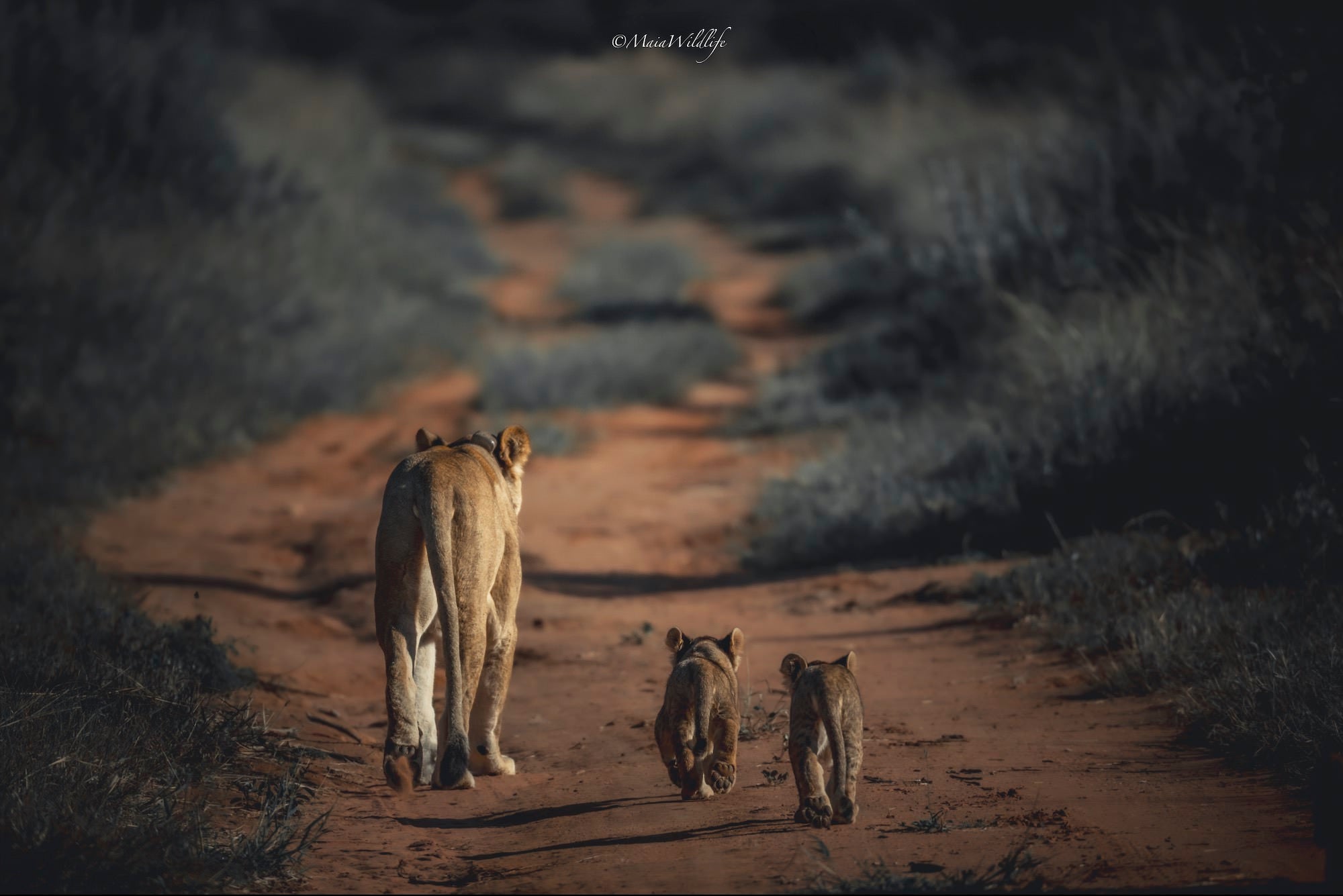
Photo by Henrique Maia. Alpha 7R V. 70-200mm f/2.8 G Master II.
The constant f/2.8 aperture is a huge asset for early morning or late evening light. It allows me to keep shutter speeds fast enough to freeze action, while also giving me the ability to blur the background into a soft, painterly canvas that makes the subject pop.
I often pair this lens with a 1.4x teleconverter (Buy Now), extending its reach to 280mm without sacrificing much in image quality. This extra reach gives me more flexibility to photograph shy or distant subjects while keeping my setup lighter than carrying another long lens.
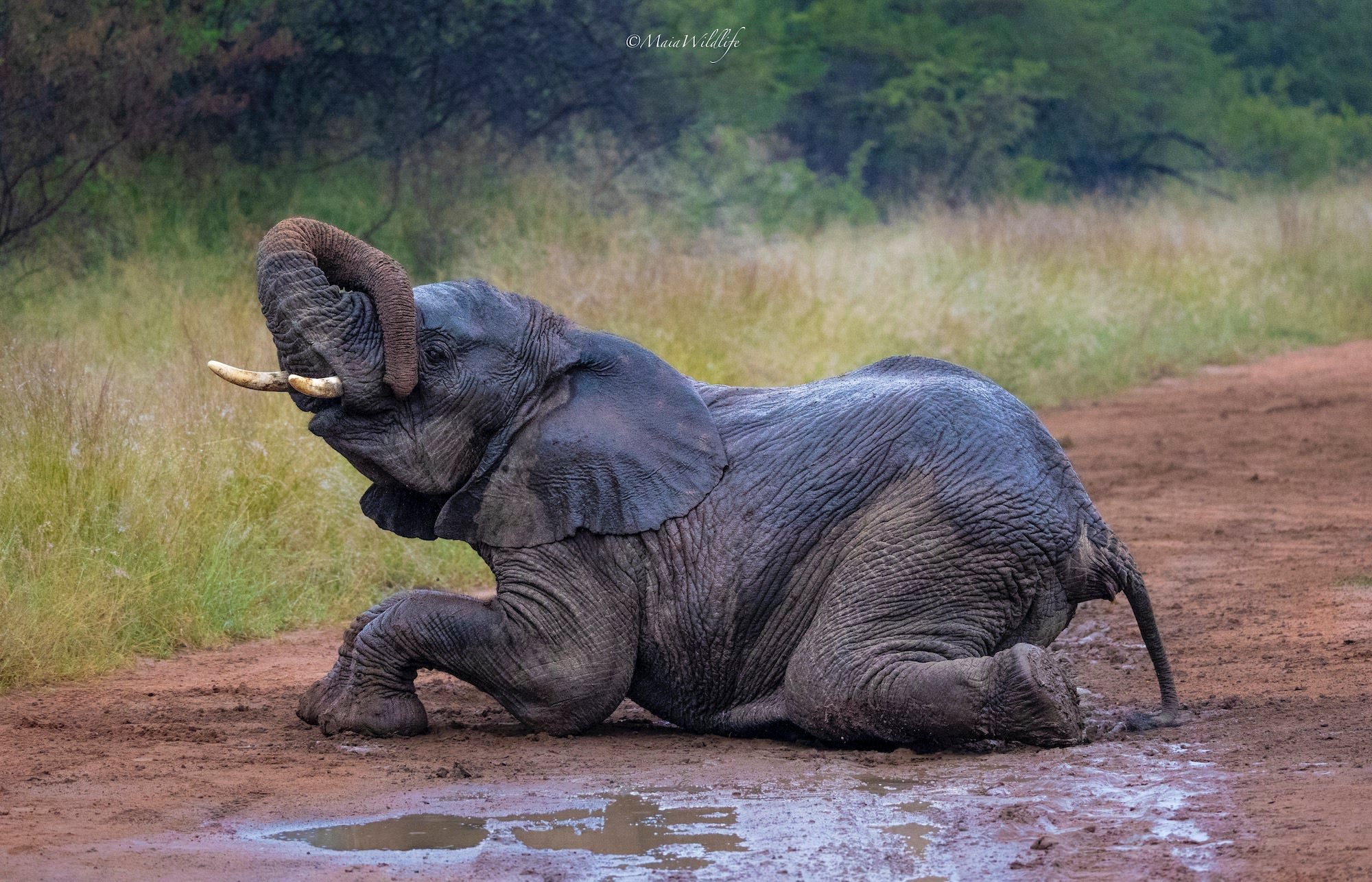
Photo by Henrique Maia. Alpha 7R V. 70-200mm f/2.8 G Master II.
200-600mm f/5.6-6.3 G (Buy Now): My window into the intimate lives of wildlife. The 200–600mm f/5.6–6.3 G is the lens that brings me closest to the wild without ever crossing the line of respect and safety. It’s my way of observing the most private, undisturbed moments of an animal’s life – from a safe distance that keeps them comfortable and allows me to remain invisible in their world.
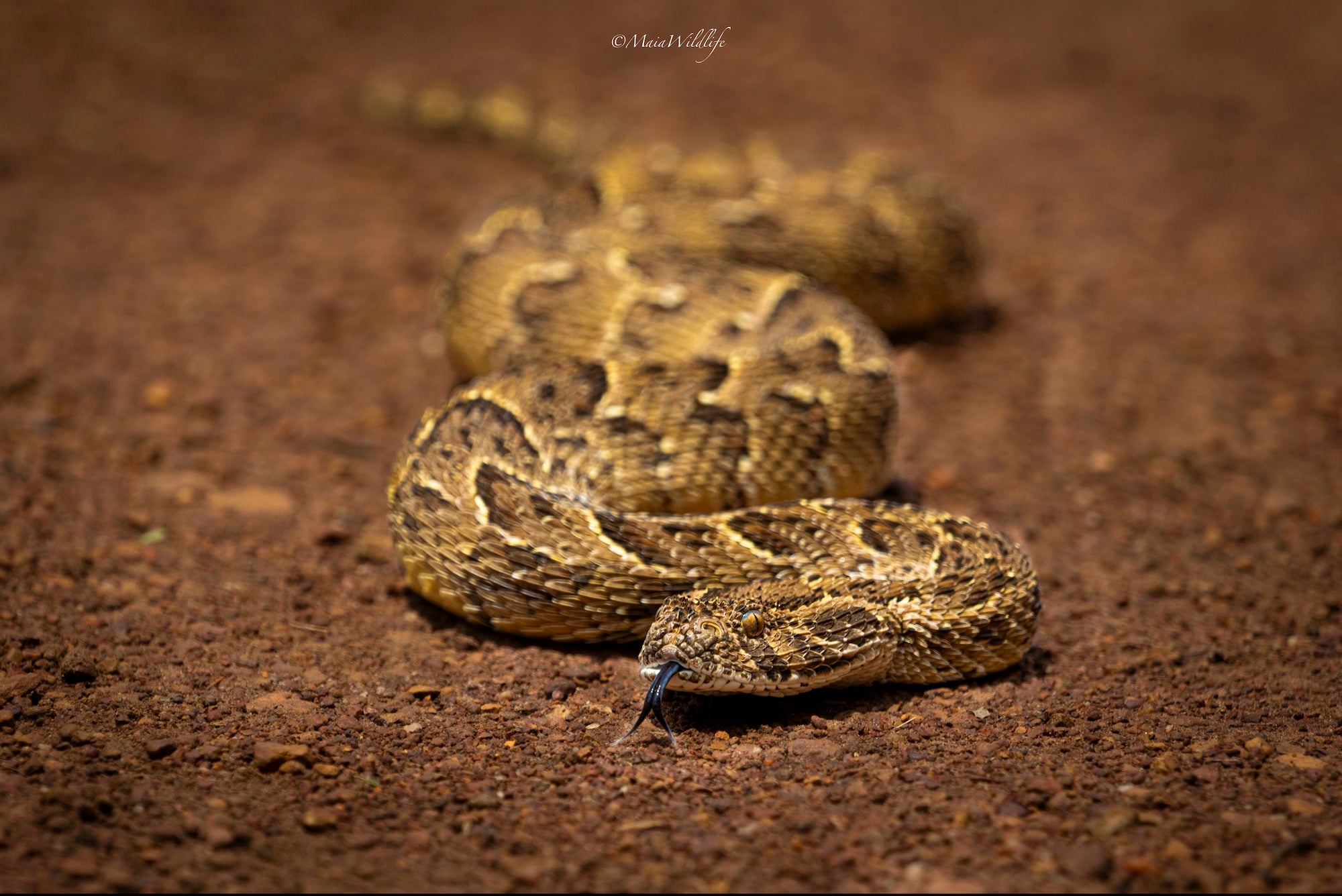
Photo by Henrique Maia. Alpha 7R V. 200-600mm f/5.6-6.3 G.
I’ve captured some of my most meaningful images with this lens – shots that feel intimate not because I was physically close, but because the viewer feels emotionally close. That’s the magic of the 200–600mm: it lets me connect people to wildlife in a way that respects the space and safety of the animal, while still delivering a sense of presence and immediacy.
For me, this lens isn’t just about magnification – it’s about connection at a distance. It’s the tool that lets me bring the viewer into the wild without disturbing it, and that’s why it will always have a permanent place in my bag.
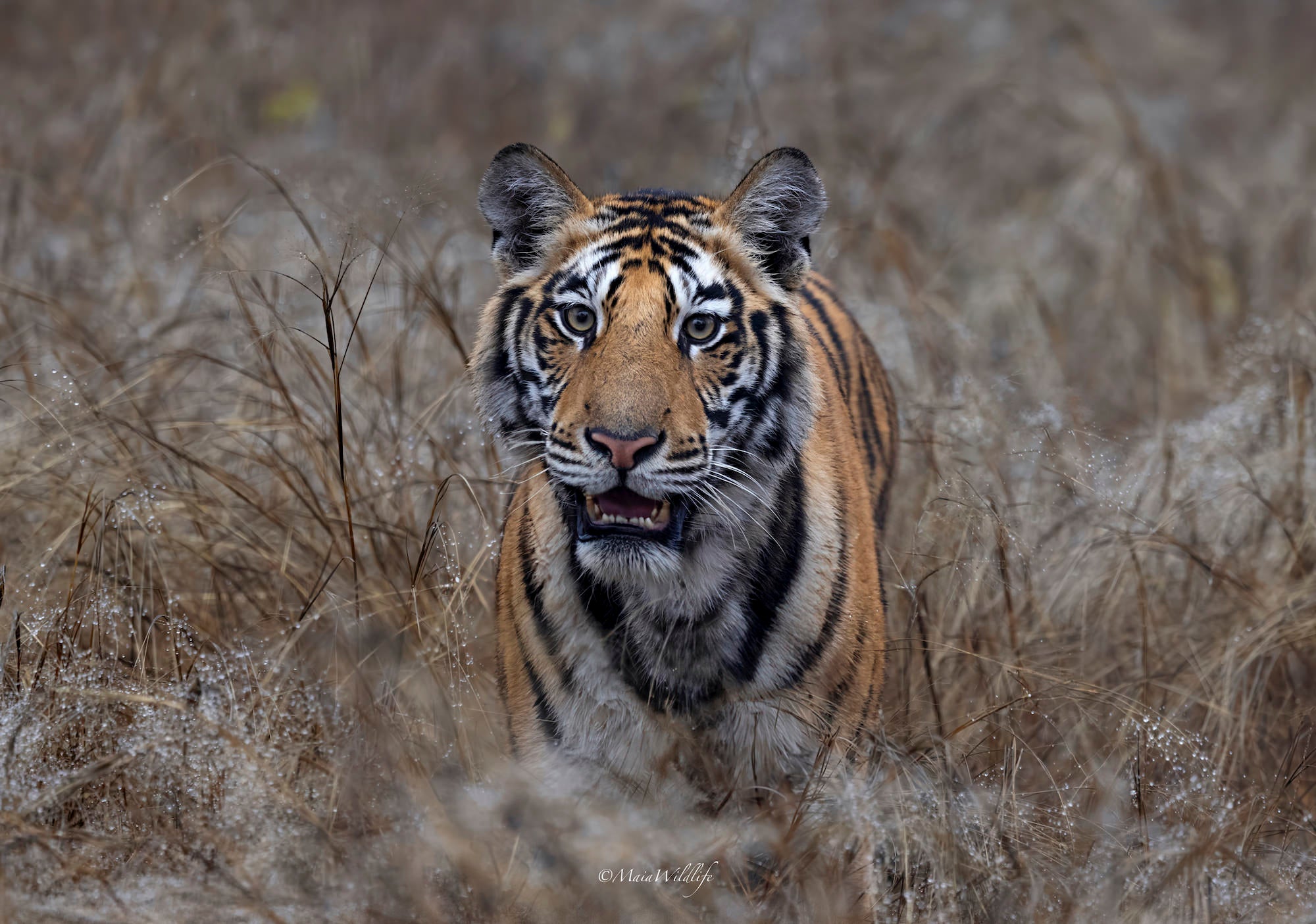
Photo by Henrique Maia. Alpha 7R V. 200-600mm f/5.6-6.3 G.
Accessories
F-Stop Tilopa 50l Camera Bag: I love my F-Stop Tilopa 50L because it’s more than just a bag – it’s my mobile wildlife photography base. With its modular compartments, I can organize cameras, lenses and accessories perfectly for fast access in the field. It’s comfortable to carry on long game drives or hikes, rugged enough to withstand dust, rain, and rough terrain, and spacious enough to hold everything I need without ever feeling bulky. For me, it’s the perfect balance of protection, organization, and freedom on every expedition.
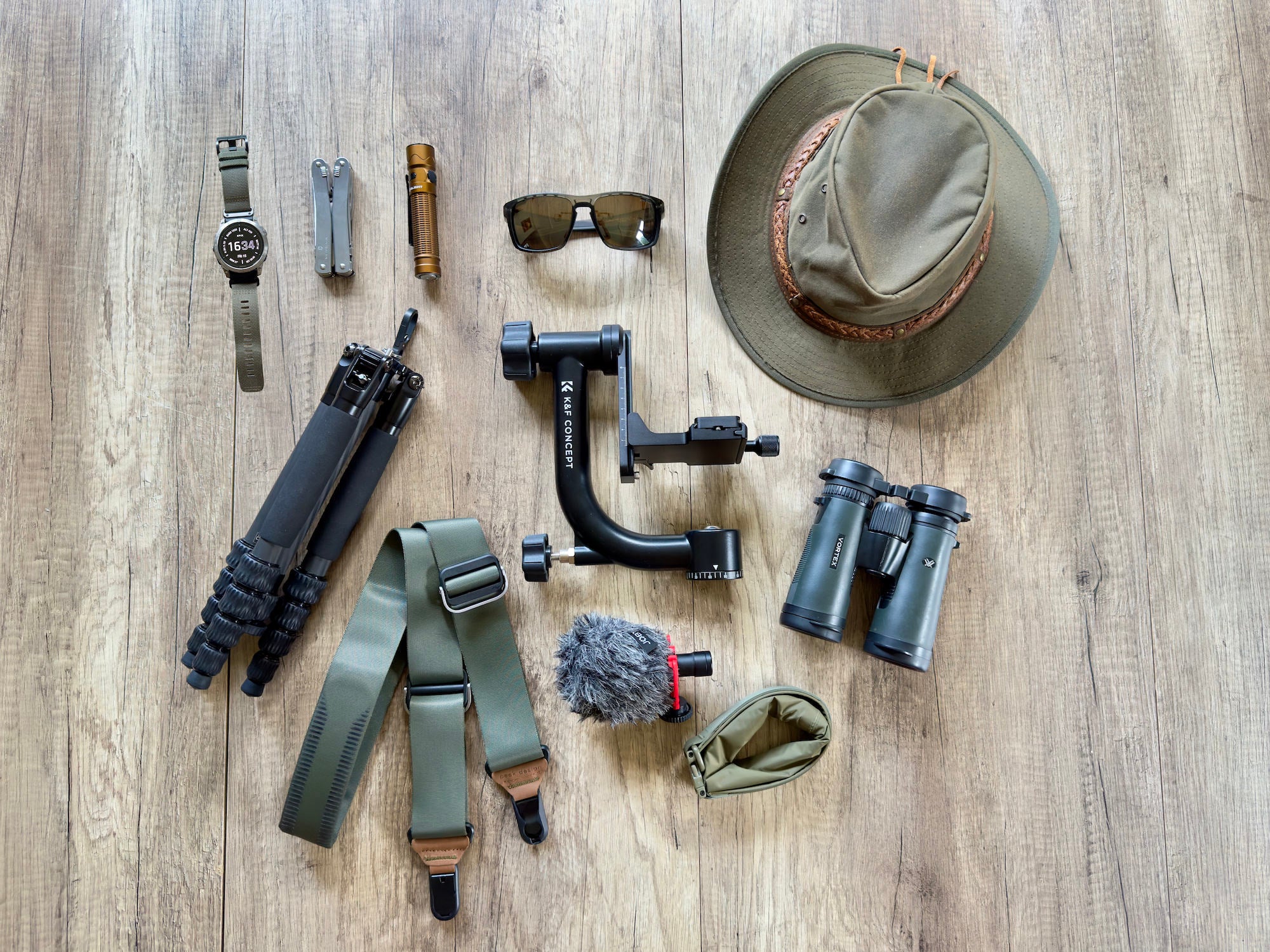
Vortex 10x42 Diamondback HD: I love my Vortex 10x42 Diamondback HD binoculars because they bring the wild closer without disturbing it. Their crisp, bright optics let me spot wildlife at a distance, track movement through tall grass, and observe subtle behaviors that would be impossible with the naked eye. Lightweight, durable, and comfortable for hours of use, they’re an essential tool that complements my photography, helping me anticipate the perfect moment before I even lift my camera.
Sirui Traveler 5CX Tripod: My tripod is absolutely great because it gives me stability and freedom in the field without weighing me down. Its compact, lightweight design makes it perfect for long hikes and game drives, yet it’s rock-solid when I need to capture sharp, detailed wildlife shots or long-exposure landscapes. With smooth adjustments and durable construction, it’s the tripod I trust to support my camera and lenses in any situation, helping me get the perfect shot every time.
K&F Concept Aluminum Gimbal Head: My K&F Concept Gimbal gives me effortless control over heavy lenses in the field. It balances my camera and long telephoto lenses perfectly, allowing smooth, fluid movements to track fast or unpredictable wildlife. Its sturdy aluminum construction is both lightweight and rock-solid, giving me confidence that every pan, tilt, and follow shot will be precise – essential for capturing those fleeting, unforgettable moments in nature.
Extra Batteries: Seems basic, but I always carry extra camera batteries because in wildlife photography, you never know when a magical moment will happen. Long game drives, early mornings, and late sunsets can drain power fast, and having spares ensures I’m always ready to capture every fleeting shot without interruption. They’re a small addition to my bag, but they make all the difference in staying prepared and focused in the field.
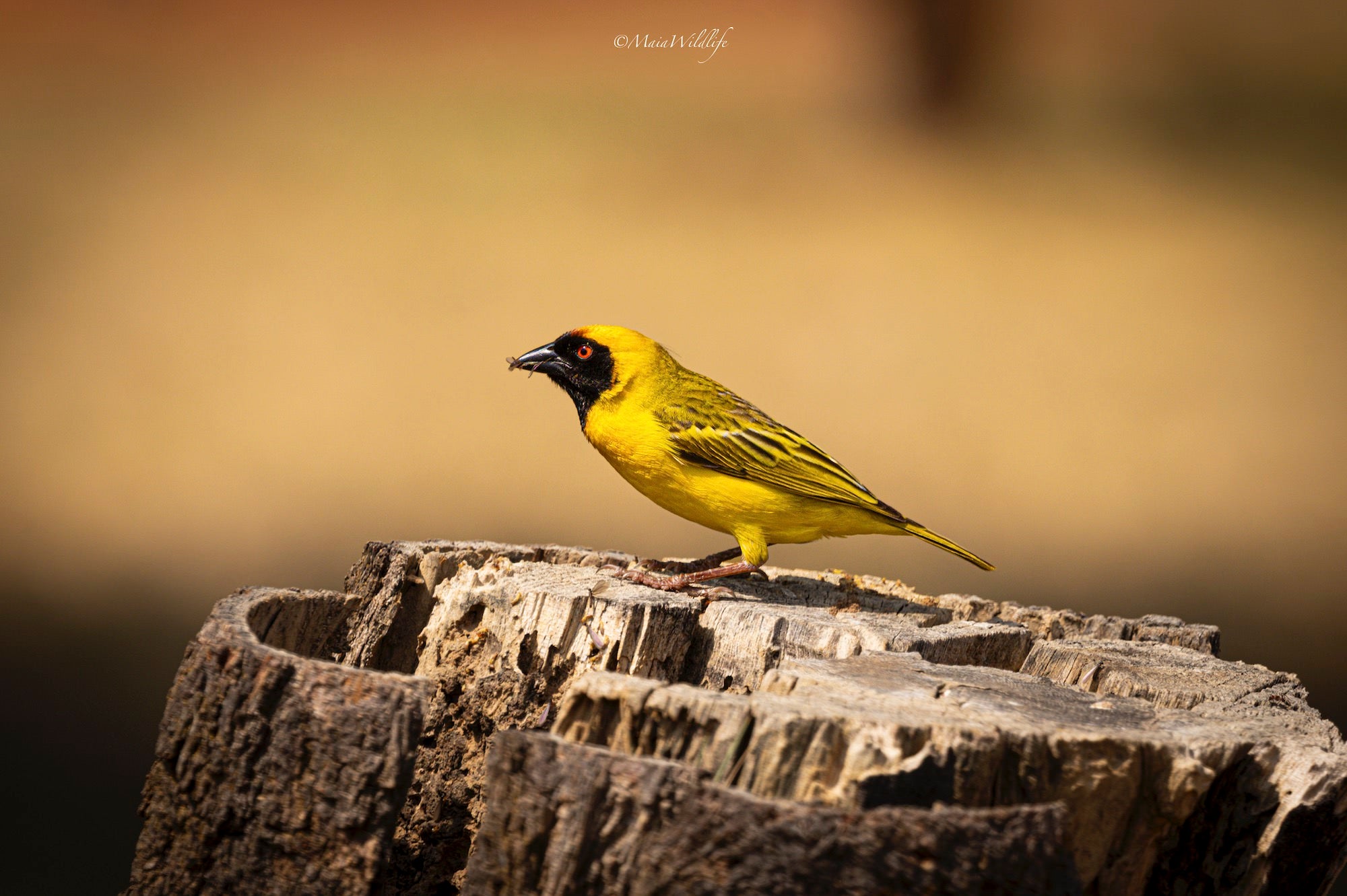
Photo by Henrique Maia. Alpha 7R V. 70-200mm f/2.8 G Master II.
Peak Design Slide Strap: I love my Peak Design Strap because it makes carrying my camera effortless during long wildlife excursions. Comfortable, secure, and quick to adjust, it lets me move freely while keeping my gear within easy reach. Whether hiking, driving, or waiting in the bush, it ensures I’m always ready to capture the perfect moment without strain or distraction.
Sea To Summit 8l Lightweight Dry Packsack: I rely on my Sea to Summit bag to protect my camera and lenses from sudden downpours and harsh weather. Wildlife photography often means being out in the elements, and this bag keeps my gear dry and safe without slowing me down. Lightweight, durable, and easy to use on the move, it gives me peace of mind so I can focus entirely on capturing the perfect shot, rain or shine.
Victorinox Spirit X Multitool: I always carry my Victorinox multitool on expeditions because it’s the ultimate all-in-one companion. From tightening tripod screws to opening gear cases or handling unexpected fixes in the field, it’s small, durable, and incredibly versatile. For me, it’s not just a tool — it’s a reliable backup that keeps my photography running smoothly, no matter what challenges the wilderness throws my way.
Olight Warrior Mini 2: I carry my Olight on every expedition because you never know when you’ll need a reliable, powerful light in the wild. Compact yet incredibly bright, it helps me navigate early mornings, late evenings, or dark hides safely, and it’s also invaluable for checking gear or camera settings without disturbing wildlife. Durable and lightweight, it’s a small tool that makes a big difference in staying prepared in any situation.
Julbo Spectron 4: I never head into the field without my Julbo Spectron 4 sunglasses. They protect my eyes from harsh sunlight and glare while keeping colours and details crisp – essential when tracking wildlife or scouting landscapes. Comfortable and durable, they’re my reliable companion for long days in bright, open environments, helping me see clearly and focus on capturing the perfect shot.
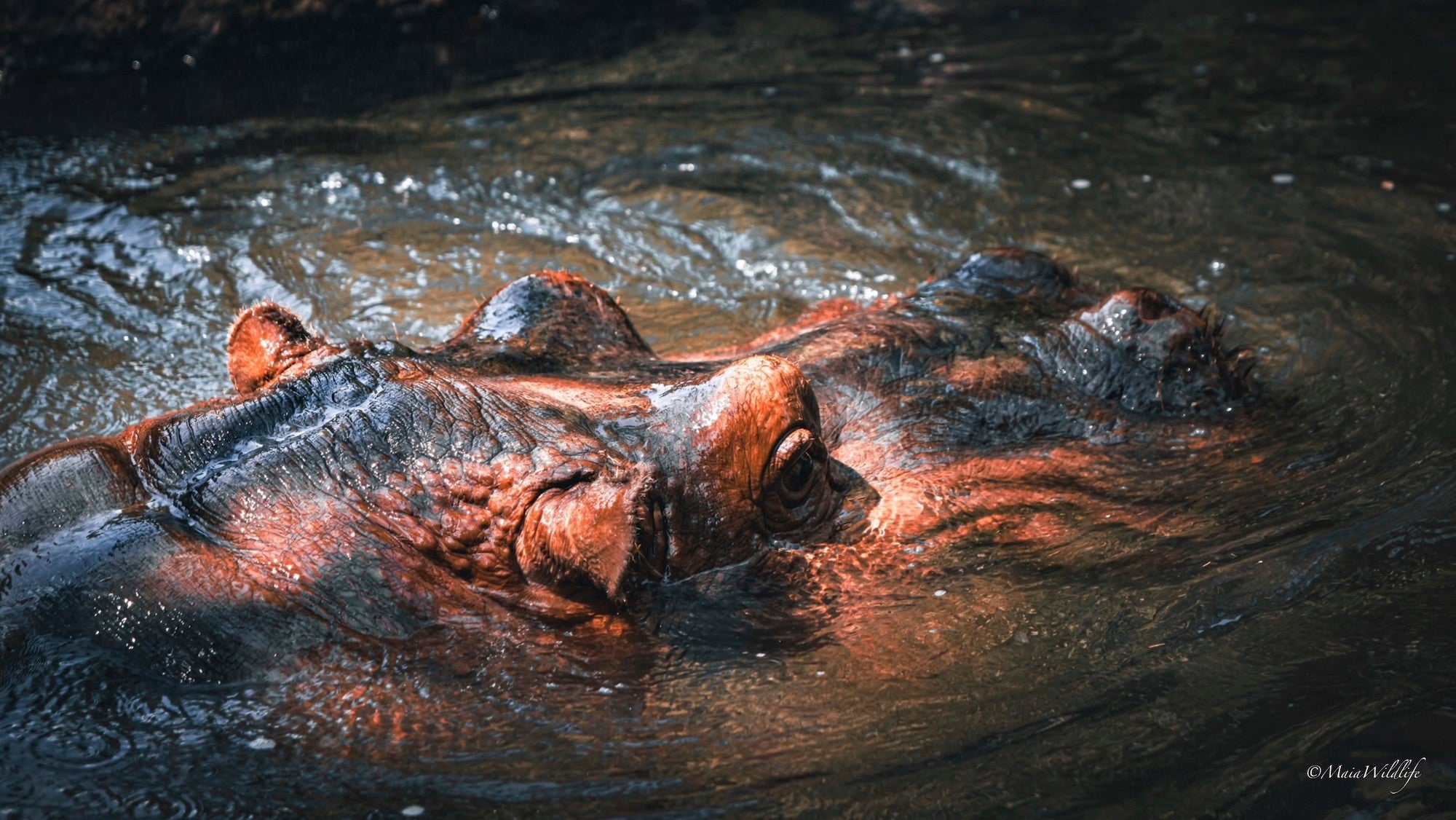
Photo by Henrique Maia. Alpha 7R V. 200-600mm f/5.6-6.3 G.
Garmin Epix 7 Pro Titanium: I rely on my Garmin Epix 7 Pro Titanium to keep me connected with the land and in control of my time during expeditions. With detailed GPS navigation, fitness tracking, and incredible battery life, it helps me plan routes, monitor my activity, and stay safe in remote areas. Its rugged titanium build handles the toughest conditions, making it the perfect wrist companion for life in the wild.
Green Hat: I always wear my broad green hat, a unique find from a local Swiss fair, because it keeps me shaded during long hours in the sun while blending naturally into the environment. Comfortable and practical, it’s more than just protection — it’s a little piece of character and personality that travels with me on every wildlife expedition.
See more of Henrique Maia's work on Instagram @maiawildlife and at maiawildlife.com.