Eyrún Lydía Sævarsdóttir is an Icelandic adventure and nature photographer. Alongside photography, she works as a glacier guide and Super Jeep driver, which gives her access to some of Iceland's most remote and challenging environments. “My work focuses on documenting what’s around me, from glaciers and ice caves to whales and underwater environments, with a strong emphasis on storytelling and exploration,” she explains.
“This is the kit I carry for expedition-style photography and outdoor assignments. It's the gear I rely on when working on glaciers, photographing wildlife, documenting adventures in remote locations, or shooting in and around the ocean. Every item in the bag has earned its place through Iceland's unpredictable conditions, where dependable equipment can make all the difference.” Keep reading as Eyrún shares what you’ll find in her bag.
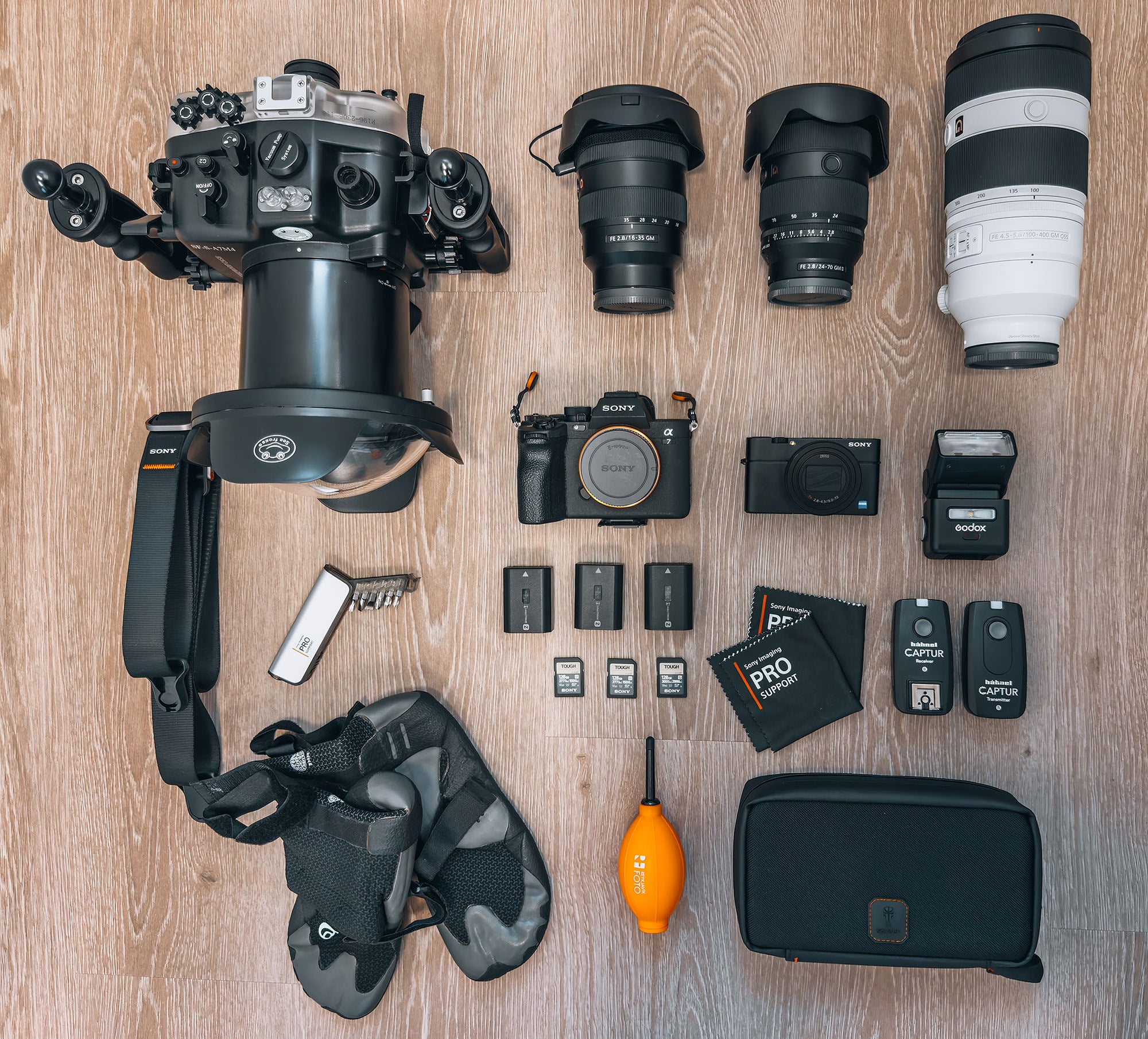
Shop This Kit:
–Alpha 7 IV
–RX100 VII
–16-35mm f/2.8 G Master
–24-70mm f/2.8 G Master II
–100-400mm f/4.5-5.6 G Master
–TOUGH Memory Cards
–Extra Z Batteries
Cameras
Alpha 7 IV: This is my go-to camera for pretty much everything I do and my favorite camera body I've ever owned. I upgraded to it from the Alpha 7 II, which had been my main camera for years, and it turned out to be one of the best gear investments I've made so far. As my photography and video work evolved, I needed a camera that could keep up with both, and the Alpha 7 IV has been exactly what I was looking for.
As someone who regularly shoots both photos and video, I love having a true hybrid camera that allows me to switch effortlessly between the two. What I appreciate most is that it's a camera I can always rely on. Whether I'm heading out for a client shoot, a personal project, or an unexpected wildlife encounter, it's the body I reach for because I know it will get the job done.
For me, it strikes the perfect balance between performance, image quality, and practicality. It's a camera that has accompanied me on countless adventures, and one I trust completely whenever I head out the door.
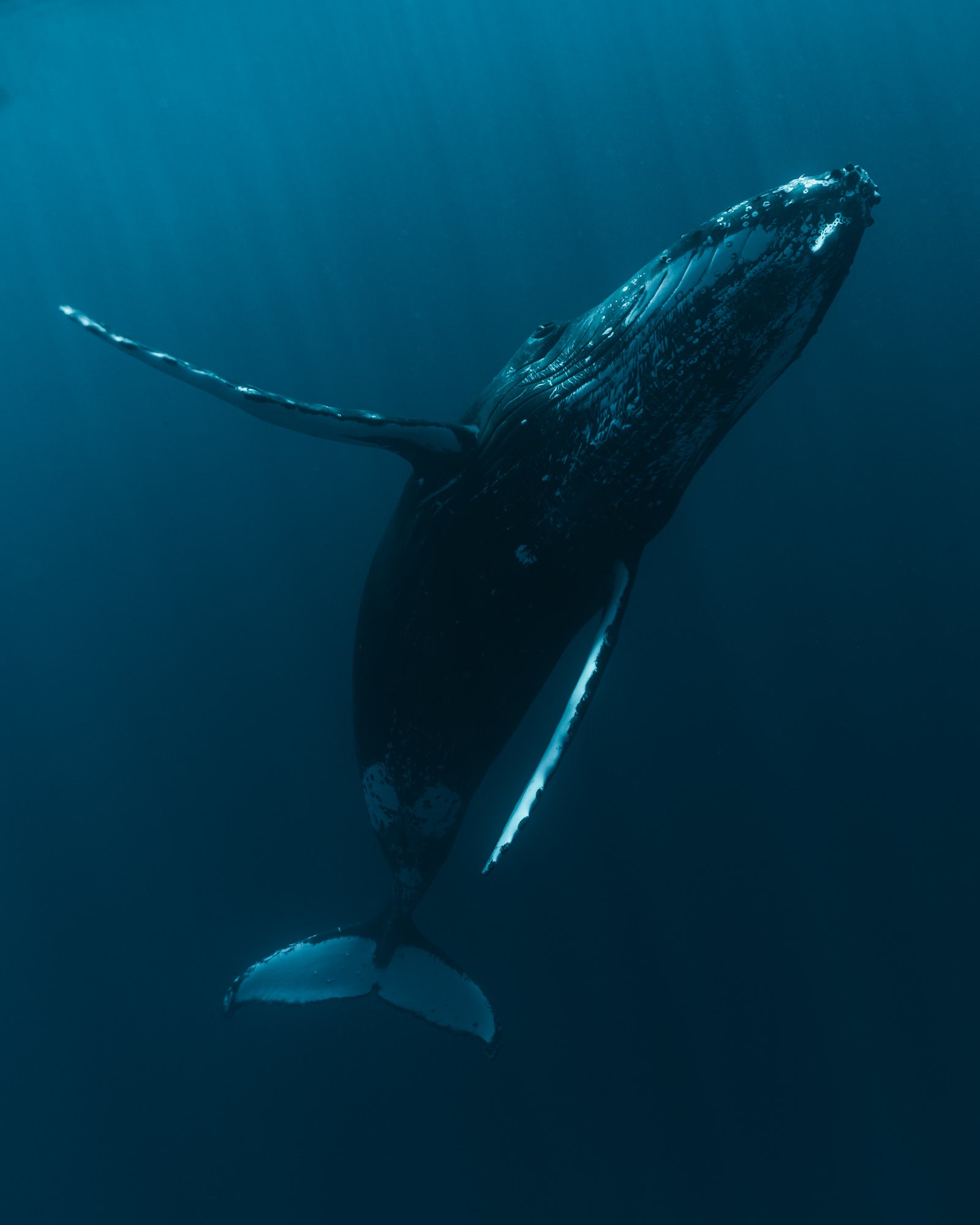
A beautiful humpback whale encounter. Photo by Eyrún Lydía. Alpha 7 IV. 16-35 f2.8 G Master. 1/1250-sec., f/2.8, ISO 800
RX100 VII: I originally bought the Sony RX100 VII for vlogging, and it's excellent for that, but it quickly became much more than a vlogging camera for me. These days, it's the camera that's almost always in my pocket when I'm guiding outdoors.
It's also a camera I regularly bring on expeditions and client assignments. When the weather turns bad, it's pouring rain, or conditions make it impractical to change lenses, I'll often reach for the RX100 VII instead. Having a 24-200mm zoom in such a compact package allows me to react quickly, capture the shot, and slip it straight back into my pocket.
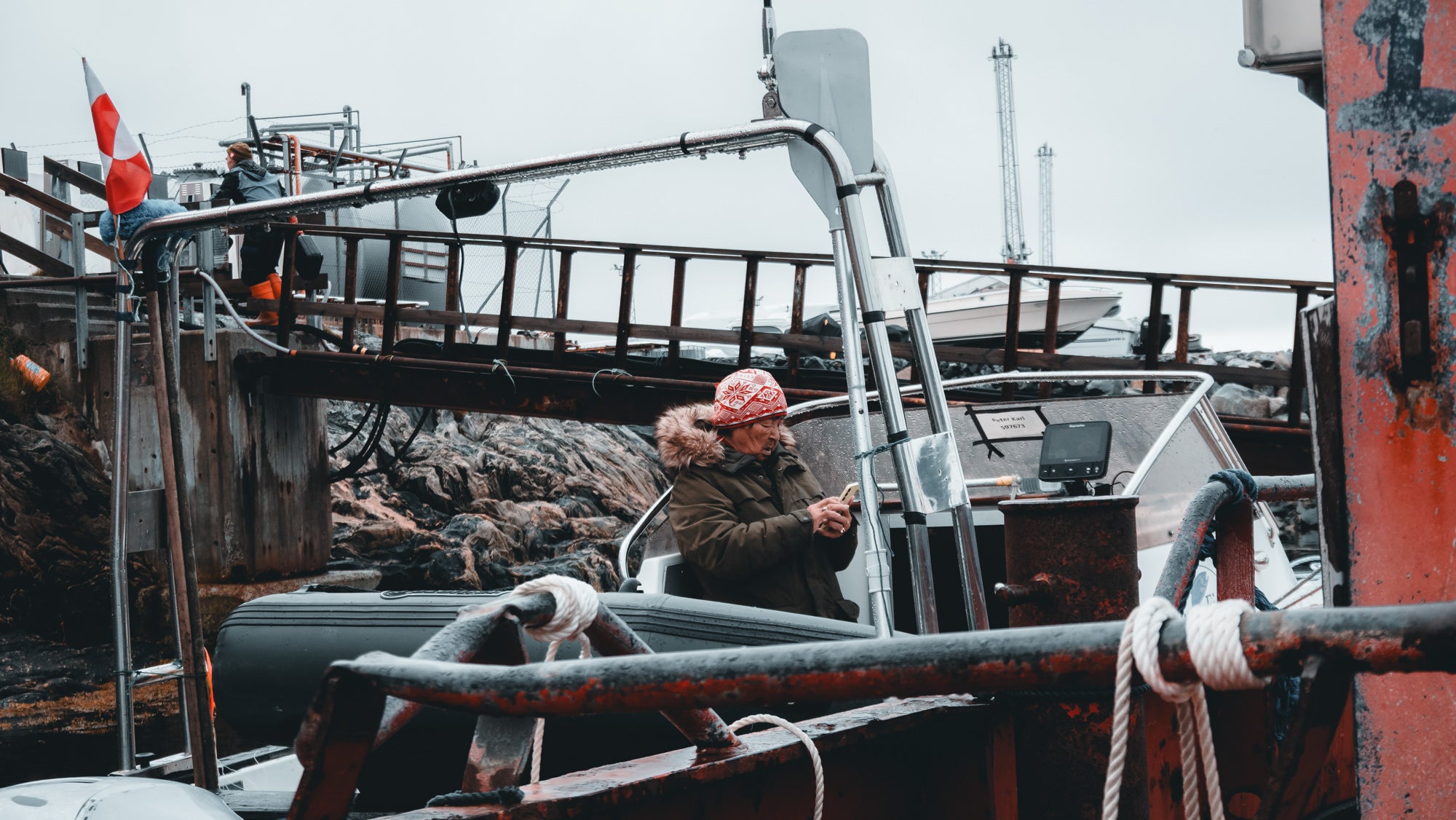
Photo by Eyrún Lydía. RX100 VII.
I absolutely love this camera because it's so small and easy to carry that there's rarely a reason not to have it with me. Some of my favorite images have come from moments when I wasn't carrying my full camera setup, but I still had the RX100 VII ready to go.
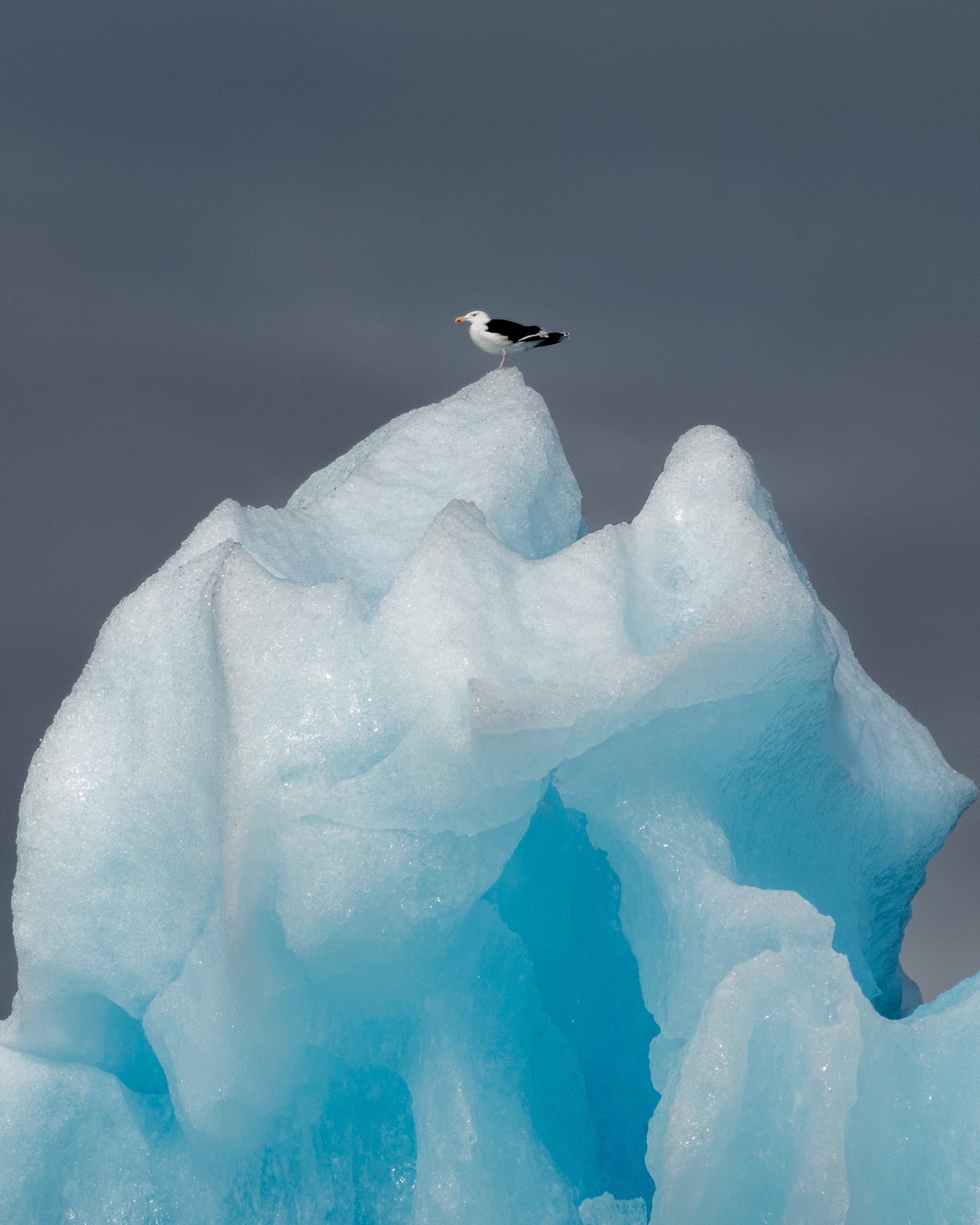
Taken in Southwest Greenland. Photo by Eyrún Lydía. RX100 VII. 1/640-sec., f/5.6, ISO 100
Lenses
16-35mm f/2.8 G Master: This was the first lens I decided to really invest in, and I spent a long time deciding which lens deserved that spot in my bag. Looking back, it was absolutely the right choice because it continues to be one of the lenses I use most.
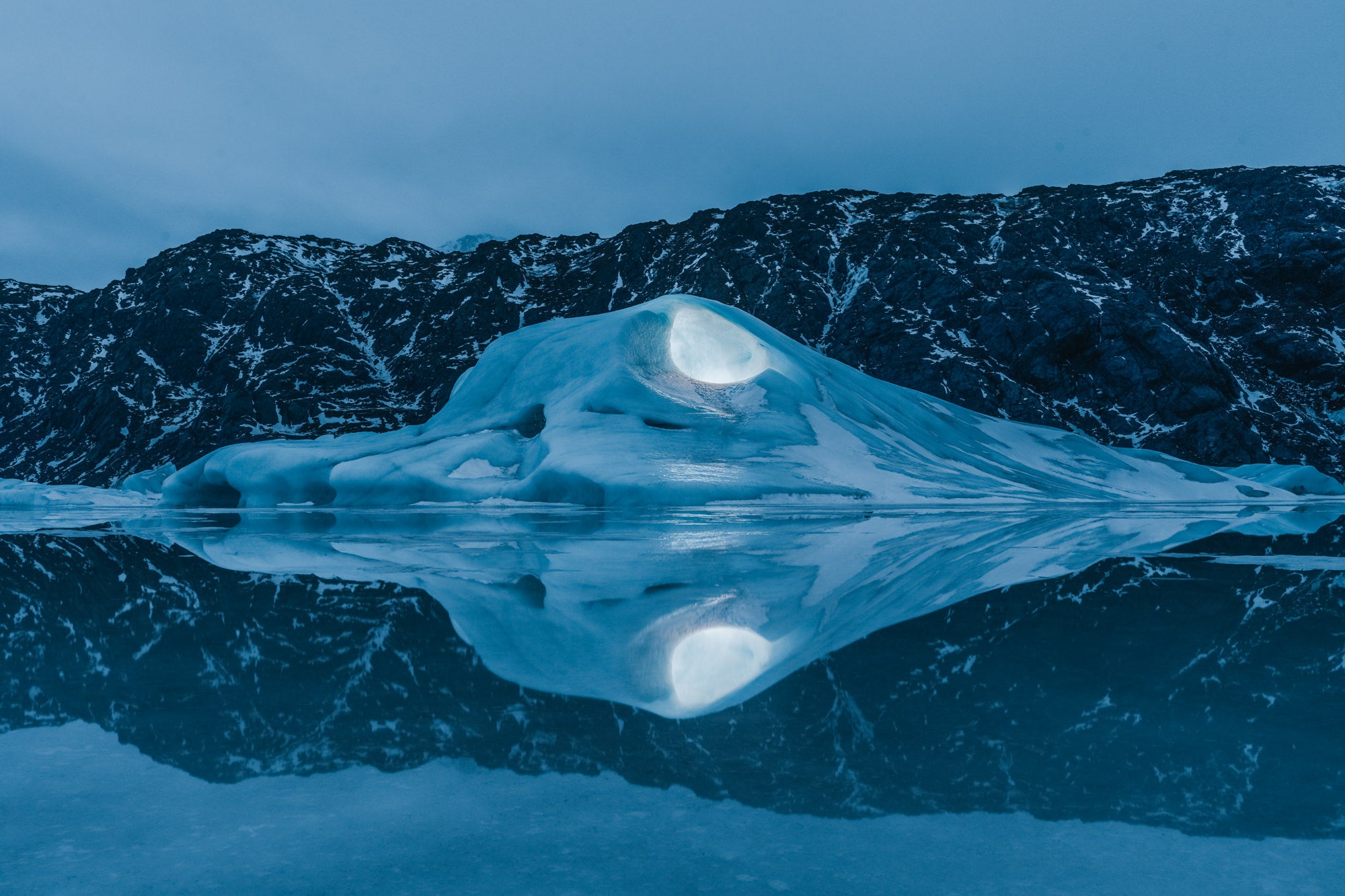
Photo by Eyrún Lydía. Alpha 7 IV. 16-35mm f/2.8 G Master.
What I love about the 16-35mm is how many different ways I use it. It's my go-to lens for wide scenes, but I also rely on it for panorama stitching when I want to capture an even larger view and retain the flexibility to crop into the final image. More recently, it has become a key part of my underwater photography setup, where the wide focal length allows me to get close to my subject while still showing the surrounding environment.
It's one of those lenses that has stayed relevant as my photography has evolved. Years after buying it, it's still one of the first lenses I pack for every trip. I can’t be without it.
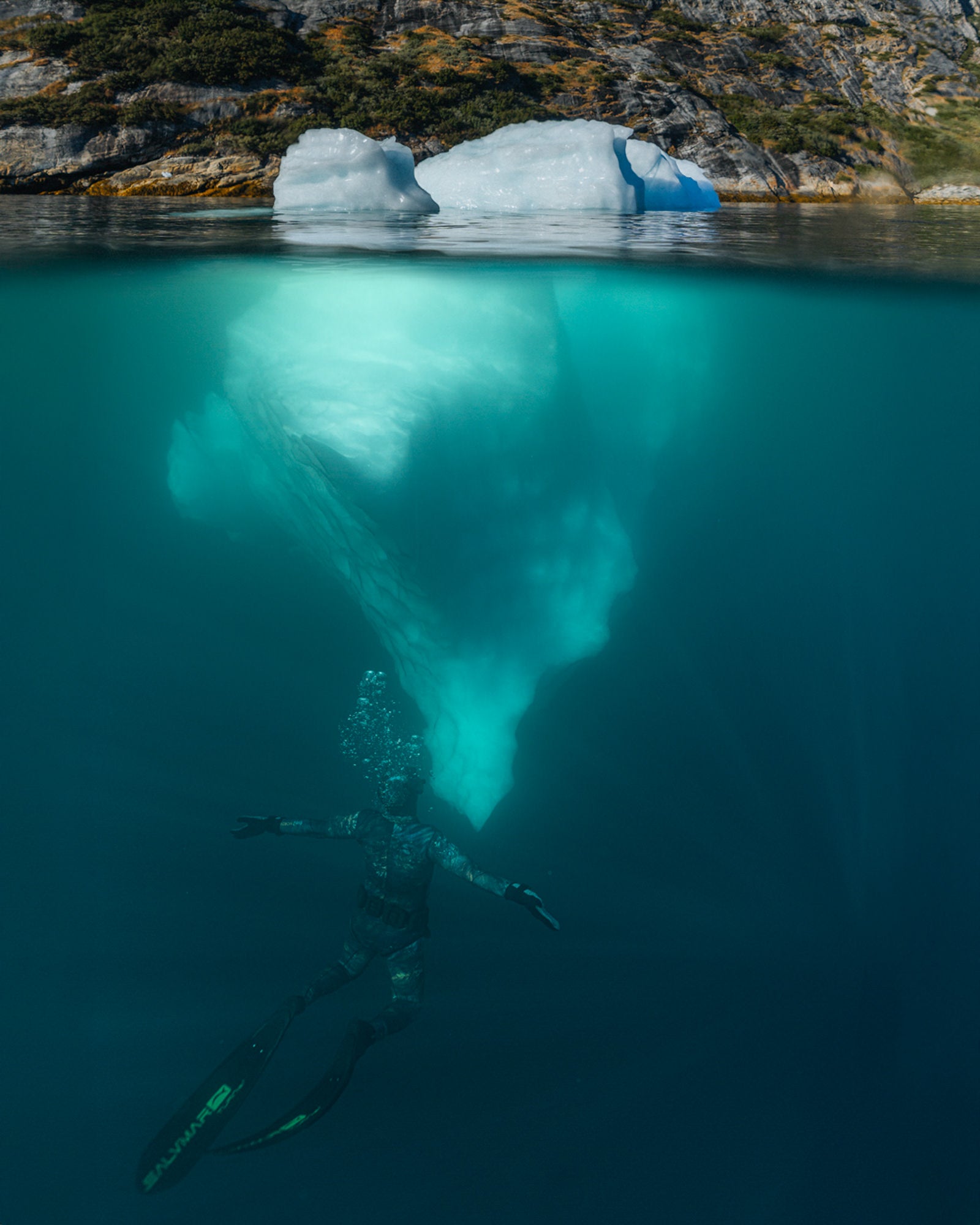
Freediving next to an iceberg. Photo by Eyrún Lydía. Alpha 7 IV. 16-35mm f/2.8 G Master. 1/640-sec., f/3.2, ISO 100
24-70mm f/2.8 G Master II: This quickly became my favorite lens after I added it to my kit a couple of years ago. I use it extensively for client work, whether I'm photographing for outdoor brands, expedition companies, or tourism clients in Iceland. It's usually the first lens I reach for because it consistently delivers the shots I need. The focal range is incredibly versatile, allowing me to move seamlessly between landscapes, environmental portraits, action, and storytelling moments without constantly changing lenses.
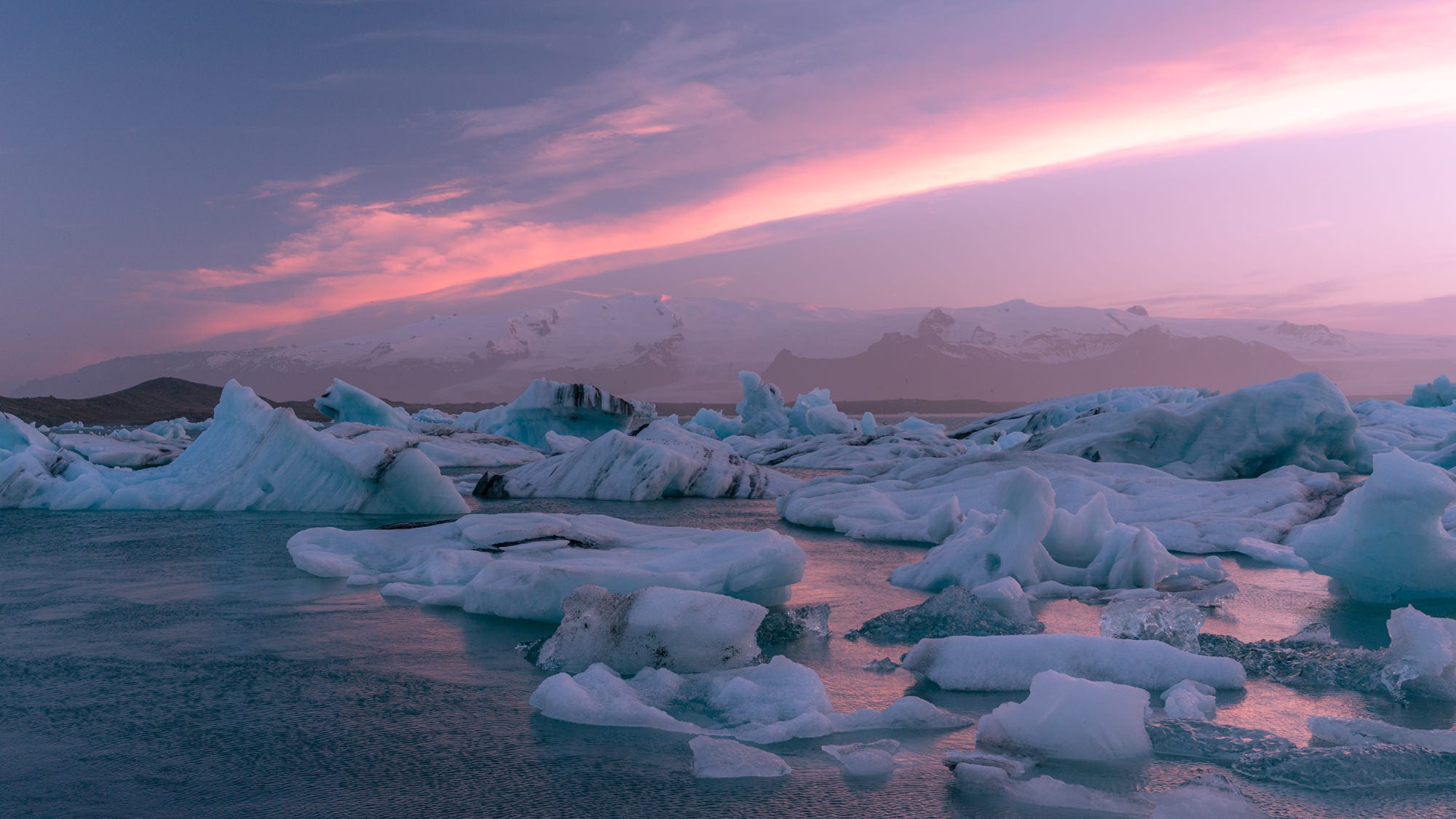
Photo by Eyrún Lydía. Alpha 7 IV. 24-70mm f/2.8 G Master II.
While I love using more specialized lenses when the opportunity calls for it, the 24-70mm is my workhorse. It's the lens I trust when getting the shot matters most, and one that has earned a permanent place in my bag.
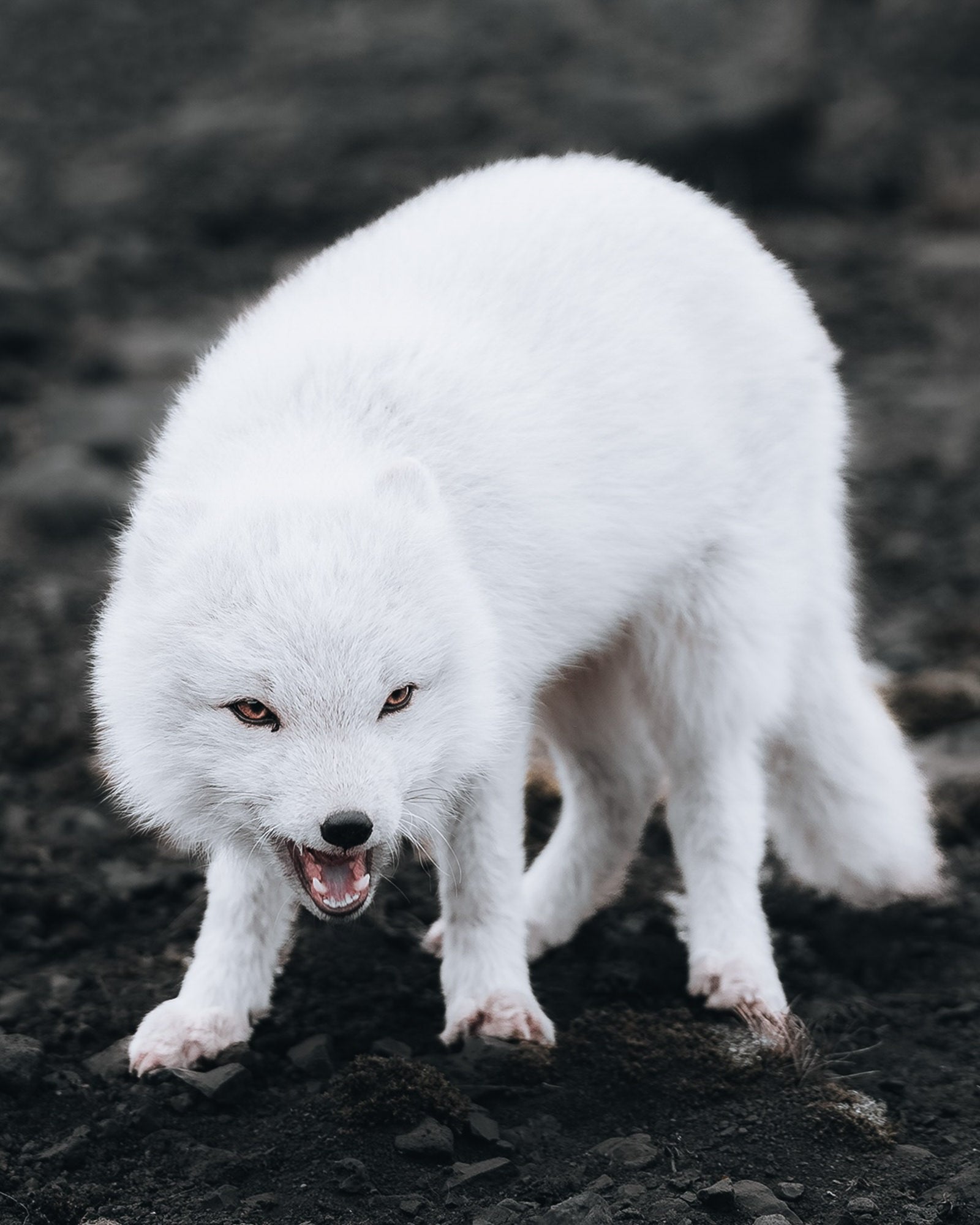
Arctic Fox encounter. (Featured in Vogue.) Photo by Eyrún Lydía. Alpha 7 IV. 24-70mm f/2.8 G Master II. 1/200-sec., f/4, ISO 200
100-400mm f/4.5-5.6 G Master: This is the newest lens in my bag, but it quickly earned its place. For years, my telephoto setup revolved around the 70-200mm f/4, which I absolutely loved. I also spent a couple of years using the 200-600mm and was amazed by the reach it offered, but I often found it difficult to travel and hike with. More often than not, I ended up leaving it at home.
The 100-400mm feels like the perfect middle ground. It gives me the extra reach I was missing while still fitting comfortably in my camera bag alongside the rest of my gear. The first time I used it, I immediately went; Wow! I’m in love.
I use it for wildlife photography, birdlife, nature details, portraits and even client work when I want to isolate a subject. Having access to 400mm in such a portable package opens up a huge range of creative possibilities, and because it's easy to carry, it's a lens I actually bring with me. For me, that's what makes it so valuable.
Paired with the Alpha 7 IV, I can also take advantage of APS-C crop mode when I need a little extra reach, giving me a field of view equivalent to around 600mm.
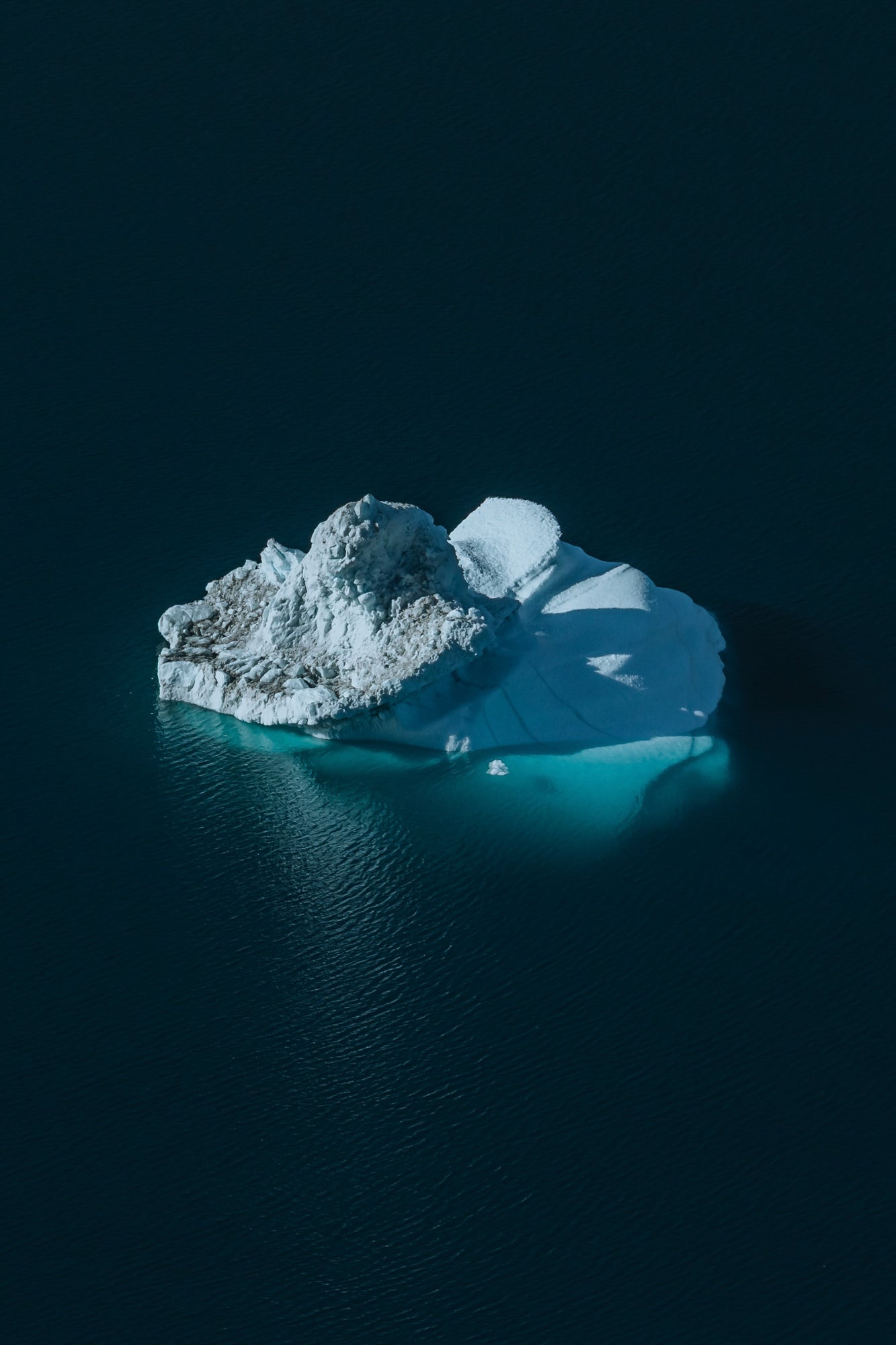
Photo by Eyrún Lydía. Alpha 7 IV. 100-400mm f/4.5-5.6 G Master. 1/200-sec., f/11, ISO 250
Accessories
TOUGH Memory Cards: I always carry a couple of spare memory cards with me. I'd much rather have too many than find myself deleting images in the field to make room for new ones. You'll never regret carrying a spare card, but you'll always remember the photo you didn't get because you ran out of space.
Extra Z Batteries: I always carry a few extra batteries. In Iceland, a quick drive can easily turn into an eight-hour photography adventure when the weather, light, or conditions suddenly come together. I'd rather come home with unused batteries than find myself watching the perfect moment unfold with a dead camera.
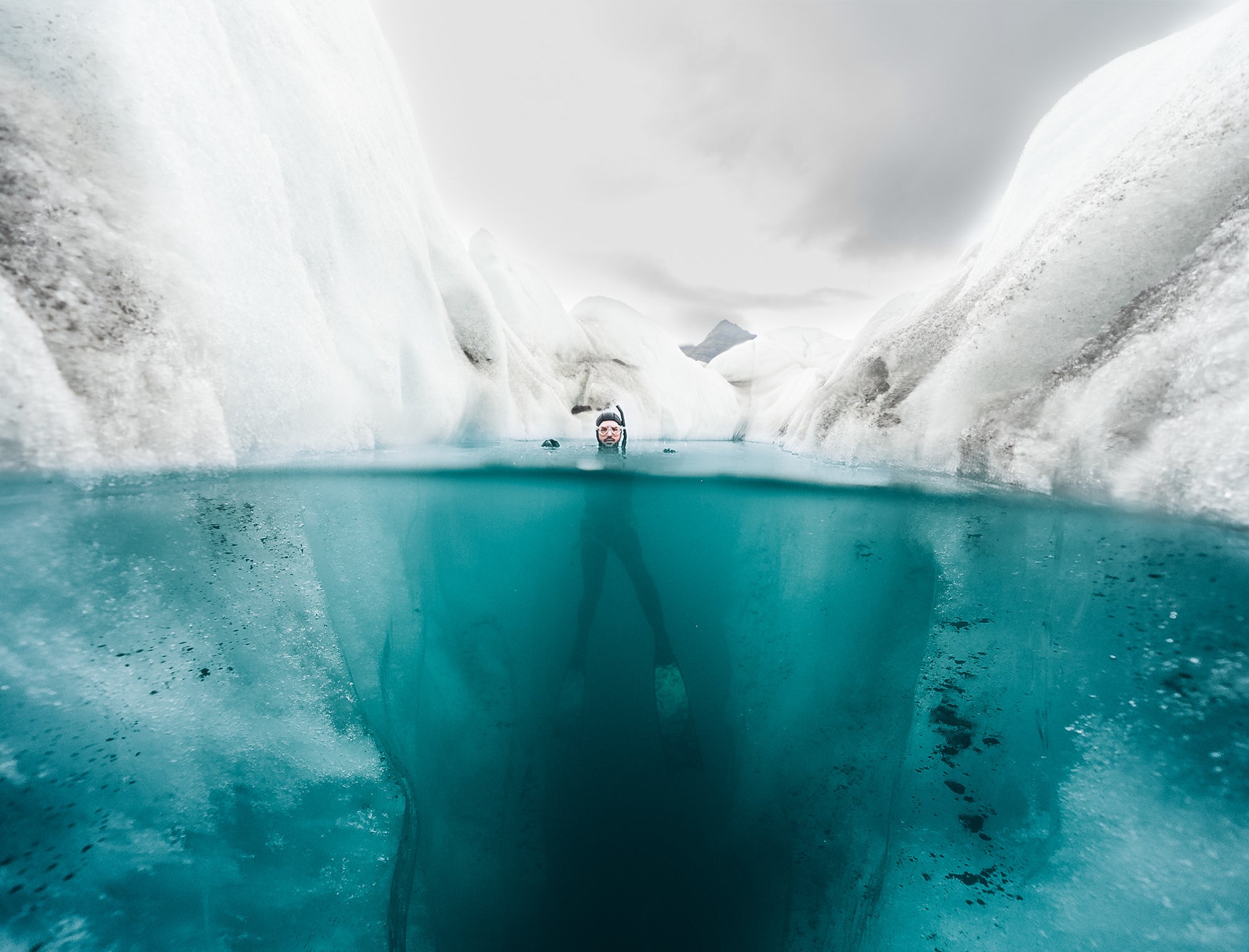
Photo by Eyrún Lydía. Alpha 7 IV. 16-35mm f/2.8 G Master.
Underwater Housing
Lens Cleaning Kit
PR1ME GEAR x SP Tech case that keeps all of these things and my power cords.
Flash: I’ve recently added a flash to my kit, I don’t use it often but I like having it available for when I want to be a little creative
Transmitter/Receiver: When I’m alone and taking self portraits.
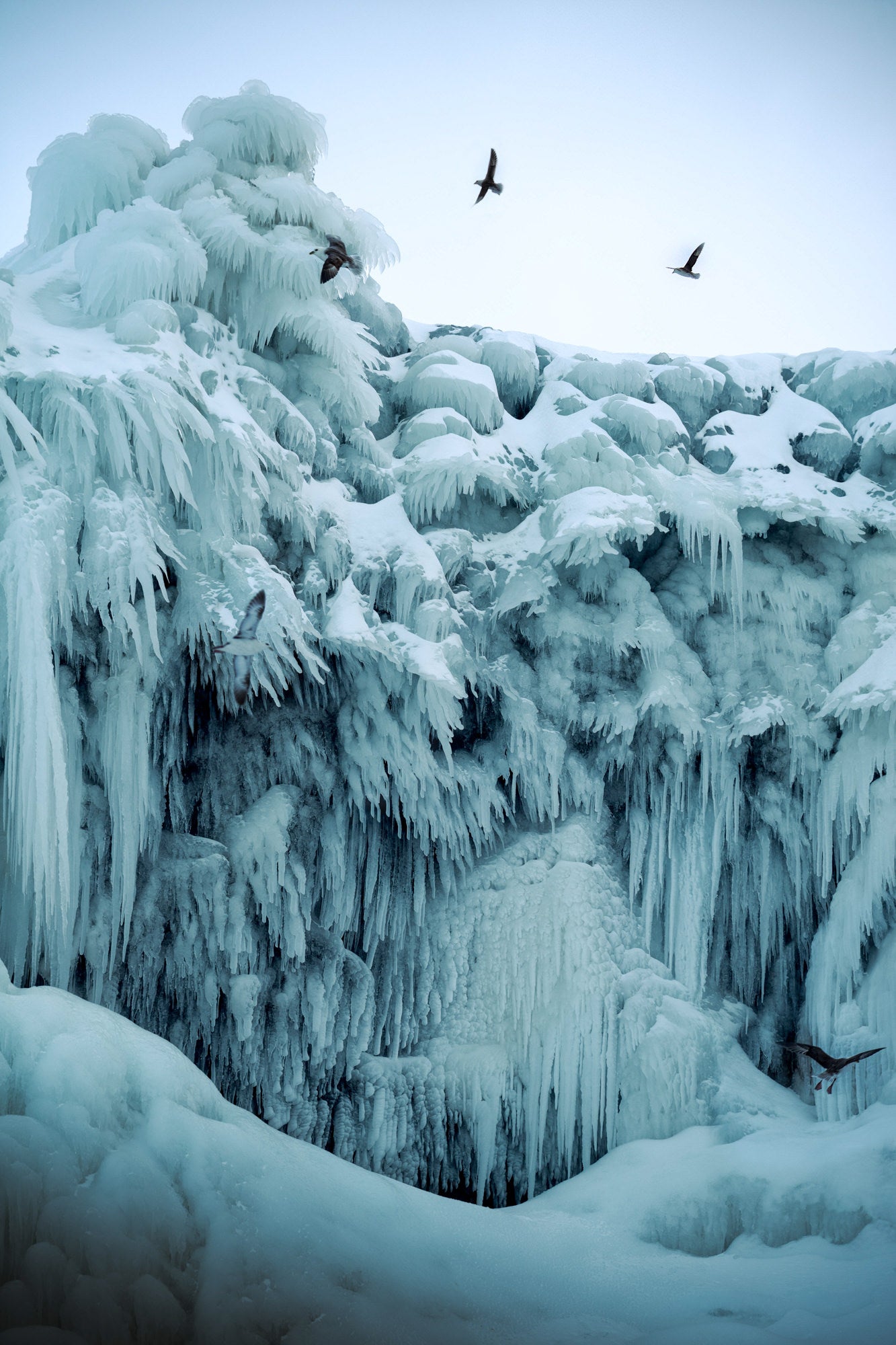
Photo by Eyrún Lydía. Alpha 7 IV. 24-70mm f/2.8 G Master II.
Neoprene Shoes: I’ve ended up in situations where I’ve had to take my boots off and step into water to get the shot. In Iceland, that often means glacier water, so it can get brutally cold. It’s one of those slightly unusual items I always carry, because you never really know when you’ll end up wading into a river for a frame. I suppose I can blame my love of photography for that.
There's usually a few snacks, a small towel and a protein bar in the bag as well as a few bandages because I'm notoriously good at being clumsy.
See more of Eyrún Lydía’s work on Instagram @eyrunlydia.