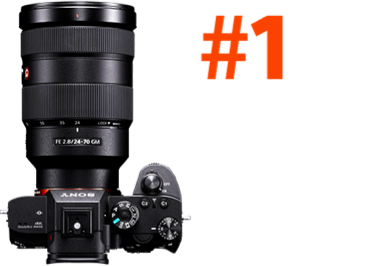
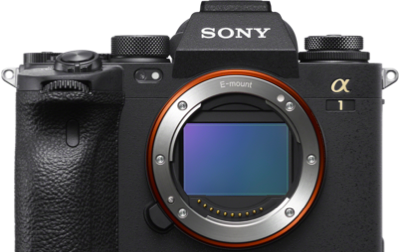
When photographer Nate Luebbe finally got his hands on Sony's new Alpha 7R VI, he didn't have the luxury of time. Fresh off an assignment, he had just three days with the camera – so he went somewhere that makes every day count.
"When you're short on time, there's almost nowhere on Earth that's a better bang-for-your-buck than Grand Teton National Park," Luebbe says.
What followed was a compressed but telling field test: snowcapped peaks mirrored in still water, bison moving through open meadows and a mesmerizing timelapse of the beautiful scenery. In other words, exactly the kind of mixed, demanding shooting that separates a great camera from a truly exceptional one.
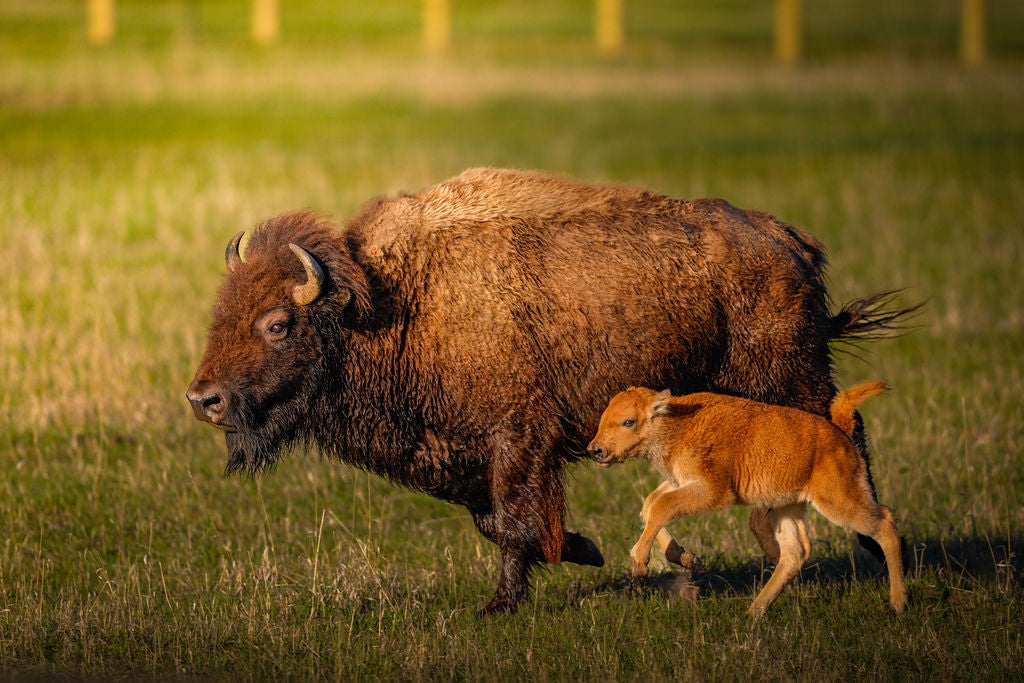
Photo by Nate Luebbe. Alpha 7R VI. 400mm f/2.8 G Master. 1/2000-sec., f/2.8, ISO 500
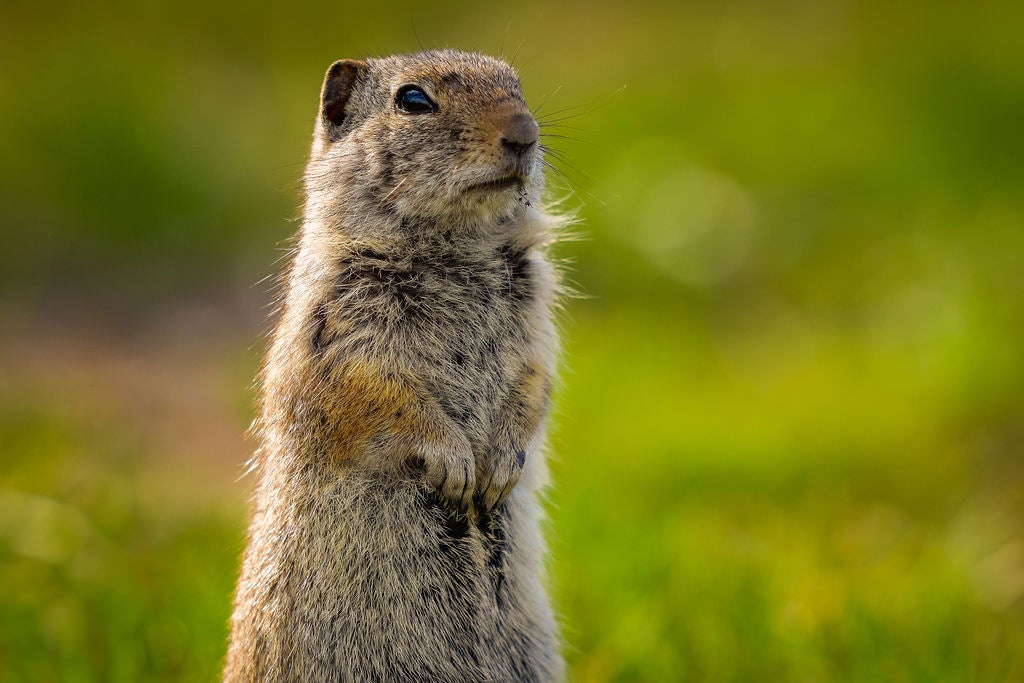
Photo by Nate Luebbe. Alpha 7R VI. 400mm f/2.8 G Master. 1/500-sec., f/2.8, ISO 200
Image Quality That Stops You In Your Tracks
Luebbe arrived in the Tetons with two cameras – the Alpha 7R VI and his Alpha 1 II. The comparison was telling. "Genuinely astonishing," he says of the Alpha 7R VI's image quality. "Massive dynamic range and incredible ISO performance. Honestly... I think I might be buying a new camera soon."
That's high praise from a shooter who already owns one of Sony's flagship bodies. But the Alpha 7R VI's combination of resolution and sensor performance kept pulling him toward it, frame after frame.
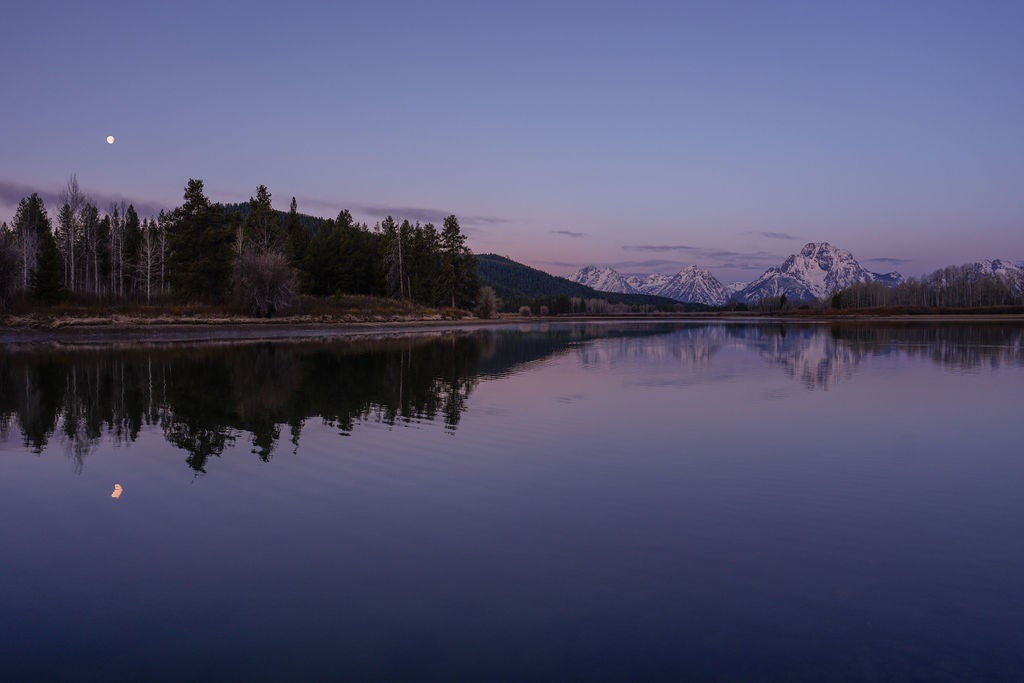
Photo by Nate Luebbe. Alpha 7R VI. 24-70mm f/2.8 G Master II. 1/200-sec., f/2.8, ISO 125
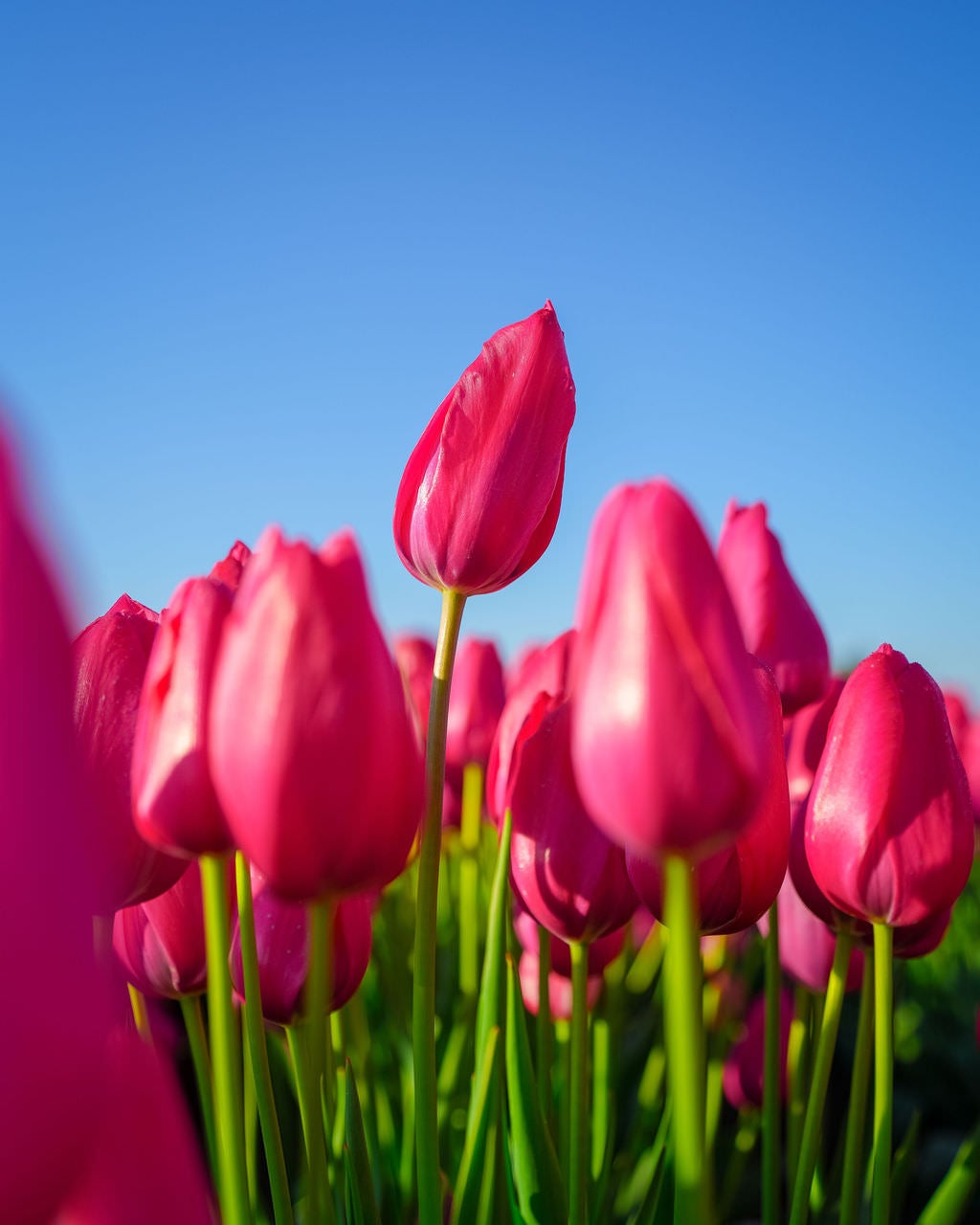
Photo by Nate Luebbe. Alpha 7R VI. 16-35mm f/2.8 G Master II. 1/1600-sec., f/2.8, ISO 100
Built For Wildlife: AF & Speed That Deliver
For wildlife work, responsiveness is everything – and this is where the Alpha 7R VI made its case most convincingly. Luebbe leaned heavily on precapture, blackout-free 30 fps shooting, and the camera's Real-time Recognition AF+.
"I was blown away by how quickly the AF could recognize a tiny bird flying through the air and perfectly lock on and track," he says. "Significantly improved over previous AF systems."
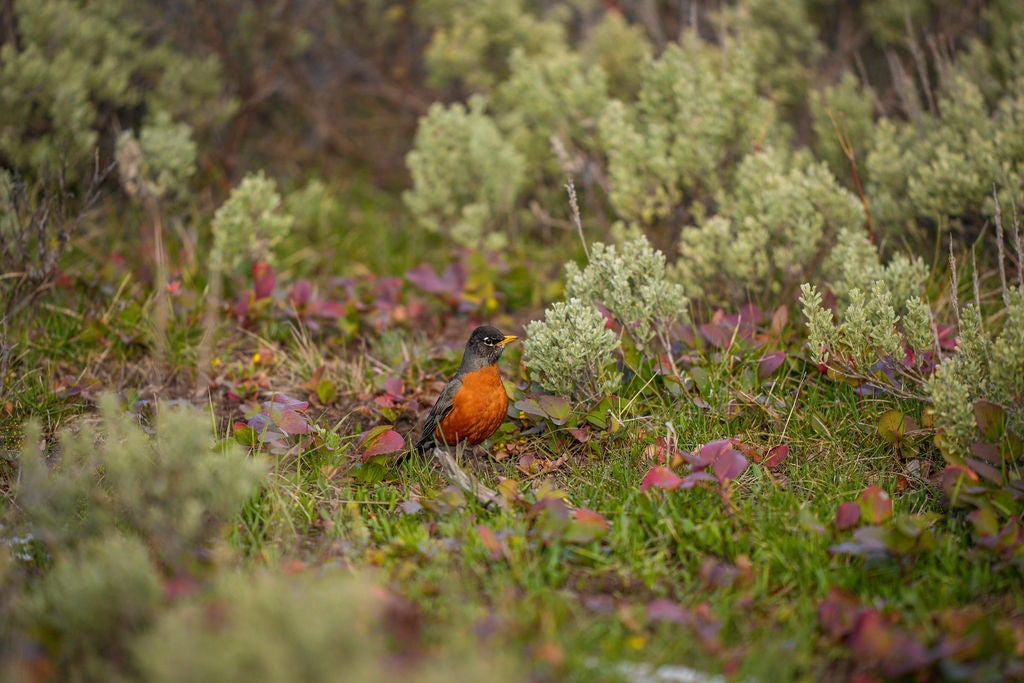
Photo by Nate Luebbe. Alpha 7R VI. 400mm f/2.8 G Master. 1/1600-sec., f/2.8, ISO 1250
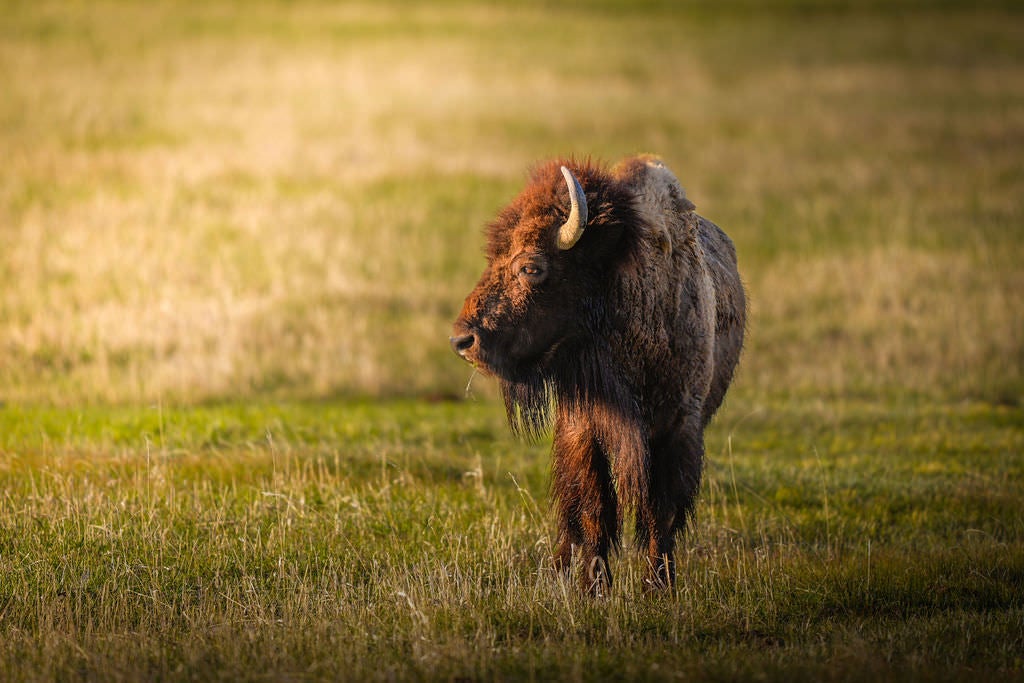
Photo by Nate Luebbe. Alpha 7R VI. 400mm f/2.8 G Master. 1/320-sec., f/2.8, ISO 250
Getting fully-stacked sensor speed from a body carrying this level of resolution is, in his words, "a complete game-changer for wildlife photography." It's a combination that hasn't existed before, and it shows in the results.
Video That Extends The Camera's Range
Luebbe also put the video capabilities through their paces, and came away impressed – especially with how the camera handles reach and low light. "Some people might not be thrilled to see that 4K/120 is only available in Super-35 mode," he acknowledges, "but this camera is all about resolution, and resolution is best when it's used to enable extra reach." With animals far off in open terrain, the ability to quickly crop in without sacrificing meaningful quality was something he used repeatedly.
The feature that surprised him most, though, was the second base ISO of 6400 for video. "Really extends the usable range of the camera for low-light scenarios," he says. "That was amazing."
A New Chapter For Sony
Ask Luebbe if the Alpha 7R VI has earned a place in his bag, and he'll tell you he tried to talk himself out of it. "I want to say no because I already own too many cameras. I really don't need another camera," he laughs. "But this is easily the best camera Sony has ever made, so yeah – I'm 100% going to buy one."
Beyond his own plans, Luebbe sees the Alpha 7R VI as something more significant than just a new model. "This feels like the foundation of an entirely new chapter for Sony. This camera has some incredible new features that really feel like building blocks for the next generation of Sony cameras."
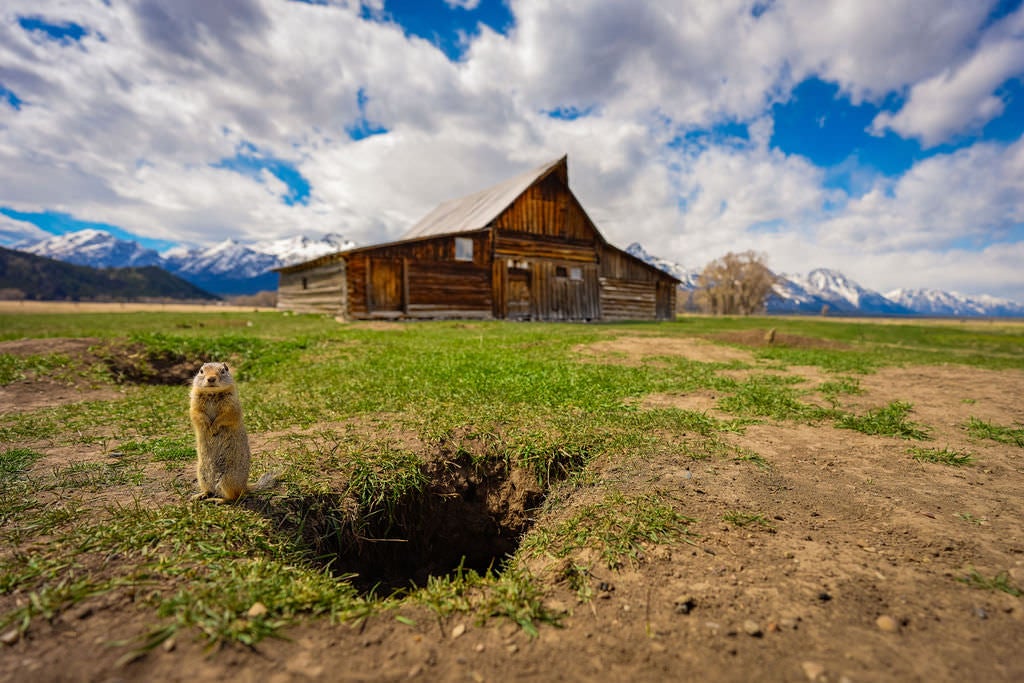
Photo by Nate Luebbe. Alpha 7R VI. 16-35mm f/2.8 G Master II. 1/2000-sec., f/3.2, ISO 100
See more of Nate Luebbe’s work on his Alpha Universe Profile and on Instagram @nateinthewild.
Click here to learn more about the new Alpha 7R VI.