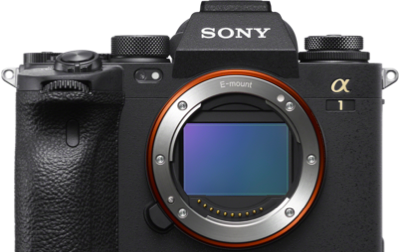
There are cameras that impress on paper, and then there are cameras that make seasoned professionals stop and take notice in the field. For wildlife and travel photographer Colby Brown, the new Sony Alpha 7R VI turned out to be the latter, and then some.
Colby, a Sony Artisan whose work has taken him to the far corners of the globe and whose gear bag already houses two Alpha 1 IIs and an Alpha 9 III, got his first look at the Alpha 7R VI and was even a part of the official launch video. After spending several weeks putting it through its paces, he came away genuinely blown away.
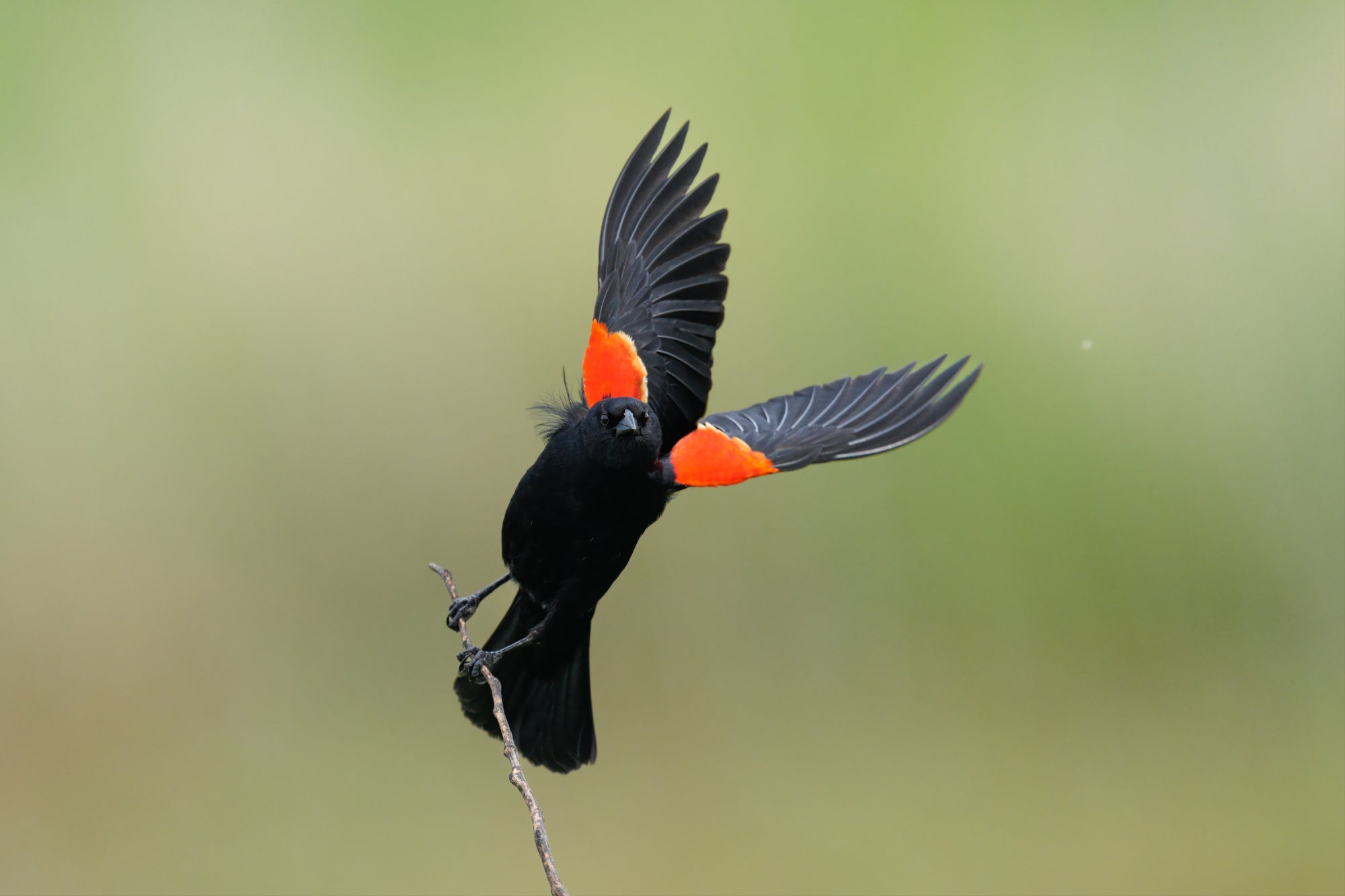
Photo by Colby Brown. Alpha 7R VI. 600mm f/4 G Master. 1/3200-sec., f/4, ISO 1000
67 Megapixels. For Wildlife. Yes, Really.
Ask most wildlife photographers what they prioritize in a camera, and resolution usually isn't the first thing out of their mouths. Speed, autofocus reliability, buffer depth – those tend to top the list. But Colby makes a compelling case for why the Alpha 7R VI's 67-megapixel full-frame stacked sensor is a genuine game-changer for the genre.
"Having a 67MP full-frame stacked sensor is a pretty big deal for wildlife photographers," Colby explains. "That gives me a lot of room to crop in on my subject when photographing small birds, for example, while still retaining an insane amount of image data."
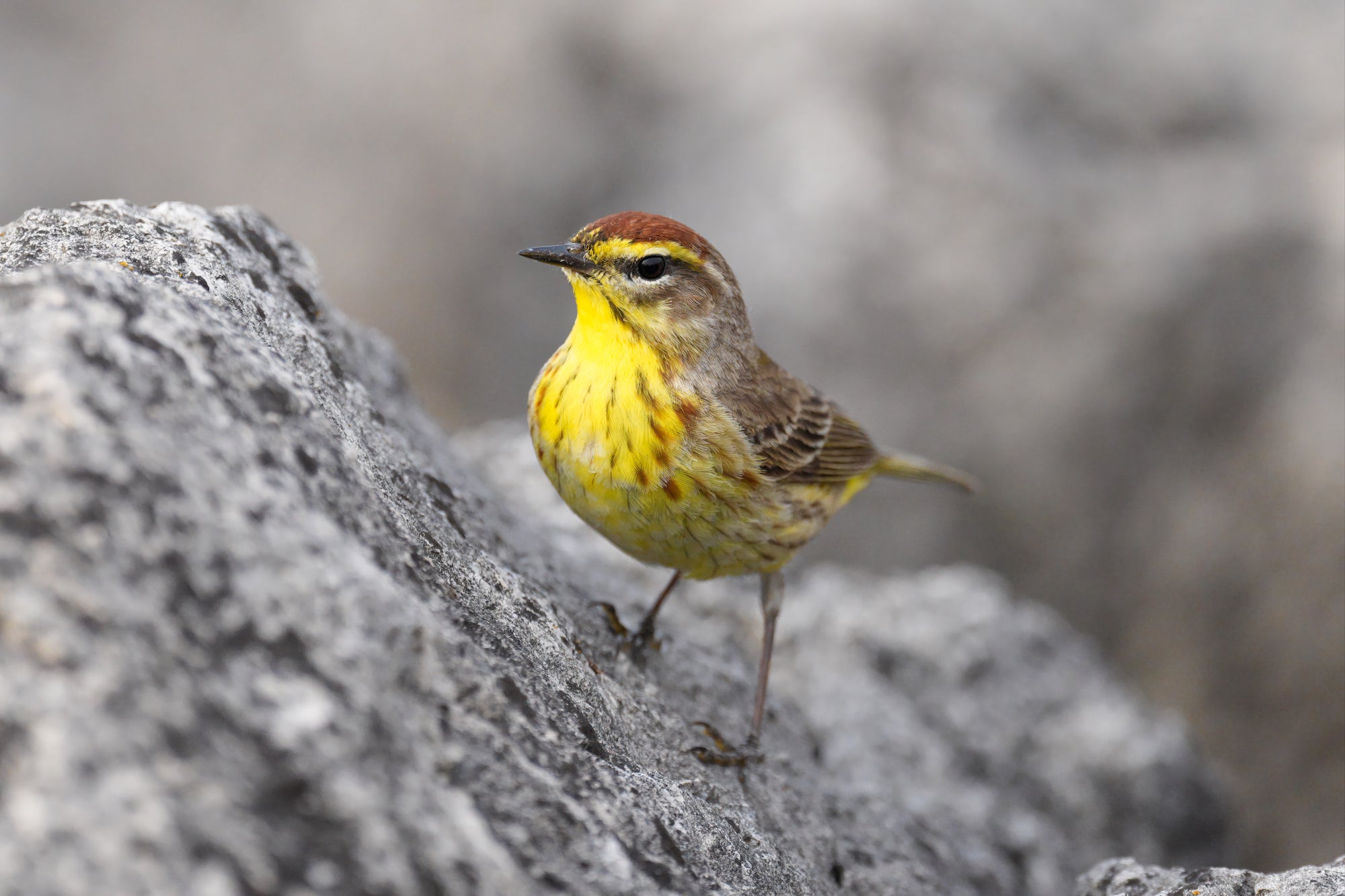
Photo by Colby Brown. Alpha 7R VI. 600mm f/4 G Master. 1/4000-sec., f/4, ISO 2500
Think about what that means in practice. A heavily cropped image from the Alpha 7R VI can still deliver resolution that most cameras can't match straight out of the camera. For birders and small-subject wildlife photographers especially, that's not a minor footnote – it's a fundamental shift in what's possible.
Speed That Changes The Conversation
Here's where the Alpha 7R VI starts to feel like something genuinely new: it doesn't ask you to trade resolution for speed. Shooting at 30 frames per second with 67-megapixel images isn't a spec sheet party trick – it's the kind of capability that reframes what a high-resolution camera can do.
Colby fully leaned into this during his shooting sessions, pairing the blazing frame rate with Sony's AI-based Real-Time Recognition AF+ to track birds in flight and other fast-moving wildlife. He also made use of Pre-Capture, which buffers frames before you even fully press the shutter, and the camera's advanced image stabilization to keep those long lenses steady in the field.
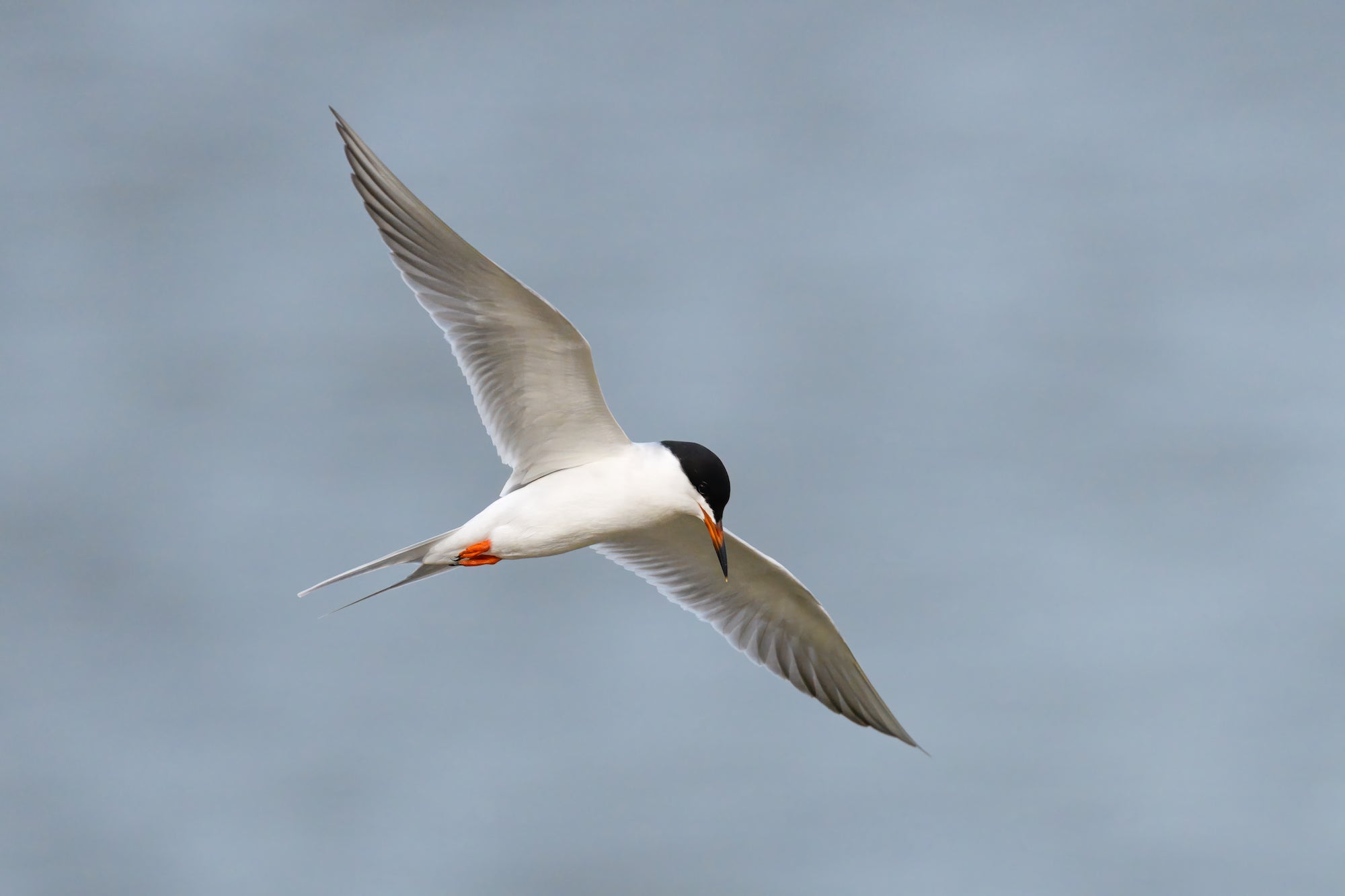
Photo by Colby Brown. Alpha 7R VI. 600mm f/4 G Master. 1/4000-sec., f/4, ISO 640
"The Sony Alpha 7R V was already an impressive camera when it was first released," says Colby, "but other cameras, such as the Alpha 1 II and Alpha 9 III, offered more features and speed, making them more advantageous for wildlife photographers. With the Alpha 7R VI, Sony has produced an incredibly capable high-megapixel camera that can capture moving subjects at 30fps, featuring a significantly improved AF system."
That's a meaningful statement coming from someone who shoots with Sony's top-tier bodies daily. The Alpha 7R VI isn't being graded on a curve here…it's being compared directly to the best Sony has ever made, and it's holding its own.
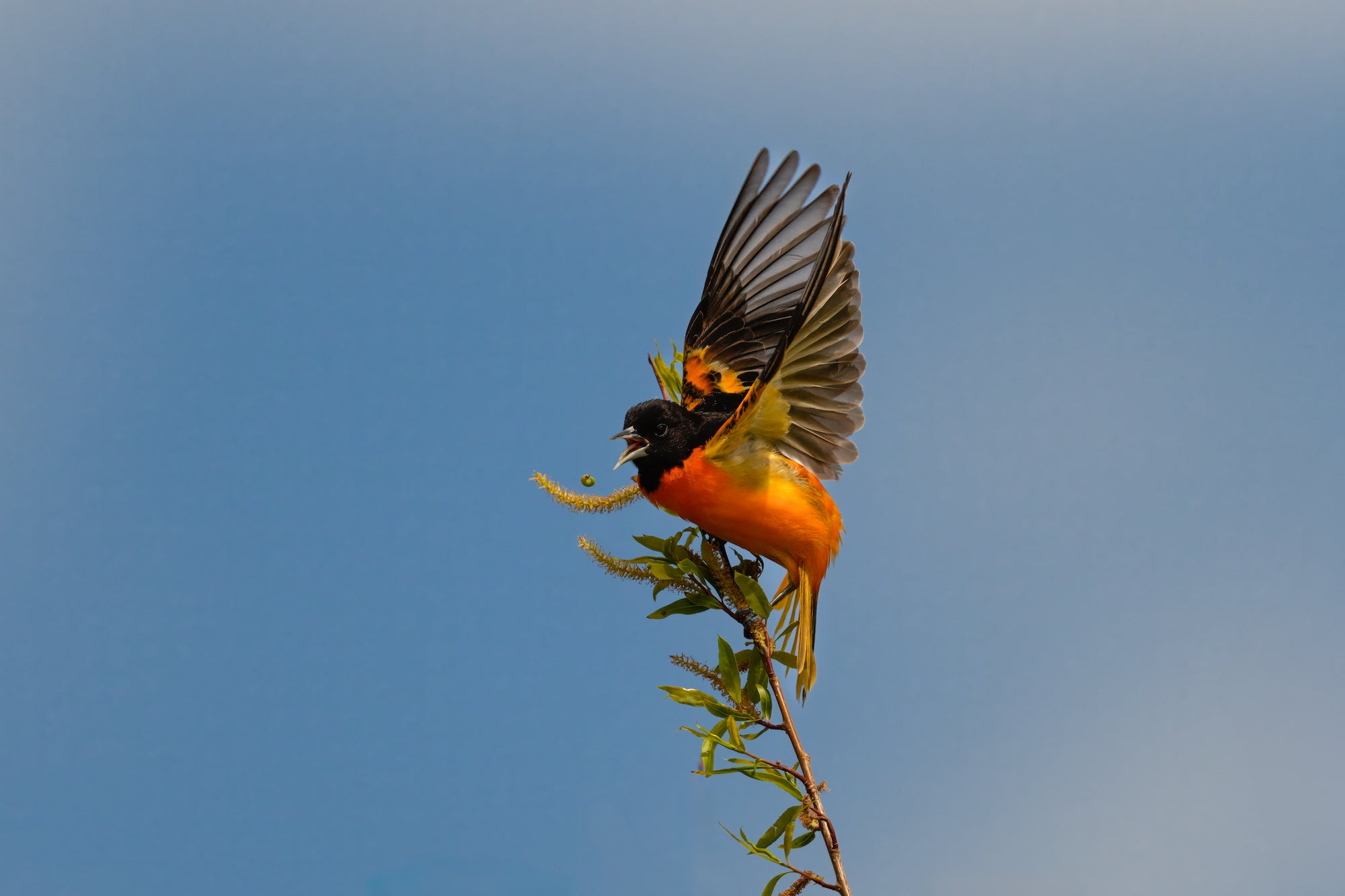
Photo by Colby Brown. Alpha 7R VI. 600mm f/4 G Master. 1/5000-sec., f/4, ISO 250
The Versatility Factor
Perhaps the most telling indicator of how Colby feels about the Alpha 7R VI is where it’s landing in his kit. This isn't a camera he's setting aside for specialty situations. It's earning a permanent spot alongside his Alpha 1 IIs and Alpha 9 III.
"I think it will be a great complement to my gear bag," he says. "The extra resolution and speed of the sensor in the Alpha 7R VI mean that it can handle nearly all wildlife situations that I can throw at it, which is what is required for it to work in tandem with my Alpha 1 II and Alpha 9 III camera bodies."
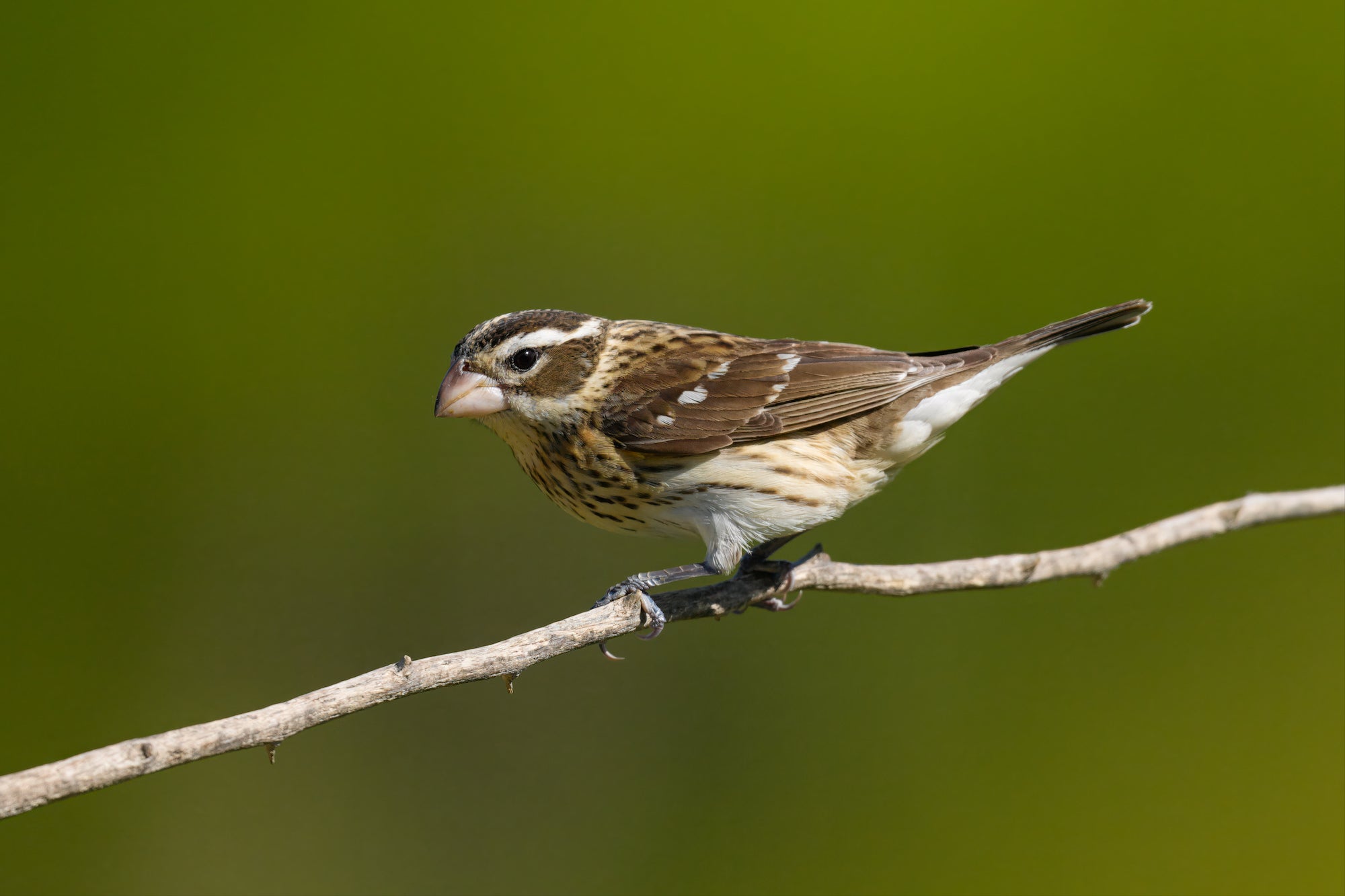
Photo by Colby Brown. Alpha 7R VI. 600mm f/4 G Master. 1/3200-sec., f/4, ISO 400
That last part matters. When you're working with a professional kit, every camera body needs to pull its weight. A camera that can only handle a narrow slice of situations becomes a liability. Colby's assessment is that the Alpha 7R VI is versatile enough (and capable enough) to earn that trust in the field.
The Verdict
When you combine a landmark 67-megapixel stacked sensor with 30fps continuous shooting, Sony's most advanced AI-driven autofocus, best-in-class image stabilization, and features like Pre-Capture, you get a camera that defies the traditional trade-offs of high-resolution photography.
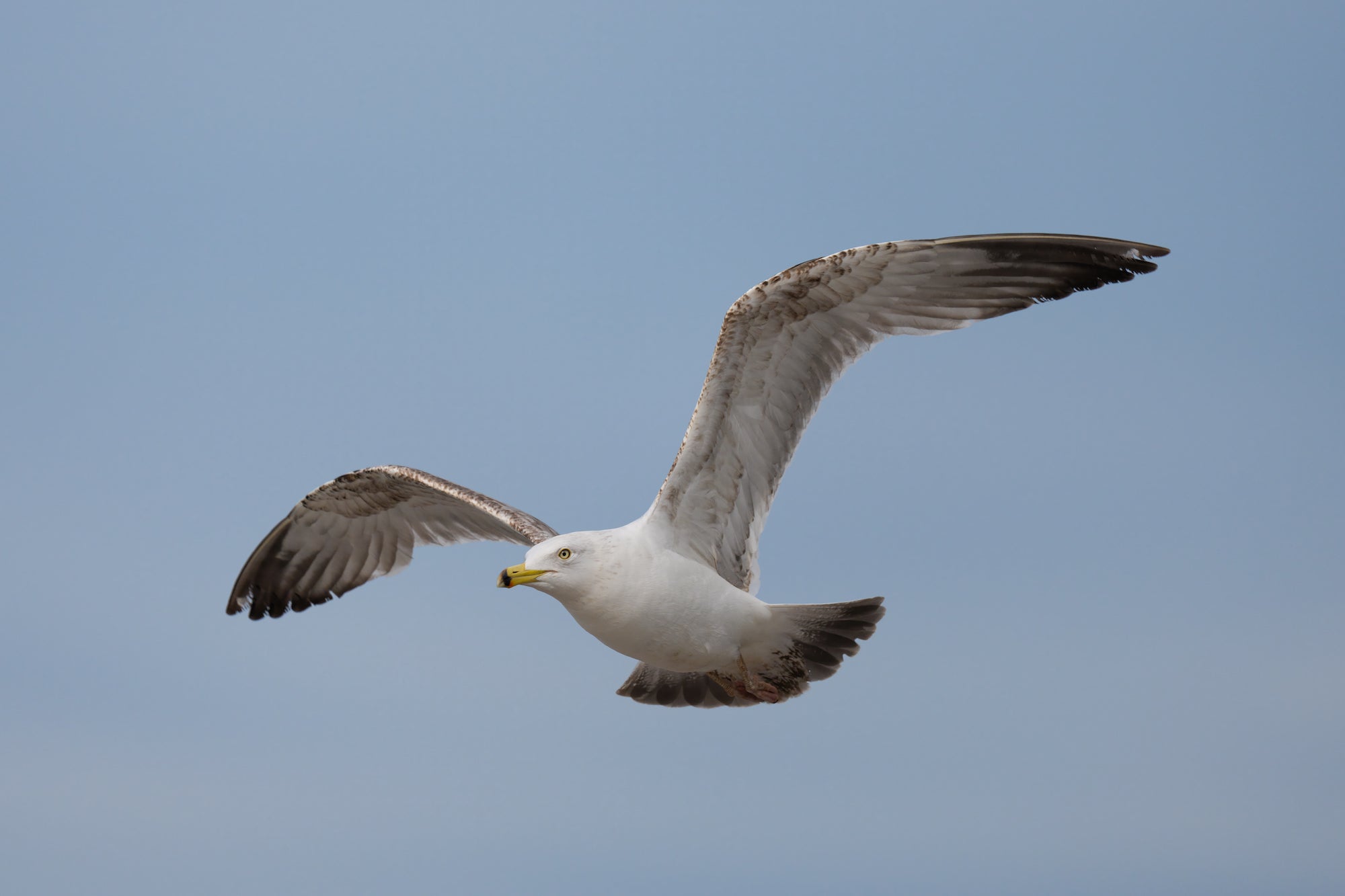
Photo by Colby Brown. Alpha 7R VI. 600mm f/4 G Master. 1/4000-sec., f/4, ISO 320
Colby sums it up simply: "Sony knocked it out of the park with this one. I can't wait to see what I can photograph while on my various adventures around the globe."
For wildlife photographers who have always wanted more resolution without sacrificing the speed and reliability they need in critical moments…the wait is over. Pre-order the Alpha 7R VI now.
See more of Colby Brown’s work on his Alpha Universe Profile and on Instagram @colbybrownphotography.
Click here to learn more about the Alpha 7R VI.
Enter Our Instagram Birding Photo Sweepstakes!
If you love birding photography too, you should enter our @sonyalpha May Birding Photo Sweepstakes on Instagram between now and 6/1 to win a new Sony lens! You can win your choice of a Sony 200–600mm F5.6–6.3 G OSS, 100-400mm F4.5-5.6 GM OSS, or 400-800mm f/6.3-8 G OSS lens (to go perfectly with your new Alpha 7R VI!)
To enter, post:
1. A single image, image carousel, or video to your Instagram feed either captured using a Sony camera or showcasing your dream Sony camera, and correlating with the associated Bird theme.
2. In the post description, share details of what your favorite Sony camera or lens is and why
3. Tag or mention @sonyalpha in the Instagram post
4. Include the hashtags #SonyAlphaBirdContest2026 and #SweepstakesEntry
Bonus entry: tag your favorite retailer or the place you bought your last Sony camera or lens in your entry post.
Must be located in the United States, 18+ to enter. Contest closes 6/1 11:59 PM PT. Official Rules here.