Before you head into the field, a few smart camera customizations can make all the difference when the action starts moving fast. In his free Bird Photography course on Alpha Camera Academy, instructor Matt Kloskowski shares the practical techniques and field-tested approach he uses to stay ready for unpredictable wildlife moments. Here, he breaks down five Sony camera settings he relies on to simplify his setup, react faster, and focus on capturing compelling bird photographs.
If you’ve spent any time photographing birds and wildlife, you already know this: things happen fast. One second the bird is perched, the next it’s gone. Or worse… it does something amazing and you miss it because you were messing around with your settings.
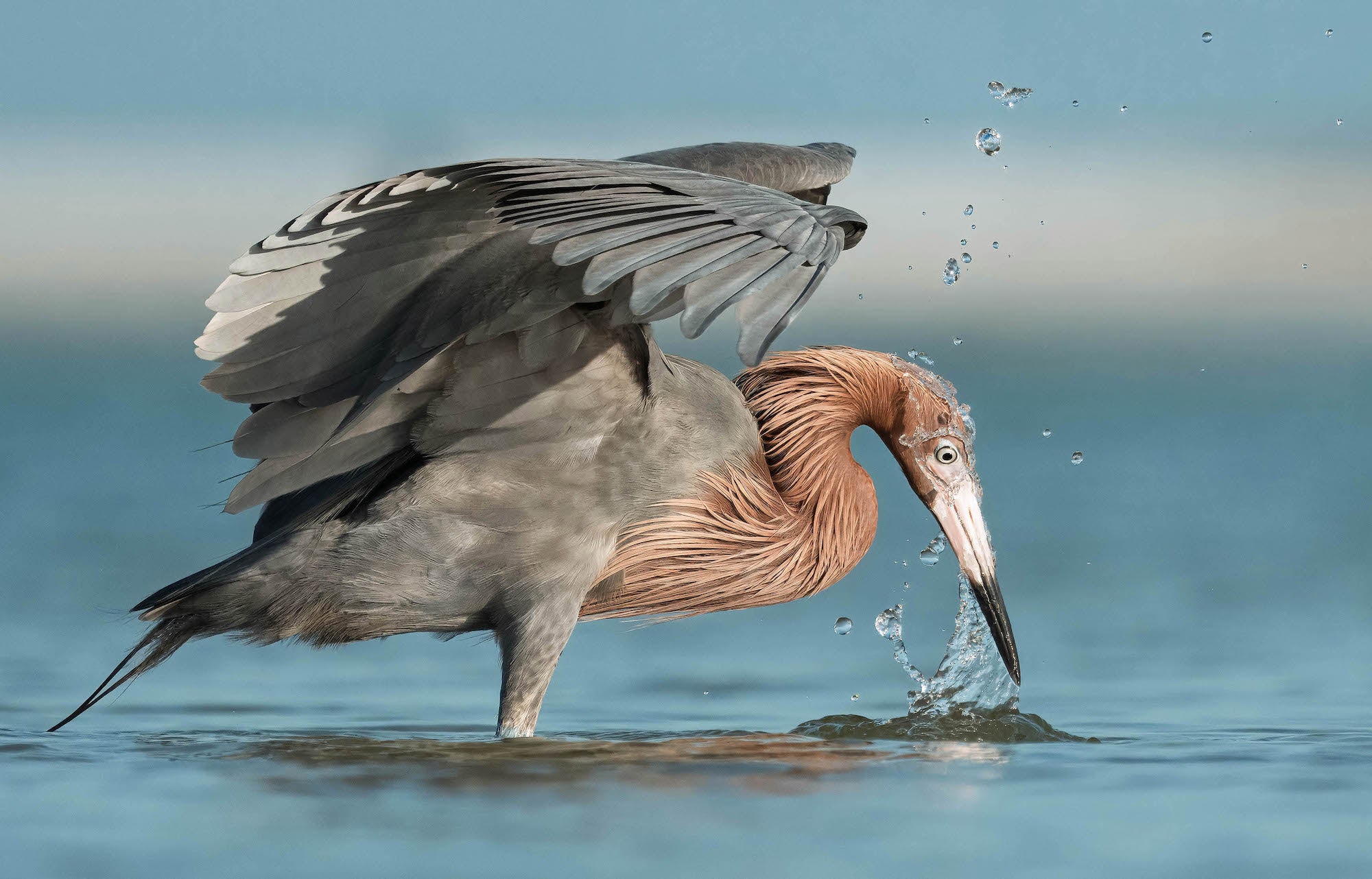
Photograph by Matt Kloskowski. Alpha 1 II. 200-600mm f/5.6-6.3 G OSS. 1/4000-sec. f/6.3. ISO 640.
Over the years, I’ve really simplified how I set up my Sony cameras for bird and wildlife photography. It’s not because I don’t like tinkering (which I really don’t by the way), but because the more complicated things get, the more likely I am to miss the shot.
So instead of trying to optimize everything, I’ve settled into a handful of settings that I trust. They keep me ready, flexible, and focused on what matters - getting something great in front of my camera, and capturing an engaging moment with the wildlife.
Here are the five settings I swear by.
"5 Bird Photography Settings I Swear By"
1. Auto ISO - Let the Camera Help You
For bird photography, and anything outdoors, light is constantly changing. You’re dealing with sun, sky, trees, shadows, and movement all at once. Trying to manually adjust ISO every time the light shifts is a losing battle.
That’s why I use Auto ISO.
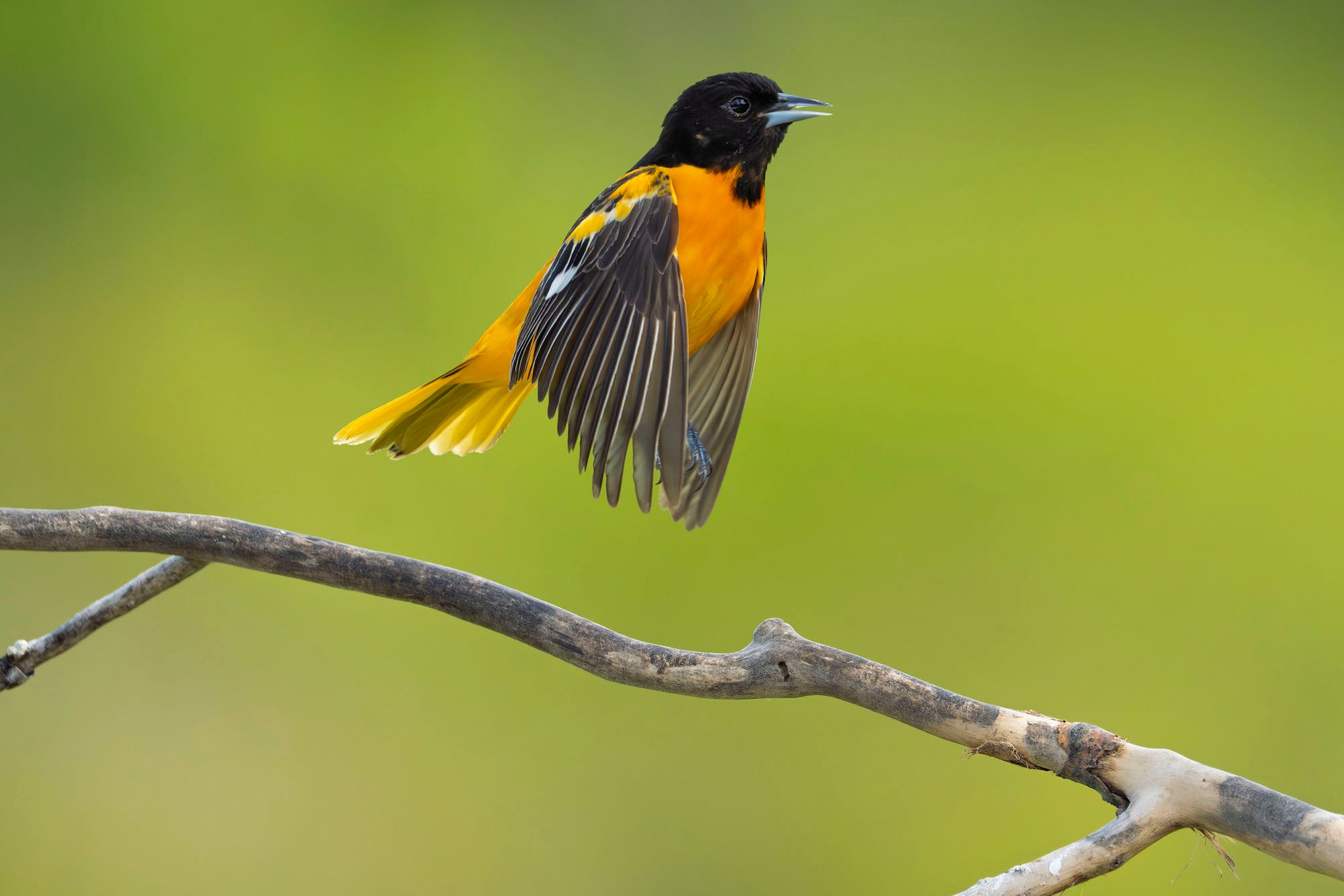
Photograph by Matt Kloskowski. Alpha 1 II. 200-600mm f/5.6-6.3 G OSS. 1/4000-sec. f/6.3. ISO 4000.
It allows me to focus on my shutter speed which may be the most important setting, as well as the action in front of me so that I can capture razor sharp photos.
I’ll typically lock in my aperture which rarely changes, and then a fast shutter speed. Auto ISO will let ISO “float” as needed based on the light I’m in. If I had one setting that I would never give up, this is it.
2. Center Point Focus - Keep It Simple
Sony gives you a lot of autofocus options. Zones, tracking, wide area, subject detection - and it’s all incredibly powerful.
But when it comes to birds, especially small or fast-moving ones, I keep coming back to the center point focus option, because it gives me control.
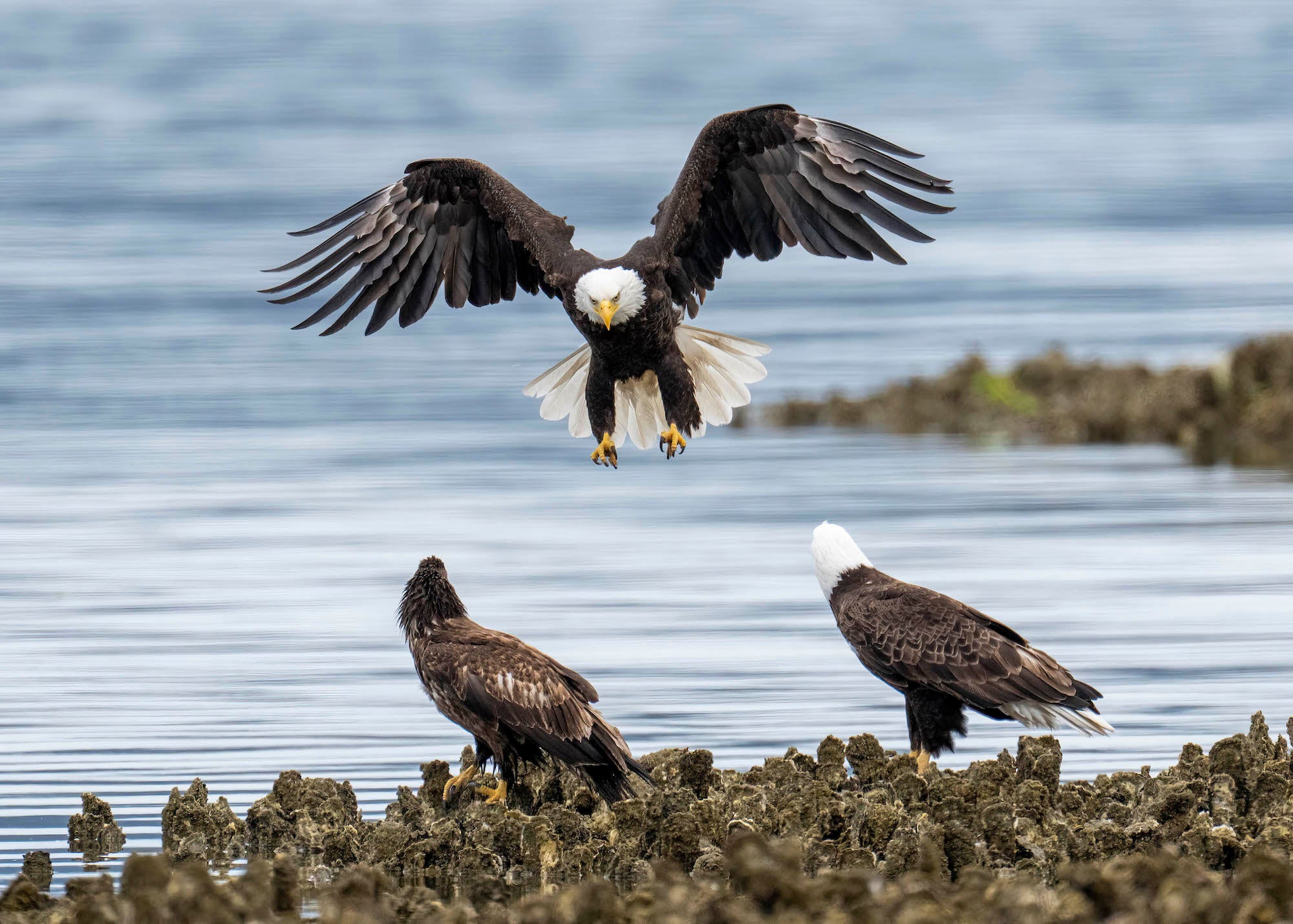
Photograph by Matt Kloskowski. Alpha 1. 600mm f/4 G Master OSS. 1/3200-sec. f/5.6. ISO 800.
When I place that focus point on the bird, I know exactly what the camera is focusing on. There’s no guessing, no hunting around the frame, no locking onto a branch or background. And it leaves very little for the camera to mistake and lock on to something else.
Yes, there are times when wide or tracking autofocus can help. But center point is reliable. It’s predictable. And in a fast-moving situation, that matters more to me than anything.
Side Note: If the subject is moving a lot, I’ll often turn on Center Point Focus with tracking enabled to help me follow it. But I still know the subject starts in the center of the frame every time.
3. Pre-Capture On The C5 Button
For a lot of situations, especially small birds, pre-capture has become one of my favorite features. I simply could not get some of the photos I get without it.
It’s one of the most powerful features on newer Sony cameras, and I assign it to my C5 button, because my finger is already there, and I can engage it quickly by pressing it while shooting.
When it’s enabled, the camera is essentially buffering images before you even press the shutter. So when you do press it, you’re actually capturing moments that happened just before your reaction time kicked in.
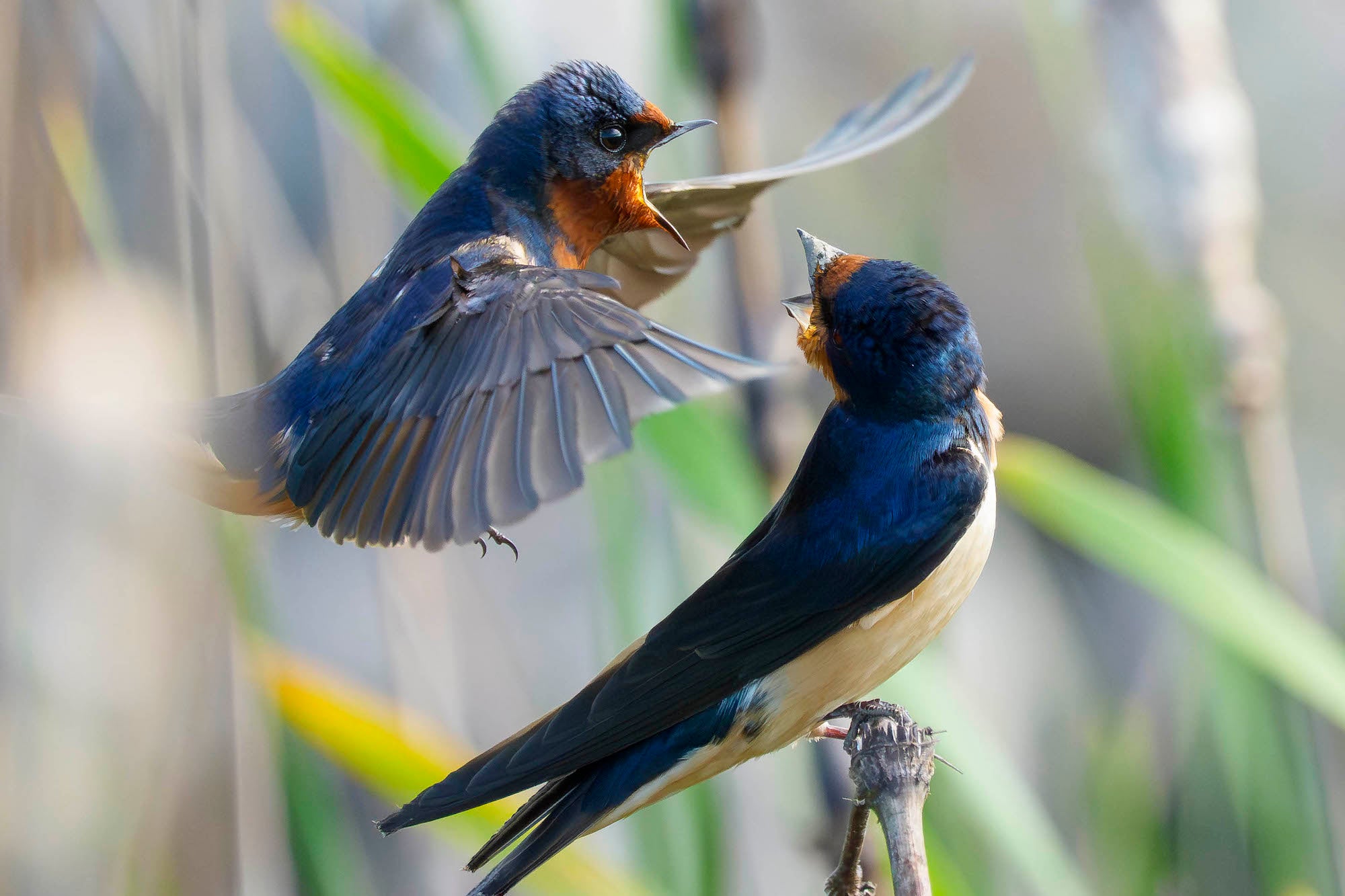
Photograph by Matt Kloskowski. Alpha 1 II. 200-600mm f/5.6-6.3 G OSS. 1/4000-sec. f/6.3. ISO 4000.
This photo for example could never have been timed perfectly. There was no sign it was going to happen, and it happened faster than I could react.
4. The Zoom Button - To Check Focus Immediately
There’s nothing worse than thinking you nailed a shot… only to find out later it’s slightly soft.
That’s why I’ve trained myself to use the zoom (magnify) button constantly. After a burst, I’ll quickly zoom in and check focus on the eye.
It’s a quick quality check that tells me everything I need to know:
• Is my focus good?
• Is my shutter speed fast enough?
• Do I need to adjust anything?
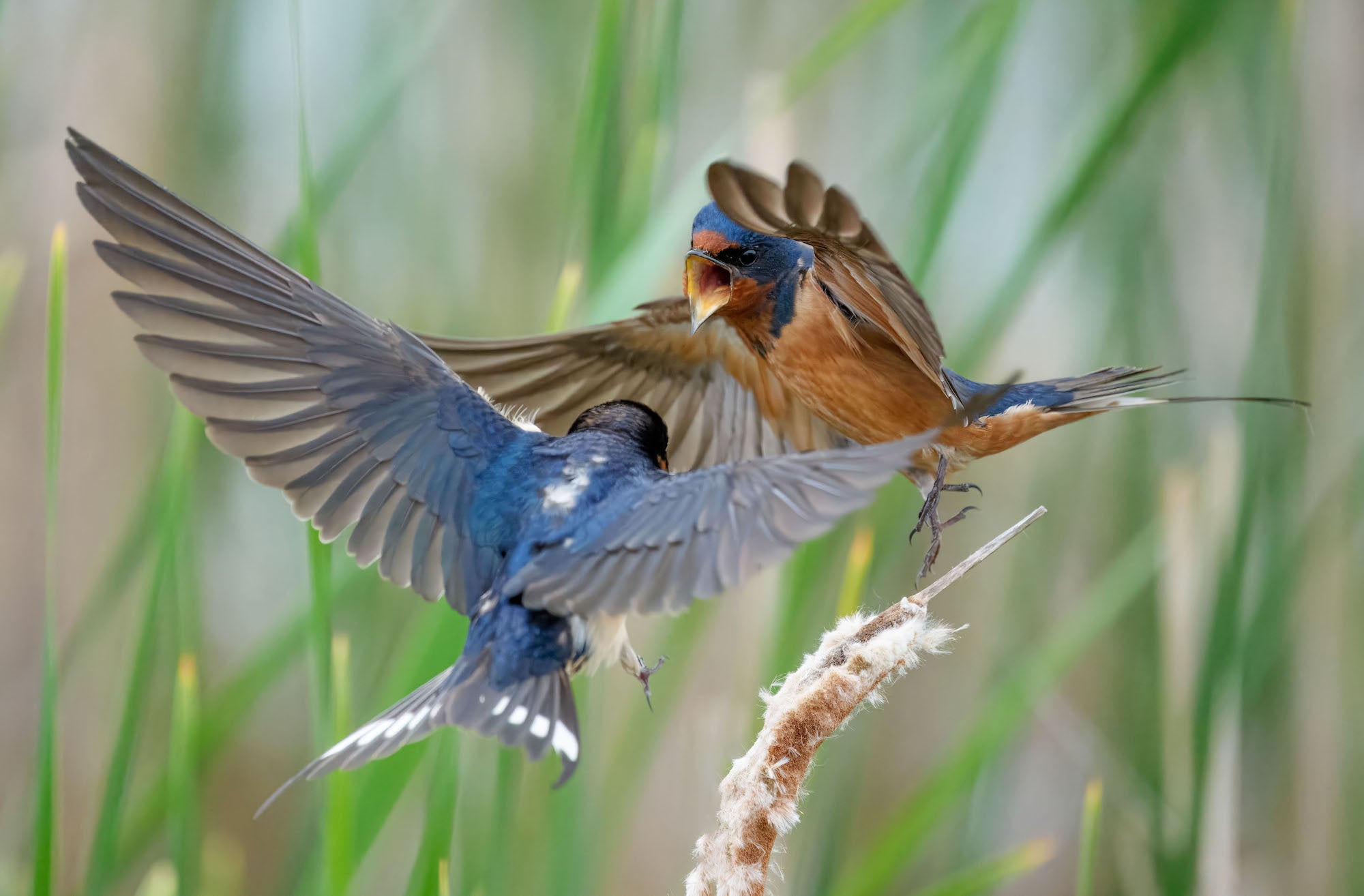
Photograph by Matt Kloskowski. Alpha 1 II. 200-600mm f/5.6-6.3 G OSS. 1/3200-sec. f/6.3. ISO 8000.
And over time, you start to trust your results more because you’re verifying them in real time.
5. C3 Button For Subject Recognition
Subject detection on Sony cameras is fantastic. It can lock onto birds, track eyes, and follow movement in ways we couldn’t even imagine a few years ago.
For me, it does away with the need for back button focus, because the only value of BBF (to me) was focus and recompose. If a bird is sitting on a branch, I don’t just want to focus the center point in the middle, I want to compose the shot with the eye at the top of the frame.
BBF was really the only way to do that effectively because we could focus on the eye and recompose without taking a photo. But then subject detection came along. Now I can compose any way I want because the camera will lock on to the subject (and even the eyes) and I can frame it however I choose, without losing focus.
But here’s the thing… it’s not perfect and sometimes I want to turn it off quickly if something changes. Especially with multiple subjects in the frame and when they’re moving quickly.
That’s why I assign Subject Recognition to my C3 button so I can turn it on and off instantly.
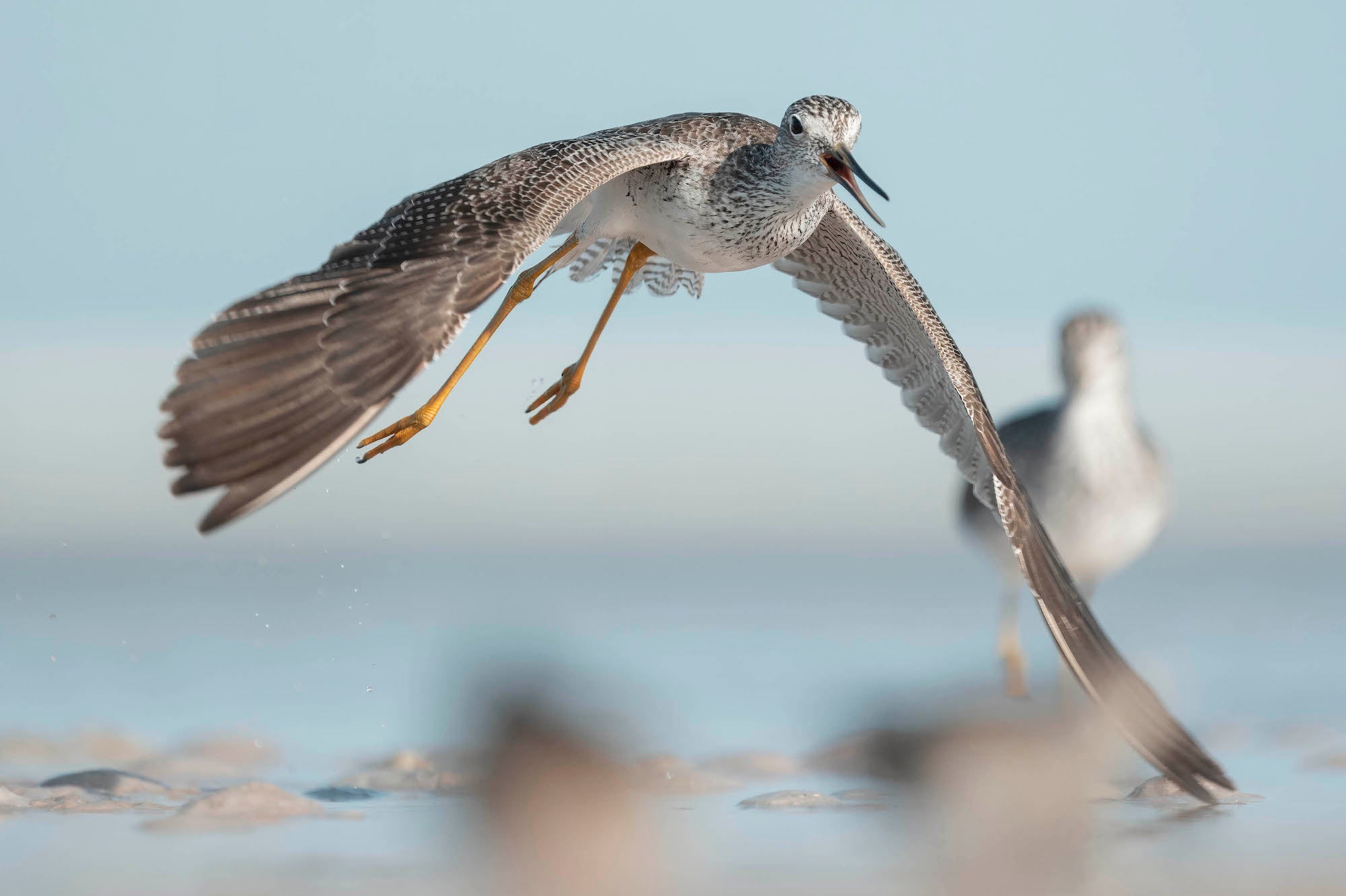
Photograph by Matt Kloskowski. Alpha 1 II. 200-600mm f/5.6-6.3. ISO 1250.
Final Thoughts
If there’s one theme running through all of this, it’s simplicity and control.
Bird photography is already challenging enough with changing light, fast moving subjects and unpredictable movements.
The last thing I want is a complicated camera setup getting in the way. And these 5 settings / customizations help me stay ready, react faster and make adjustments quickly.
As I wrote in the beginning, the only thing I want to worry about is getting something great in front of my camera, and capturing an engaging moment.
Keeping it simple is how I’m able to do it.
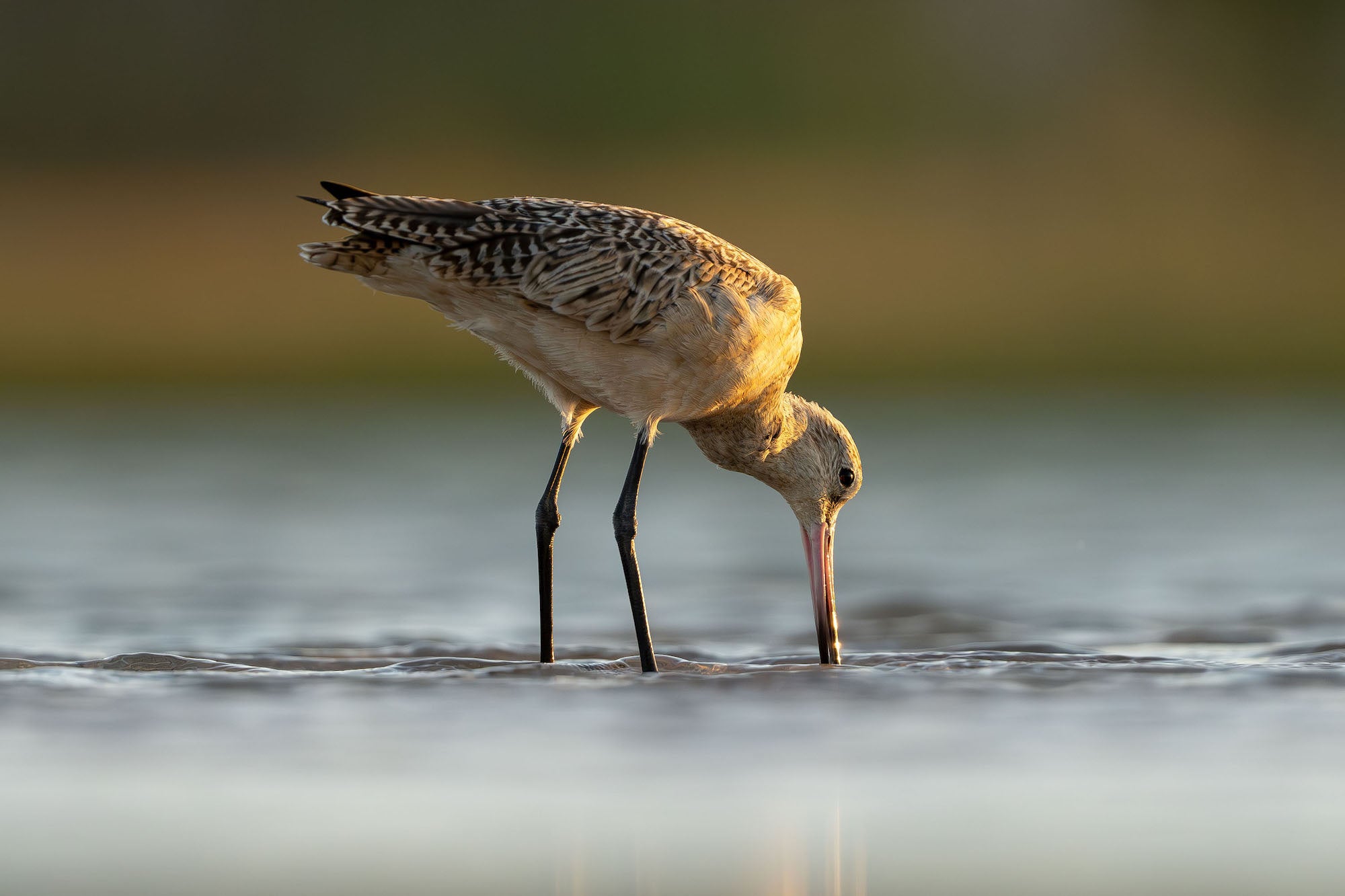
Photograph by Matt Kloskowski.
Interested in more on Bird Photography?
–Click here to take Matt's free Bird Photography course on Alpha Camera Academy.
–Click here to explore the Best Lenses for Bird Photography.
–Click here to explore more Bird photography content across the Alpha Universe.