20 years ago, Sony entered the digital camera market as an outsider. Today, it stands as one of the most dominant forces in imaging history – and the Sony Alpha system is how it got there. What began in 2006 with a single DSLR and an inherited lens mount evolved into a relentless pursuit of what a camera could be: faster, sharper, smarter and more capable than anything that came before it.
Take a walk down memory lane below, starting with the announcement of the Sony Alpha 100 on June 5, 2006 through the brand new Sony Alpha 7R VI announced this year, 2026.
2006 – Sony Alpha Is Announced, Sony Alpha 100
Sony makes its bold entrance into the world of interchangeable lens cameras with the announcement of the Sony Alpha DSLR-A100 — the very first camera to carry the Alpha name. Built on the foundation of Konica Minolta's legendary camera legacy, and inheriting its A-mount lens system, the Alpha 100 signals Sony's serious intent to compete at the highest level of digital imaging.
The Alpha 100 features a 10.2 megapixel APS-C CCD sensor and introduces Sony's in-body image stabilization (SteadyShot INSIDE) — a defining differentiator that allowed any compatible lens to benefit from stabilization, rather than requiring it to be built into each lens separately. With a 2.5-inch LCD monitor, the BIONZ image processor, and a launch price that made it accessible to enthusiast photographers, the Alpha 100 immediately found an audience. A new chapter in imaging had begun.
2007 – Sony Alpha 700
Sony builds on the success of the Alpha 100 with the announcement of the Sony Alpha 700, its first serious step into the enthusiast and semi-professional DSLR space. Targeting more demanding photographers, the Alpha 700 is a significant leap forward from its predecessor in both performance and build quality.
The camera features a newly developed 12.2 megapixel APS-C CMOS sensor – a meaningful upgrade from the CCD technology of the Alpha 100 – paired with the BIONZ image processor for fast, high-quality image rendering. The Alpha 700 also comes with improved autofocus performance, a robust magnesium alloy body, and a wide ISO range up to 6400. For photographers who needed more speed, control, and reliability from their gear, the Alpha 700 established Sony as a legitimate force in the enthusiast camera market.
2008 – Sony Alpha 200, Sony Alpha 300, Sony Alpha 350 & Sony Alpha 900
Sony expands its Alpha lineup significantly in 2008, announcing three new entry-level DSLRs – the Alpha 200, Alpha 300, and Alpha 350 – each aimed at photographers stepping up from a point-and-shoot into their first interchangeable lens camera. The Alpha 200 delivers a solid 10.2 megapixel experience with clean image quality and easy-to-use controls. The Alpha 300 and Alpha 350 add a unique Quick AF Live View system, making live view shooting faster and more practical than on competing cameras of the time. The Alpha 350 pushes the resolution further to 14.2 megapixels, giving entry-level shooters impressive image quality in a well-priced package.
Later in the year, Sony makes one of its most significant announcements yet — the Sony Alpha 900. As Sony's first ever full-frame DSLR, the Alpha 900 arrives as a landmark moment for the brand. Featuring a 24.6 megapixel 35mm full-frame CMOS sensor, the highest resolution of any DSLR in its class at the time, the camera also brings full-frame SteadyShot INSIDE image stabilization – a world first for full-frame cameras. With a large, bright optical viewfinder and exceptional image quality, the Alpha 900 announces that Sony is ready to compete with the best in the business.
2009 – Sony Alpha 230, Sony Alpha 330, Sony Alpha 380, Sony Alpha 500, Sony Alpha 550, Sony Alpha 850
Sony continues its rapid expansion of the Alpha lineup in 2009, announcing a wave of new DSLR bodies that give photographers more choices at every level. The entry-level Alpha 230, Alpha 330, and Alpha 380 refresh Sony's accessible tier with improved sensors and refined handling, while the Alpha 500 and Alpha 550 step into the mid-range with 12.3 megapixel CMOS sensors, improved live view performance and faster continuous shooting speeds. Together, these cameras cement Sony's growing presence across every segment of the DSLR market.
Also announced this year is the Sony Alpha 850 – the more accessible sibling to the Alpha 900 and Sony's second full-frame DSLR. Sharing the same impressive 24.6 megapixel full-frame CMOS sensor as the Alpha 900 and offering the same SteadyShot INSIDE image stabilization, the Alpha 850 brings full-frame image quality to a wider range of photographers at a more attainable price point. For those who wanted the full-frame Sony experience without the flagship price tag, the Alpha 850 was the answer.
2010 – Sony Alpha 33, Sony Alpha 55
2010 marks one of the most transformative years in the history of the Alpha system, as Sony simultaneously pioneers two entirely new camera technologies that would shape the future of the industry.
Sony introduces the world's first cameras using Translucent Mirror Technology – the Sony Alpha 33 and Sony Alpha 55. Unlike traditional DSLRs, these new SLT (Single Lens Translucent) cameras feature a fixed, semi-transparent mirror that allows continuous phase-detection autofocus during both stills and video shooting – something no camera had been able to achieve before.
2011 – Sony Alpha 35, Sony Alpha 65 & Sony Alpha 77
Sony deepens its commitment to the SLT platform in 2011 with the announcement of three new cameras – the Alpha 35, Alpha 65, and Alpha 77 – each pushing the Translucent Mirror Technology forward in exciting ways.
The Sony Alpha 77 arrives as the new flagship of the SLT lineup, and it is a major statement. Armed with a brand new 24.3 megapixel APS-C Exmor CMOS sensor, continuous shooting at up to 12 frames per second with full phase-detection AF tracking, and a 1080/60p Full HD video capability, the Alpha 77 is a genuine powerhouse in a robust magnesium alloy body. Its OLED Tru-Finder electronic viewfinder delivers an exceptionally clear and detailed view of the scene. The Alpha 65 shares the same 24.3 megapixel sensor and many of the Alpha 77's advanced features in a lighter, more compact body, bringing flagship-level resolution to a broader audience. The more accessible Alpha 35 rounds out the year's announcements, giving entry-level shooters a taste of SLT performance.
2012 – Sony Alpha 57, Sony Alpha 37 & Sony Alpha 99
The SLT line continues to evolve in 2012 with the arrival of the Alpha 57 and Alpha 37. The Alpha 57 builds on the success of its predecessors with a 16.1 megapixel sensor, 12fps continuous shooting and improved video capabilities, while the Alpha 37 provides a compact, budget-friendly entry point into Sony's SLT system.
The headline announcement of the year, however, is the Sony Alpha 99 – the world's first full-frame SLT camera. Combining Sony's Translucent Mirror Technology with a 24.3 megapixel full-frame Exmor CMOS sensor, the Alpha 99 achieves something no camera had done before: full-time phase-detection autofocus – in both stills and video mode – on a full-frame sensor.
2013 – Sony Alpha 58, Sony Alpha Mirrorless Full-Frame Is Announced, Sony Alpha 7 & Sony Alpha 7R
Early in the year, Sony announces the Alpha 58 – an evolution of the SLT lineup featuring a new 20.1 megapixel APS-C sensor and refined performance. The Alpha 58 continues to bring the benefits of Translucent Mirror Technology to a wide audience, serving as the final major chapter in the SLT story before an even bigger shift takes hold.
Because later in 2013, everything changes.
Known as the true arrival of the mirrorless system, Sony announces the Sony Alpha 7 and Sony Alpha 7R, the world’s smallest, lightest full-frame mirrorless interchangeable lens cameras. Highly anticipated by photographers, the two new cameras bring an unmatched combination of creativity, customizability and portability to the scene.
The Sony Alpha 7 makes an exciting entry into the world of full-frame photography, featuring a 24.3 megapixel full-frame Exmor CMOS sensor paired with a new BIONZ X processor. With a fast hybrid AF system, the camera gave photographers speedy, accurate autofocus, and shooting at a continuous 5 frames per second, the Alpha 7 was an exciting new option for those capturing fast action like sports and wildlife.
The “R” in Alpha 7R stands for resolution, and Sony announces this first model, it features a 36.4 megapixel Exmor® CMOS sensor – the highest resolution sensor in the history of Sony’s Alpha line – with no optical low pass filter for added resolving power and increased image detail. The camera also has a new fast intelligent AF technology that delivers blazingly quick, accurate autofocus. The exciting new mirrorless full-frame brings a new level of image quality to the scene.
2014 – Sony Alpha 7S & Sony Alpha 7 II
Around six months after the introduction of the Sony Alpha 7 and Sony Alpha 7R, the Sony Alpha 7S camera joins the full-frame mirrorless camera lineup. While the “R” in Alpha 7R stands for resolution, the “S” in Alpha 7S stands for sensitivity. The Sony Alpha 7S is aimed at those shooting photo or video at high ISOs, and becomes the line known for its exceptional low-light performance.
Later in the year an upgrade to the Sony Alpha 7 also arrives, named the Sony Alpha 7 II. The camera features a Hybrid AF system that is 30% faster and 1.5X better than tracking compared to its predecessor. At the time, it’s the only mirrorless camera to offer in-body image stabilization, and its excellent performance and feature-packed body made it a new favorite for still and video shooters.
2015 – Sony Alpha 7R II & Sony Alpha 7S II
The Sony Alpha 7R II is released as the successor to the Sony Alpha 7R. The camera was the the world’s first to bring a back-illuminated full frame sensor with an increased resolution of 42.4 megapixels. This sensor technology gave shooters better low light capabilities and improved autofocus, and the second-gen camera also had the ability to shoot and record 4K video in multiple formats.
The Sony Alpha 7S II is also announced as the upgrade to the original Sony Alpha 7S full-frame mirrorless lens camera. The camera basically took everything to the next level, with a 12.2 megapixel 35mm full-frame image sensor that delivers stunning image quality in all types of challenging lighting conditions, from the brightest of mornings to the darkest of nights. It becomes the next low light powerhouse in the lineup.
2016 – Sony Alpha 6300, Sony Alpha 6500
Sony continues to expand within the mirrorless camera scene with the announcement of a new APS-C camera, the Alpha 6300. The camera delivered the world’s fastest AF acquisition time and the world’s highest number of AF points on any interchangeable lens camera. It also provided shooters with the ability to shoot and record high resolution 4K video became a popular choice for still and video shooters in a wide range of scenarios.
Later in the year, Sony also announces the Sony Alpha 6500 to Sony’s lineup of award-winning mirrorless cameras. At the time the camera features the world’s highest number of AF points on any interchangeable lens camera and shares the same fast AF acquisition time as the Sony Alpha 6300. The camera also came with new touch screen focusing and became a great option for the hybrid APS-C shooter.
2017 – Sony Alpha 9, Sony Alpha 7R III
The full-frame mirrorless world gets an exciting new addition with the announcement of the Sony Alpha 9. The camera featured high-speed, blackout-free continuous shooting at up to 20 frames per second and fast autofocus tracking to create an unmatched level of imaging performance. The high-end camera became the new leader in speed, marked for its impressively fast performance and especially standing out for professional sports and wildlife photographers capturing fast action.
The same year, Sony announces an update to the A7R series with the Sony Alpha 7R III. The new camera serves as an evolutionary leap in image processing power and efficiency, with a 42.4 megapixel sensor and shooting speeds up to 10 frames per second with full autofocus tracking and beautiful 4K video quality. These immense capabilities in such a compact, lightweight body make it an exciting new tool for creators who demand reliability, flexibility and versatility.
2018 – Sony Alpha 7 III
The innovation continues with Sony's announcement of the Alpha 7 III. The camera shared many of the same features of the Sony Alpha 9 and Sony Alpha 7R III, and its 24.2 megapixel sensor came with increased sensitivity, outstanding resolution and an impressive 15 stops of dynamic range. Along with significant advances in autofocus speed and performance, an updated processing system and high-quality 4K video shooting, the incredible tool gave all types of creators – from enthusiast to professional – the ability to capture content in new and different ways than ever before.
2019 – Sony Alpha 6400, Sony Alpha 7R IV, Sony Alpha 6600, Sony Alpha 6100, Sony Alpha 9 II
Sony introduces an addition to its E-mount mirrorless camera lineup – the Sony Alpha 6400. Bringing many features over from Sony’s full-frame mirrorless cameras, the Alpha 6400 introduced the new advanced “Real-time Eye AF” and ”Real-time Tracking” capabilities and boasted the world’s fastest autofocus. With 4K video recording and a tiltable LCD touch screen, the camera became the ultimate tool for many creators ranging from professionals to vloggers.
Sony takes its resolution game up another level with the announcement of the newest “R” series camera – the Sony Alpha 7R IV. The camera boasts an unprecedented high resolution of 61 megapixels and 15 stops of dynamic range, driving mirrorless innovation forward even more. This new level of image quality combined with its high-speed performance in a lightweight, compact body, made it a solid new option for professional photographers, videographers and all other types of creators.
Sony also announces two new APS-C camera bodies, the Alpha 6600 and Alpha 6100, expanding the mirrorless line and giving creators more options for photos and 4K video. Both the Sony Alpha 6600 and Sony Alpha 6100 come with 24.2 megapixel image sensors, 4K video capability, built-in timelapse intervalometers, flip screens and microphone jacks. The Alpha 6600’s features helped to meet the needs of demanding photographers and videographers, and the Alpha 6100 gave creators who want to produce high-quality photos and videos an interchangeable lens camera.
Sony then extends on the performance of the original Alpha 9 camera with the announcement of the Sony Alpha 9 II. The new camera combines 20 frames per second speed, no viewfinder blackout and AF/AE tracking at 60 calculations per second with enhanced connectivity, new mechanical shutter, improved weather sealing and robust workflow capabilities. The speed-driven camera is marked the perfect tool for sports photographers and photojournalists who are shooting at the highest level.
2020 – Sony Alpha 7S III, Sony Alpha 7C
Sony announces another update to the Alpha 7S series with the addition of the Sony Alpha 7S III to the full-frame mirrorless lineup. The camera features that classic “S” series sensitivity, and gives creators a user experience and performance level previously unmatched. The camera also includes a complete system redesign and delivers exceptional still and video shooting performance. It becomes the newest high performer for those low-light shooters.
2020 also brought the announcement of the new Sony Alpha 7C. The camera combined Sony’s full-frame image quality, advanced AF capabilities and versatile video shooting functions in a stunningly light and compact design. The camera provides a portable and versatile option for creators without sacrificing the power of full-frame imaging.
2021 – Sony Alpha 1, Sony Alpha 7 IV
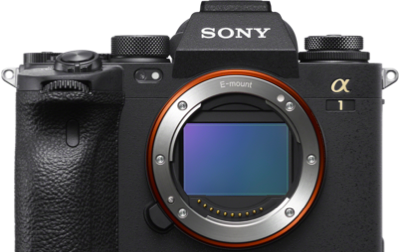
Sony announces the Alpha 1, a new flagship full-frame mirrorless camera with an unprecedented combination of resolution, speed and video performance. The camera boasts a brand new 50.1-megapixel sensor, up to 120 AF/AE calculations per second, 8K 30p 10-bit 4:2:0 video and much more. The camera is marked as the most technologically advanced, innovative camera that Sony has ever released, and allows creators to capture what they’ve never been able to before.
During this year, Sony also announces a new hybrid shooting beast the Alpha 7 IV. The new camera takes the same processing engine and advanced autofocus capabilities from the Alpha 1 and combines those with streamlined operability and enhanced reliability for photos and videos. The new camera model’s features make it the perfect all-around camera for imaging enthusiasts and professionals alike.
2022 – Sony Alpha 7R V
Sony adds to the “R” series with the announcement of the Alpha 7R V. The camera combines Sony’s highest resolution image sensor in an Alpha camera with a new AI processing unit dedicated to AI-based image recognition – a first in any Alpha camera – as well as the powerful BIONZ XR™ image processing engine – a first in the “R” full-frame lineup. The combination of the high-resolution sensor and these processors enables new breakthroughs in subject recognition and capture for both still photography and video. A new high-resolution beast is born.
2023 – Sony Alpha 6700, Sony Alpha 7C II, Sony Alpha 7CR, Sony Alpha 9 III
Sony releases a new camera to its APS-C mirrorless lineup – the Alpha 6700. The new camera combines the cutting-edge still image and video capabilities found in the latest full-frame Alpha and Cinema Line series with the compact and lightweight design of the Alpha 6000 series, resulting in Sony’s most advanced APS-C mirrorless camera to date. The camera is a popular option for a diverse array of creators.
Sony also announces the release of two new additions to the Alpha 7C series of compact full-frame interchangeable lens cameras, the Alpha 7C II and Alpha 7CR. The Alpha 7C II comes equipped with a full-frame image sensor that brings approximately 33 megapixels and the latest still image and video functions and performance in a compact and lightweight design. The Alpha 7CR comes with the high-resolution and rich gradation performance of a full-size image sensor with approximately 61 megapixels, the same sensor found in the Alpha 7R V. All of this fits into a compact and lightweight body, bringing high resolution in a smaller package than ever before.
Sony closes out 2023 with what many consider one of the most significant technological leaps in camera history – the announcement of the Sony Alpha 9 III. The camera makes history as the world's first full-frame camera with a global shutter system, a breakthrough that fundamentally changes what's possible in high-speed photography. Built around a 24.6 megapixel full-frame stacked CMOS sensor and featuring a pre-capture function that records up to one second before the shutter is pressed, the Alpha 9 III redefines what professional sports and action photographers can achieve. A new era of speed has arrived.
2024 – Sony Alpha 1 II
Sony raises the bar on its flagship camera with the announcement of the Sony Alpha 1 II in November 2024. Building on the original Alpha 1's legacy of combining resolution, speed, and video into a single body, the second generation takes everything further with the power of AI.
2025 – Sony Alpha 7 V
Sony rounds out 2025 with the announcement of the Sony Alpha 7 V – the fifth generation of the iconic Alpha 7 series and one of the most anticipated camera releases in years. The camera takes the beloved formula of the Alpha 7 line and evolves it in every dimension, introducing Sony's first-ever partially stacked sensor design in a hybrid mirrorless body.
2026 – Sony Alpha 7R VI
Sony ushers in 2026 with a landmark announcement – the Sony Alpha 7R VI, the sixth generation of the legendary "R" series and the highest-resolution Alpha camera ever made. Announced in May 2026 and arriving in June, the Alpha 7R VI pushes the boundaries of what's possible in a mirrorless camera.