There are cameras you test in controlled conditions, and then there are cameras you throw into the wild. When adventure, nature and wildlife photographer Dani Hamm got her hands on the new Sony RX10 V, she did the latter – literally. Based in Yellowstone National Park, Hamm spent just over a week putting the camera to work every single day, photographing everything the park could throw at her: elk and bison, darting Tree Swallows, sweeping geysers, delicate wildflowers, and the kind of insects most photographers don't even stop to notice. If a camera can hold its own in Yellowstone, it can hold its own anywhere.
The results? A few genuine surprises – and a camera that may have just earned a permanent spot in her bag.
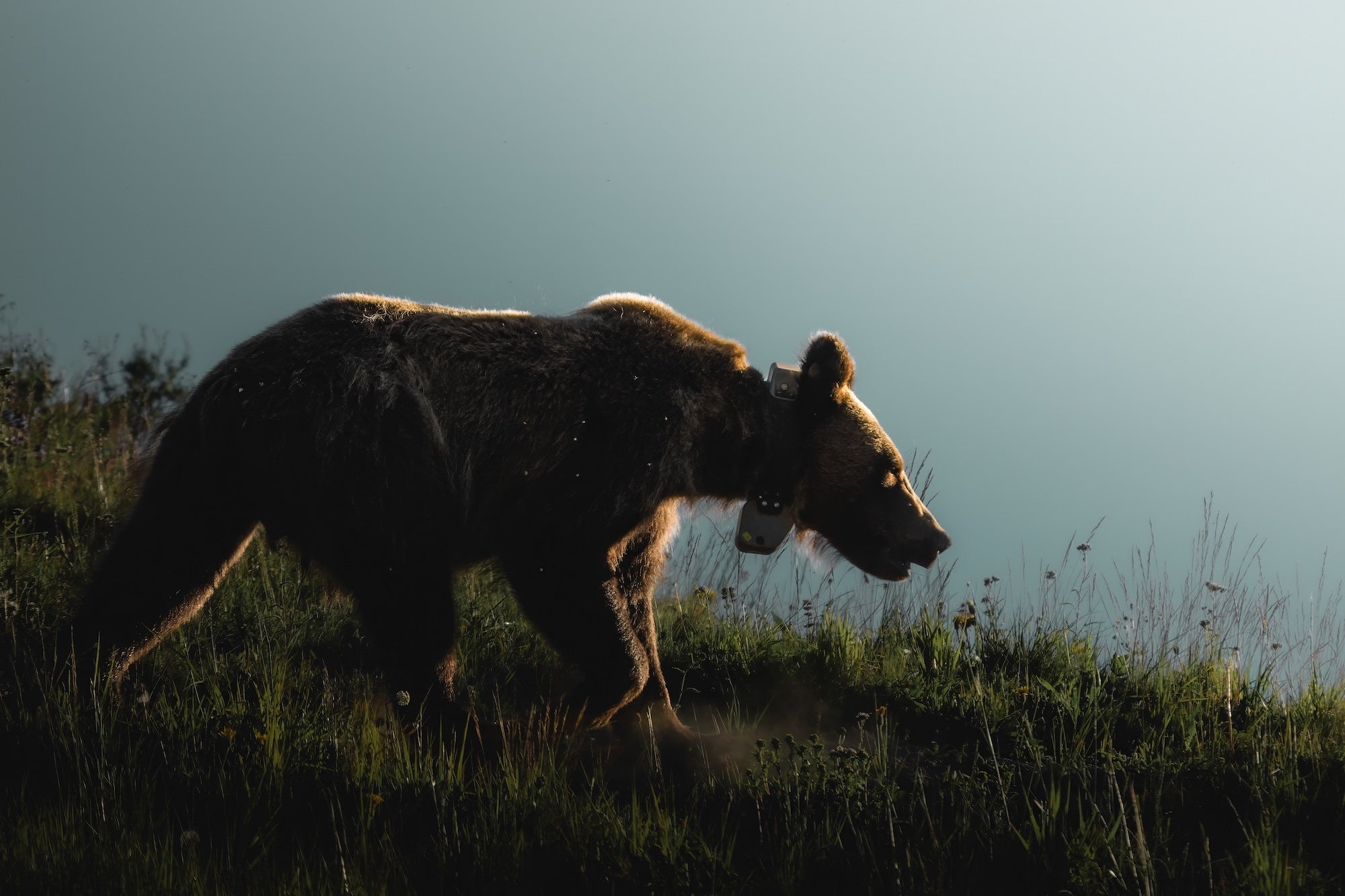
Photo by Dani Hamm. RX10 V.
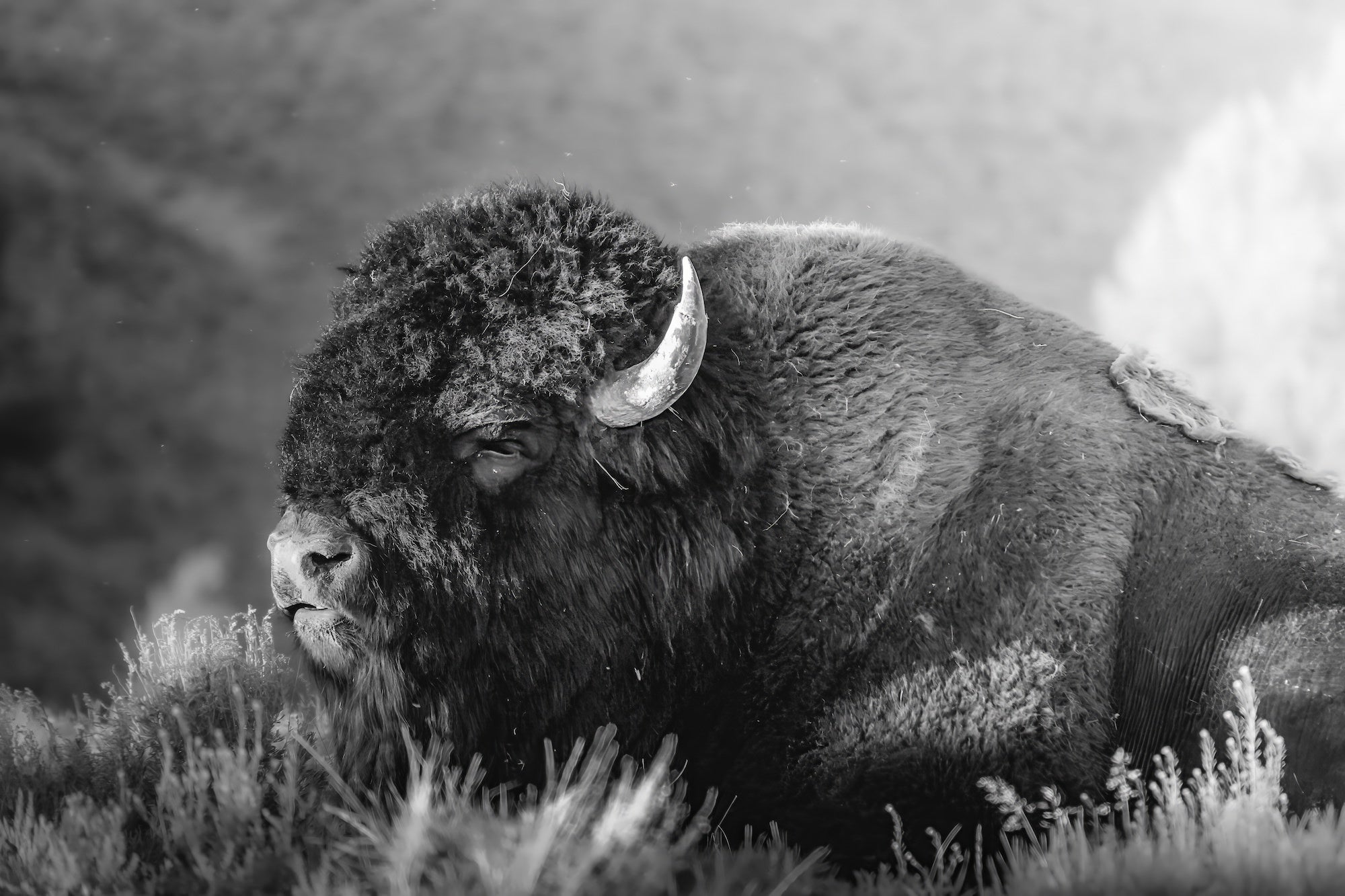
Photo by Dani Hamm. RX10 V.
A Sensor That Punches Above Its Weight
Hamm's primary workhorse is the Sony Alpha 7R V, a full-frame powerhouse built around a 61-megapixel sensor. Stepping down to the RX10 V's 20.1-megapixel 1-inch Exmor RS CMOS sensor, she expected a noticeable drop in image quality. What she found was something different.
"I was genuinely surprised by how well the 20.1-megapixel sensor performed compared to the 61-megapixel sensor I'm used to," Hamm says. "While I expected to notice the drop in resolution, the image quality exceeded my expectations."
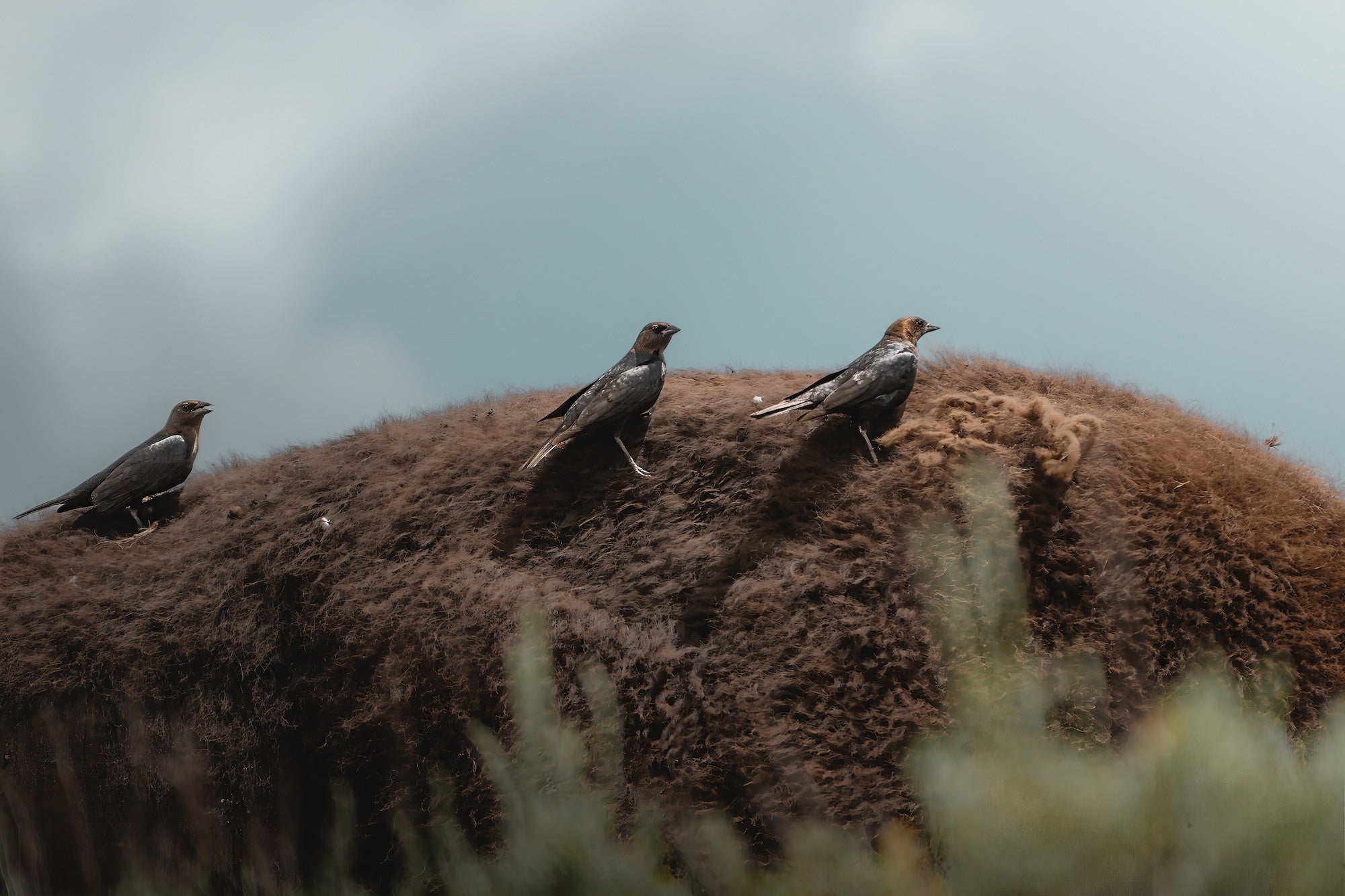
Photo by Dani Hamm. RX10 V.
The standout for her wasn't resolution at all – it was dynamic range. "It handled highlights and shadows exceptionally well, producing files with far more flexibility than I anticipated." In a place like Yellowstone, where golden-hour light can blow out skies and plunge foregrounds into shadow simultaneously, that latitude matters.
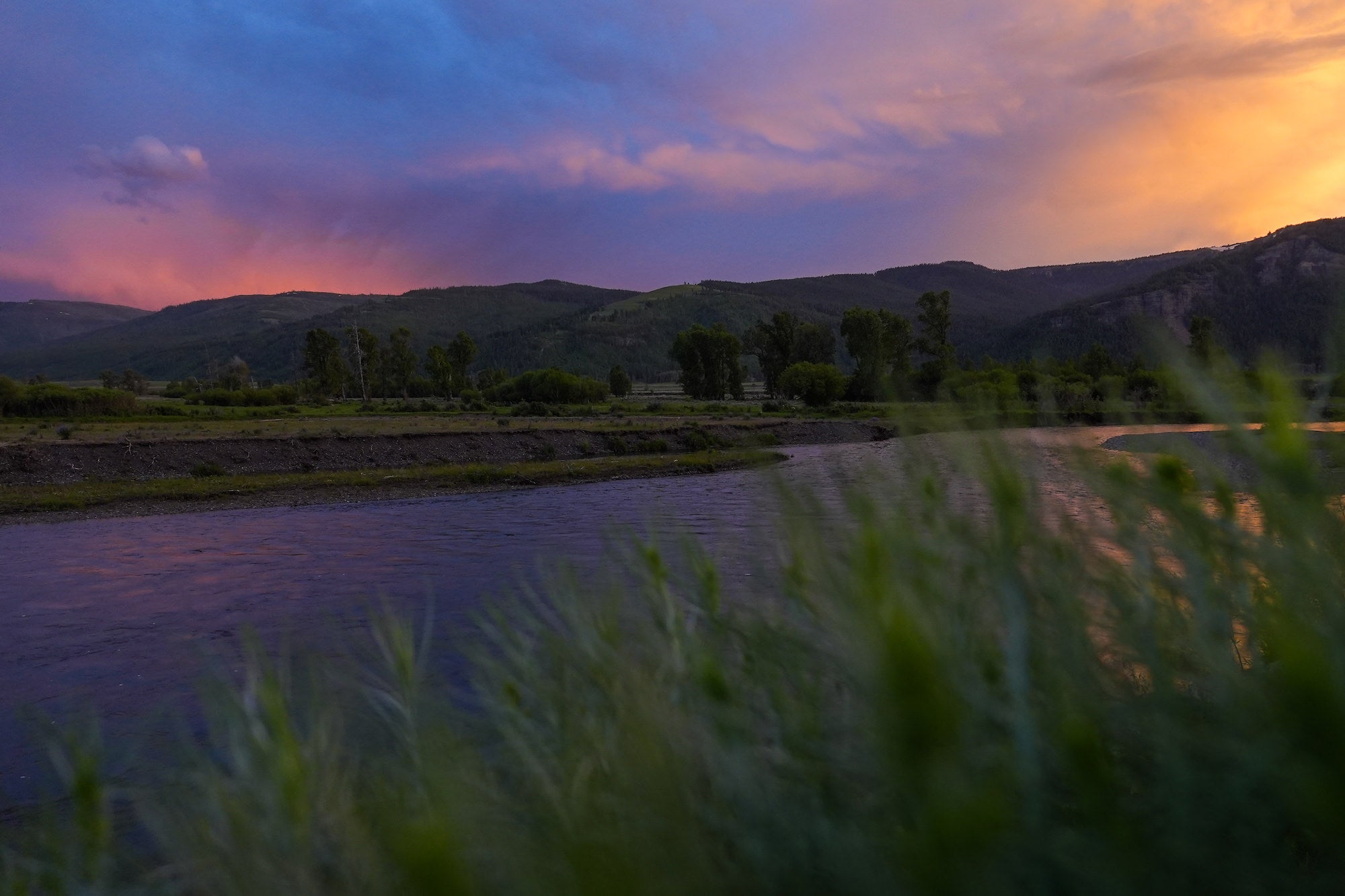
Photo by Dani Hamm. RX10 V.
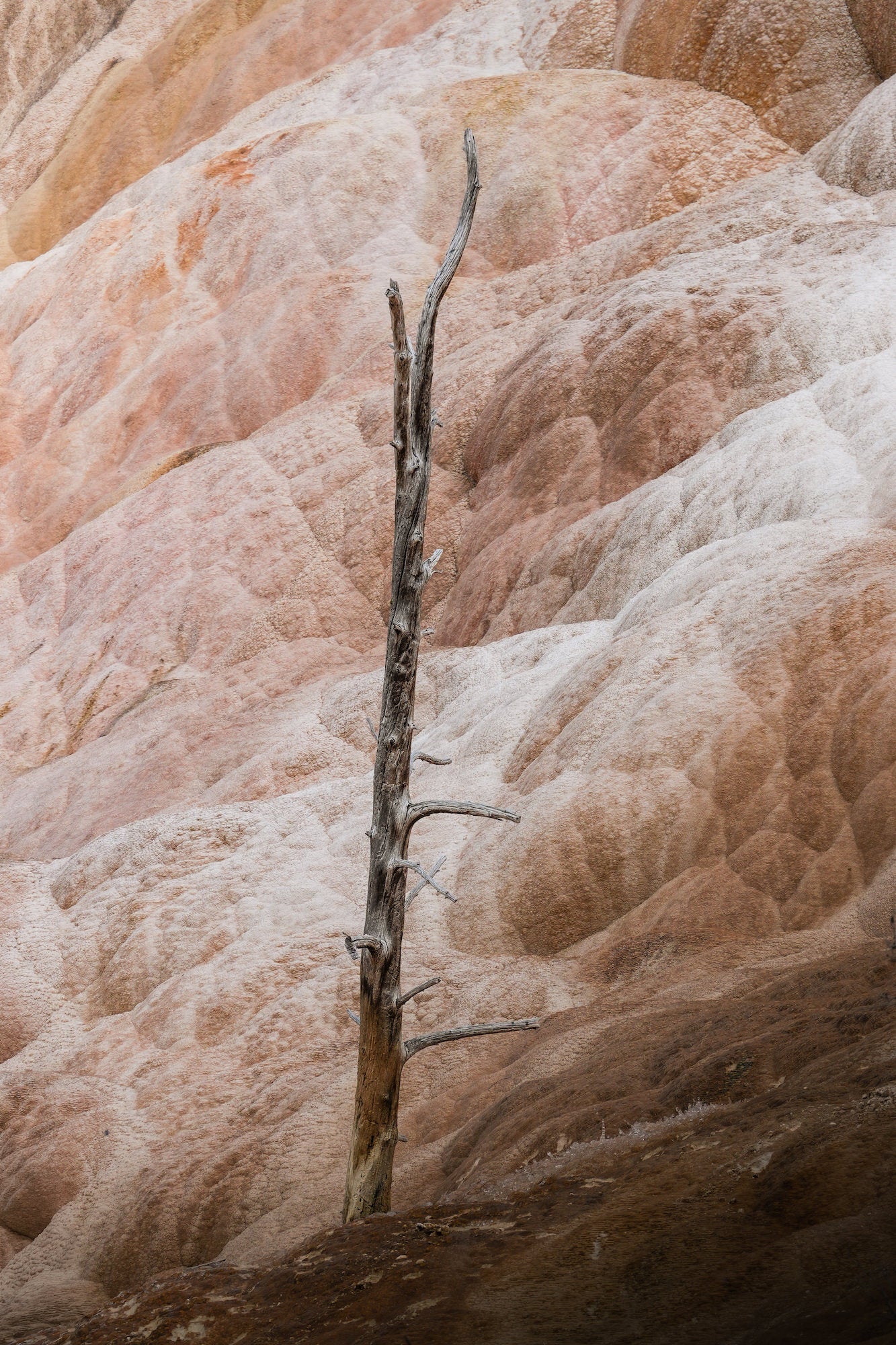
Photo by Dani Hamm. RX10 V.
30 fps, AI Autofocus, and the Birds That Tested Both
The RX10 V arrives equipped with Sony's AI-based Real-time Recognition AF – the same intelligent subject-detection technology found across the Alpha lineup – now powered by a dedicated AI chip working alongside a new double BIONZ XR-class processor. For bird recognition and real-time tracking in particular, the system is built to lock on and hold.
Hamm got a chance to stress-test exactly that one evening beside a pond in the park.
"Dozens of tiny Tree Swallows were darting all around me," she recalls. "I immediately thought, This is the perfect opportunity to test the blackout-free 30 fps shooting mode. These little birds are unbelievably fast, making them one of the most challenging subjects to photograph."
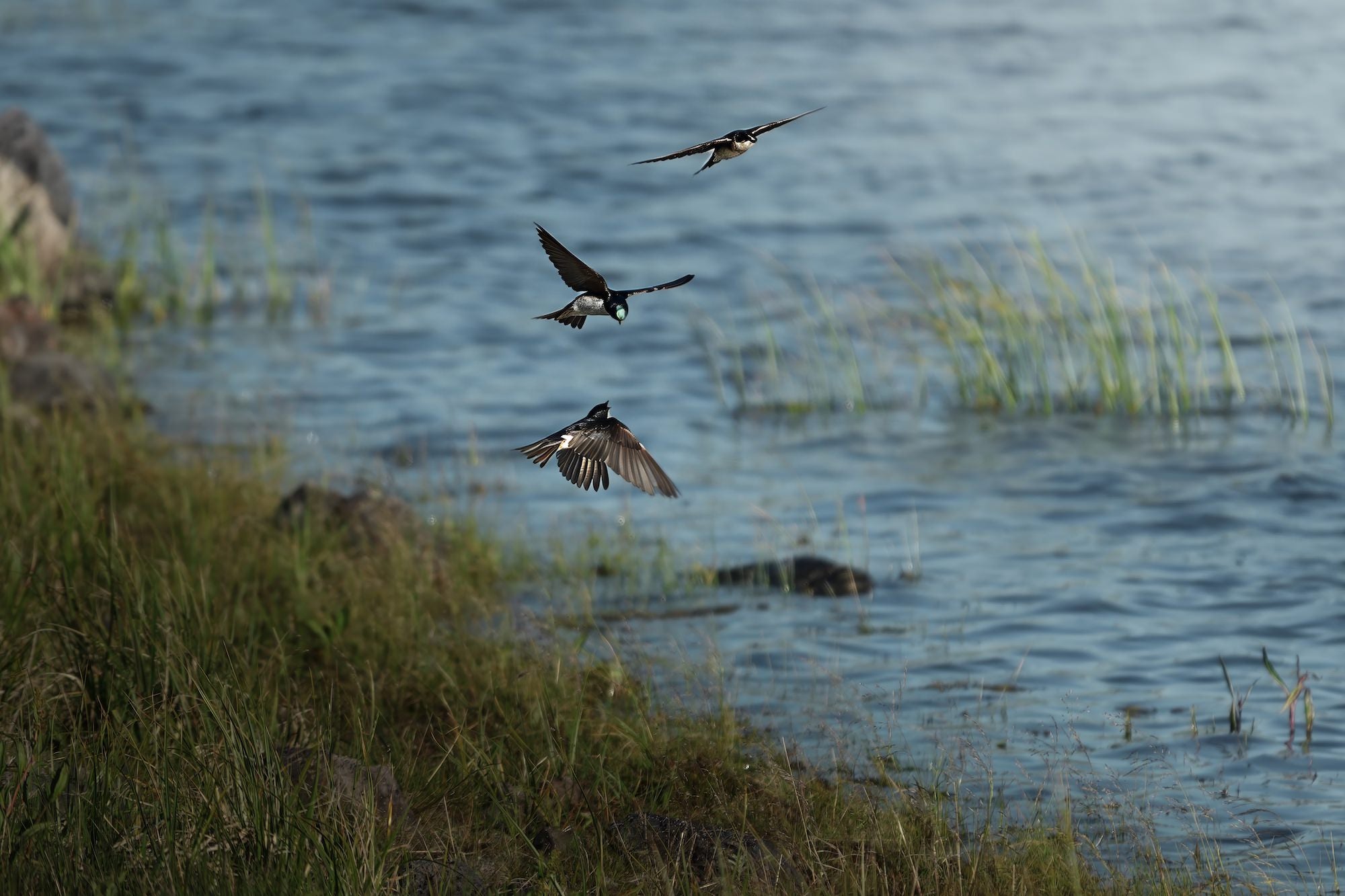
Photo by Dani Hamm. RX10 V.
She enabled the AI-based bird subject recognition, activated real-time focus tracking, and let the camera run. The RX10 V's continuous shooting – delivered completely blackout-free, so she never lost sight of the birds through the viewfinder – combined with the AF system's predictive tracking to produce something she hadn't managed before.
"For the first time ever, I managed to capture sharp, in-focus images of these incredibly quick birds."
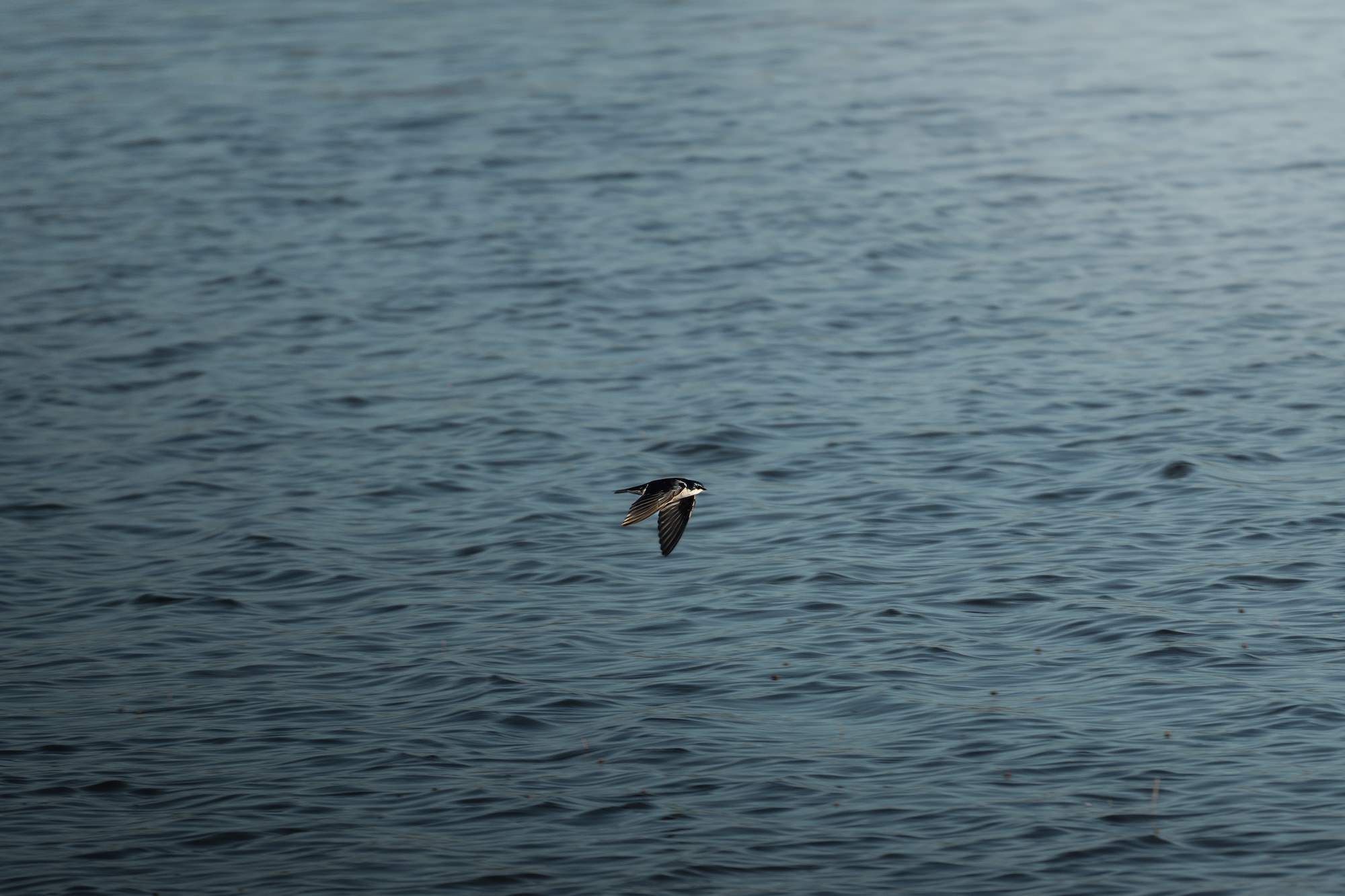
Photo by Dani Hamm. RX10 V.
Video That Belongs In The Conversation
The RX10 V is no compromise on the video side. It shoots 4K at up to 120 frames per second and Full HD at 240fps, with S-Log3 and user LUT support for color-managed workflows. For a fixed-lens bridge camera, that's a spec sheet that demands to be taken seriously – and Hamm's time shooting video in Yellowstone confirmed it.
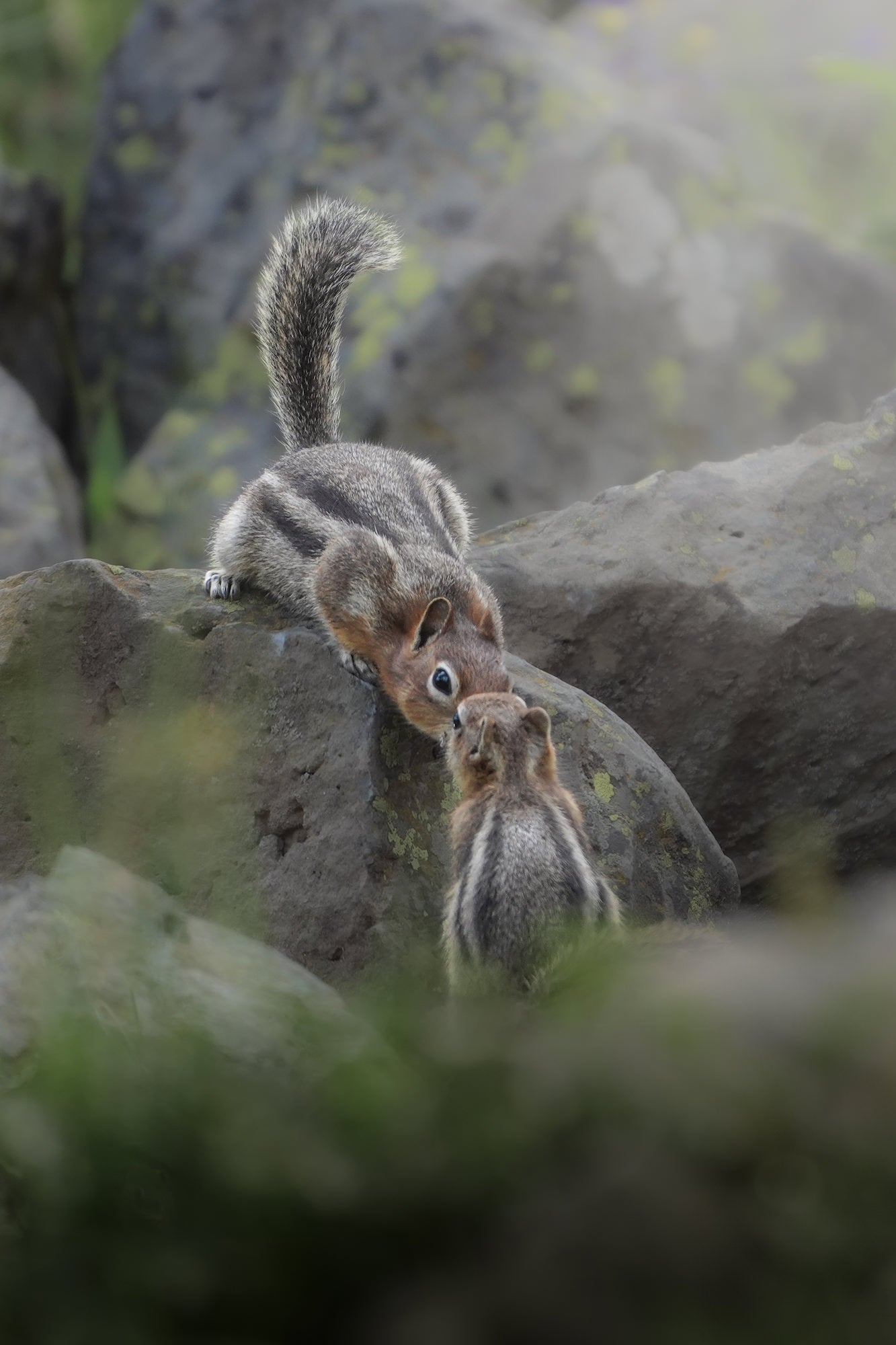
Photo by Dani Hamm. RX10 V.
"The 4K 120p footage came surprisingly close to matching the quality and performance of my Alpha 7R V," she says. "The video stabilization also impressed me. It was incredibly stable, making handheld shooting surprisingly easy – even at 600mm, where even the smallest movements are usually amplified."
The S-Log3 recording capability proved practically valuable, too. "It made it much easier to match the footage with my other Sony cameras during color grading." For hybrid shooters already invested in the Sony ecosystem, that kind of color pipeline consistency is more than a convenience – it's a real workflow advantage.
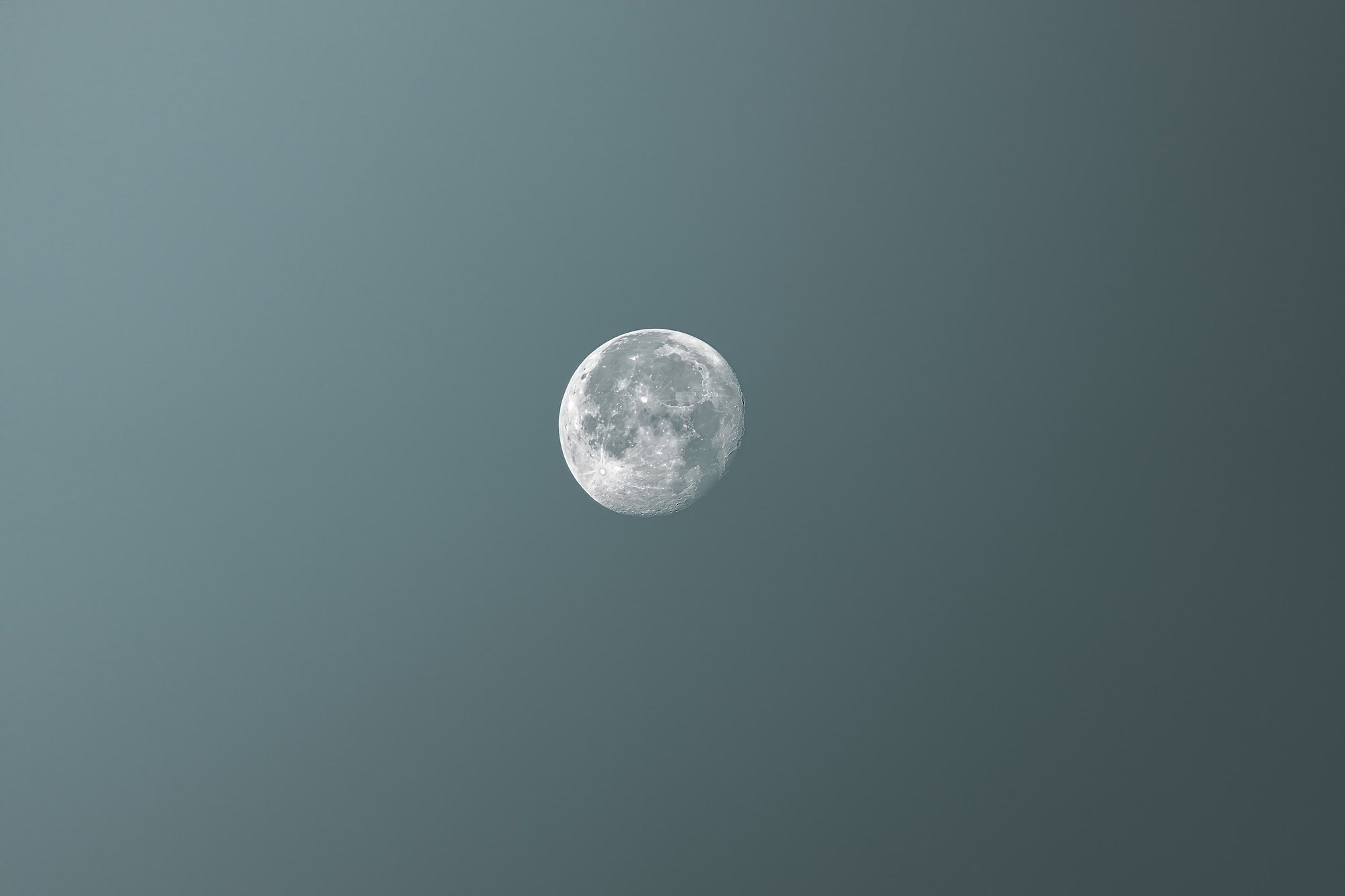
Photo by Dani Hamm. RX10 V.
The Zoom Range That Changes The Math
Here's the number that defines the RX10 V's identity: 24-600mm, all in a single ZEISS Vario-Sonnar T* lens, at a constant maximum aperture of f/2.8-4.0. The entire range. No lens swaps, no second body.
For Hamm, that represents a fundamental shift in how she can approach a shoot.
"I typically carry my Alpha 7R IV with a 24-70mm attached and my Alpha 7R V with a 200-600mm attached," she explains. "Having one camera that could cover that entire range was a true game changer."
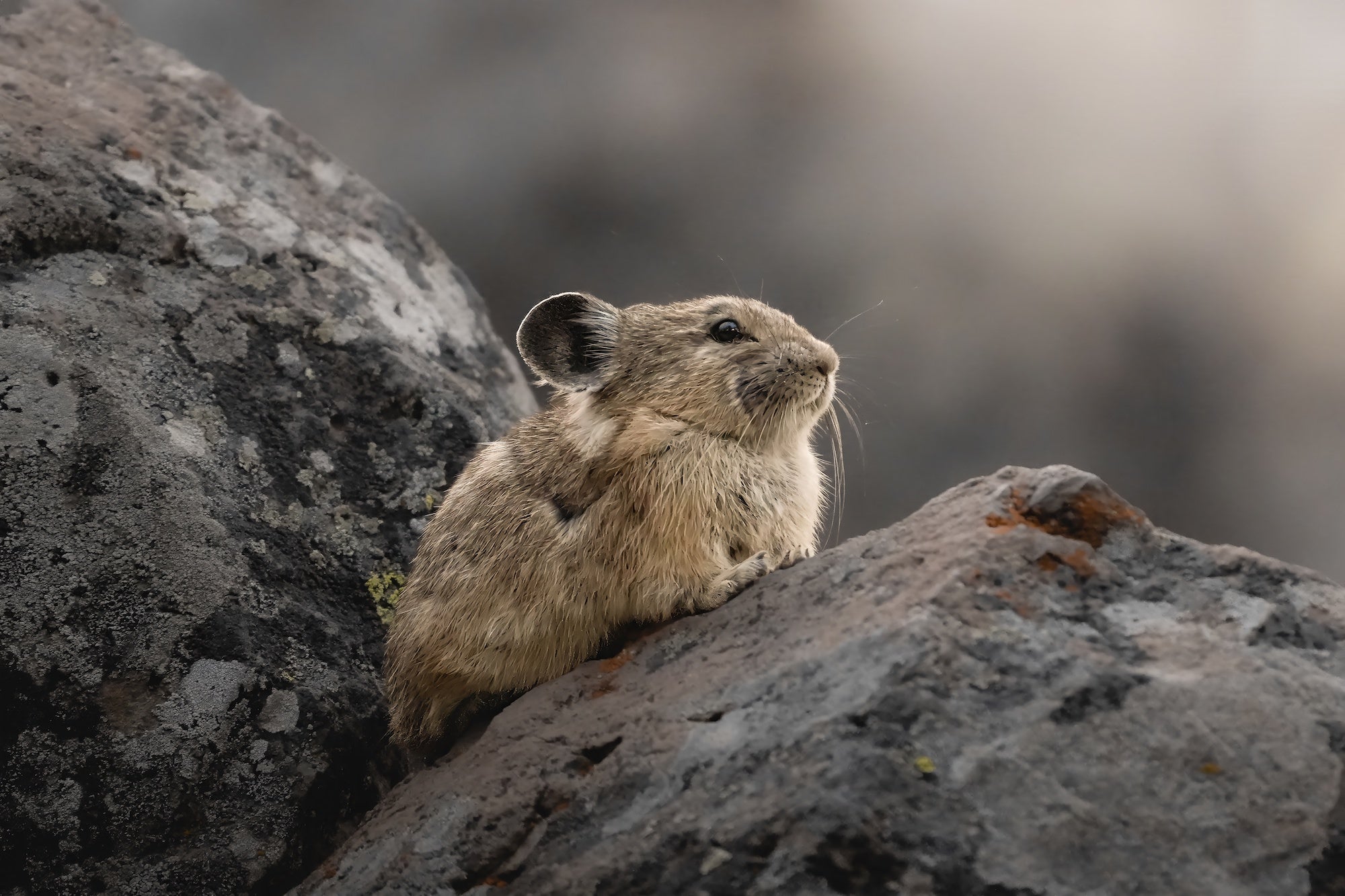
Photo by Dani Hamm. RX10 V.
The total package weighs under 2.5 pounds. For a wildlife photographer navigating Yellowstone's trails and unpredictable terrain, that trade-off – one versatile camera versus two specialized bodies and lenses – becomes very compelling very quickly.
And the long end of that range performed better than expected. "I was most surprised by how well this camera performed at 600mm," Hamm says. "I didn't expect to get such clear images from a camera with such a large zoom range. While 600mm is a challenging focal length, the results were better than I anticipated."
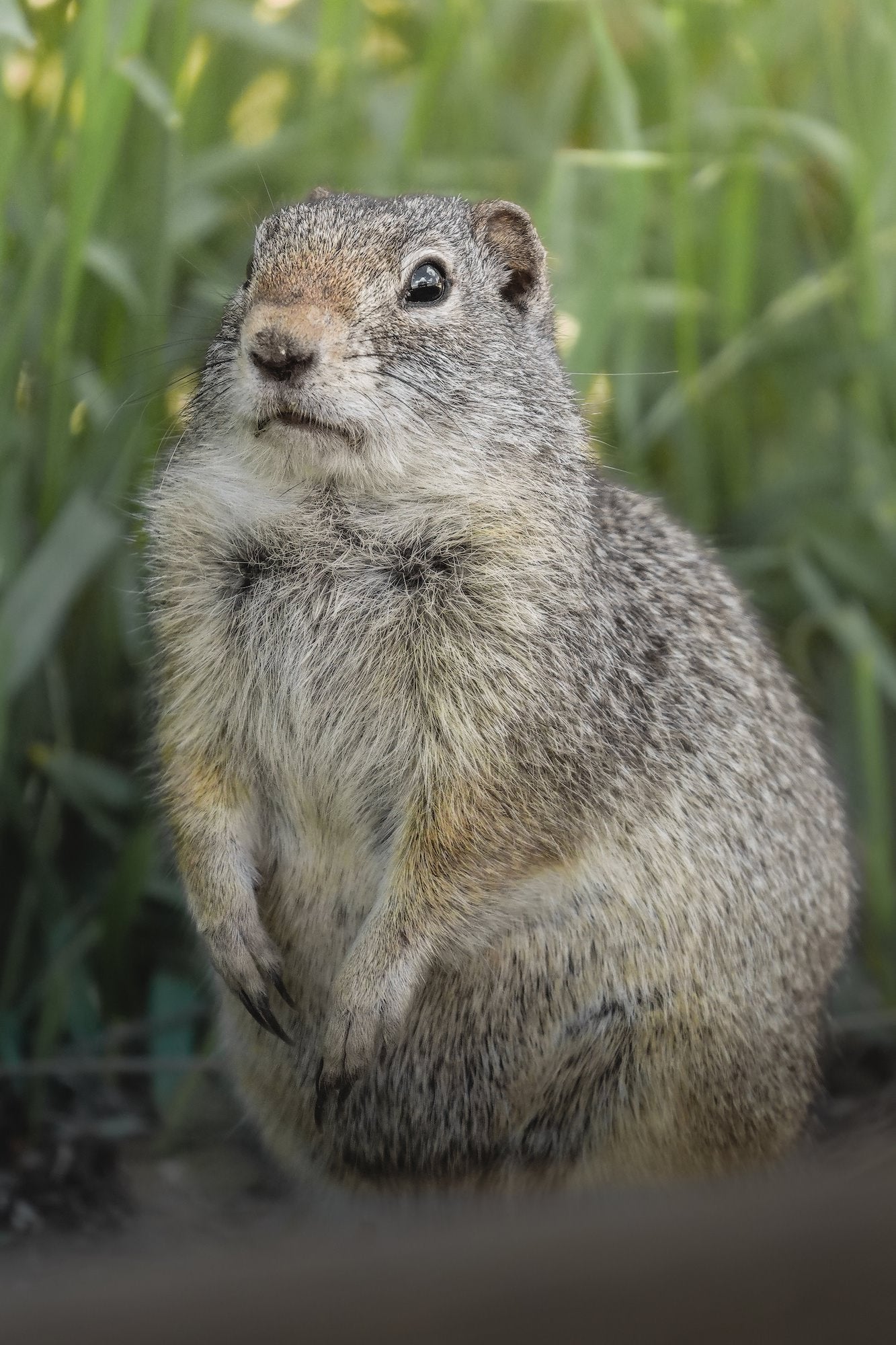
Photo by Dani Hamm. RX10 V.
An Unexpected Obsession: Macro
If the telephoto end of the RX10 V's range impressed Hamm, the close end caught her completely off guard.
The RX10 V's close-focusing capability enables genuine macro-style photography without any additional equipment – no extension tubes, no dedicated macro lens. Just the camera, brought close.
"I couldn't believe how well the macro capabilities performed," Hamm says. "It gave me a whole new appreciation for the tiny details around me, and I didn't need any additional equipment to start experimenting with macro photography." She pauses, then adds: "I think I might be officially obsessed with macro photography now."
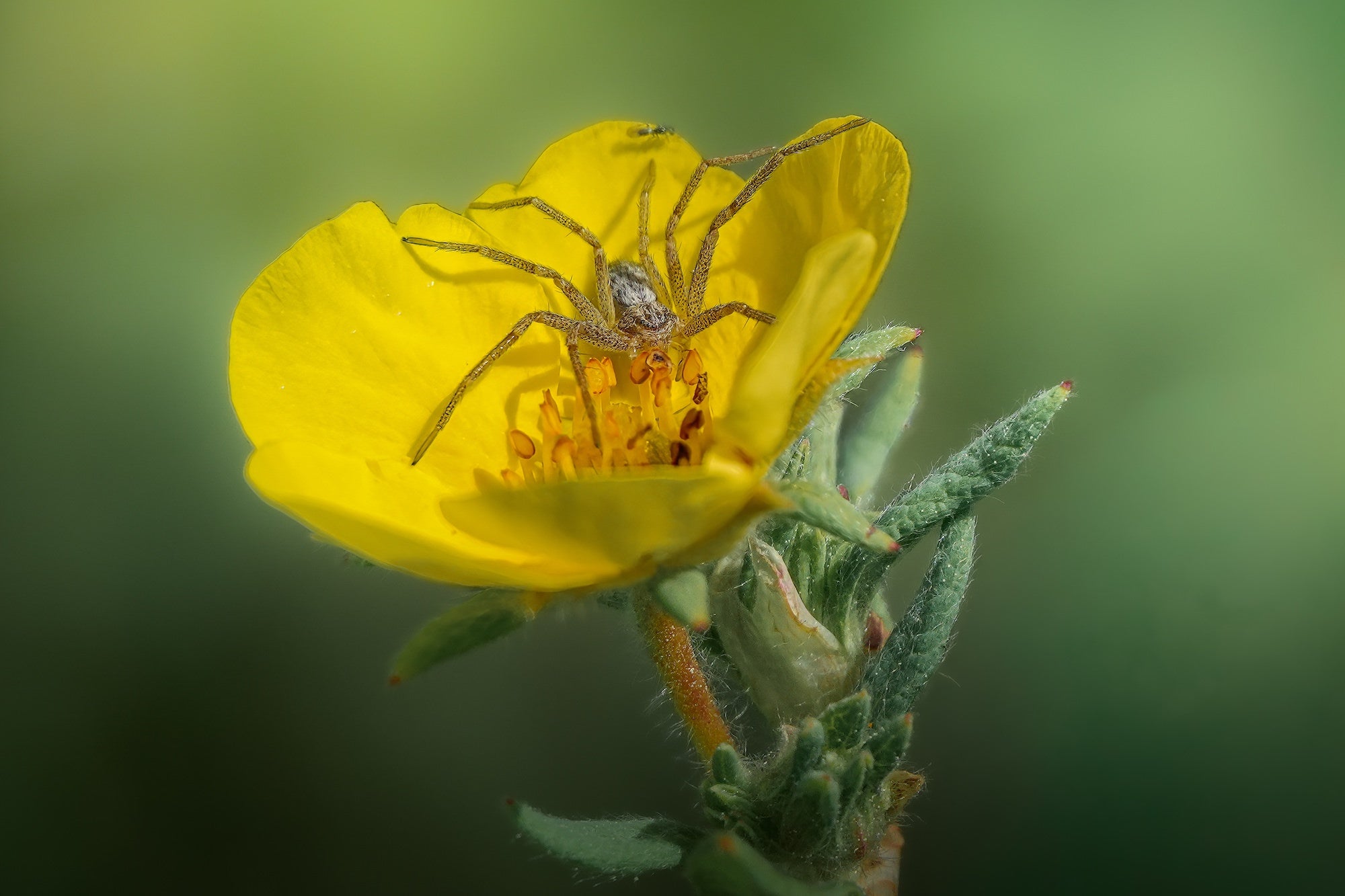
Photo by Dani Hamm. RX10 V.
It's the kind of unexpected discovery that a camera with this much range makes possible – and a reminder that versatility, when done well, doesn't just cover what you planned for. It opens doors you didn't know were there.
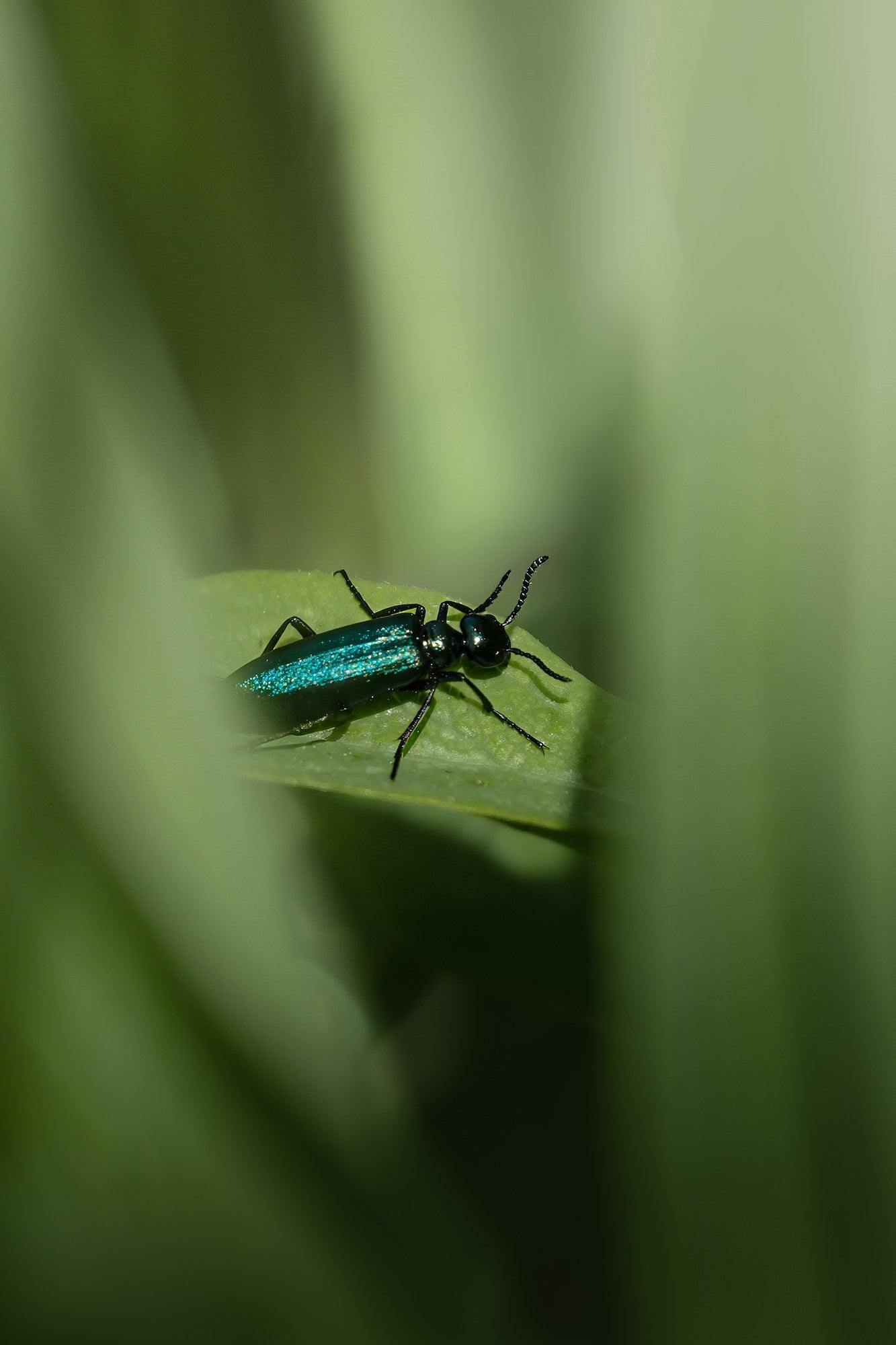
Photo by Dani Hamm. RX10 V.
The Verdict
After more than a week shooting in one of the most photographically rich environments in North America, Dani Hamm's take on the Sony RX10 V is straightforward: it earned it.
"I could definitely see this camera earning a spot in my camera bag," she says. "For trips or hikes where I don't want to carry two cameras but also don't want to miss the opportunity to capture a beautiful landscape or unexpected wildlife encounter, this would be a great option."
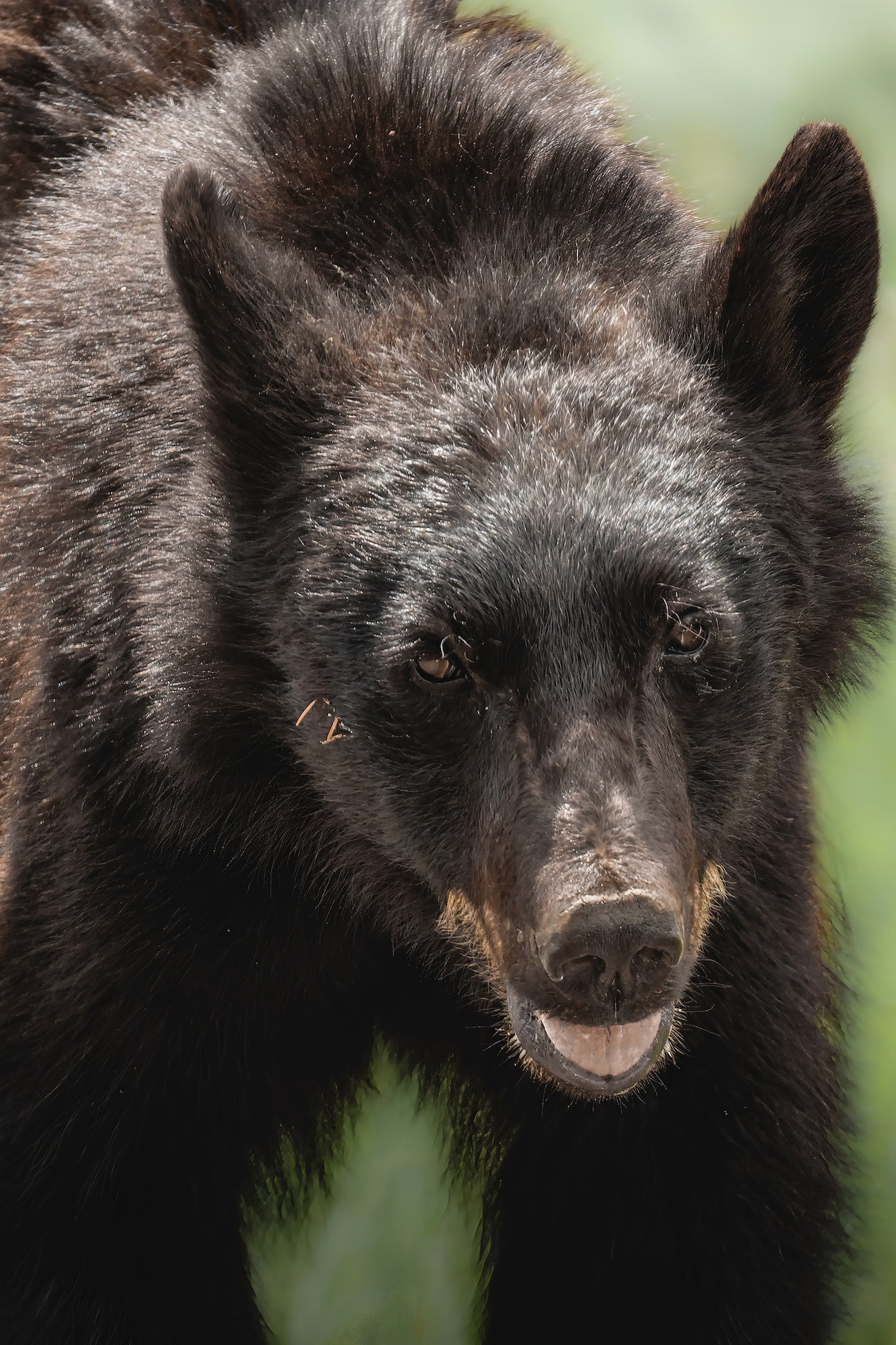
Photo by Dani Hamm. RX10 V.
For photographers who want Sony Alpha-level intelligence – AI autofocus, professional video specs, real dynamic range – wrapped in a 2.5-pound body with a lens that goes from wide-angle storytelling to 600mm wildlife reach without ever leaving your hand, the RX10 V makes a compelling case. Yellowstone tested it thoroughly. It passed.
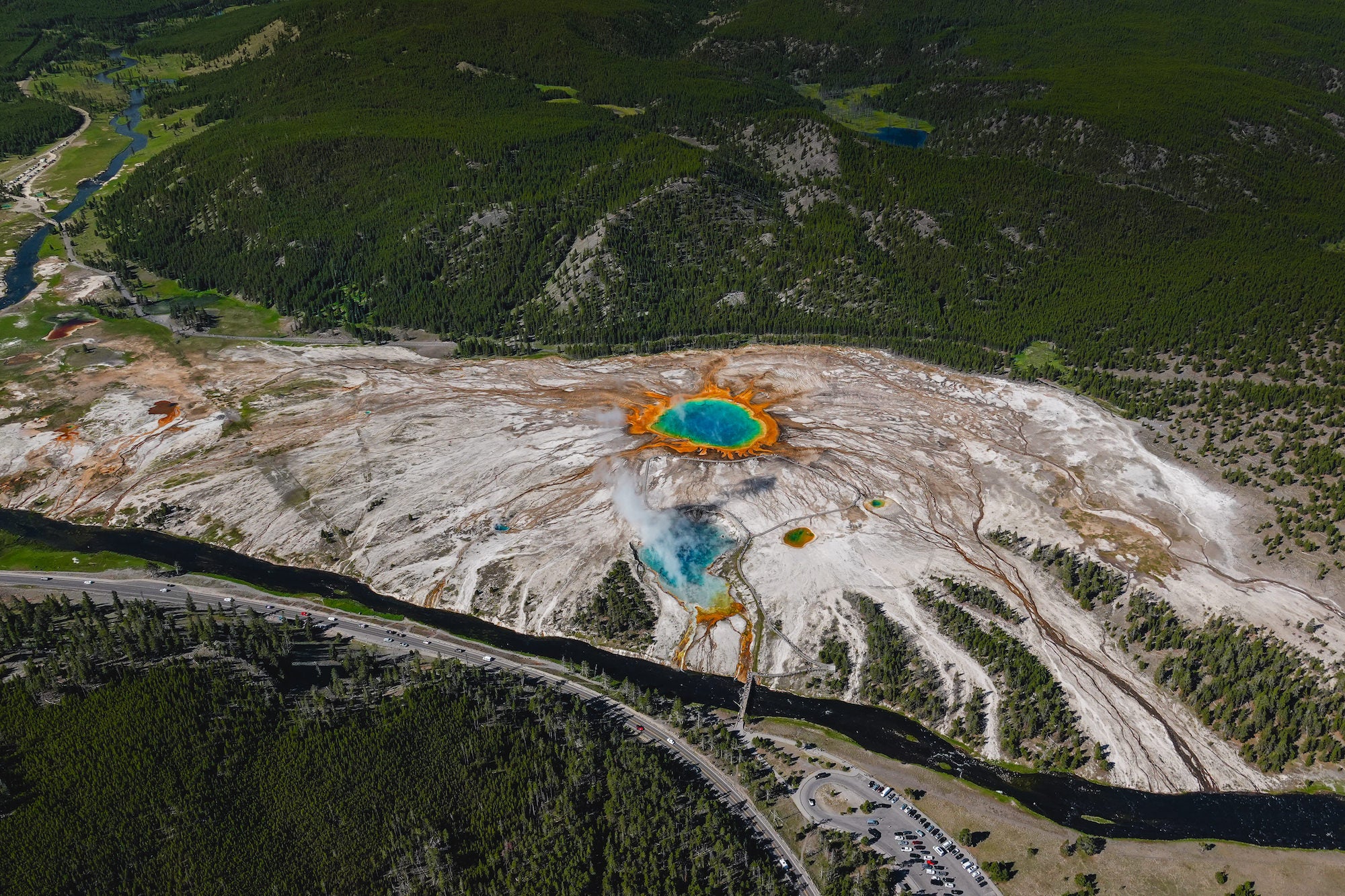
Photo by Dani Hamm. RX10 V.
Dani Hamm is a wildlife and nature photographer currently based in Colorado. Follow her work on Instagram @danigoinhamm.
–Click here to pre-order the RX10 V.
Want to get the most out of the new RX10 V?
Click here to check out the new free course on Alpha Camera Academy: Get To Know Your RX10 V