There's a moment early in "Good Luck, Kid" where Sony Artisan Renan Ozturk – seasoned filmmaker, National Geographic photographer, veteran of some of the world's most punishing expeditions – hands a relative stranger a camera, a cold call pep talk and what amounts to the assignment of a lifetime. That stranger is Taylor Shaffer, a 20-something photographer from San Diego with four years of shooting experience and the kind of hunger that can't be taught. What follows over the next two and a half months is something far more layered than a climbing film. It's a story about trust, growth and what it really means to document the world honestly.
The film centers on a Nat Geo expedition in which professional climbers Alex Honnold and Tommy Caldwell bike, sail, packraft and bushwhack 2,500 miles from Colorado to Alaska to summit Devil's Thumb – one of the most mythical walls in North America. Renan was originally assigned to document it all. But as tends to happen in the mountains, plans changed.
We sat down with Renan to learn more – watch and read below for the latest from Sony Alpha Films:
Throwing Someone Into the Deep End
When the expedition got underway, Renan was stuck on a mountain in Nepal. With two of the world's best climbers already rolling out of Colorado, he made a call (literally) to Taylor, talked him through it, and sent him in alone.
"I think a lot of people just don't know how far they can push themselves, or the inherent creative power within themselves – or maybe they just didn't recognize the moment when it's happening," Renan says. "But for this moment, it was really a big 'aha' for me where I just knew that Taylor had it in him, even maybe if he didn't realize that opportunity was there."
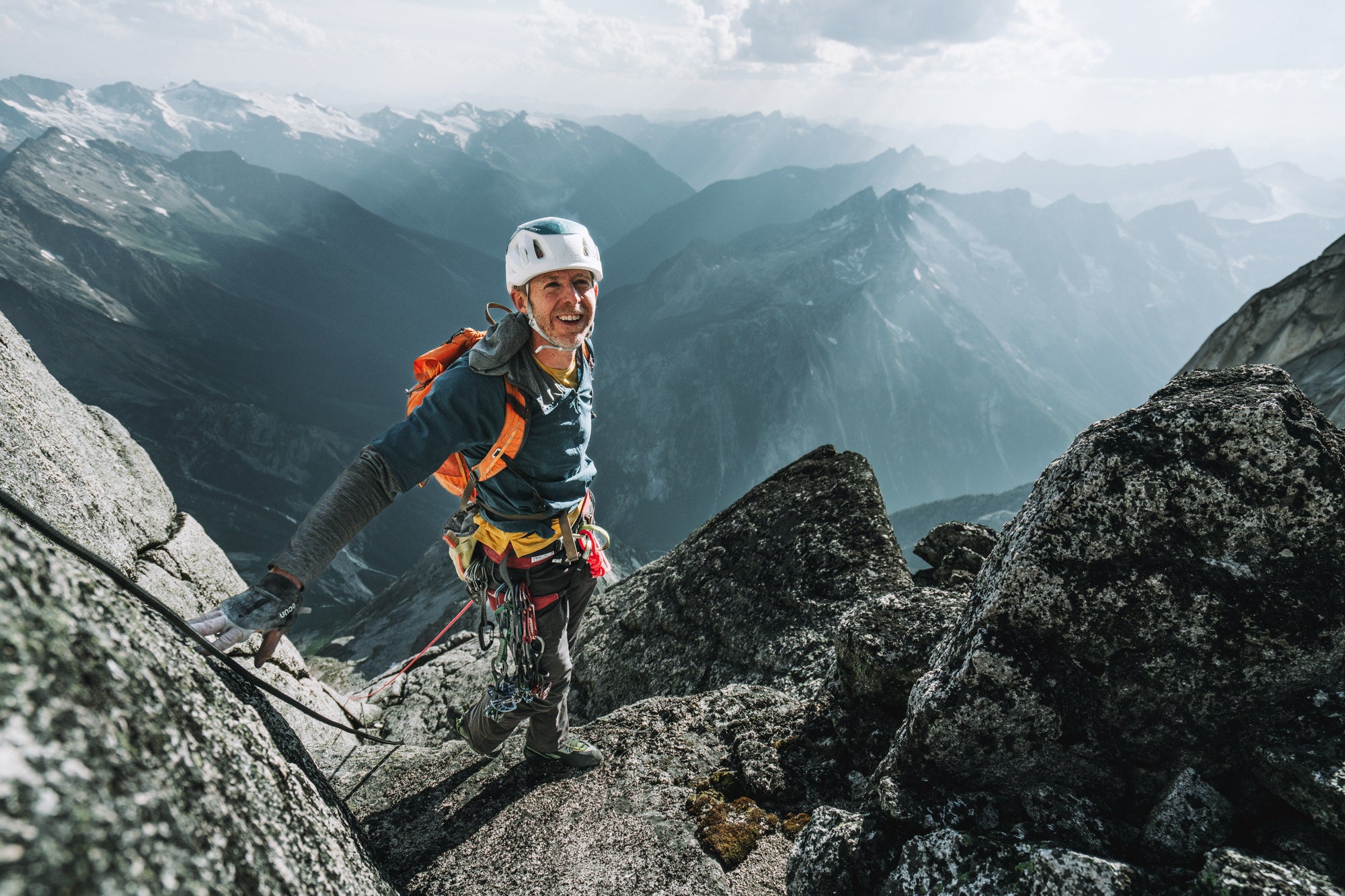
Tommy Caldwell. Photo by Taylor Shaffer / National Geographic. Alpha 7R V. 16-35mm f/4.
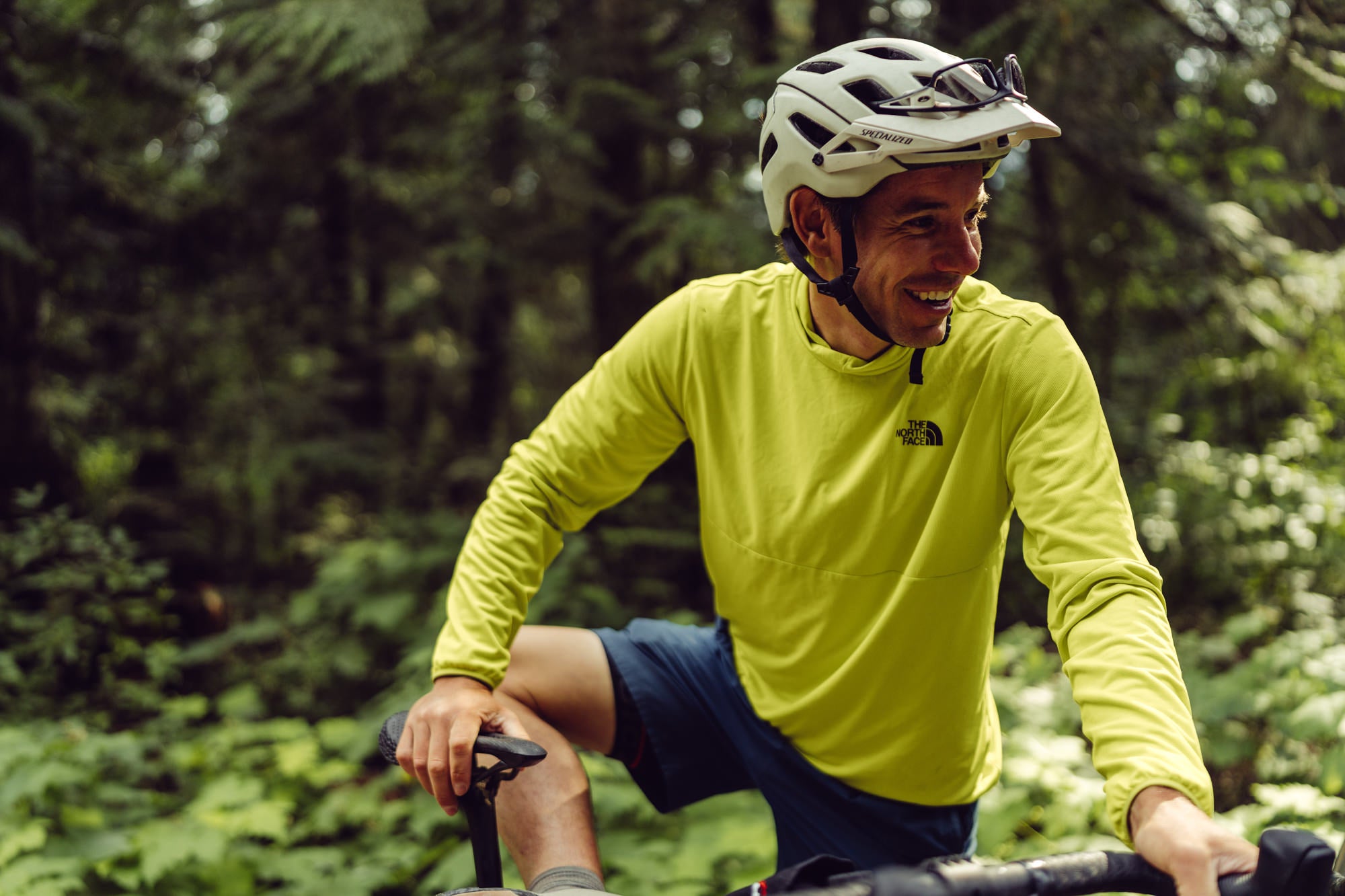
Alex Honnold. Photo by Taylor Shaffer / National Geographic. Alpha 7R V. 16-35mm f/4.
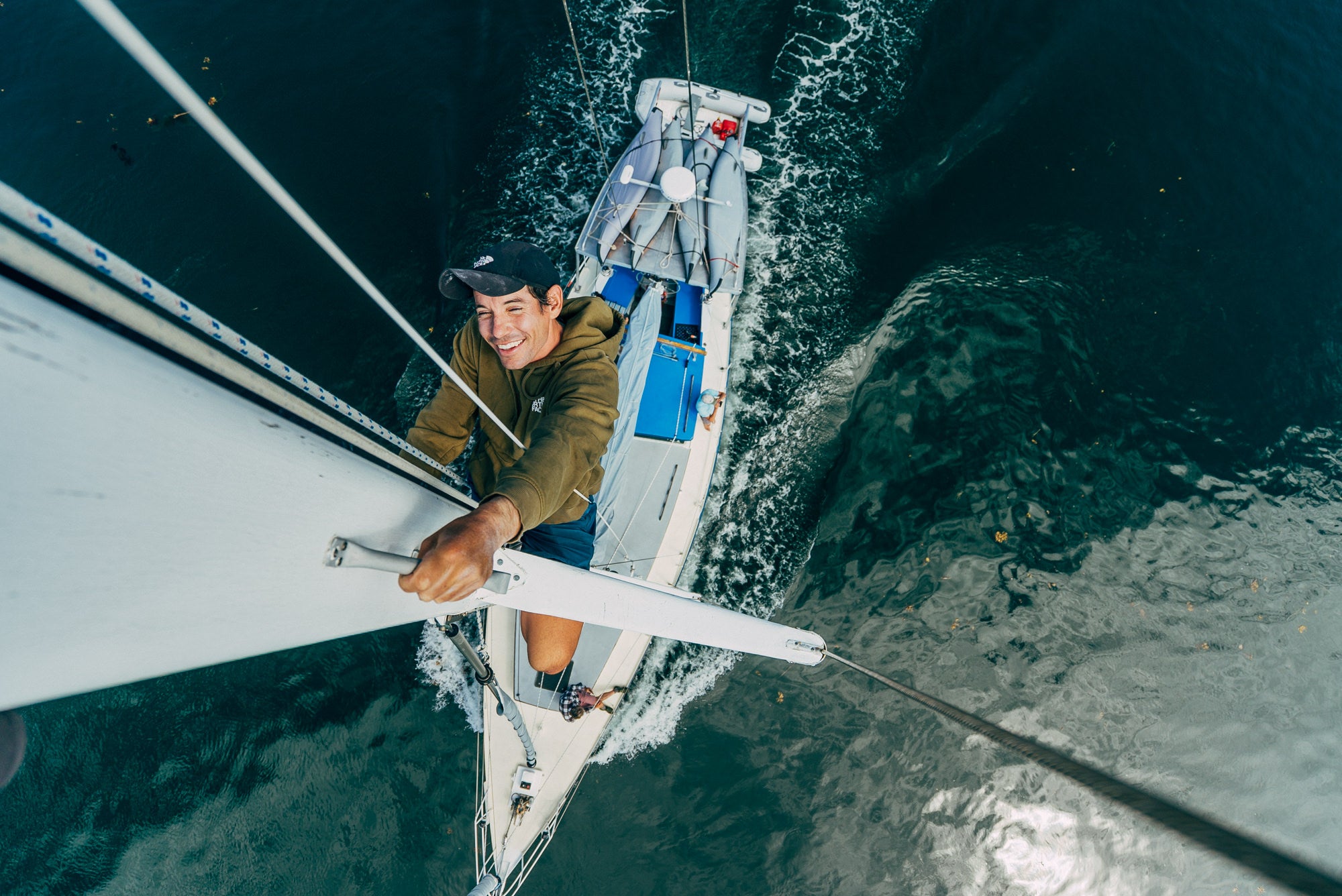
Alex Honnold. Photo by Taylor Shaffer / National Geographic. Alpha 7R V. 16-35mm f/4.
It's a philosophy that sounds almost ruthless until you see it play out. Taylor, who was driving the van, shooting photos, flying a drone, navigating dead ends – slowly found his footing. Not because the conditions eased up. They didn't. But because there was simply no other option. Renan knew that, and says his pep talk was less motivational speech, more professional direction.
"The main part of my pep talk was focused on how he should shoot a bit more journalistically – in that quintessential National Geographic style, which focuses more on pure storytelling and less on beautiful commercial imagery featuring products or athletes." It's a distinction Renan learned the hard way himself. "I also made a lot of those mistakes originally shooting for National Geographic, when the editors were always picking photos that I didn't even have in my own selects because they felt natural and unstaged – like you are a true fly on the wall."
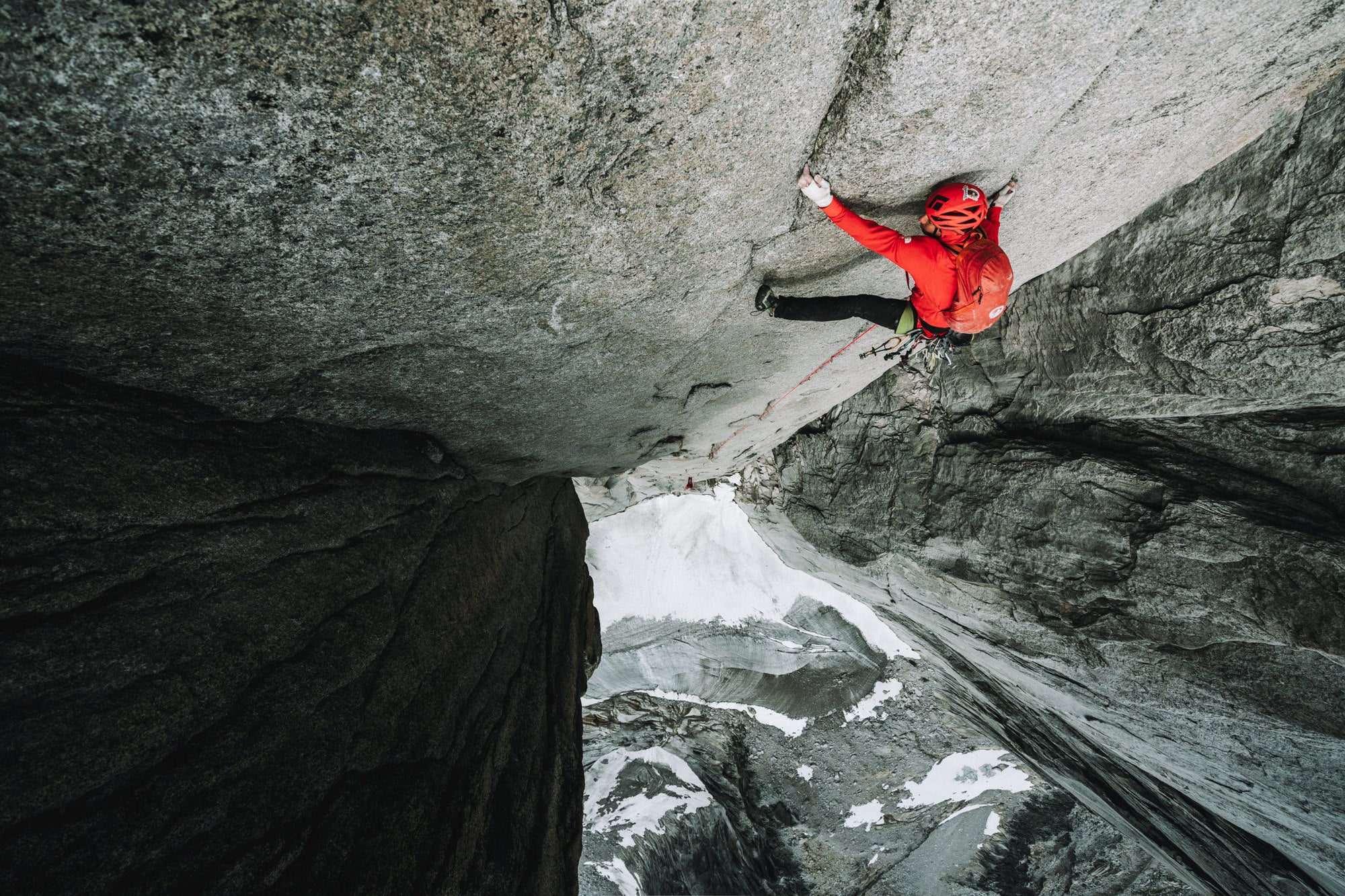
Climber Alex Honnold. Photo by Taylor Shaffer / National Geographic. Alpha 7R V. 16-35mm f/4.
The Expedition Is Never Really The Story
Devil's Thumb looms over the film as a goal, finish line and myth. But Renan has never been particularly interested in finish lines for their own sake. The summit, in his view, is a vehicle and not a destination.
"The expedition itself is always only a means to tell a greater story," he said in the film. "The point is to have an adventure and to learn something about yourself and learn something about a landscape."
In practice, that means staying wide open to the stories that emerge sideways – even when your assignment points straight ahead. "There's always a story within a story," Renan explains, "and you have to kind of look even beyond your main characters on almost every project. That's really hard to do, especially if it's an assignment where you're tasked to come back with deliverables that focus on world-class athletes like Alex Honnold and Tommy Caldwell."
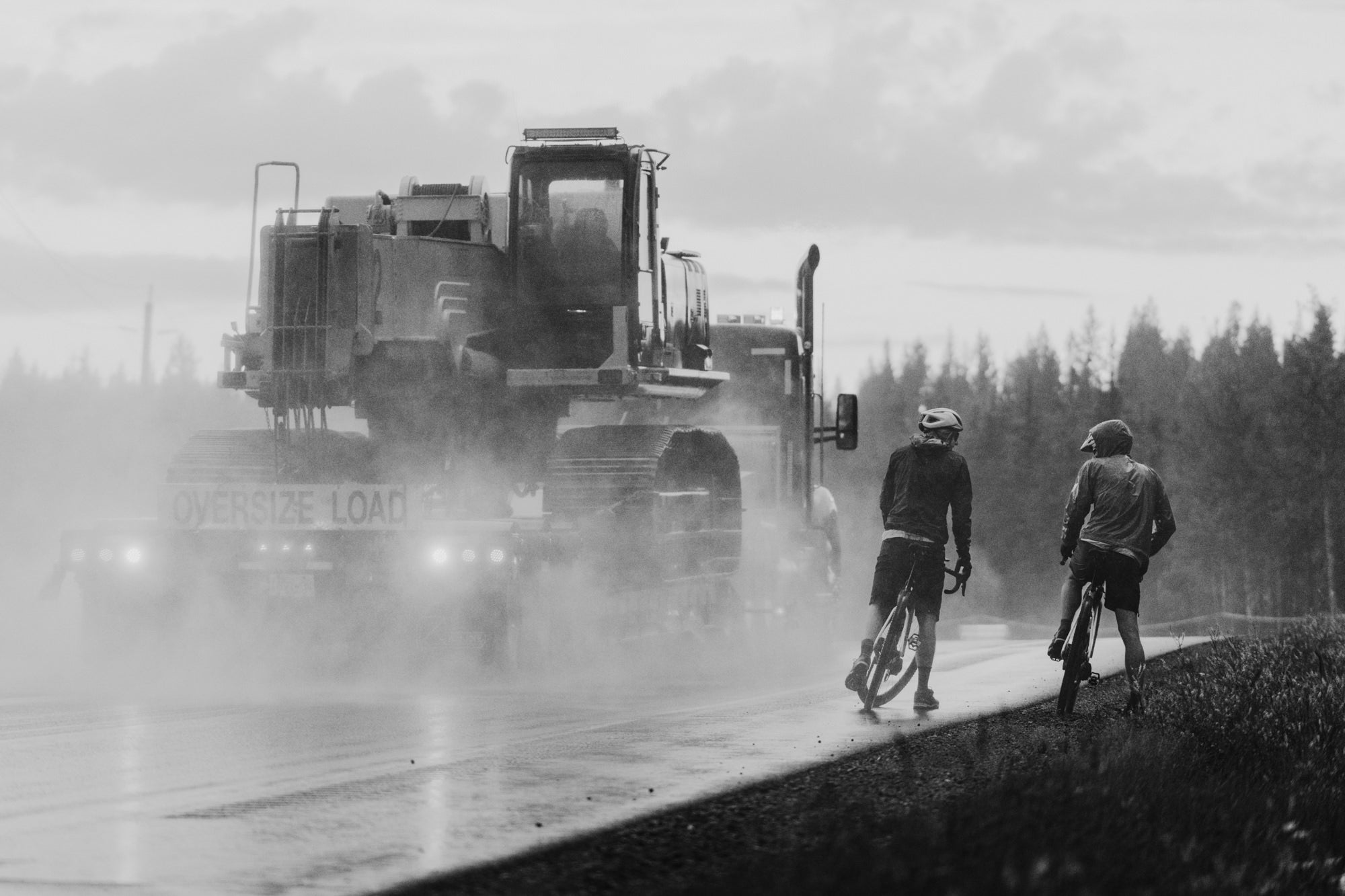
Tommy Caldwell and Alex Honnold. Photo by Taylor Shaffer / National Geographic. Alpha 7R V. 16-35mm f/4.
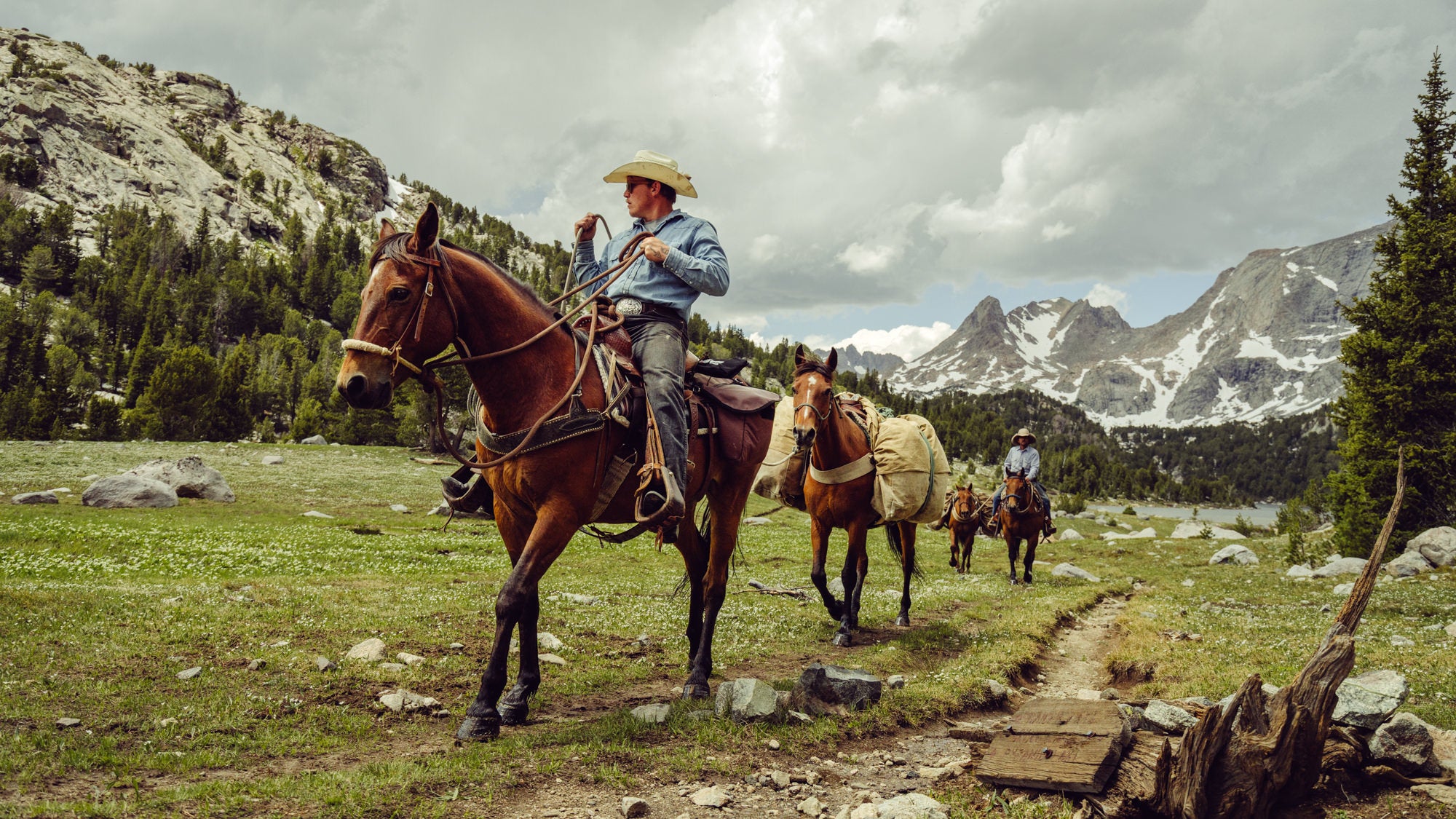
Photo by Taylor Shaffer / National Geographic. Alpha 7R V. 16-35mm f/4.
But staying true to that deeper story requires more than an open mind in the field. It sometimes means finding new channels to tell it. The Nat Geo Disney+ documentary (still streaming) covered the expedition, but by necessity focused tightly on the main narrative. Marina's story, Taylor's story – those lived elsewhere. "Sony has really been that channel for us," Renan says, "that's allowed us to refilter the story and show something deeper that even Nat Geo might have overlooked. That's been a huge thing for us in the last ten years of storytelling."
The practical advice he offers is deceptively simple: "It's like keeping your head and your mind on a pivot as things are happening, and just not getting tunnel vision into the main assignment – because unexpected things will certainly come out of the woodwork as you're shooting."
The Gear That Got Them There
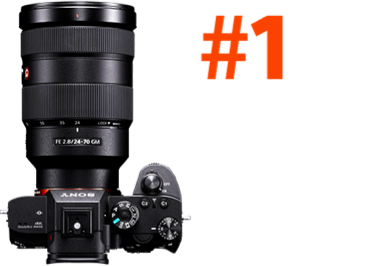
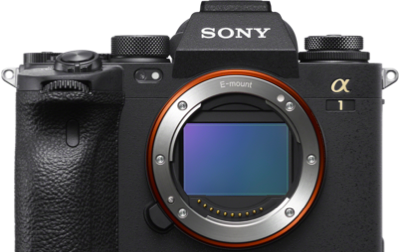
Navigating 2,500 miles of mountains, ocean, rainforest and glacial wilderness demands equipment that can keep pace with the unpredictable and survive it. For Renan, the anchor of the kit is non-negotiable. "On these National Geographic assignments, I always take the Sony Alpha 1 II," he says. "It's just kind of a perfect balance for me, because I know I'm getting incredible image quality and I can switch between photo and video really seamlessly. I have great frame rates, there's not a lot of cropping in some of the slow motion modes, and it's just what I'm used to."
For lenses, the expedition called for range. "The Sony 35mm f/1.4 G Master is always my go-to, but since it's such a big production, I'm pretty much bringing my entire landscape kit. We had the Sony 200-600mm f/5.6-6.3 G, I shot a lot with the Sony 24-70mm f/2.8 G Master II in journalistic environments, and then when we're on the climb, the Sony 16-35mm f/2.8 G Master II is incredible."
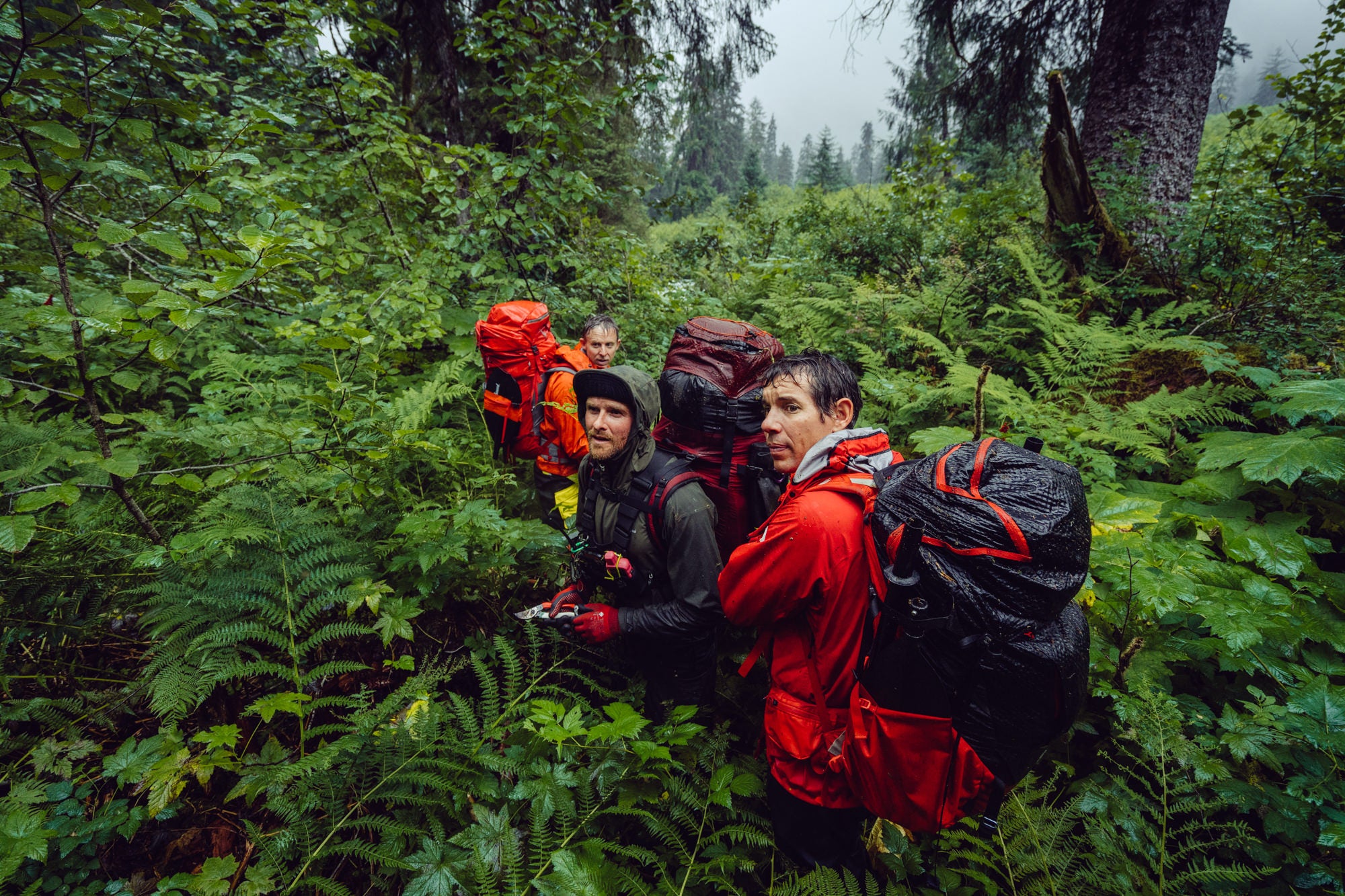
Photo by Taylor Shaffer / National Geographic. Alpha 7R V. 16-35mm f/4.
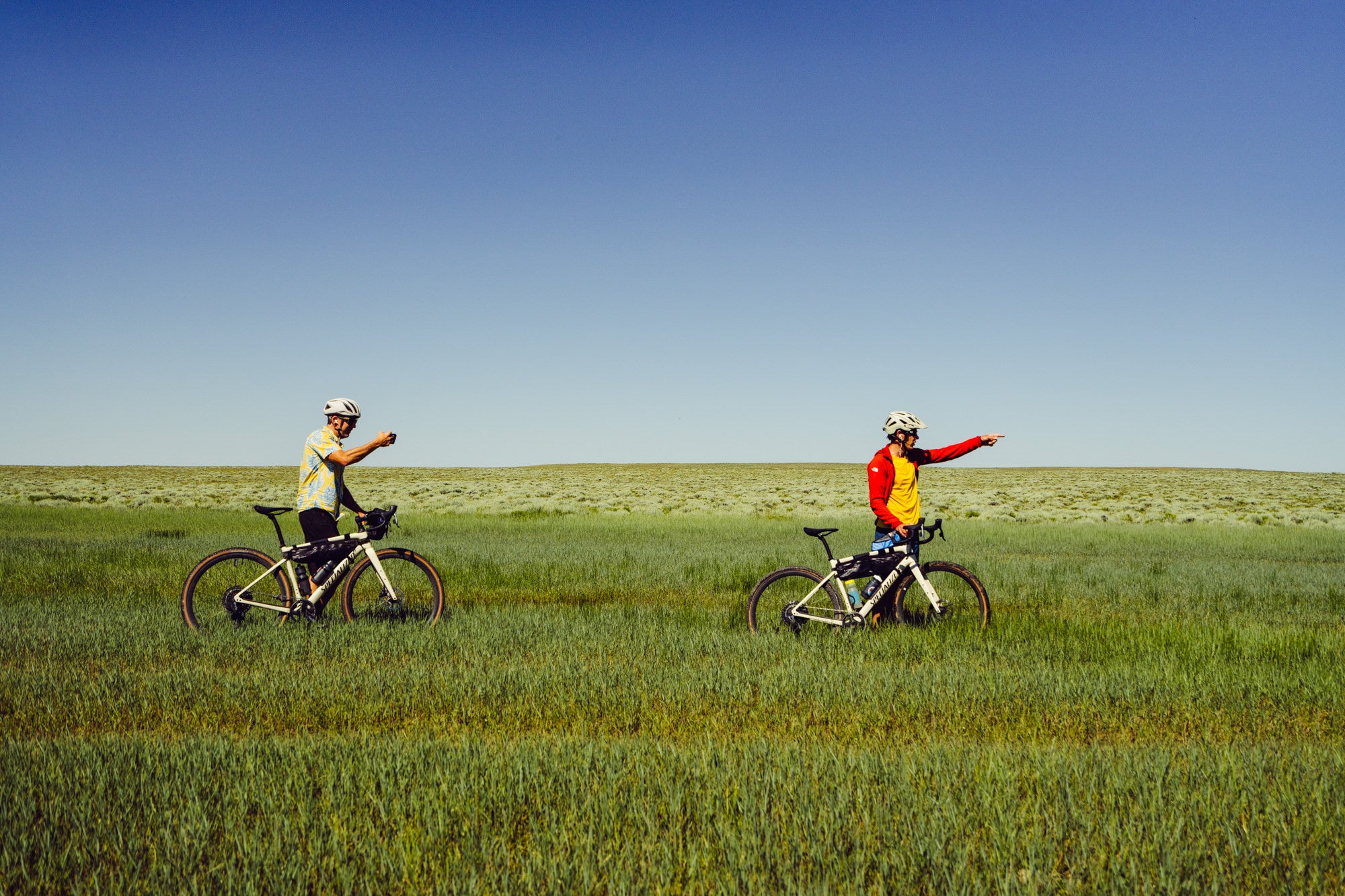
Tommy Caldwell and Alex Honnold. Photo by Taylor Shaffer / National Geographic. Alpha 7R V. 16-35mm f/4.
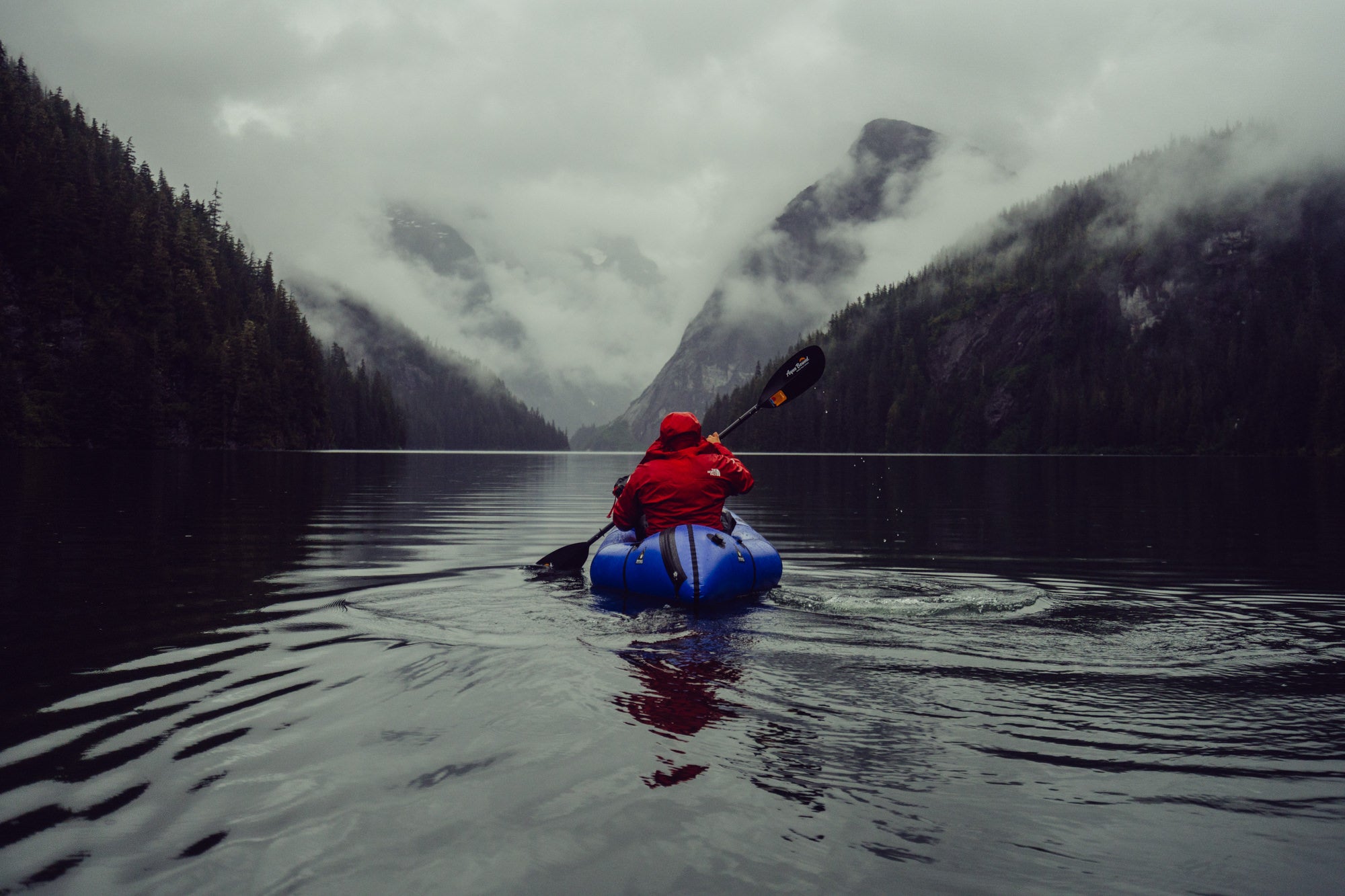
Photo by Taylor Shaffer / National Geographic. Alpha 7R V. 16-35mm f/4.
Taylor's approach was the opposite — and in many ways, more effective. Working off a Sony Alpha 7R V with just two lenses the entire trip, he delivered a full National Geographic article. "Surprisingly, my one camera, one lens survival tactic got me through to the end," Taylor reflected in the film. "By biking and sailing and walking all the way in, it's like you're able to actually feel a full range of emotions." Stripping down the kit stripped away the barrier between photographer and moment. The gear demanded presence.
It's a lesson Renan admits he was still learning himself, even while teaching it.
When Mentorship Goes Both Ways
By the time the team reached the base of Devil's Thumb, something had shifted. Renan – the one who set the terms, gave the pep talk, and lit the match – found himself on the receiving end.
"I just saw Taylor's youthful energy, how he interacted with the talent – who are also very old friends of mine," Renan says. "And I kind of got expressions and performances out of them that I wouldn't have gotten." Taylor's openness created a different type of access from what experience alone could manufacture. He approached Honnold and Caldwell not as legends to document but as people to understand. The images that followed were honest in a way that couldn't be forced.
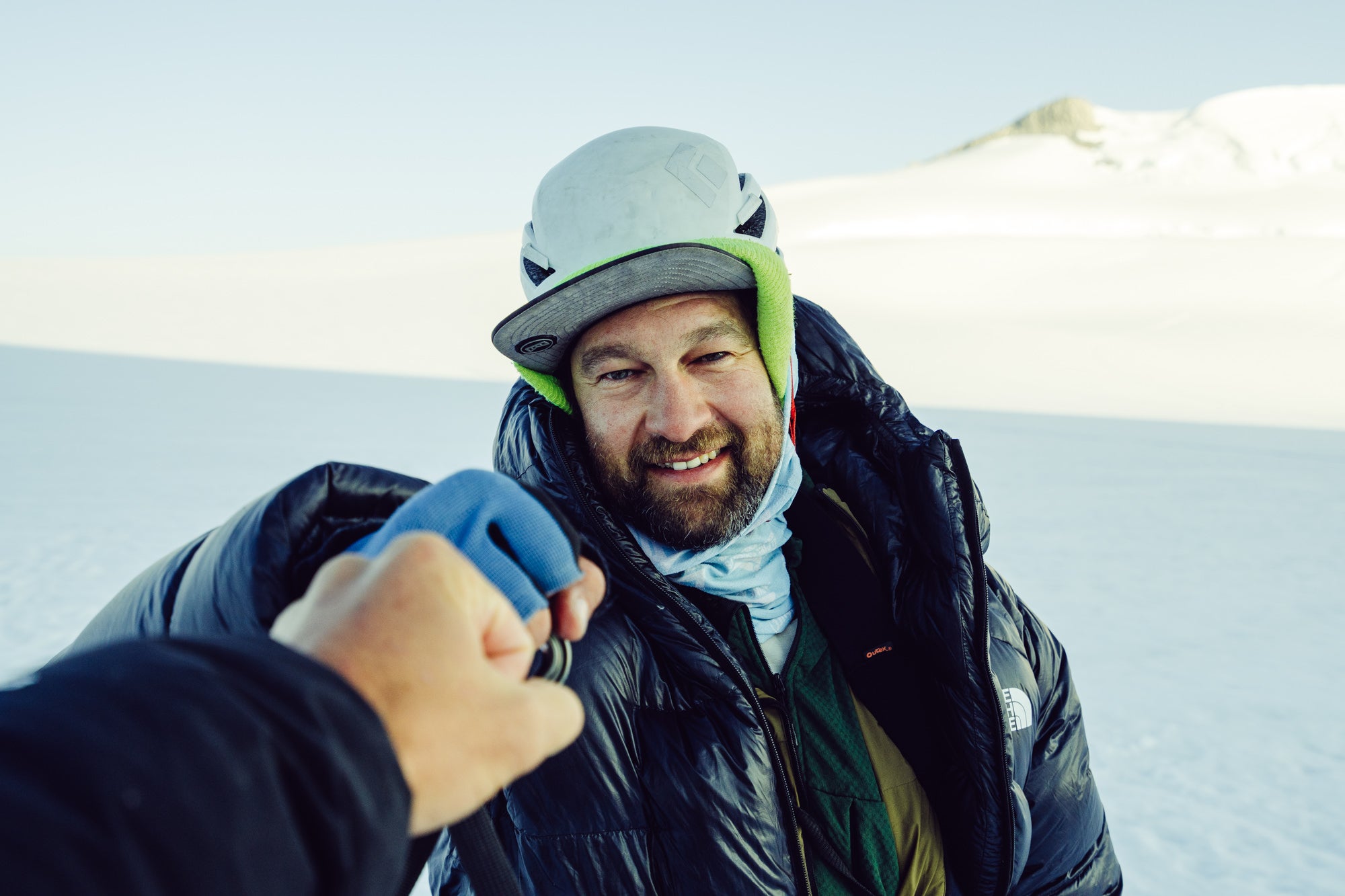
Sony Artisan Renan Ozturk. Photo by Taylor Shaffer / National Geographic. Alpha 7R V. 16-35mm f/4.
Then there was the question of the gear. "I tend to struggle trying to simplify my lens kit," Renan admits, "as opposed to Taylor, who did such a great job with a lot less – just finding more real moments and great frames. The simplicity of his kit really allowed him to move around and get images that I wasn't necessarily getting, and allowed him to flow freely within the situation." Watching it happen in real time, on a high-stakes expedition where lives were genuinely on the line every day, left an impression. "He was showing me in real time how it could be done," Renan says, "and done with grace."
A year after the expedition ended, a yellow National Geographic book arrived at Taylor's door with his photos on the headline. It wasn't luck, entirely. But it wasn't just skill either. It was what happens when someone is thrown into the deep end and chooses not to drown – with someone watching from a distance who already knew they wouldn't.
Good luck, kid...turns out, he didn't need much of it.
"Good Luck, Kid" premiered over the weekend at the Mountainfilm Documentary Film Festival and is available now on Alpha Universe YouTube Channel. The full expedition documentary is streaming on Disney+.
See more of Renan Ozturk’s work on his Alpha Universe Profile and on Instagram @renan_ozturk.
See more of Taylor Shaffer’s work on Instagram @taylor._shaffer.