Sony just introduced the world's lightest super-telephoto primes in their class: the 400mm f/4.5 G Master and 600mm f/6.3 G Master. For Sony shooters who prioritize mobility while searching for subjects, these lenses can’t be beat. A group of creators have already put the new lenses to the test, and we caught up with them to get their first impressions and photos. Keep reading for more from Chris Brockhurst, Dani Hamm, Nate Luebbe, Hannah Rheaume and Jared VanderMeer.
Creators Test The New 400mm f/4.5 GM & 600mm f/6.3 GM Lenses
“They're classic focal lengths for wildlife photography for a reason! Long enough to really get tight on the subject without having so much distance that atmospheric distortion softens the image. Pika have always been my favorite animal, so finally getting some keeper images of a very difficult animal to photograph was a real treat! Pika are famously very tiny and very fast, so having 600mm in range was key, and the sharpness from the lens made for some great photos!” – Nate Luebbe

Photo by Nate Luebbe. Alpha 1 II. 600mm f/6.3 G Master. 1/1250-sec., f/6.3, ISO 640
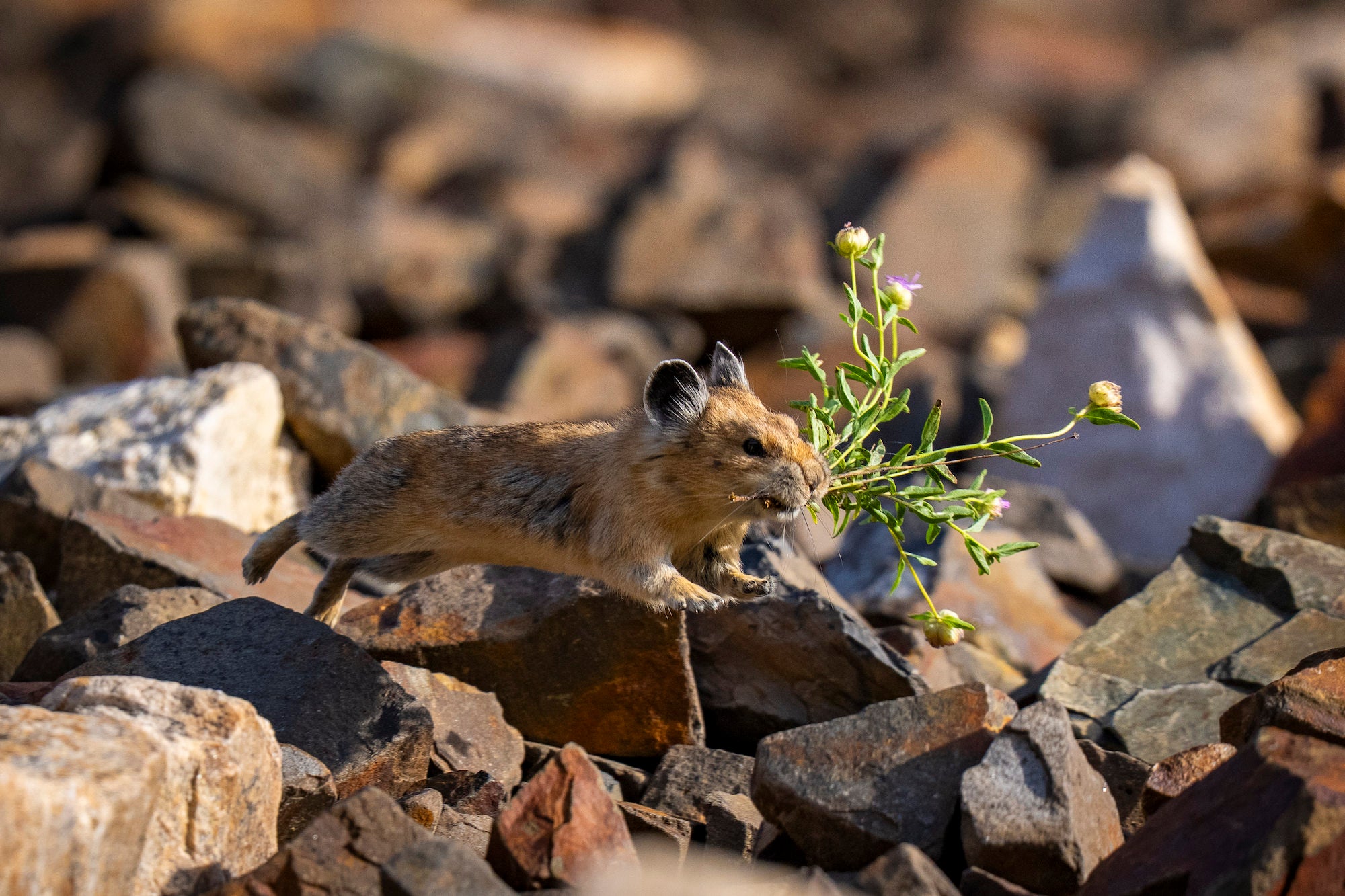
Photo by Nate Luebbe. Alpha 1 II. 400mm f/4.5 G Master. 1/1600-sec., f/4.5, ISO 320
“The weight and balance were the biggest standouts. They made both lenses comfortable to carry and much easier to use for extended periods, particularly when tracking birds in flight. Autofocus speed was another major advantage. The lenses reacted quickly to unpredictable movement, while full-time DMF provided additional control whenever I needed to make a precise adjustment.
"The 400mm’s f/4.5 aperture also provided a useful amount of additional light. That can be especially valuable when working in forests, during changing weather or early and late in the day. Sharpness was excellent, and the smooth bokeh created clean backgrounds that kept attention on the subject. These lenses combine reach with speed, sharpness and an impressively lightweight design – exactly what I want when photographing unpredictable wildlife in the field.” – Jared VanderMeer
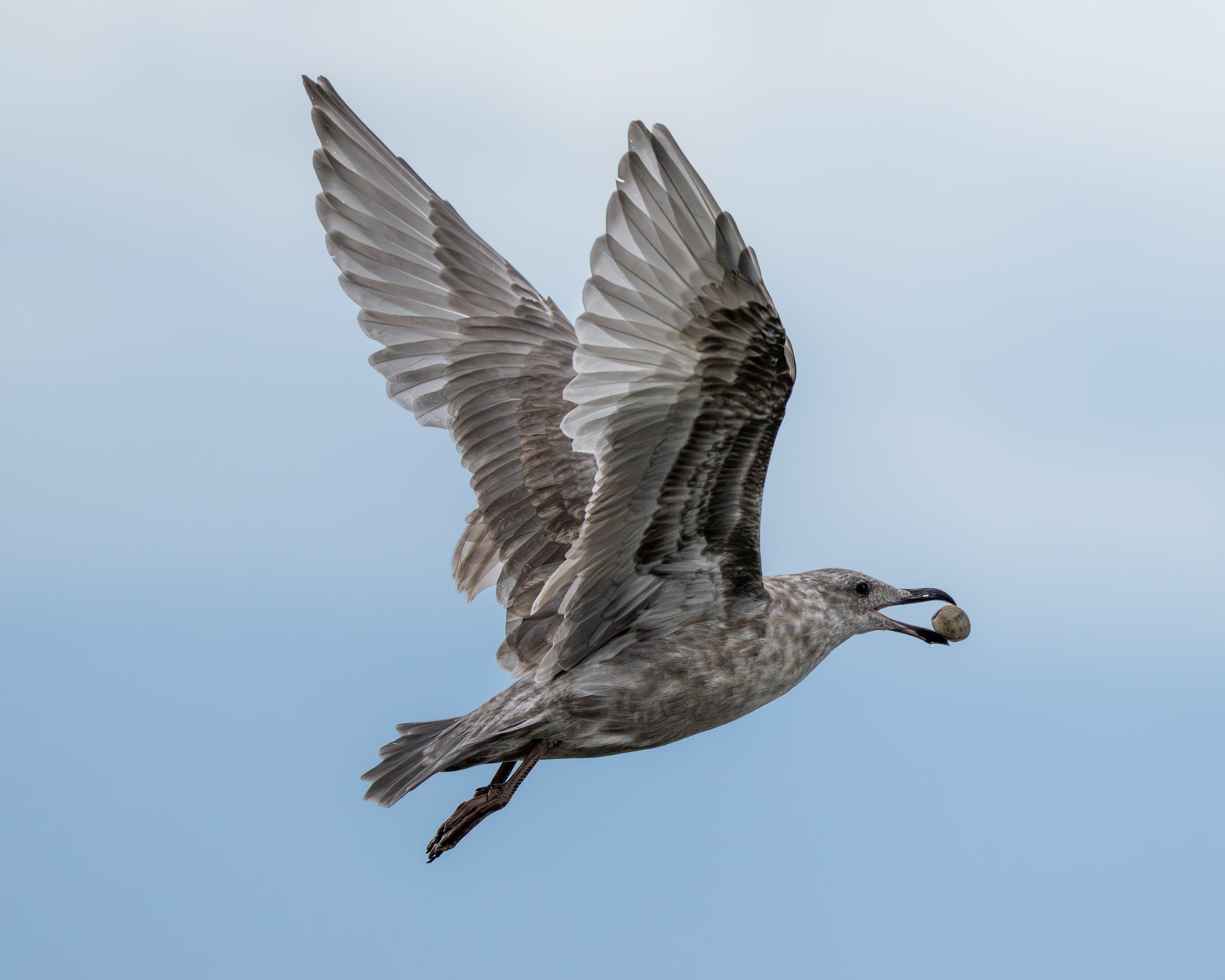
Photo by Jared VanderMeer. Alpha 1 II. 400mm f/4.5 G Master + 1.4x TC. 1/4000-sec., f/7.1, ISO 1600
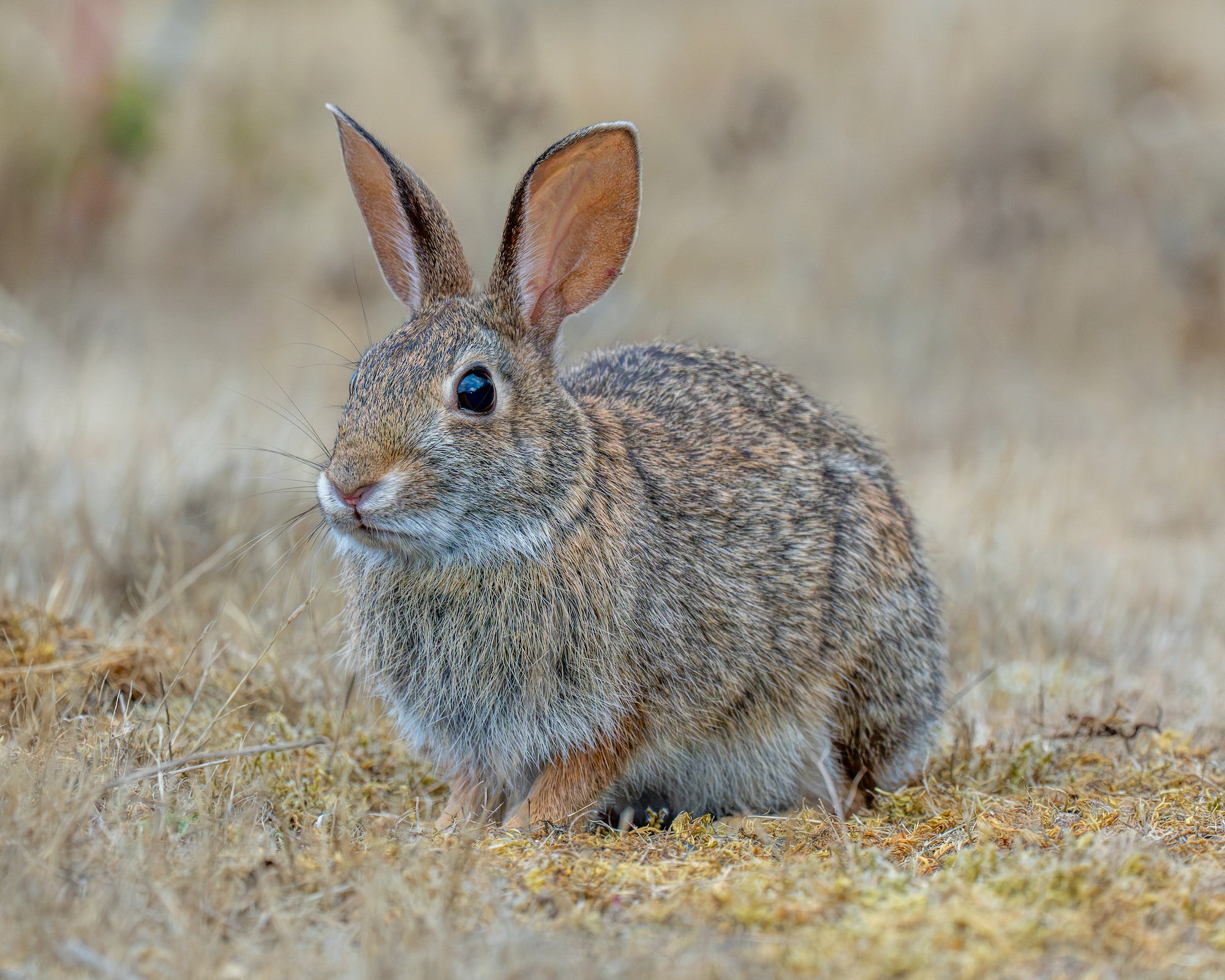
Photo by Jared VanderMeer. Alpha 1 II. 600mm f/6.3 G Master. 1/250-sec., f/7.1, ISO 1600
“Both lenses are incredibly lightweight and compact, which makes traveling with them so much more convenient. As GM lenses, they also have the beautiful build quality and signature orange GM details, while delivering incredibly sharp images. One of the biggest benefits for me is the constant f/4.5 aperture at 400mm. Compared to shooting at 400mm and f/6.3 on my 200-600mm, that extra light makes a noticeable difference. It gives me more flexibility in low-light situations, creates beautiful separation and bokeh, and ultimately allows me to keep photographing wildlife for longer during those magical hours around dawn and dusk.” – Dani Hamm
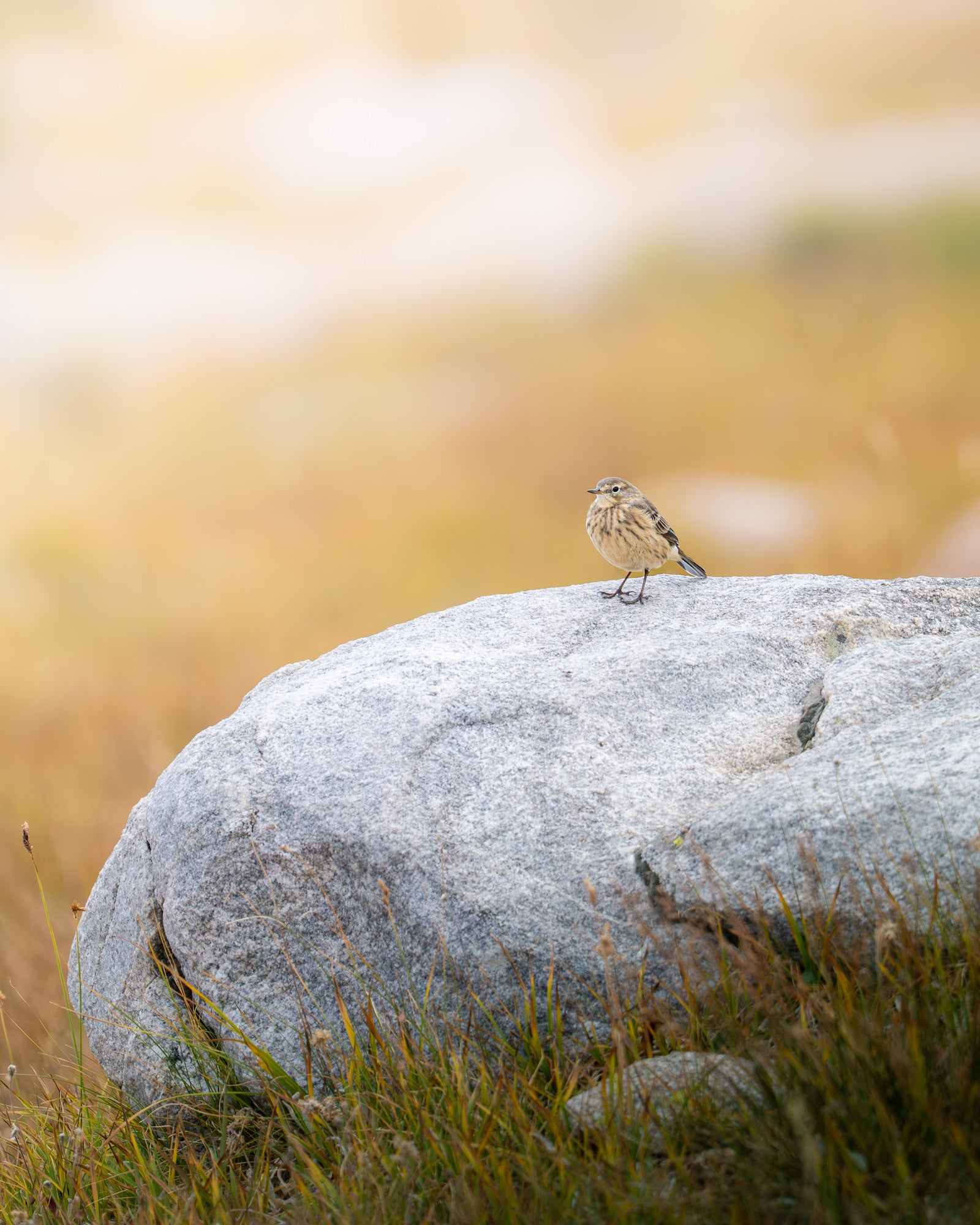
Photo by Dani Hamm. Alpha 7R V. 400mm f/4.5 G Master. 1/1600-sec., f/4.5, ISO 800
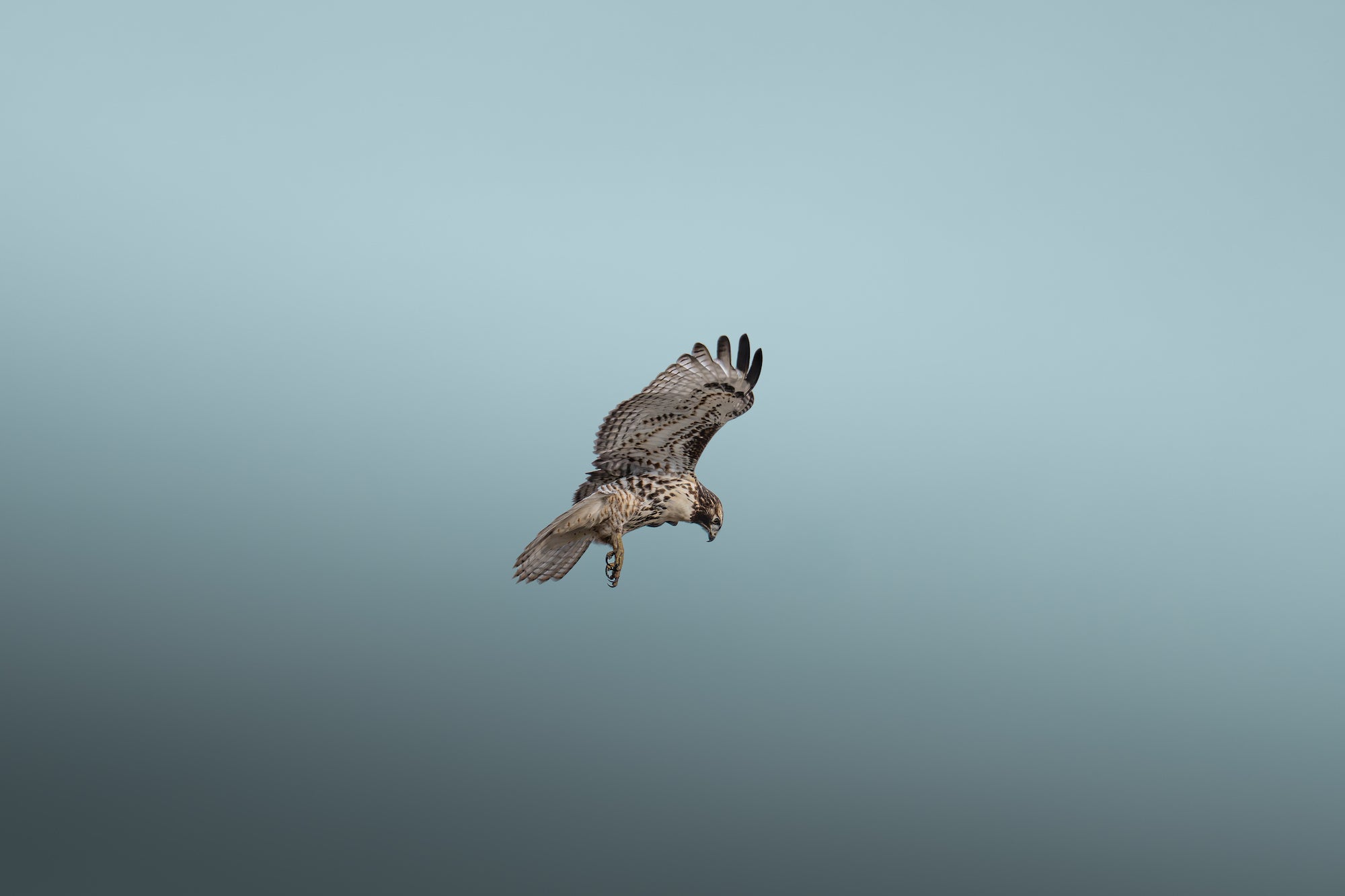
Photo by Dani Hamm. Alpha 7R V. 400mm f/4.5 G Master. 1/800-sec., f/4.5, ISO 1250
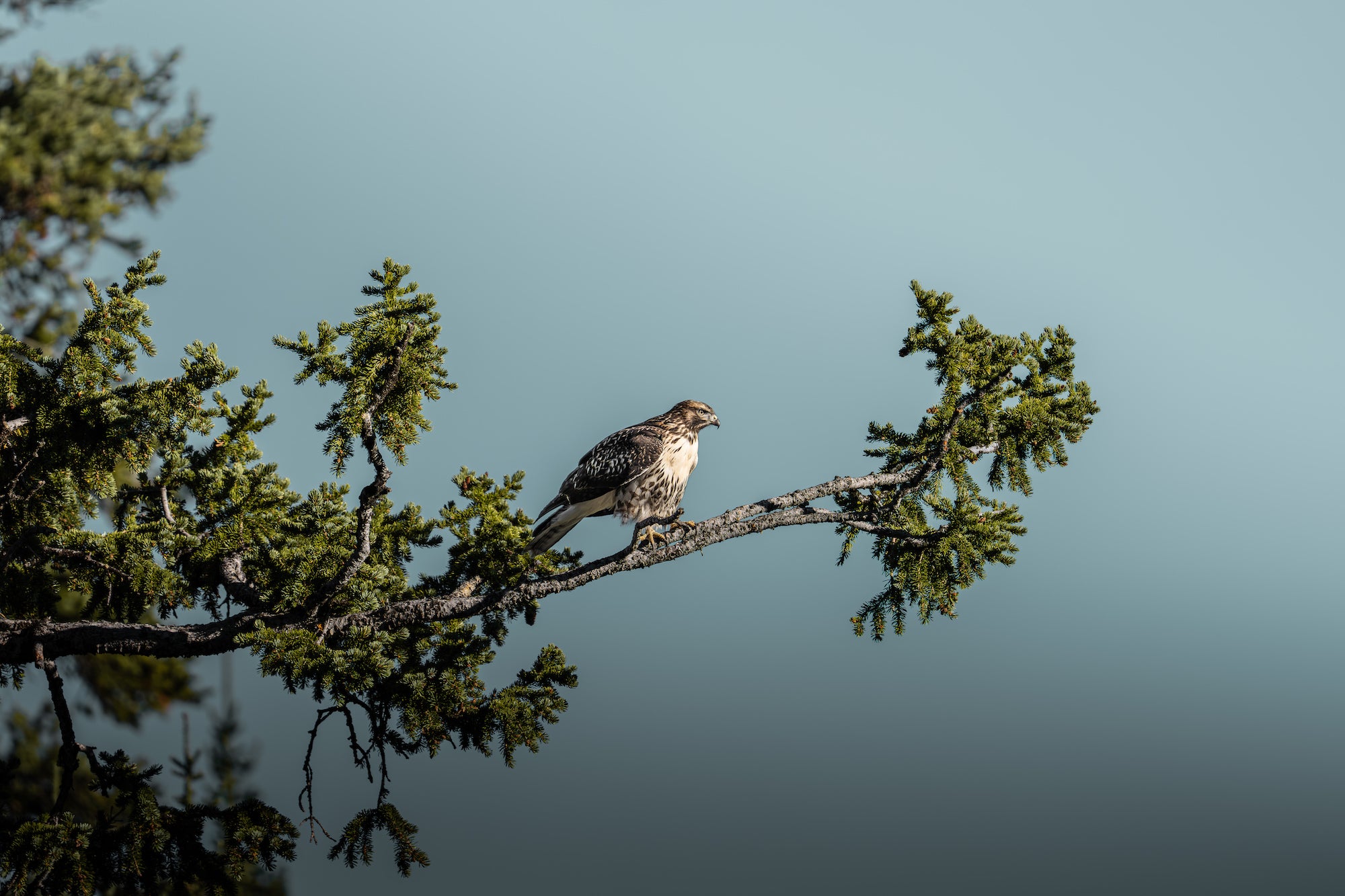
Photo by Dani Hamm. Alpha 7R V. 400mm f/4.5 G Master. 1/2000-sec., f/4.5, ISO 320
“I loved shooting with the fixed focal lengths. While testing these lenses, I opted for the 600mm most often because my subjects were farther away. The sharpness of the images I made paired with my Alpha 7R VI is truly incredible. I live on the edge of Yellowstone National Park so I was fortunate enough to photograph grizzly bears, ravens, bison and compressed mountain landscapes!” – Hannah Rheaume
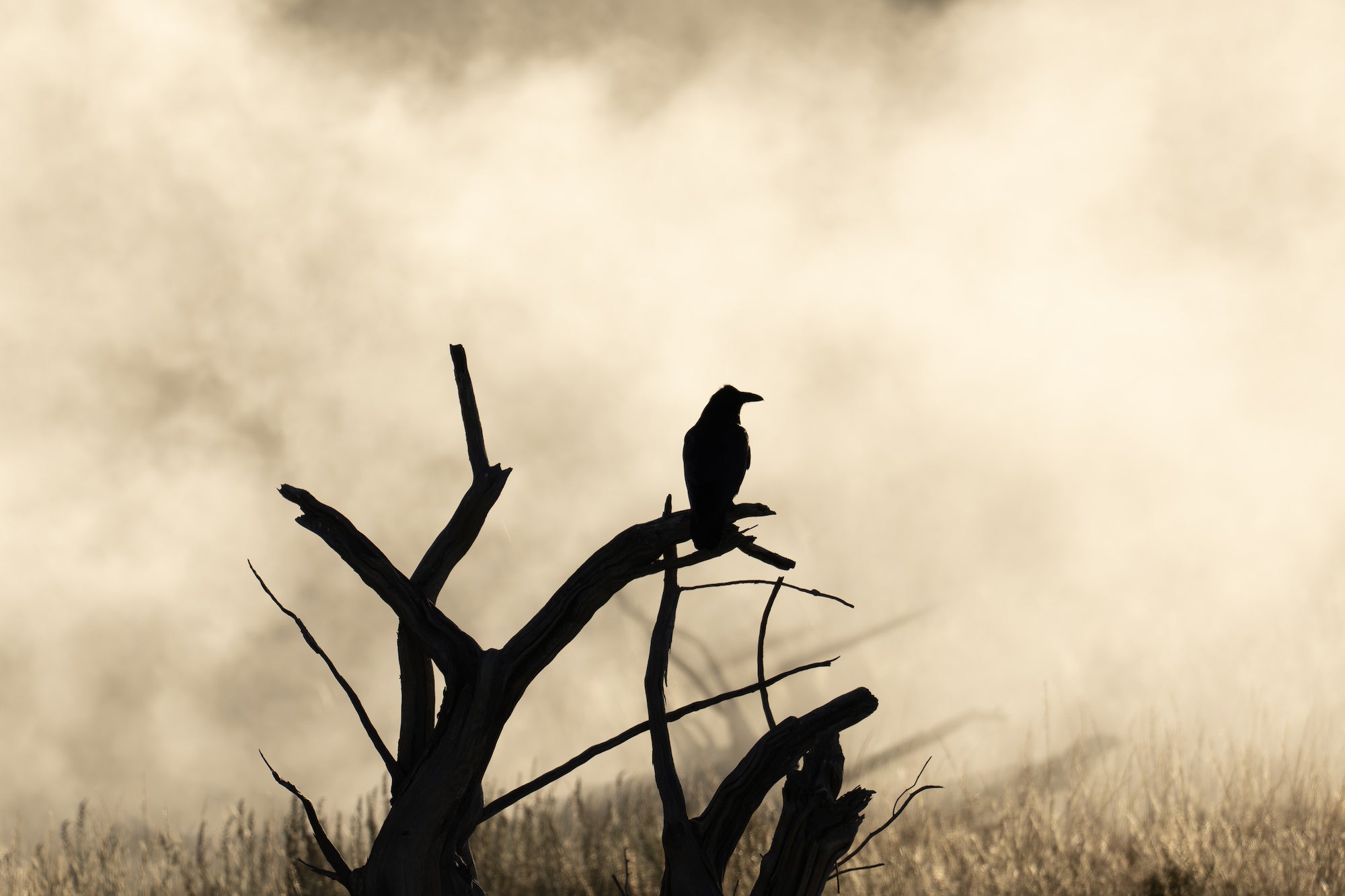
Photo by Hannah Rheaume. Alpha 7R VI. 600mm f/6.3 G Master. 1/2000-sec., f/6.3, ISO 400
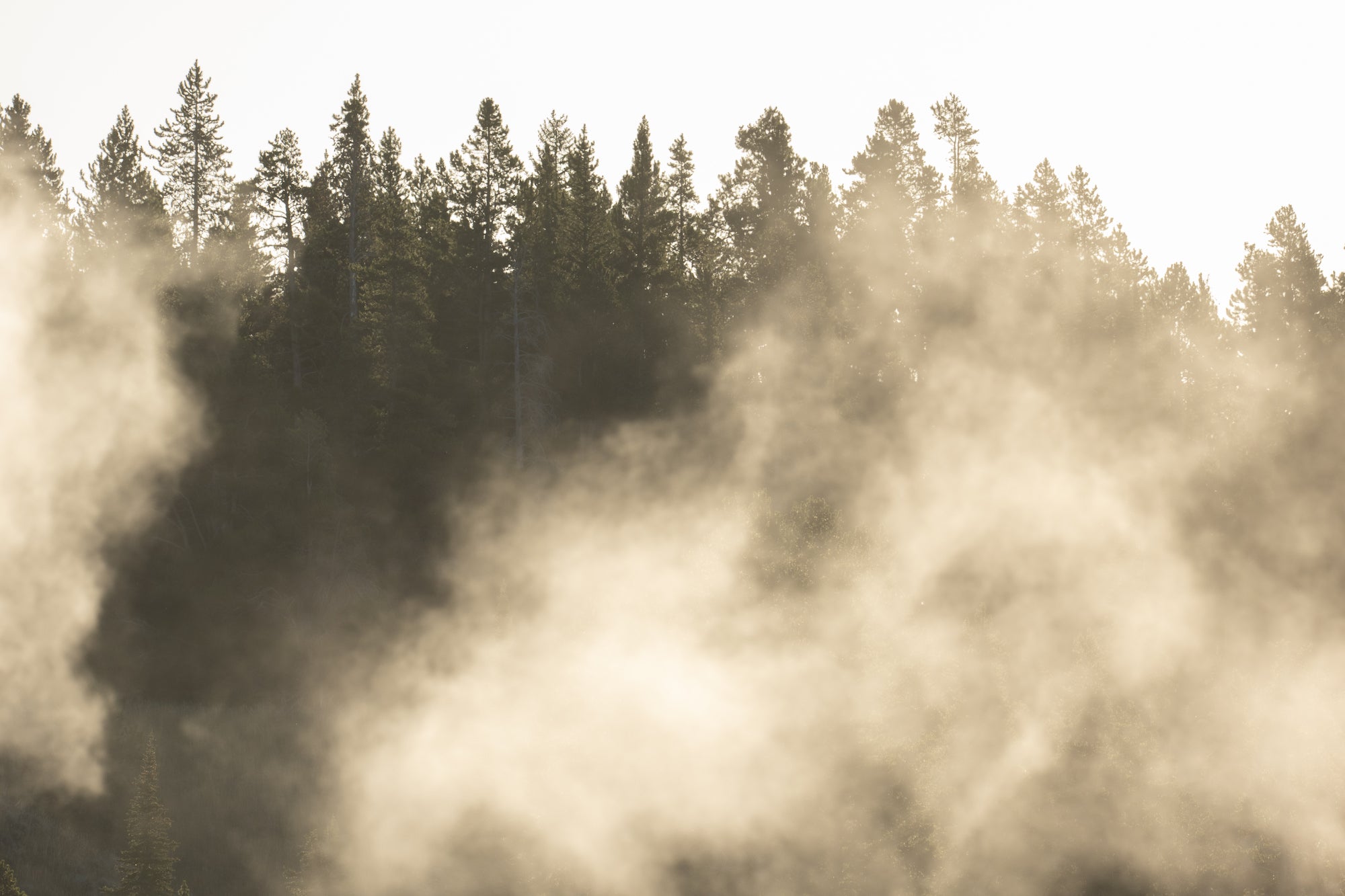
Photo by Hannah Rheaume. Alpha 7R VI. 600mm f/6.3 G Master. 1/250-sec., f/10, ISO 400
“For me they're perfect for wildlife. You can stay back from everything and still get close enough that you're not disturbing the animals. You can also take advantage of things like crop mode to reach in even further, and when you're using some of the newer stabilization modes, they apply a crop that actually works in your favour here. They're great lenses for capturing things from a distance. There was a duck that was sleeping on a rock and then woke up, and a fisherman drifting past in this video I was taking. I love that it's not just the river. You get all the atmosphere, the mist sitting on the water. I think I caught the fisherman off guard too. He spotted me from way out and clearly wondered what I was doing. Those shots are the ones that show why these lenses are special. You're capturing from that far away and it still looks phenomenal, because it's G Master glass.” – Chris Brockhurst
“The size and weight of these are INCREDIBLE. If I'm bringing my 400mm f/2.8 with me on a hike it becomes a major component of the experience because it weighs over 6lbs and takes up my entire backpack. I threw both of these new lenses in my backpack for a day hike and they took up less space and weight combined than the previous 400mm or 600mm prime would have alone.” – Nate Luebbe
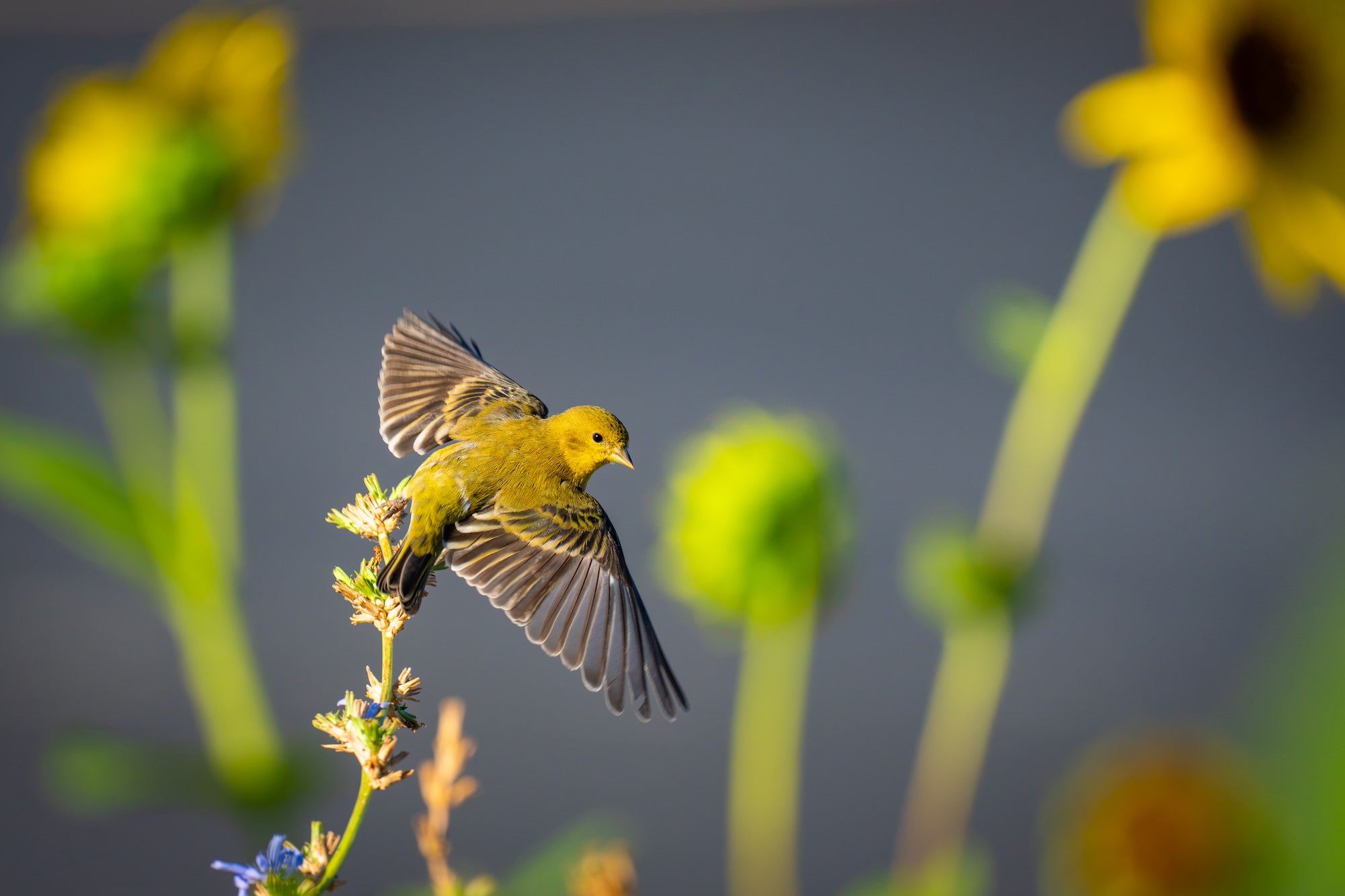
Photo by Nate Luebbe. Alpha 1 II. 600mm f/6.3 G Master. 1/2000-sec., f/6.3, ISO 800
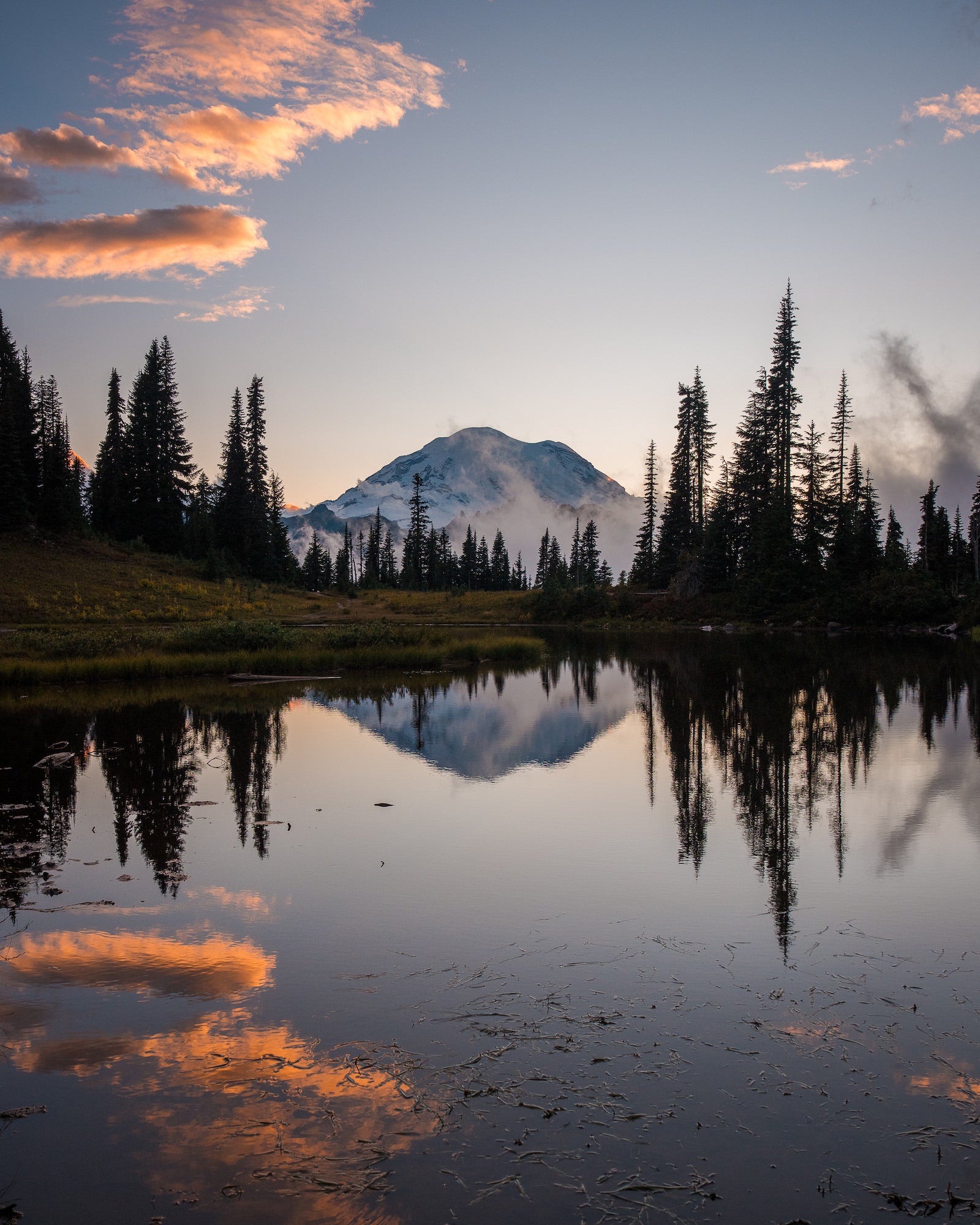
Photo by Nate Luebbe. Alpha 1 II. 400mm f/4.5 G Master.
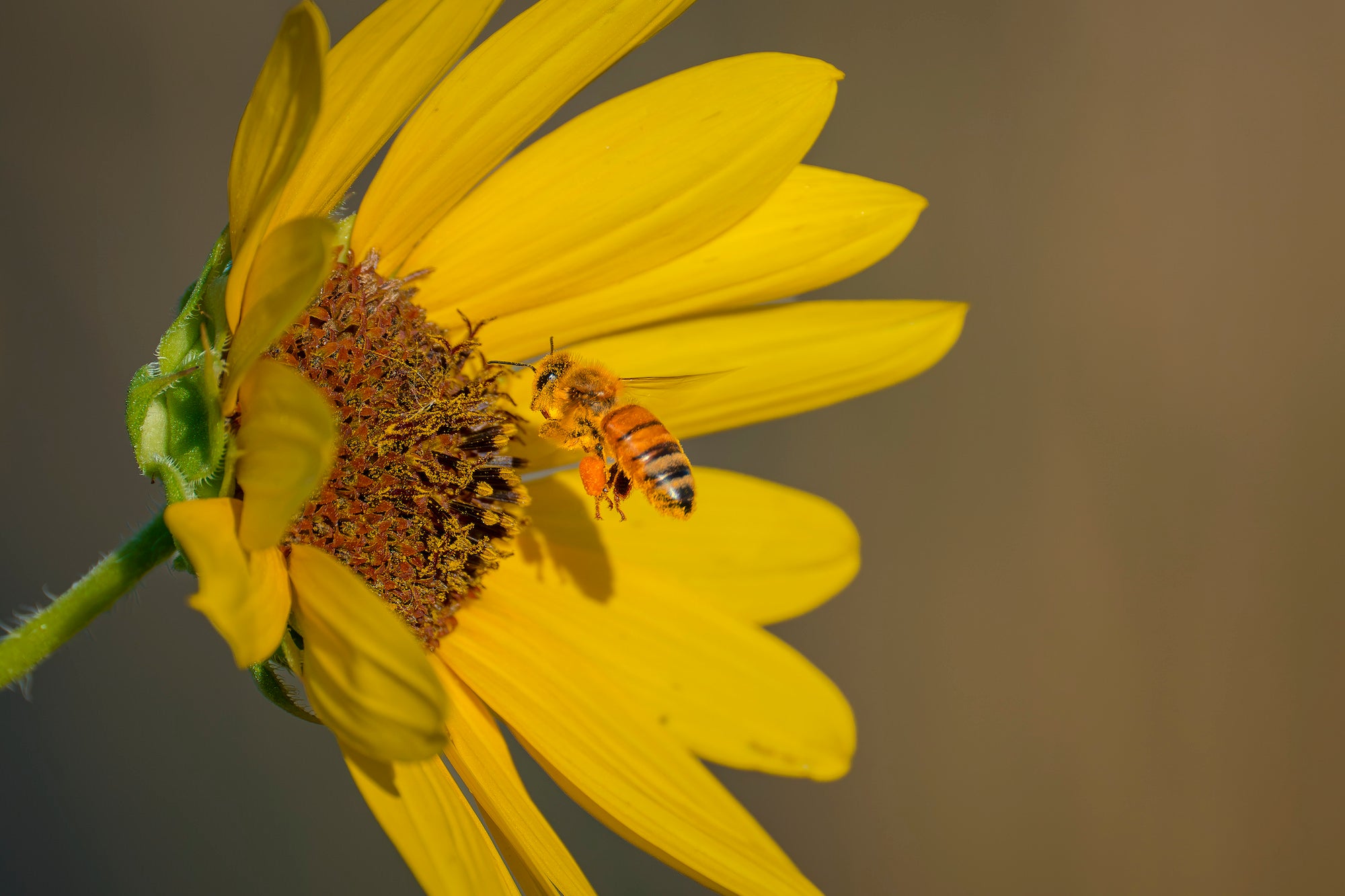
Photo by Nate Luebbe. Alpha 1 II. 600mm f/6.3 G Master. 1/2000-sec., f/6.3, ISO 320
“The 600mm focal length has always felt ideal for bird photography to me. It provides the reach needed to photograph smaller birds while maintaining a respectful distance and giving them space to behave naturally. The 400mm offers more flexibility for larger birds and wildlife, particularly when subjects are moving or approaching quickly. Paired with the 1.4× teleconverter, it reaches 560mm, which is very close to that ideal 600mm range that I love. “For most small birds, 600mm has always felt like the perfect focal length. For larger birds and wildlife, 400mm gives me a little more freedom to react and compose.” – Jared VanderMeer
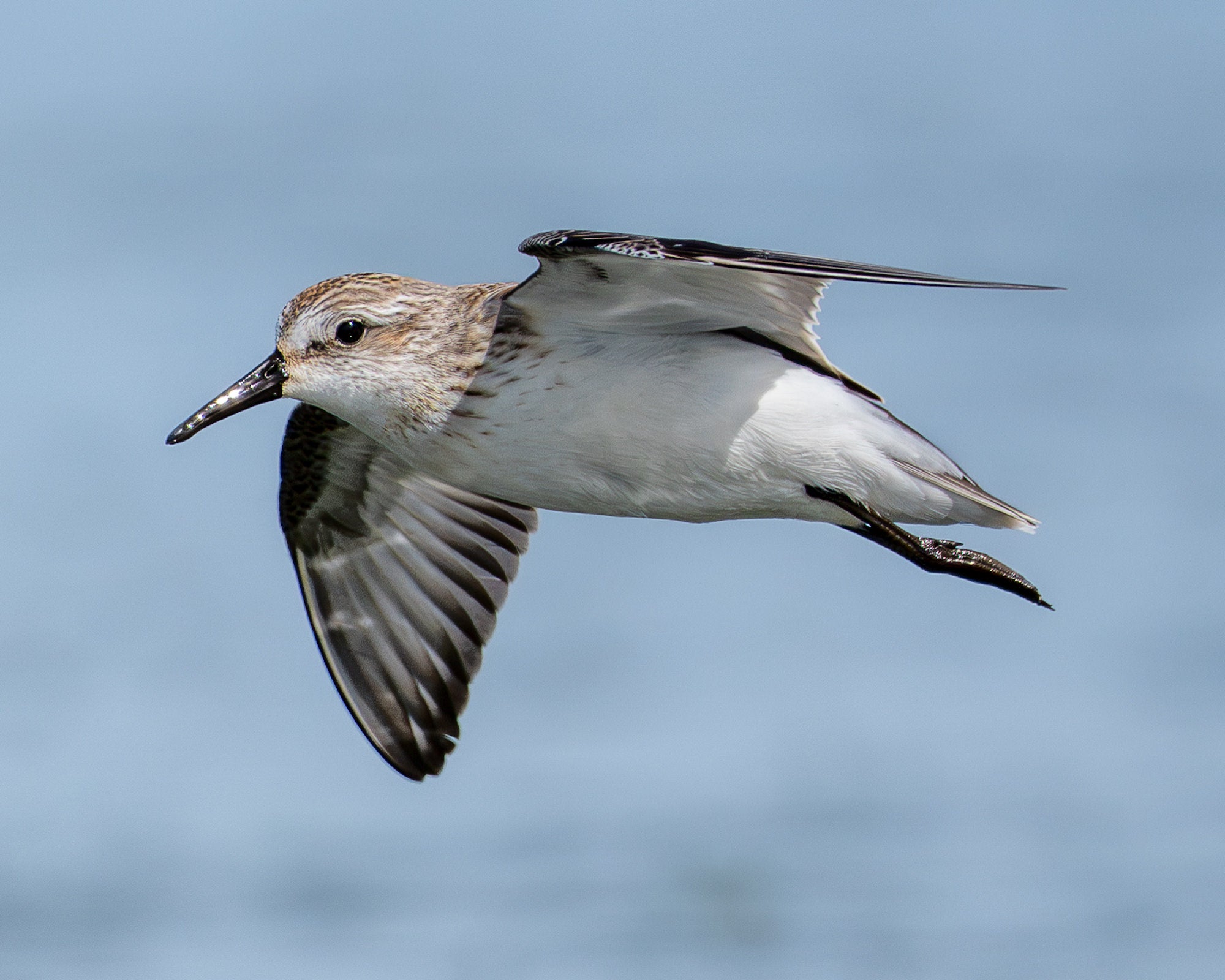
Photo by Jared VanderMeer. Alpha 1 II. 600mm f/6.3 G Master. 1/4000-sec., f/7.1, ISO 800
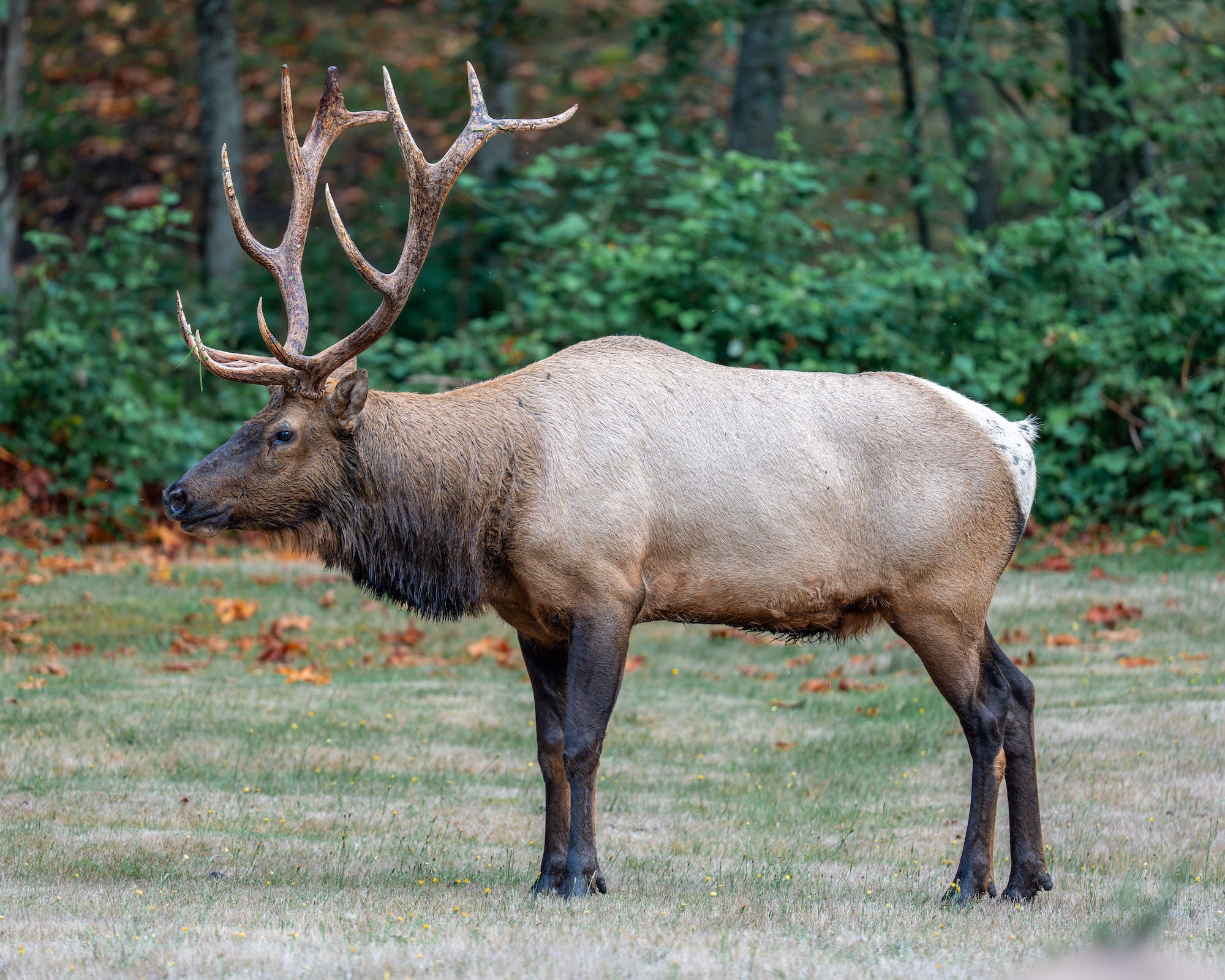
Photo by Jared VanderMeer. Alpha 1 II. 400mm f/4.5 G Master. 1/160-sec., f/4.5, ISO 500
“I’m based out of Yellowstone National Park, so I spent the week photographing bison, pikas, marmots, raptors, and a variety of other birds. Of course, I also made time to photograph the incredible landscapes these animals call home. One of my favorite ways to tell a wildlife story is by showing the bigger picture - the environment the animal lives in, alongside intimate detail shots. The 400mm lens was incredibly helpful for this, allowing me to capture those small details.” – Dani Hamm
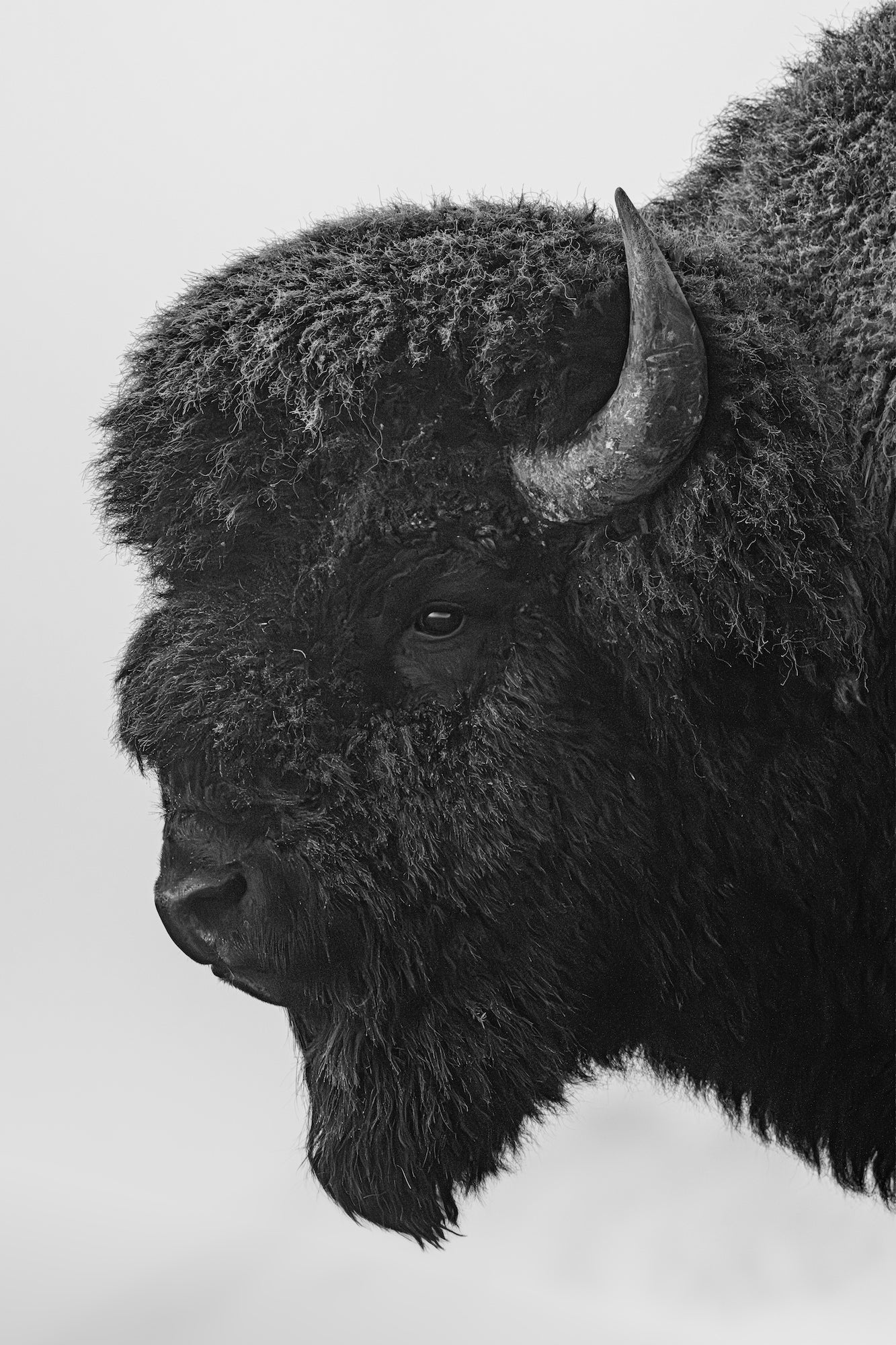
Photo by Dani Hamm. Alpha 7R V. 400mm f/4.5 G Master. 1/800-sec., f/4.5, ISO 3200
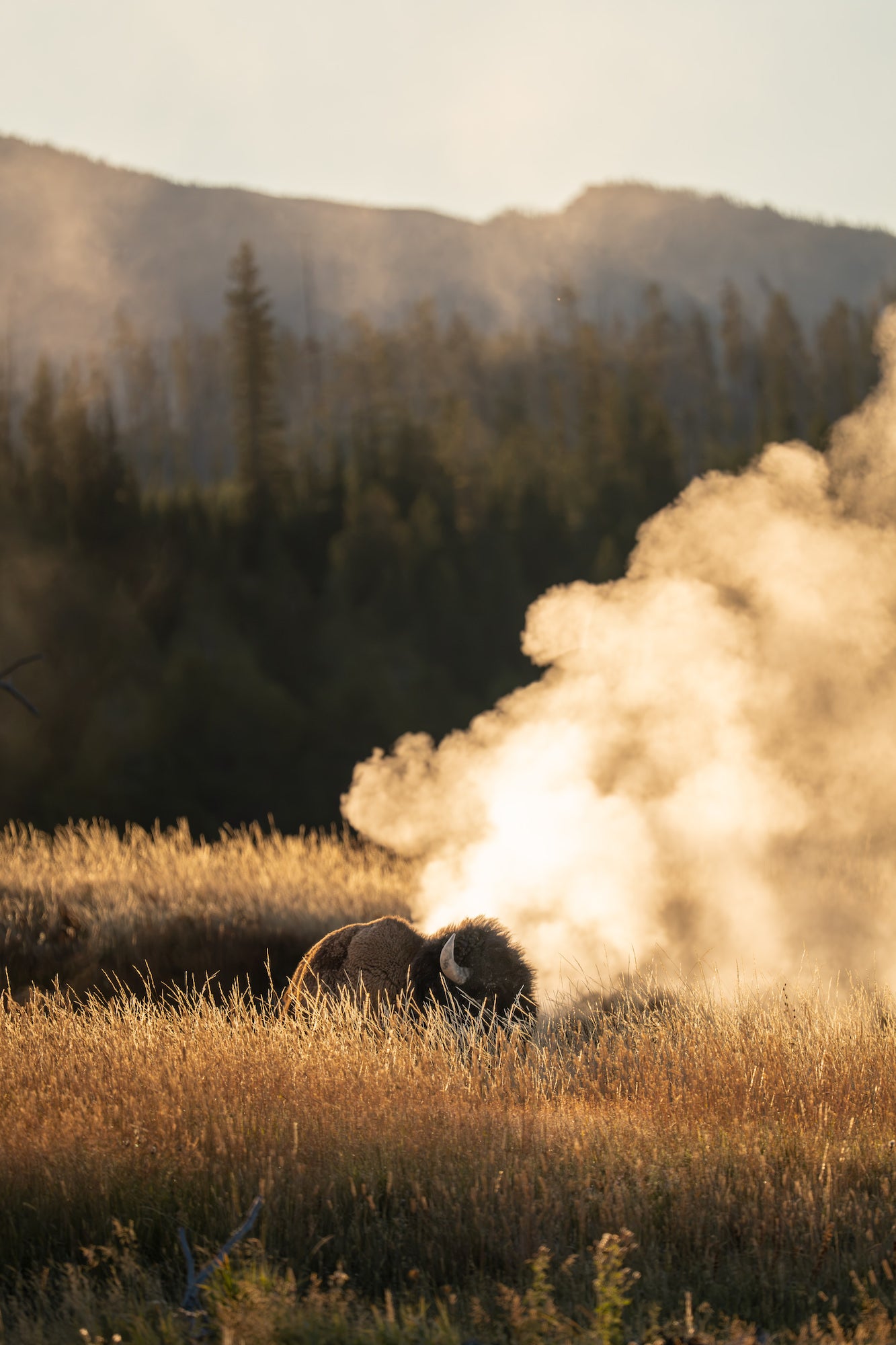
Photo by Dani Hamm. Alpha 7R V. 400mm f/4.5 G Master. 1/3200-sec., f/4.5, ISO 1000
“I love the grizzly bear images I made. It was very early in the morning and the sun had not yet risen over the mountains. We were driving around looking for critters and happened upon this bear swimming in Yellowstone Lake! I'd never seen a bear swim before so this was a novel experience for me. On top of that, shooting with the Alpha 7R VI and the 600 f/6.3 GM proved to be the perfect combination for this scenario. I was so impressed by the low light capabilities of the Alpha 7R VI when paired with the G Master quality and f/6.3 of this 600mm!” – Hannah Rheaume
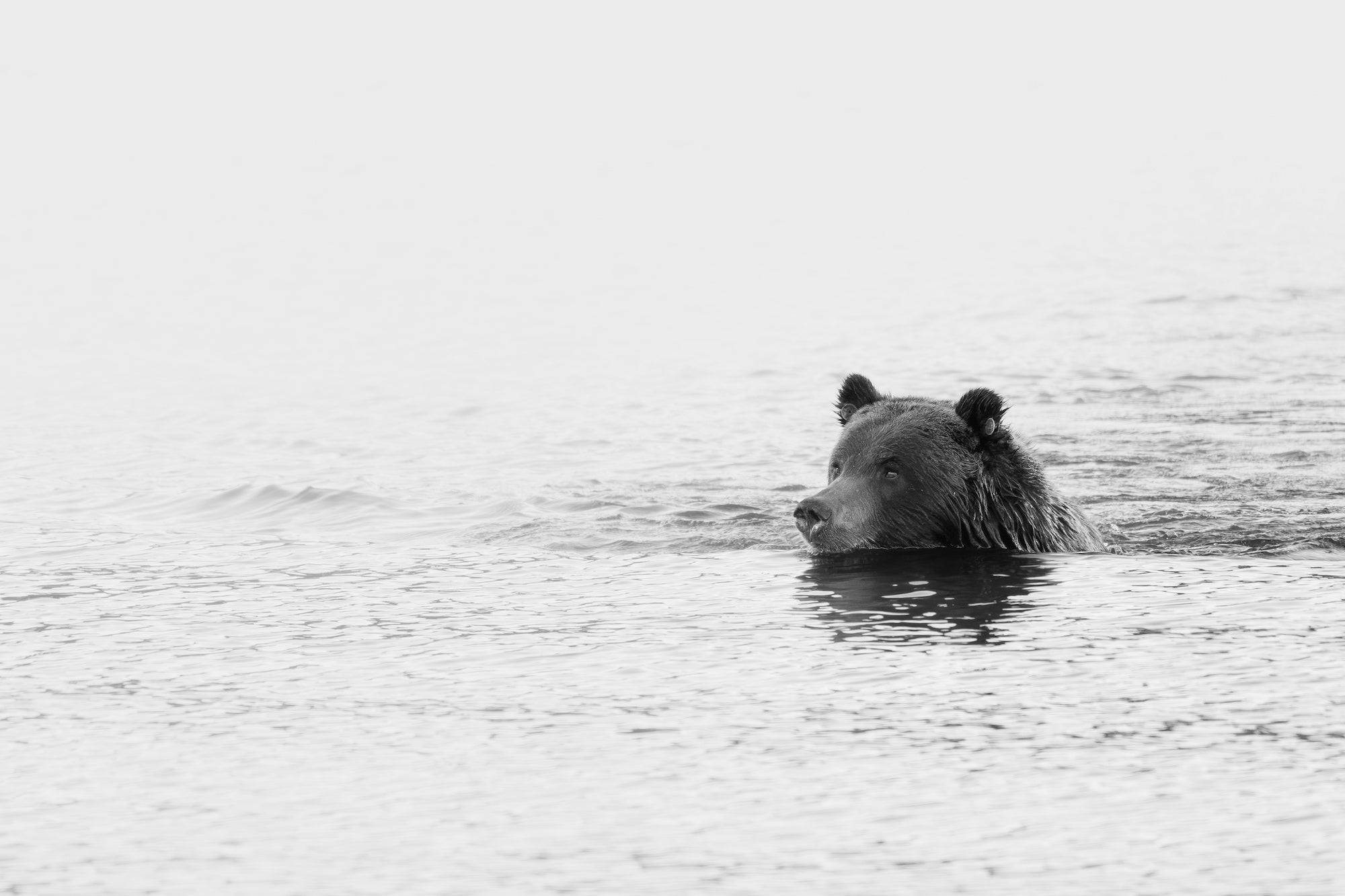
Photo by Hannah Rheaume. Alpha 7R VI. 600mm f/6.3 G Master. 1/800-sec., f/6.3, ISO 3200
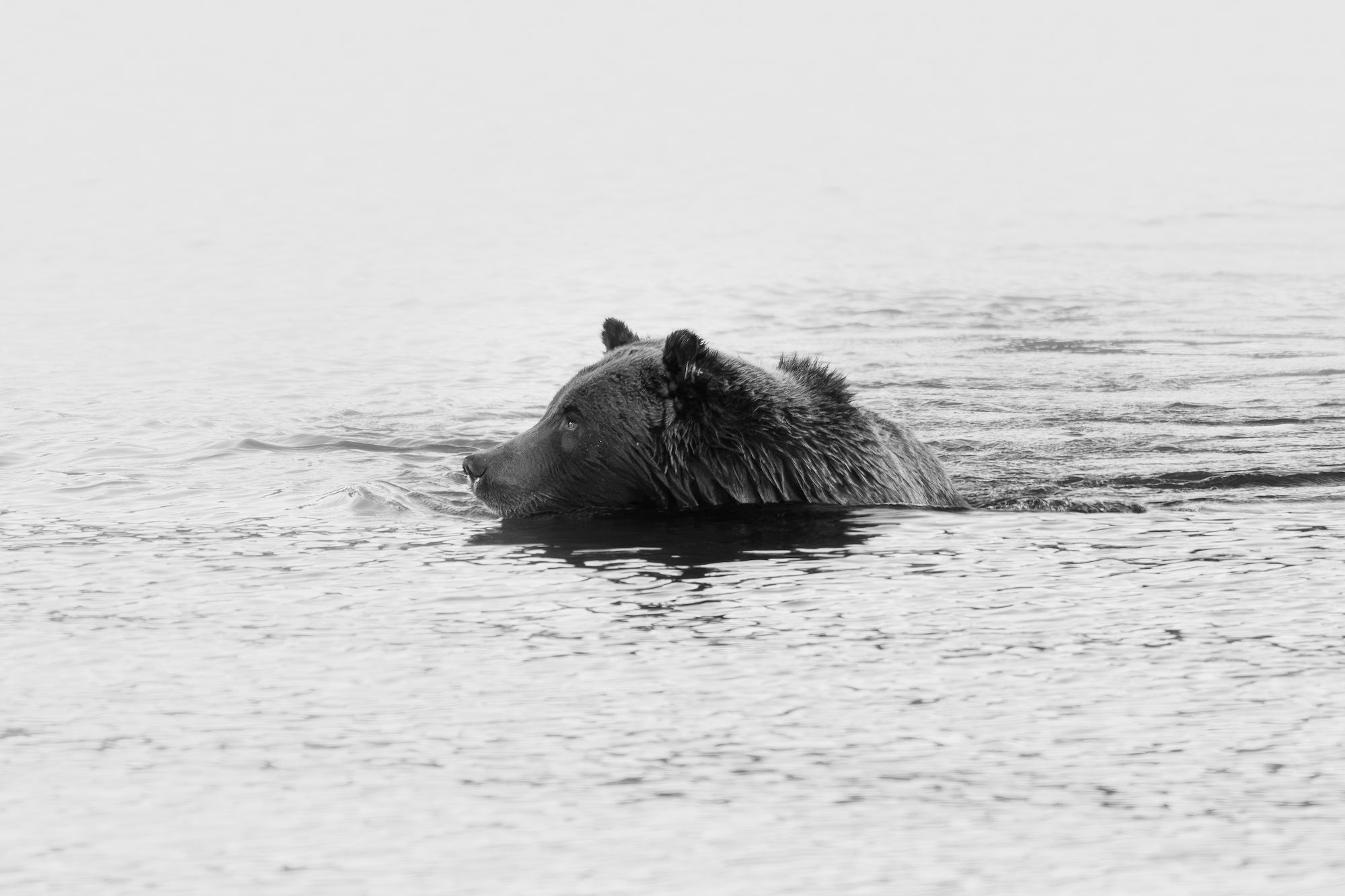
Photo by Hannah Rheaume. Alpha 7R VI. 600mm f/6.3 G Master. 1/800-sec., f/6.3, ISO 3200
“G-Master prime lens image quality in a package barely larger than my 70-200. The perfect travel wildlife photography kit! I think this is an awesome step for Sony to take with regard to optics. As someone who hikes and skis with his camera gear I love the idea of more compact and portable equipment.” – Nate Luebbe
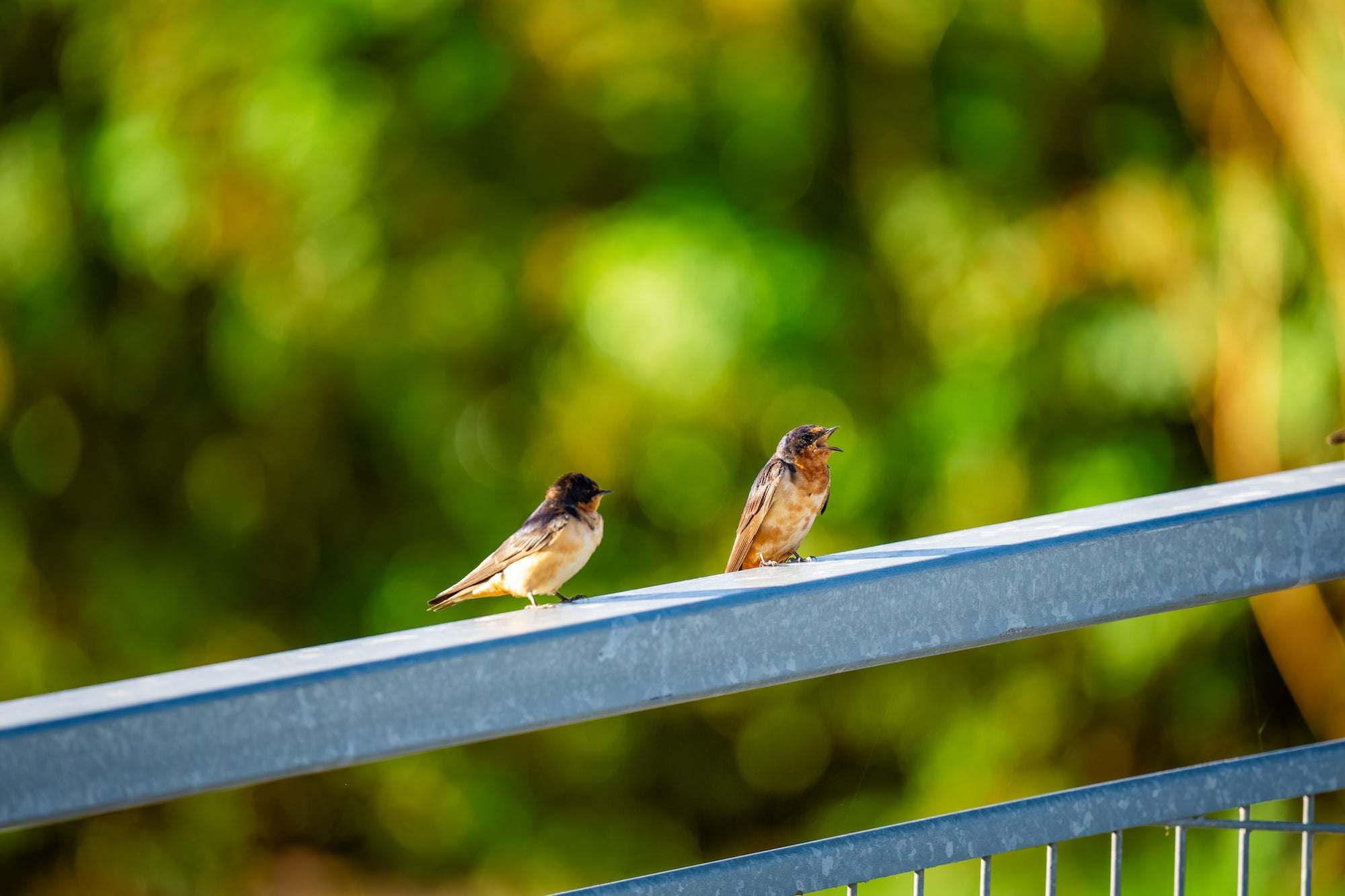
Photo by Nate Luebbe. Alpha 1 II. 400mm f/4.5 G Master. 1/2500-sec., f/4.5, ISO 2000
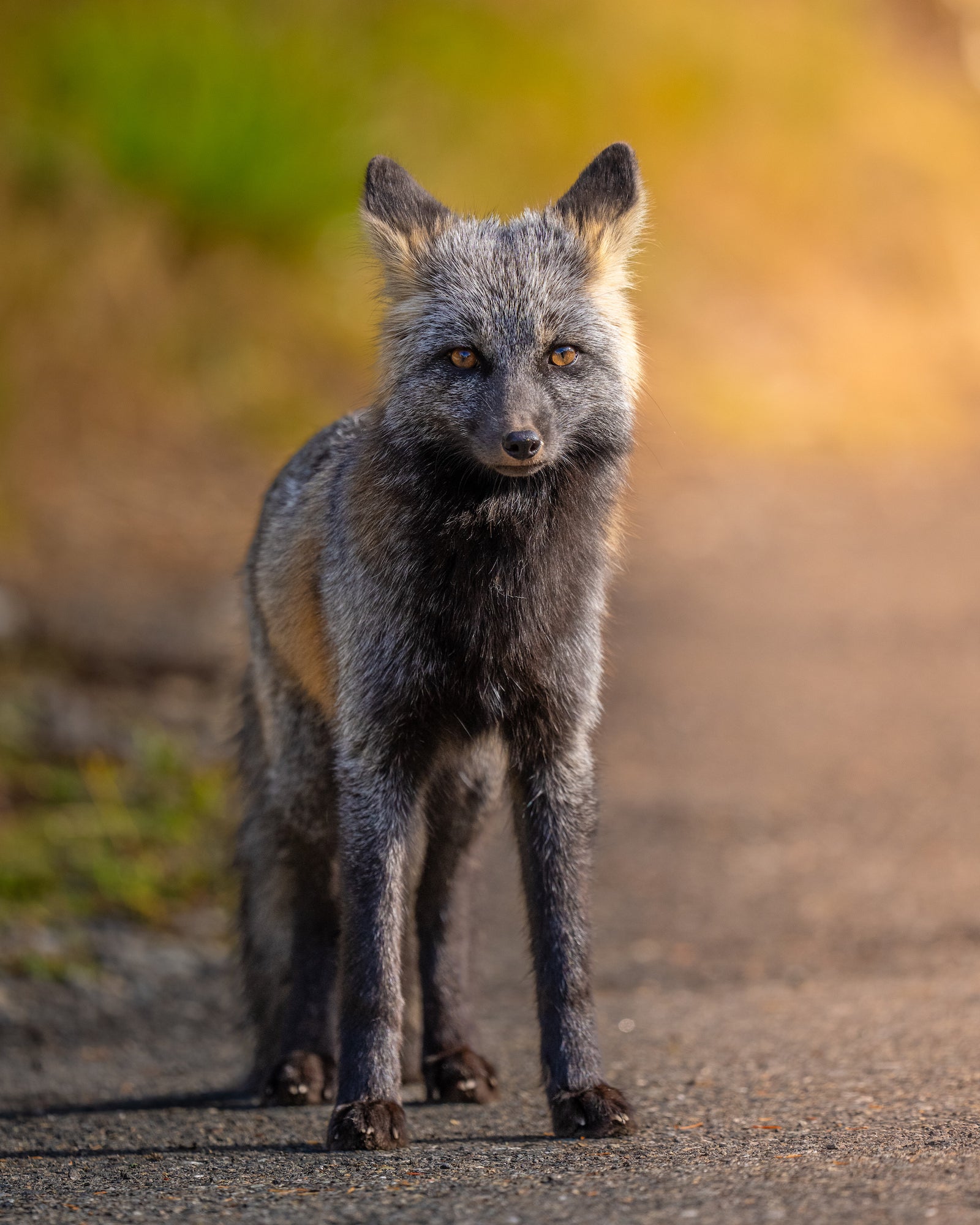
Photo by Nate Luebbe. Alpha 1 II. 400mm f/4.5 G Master. 1/1250-sec., f/4.5, ISO 640
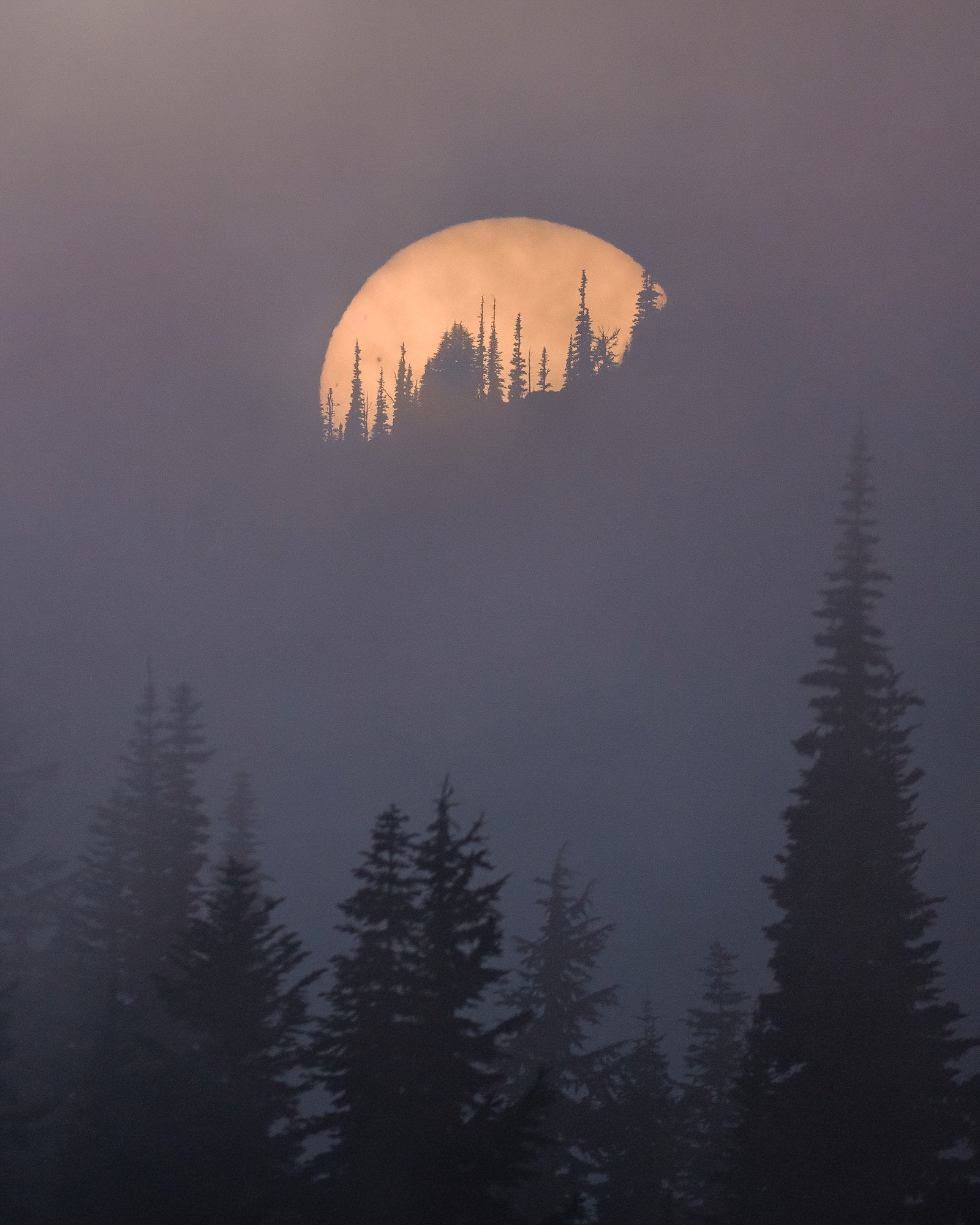
Photo by Nate Luebbe. Alpha 1 II. 400mm f/4.5 G Master.
“The birds-in-flight photographs were particularly noteworthy because they demonstrated how quickly and confidently the lenses could acquire and maintain focus. Birds in flight are among the most technically demanding wildlife subjects, and the autofocus speed made it easier to stay connected to the subject through fast and unpredictable movement. The sharpness, clean backgrounds and smooth bokeh also helped separate the birds from their surroundings and gave the final photographs a polished quality. “Birds in flight are one of the best tests of any wildlife lens. The autofocus responded quickly, stayed with the subject and allowed me to concentrate on timing and composition.” – Jared VanderMeer
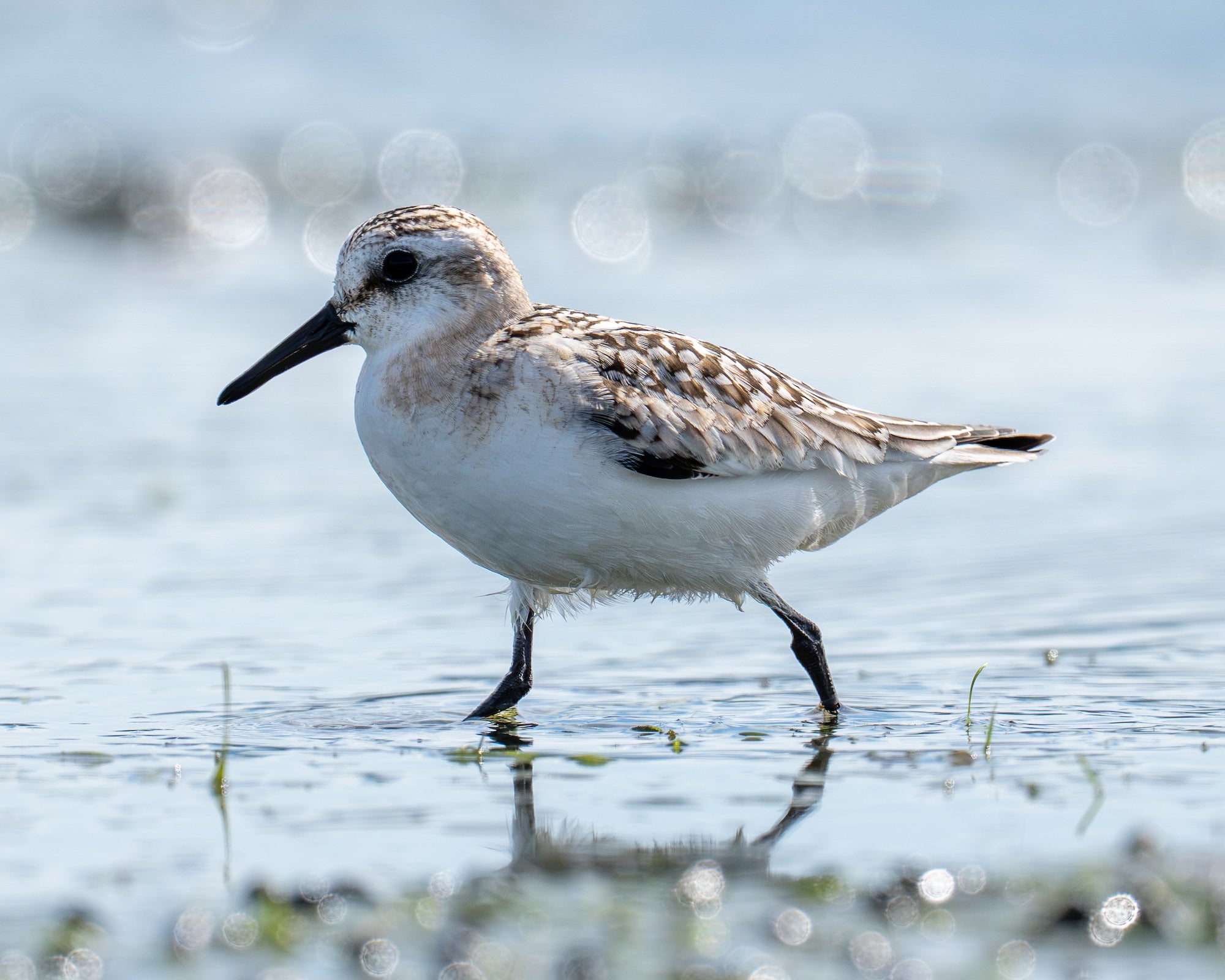
Photo by Jared VanderMeer. Alpha 1 II. 600mm f/6.3 G Master. 1/2500-sec., f/7.1, ISO 1000
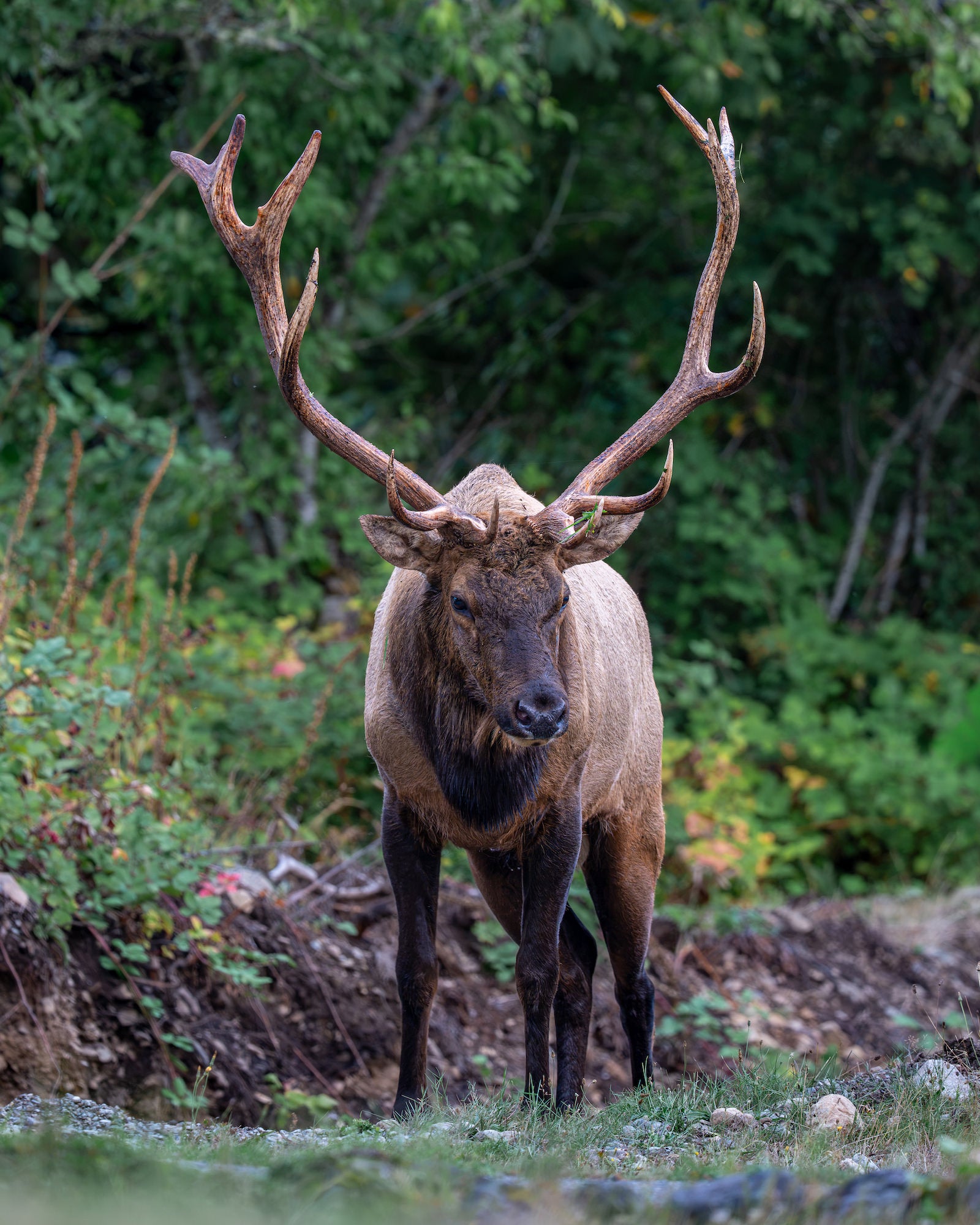
Photo by Jared VanderMeer. Alpha 1 II. 400mm f/4.5 G Master. 1/100-sec., f/5.6, ISO 640
“I definitely want to add the 400mm lens to my kit. I love how compact and lightweight it is, especially for traveling and spending long days in the field. The constant f/4.5 aperture is also a huge draw for me. It gives me more light and beautiful subject separation while allowing me to keep shooting during those early morning and evening hours when wildlife is most active.” – Dani Hamm
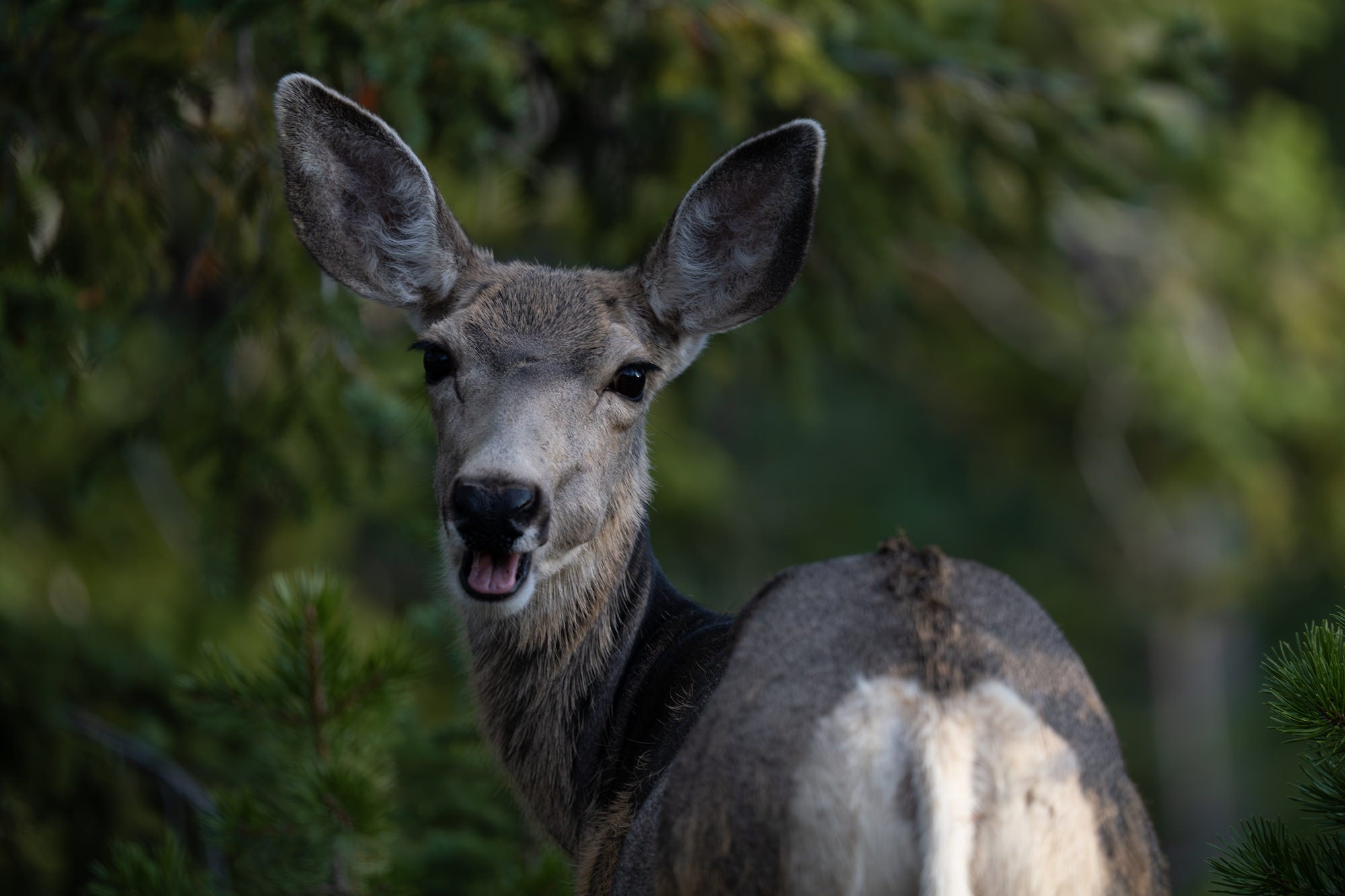
Photo by Dani Hamm. Alpha 7R V. 400mm f/4.5 G Master. 1/800-sec., f/4.5, ISO 640

Photo by Dani Hamm. Alpha 7R V. 400mm f/4.5 G Master. 1/3200-sec., f/4.5, ISO 1600
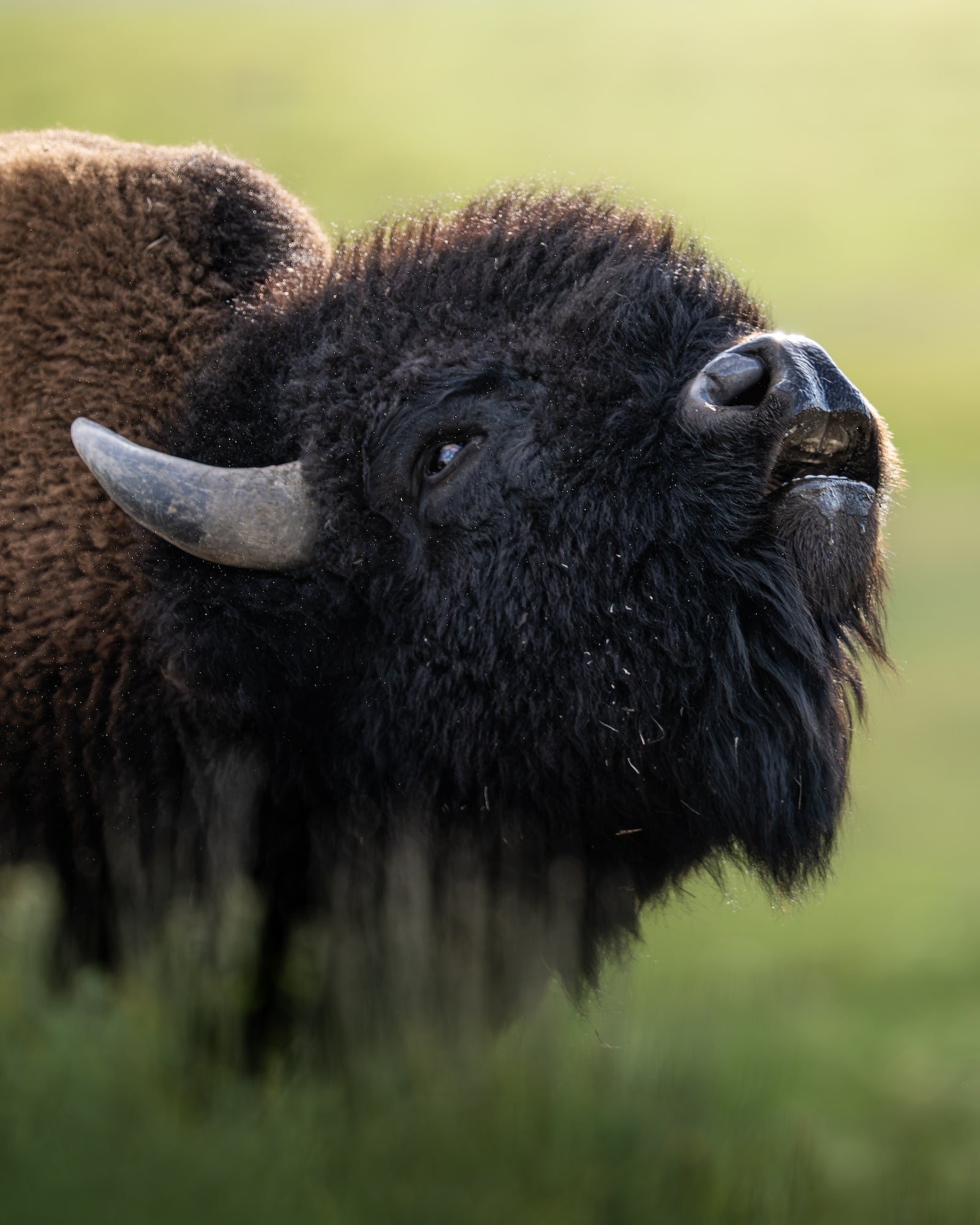
Photo by Dani Hamm. Alpha 7R V. 400mm f/4.5 G Master. 1/1000-sec., f/4.5, ISO 400
“I think the quality of these lenses is incredible, especially at this price point. I think the most standout aspect was the quality of the bokeh and sharpness. My subjects were always crisp and the background had that signature, clean G Master bokeh. They are perfect for a wildlife photographer who wants that signature G Master prime quality without the higher price tag.” – Hannah Rheaume
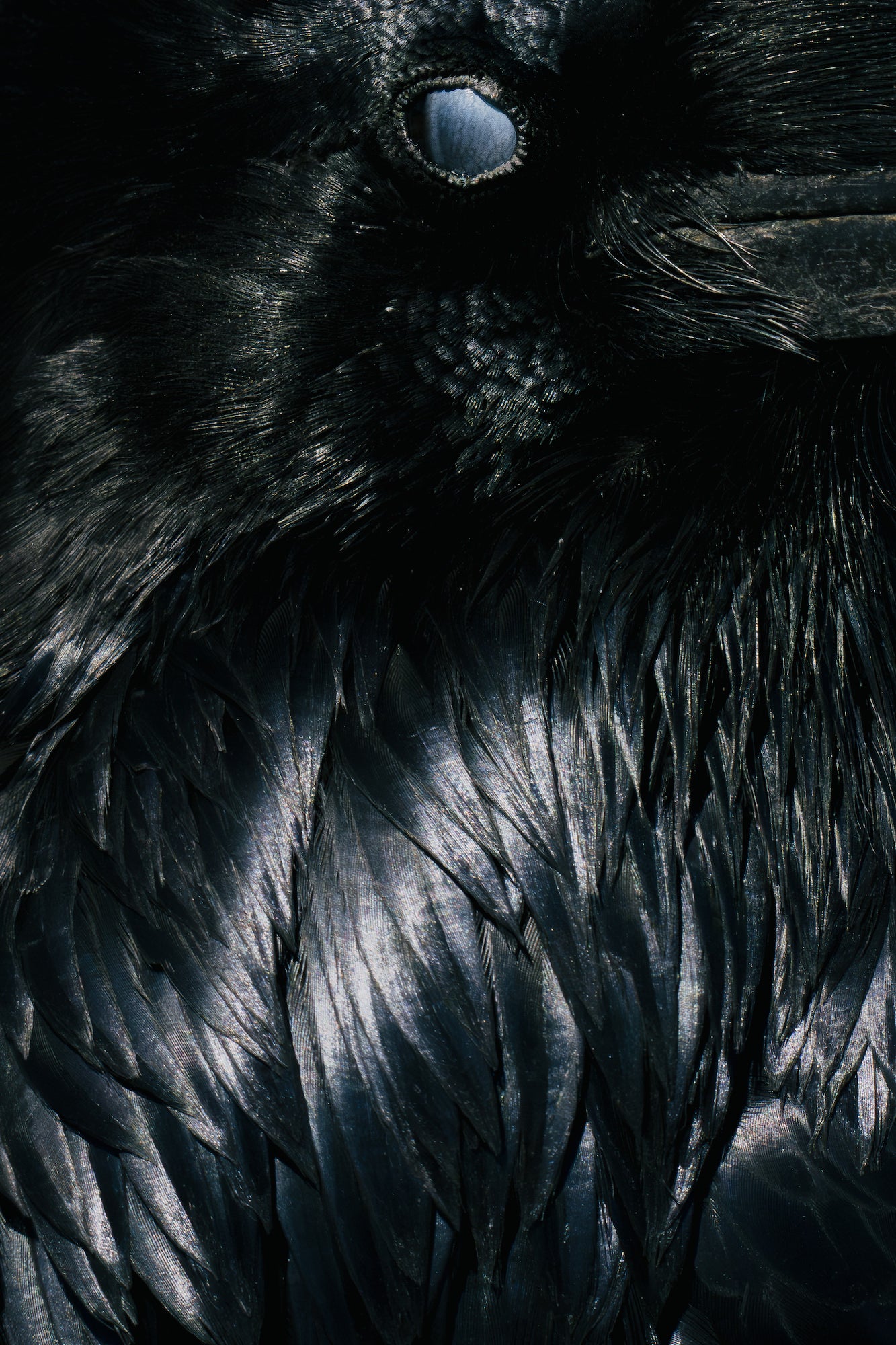
Photo by Hannah Rheaume. Alpha 7R VI. 600mm f/6.3 G Master. 1/1250-sec., f/10, ISO 5000
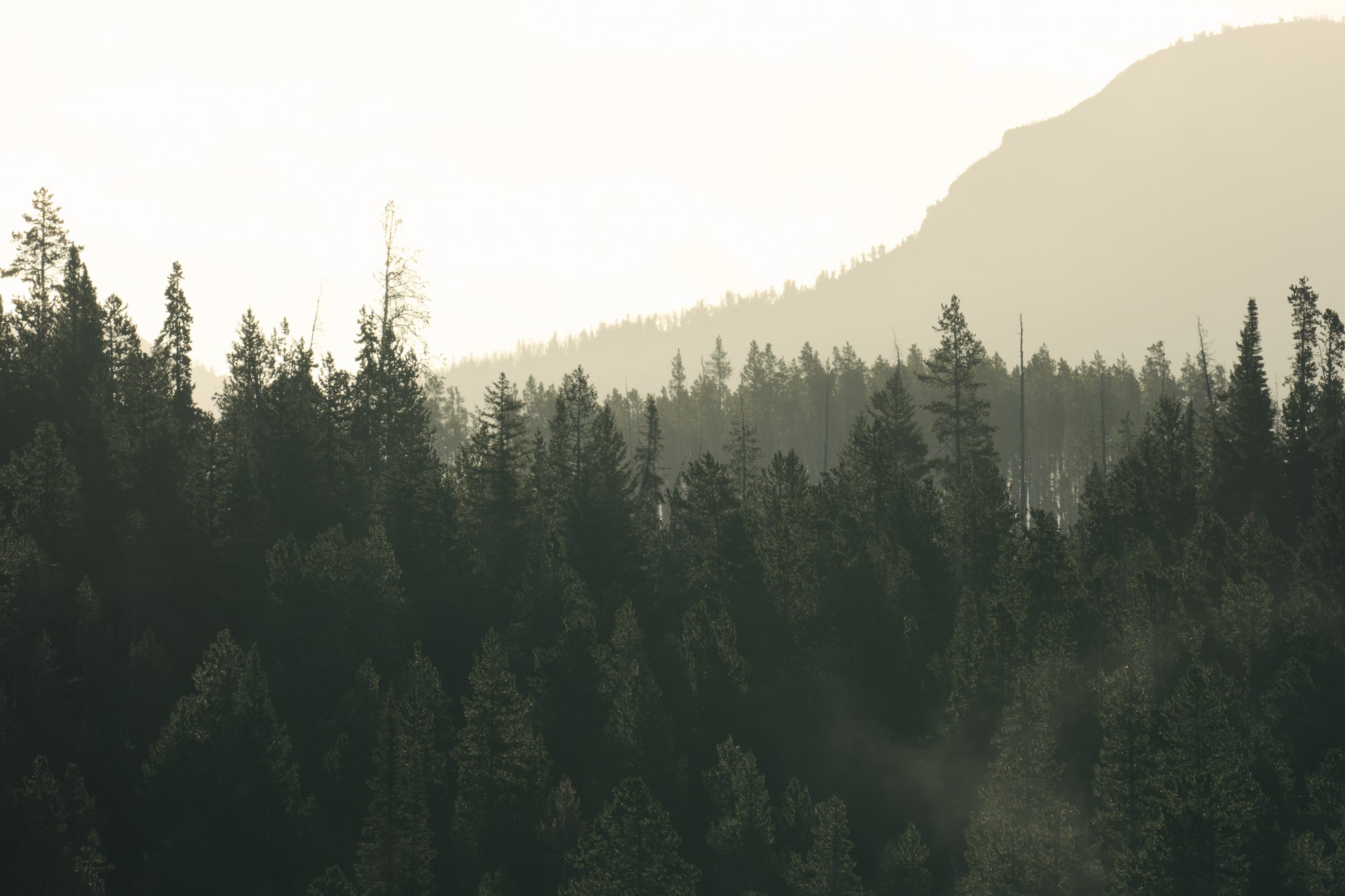
Photo by Hannah Rheaume. Alpha 7R VI. 600mm f/6.3 G Master. 1/250-sec., f/18, ISO 400
“The size and weight are what stand out. For the focal length and aperture they're delivering, they're so small it almost doesn't make sense. A 400 or a 600 has always been a lens I wouldn't consider bringing anywhere. They're big, they're heavy, and yes, they make a beautiful image, but you're not hiking with one. Or if you are, that's the only lens you're bringing because there's no room for anything else. These two fit in the bag, no problem.” – Chris Brockhurst
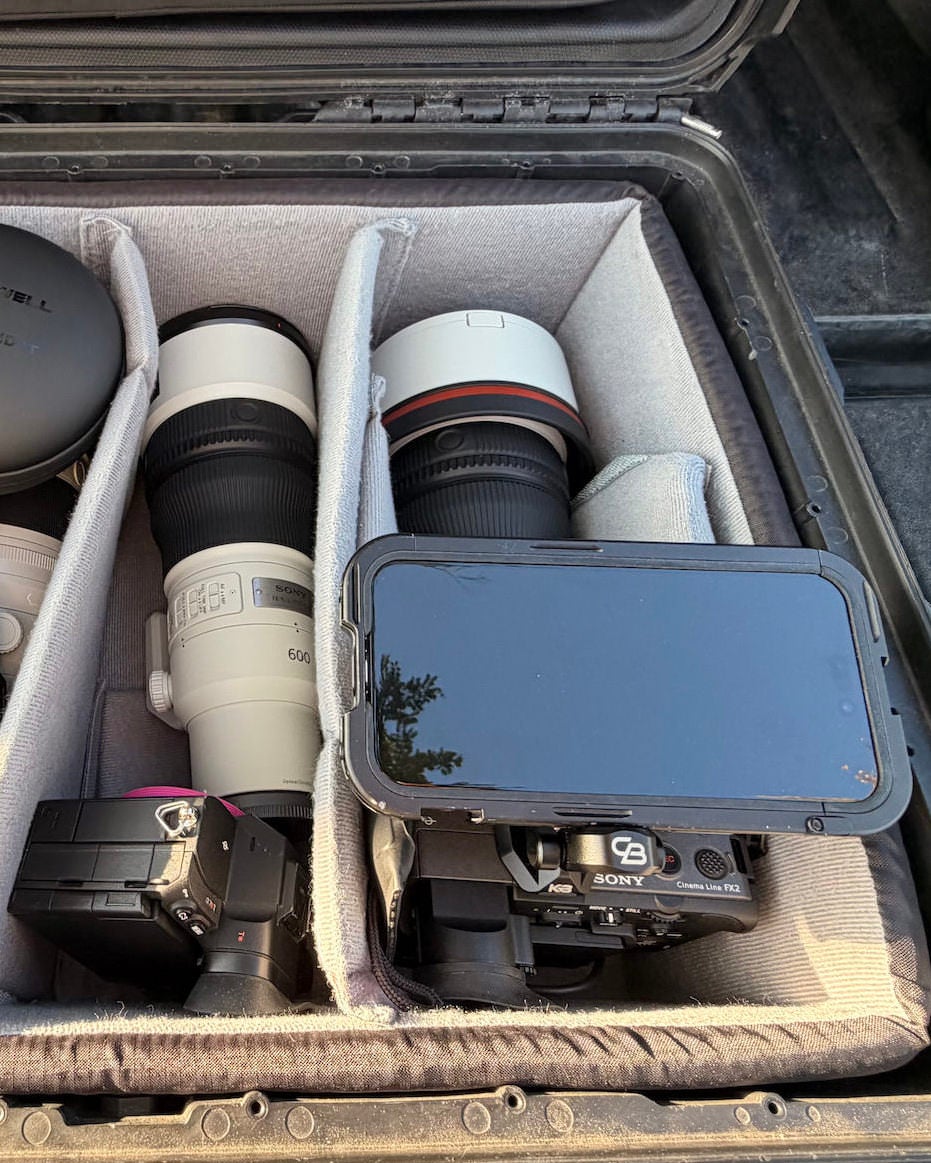
Creator Chris Brockhurst’s kit, complete with the new 400mm f/4.5 G Master and 600mm f/6.3 G Master.
CLICK HERE to pre-order the 400mm f/4.5 G Master.
CLICK HERE to pre-order the 600mm f/6.3 G Master.