For photographers who work where water, movement and light all refuse to stay still, a fisheye has always offered a special kind of access. It can pull viewers into a curling wave, hold the scale of an underwater scene, and make proximity feel immediate. But until now, full-frame Sony shooters looking for that perspective have been waiting for a native option built for the work.
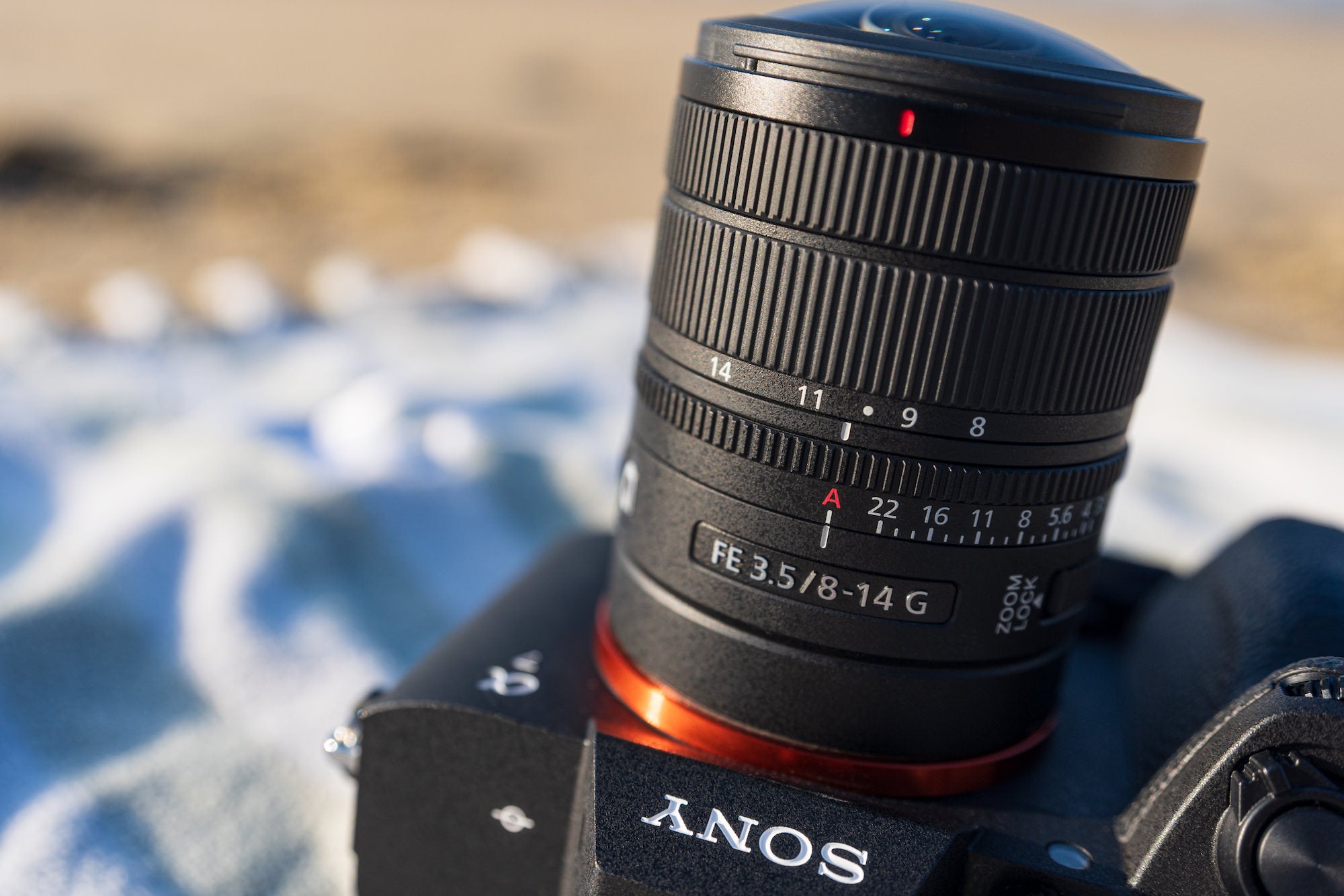
8-14mm f/3.5 Fisheye G. Pre-order now!
Alpha Collective member Stan Moniz had the Sony 8-14mm f/3.5 Fisheye G in hand for several weeks before its release. He tested it in the surf, while free diving among marine life, in a gym with a kickboxer, and under the night sky. For an ocean-focused photographer, the early takeaway was immediate. “It’s genius! I’ve been waiting a long time for Sony to create a full-frame fisheye. Let’s just say, it was worth the wait.”
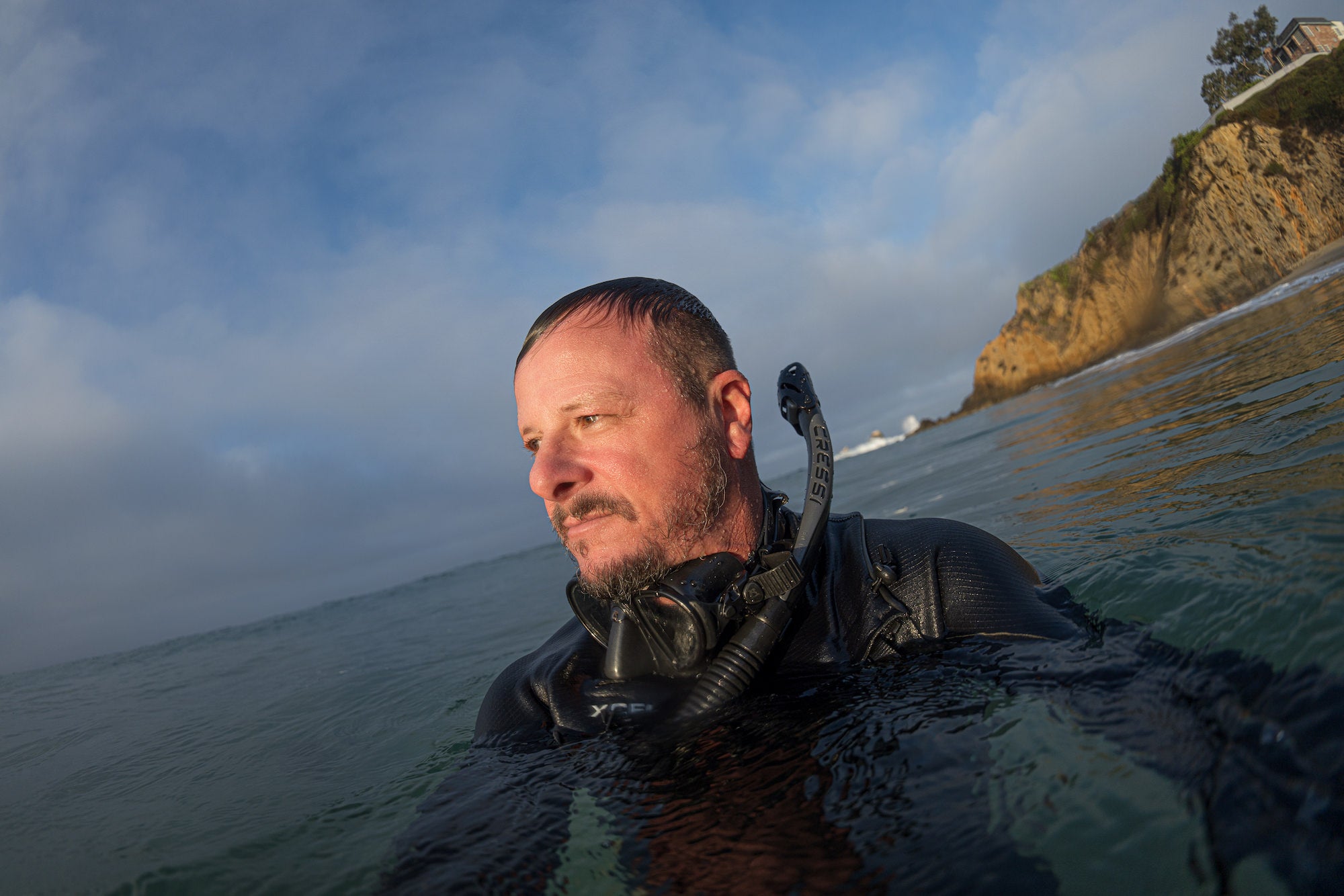
Photographer Stan Moniz.
A Compact Zoom With A Big Field Of View
The 8-14mm range gives shooters more framing flexibility than a fixed fisheye while preserving the immersive, exaggerated perspective that defines the category. That flexibility matters underwater, where changing distance to a subject is not always practical – and where a little more or less of the scene can completely change the image.
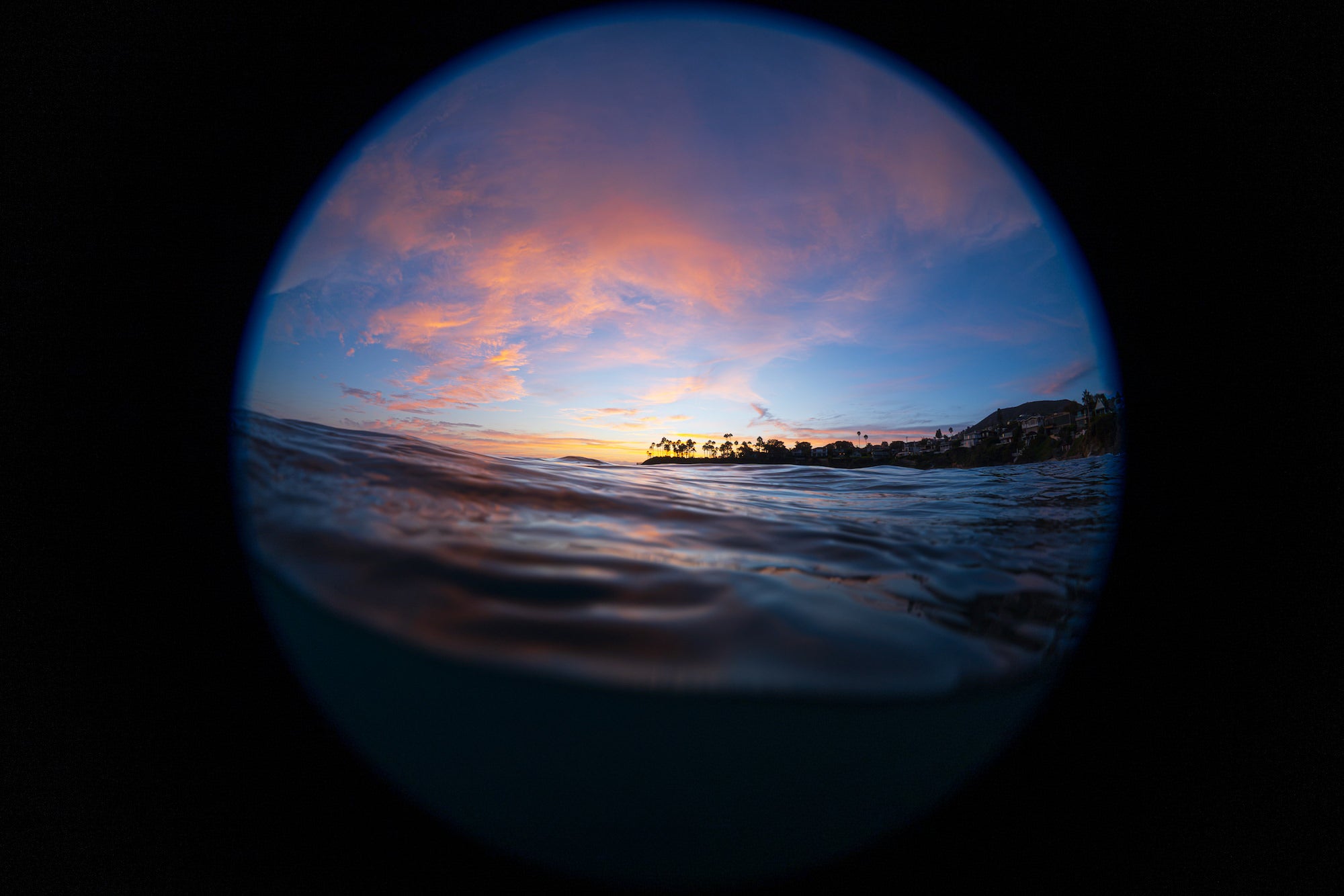
Photo by Stan Moniz. Alpha 7 V. 8-14mm f/3.5 Fisheye G.
What struck Moniz first was not just the range, but the lens’s physical footprint. “The compact size is just stunning! I’ve seen other fisheye lenses from other manufacturers, and the size is double that, if not more. I can’t believe that Sony pulled this off.”
For a lens headed into the water, compactness is more than a convenience. It supports a lighter, more agile setup for free diving and surf work, while making the lens easier to carry alongside the specialized equipment ocean photographers already rely on.
Made To Follow The Action Beneath The Surface
Moniz put the lens to work on challenging surf days and underwater free dives, photographing marine life and the broader underwater environment. Across those tests, autofocus was the feature that made the strongest impression. “The one thing that shocked me was how incredible the autofocus was. I’ve never seen a fisheye track its target from corner to corner so effortlessly.”
That performance showed up in two particularly memorable subjects: a wave viewed from behind as it barreled underwater, and kelp bass moving through the frame. Both scenarios test a system’s ability to maintain focus in environments where contrast, motion and subject position are constantly changing.
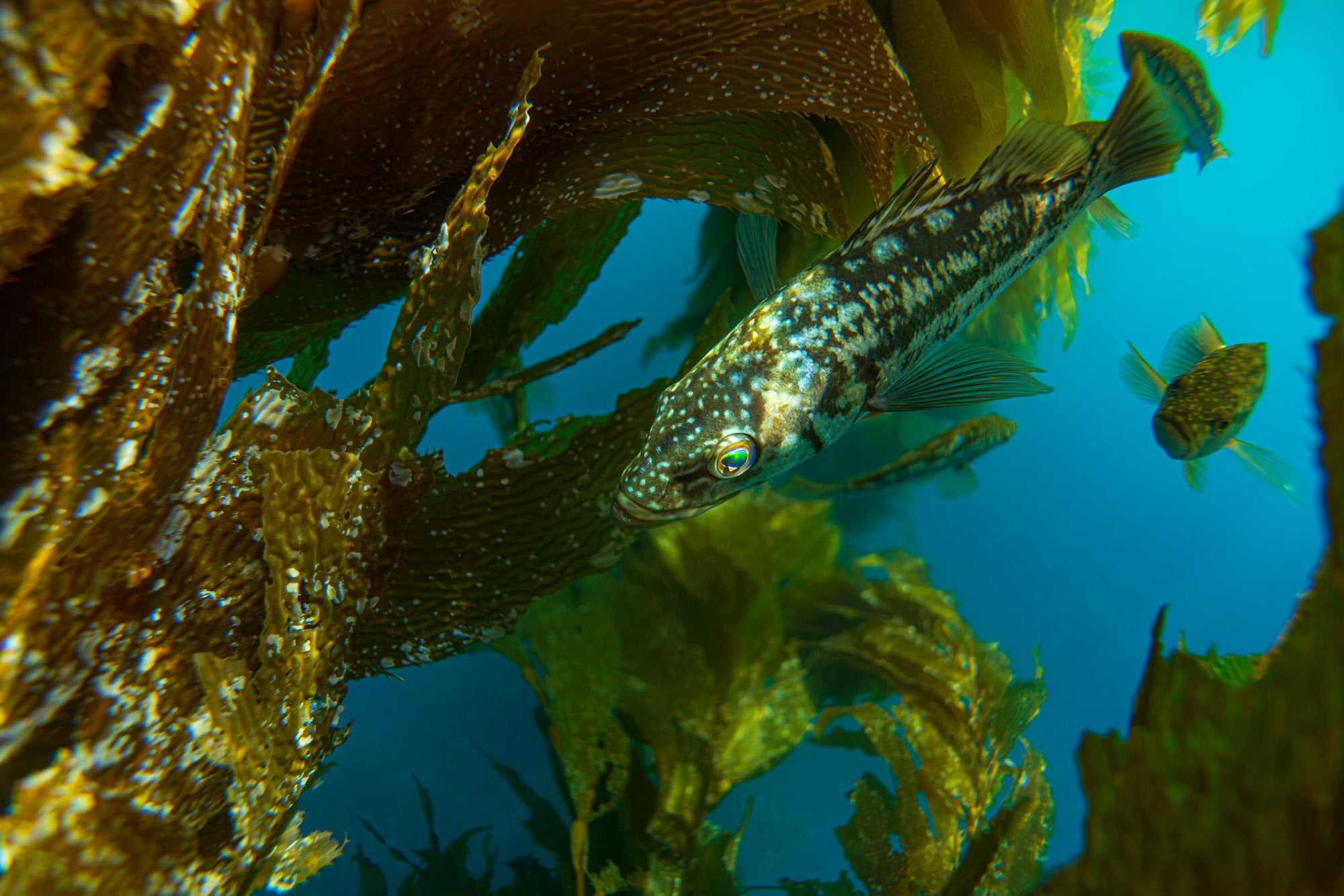
Photo by Stan Moniz. Alpha 7 V. 8-14mm f/3.5 Fisheye G.
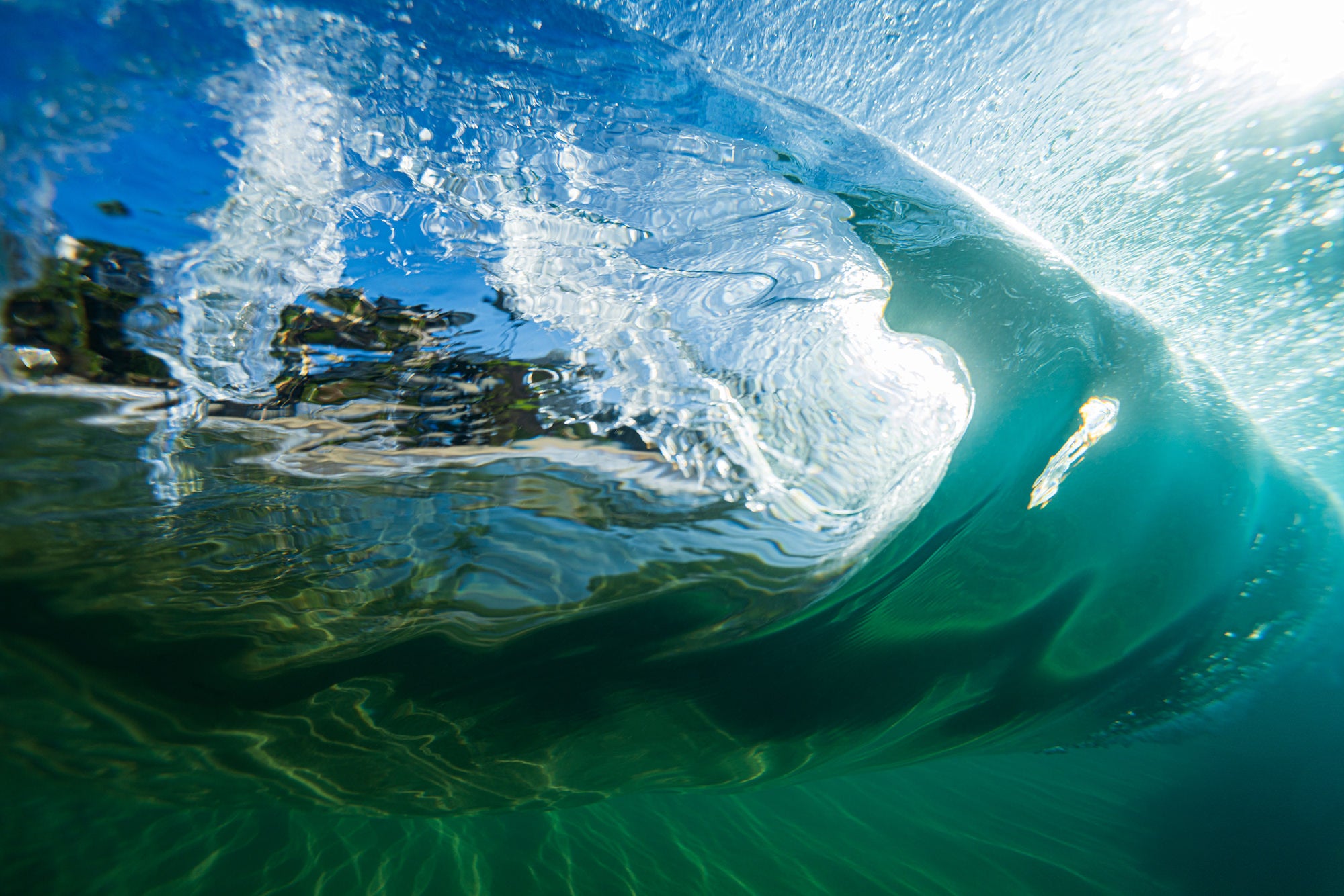
Photo by Stan Moniz. Alpha 7 V. 8-14mm f/3.5 Fisheye G.
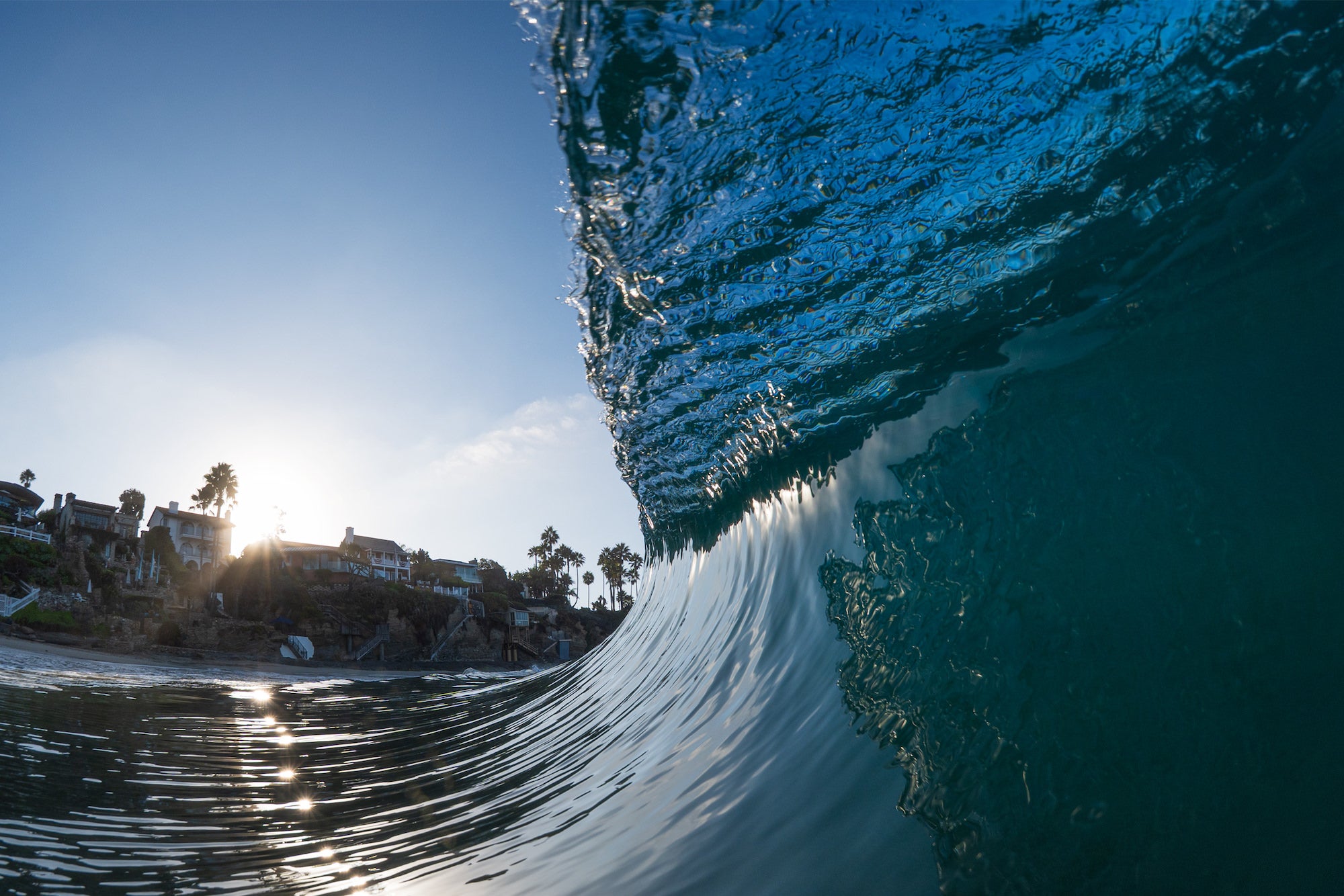
Photo by Stan Moniz. Alpha 9 III. 8-14mm f/3.5 Fisheye G.
“It’s hard to pick a favorite, but I would probably say the shot from behind the wave and the images of the kelp bass. The focus was just so accurate tracking the wave barreling underwater, and with the kelp bass, it locked onto the eyes throughout the entire 180-degree field of view.”
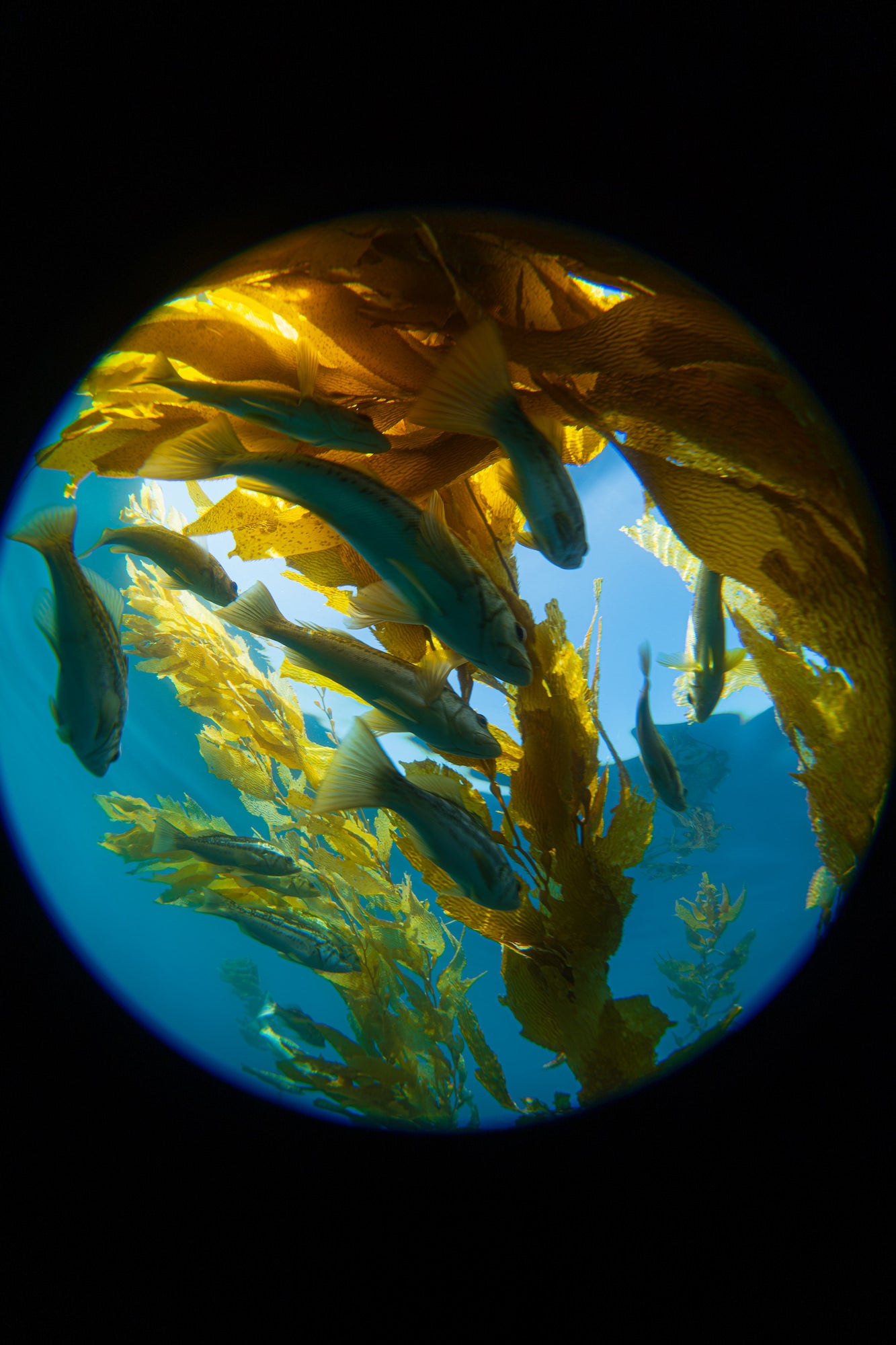
Photo by Stan Moniz. Alpha 7 V. 8-14mm f/3.5 Fisheye G.
For underwater photographers, that kind of tracking can remove a major obstacle. Instead of treating the extreme edges of a fisheye frame as a compromise, shooters can use the full field of view as an active compositional space – while trusting the subject to remain sharp.
Beyond The Ocean
Although the water was the lens’ natural proving ground for Moniz, it was not the only one. He brought it into his gym to test eye autofocus on a kickboxer, then shot astrophotography to assess corner sharpness and chromatic aberration on stars. The range of use speaks to a fisheye intended not simply as a novelty lens, but as a creative tool for fast action, intimate environments and expansive scenes.
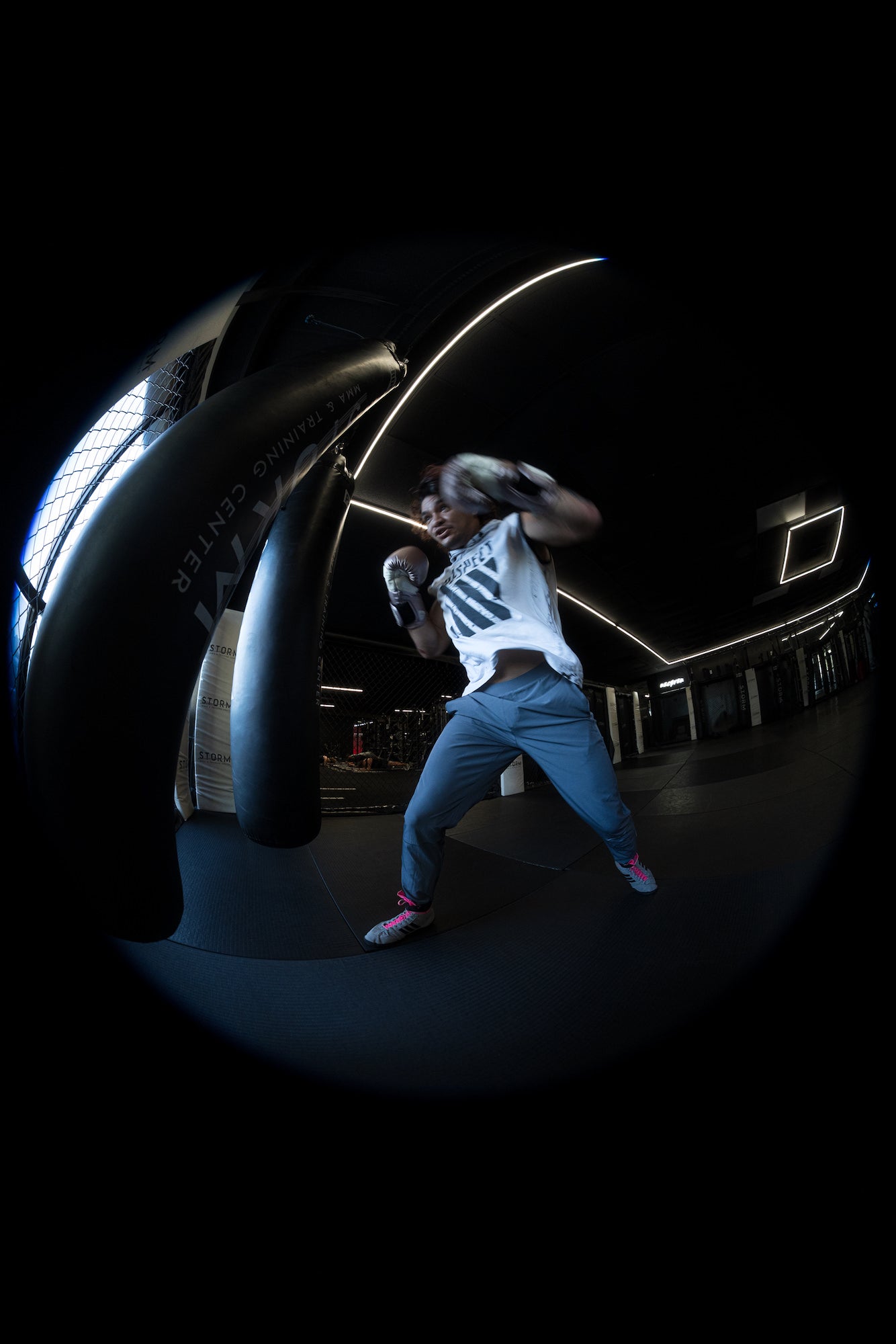
Photo by Stan Moniz. Alpha 7 V. 8-14mm f/3.5 Fisheye G.
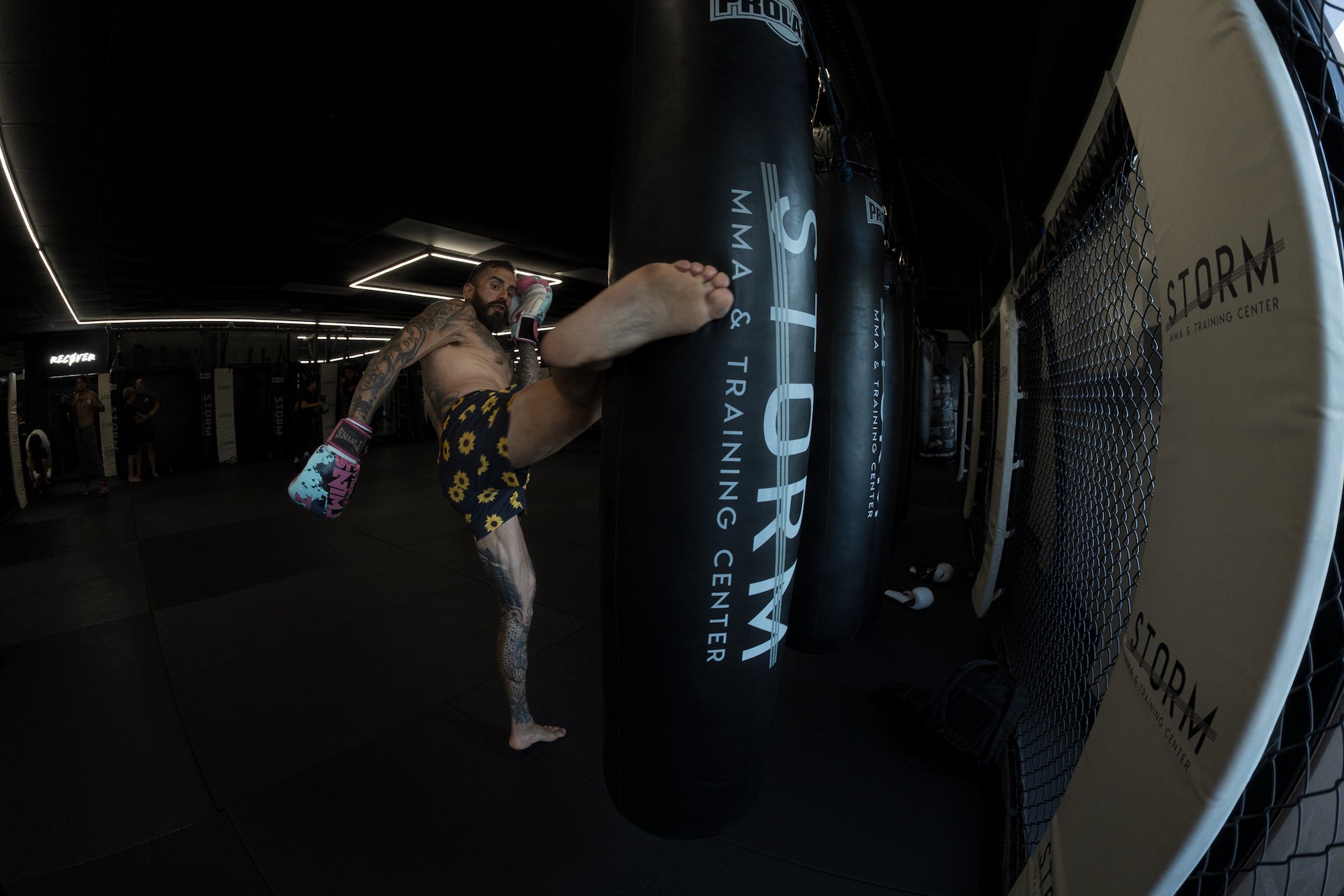
Photo by Stan Moniz. Alpha 7 V. 8-14mm f/3.5 Fisheye G.
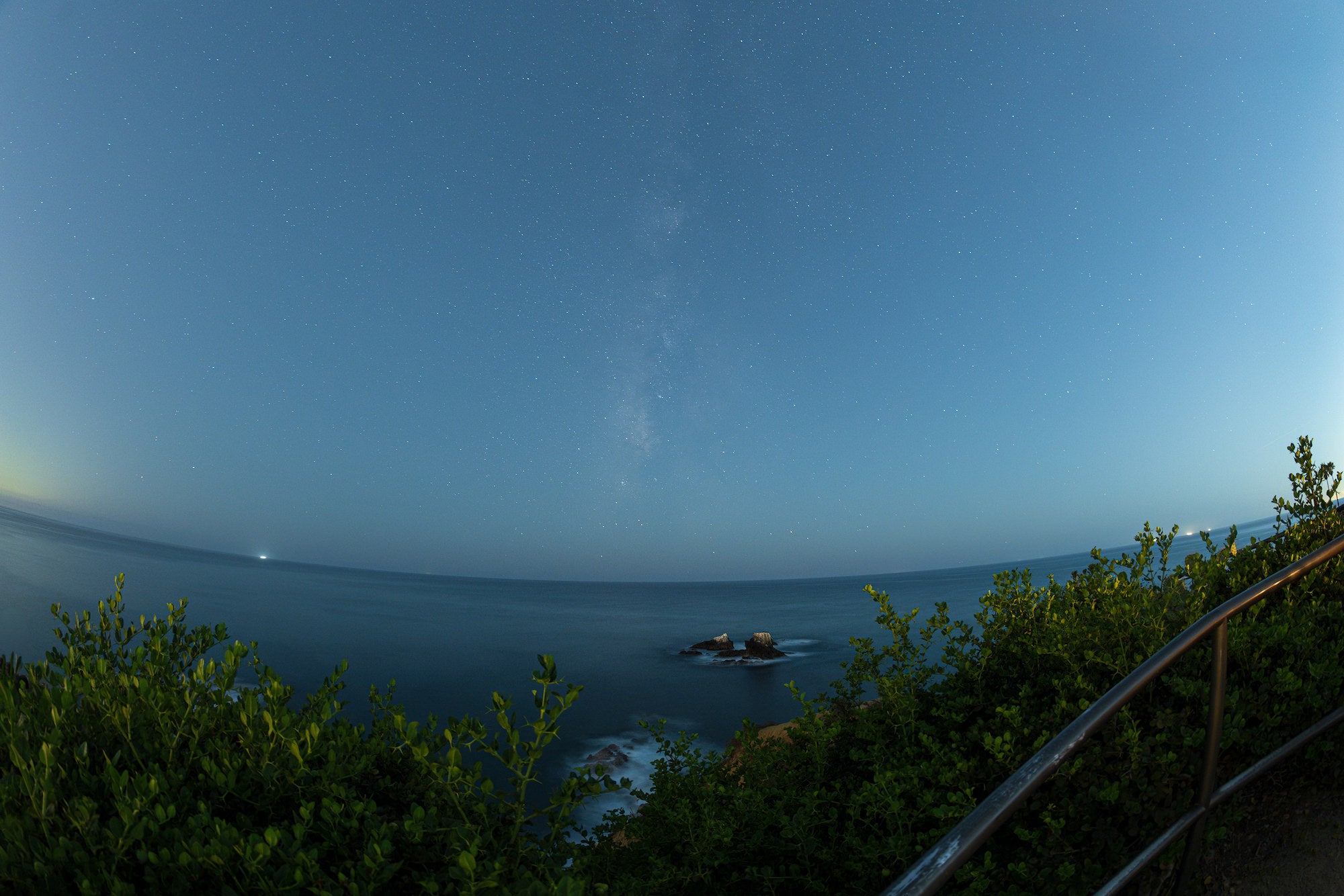
Photo by Stan Moniz. Alpha 7 V. 8-14mm f/3.5 Fisheye G.
One control earned particular praise during those night-sky sessions: focus hold. “I would say the focus hold is noteworthy. Though I didn’t test it out too much, I did use it for my astro shots. Once you find focus on those stars, kick it into FH, and you are good for the rest of the night! I really hope Sony will start to incorporate this into their lens line moving forward.”
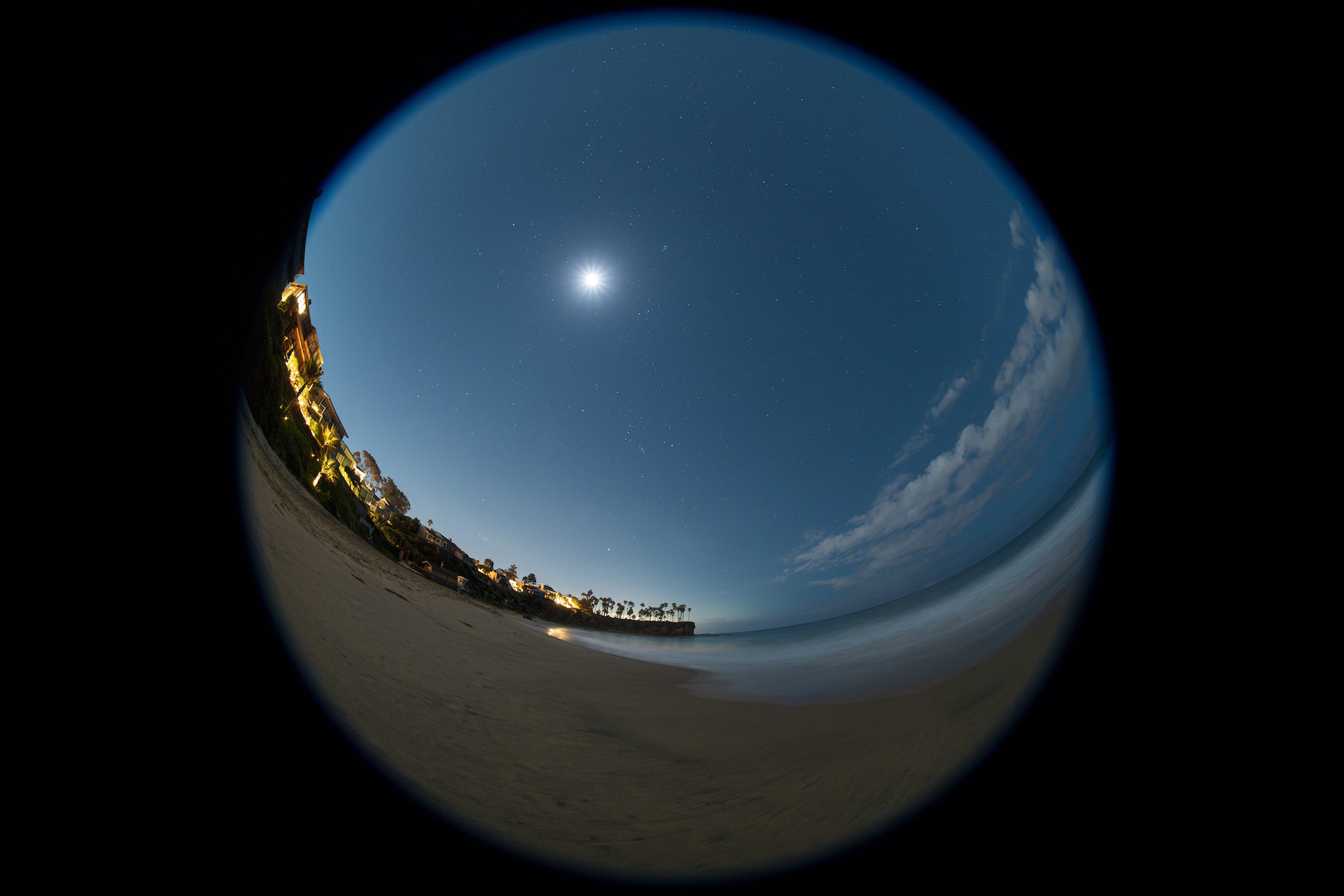
Photo by Stan Moniz. Alpha 7 V. 8-14mm f/3.5 Fisheye G.
A Permanent Place In The Kit
A lens earns its place in a working kit when it solves a practical need and opens a new creative one. From Moniz’s first few weeks with the 8-14mm f/3.5 Fisheye G, this lens does both: its compact build supports mobility, its zoom gives photographers flexibility in changing conditions, and its autofocus brings confidence to a perspective traditionally associated with compromise.
“This lens will ABSOLUTELY have a permanent place in my kit. The surf and underwater photography community will rejoice once they hear about this 8-14mm zoom fisheye. It’s something that ocean-focused shooters have been requesting for years now.”
His final assessment is direct: “This might be one of the most creative lenses Sony has released recently. Pre-order yours today. You won’t regret it.”
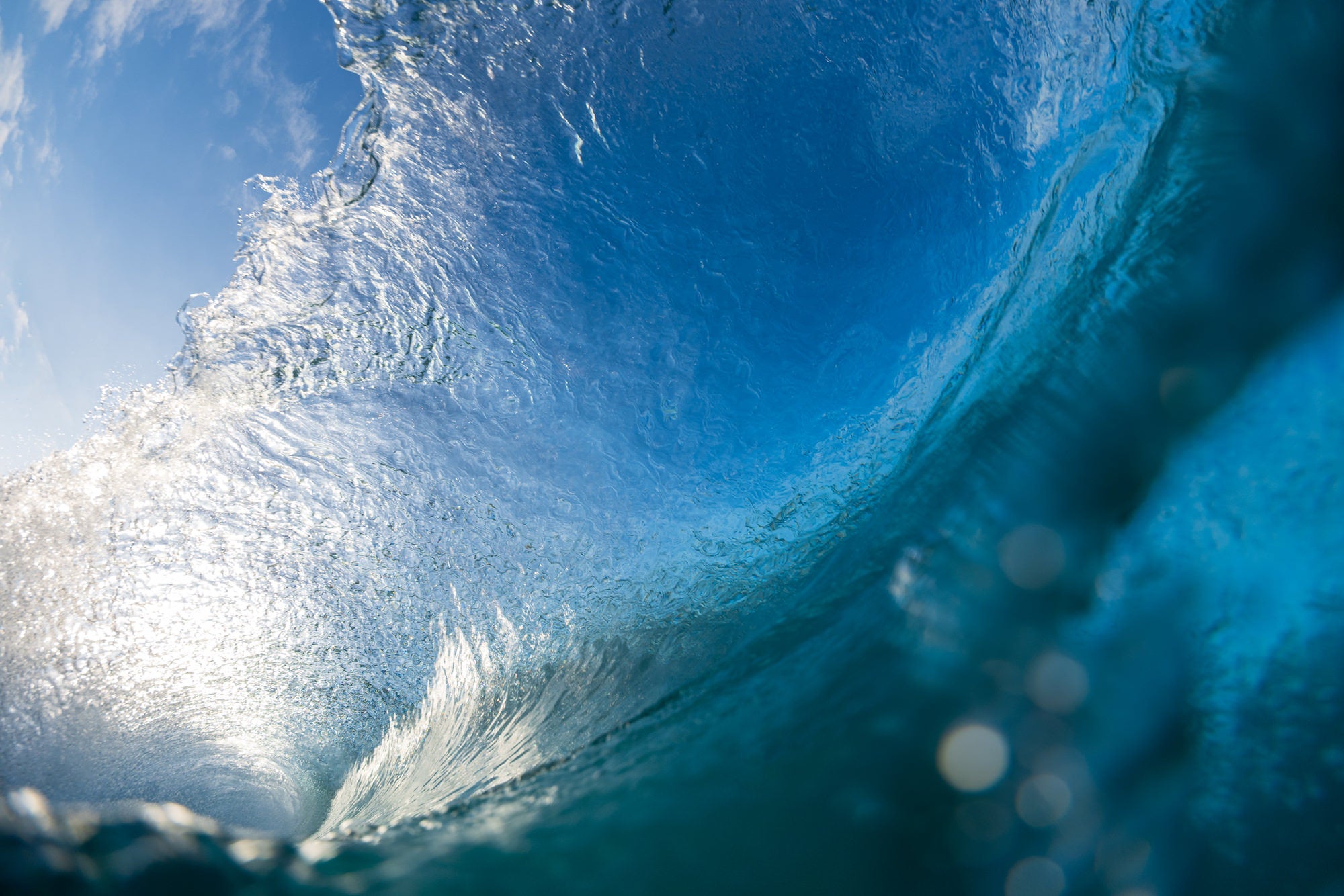
Photo by Stan Moniz. Alpha 9 III. 8-14mm f/3.5 Fisheye G.
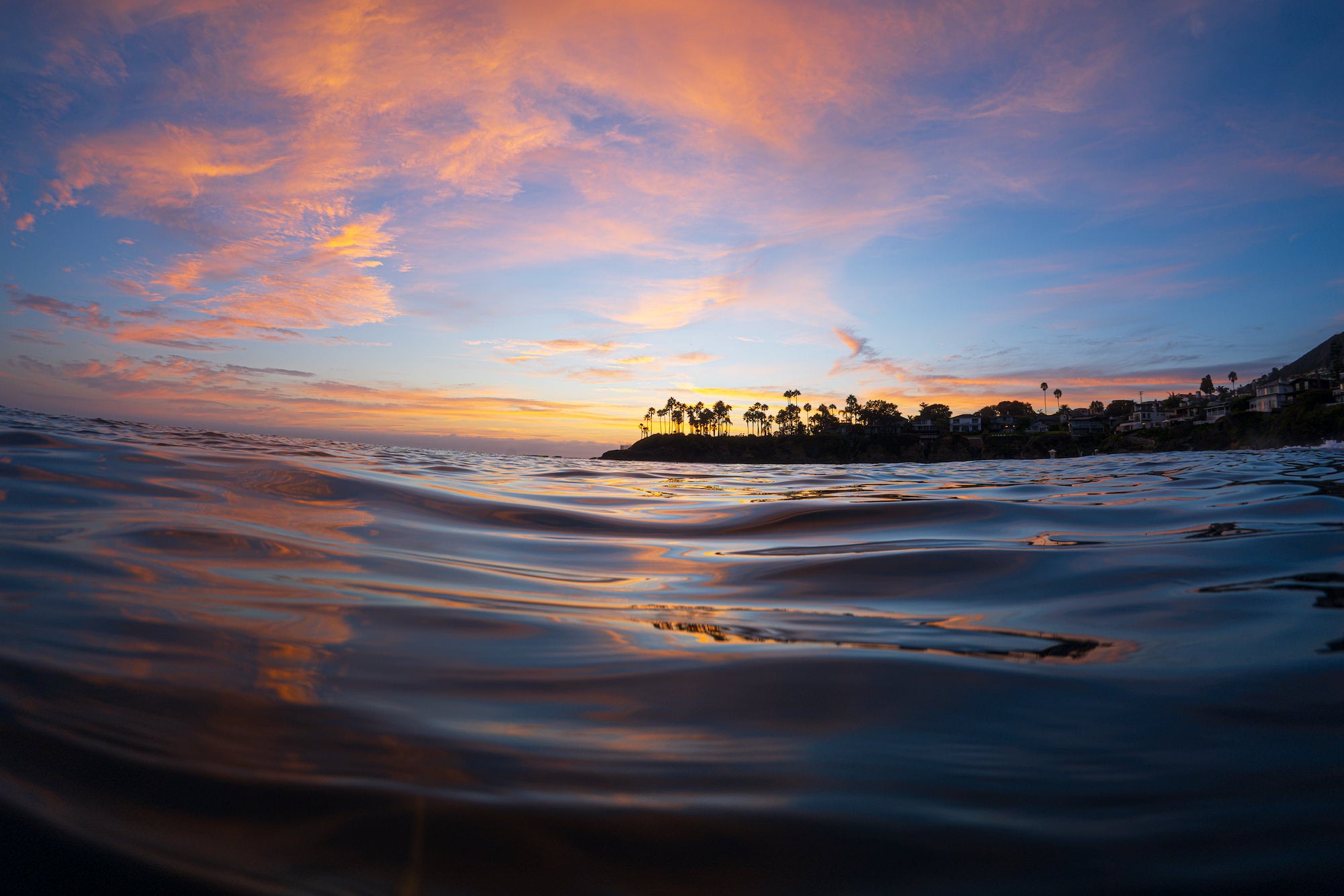
Photo by Stan Moniz. Alpha 7 V. 8-14mm f/3.5 Fisheye G.
For photographers who want to bring viewers inside the wave, alongside marine life or under the stars, Sony’s new 8–14mm f/3.5 Fisheye G looks ready to make the far edge of the frame one of the most compelling places to be.
See more of Stan Moniz’s’ work on his Alpha Universe Profile and on Instagram @stanmoniz.
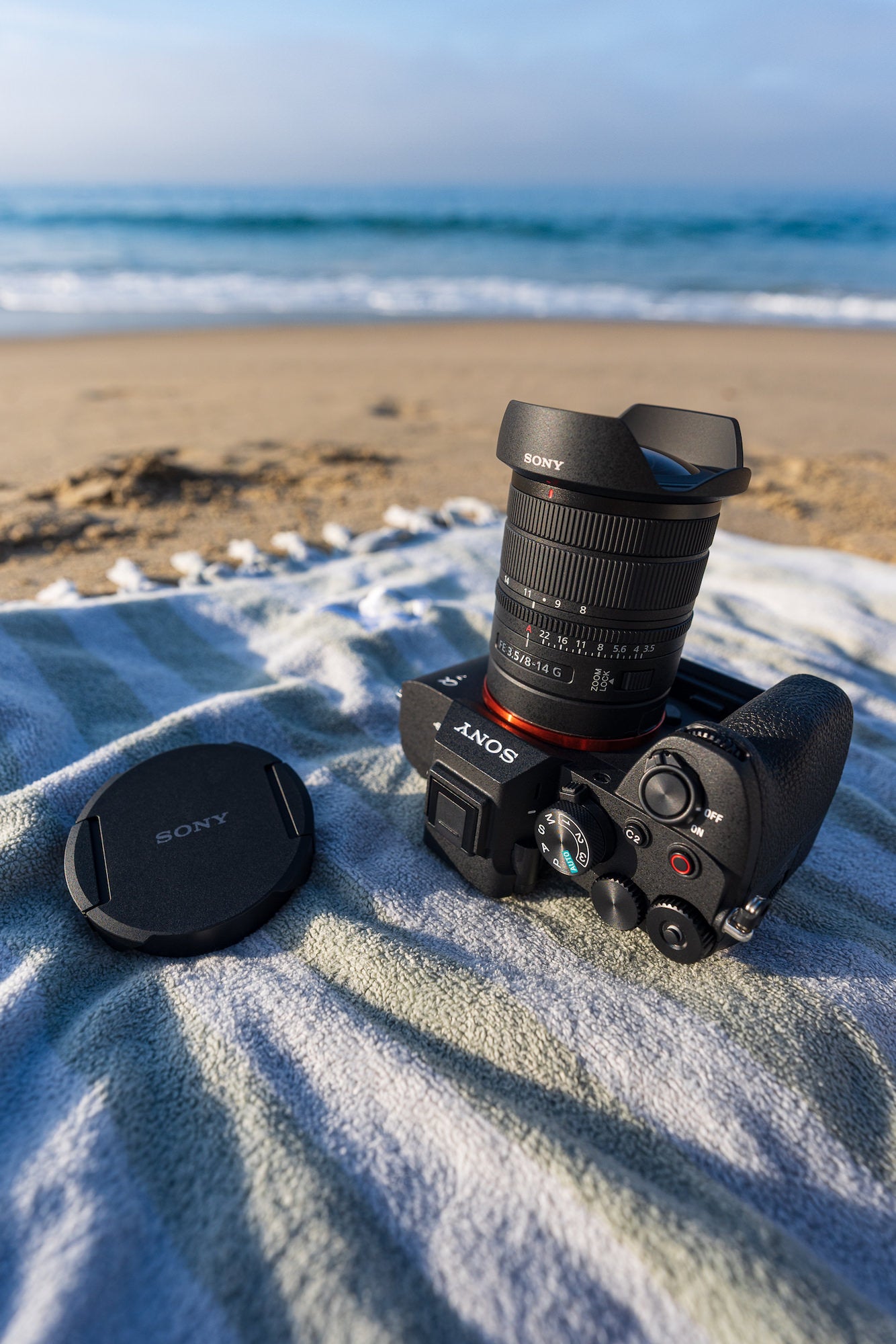
Click here to learn more about the 8-14mm f/3.5 Fisheye G.