Wildlife photographer Melissa Groo was positioned flat in the grass, camera raised and ready, waiting for a red fox family to emerge. Sitting up was not an option – the adult foxes would spot her and quickly move their kits back into the den. She needed to stay low, still and prepared for a fleeting opportunity.
That is where the Sony 100-400mm f/4.5 G Master stood out. During multiple weeks of photographing birds and two different red fox families, Groo found the telephoto zoom gave her the reach, speed and flexibility needed for unpredictable wildlife encounters.
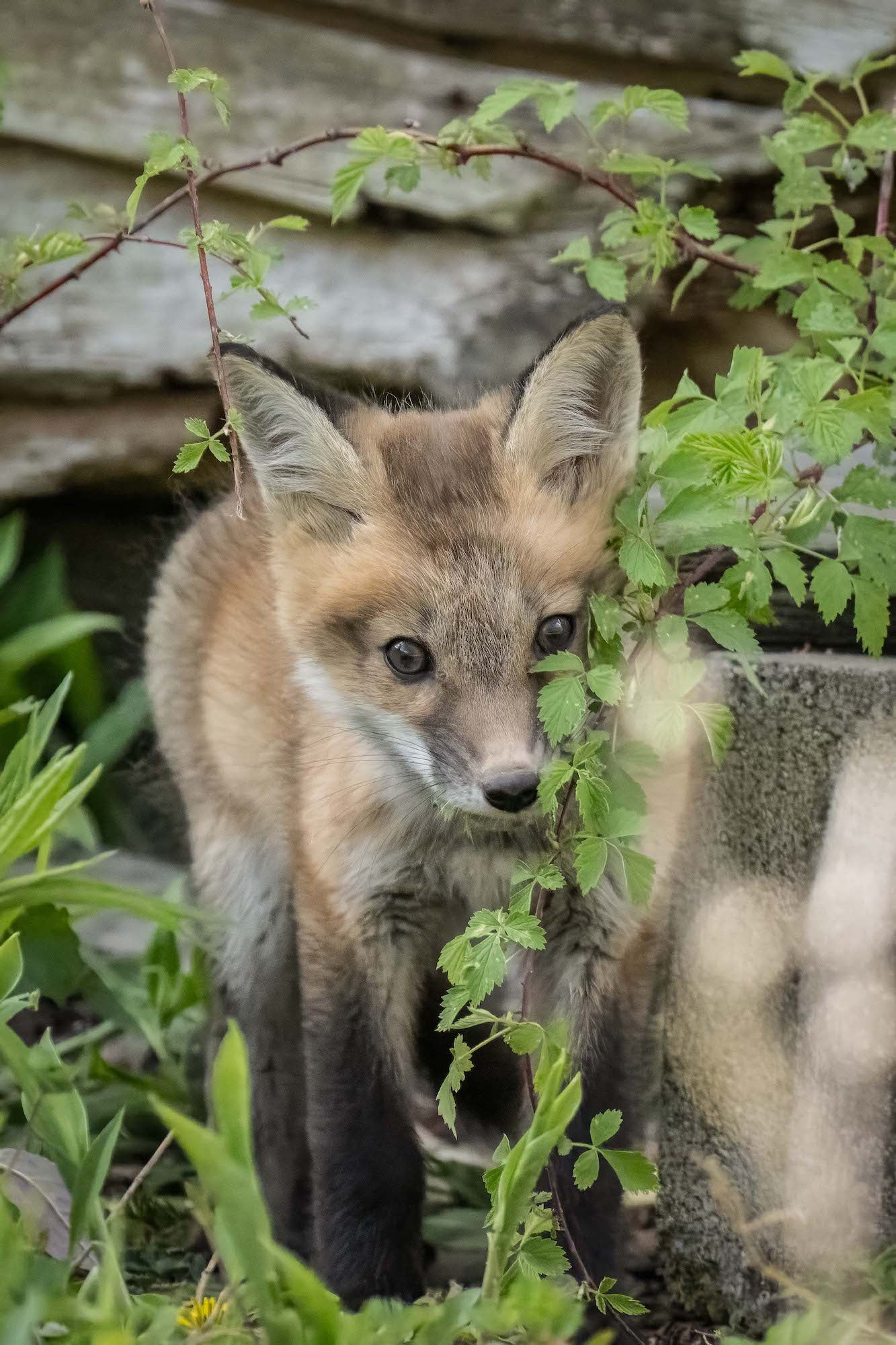
Photo by Melissa Groo. Alpha 1 II. 100-400mm f/4.5 G Master + 2x TC. 1/1600-sec., f/9, ISO 3200
“Honestly, I was blown away,” Groo says. “From the lightness, to the sharpness, to the amount of light at the long end, to the construction of the zoom.”
A Flexible 100–400mm Zoom Lens For Bird & Wildlife Photography
For wildlife photographers, subjects rarely arrive at the same distance twice. One moment may call for a tight frame of a songbird in a tree; the next may require a wider view of a fox moving through tall grass. Groo says the 100-400mm focal range made those quick shifts simple.
“I like the flexibility it gives me for a diversity of wildlife,” she says. “Where I live, right now I’m photographing everything from birds to foxes, sometimes within the same session. With this lens I’m able to very quickly zoom in or out for a different-sized subject that may be in my frame for only a brief moment.”
That versatility was especially valuable while photographing birds in the forest, where wildlife often appears in low light and disappears just as quickly.
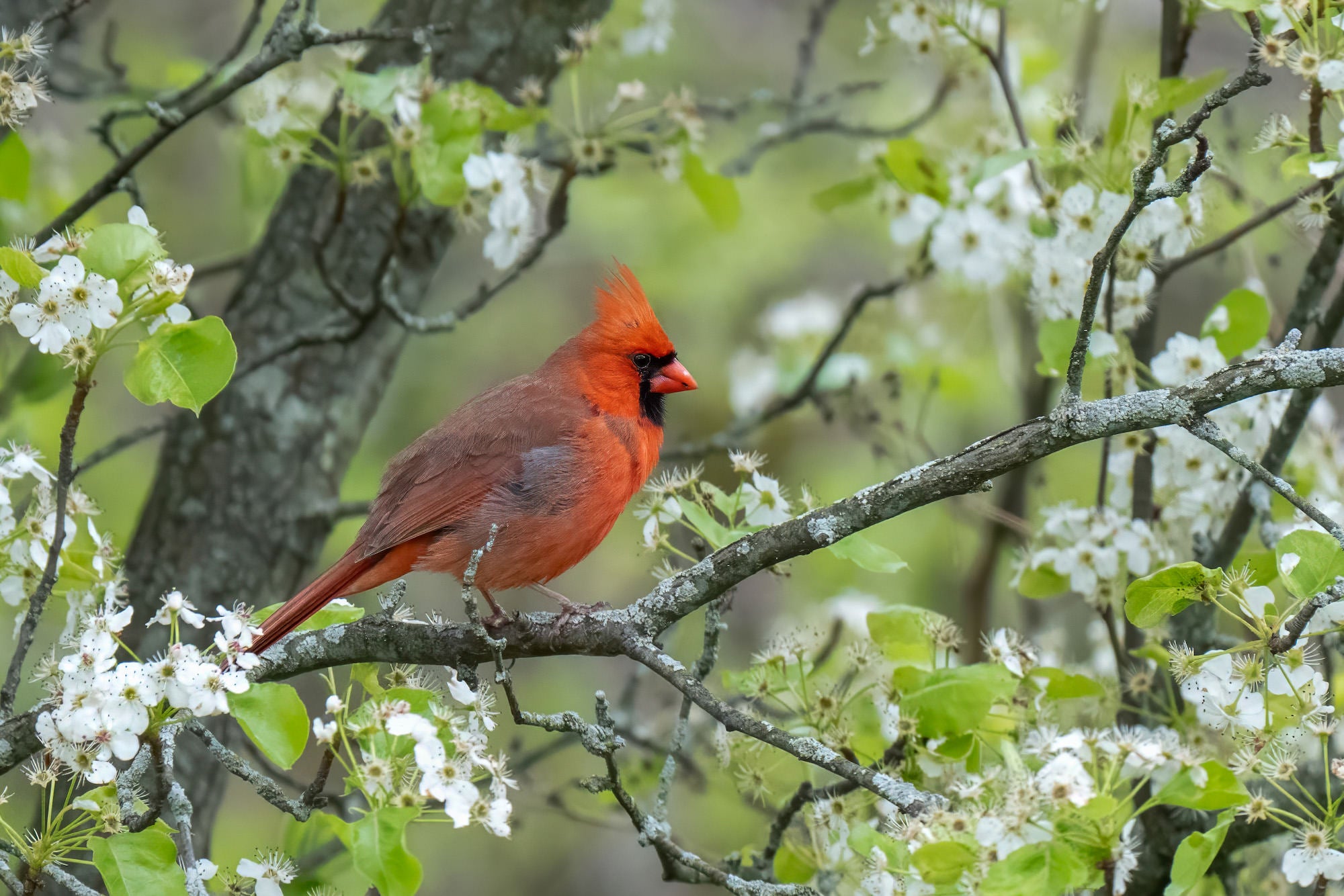
Photo by Melissa Groo. Alpha 1 II. 100-400mm f/4.5 G Master. 1/1250-sec., f/6.3, ISO 1600

Photo by Melissa Groo. Alpha 1 II. 100-400mm f/4.5 G Master + 2x TC. 1/1600-sec., f/9, ISO 3200
Fixed f/4.5 Aperture For Low-Light Bird Photography
For Groo, the standout feature of the Sony 100–400mm f/4.5 G Master is its fixed f/4.5 aperture. The ability to maintain that aperture through the zoom range gives wildlife photographers more consistency when changing composition or following moving animals.
“Getting all that light at the long end is indispensable for me, as I’m often photographing birds and other animals in the forest and in low light,” Groo says. “And I don’t have to change my exposure when moving to different focal lengths.”
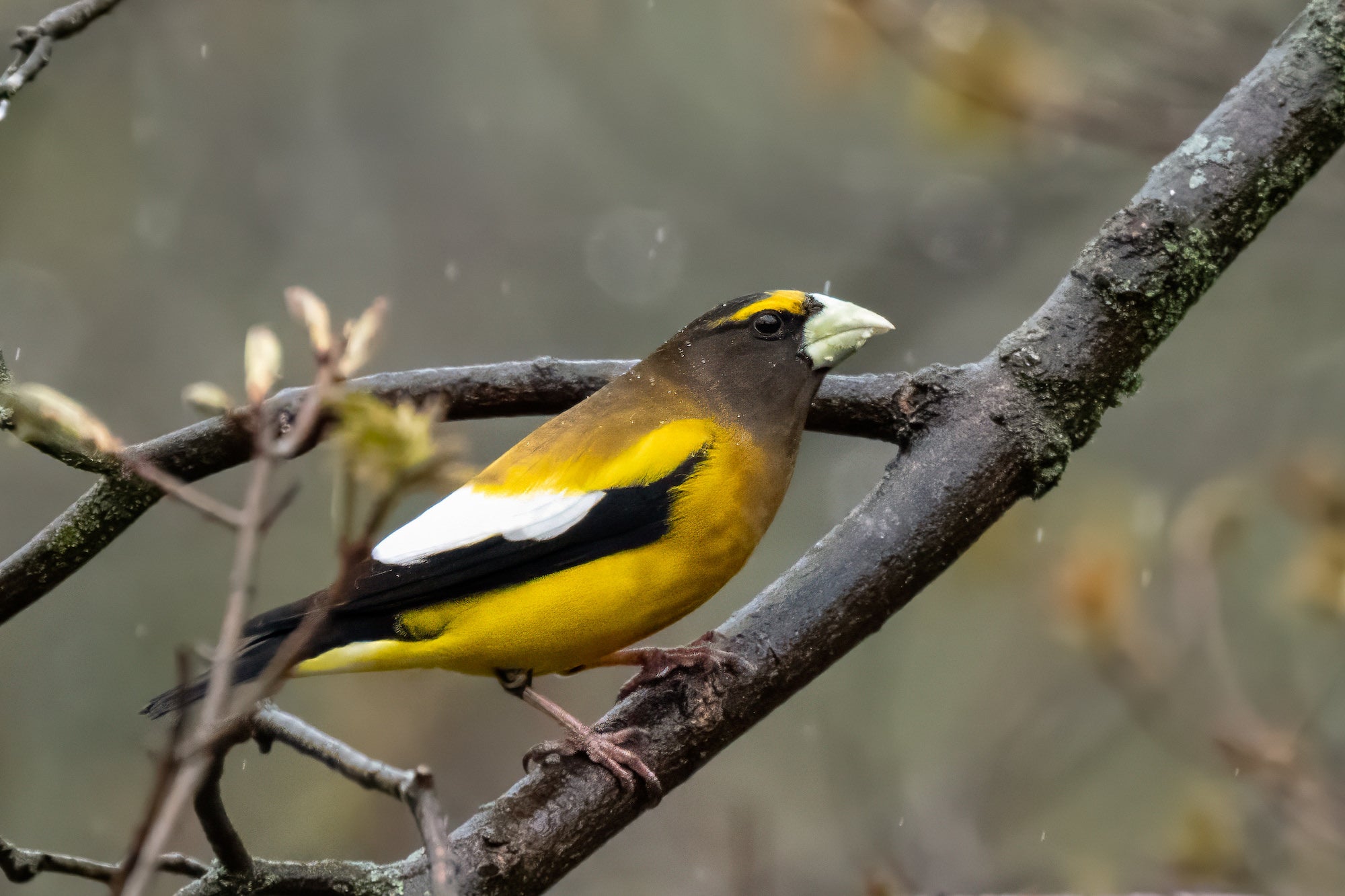
Photo by Melissa Groo. Alpha 1 II. 100-400mm f/4.5 G Master + 1.4x TC. 1/2500-sec., f/6.3, ISO 5000
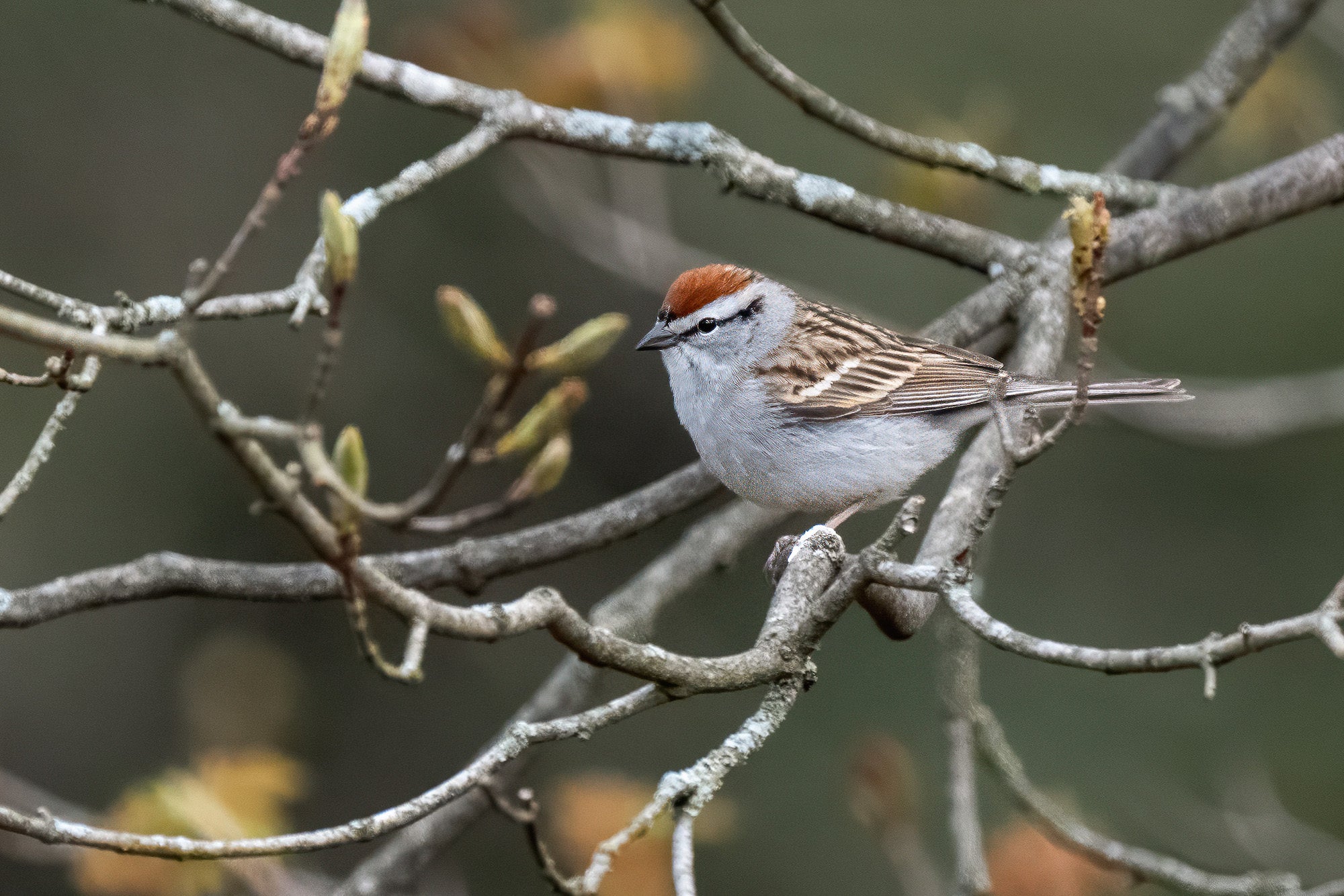
Photo by Melissa Groo. Alpha 1 II. 100-400mm f/4.5 G Master + 1.4x TC. 1/2500-sec., f/6.3, ISO 4000
A brighter, consistent aperture can be especially useful for photographing forest birds, dawn and dusk wildlife activity, and subjects moving between shade and open areas.
Lightweight Handling For Red Fox Photography
Groo’s red fox photos highlight another major benefit of the lens: mobility. To photograph the fox family without disturbing them, she had to lie prone in the grass for an extended period, holding the camera and lens in position.
“It was the only way I could get photos of them,” she says. “If I’d sat up, the fox parents would have seen me, freaked out and hurried their kits back into the den.”
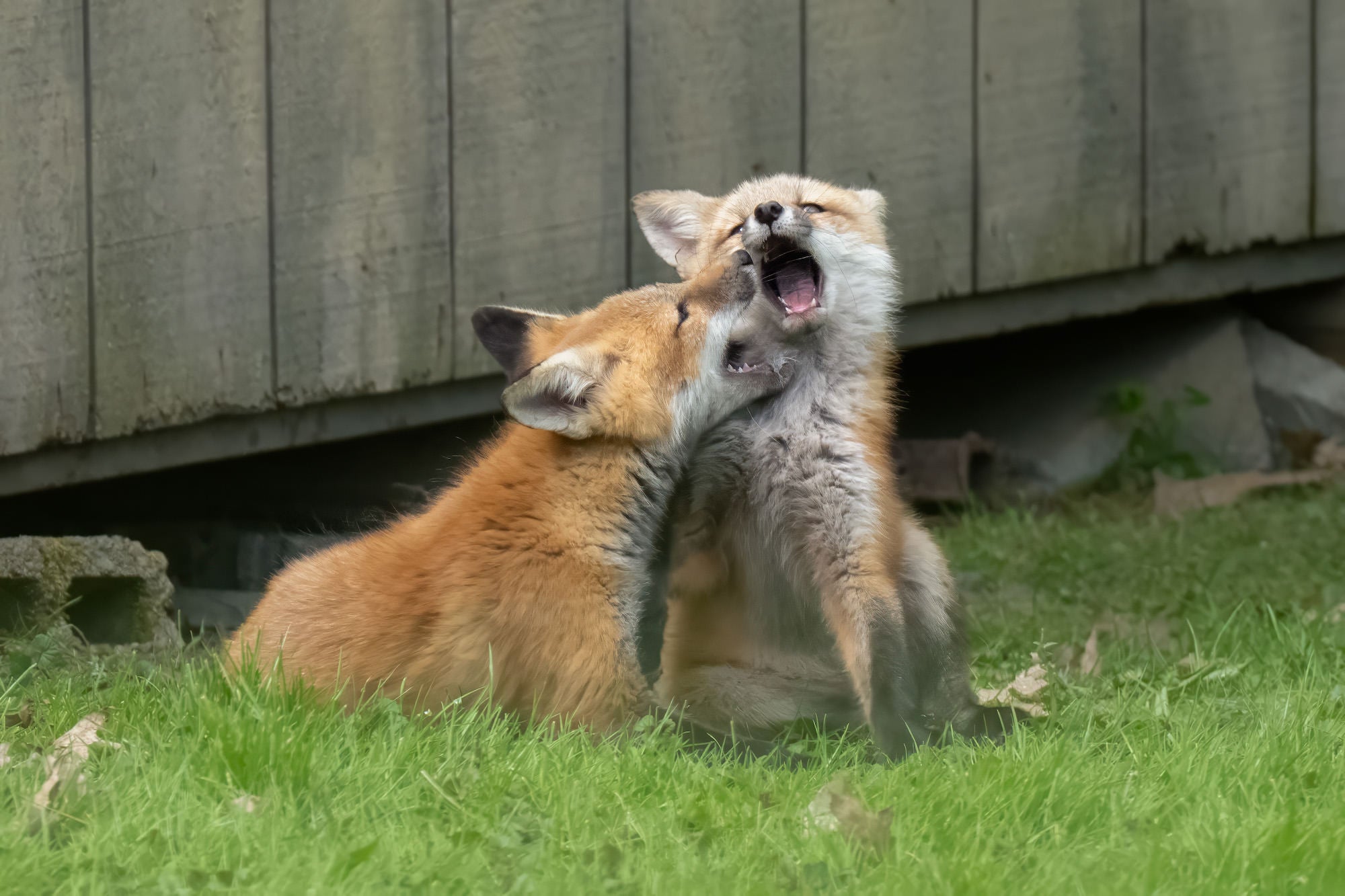
Photo by Melissa Groo. Alpha 1 II. 100-400mm f/4.5 G Master + 2x TC. 1/1600-sec., f/9, ISO 4000
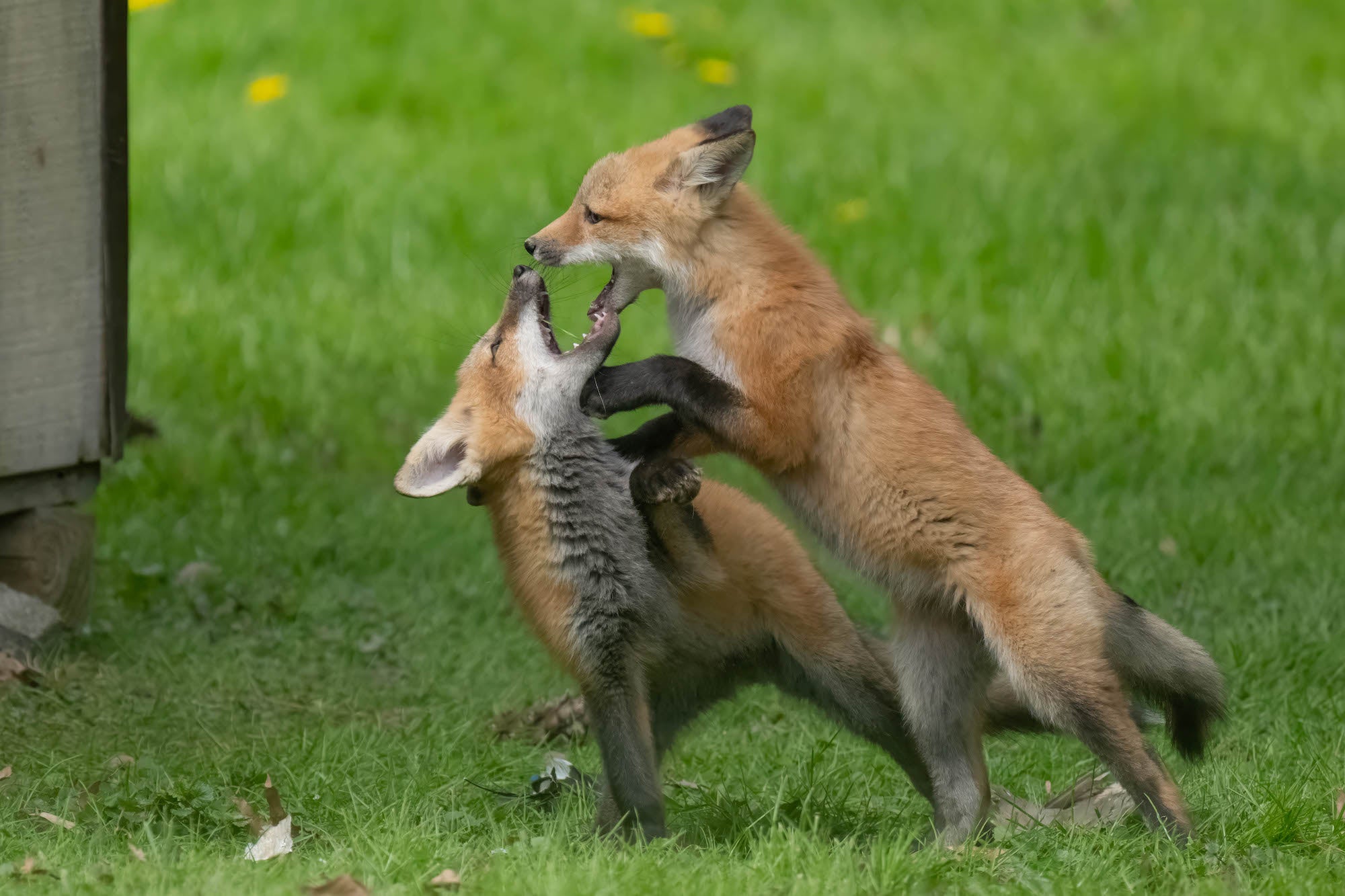
Photo by Melissa Groo. Alpha 1 II. 100-400mm f/4.5 G Master + 2x TC. 1/2500-sec., f/9, ISO 5000
At approximately four pounds, the Sony 100-400mm f/4.5 G Master was manageable enough for Groo to hold while staying low and still.
“Holding the 100-400mm lens in that position was a piece of cake,” she says.
For wildlife photographers, a lighter telephoto zoom can mean faster reaction time, less fatigue and more freedom to work from difficult angles – whether lying in grass, hiking through the woods or tracking a bird that suddenly appears overhead.
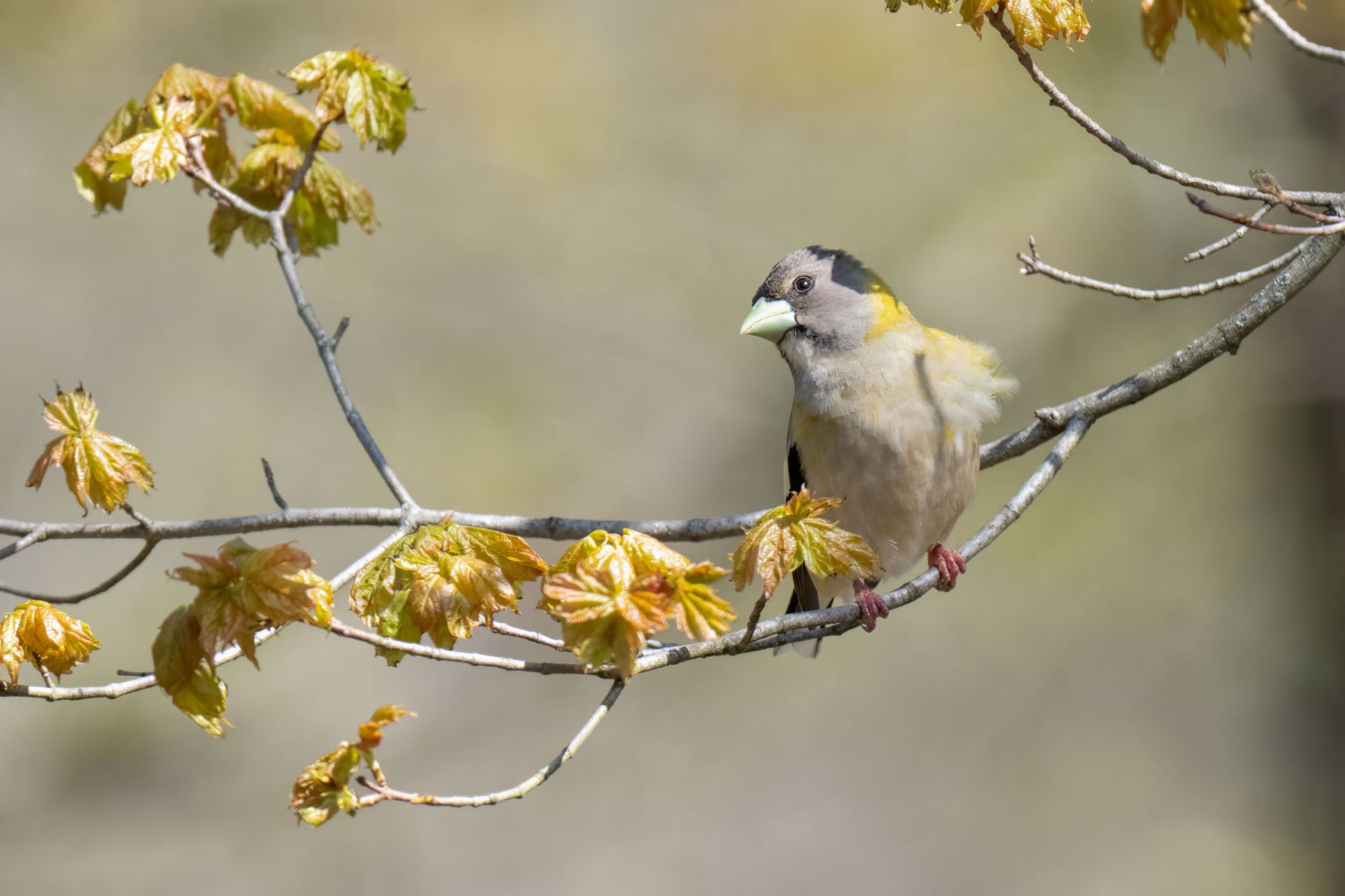
Photo by Melissa Groo. Alpha 1 II. 100-400mm f/4.5 G Master + 2x TC. 1/800-sec., f/9, ISO 2500
Fast Autofocus & Sharp Wildlife Images
In addition to its size and weight, Groo was impressed by the lens’ autofocus performance and sharpness. Those qualities are essential when photographing fast-moving birds and animals that may only be visible for a few seconds.
“Its incredibly fast AF speed! And excellent sharpness,” she says.
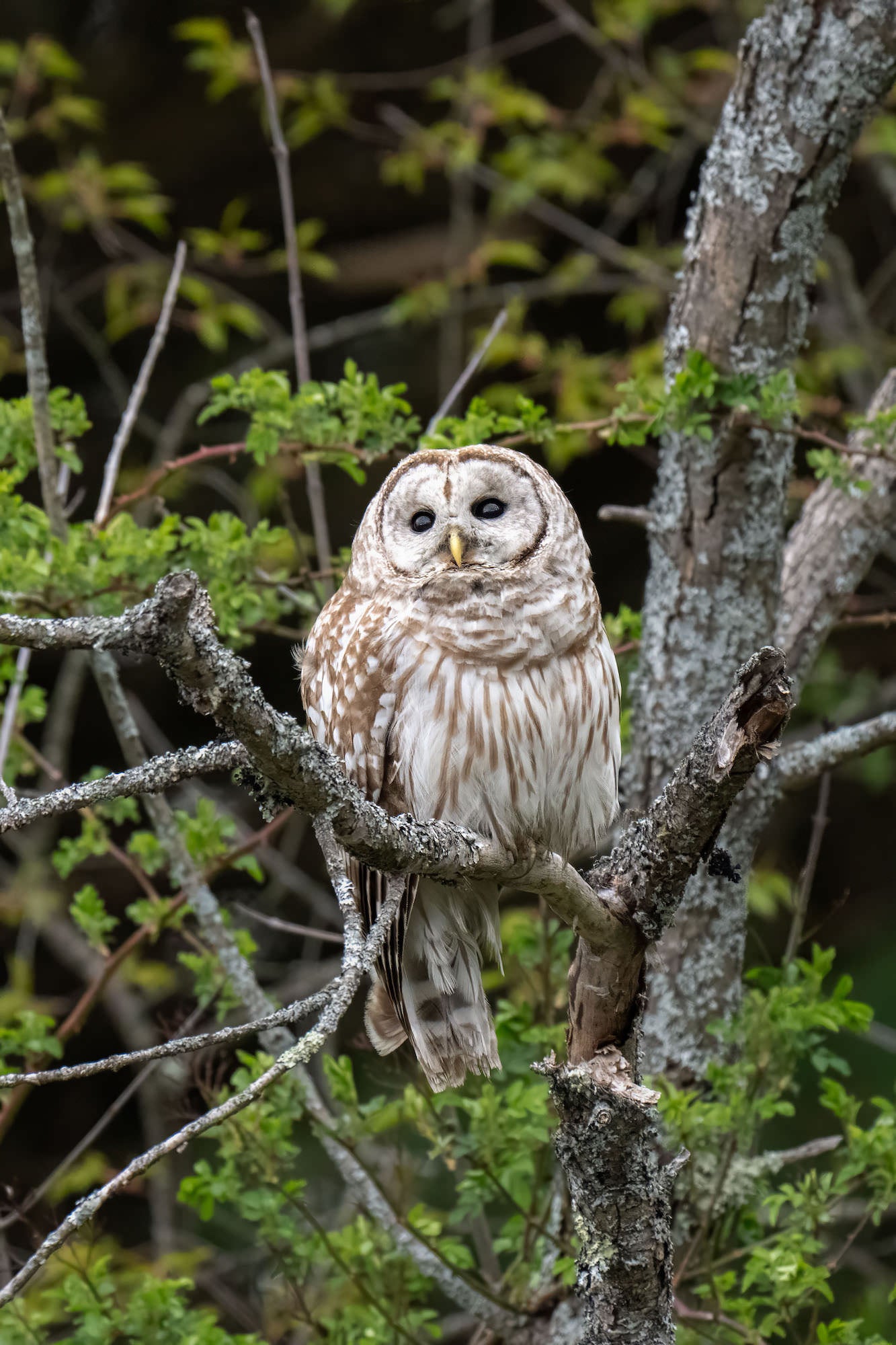
Photo by Melissa Groo. Alpha 1 II. 100-400mm f/4.5 G Master + 2x TC. 1/800-sec., f/9, ISO 6400
Groo also used the lens with Sony’s 1.4x teleconverter and 2.0x teleconverter, including frequent use with the 2x teleconverter at f/8.
“Even with both the 1.4x and the 2x teleconverters,” she says. “In fact, I ended up using the lens a lot with the 2x teleconverter attached.”
For photographers who need additional reach for distant birds or wary wildlife, that teleconverter compatibility adds another layer of flexibility to the 100-400mm focal range.
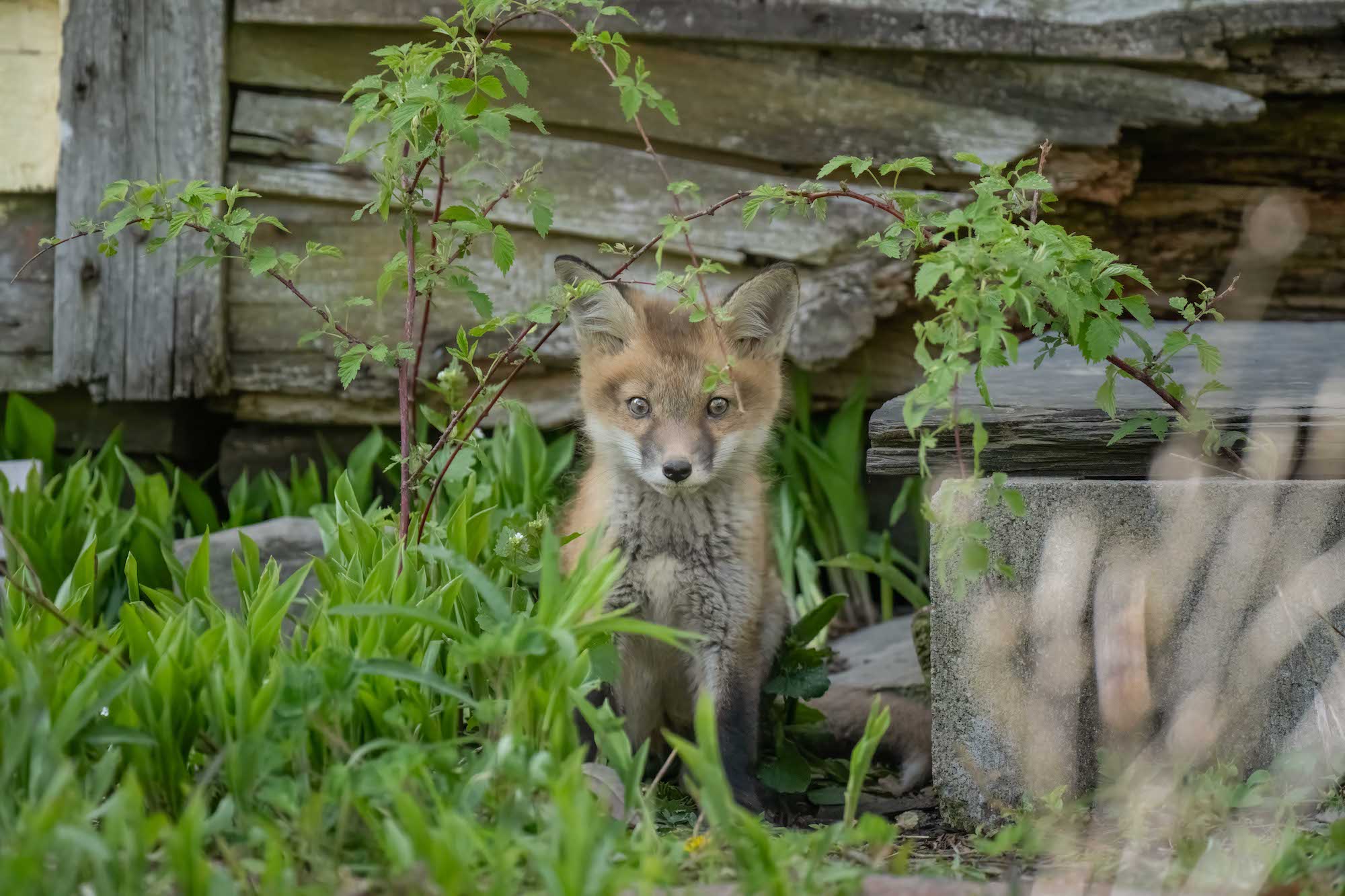
Photo by Melissa Groo. Alpha 1 II. 100-400mm f/4.5 G Master + 2x TC. 1/1250-sec., f/9, ISO 3200
Internal Zoom Design & Smooth Field Operation
A wildlife lens needs to be fast not only optically, but physically. Groo praised the Sony 100-400mm f/4.5 G Master’s internal zoom design, describing it as “so elegant and fluid.”
She also appreciated the ability to adjust the zoom tension and lock the zoom mechanism to help prevent unintended focal-length changes.
“I kept mine at the tight setting, to make sure I didn’t inadvertently change the zoom by mistake,” she says. “And even at the tight setting it was still smooth and swift to adjust the zoom.”
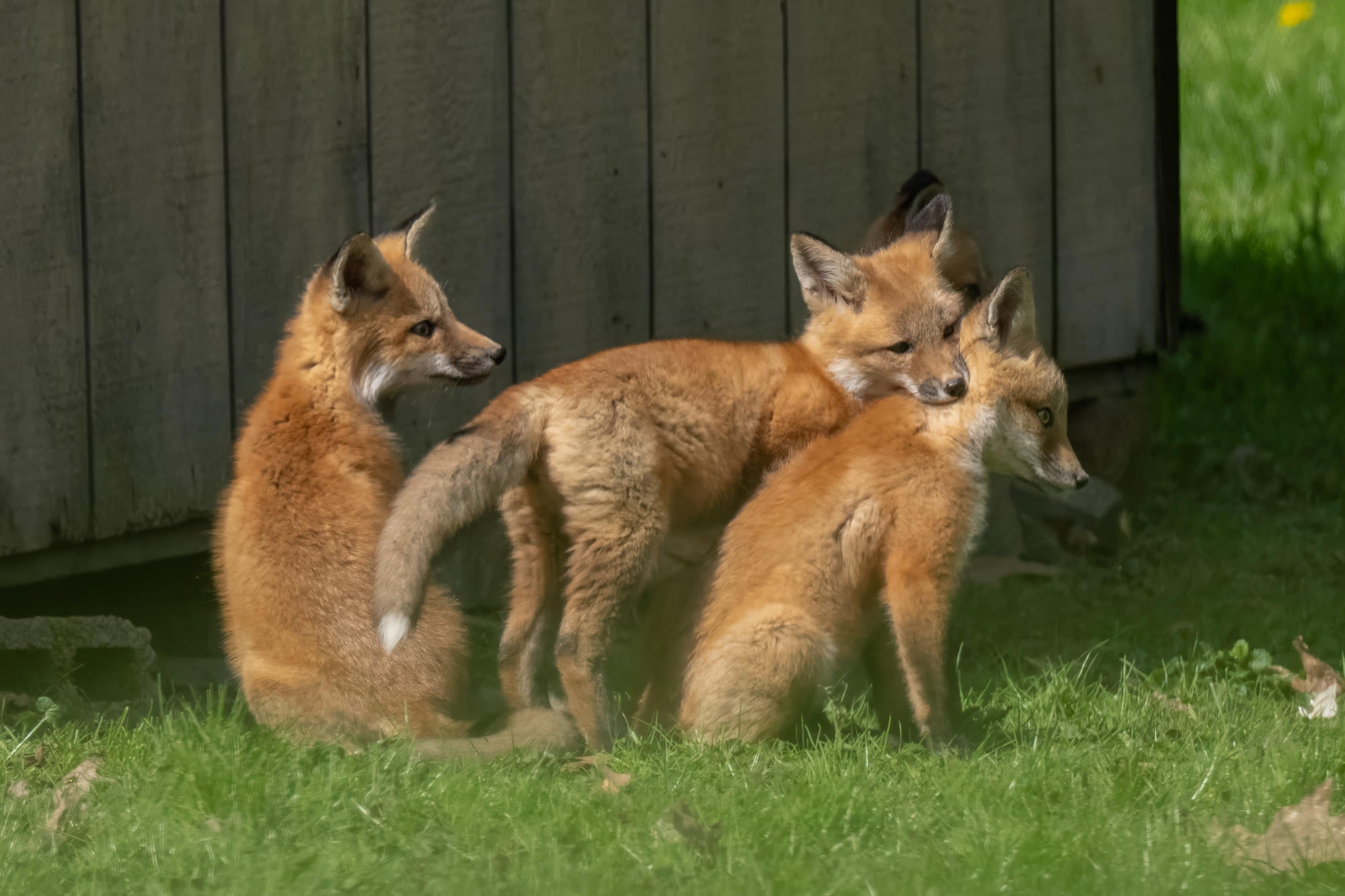
Photo by Melissa Groo. Alpha 1 II. 100-400mm f/4.5 G Master + 2x TC. 1/2500-sec., f/9, ISO 4000
For photographers responding to fast-moving wildlife, that control can make it easier to move from a wider environmental composition to a tighter portrait without missing the action.
Beautiful Bokeh For Wildlife Portraits
Groo also found the lens created a pleasing, soft background that helped separate her wildlife subjects from their surroundings.
“I thought the bokeh was exceptional,” she says. “Aesthetically, at times it reminded me of the bokeh my 600mm f/4 GM lens has.”
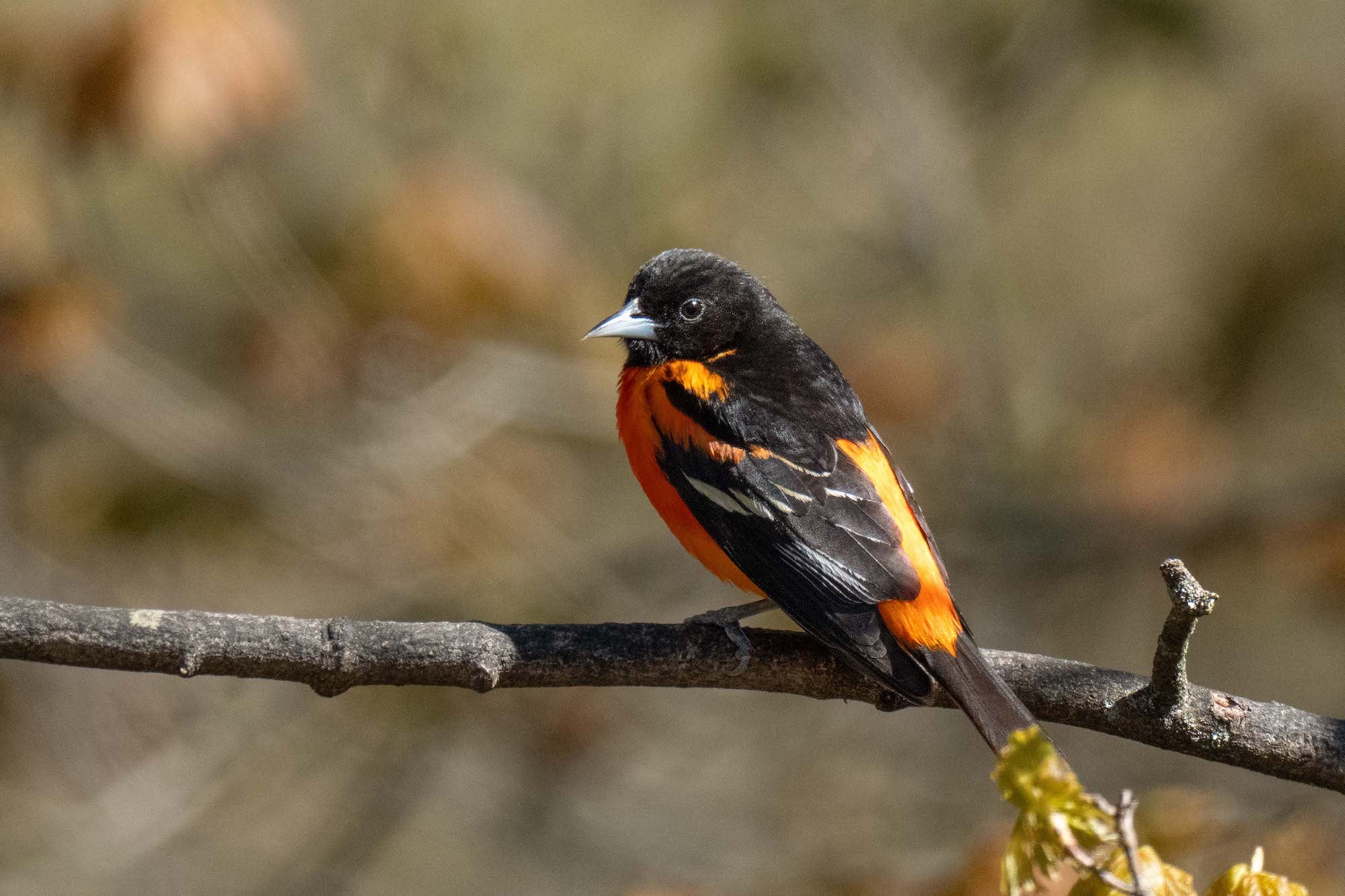
Photo by Melissa Groo. Alpha 1 II. 100-400mm f/4.5 G Master + 2x TC. 1/1600-sec., f/9, ISO 2500
For bird and wildlife photography, clean background blur can elevate an image by drawing the viewer directly to an animal’s eye, feather detail or expression while minimizing visual distractions.
Is The Sony 100–400mm f/4.5 G Master Worth It For Wildlife Photography?
After using the lens for nine days, Groo’s answer is clear. She found the Sony 100-400mm f/4.5 G Master to be a powerful combination of reach, bright aperture, quick autofocus, sharpness and low weight.
“I think Sony really nailed it balancing the aperture of this lens with its lightness,” she says. “Because it weighs so little – four pounds – I can quickly maneuver it, or swing it up to take a photo of a suddenly appearing or fast-moving bird or fox.”
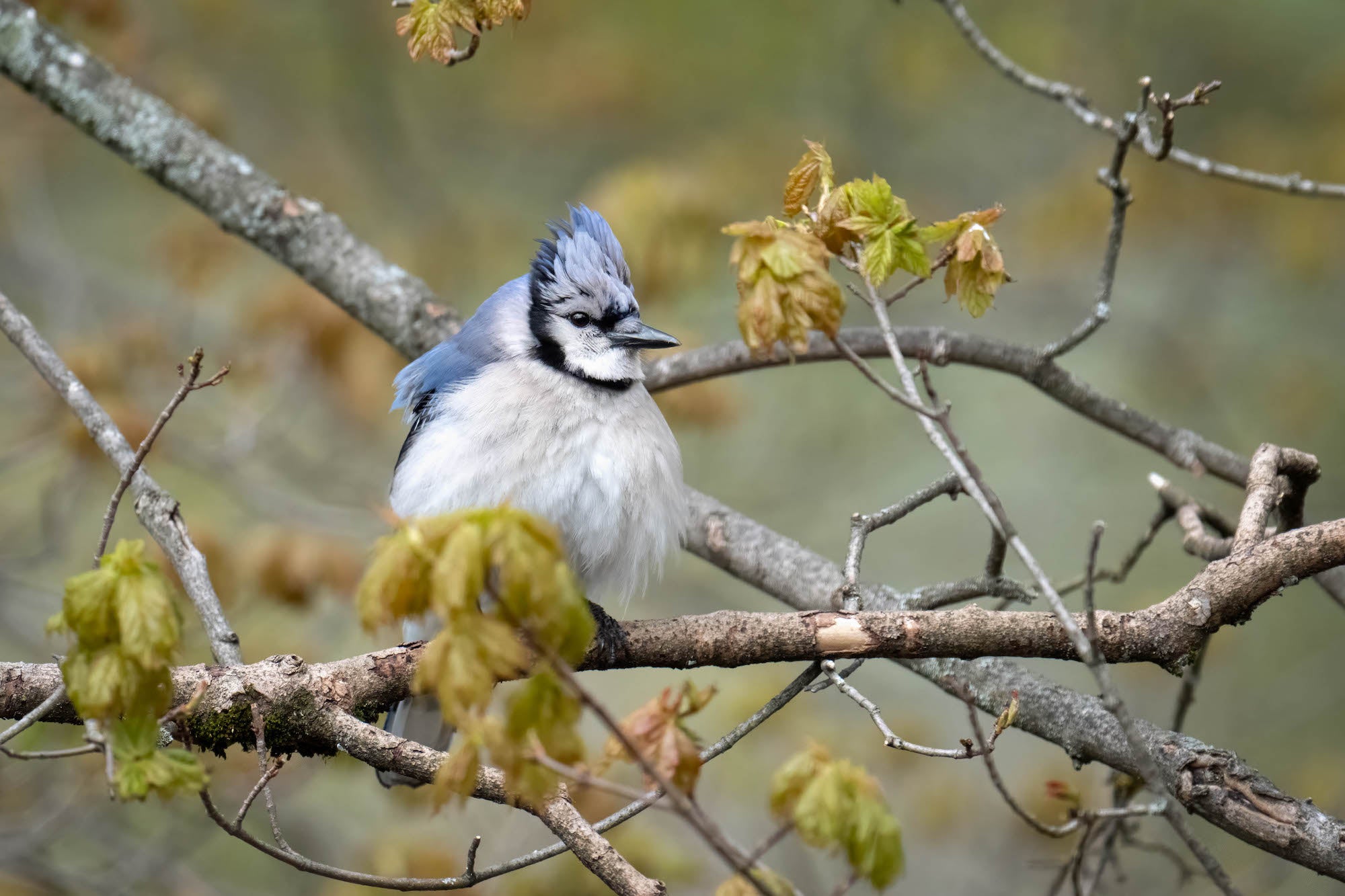
Photo by Melissa Groo. Alpha 1 II. 100-400mm f/4.5 G Master + 2x TC. 1/1600-sec., f/9, ISO 2000
For Groo, that balance is what makes the lens special. It gives wildlife photographers a highly capable telephoto zoom that can move quickly between birds, foxes and other subjects while remaining comfortable enough for long sessions in the field.
“An unequivocal yes,” Groo says when asked whether the lens will have a regular place in her kit. “After I tested it and had to return it, I was really missing it. And that’s saying something, because I own some other pretty great Sony lenses.”
See more of Melissa Groo's work on her Alpha Universe Profile.
Click here to learn more about the 100-400mm f/4.5 G Master.
Interested in learning more about bird and/or wildlife photography?
–Take our free Bird Photography course on Alpha Camera Academy
-Take our free Wildlife Photography Course on Alpha Camera Academy
–Check out our list of Best Lenses for Bird & Wildlife Photography
–Explore more bird photography articles
–Explore more wildlife photography articles