For wildlife photographers, 400mm and 600mm are classic focal lengths for good reason. They provide the reach needed to isolate distant subjects while maintaining the image quality and perspective photographers expect from a professional telephoto prime. “Long enough to really get tight on the subject without having so much distance that atmospheric distortion softens the image,” says Sony Alpha Collective member Nate Luebbe.
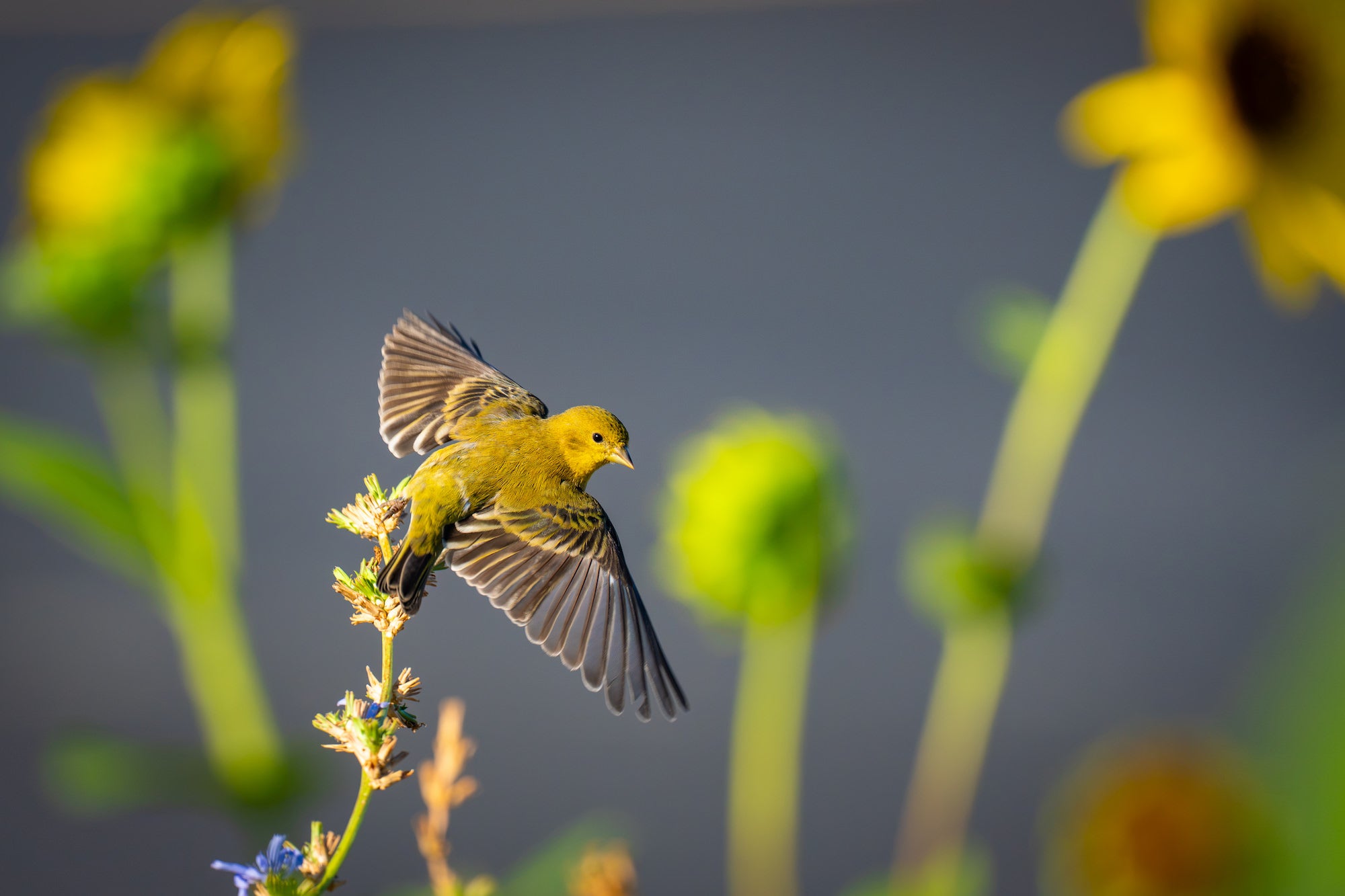
Photo by Nate Luebbe. Alpha 1 II. 600mm f/6.3 G Master OSS. 1/200-sec. f/6.3. ISO 800.
Luebbe recently had the opportunity to put Sony’s new 400mm f/4.5 G Master and 600mm f/6.3 G Master lenses to work in the field. His time with the lenses was brief, but productive. “I only had a few days in the field with them,” he says, “but every single time I put them on a camera I ended up capturing a keeper.”
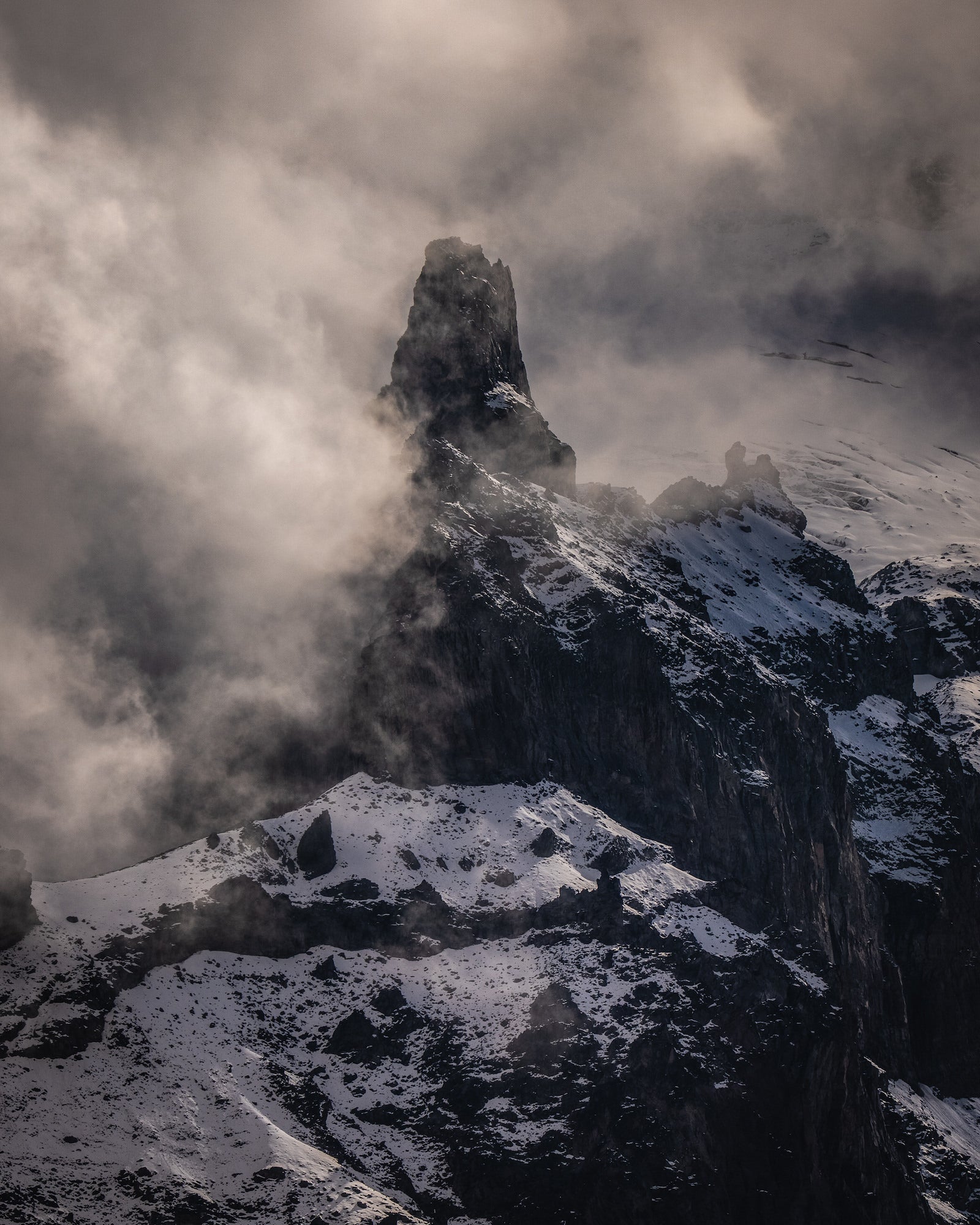
Photo by Nate Luebbe. 400mm f/4.5 G Master OSS.
Built For The Wildlife Photographer Who Goes Farther
Luebbe photographed wildlife and a bit of landscape during his early time with the lenses, with the 600mm proving especially useful for one of his favorite – and most challenging – subjects: pikas. “Pika have always been my favorite animal, so finally getting some keeper images of a very difficult animal to photograph was a real treat!” he says. “Pika are famously very tiny and very fast, so having 600mm in range was key, and the sharpness from the lens made for some great photos!”
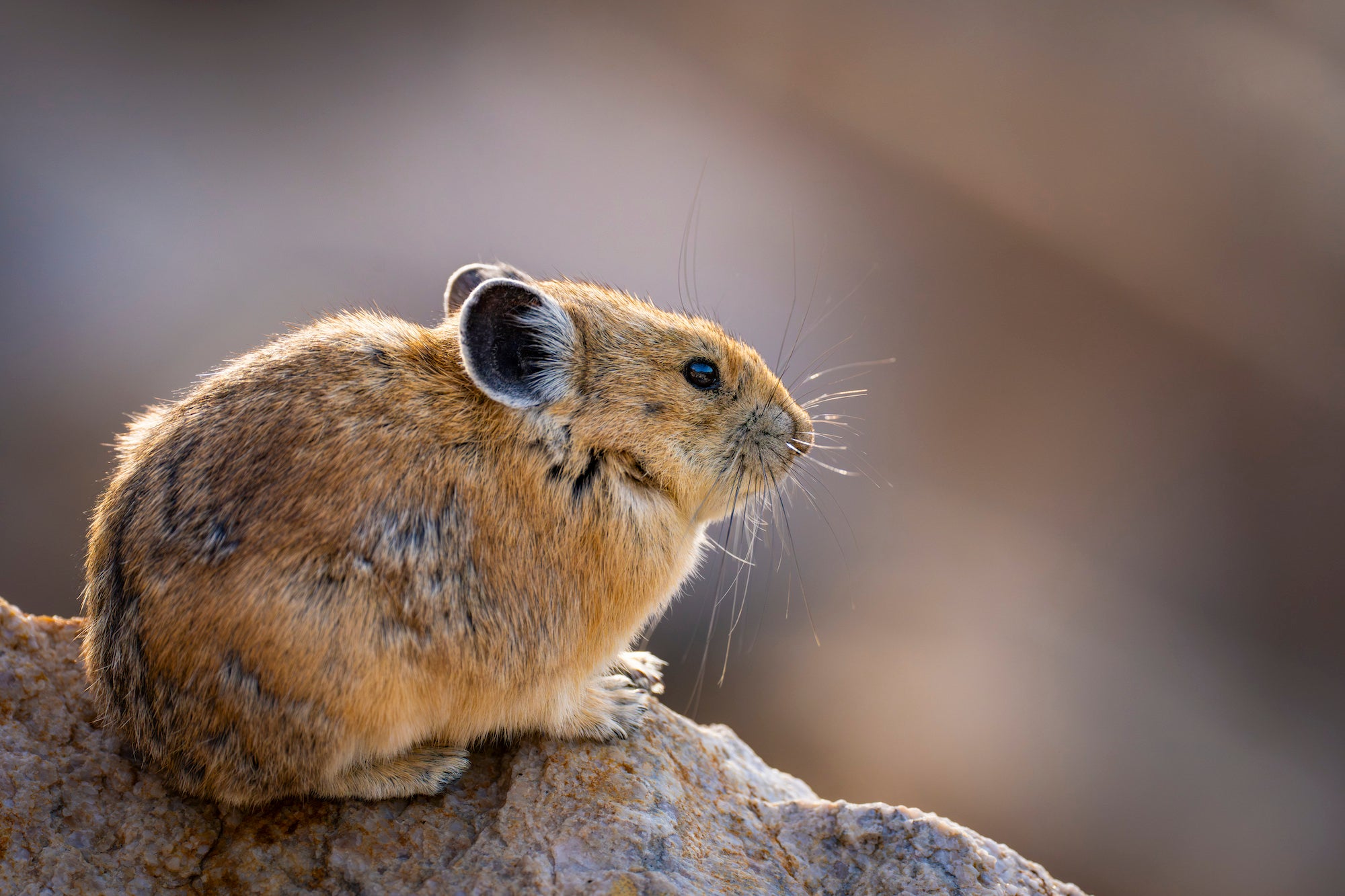
Photo by Nate Luebbe. Alpha 1 II. 600mm f/6.3 G Master OSS. 1/800-sec. f/6.3. ISO 1250.
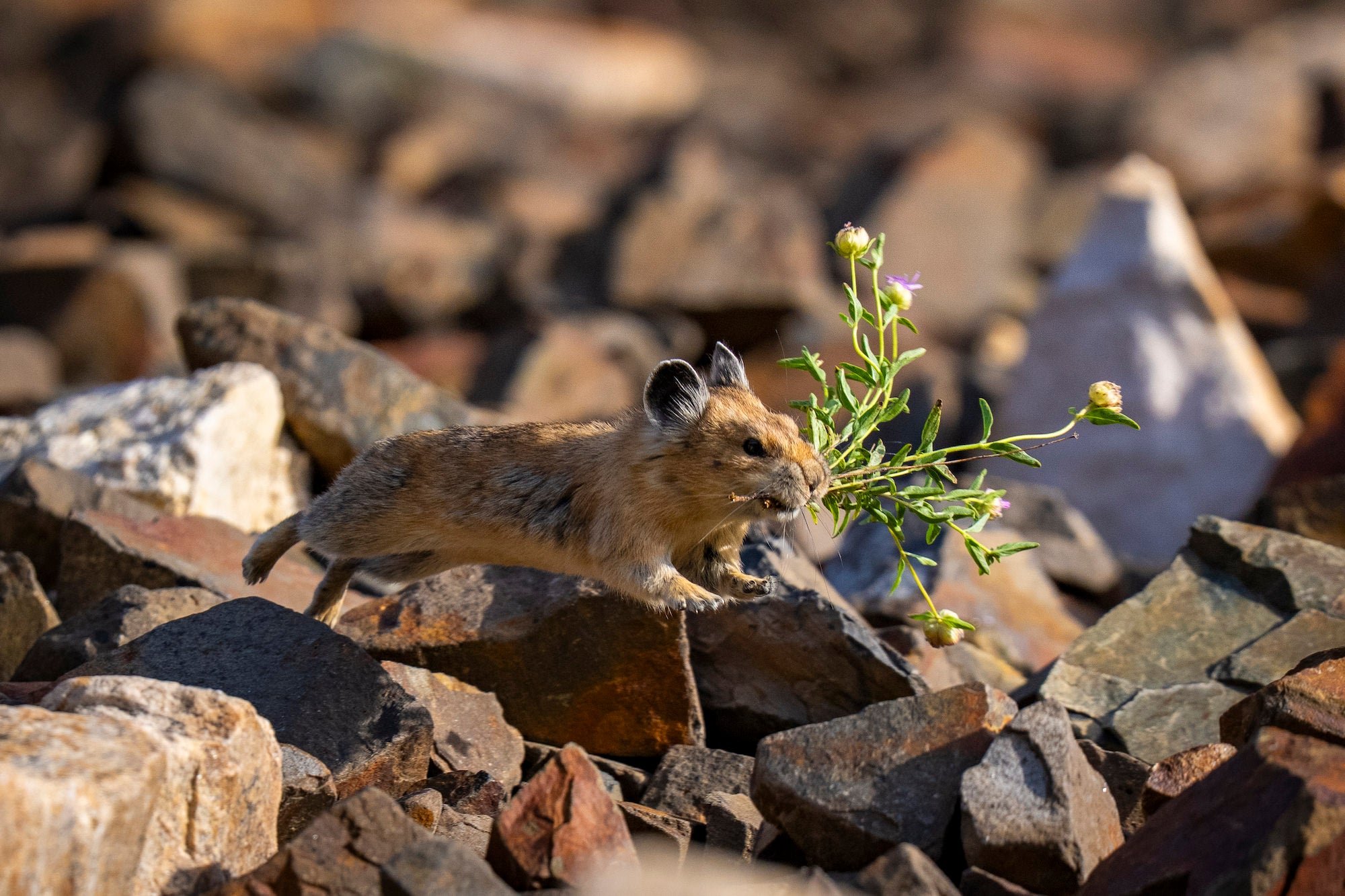
Photo by Nate Luebbe. Alpha 1 II. 400mm f/4.5 G Master OSS. 1/1600-sec. f/4.5. ISO 320.
That combination of reach and sharpness matters when a subject is small, quick, and often far beyond the limits of a standard telephoto zoom. It is also where the new lenses’ more compact design stands out.
Less Weight, More Possibility
For photographers who hike, travel, or ski with their gear, the decision to bring a long prime lens can shape the entire day. Luebbe knows that tradeoff well. “The size and weight of these are INCREDIBLE,” he says. “If I’m bringing my 400mm f/2.8 with me on a hike, it becomes a major component of the experience because it weighs over 6 lbs. and takes up my entire backpack.”
With the new 400mm f/4.5 G Master and 600mm f/6.3 G Master, that equation changes. “I threw both of these new lenses in my backpack for a day hike, and they took up less space and weight combined than the previous 400mm or 600mm prime would have alone.”
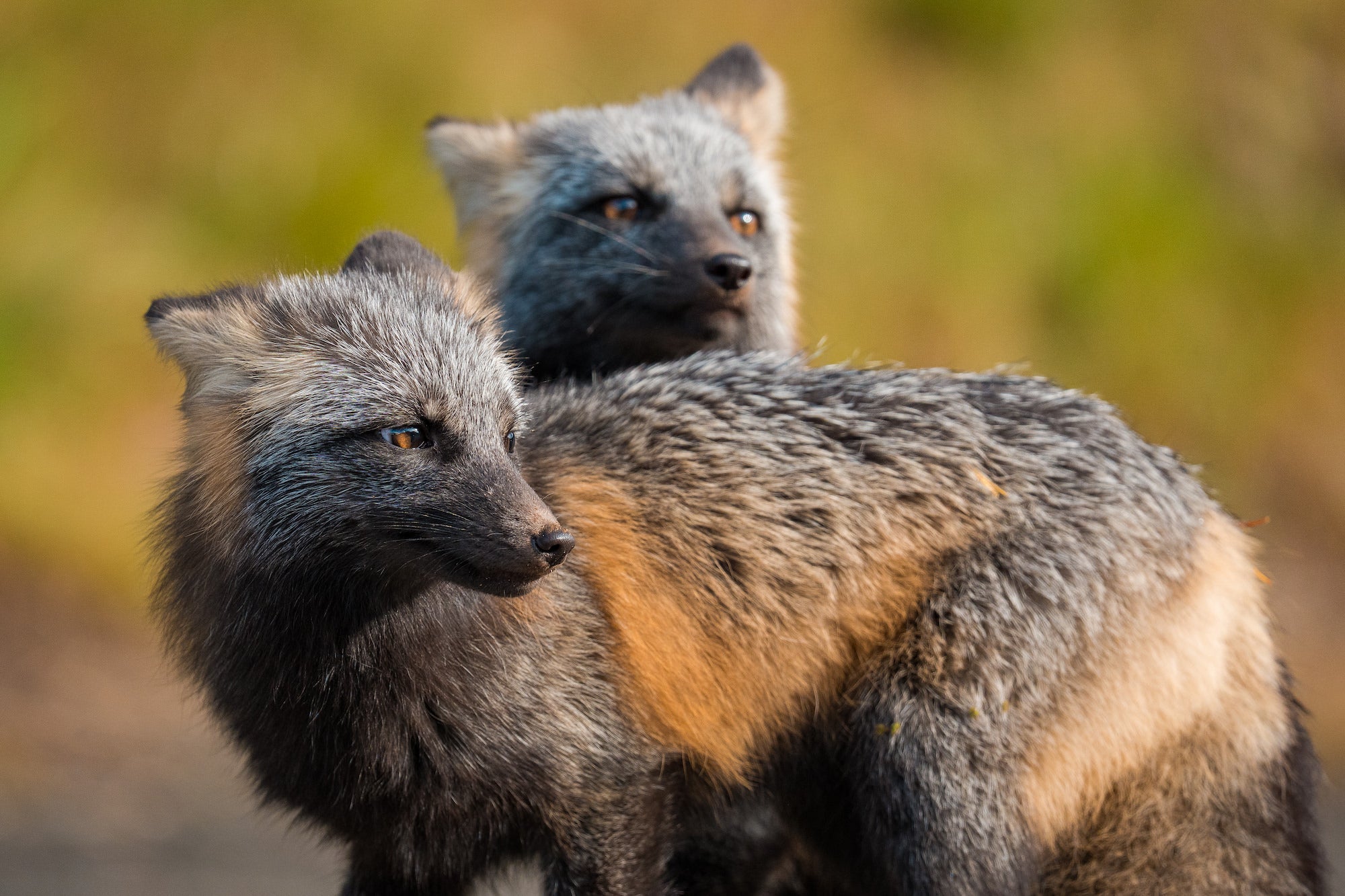
Photo by Nate Luebbe. Alpha 1 II. 400mm f/4.5 G Master OSS. 1/1250-sec. f/4.5. ISO 800.
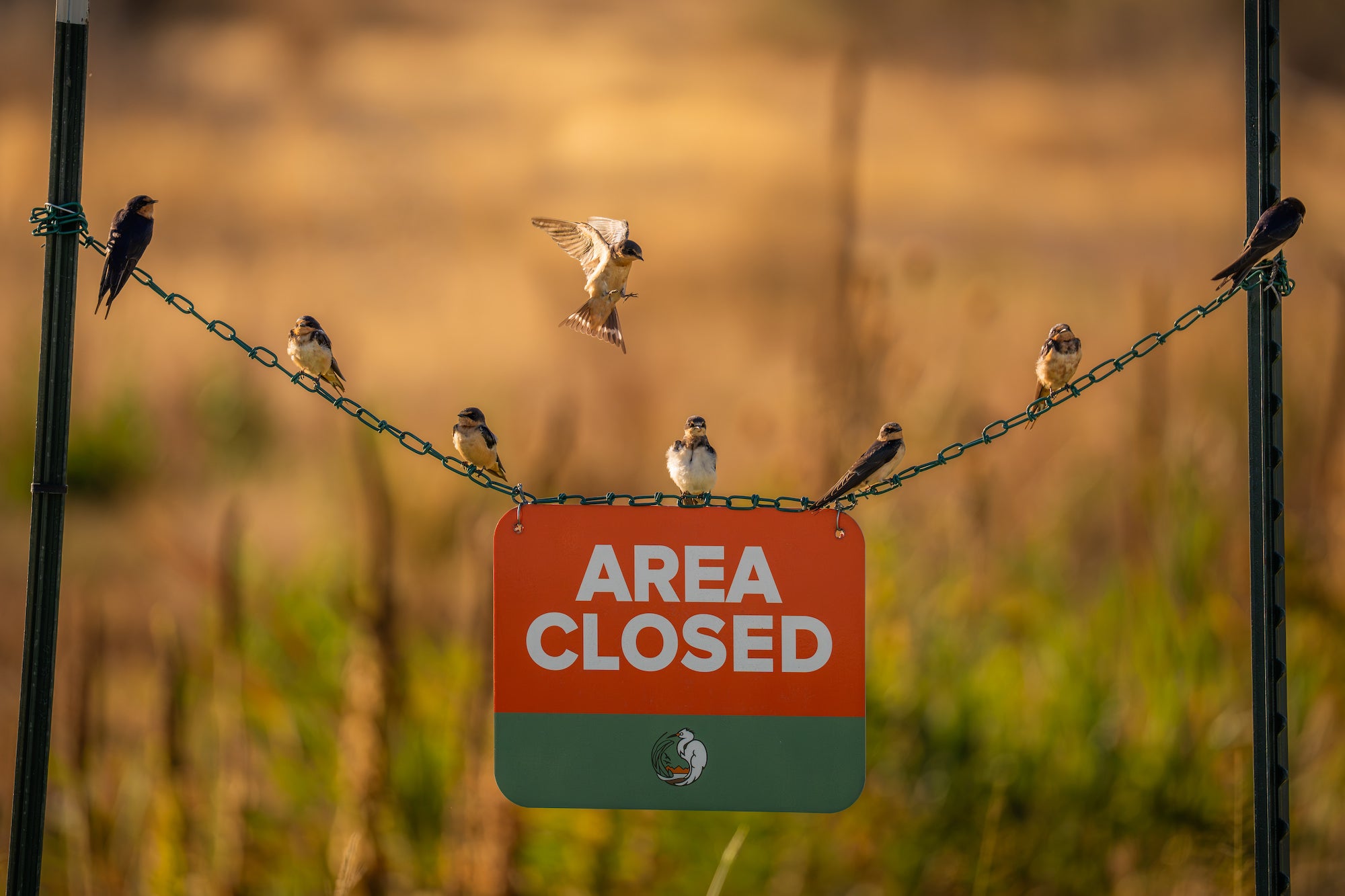
Photo by Nate Luebbe. Alpha 1 II. 400mm f/4.5 G Master OSS. 1/2500-sec. f/4.5. ISO 640.
That portability opens up a more flexible wildlife kit – one that is easier to carry deeper into the landscape without sacrificing the reach needed for distant animals, birds, and elusive subjects.
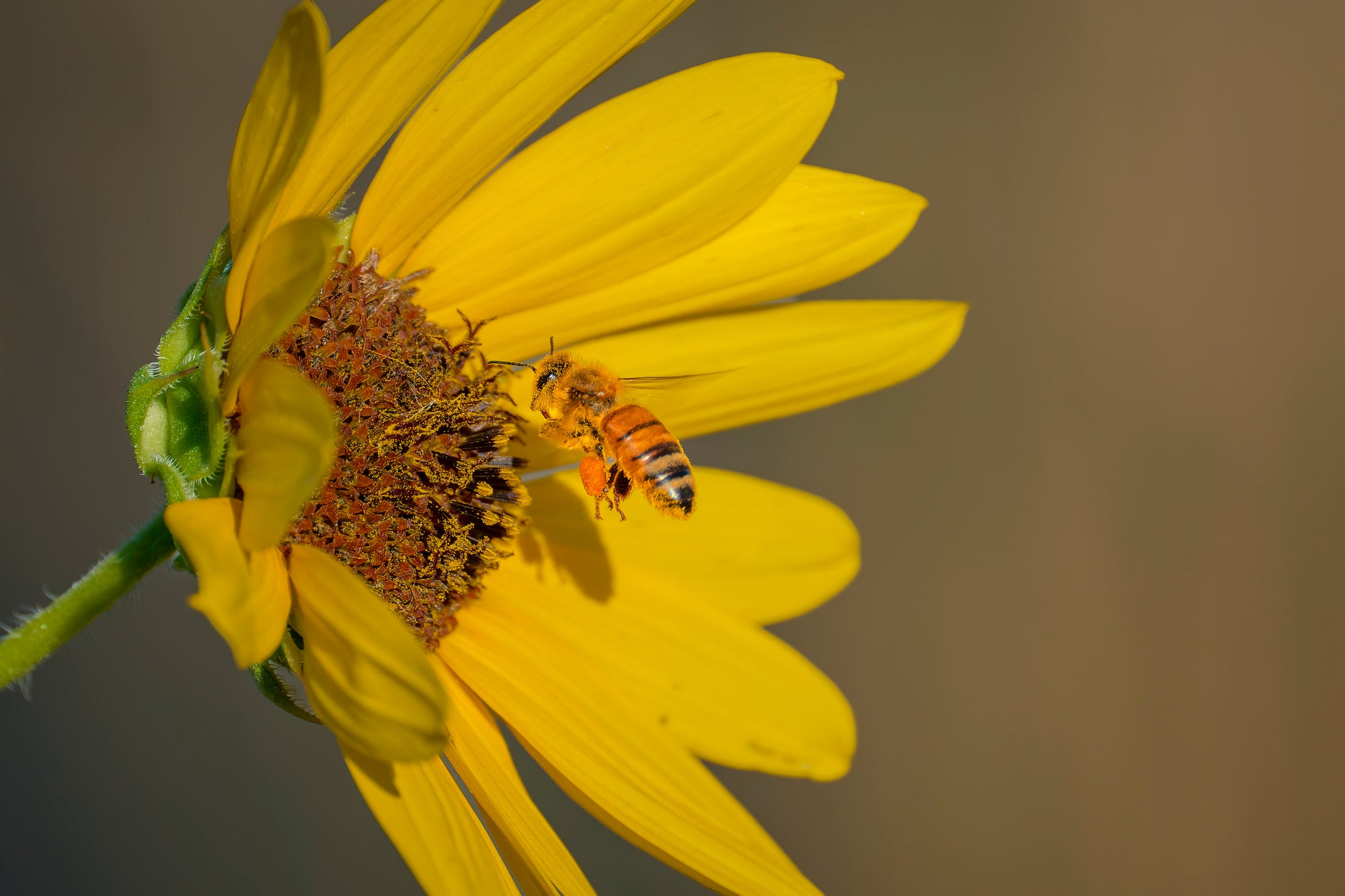
Photo by Nate Luebbe. Alpha 1 II. 600mm f/6.3 G Master OSS. 1/2000-sec. f/6.3. ISO 320.
G Master Image Quality, Designed For The Journey
Luebbe’s takeaway is simple: these lenses bring premium prime-lens image quality into a far more practical package for photographers on the move. “G Master prime lens image quality in a package barely larger than my 70-200,” he says. “The perfect travel wildlife photography kit!”
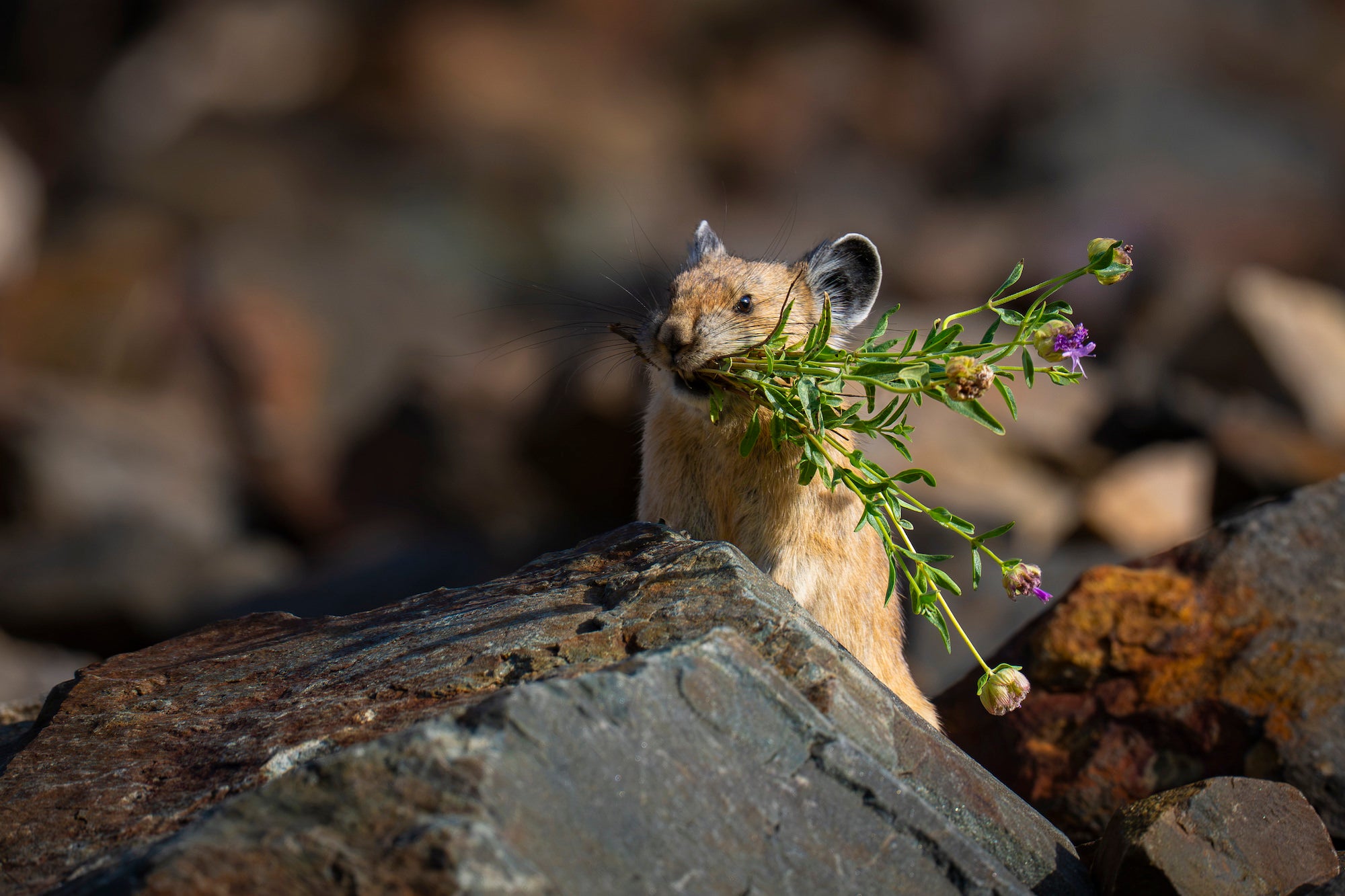
Photo by Nate Luebbe. Alpha 1 II. 600mm f/6.3 G Master OSS. 1/1250-sec. f/6.3. ISO 320.
His enthusiasm is clear – though it comes with a gear-buying dilemma that we’re all familiar with. “I’m extremely upset about these lenses,” Luebbe jokes. “I don’t NEED more lenses, I shouldn’t spend the money on more lenses, but I love these lenses and I’m definitely going to buy them.”
And when asked whether the lenses will have a regular place in his kit, his answer was equally direct: “Unfortunately, yes. I promised my doctor I would try to quit my camera gear purchasing addiction, but I seem to have relapsed.”
We get it, Nate.
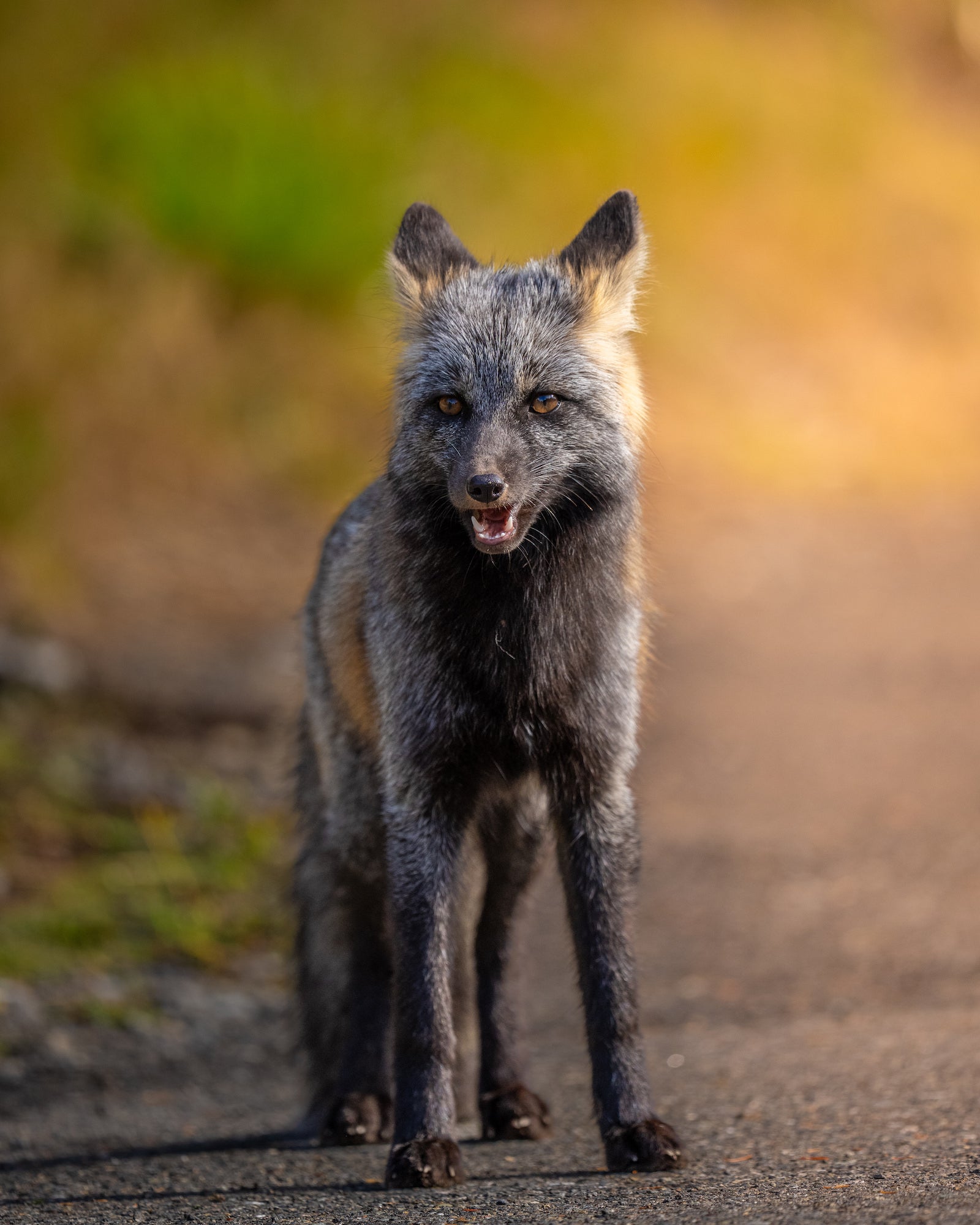
Photo by Nate Luebbe. Alpha 1 II. 400mm f/4.5 G Master OSS. 1/1250-sec. f/4.5. ISO 640.
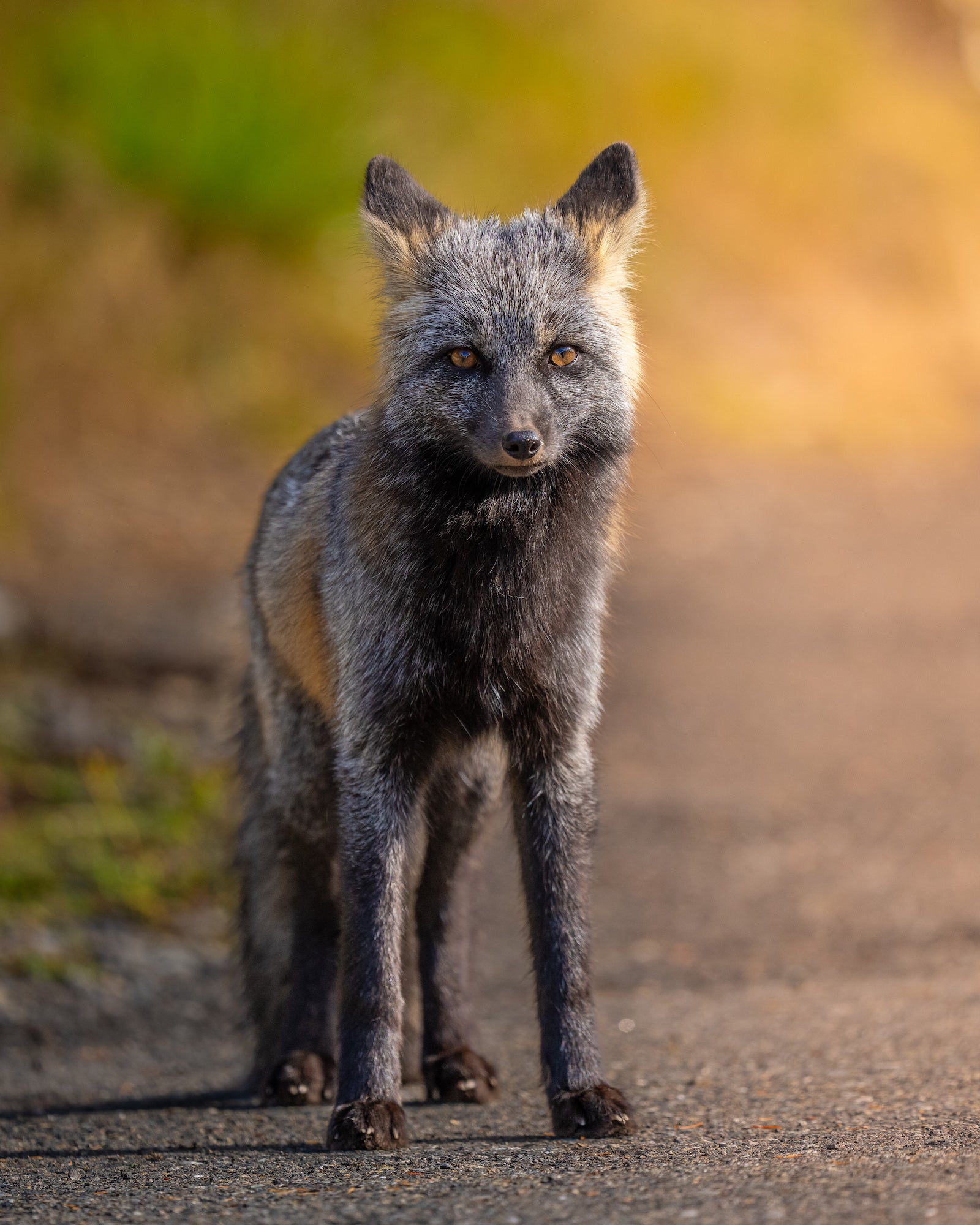
Photo by Nate Luebbe. Alpha 1 II. 400mm f/4.5 G Master OSS. 1/1250-sec. f/4.5. ISO 640.
For Luebbe, the appeal extends beyond convenience. It reflects a welcome direction for photographers who want professional optical performance without carrying equipment that dominates the experience. “I think this is an awesome step for Sony to take with regard to optics,” he says. “As someone who hikes and skis with his camera gear, I love the idea of more compact and portable equipment.”
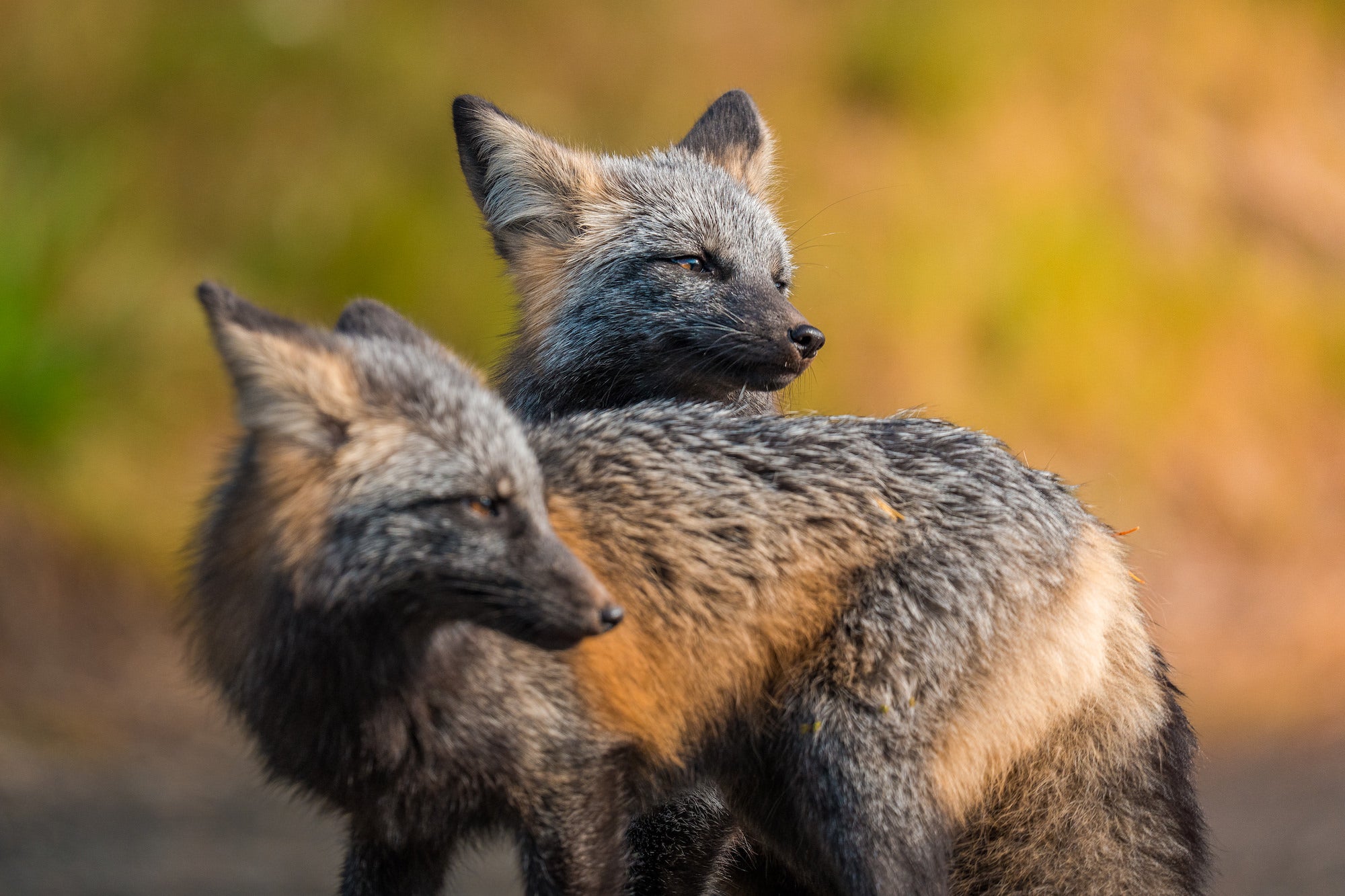
Photo by Nate Luebbe. Alpha 1 II. 400mm f/4.5 G Master OSS. 1/1250-sec. f/4.5. ISO 640.
For wildlife photographers who want to travel lighter, move farther, and still come home with those keepers, the new Sony 400mm f/4.5 G Master and 600mm f/6.3 G Master lenses make a compelling case.
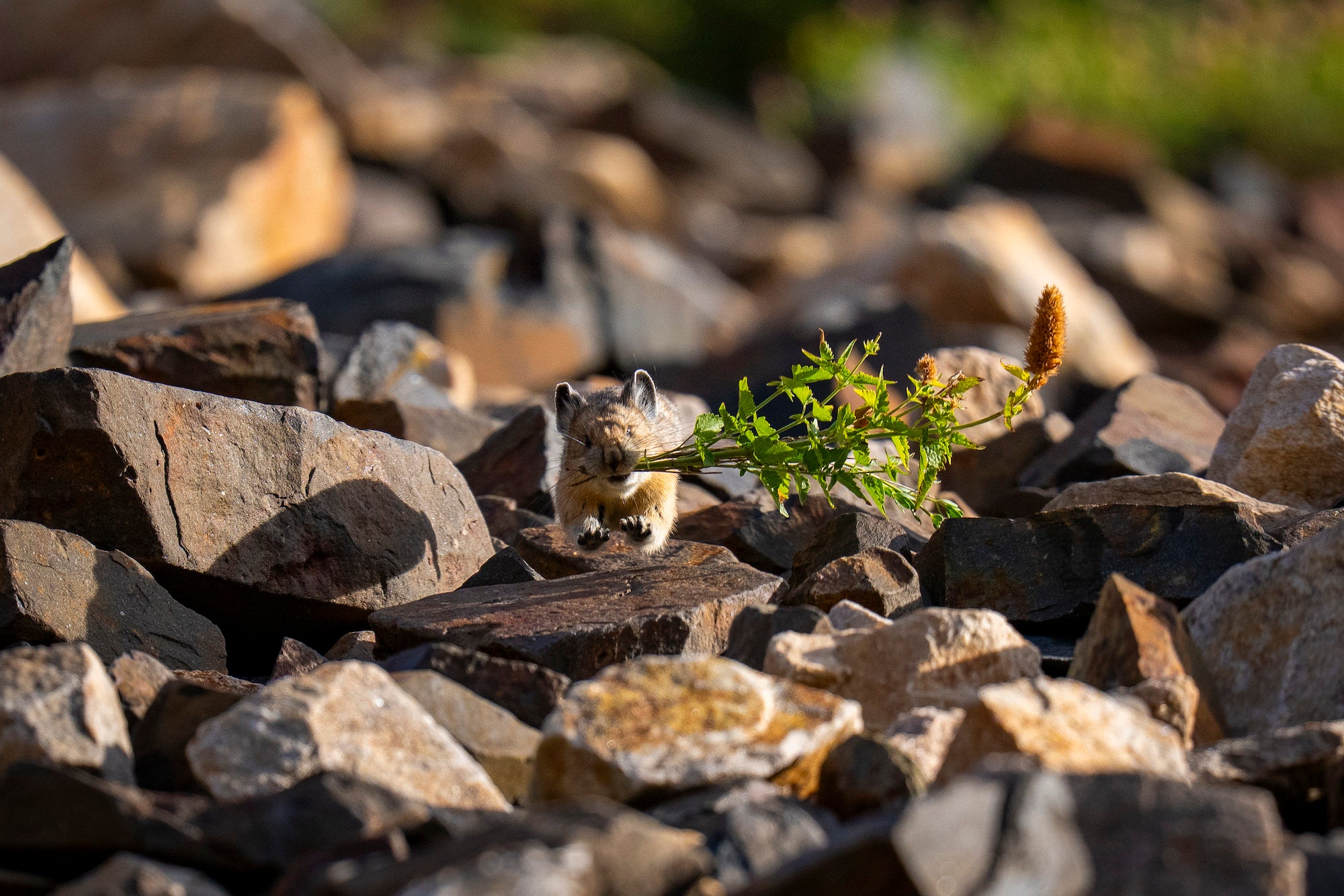
Photo by Nate Luebbe. Alpha 1 II. 400mm f/4.5 G Master OSS. 1/1600-sec. f/4.5. ISO 320.
See more of Nate Luebbe’s work on his Alpha Universe Profile and on Instagram @nateinthewild.
CLICK HERE to pre-order the 400mm f/4.5 G Master.
CLICK HERE to pre-order the 600mm f/6.3 G Master.