Former Washington Post photographer Jahi Chikwendiu has been awarded the Pulitzer Prize for Feature Photography – and if you've seen the work, you understand why. His photo essay follows Tanner and Shay, a young couple navigating the simultaneous joy of welcoming their first child and the devastating reality of Tanner's terminal cancer diagnosis. The images are raw, tender and unflinching. We caught up with Jahi to learn more about the experience behind the lens, the gear that helped him capture it, and what this recognition means to him.
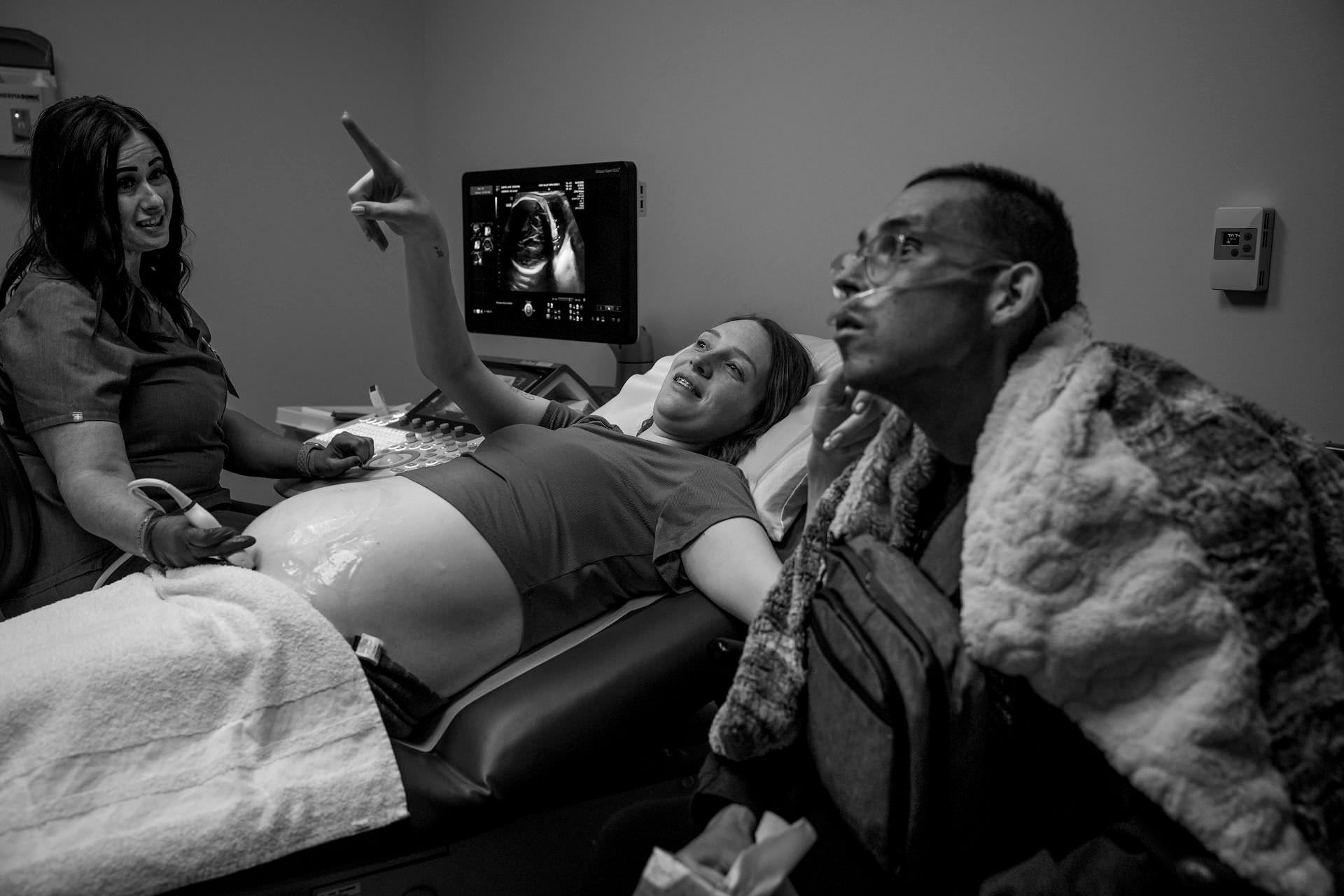
Photo by Jahi Chikwendiu/The Washington Post. Alpha 9 III. 24-70mm f/2.8 G Master. 1/125-sec., f/5, ISO 5000
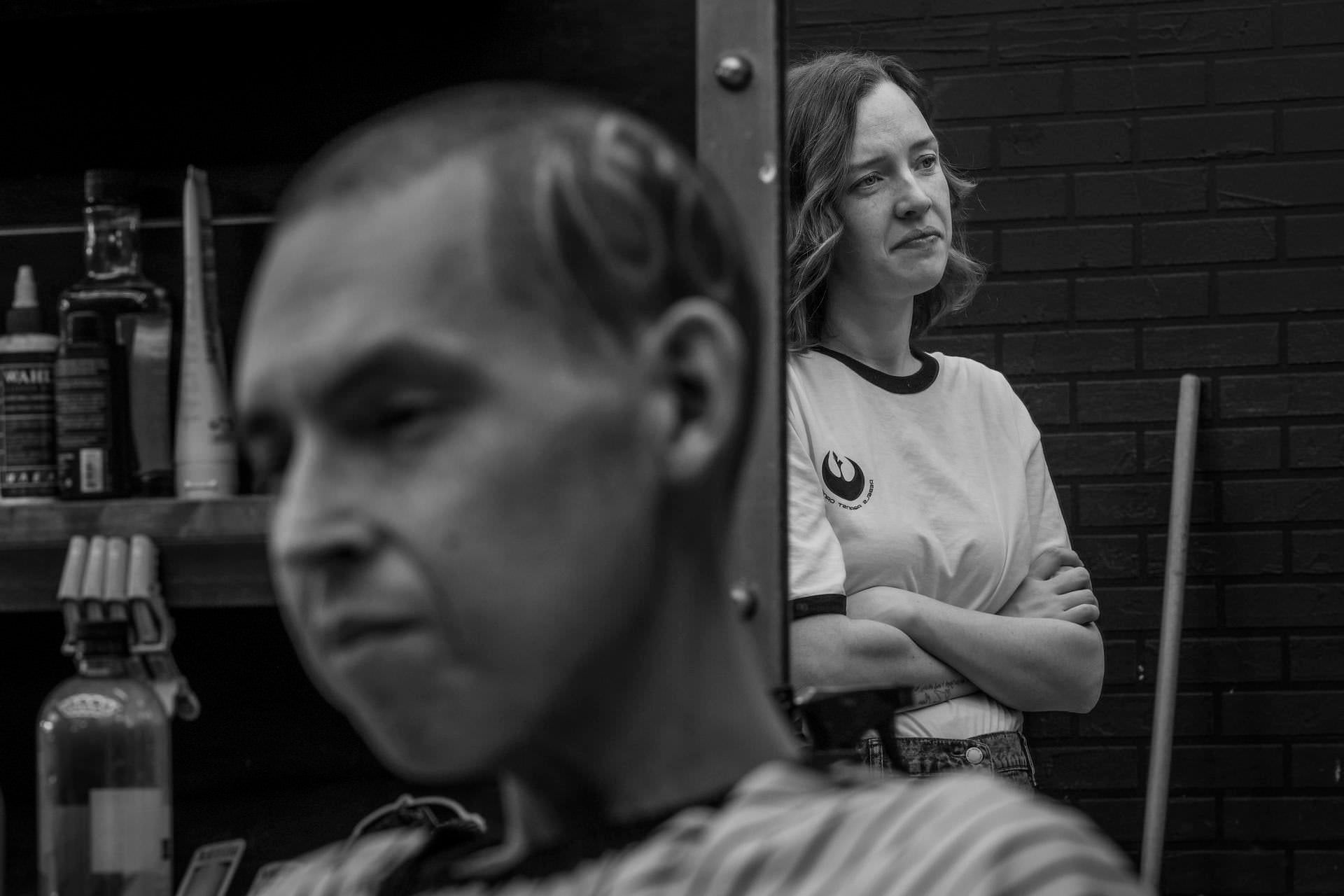
Photo by Jahi Chikwendiu/The Washington Post. Alpha 9 III. 70-200mm f/2.8 G Master. 1/60-sec., f/11, ISO 1250
Doing Right By Your Subjects
From the moment Jahi stepped into Tanner and Shay's lives, he felt the weight of responsibility that comes with documenting stories like theirs. "Going into this, I felt this huge obligation to do these people right," he says. "And when I say that, it doesn't necessarily mean to show them in their best light. I'm not going for glamour shots. It is to sometimes remind them that, hey, this is a story about real life – it's not a Vogue photoshoot. That gives them permission to be real. It gives them a feeling of trust to just be themselves, and it gives them an idea of what I'm going for – and that is reality."
What he found in Tanner and Shay was a spirit that matched his intention. "What I found were these people living – living, living – emphasis on living – as much as possible, knowing that he would most likely be the first of us to go, and relatively soon."
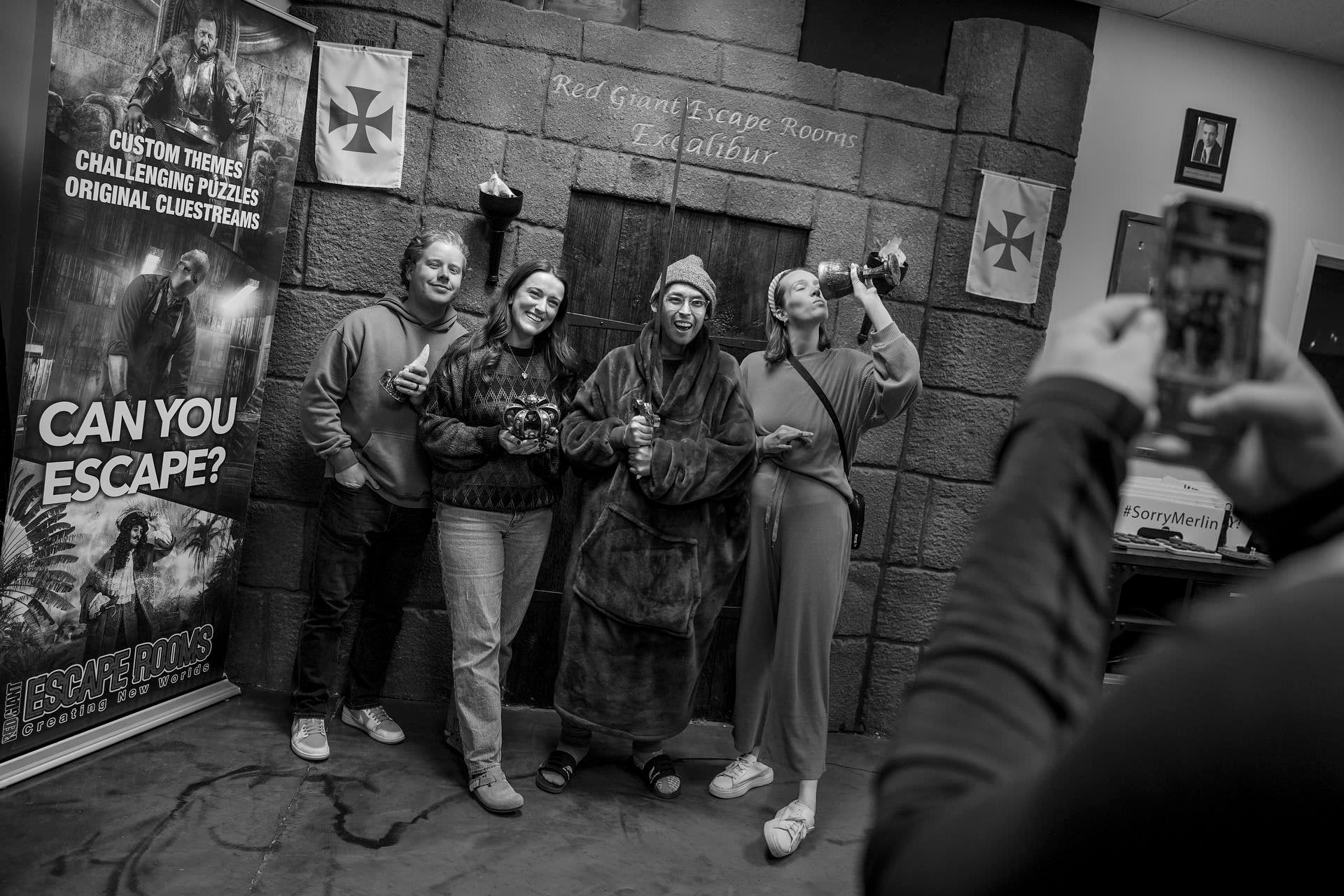
Photo by Jahi Chikwendiu/The Washington Post. Alpha 9 III. 24-70mm f/2.8 G Master. 1/250-sec., f/2.8, ISO 2000
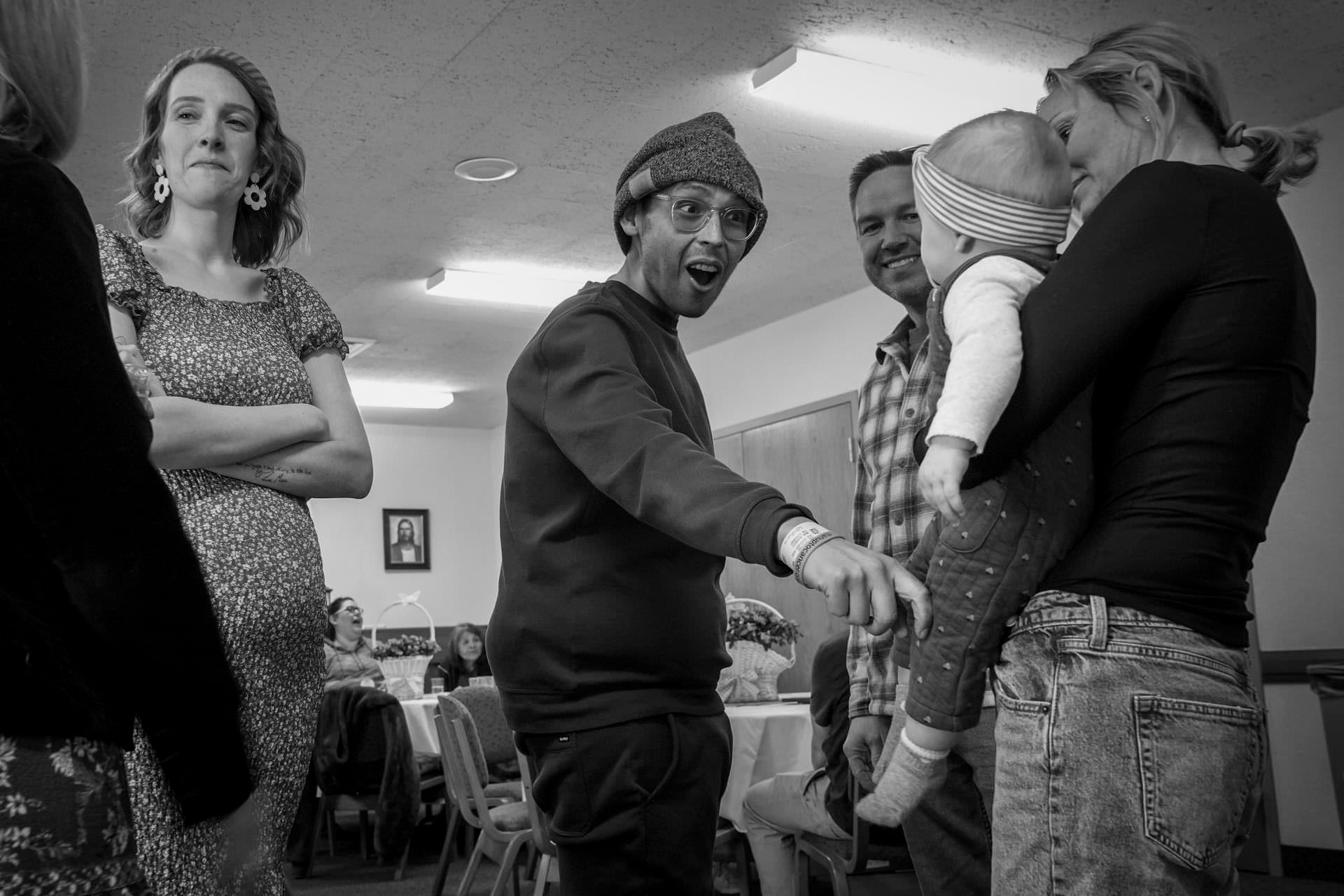
Photo by Jahi Chikwendiu/The Washington Post. Alpha 9 III. 24-70mm f/2.8 G Master. 1/60-sec., f/5.6, ISO 2500
That trust was built over time, but it wasn't without its tensions. As Tanner's condition progressed, some of those around him grew protective, particularly around sacred moments – the funeral, the birth of the baby, what would and wouldn't be shown publicly. Jahi navigated those conversations with honesty.
"I had to explain that while I understand the sensitivities, some of these pictures – even if we don't use them for publication – for history's sake, you should allow me to just take this," he recalls. A compromise was reached: certain images, including Tanner's hands in the casket and the baby's face, would be documented but held back from publication.
When contest season came around, Jahi returned to Shay with an open conversation. "I gave the full spiel," he says, "and it was an immediate yes from her – because she had already seen the reaction to the story that was published, and she was living the life of that reaction." That rebuilt trust is what ultimately allowed the world to see the essay's most powerful closing frames: the baby being held by Tanner, Shay resting in the spot where Tanner used to sit, and the tight shot of Tanner's hands beside his beloved Star Wars stickers.
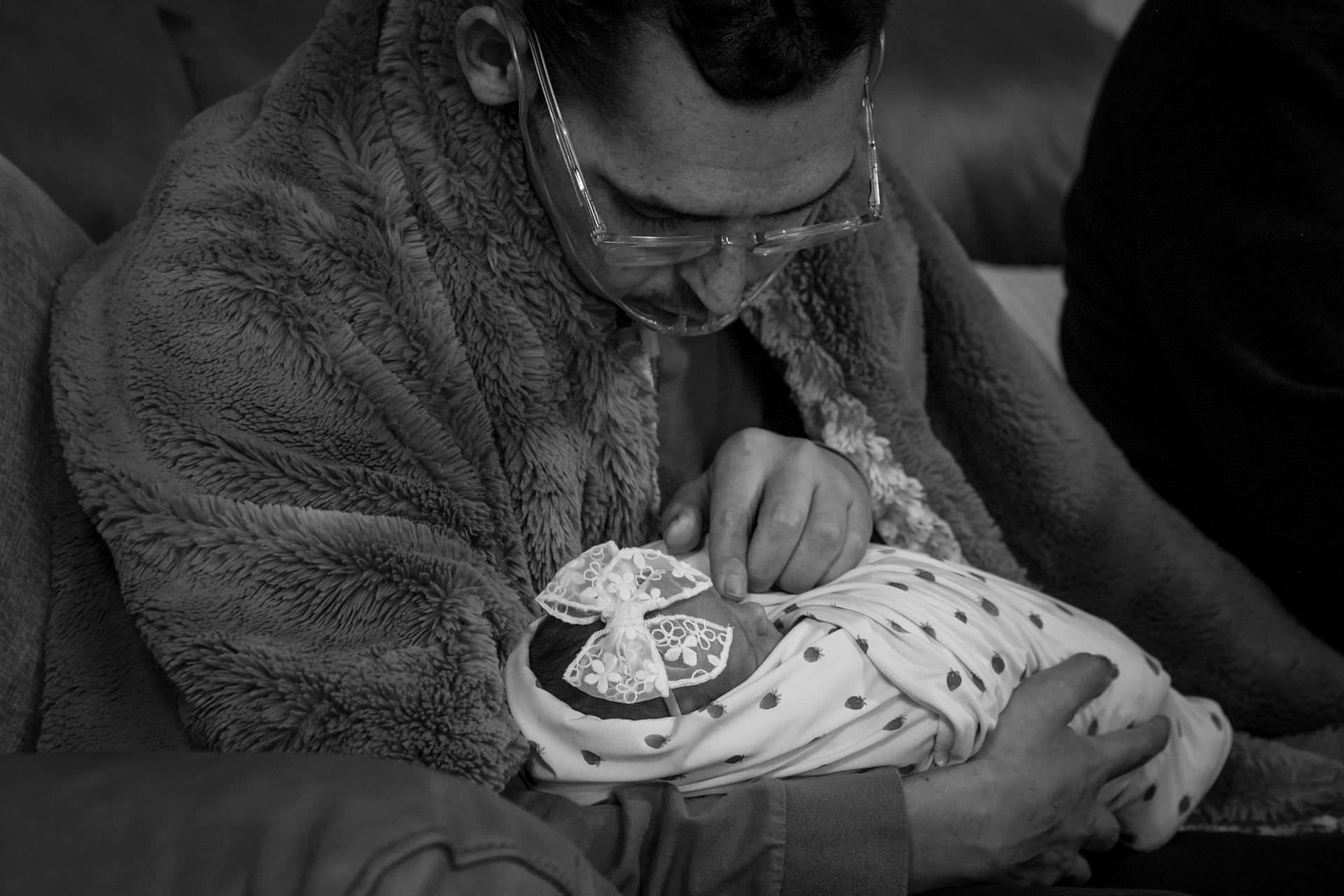
Photo by Jahi Chikwendiu/The Washington Post. Alpha 9 III. 24-70mm f/2.8 G Master. 1/50-sec., f/4.5, ISO 2500
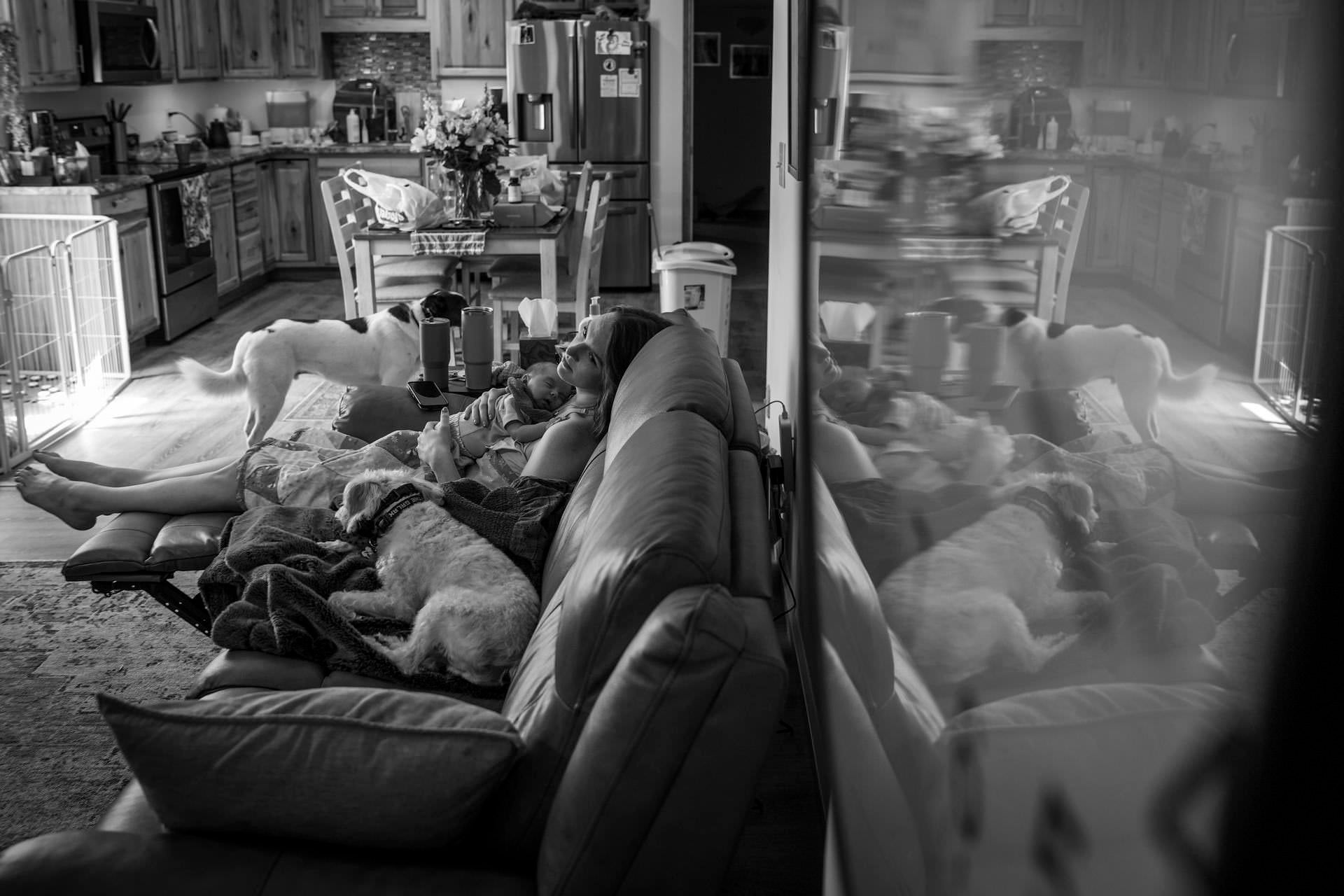
Photo by Jahi Chikwendiu/The Washington Post. Alpha 9 III. 24-70mm f/2.8 G Master. 1/40-sec., f/3.2, ISO 320
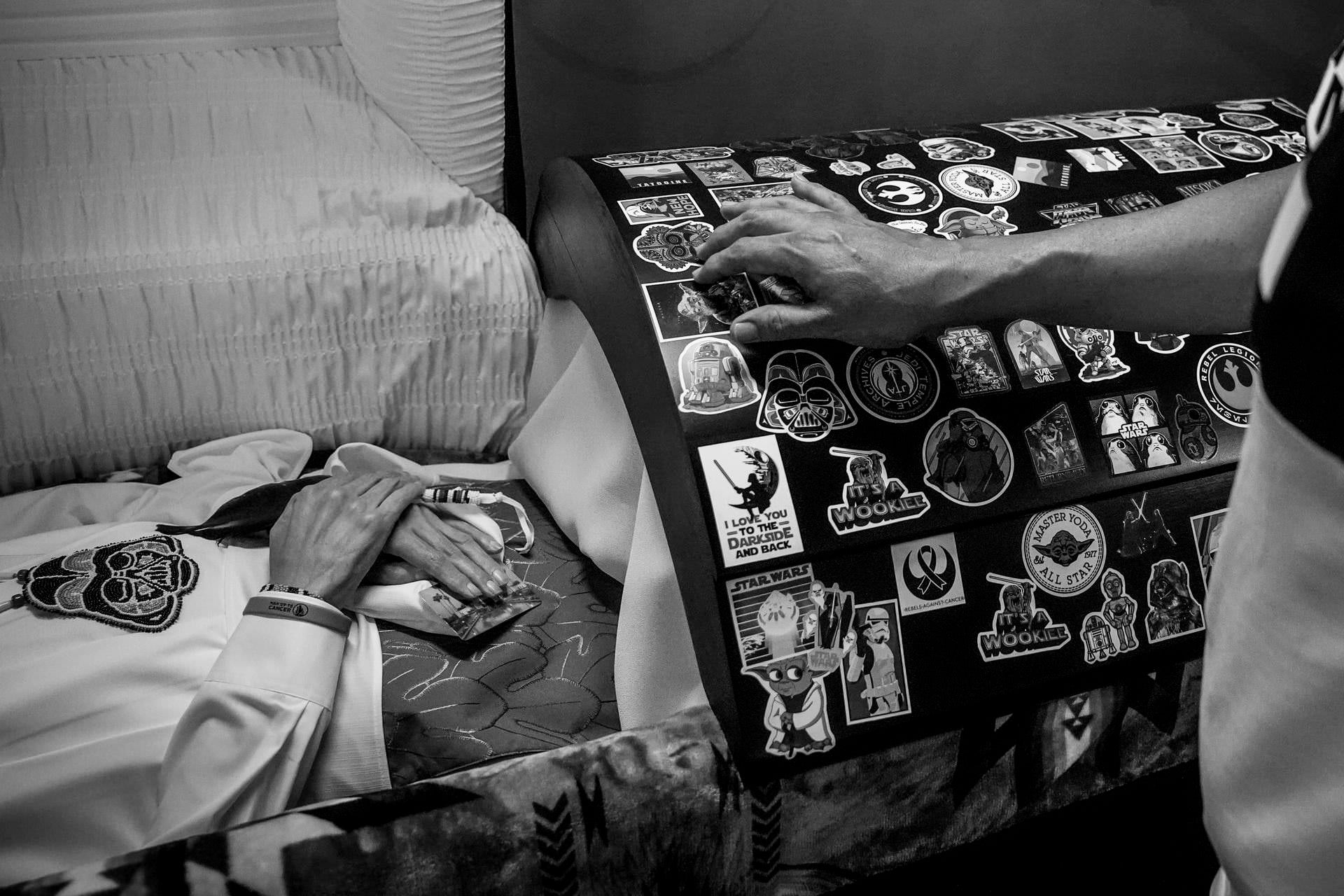
Photo by Jahi Chikwendiu/The Washington Post. Alpha 9 III. 24-70mm f/2.8 G Master. 1/400-sec., f/4, ISO 5000
As for how he balanced himself emotionally through it all? "I balanced myself by giving myself over to the flow of it. Tanner is just super funny. Shay is super funny. All their families – they're just funny people to be around, so I laughed with them a lot. I cried with them too. Some of those shots you see with Tanner crying or his mother crying – I was probably crying too. And being thankful for the Sony Autofocus, because I would have had to focus through tears otherwise."
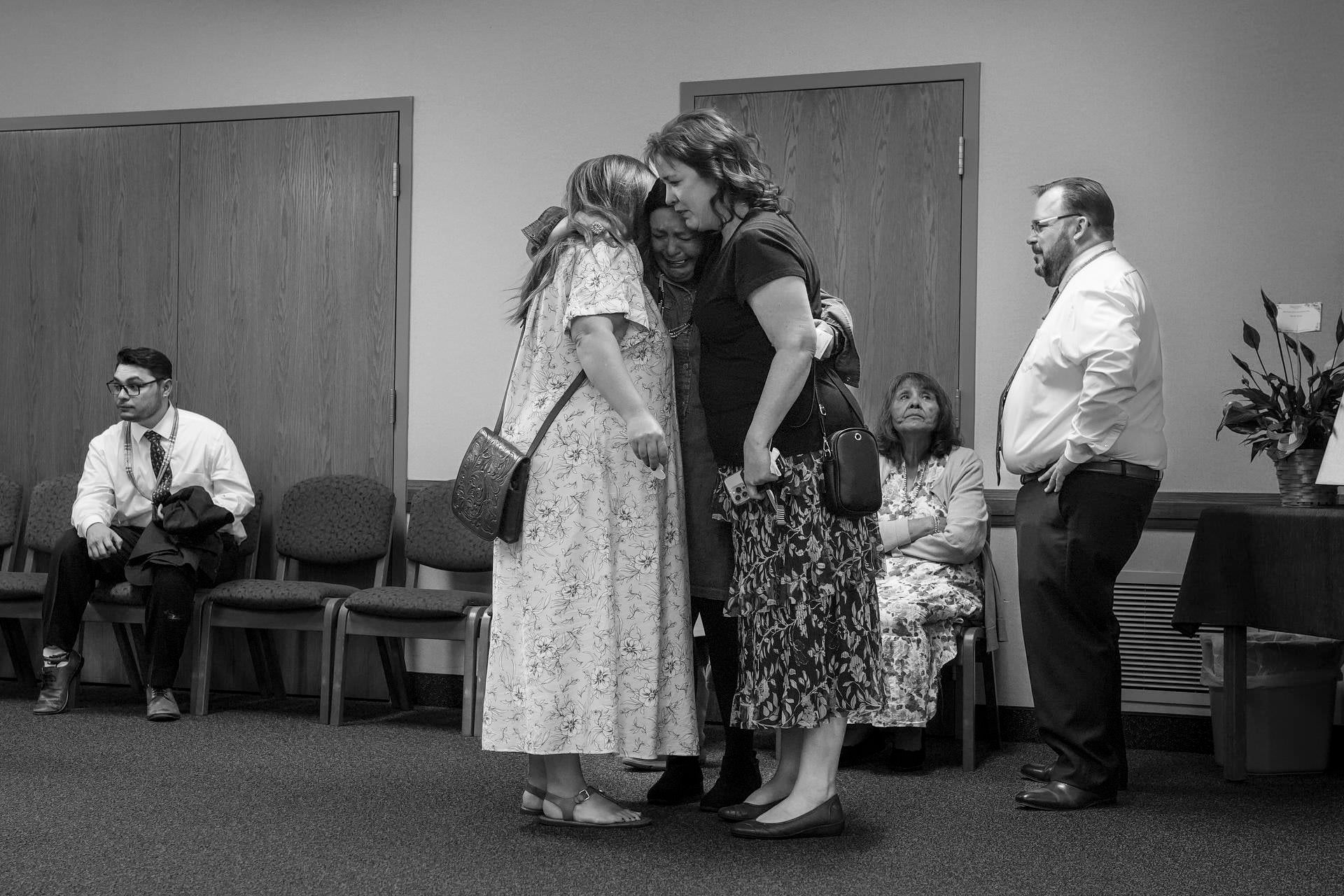
Photo by Jahi Chikwendiu/The Washington Post. Alpha 9 III. 24-70mm f/2.8 G Master. 1/125-sec., f/5, ISO 5000
The Gear: Simple, Intentional & Effective
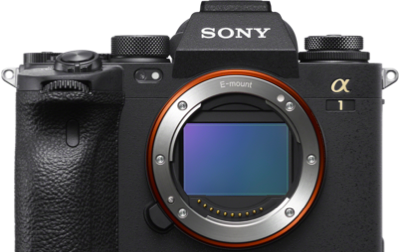
Jahi is quick to call himself anything but a gearhead – and he wears that with pride. His kit for this essay was lean and deliberate: two Sony Alpha 9 III bodies and two zoom lenses – the Sony 24-70mm f/2.8 G Master and a Sony 70-200mm f/2.8 G Master.
"I'm strictly basics and I shoot strictly manual, so there's no guesswork with me," he says.
His commitment to zooms over primes is a philosophy rooted in how he sees and layers a scene. "I've never in my professional career felt comfortable with a fixed lens. My seeing is not always at 28 or 35. No matter how much I move in or out with my feet, my eyes don't always want to see at 35."
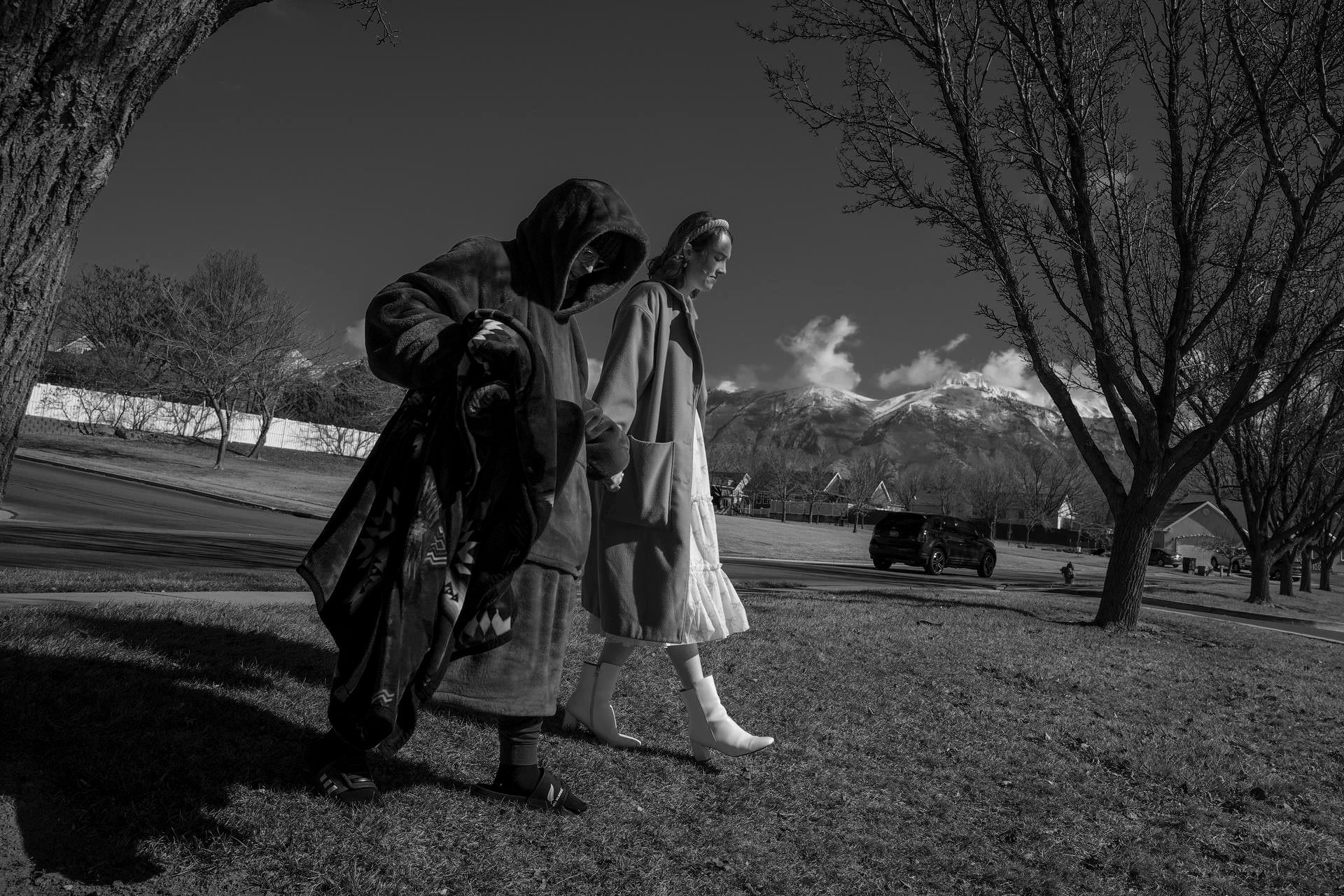
Photo by Jahi Chikwendiu/The Washington Post. Alpha 9 III. 24-70mm f/2.8 G Master. 1/1250-sec., f/8, ISO 200
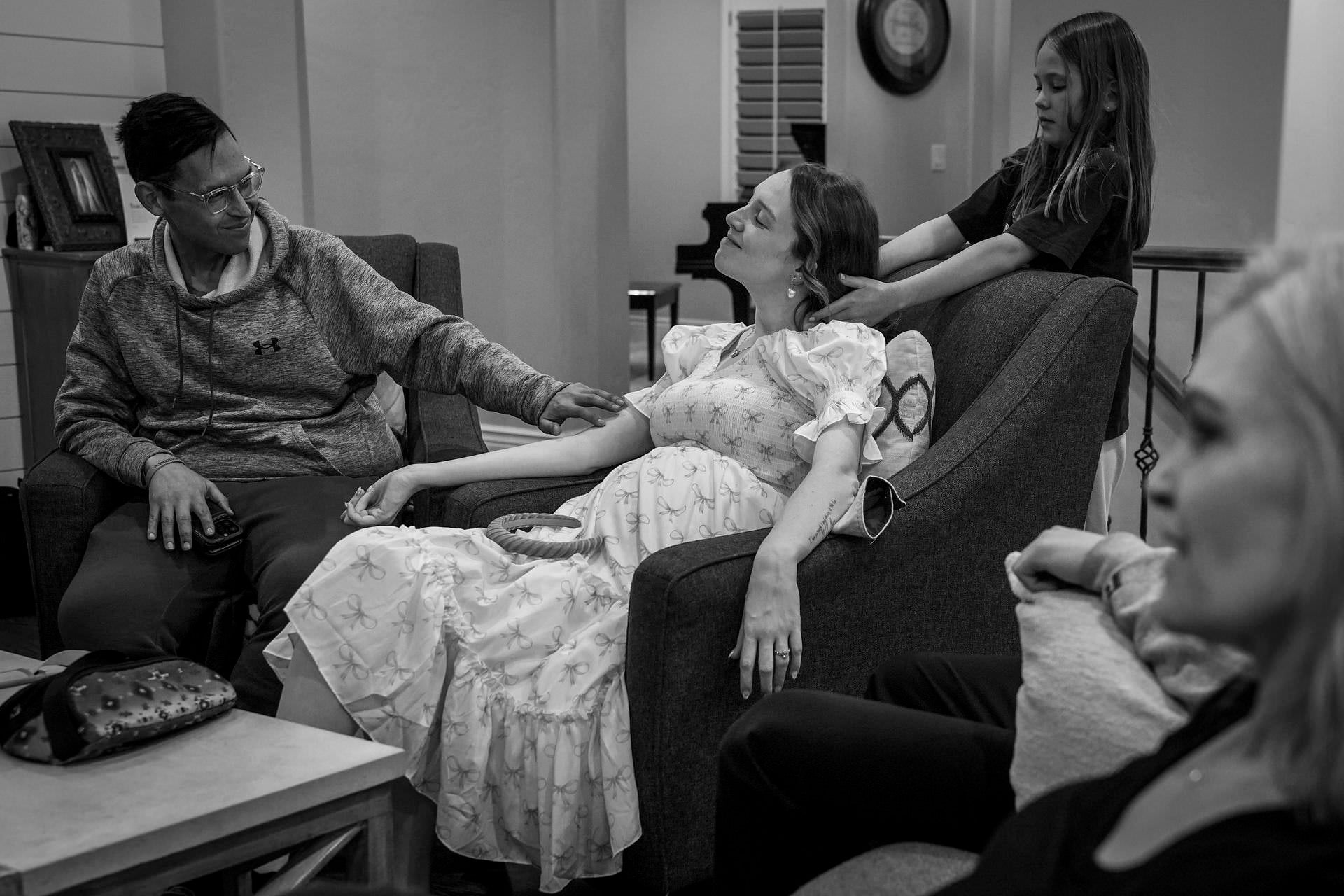
Photo by Jahi Chikwendiu/The Washington Post. Alpha 9 III. 24-70mm f/2.8 G Master. 1/160-sec., f/3.5, ISO 2500
For Jahi, the entire range between 24mm and 200mm is fair game at any given moment. "I'm looking for layers within layers as much as possible. I might be good at a 35, then take a step back and zoom in to 38 – just because it adds another layer. I land on all those odd numbers between 24 and 200 depending on what the circumstance calls for."
The Sony bodies delivered where it mattered most. "These Sony cameras were responsive to what I wanted them to do."
What The Pulitzer Means
For Jahi, the recognition lands on multiple levels and he's thoughtful about separating them. "Personally, when I'm doing this work, I'm not even thinking about any of that – my priority was Tanner and Shay. So for anybody who recognizes that I did them well, cool. It's secondary to the primary."
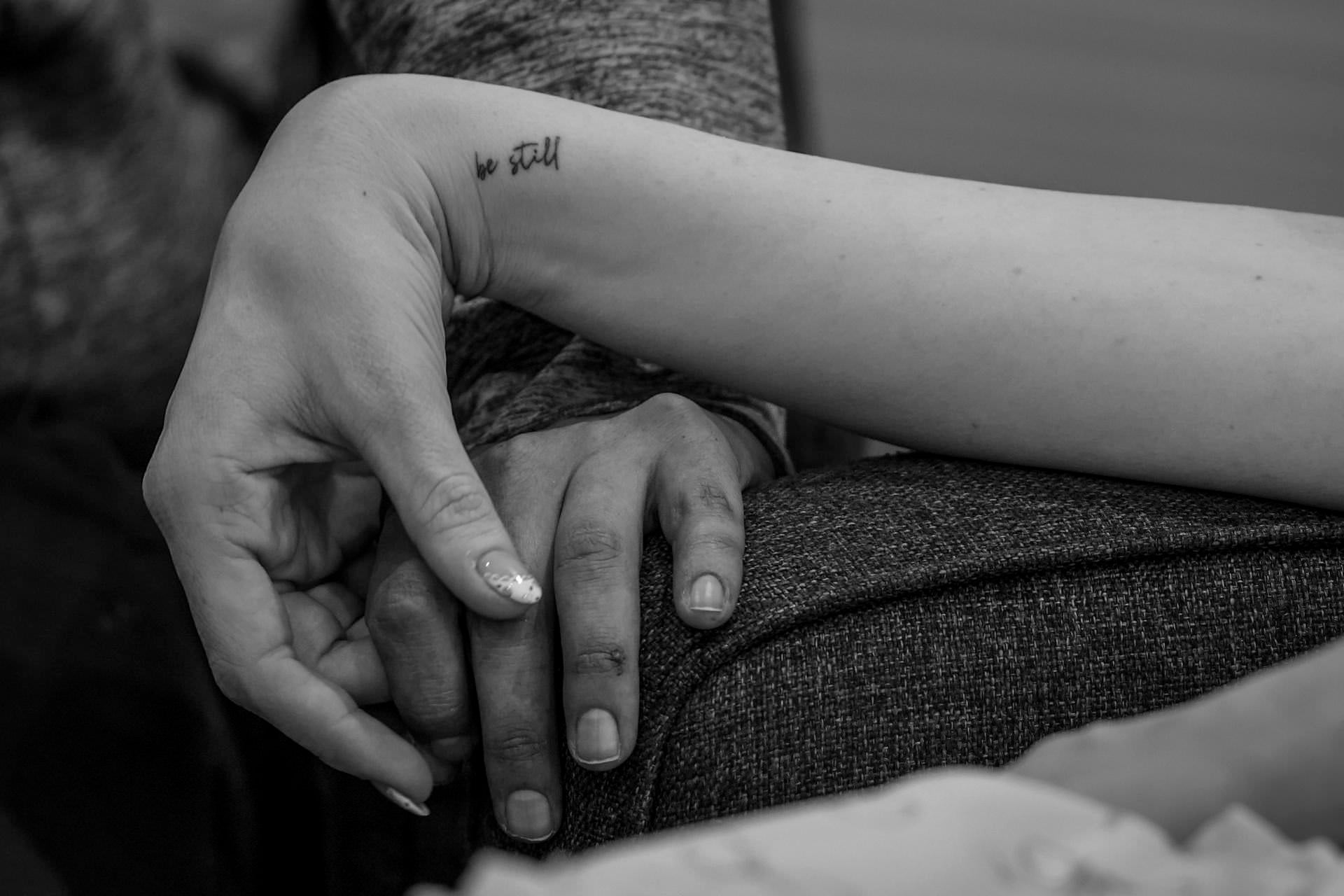
Photo by Jahi Chikwendiu/The Washington Post. Alpha 9 III. 24-70mm f/2.8 G Master. 1/125-sec., f/5, ISO 5000
But there's another personal dimension that runs deeper. "My nieces and nephews, my mother, my father – this means a great deal to a great number of people who loved me and supported me and made me who I wanted to be. My mother started buying me little books, a camera book from a garage sale here and there. That's where it all began. My father's last camera was my first."
Professionally, his perspective is equally grounded and honest. "I know it means a lot to a lot of people to see this young Black dude who might have come from a little more than nothing be able to shine like this and be recognized professionally. This sets a huge example for a lot of people."
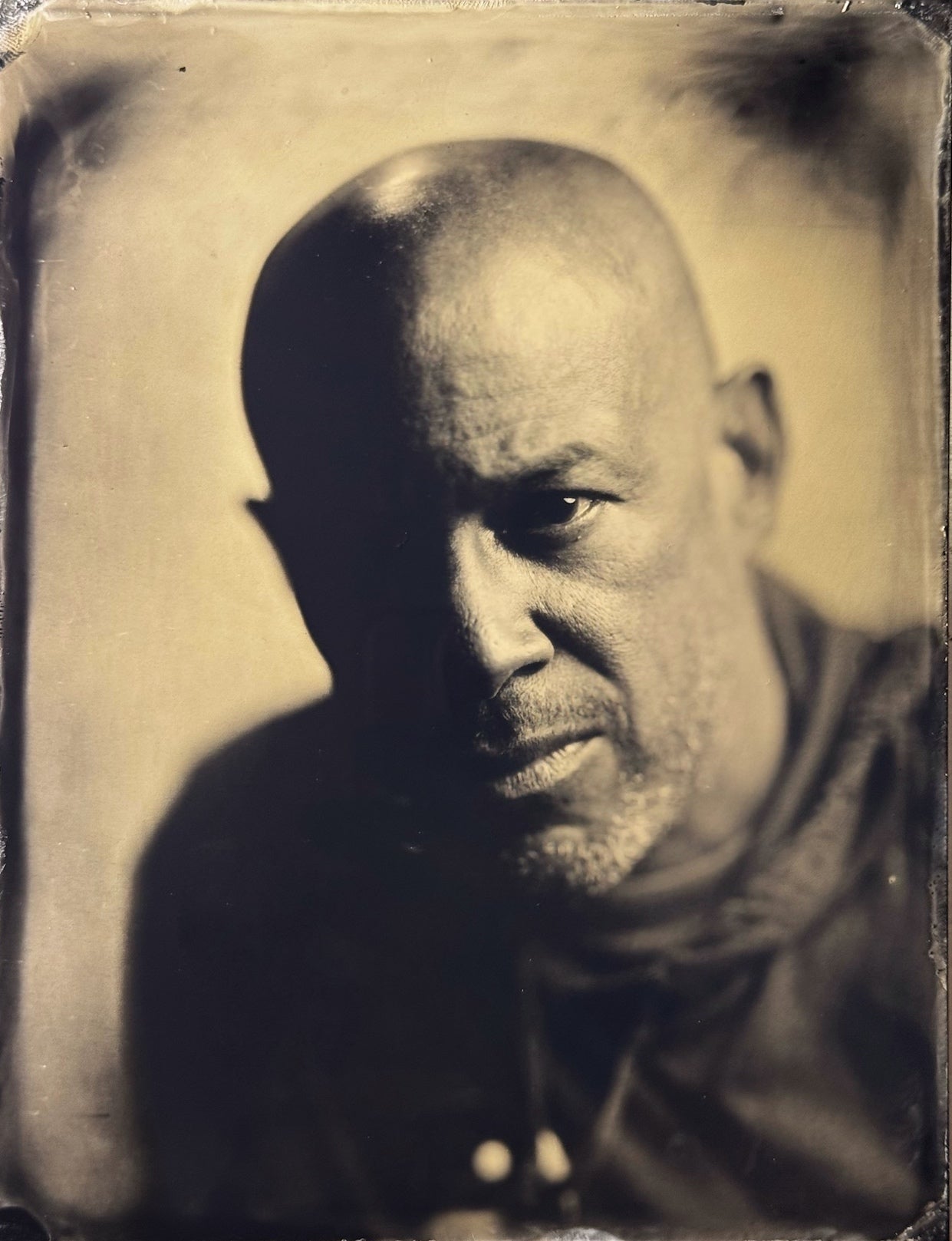
Photographer Jahi Chikwendiu
He pauses, then adds: "I'm taking a cinematography class right now, and my colleagues are proud to be in a class with me. That means something."
Jahi Chikwendiu was a staff photographer for The Washington Post for nearly 25 years. His Pulitzer Prize-winning photo essay on Tanner and Shay can be viewed on WashingtonPost.com.