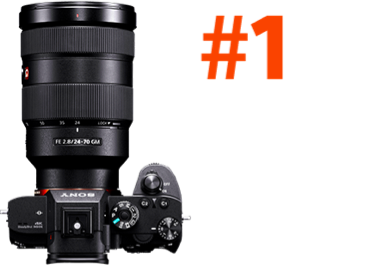
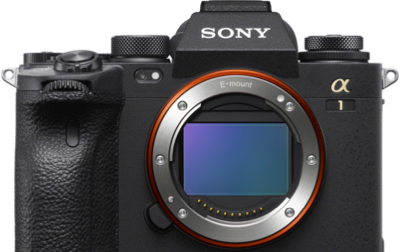
For Sony Artisan Jean Fruth, a major postseason baseball assignment is an opportunity to tell a story from every possible perspective. Across five games in Milwaukee and Tampa, she worked with Sony Alpha 1 II camera bodies and a versatile collection of G Master lenses like the Sony 28-70mm f/2 G Master and Sony 50-150mm f/2 G Master – but one new addition quickly became a creative favorite: the Sony 8-14mm f/3.5 Fisheye G.
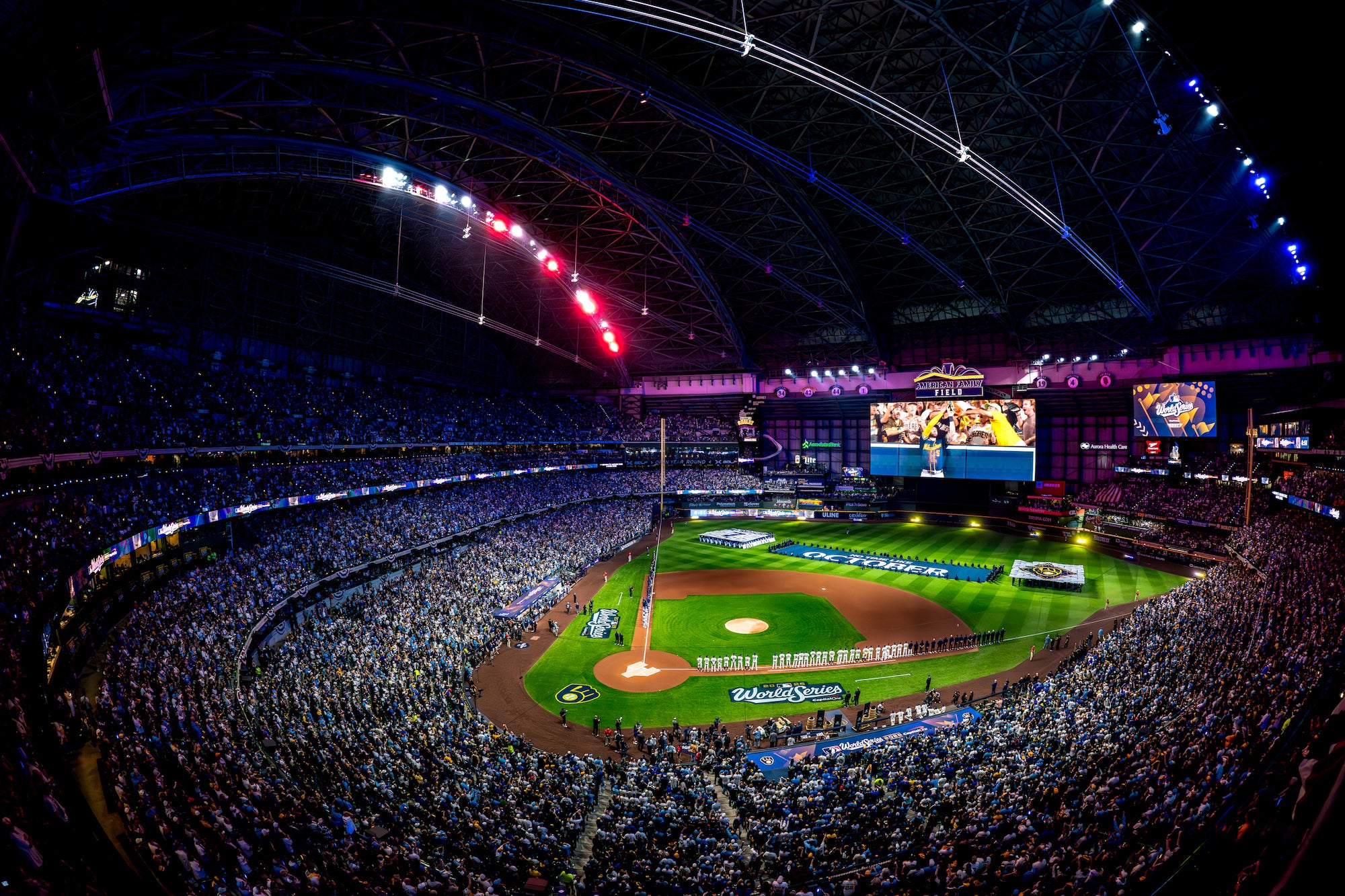
Photo by Jean Fruth. Alpha 1 II. 8-14mm f/3.5 Fisheye G. 1/640-sec. f/3.5. ISO 2500.
Fruth used the fisheye to make a familiar environment like the ballpark feel new. Here, she shares the gear and approach she used to build a complete visual story for the biggest games in baseball.
My Photography Gear
Cameras
-
2× Alpha 1 II
-
1x Alpha 1
Lenses
- 8-14mm f/3.5 Fisheye G
- 50-150mm f/2 G Master
- 28-70mm f/2 G Master
- 600mm f/4 G Master
- 400mm f/2.8 G Master
- 70-200mm f/2.8 G Master II
- 16-35mm f/2.8 G Master II
- 12-24mm f/2.8 G Master
Building A Complete Story
I never know my assigned photo positions before arriving, so I prepare for a wide range of shooting situations. During this assignment, I worked from several positions at each ballpark and spent time moving through the venues to find fresh backgrounds, interesting layers and unexpected perspectives.
My goal is always to make a collection of images feel complete. Beyond the moments on the field, I look for the scale of the stadium, the atmosphere before the gates open, the energy in the stands and the small details that give an assignment its sense of place.
Scene Setters & Creative Perspectives - 8-14mm f/3.5 Fisheye G
This was my first time using the new fisheye, and I had an absolute blast with it!
I was especially excited to try it at these two stadiums because both have roofs. Milwaukee has a retractable roof, and I figured it would most likely be closed, making both stadiums perfect locations to experiment with the fisheye.
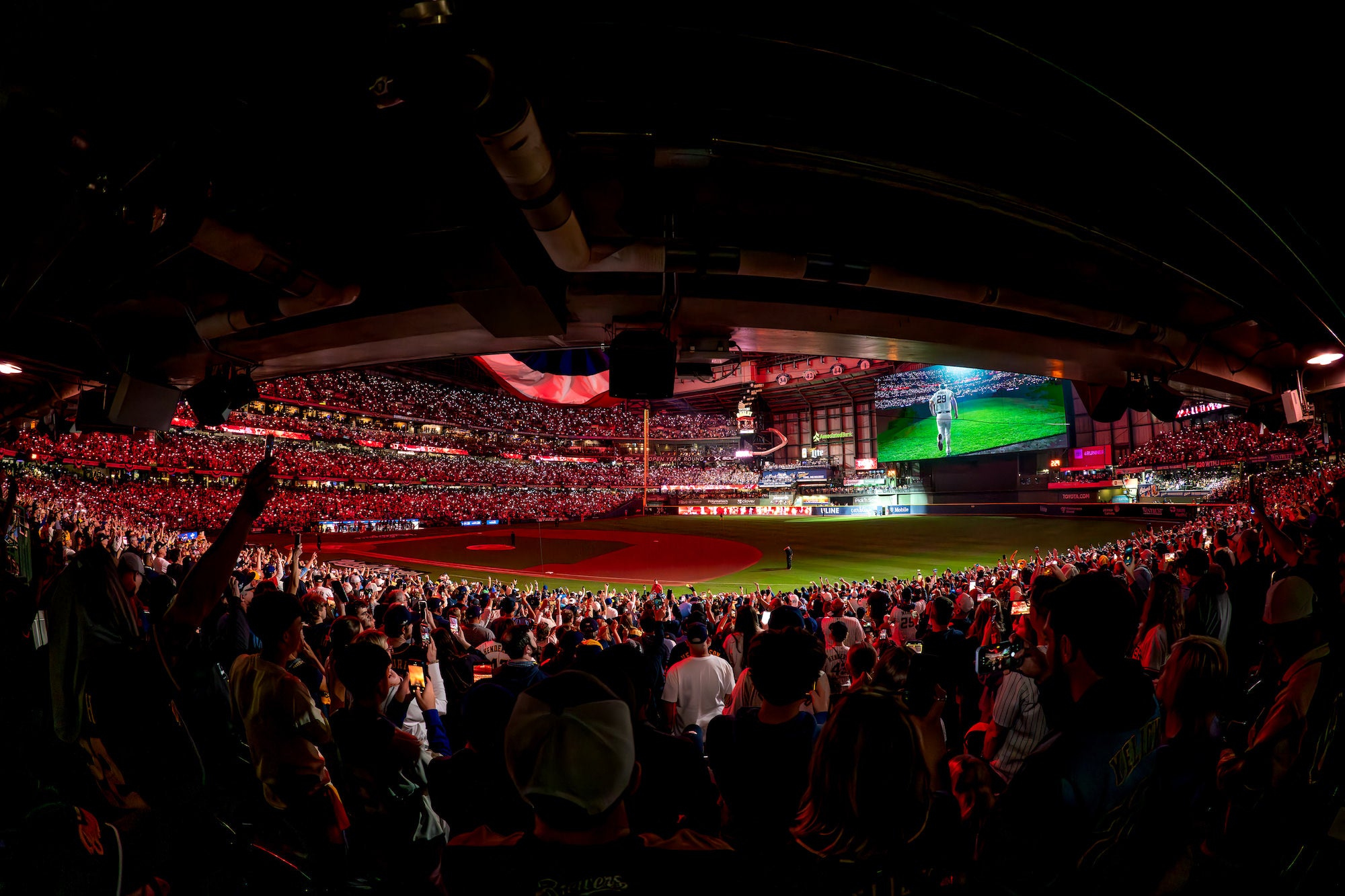
Photo by Jean Fruth. Alpha 1 II. 8-14mm f/3.5 Fisheye G. 1/500-sec. f/3.5. ISO 5000.
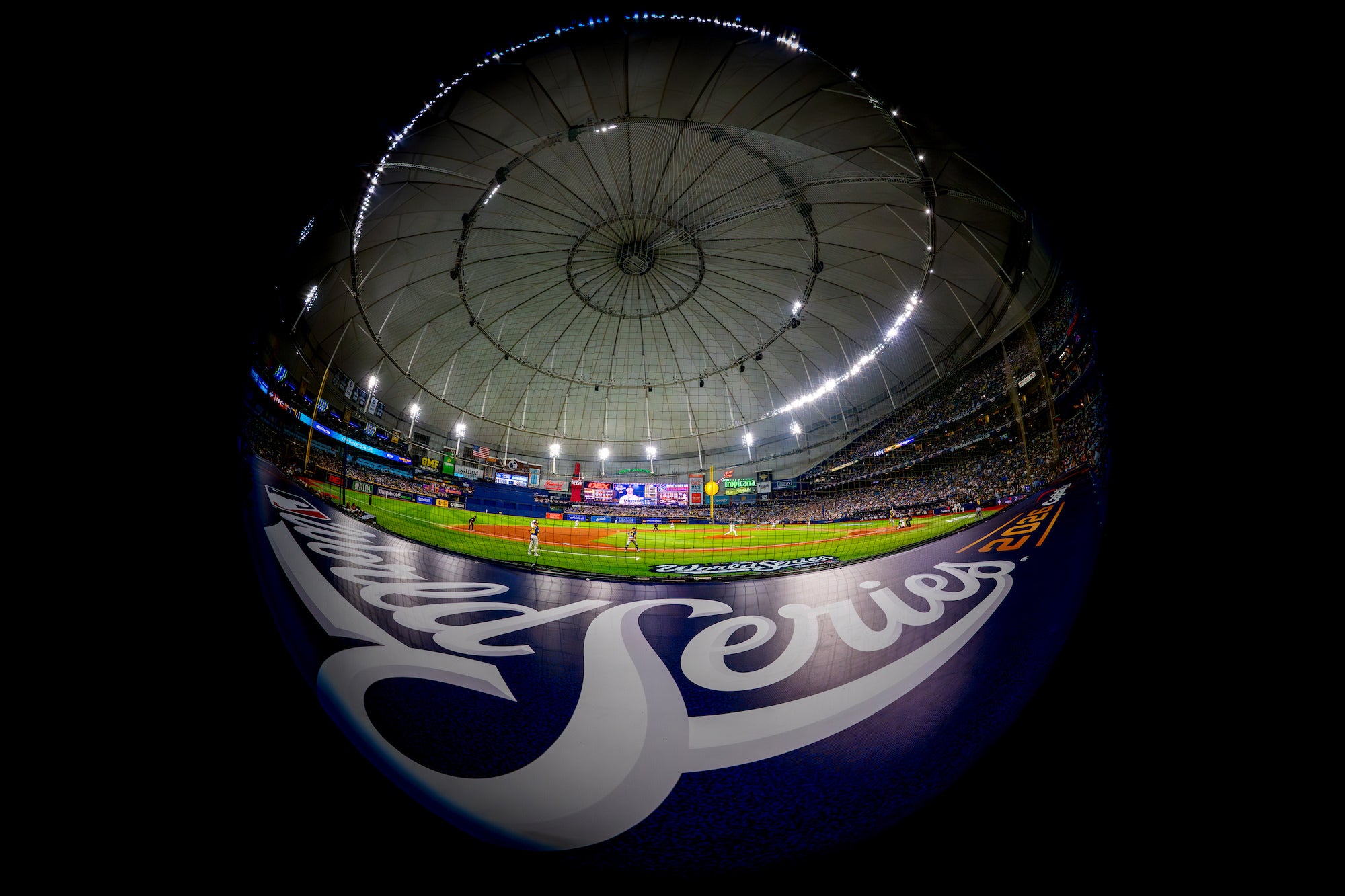
Photo by Jean Fruth. Alpha 1 II. 8-14mm f/3.5 Fisheye G. 1/1250-sec., f/4.5, ISO 3200
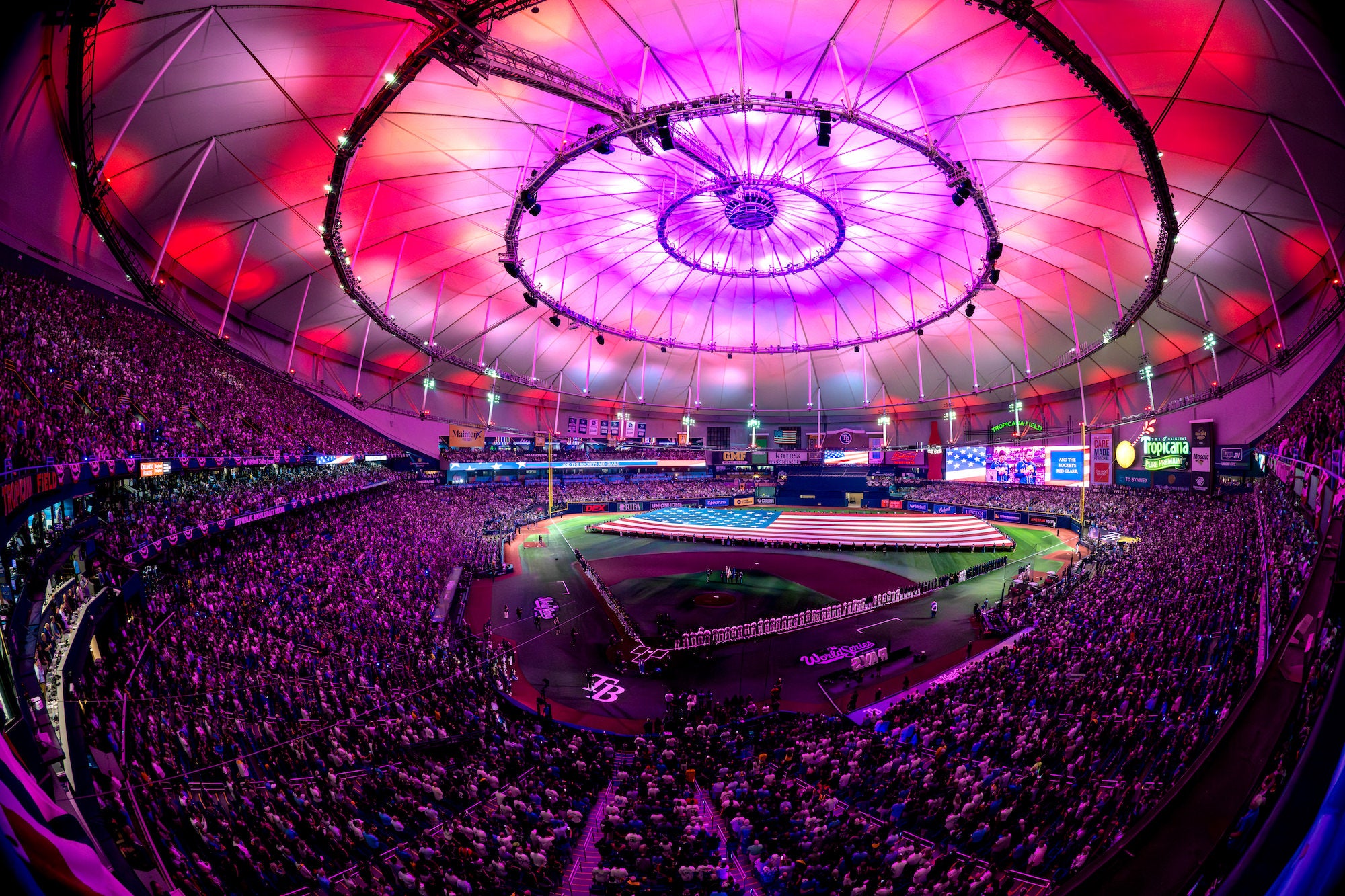
Photo by Jean Fruth. Alpha 1 II. 8-14mm f/3.5 Fisheye G. 1/500-sec. f/5. ISO 6400.
I knew the lens would be great for capturing the stadiums in a completely different way, and I couldn't wait to try it.
Once I started shooting with it, I found myself looking for other fun moments and creative ways to use it throughout the series. I loved being able to adjust the focal length depending on the look I wanted, going from the circular fisheye effect to a full-frame fisheye perspective.
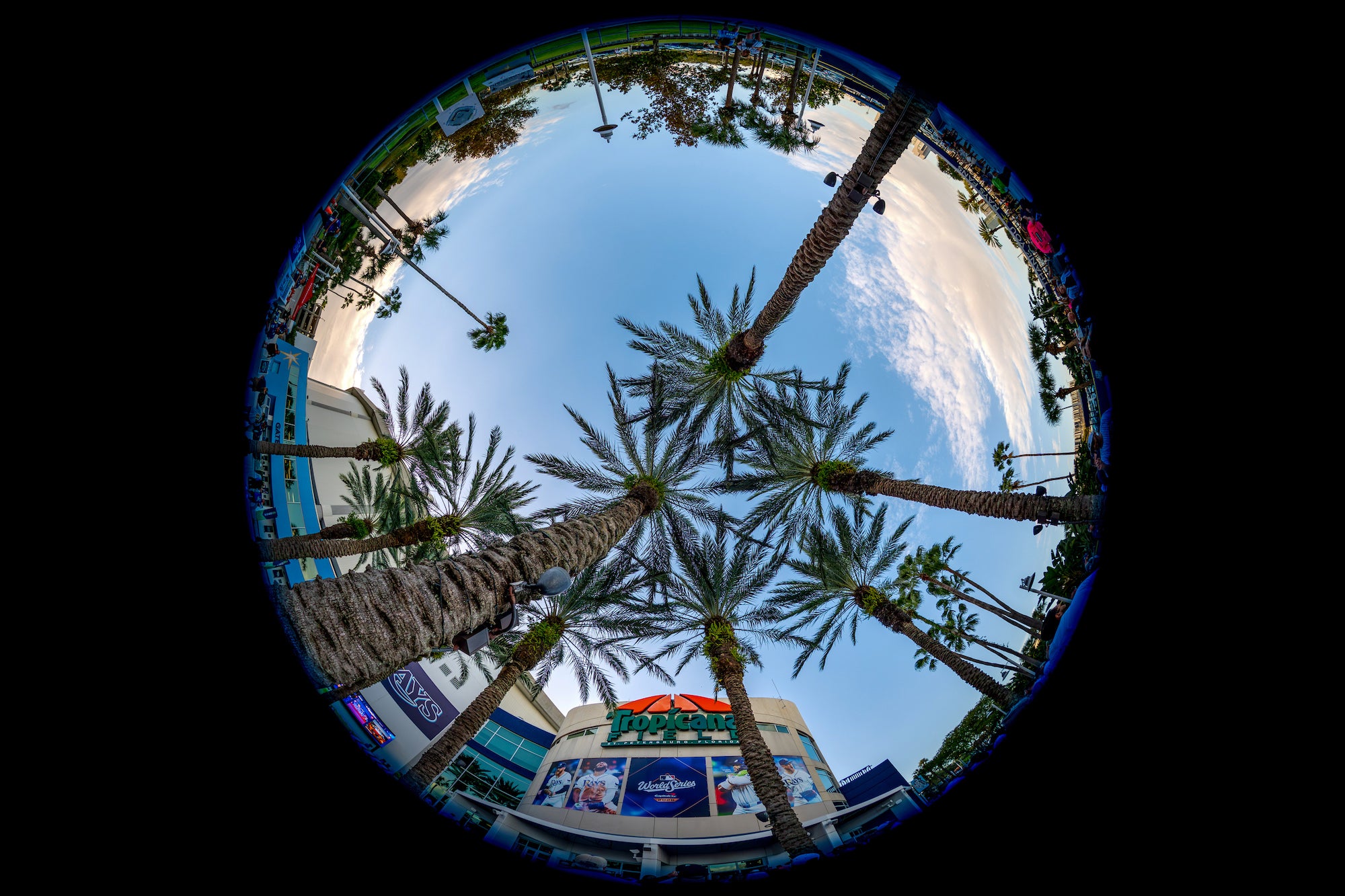
Photo by Jean Fruth. Alpha 1 II. 8-14mm f/3.5 Fisheye G. 1/1000-sec. f/4.5. ISO 320.
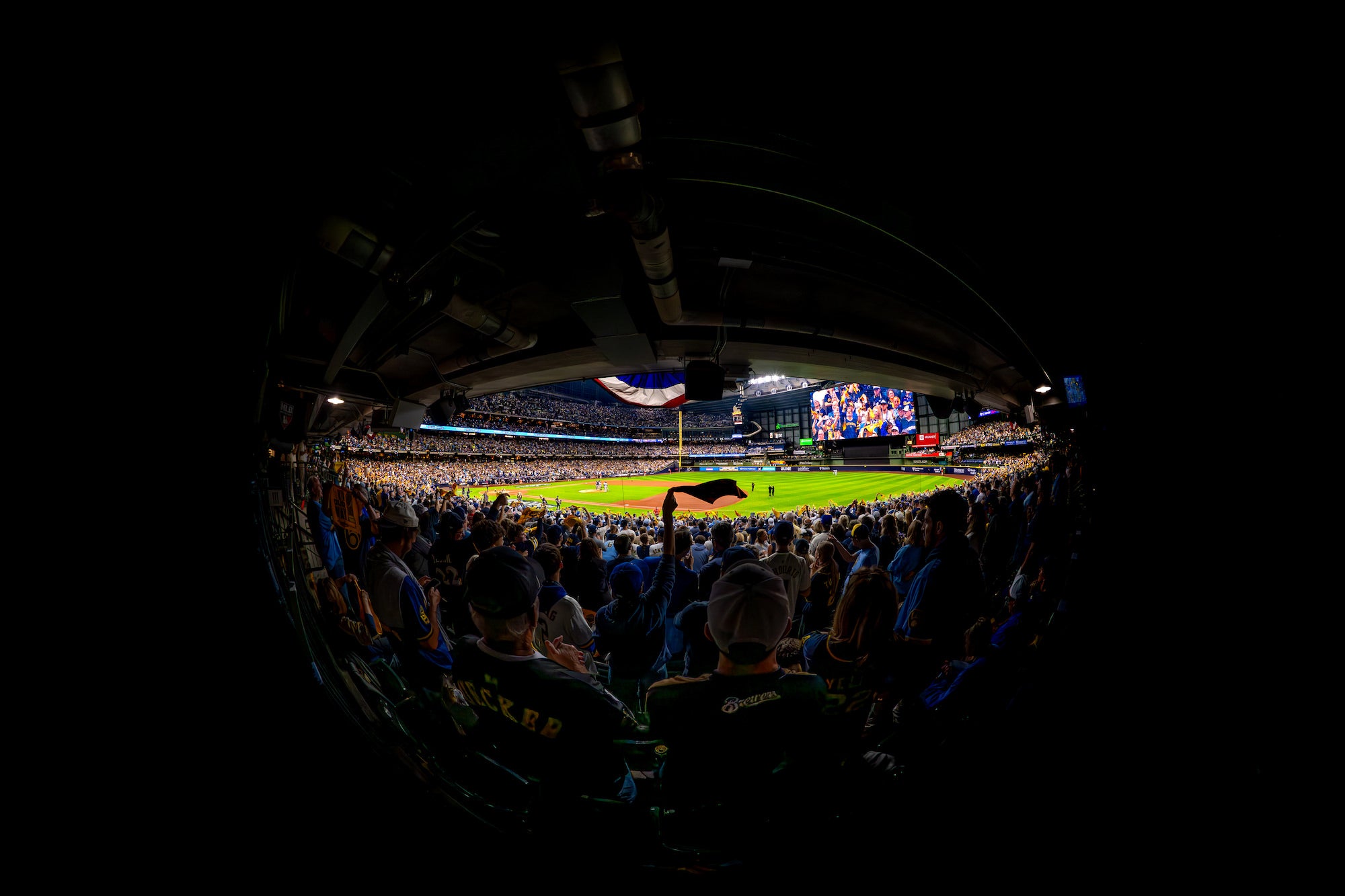
Photo by Jean Fruth. Alpha 1 II. 8-14mm f/3.5 Fisheye G. 1/1250-sec. f/3.5. ISO 2500.
It was so much fun to run around and play with this lens, finding compositions I wouldn't normally capture with my other gear.
The fisheye is definitely going to have a permanent place in my kit! It adds something really unique to a collection of images and gives me another way to tell the story. Plus, it's so small and lightweight that it barely takes up any room in my bag.
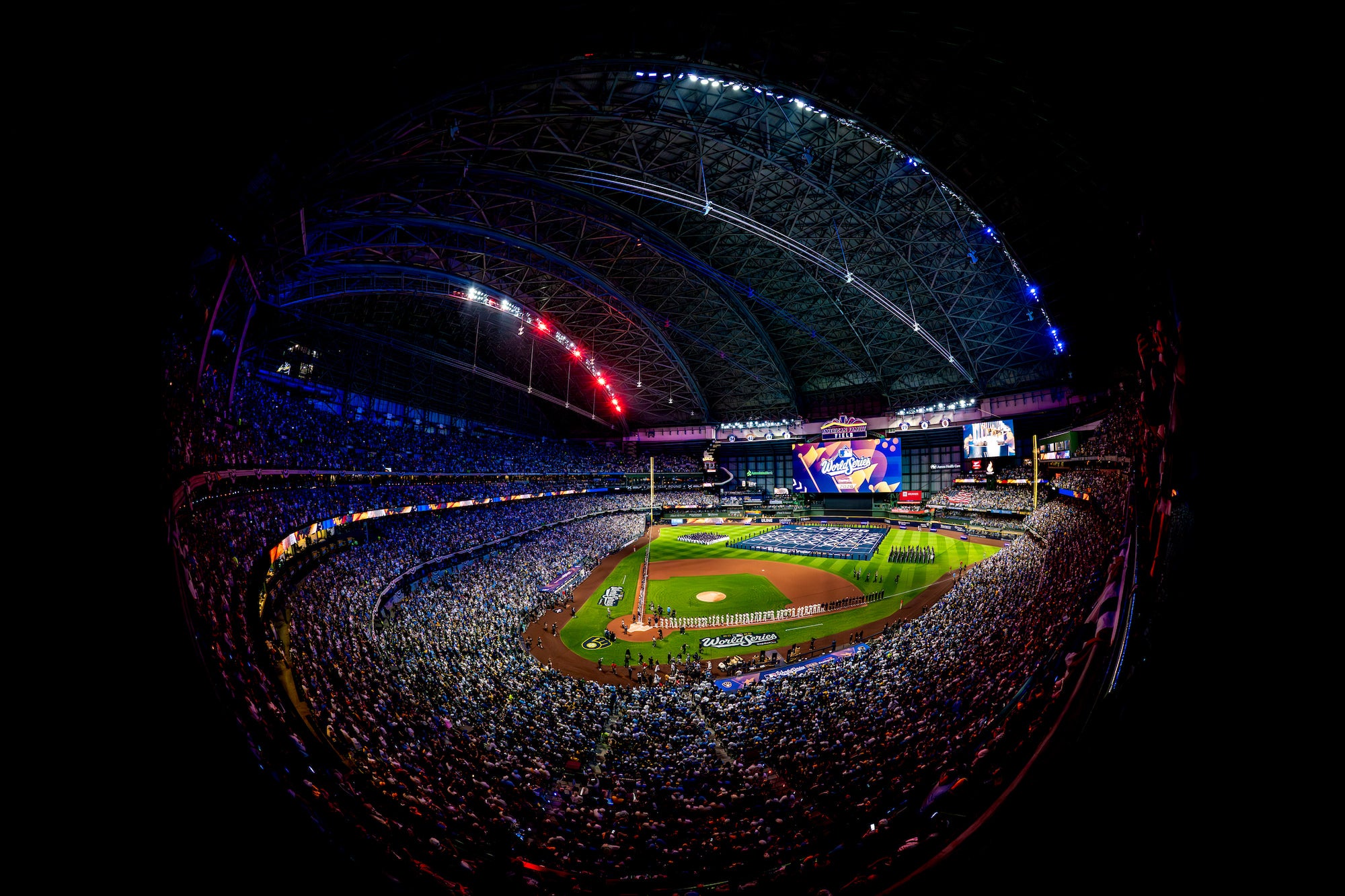
Photo by Jean Fruth. Alpha 1 II. 8-14mm f/3.5 Fisheye G. 1/640-sec. f/4.5. ISO 4000.
Fan Portraits — 50-150mm f/2 G Master & 28-70mm f/2 G Master
For fan portraits, I primarily used the 50-150mm f/2 G Master and 28-70mm f/2 G Master.
I love these two lenses for photographing fans. The f/2 aperture really makes the portraits special, and having the flexibility of the zoom ranges allows me to quickly go tight on faces to capture emotion or pull back to include more of the environment and give a sense of place.
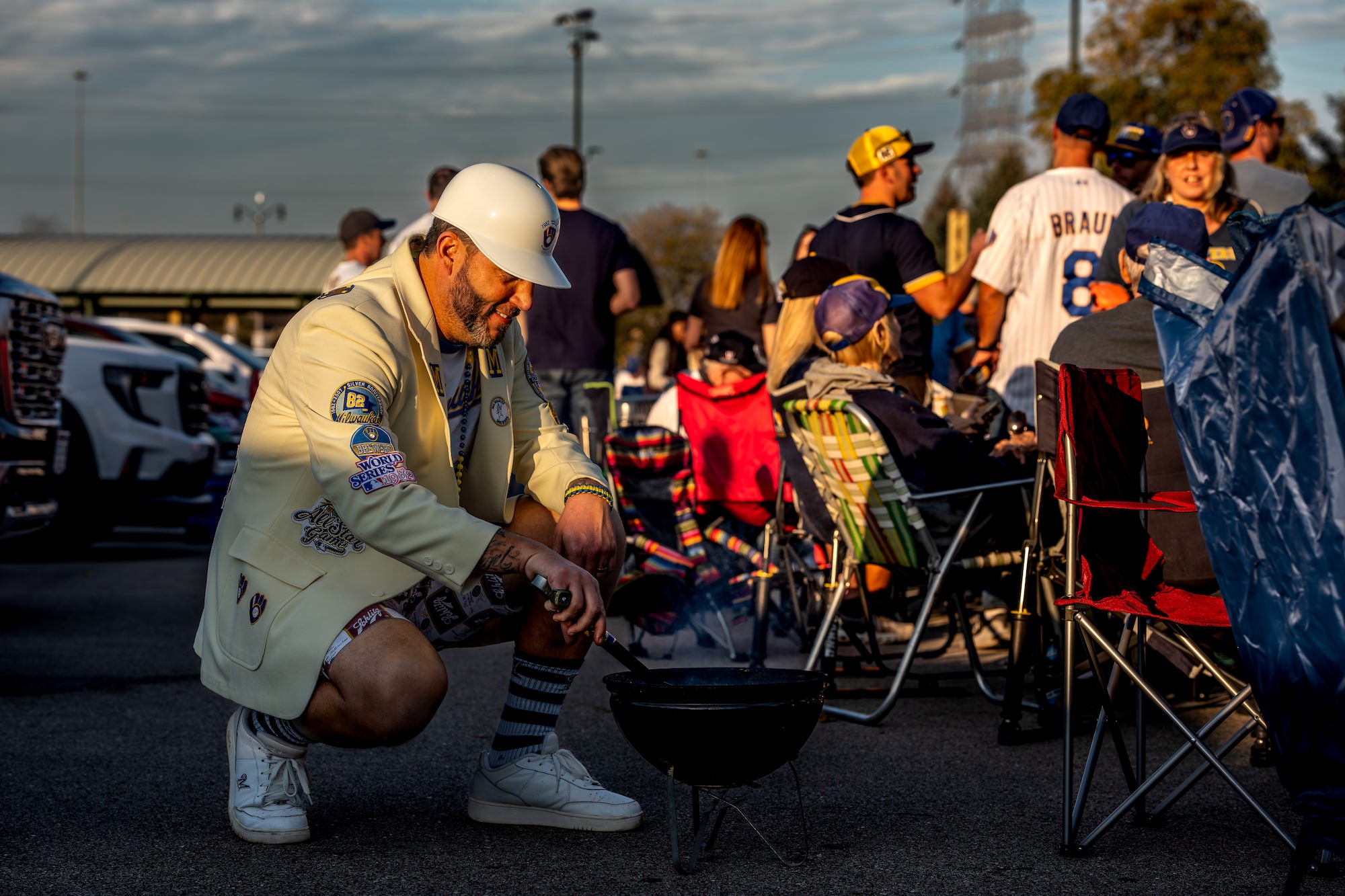
Photo by Jean Fruth. Alpha 1 II. 50-150mm f/2 G Master. 1/1600-sec. f/4.5. ISO 200.

Photo by Jean Fruth. Alpha 1 II. 50-150mm f/2 G Master. 1/1800-sec. f/4. ISO 320.
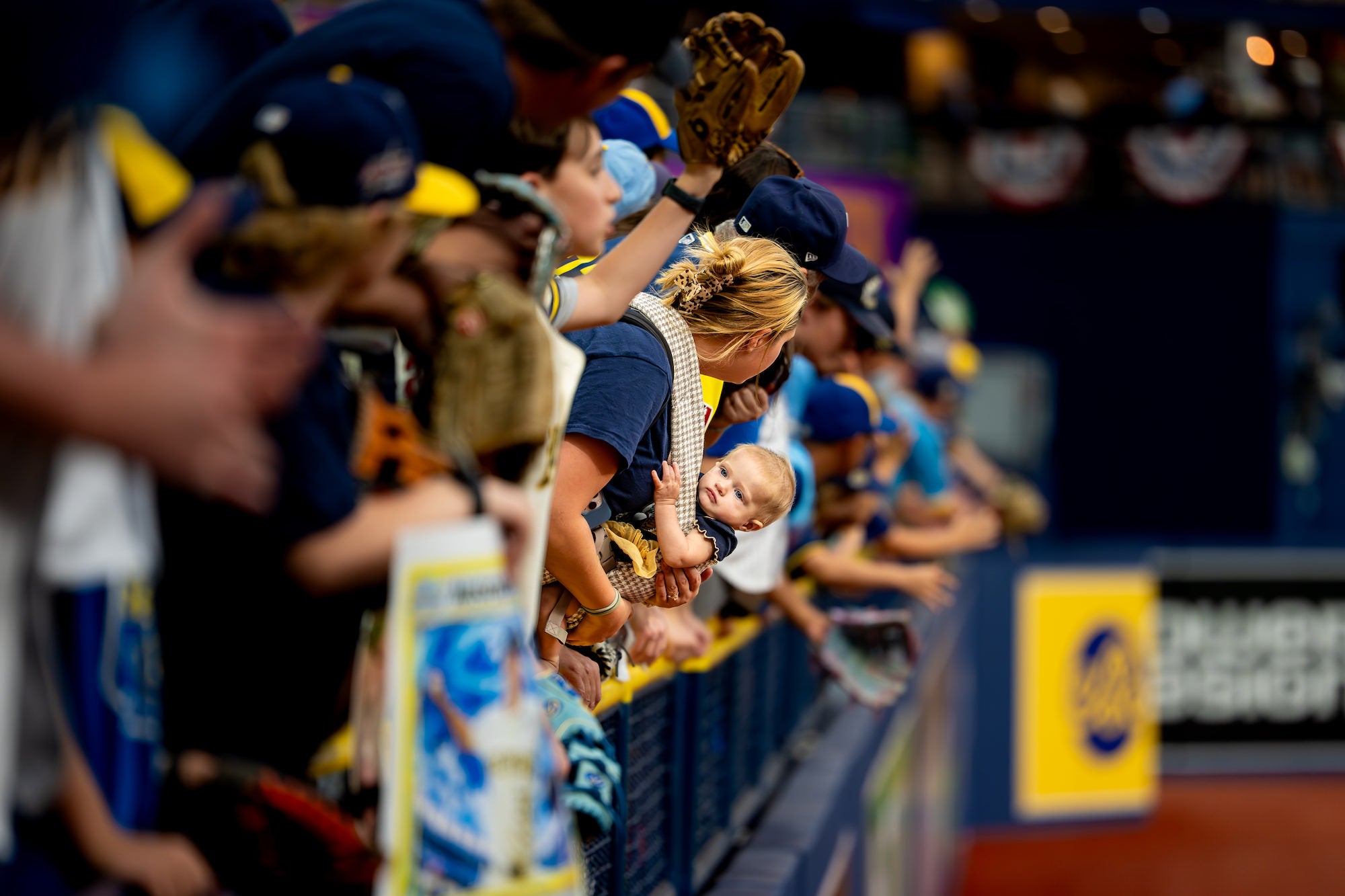
Photo by Jean Fruth. Alpha 1 II. 50-150mm f/2 G Master. 1/1600-sec. f/2. ISO 2000
These lenses are incredibly versatile for capturing the energy and personalities that make a day at the ballpark memorable. The people, rituals and details surrounding the game are an essential part of any complete visual story.
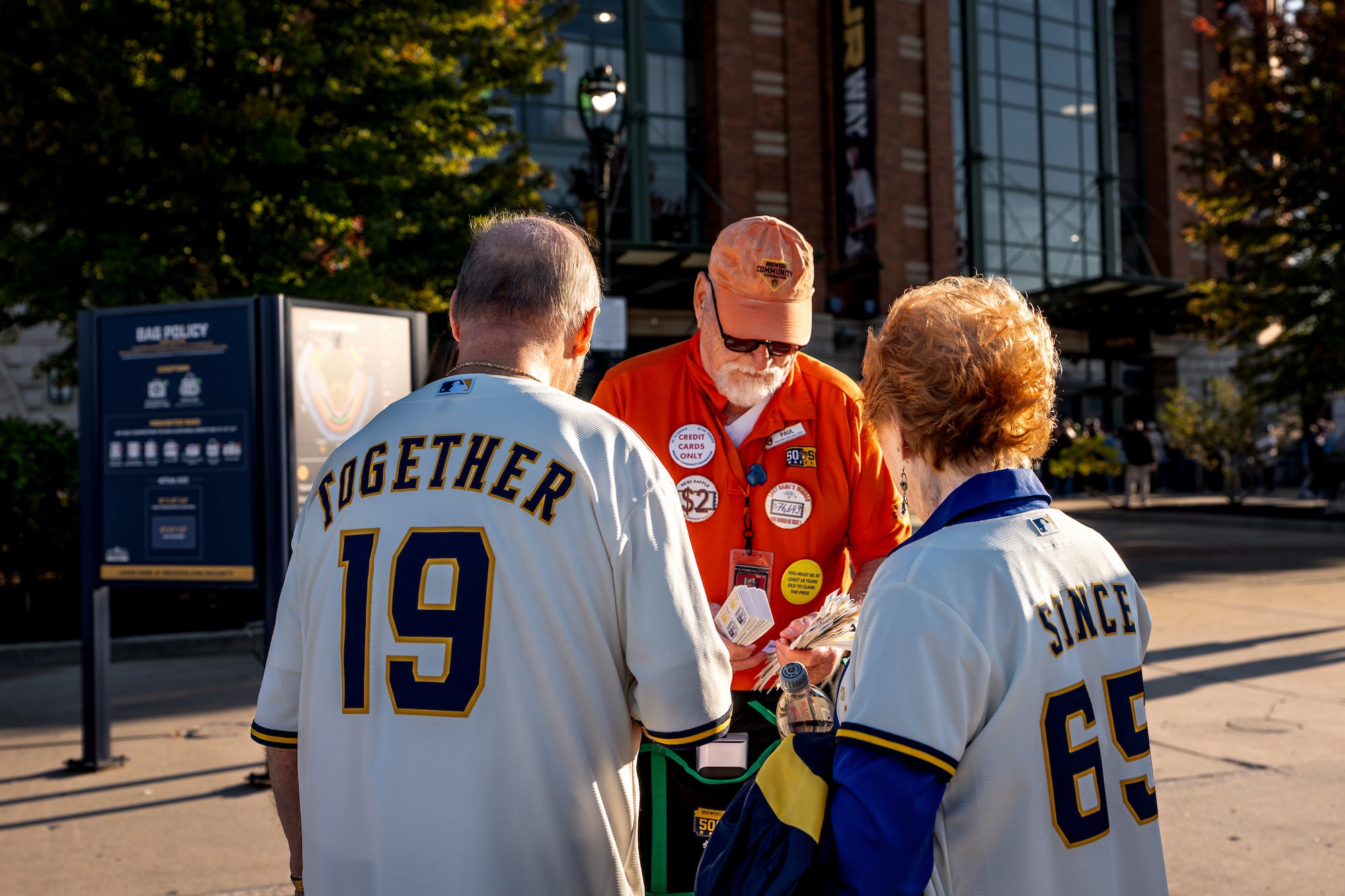
Photo by Jean Fruth. Alpha 1 II. 28-70mm f/2 G Master. 1/1600-sec. f/4. ISO 200.
Game Action, Reactions & Celebrations — 400mm f/2.8 G Master
The 400mm f/2.8 G Master was my primary lens for game action, player reactions and celebrations.
The f/2.8 aperture is especially important because I like shooting from the lower concourse, where I often have to photograph through protective netting. Having that wide aperture allows me shoot right through the netting while keeping the focus on the action.
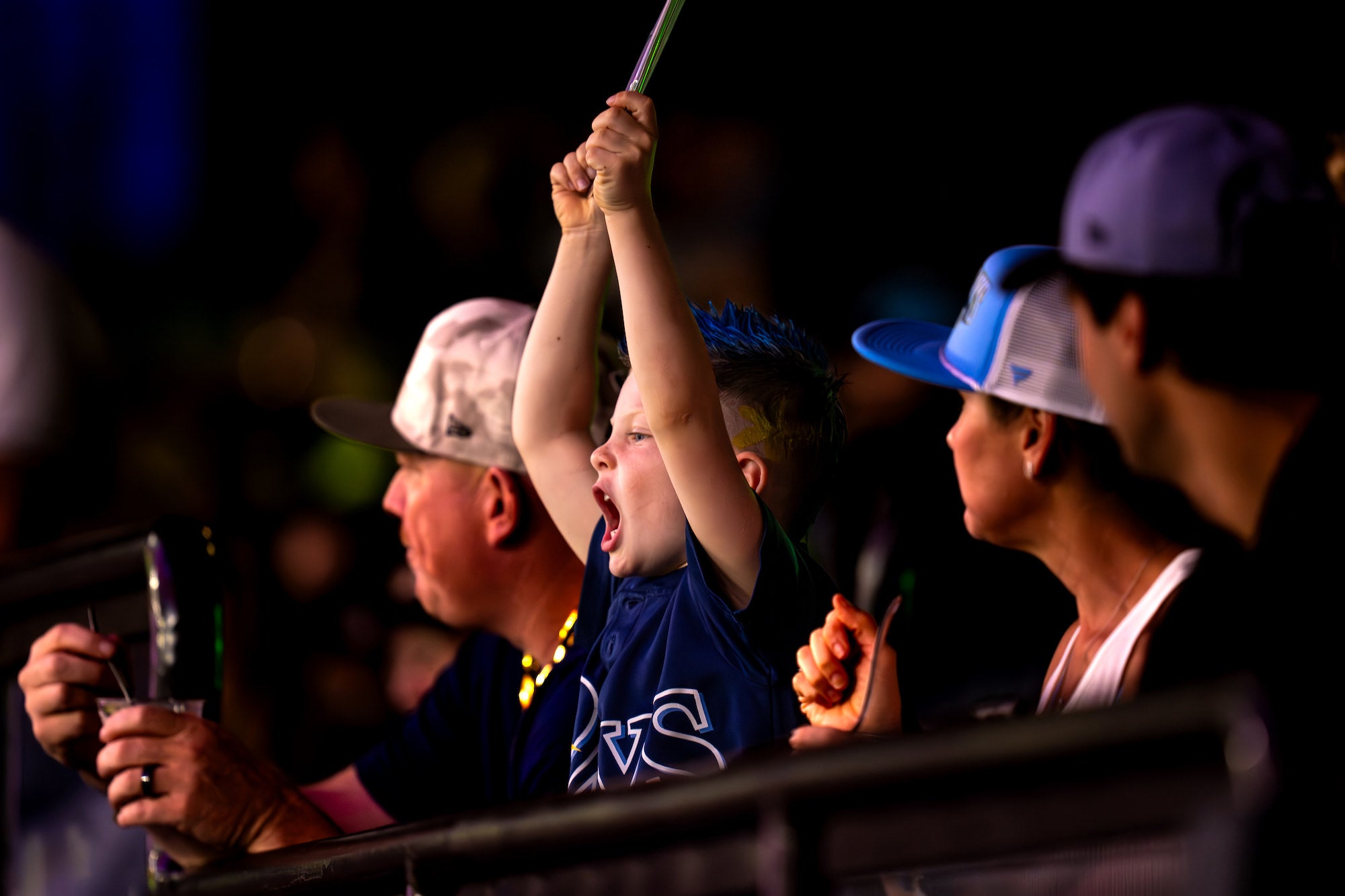
Photo by Jean Fruth. Alpha 1 II. 400mm f/2.8 G Master OSS. 1/1000-sec. f/2.8. ISO 4000.
Final Thoughts
For me, sports photography is about much more than a single moment. It's about telling the entire story, the atmosphere, the fans, the emotion, the big plays, and ultimately the celebration.
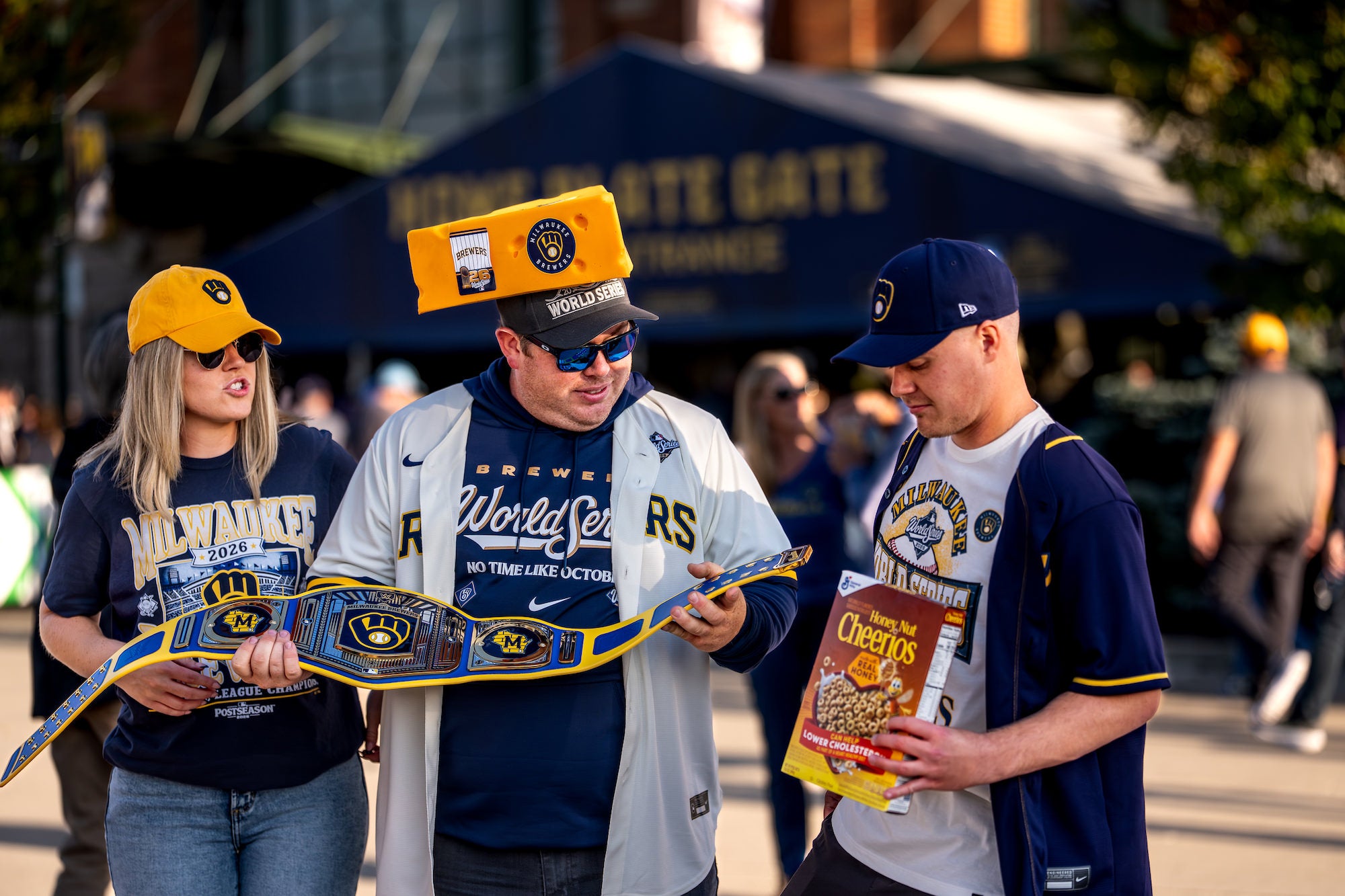
Photo by Jean Fruth. Alpha 1 II. 50-150mm f/2 G Master. 1/5000-sec. f/2. ISO 200.
Having a variety of Sony lenses gives me the flexibility to approach each of those moments differently and come away with a collection of images that feels complete, interesting and visually diverse.
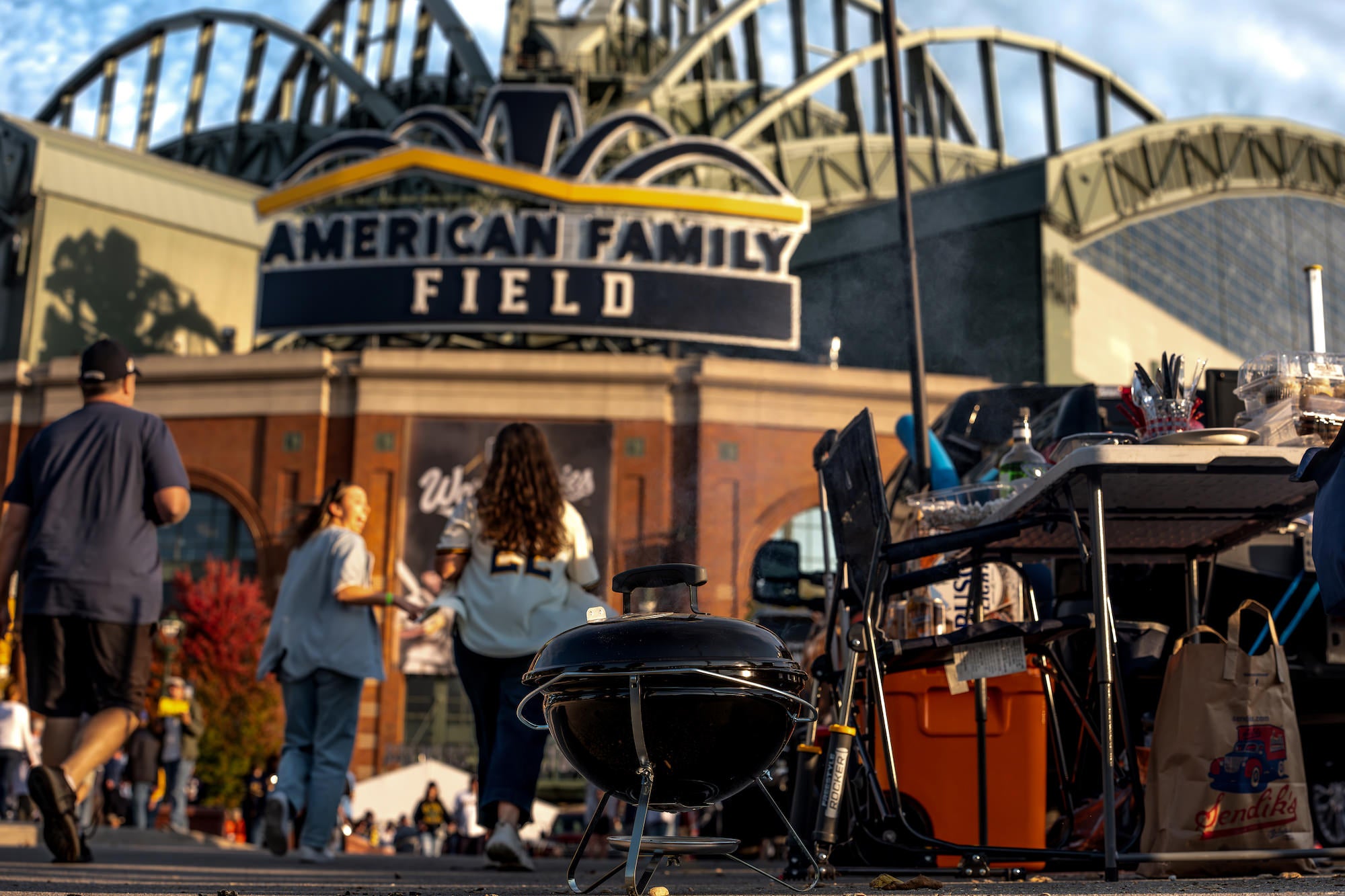
Photo by Jean Fruth. Alpha 1 II. 50-150mm f/2 G Master. 1/1600-sec. f/4.5. ISO 200.
And now, with the new fisheye in my bag, I have one more fun way to see things differently!
You can find more of Jean Fruth's work on her Alpha Universe Profile and on Instagram @jeanfruthimages.
Ready to dive deeper into sports photography?
–FREE Sports Photography 101 course on Alpha Camera Academy
–Best Sony Lenses For Sports Photography
–Explore more sports photography content across the Alpha Universe