Food photography is all about control: controlling perspective, depth of field, texture, color and the relationship between a dish and its environment. Whether you’re photographing a plated meal at Thanksgiving, capturing a cookbook spread or building a food-and-drink portfolio, the right lens helps you create images that feel as inviting as the meal itself.
For the strongest food photography kit, start with a versatile standard zoom, add a bright normal prime for shallow depth of field, and make room for a dedicated macro lens when the smallest details matter. These Sony lenses cover each of those needs.
What are the best Sony lenses for food photography?
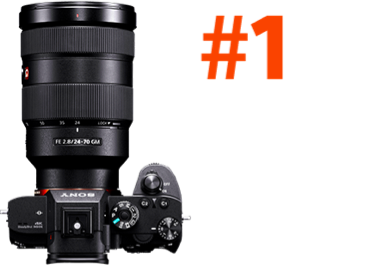
1. Sony 24-70mm f/2.8 G Master II
Why It’s Great For Food Photography
The food photographer’s workhorse. From an overhead arrangement of a full tablescape to a tight detail of a finished cocktail, the 24-70mm f/2.8 GM II gives you the range to build a complete visual story without changing lenses. At 24mm, you can establish the environment—the restaurant, kitchen, dining table or ingredient spread. At 50mm and 70mm, you can simplify the composition and bring the viewer directly to the dish.
The constant f/2.8 aperture makes it a reliable option for restaurant interiors and window-lit kitchens, while its close-focusing performance helps you fill the frame with a plated entrée, dessert or drink. If you need one premium lens that can handle the majority of food assignments, this is it.
Standout Features
- Constant f/2.8 aperture for consistent performance from 24mm to 70mm
- Versatile focal range for overhead, environmental and detail compositions
- Close focusing and up to 0.32x maximum magnification for tight food imagery
- G Master resolution and contrast for crisp texture and rich color rendition
- Compact, lightweight design for all-day restaurant and location work
- Aperture ring and customizable controls for fast, intuitive adjustments on set
Creator Reviews
"This lens can do it all! When I am traveling and only trying to pack the necessities for my photography gear, this one is always a no brainer. It is wide enough to capture most landscape scenarios, but also captures fine details for close up shots. I love using this lens while shooting events because of its versatility and being able to quickly capture moments with its autofocus." – Kristen Mendiola, What’s In My Bag: A Zoom, A Prime & A Macro For Food & Travel

Photo by Kristen Mendiola. Sony Alpha 7R III. Sony 24-70mm f/2.8 G Master. 1/160-sec., f/5.6, ISO 160
"It’s on my camera 70% of the time and for good reason. The range offers so much flexibility with what I can capture. I’ve shot anywhere from fast-paced food festivals to in-home family lifestyle sessions with this. Many of my shoots occur on-site at a restaurant and this one lens has allowed me to be super minimal with my gear which I greatly appreciate." – Jane Yun, What's In My Bag: 2 Zooms & 2 Primes For Food, Lifestyle & Hospitality Photography

Photo by Jane Yun. Sony Alpha 7R III. Sony 24-70mm f/2.8 G Master. 1/125-sec., f/3.2, ISO 250
2. Sony 35mm f/1.4 G Master
Why It’s Great For Food Photography
Food is rarely just about the plate. The 35mm f/1.4 GM is ideal when the experience around the food matters just as much: hands passing a dish, a chef finishing a plate, a server setting a table or the layered atmosphere of a busy kitchen. Its wider perspective brings viewers into the scene while still offering the subject separation and low-light flexibility of an f/1.4 prime.
This is an especially strong choice for editorial restaurant stories, recipe content and social-first images that need energy, context and a point of view. It captures more of the moment without losing the premium rendering and clarity expected from a G Master lens.
Standout Features
- Bright f/1.4 aperture for available-light restaurant and kitchen photography
- Versatile 35mm field of view for food, process and environmental storytelling
- Compact, lightweight build for agile handheld shooting
- Minimum focusing distance of 0.27m for close, immersive compositions
- 11-blade circular aperture for smooth, dimensional bokeh
- Weather-sealed design for demanding location work
Creator Reviews
"This lens is as essential as oxygen to me. I use it more than any other lens and this shoot was no different. I learned to resist the urge to shoot it wide open. Food looks better with some depth of field. Think f/2.8 to f/5.6 range." – David McLain, What’s In My Bag: David McLain’s Kit For Publish-Worthy Food Photography
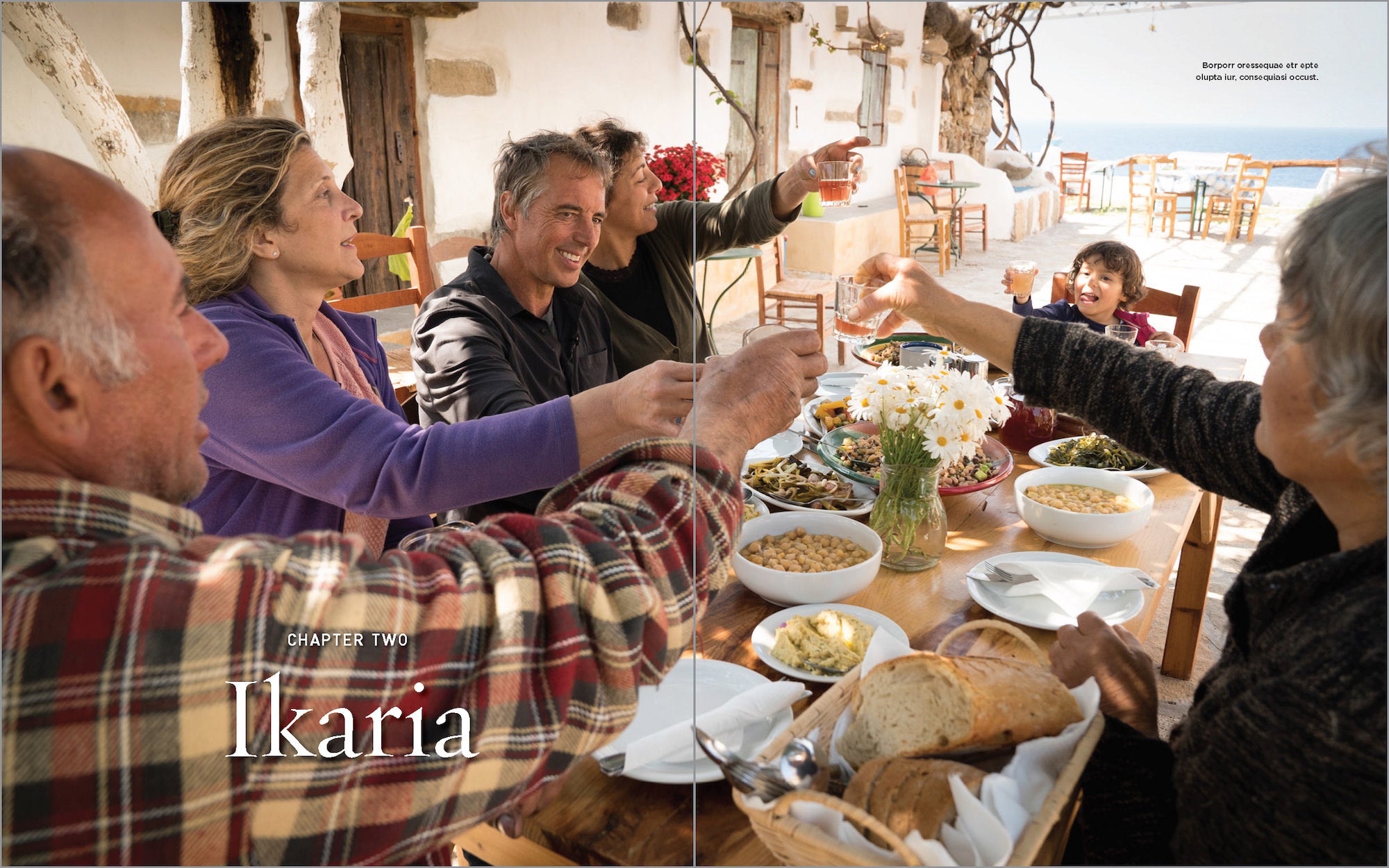
Photo by David McLain. Alpha 7R V.
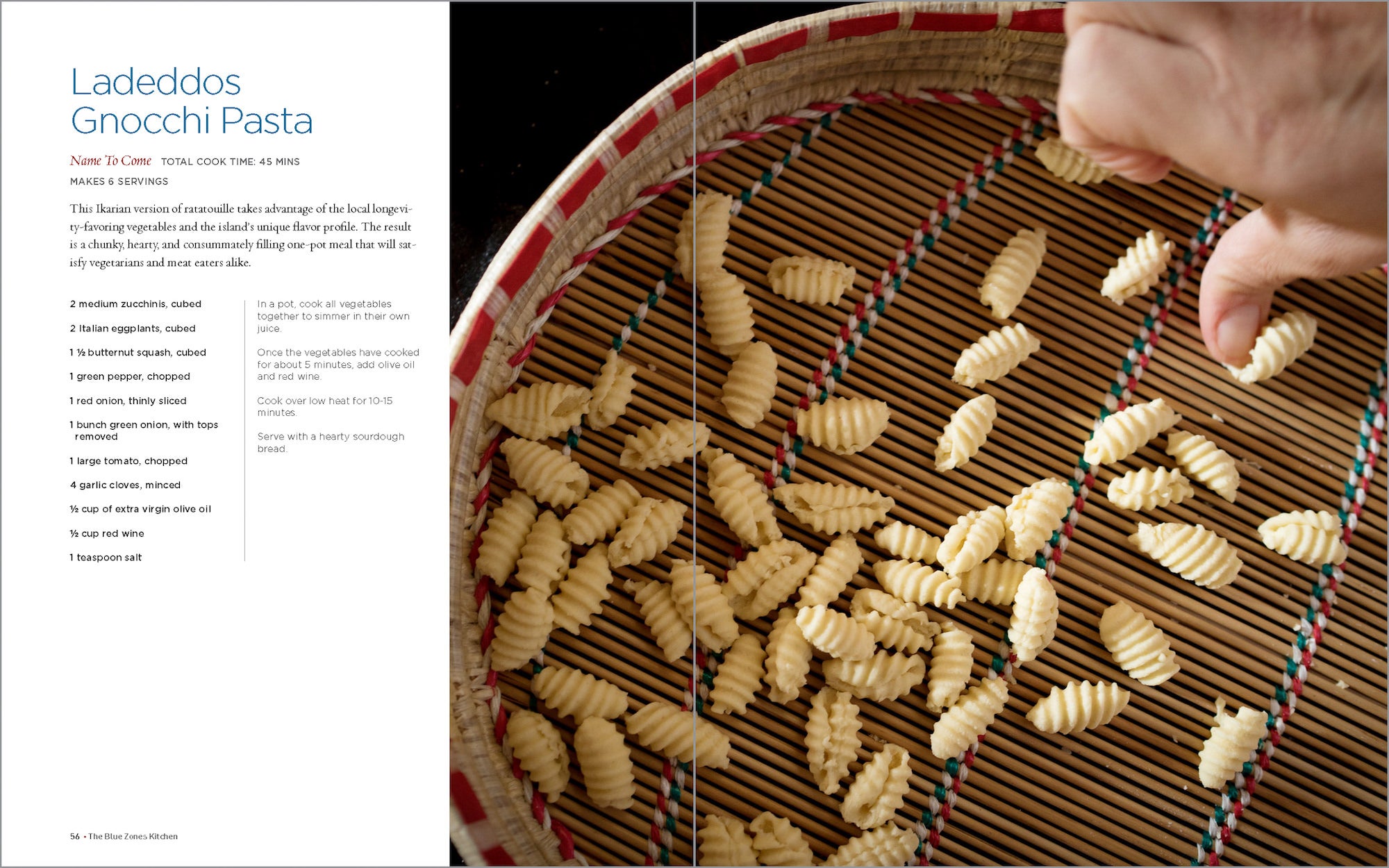
Photo by David McLain. Alpha 7R V.
2. Sony 50mm f/1.2 G Master
Why It’s Great For Food Photography
For food imagery with a luxurious, editorial feel, the 50mm f/1.2 GM is the lens to reach for. Its natural perspective makes dishes, drinks and ingredient compositions feel immediate and believable, while the ultra-wide f/1.2 aperture gives photographers exceptional control over depth of field.
Use it to isolate a garnish against a soft background, turn a lively restaurant into a wash of warm bokeh or direct attention to one carefully styled element of a larger scene. It also gives you a real advantage when working in low light, whether you are photographing a chef at work or capturing the final course after the dining room lights come down.
Standout Features
- Bright f/1.2 aperture for exceptionally shallow depth of field and low-light capability
- Natural 50mm perspective for dishes, drinks, ingredients and chef portraits
- G Master optics designed for high resolution and smooth bokeh
- 11-blade circular aperture for refined background blur
- Fast, precise autofocus for both stills and food-content video
- Compact design for an f/1.2 full-frame prime
Creator Reviews
"Whenever I wanted a little more compression I would move from the 35mm to the 50mm. Same rules as above apply but the slightly longer focal length compresses the foreground and background in a way that can be very helpful." – David McLain, What’s In My Bag: David McLain’s Kit For Publish-Worthy Food Photography
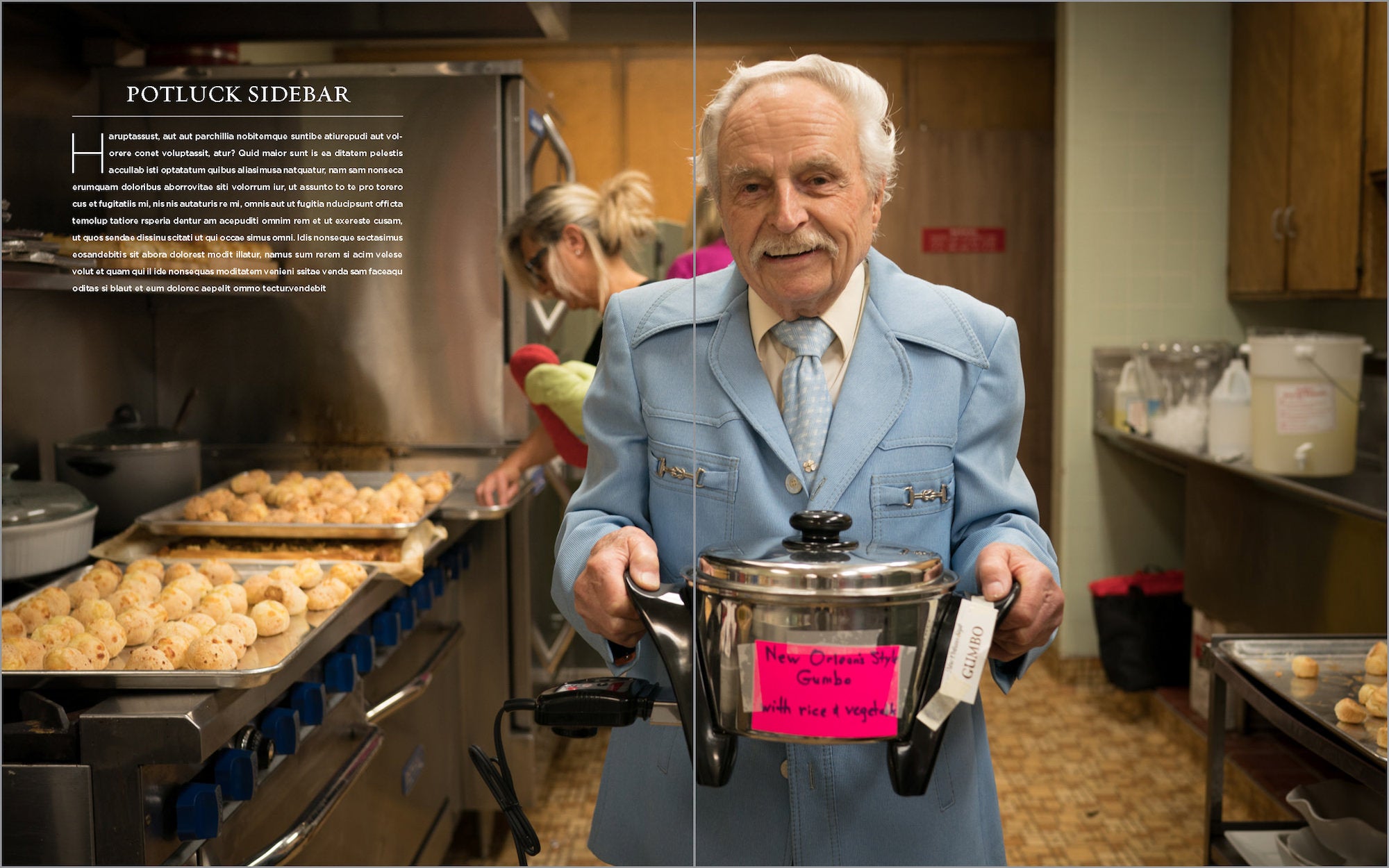
Photo by David McLain. Alpha 7R V.
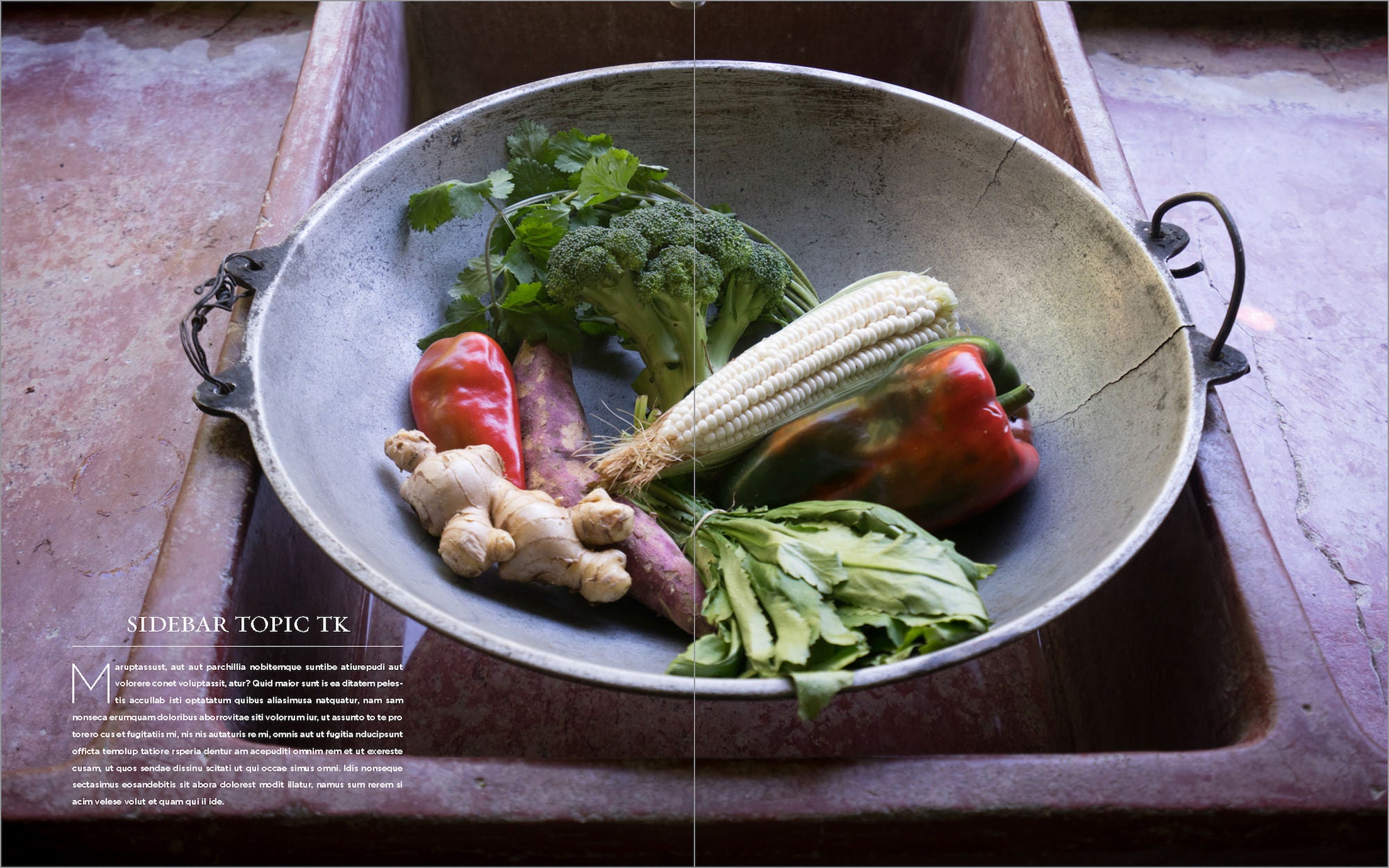
Photo by David McLain. Alpha 7R V.
4. Sony 100mm f/2.8 Macro G Master
Why It’s Great For Food Photography
When the assignment is texture, precision and the smallest details, the 100mm f/2.8 Macro GM OSS is the lens that changes what is possible. Flaky salt, rising steam, the layers of a pastry, a glistening sauce or the tiny details in a carefully built cocktail—all become powerful visual subjects at close range.
With up to 1.4x magnification, this lens goes beyond a conventional close-up and lets you explore the tactile elements that make food photography feel irresistible. Its 100mm focal length also creates comfortable working distance, leaving space for lighting, styling and the natural movement of a busy set.
Standout Features
- Up to 1.4x maximum magnification for highly detailed food and ingredient imagery
- 0.26m minimum focusing distance for dramatic close-up compositions
- G Master resolution for crisp rendering of fine textures and details
- Optical SteadyShot for greater stability during close-range shooting
- 100mm focal length provides working room for lighting and styling
- Compatible with optional teleconverters for up to 2.8x magnification
Creator Reviews
"I’m not generally a big macro guy but this was a go-to lens on this project. It’s crazy sharp and I learned to shoot it stopped down whenever I could because the focus is super critical and the background was always blown out. I relied on MF more than AF- food is not a moving target." – David McLain, What’s In My Bag: David McLain’s Kit For Publish-Worthy Food Photography
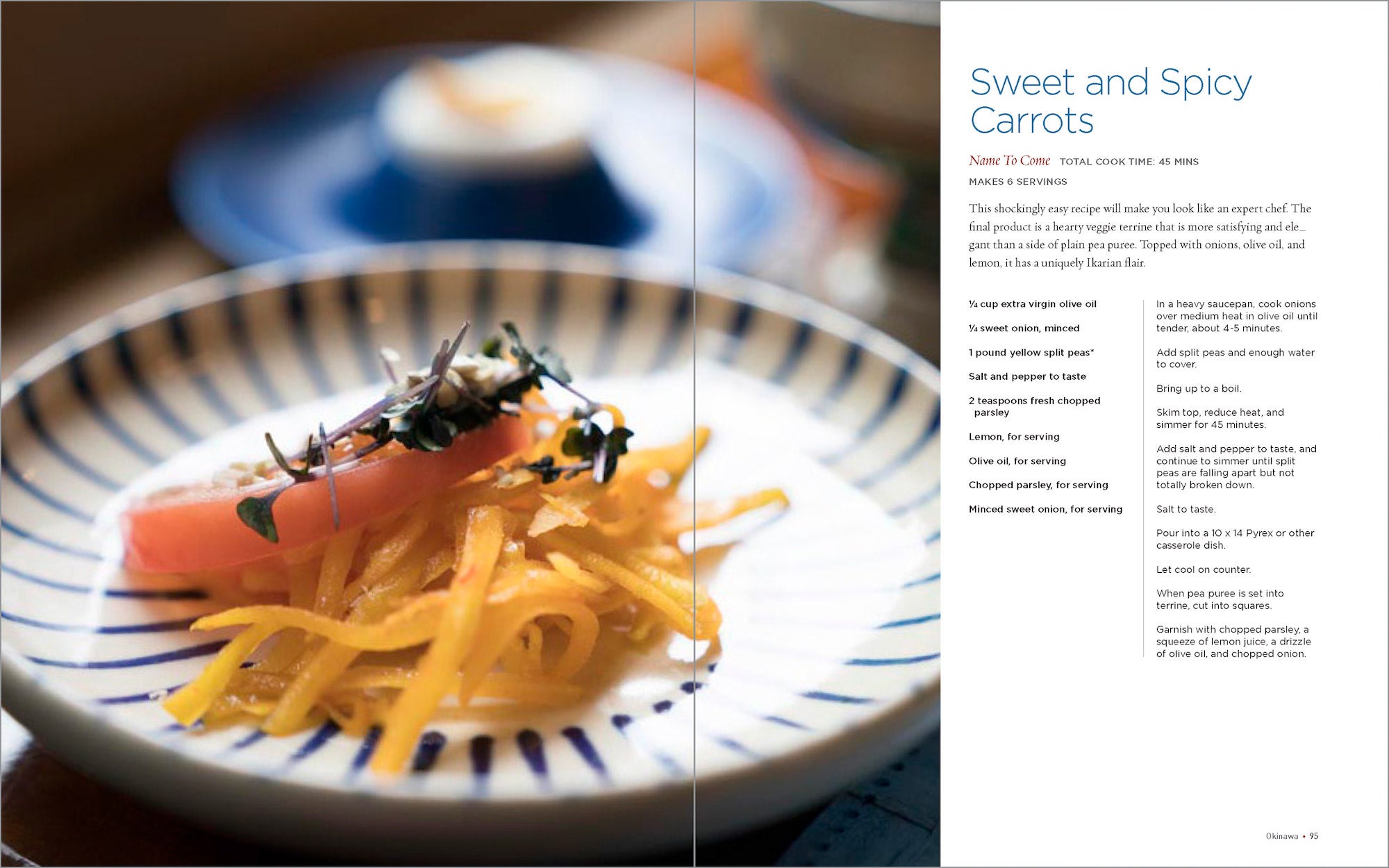
Photo by David McLain. Alpha 7R V.

Photo by David McLain. Alpha 7R V.
5. Sony 70-200mm f/2.8 G Master II
Why It’s Great For Food Photography
The 70-200mm f/2.8 GM II gives food photographers a perspective that is difficult to replicate with a standard lens. Longer focal lengths compress the scene, making layers of plates, glassware, ingredients and décor feel closer together. It is an excellent choice for clean side angles, isolated details and images where the background needs to disappear into a soft wash of color and shape.
It is also highly practical for restaurant and hospitality assignments where the set cannot be disrupted. You can work across a table, from the edge of a kitchen or outside a chef’s workspace while maintaining a tight, intentional composition. This is not the first lens most food photographers buy—but it is an exceptional addition for photographers who want more range in their visual approach.
Standout Features
- 70-200mm range for perspective compression and selective framing
- Constant f/2.8 aperture for subject isolation and low-light performance
- Minimum focusing distance of 0.4m at the wide end for closer detail work
- Optical SteadyShot for sharper handheld images at longer focal lengths
- G Master optics for high-resolution detail and smooth background blur
- Lighter design than the original model for easier location use
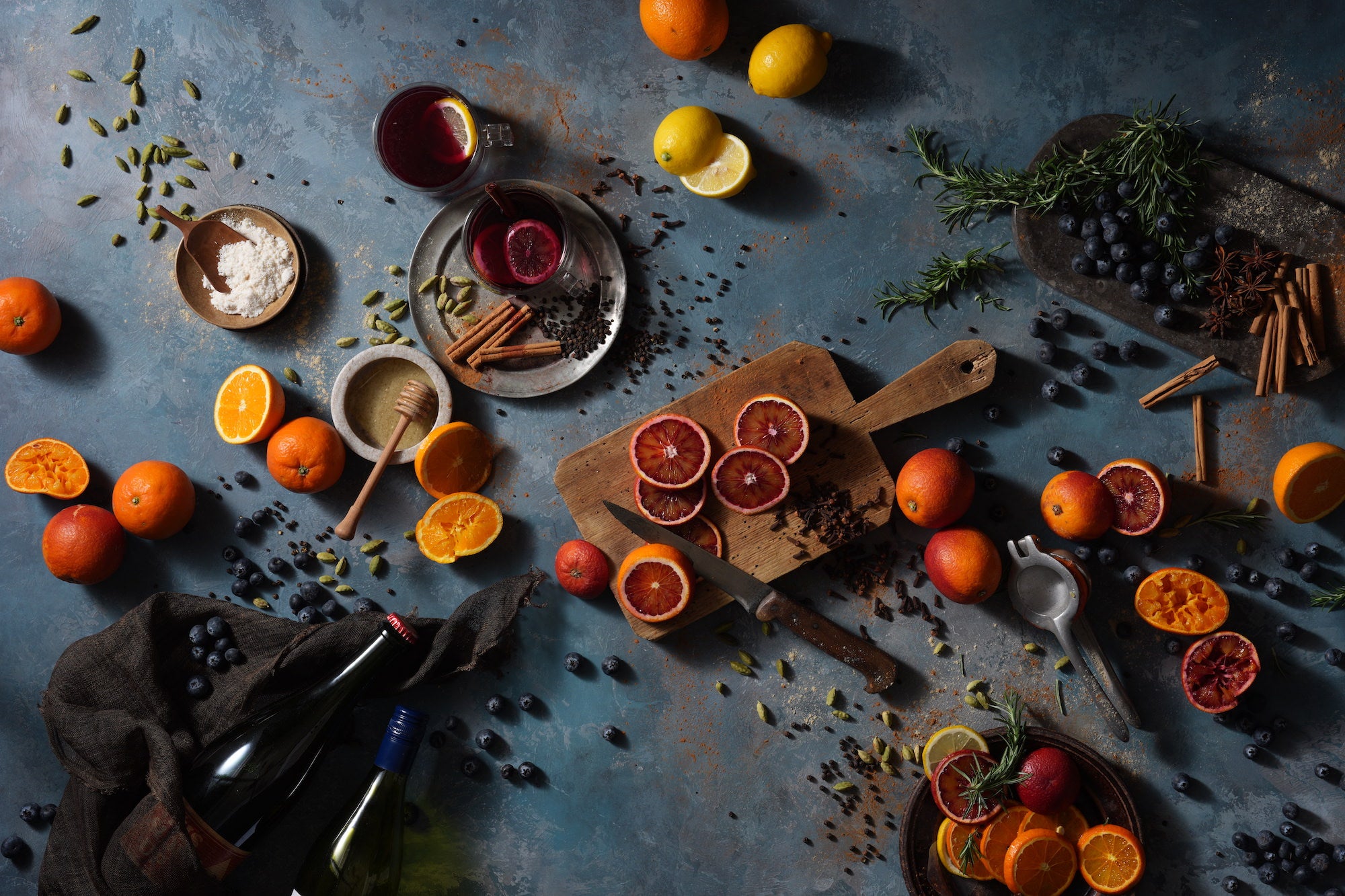
Explore the full G Master lens lineup at alphauniverse.com/lenses. See all current deals and savings on Sony G Master lenses at alphauniverse.com/promos.
We certainly didn’t cover every excellent lens Sony offers for food photography. What is your go-to food lens? Whether you rely on a versatile zoom, a bright prime or a dedicated macro lens, we want to see what you are creating. Share your food photography on social with #SonyAlpha.
Stay tuned to Alpha Camera Academy – food content creation course coming soon!