There are places that demand you be ready for anything. Brazil’s Pantanal is one of them.
For wildlife photographer Colby Brown, two weeks in the world’s largest tropical wetland meant photographing a constantly changing cast of subjects: birds, big mammals, jaguars and, near the end of the trip, a rare ocelot. Distances shifted. Light disappeared. Wildlife appeared when – and where – it wanted to.
To cover it all, Brown brought Sony’s new 100-400mm f/5.6-8 lens to pair with his Alpha 1 II.
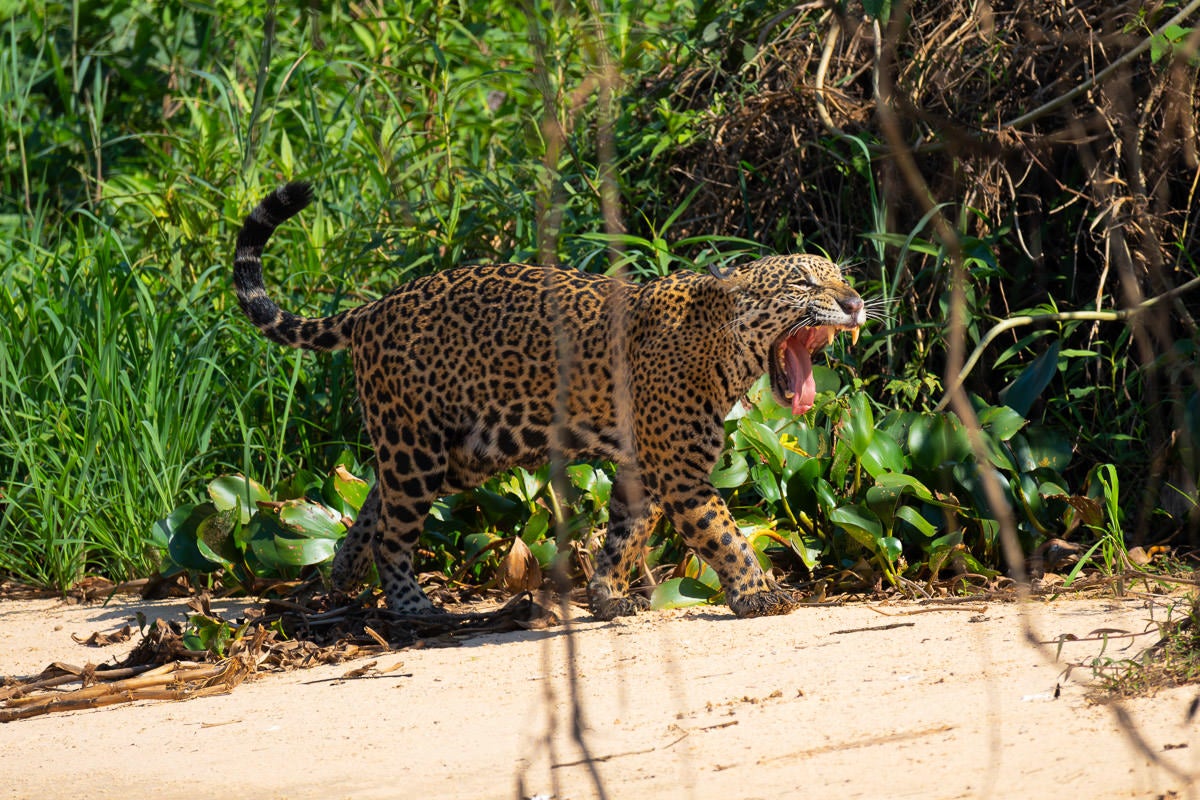
Photo by Colby Brown. Alpha 1 II. 100-400mm f/5.6-8. 1/1600-sec., f/8, ISO 1600
“The 100-400mm focal range is great for a wide variety of different wildlife situations,” Brown says. “At the short end, you can capture a lot of the environment that surrounds your subject, which is often overlooked by many wildlife photographers.”
At 400mm, he could fill the frame with larger birds and mammals. At 100mm, he had the flexibility to pull back and include the animal’s habitat – a key part of telling the story of a place like the Pantanal.
Having both in one lens, he found, changed the way he could work in the field.
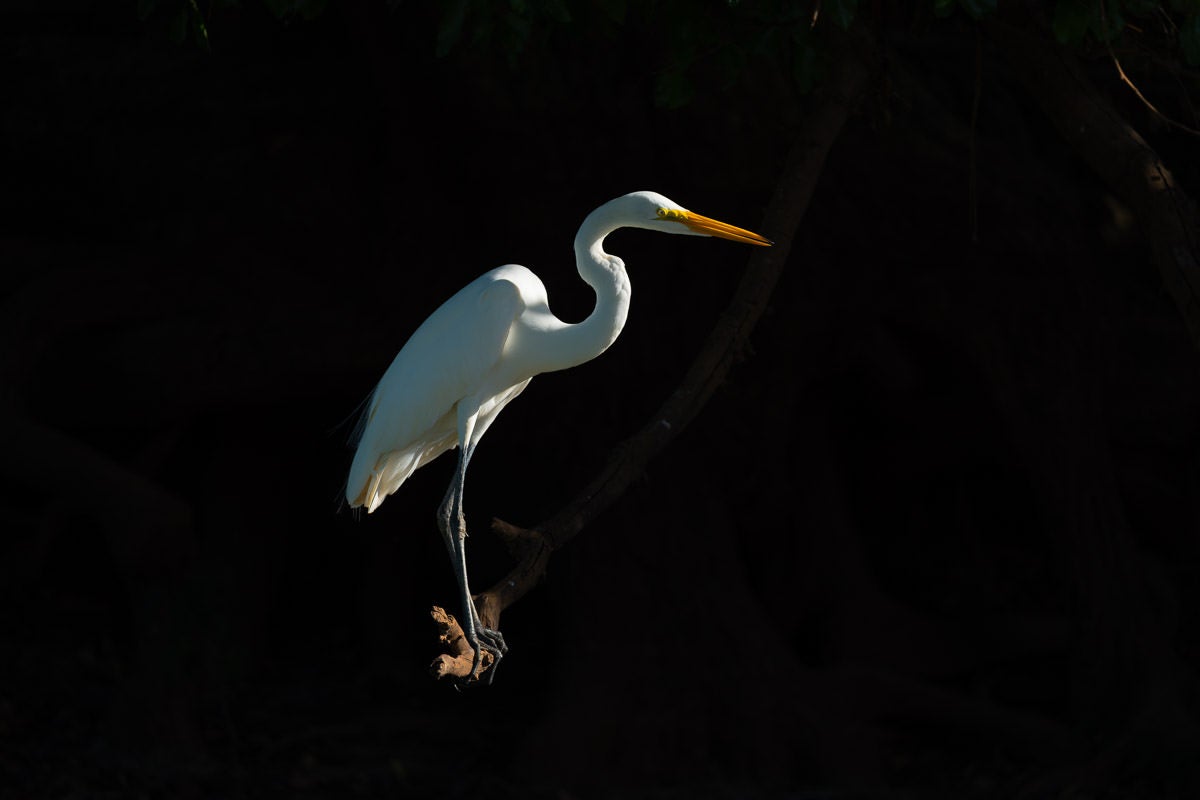
Photo by Colby Brown. Alpha 1 II. 100-400mm f/5.6-8. 1/1000-sec., f/8, ISO 640
The Zoom Range That Covers The Unexpected
Wildlife photography rarely gives you time to swap lenses. An animal can move closer, retreat into the distance or suddenly appear in an entirely different part of the scene. For Brown, the 100-400mm range created space to respond without sacrificing the composition.
“On the far end, 400mm is a great focal length for large birds and bigger mammals, giving you the chance to fill your frame with your subject,” he says. “Having both options in a single lens makes it that much more versatile than other options, such as prime lenses.”
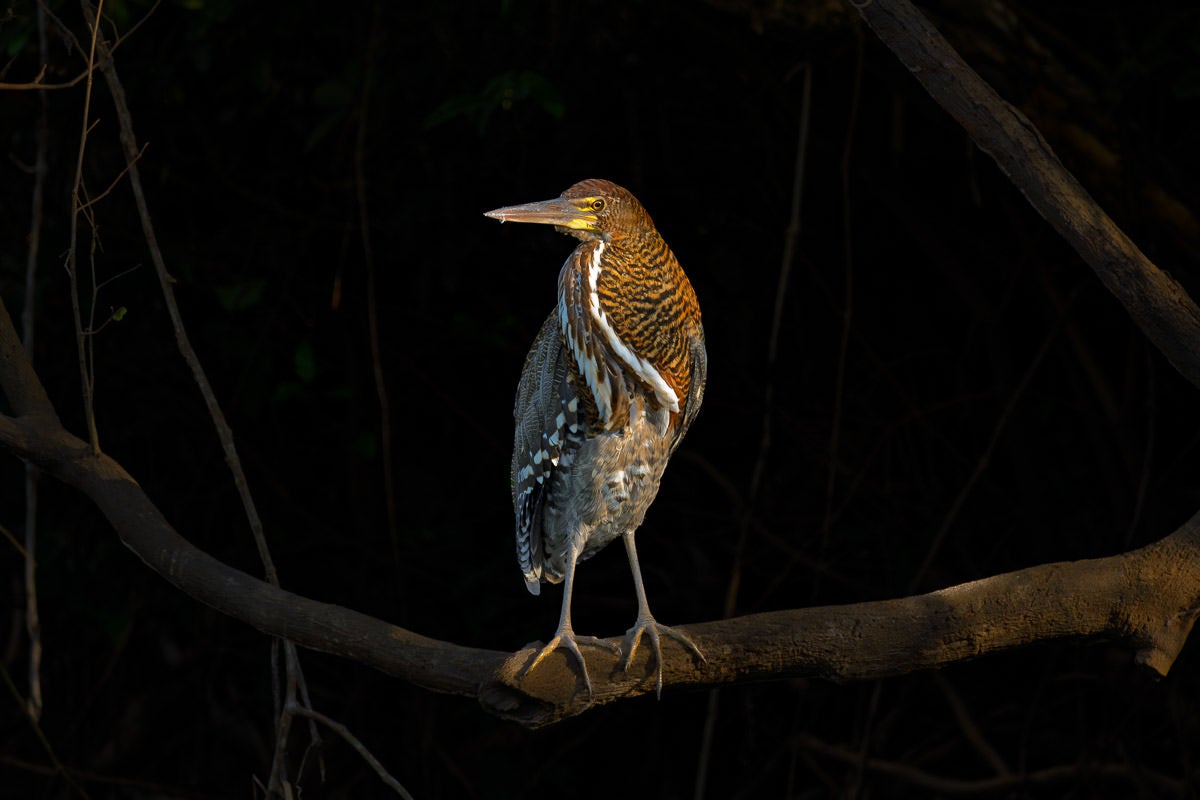
Photo by Colby Brown. Alpha 1 II. 100-400mm f/5.6-8. 1/500-sec., f/8, ISO 3200
That versatility was put to work across the trip. Brown photographed a wide assortment of species, from birds to jaguars and everything in between. Instead of treating a telephoto zoom as a lens strictly for tight portraits, he was able to make both environmental wildlife images and closer, detail-rich frames.
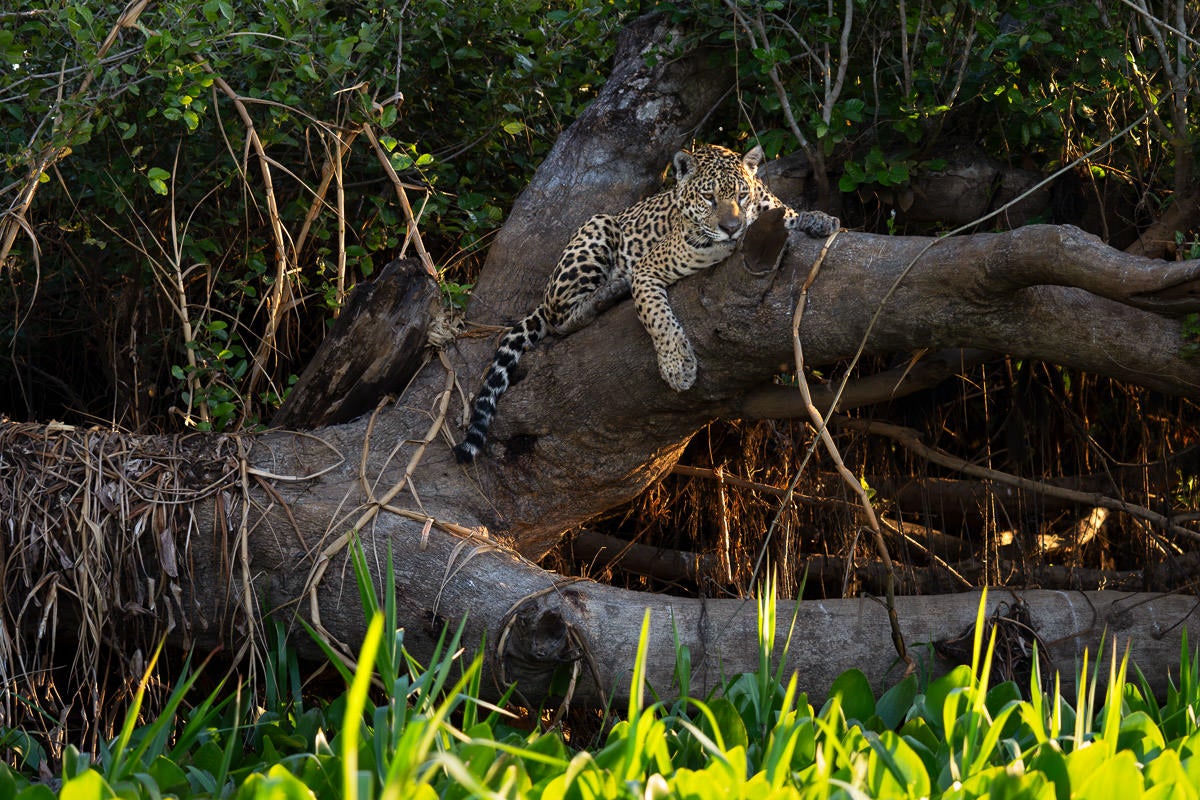
Photo by Colby Brown. Alpha 1 II. 100-400mm f/5.6-8. 1/500-sec., f/8, ISO 3200
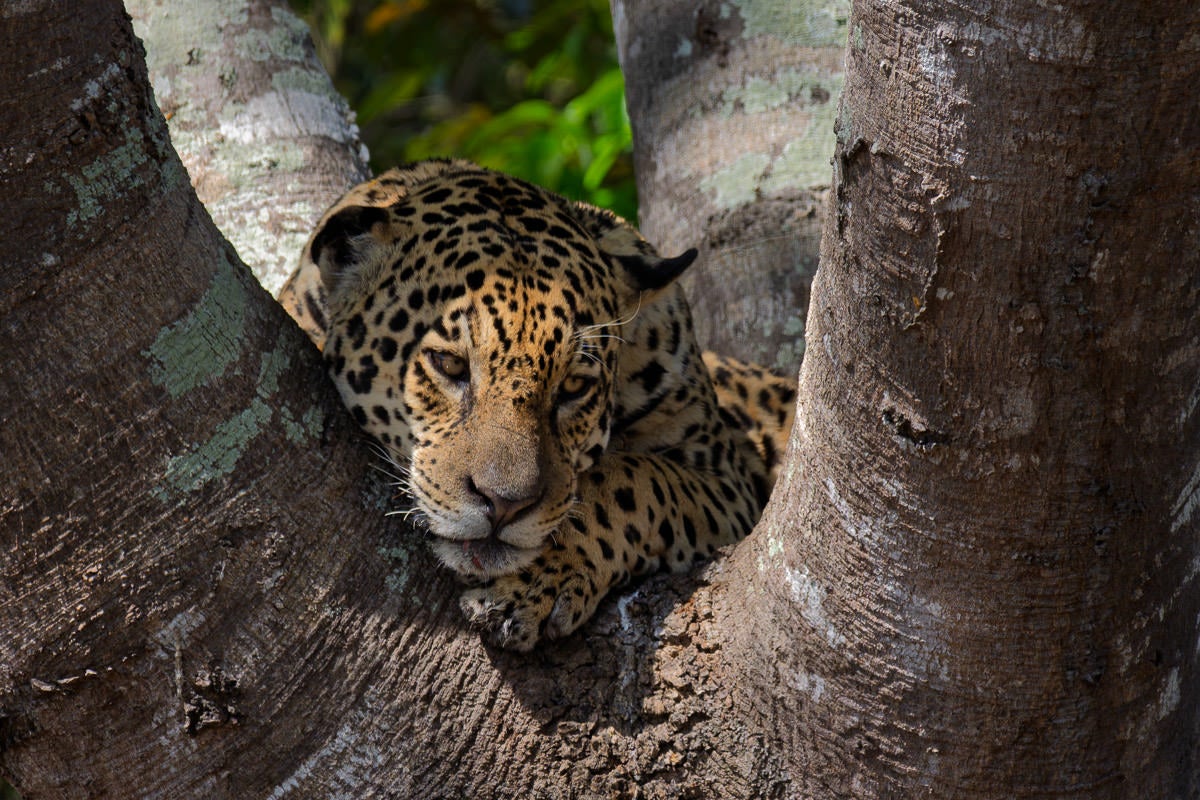
Photo by Colby Brown. Alpha 1 II. 100-400mm f/5.6-8. 1/800-sec., f/8, ISO 800
A Rare Ocelot, A Hide & ISO 12800
The images that stay with a photographer are not always the ones that come with perfect conditions.
For Brown, one of the most memorable encounters of the trip came at the end – a rare ocelot sighting. The scene unfolded around a hide in exceptionally low light, pushing the limits of what the situation would allow.
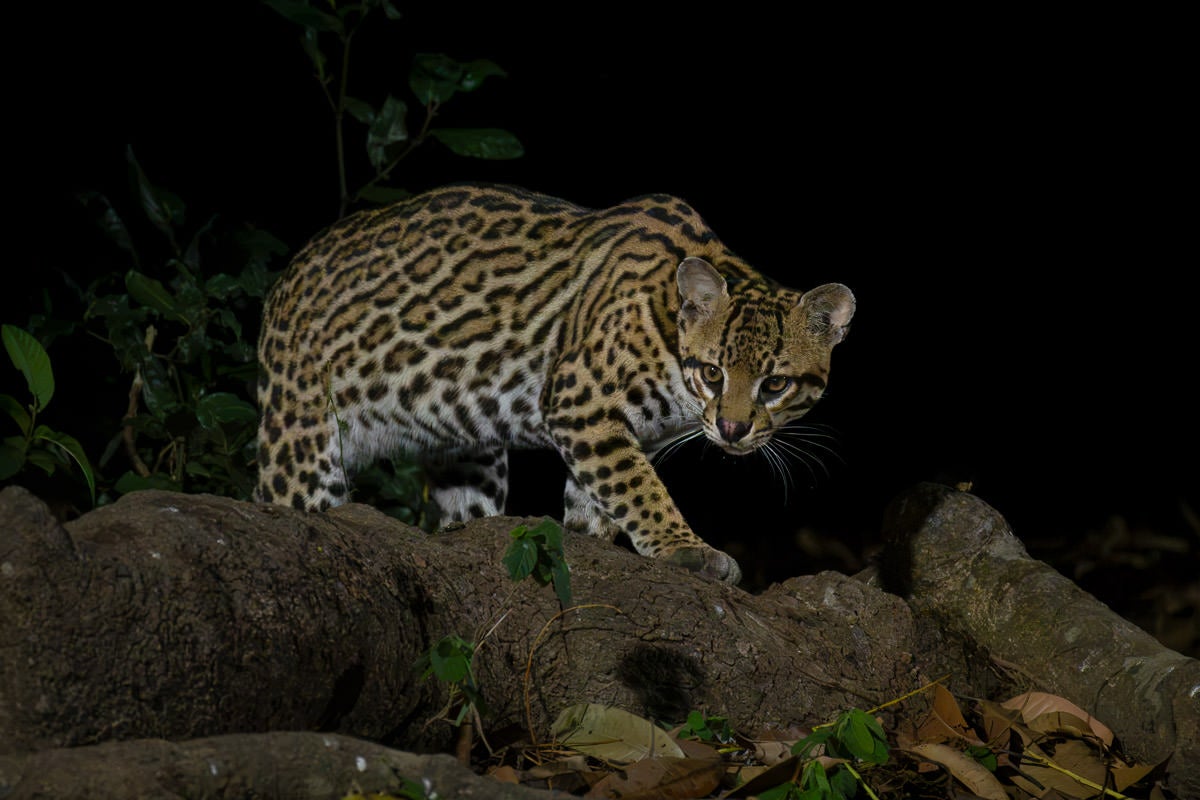
Photo by Colby Brown. Alpha 1 II. 100-400mm f/5.6-8. 1/200-sec., f/8, ISO 12800
“Even with the incredibly low light found around the hide we were in, I was impressed with the detail of that image,” Brown says. “I was forced to shoot it at 12800 ISO. Noise reduction has gotten so much better over the years!”
It was a reminder that wildlife photography is often a balance of available light, camera settings and timing. The moment does not wait for the ideal exposure. In this case, Brown was able to capture an image of an animal that is rarely seen – despite the difficult conditions.
Small, Lightweight & Easy To Handhold
A long zoom lens only helps if it is practical to carry and use. That was one of the biggest strengths Brown found with the new 100-400mm f/5.6-8.
“I really enjoyed my time with the 100-400,” he says. “It’s small and lightweight, which makes it very easy to use in the field.”
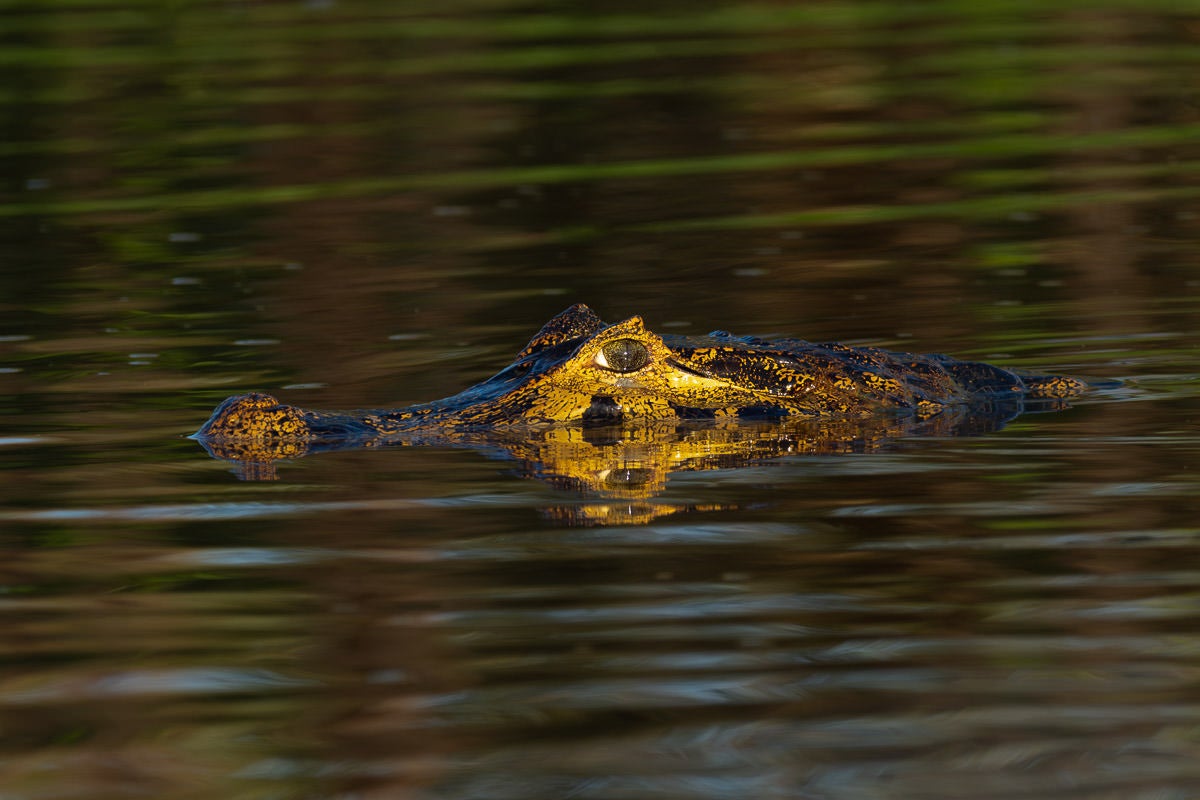
Photo by Colby Brown. Alpha 1 II. 100-400mm f/5.6-8. 1/1000-sec., f/8, ISO 1250
For photographers working long days outdoors, size and weight can shape the entire shooting experience. A more portable setup is easier to keep at the ready, simpler to move with and more comfortable to handhold while tracking a moving subject.
Brown says that with sufficient light, the lens’ maximum aperture range did not prevent him from making the images he wanted.
“With enough light, you can work around the larger minimum apertures and still come away with sharp and extremely detailed wildlife images,” he says.
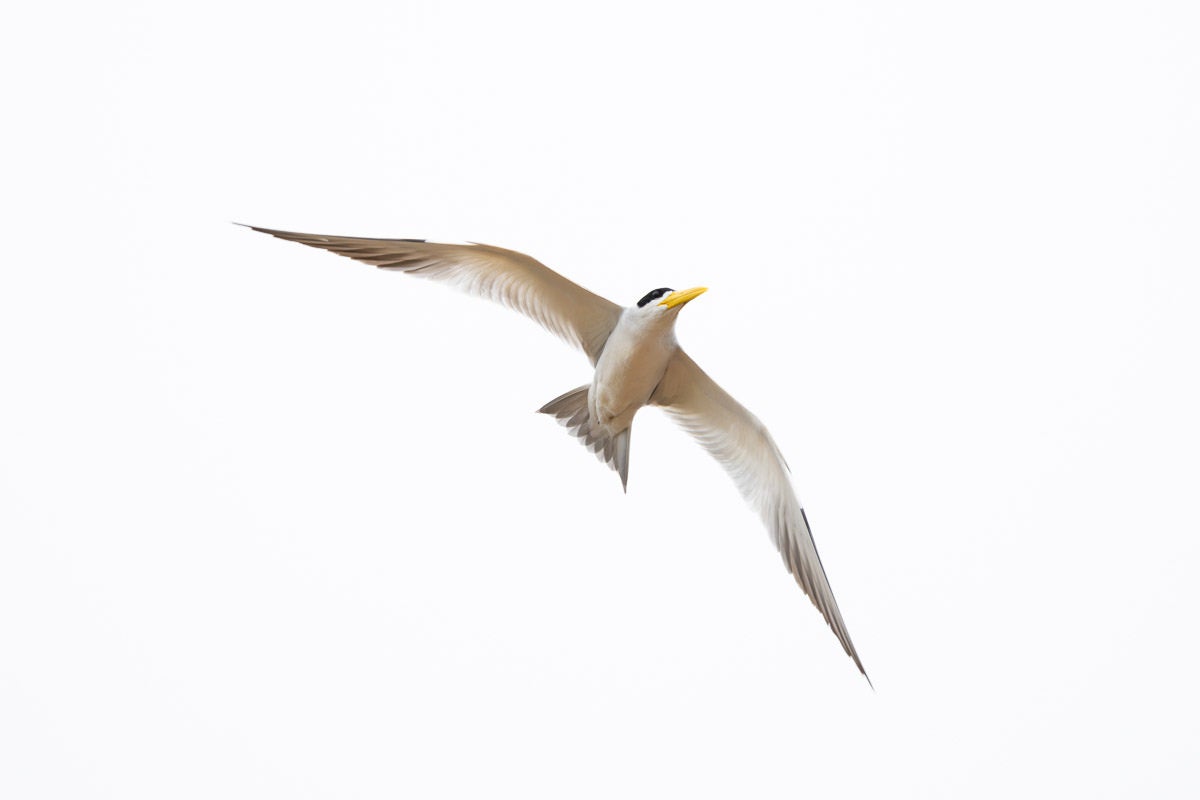
Photo by Colby Brown. Alpha 1 II. 100-400mm f/5.6-8. 1/1600-sec., f/8, ISO 2500
Image Quality Without The Extra Weight
Portability alone is not enough for a wildlife lens. Brown was especially impressed that the lens maintained sharpness, contrast and overall image quality while remaining compact.
“Having a lightweight and highly portable 100-400mm lens that still maintains its sharpness, contrast and general image quality is impressive,” he says.
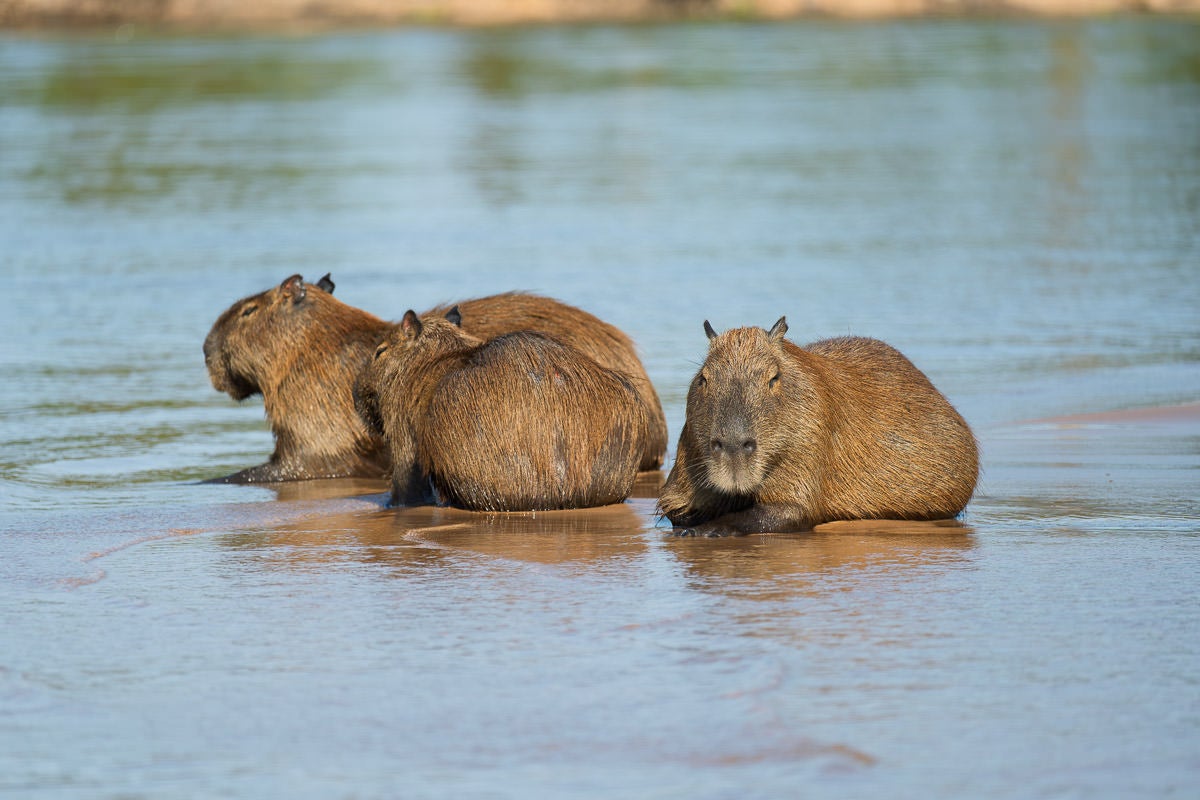
Photo by Colby Brown. Alpha 1 II. 100-400mm f/5.6-8. 1/800-sec., f/8, ISO 400
For photographers beginning to build a wildlife kit, that balance can matter even more. A lightweight telephoto zoom offers room to learn the rhythms of wildlife photography: anticipating behavior, finding a clean composition, working with changing light and reacting quickly when a subject appears.
“If you are new to wildlife photography, this lens is a great introduction to the gear needed to be a wildlife photographer,” Brown says. “It’s so easy to handhold when you are out there in the field.”
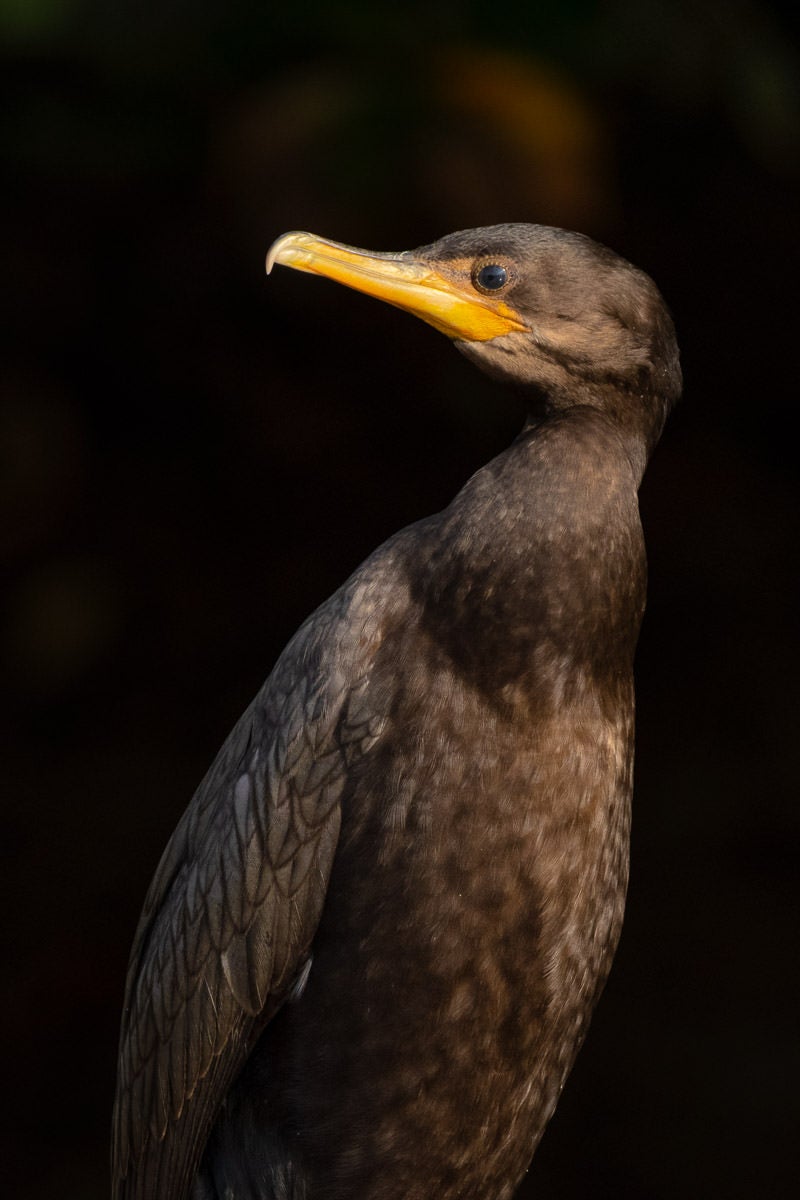
Photo by Colby Brown. Alpha 1 II. 100-400mm f/5.6-8. 1/1000-sec., f/8, ISO 800
–CLICK HERE to add the new Sony 100-400mm f/5.6-8 to your kit