Wildlife photography asks a lot of a lens. Subjects move without warning. Light changes quickly. And the best moments often happen at a distance, when getting closer simply is not an option.
Photographer Jared VanderMeer recently put Sony’s new 400mm f/4.5 G Master and 600mm f/6.3 G Master lenses to work in the environments where those demands are most apparent: photographing perched birds, birds in flight and larger wildlife. Over approximately two weeks, he captured more than 20,000 images – enough time to move beyond first impressions and see how each lens performed in the field.
His conclusion was clear: the two lenses serve distinct purposes, but share the qualities that matter most when the subject will not wait – fast autofocus, excellent sharpness, smooth background rendering and a lightweight, balanced feel. “A great wildlife lens should disappear in your hands and let you concentrate on the animal or bird. That was my experience with both of these lenses.”
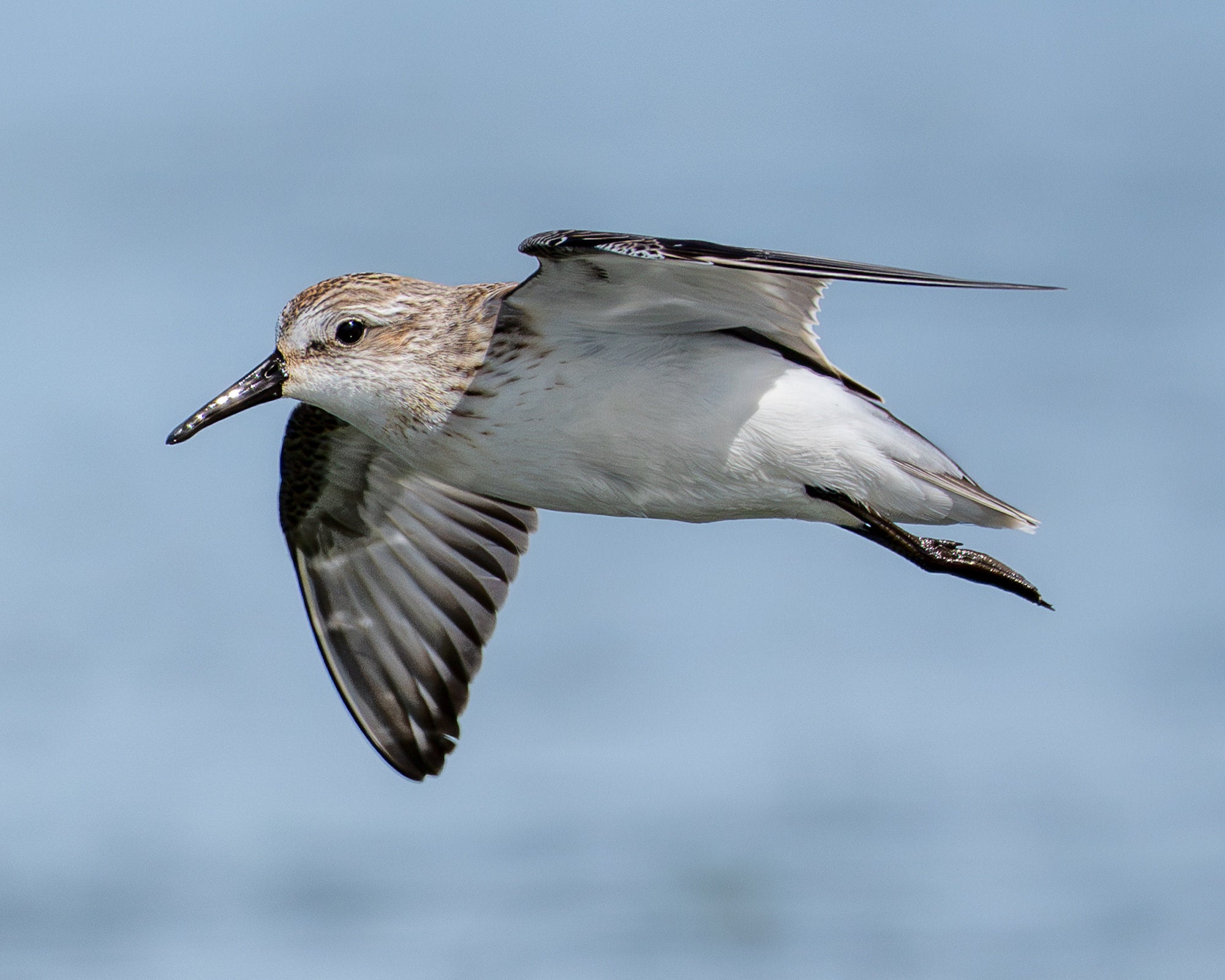
Photo by Jared VanderMeer. Alpha 1 II. 600mm f/6.3 G Master OSS. 1/4000-sec. f/7.1. ISO 800.
The Right Reach For The Moment
For VanderMeer, 600mm has long been a natural focal length for bird photography. It gives him the reach to photograph small birds while maintaining a respectful distance – an important consideration when the goal is to let wildlife behave naturally. “For most small birds, 600mm has always felt like the perfect focal length. For larger birds and wildlife, 400mm gives me a little more freedom to react and compose.”
That distinction became central to his experience with the new lenses. The 600mm f/6.3 G Master felt purpose-built for birds, providing the reach and balance he wants for a full day of photographing smaller, often distant subjects.
The 400mm f/4.5 G Master, meanwhile, gave him more room to work with larger wildlife and birds that could approach quickly. It also offered an especially useful option when paired with a 1.4X teleconverter, extending its reach to 560mm – close to the 600mm range he favors – while preserving a flexible setup.
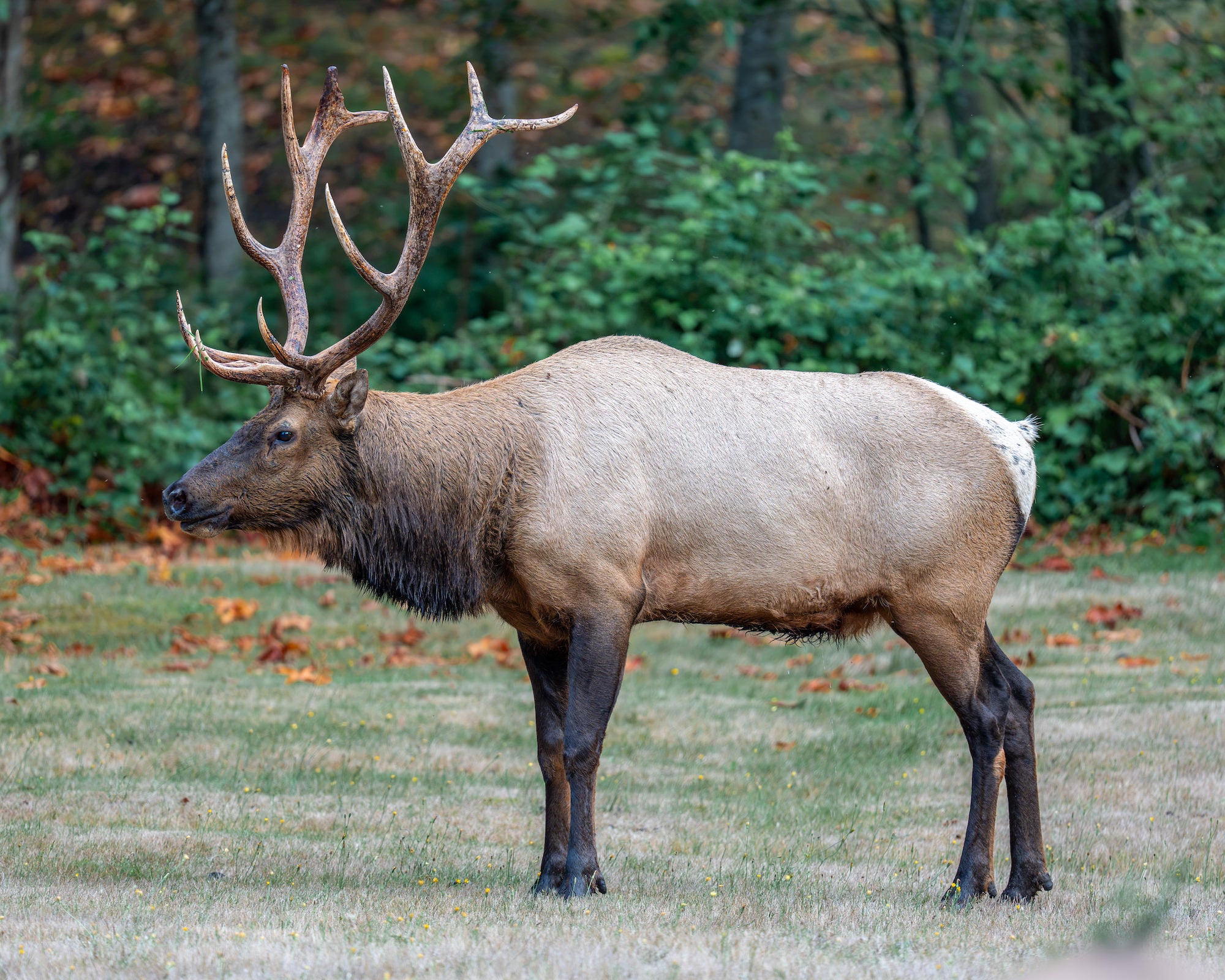
Photo by Jared VanderMeer. Alpha 1 II. 400mm f/4.5 G Master OSS. 1/160-sec. f/4.5. ISO 500.
A Serious Test: Birds In Flight
Of all the images he made, the birds-in-flight photographs stood out most. Fast, erratic movement makes them one of the clearest tests of a wildlife lens – and VanderMeer found that both lenses responded with confidence. “Birds in flight are one of the best tests of any wildlife lens. The autofocus responded quickly, stayed with the subject and allowed me to concentrate on timing and composition.”
That ability to stay connected to a moving subject mattered. Rather than fighting to regain focus, VanderMeer could focus on the more creative parts of the shot: anticipating motion, refining composition and pressing the shutter at the right instant.
The resulting images also showed the visual qualities he looks for in a long lens. Fine detail remained sharp, while clean backgrounds and smooth bokeh separated the subject from its surroundings.
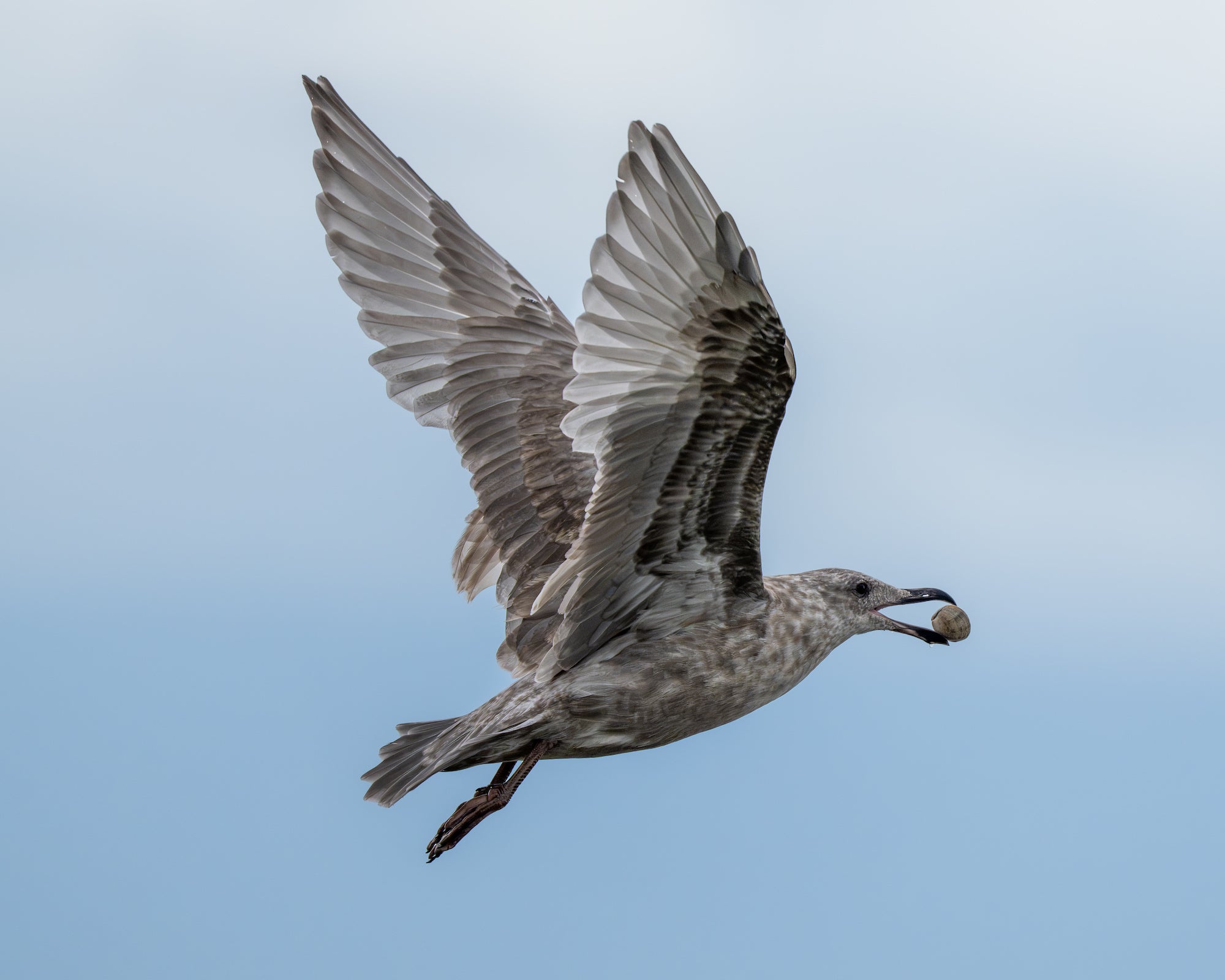
Photo by Jared VanderMeer. Alpha 1 II. 400mm f/4.5 G Master OSS. 1/4000-sec. f/7.1. ISO 1600.
The Standout: Weight & Balance
Image quality and autofocus matter, but field usability can be the deciding factor during long wildlife sessions. For VanderMeer, the most immediate difference was the way both lenses felt in hand. “The first thing I noticed was the weight,” he says. “Both lenses felt remarkably light and balanced, which makes a major difference during a long day of photographing birds handheld.”
That lighter, well-balanced design made the lenses easier to carry and more comfortable to use for extended periods, especially while tracking birds in flight. The benefit is practical: less attention spent managing the equipment means more attention available for the wildlife in front of the lens.
VanderMeer also highlighted the lenses’ fast autofocus and full-time DMF, which allowed him to make an immediate manual adjustment without disrupting the shooting process. On the 400mm, the f/4.5 aperture added another advantage in forests, changing weather and the early or late hours when additional light can make a difference. “These lenses combine reach with speed, sharpness and an impressively lightweight design – exactly what I want when photographing unpredictable wildlife in the field.”
Two Lenses, Two Complementary Roles
VanderMeer’s usual 200–600mm zoom will remain a valuable part of his kit when rapid framing changes are essential. A zoom’s ability to adjust focal length can be a major advantage as a subject moves closer or farther away.
But in situations where weight, autofocus speed, available light and subject separation take priority, the 400mm f/4.5 G Master and 600mm f/6.3 G Master offer compelling advantages.
His favorite quality in the 400mm is its versatility: it is a capable lens for larger birds and wildlife, and it becomes an even more adaptable option with a 1.4× teleconverter. For the 600mm, it is the combination of reach and balance that makes it feel so well suited to bird photography.
“The 400mm is the versatile wildlife lens, while the 600mm is the true birding lens.”
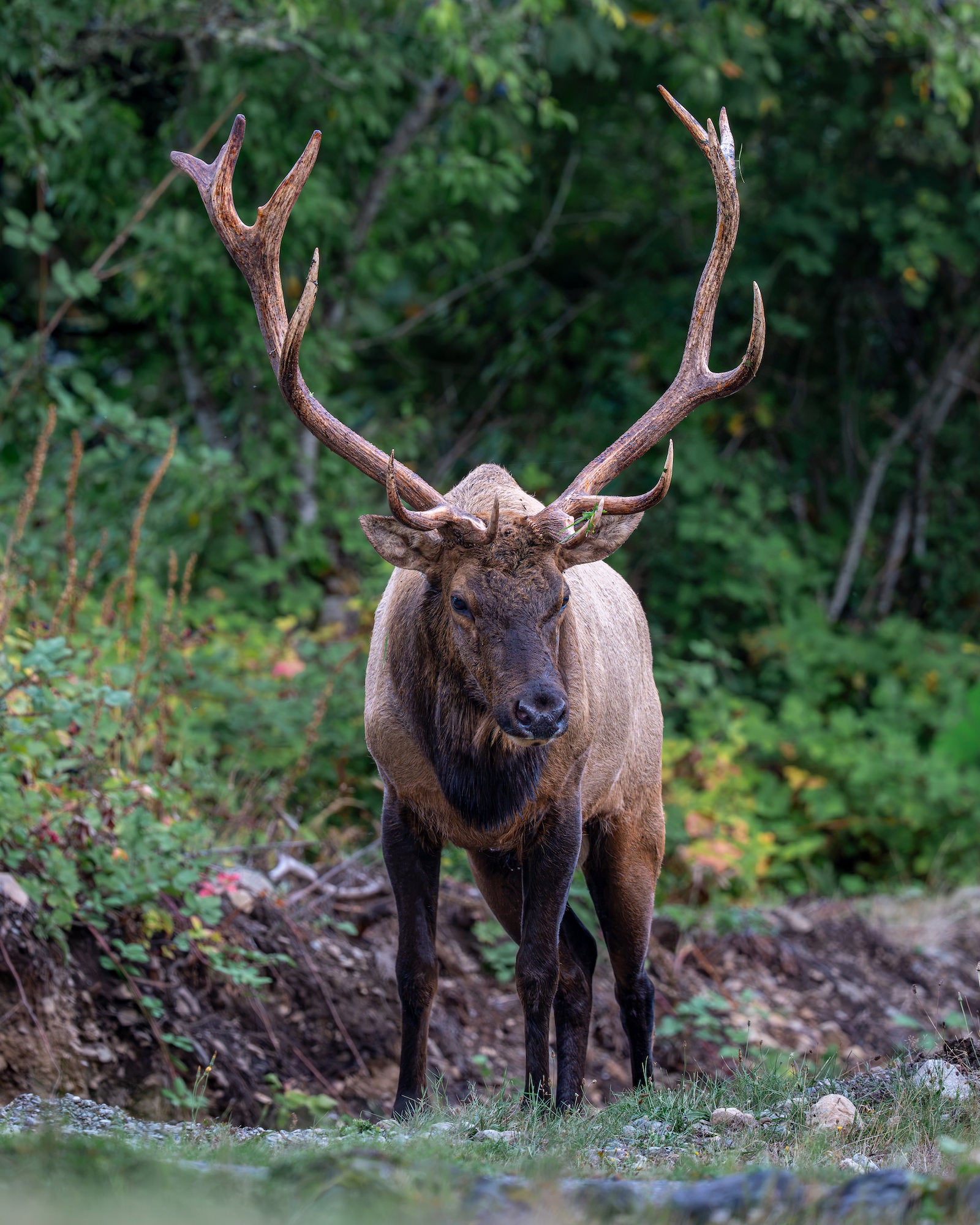
Photo by Jared VanderMeer. Alpha 1 II. 400mm f/4.5 G Master OSS. 1/100-sec. f/5.6. ISO 640.
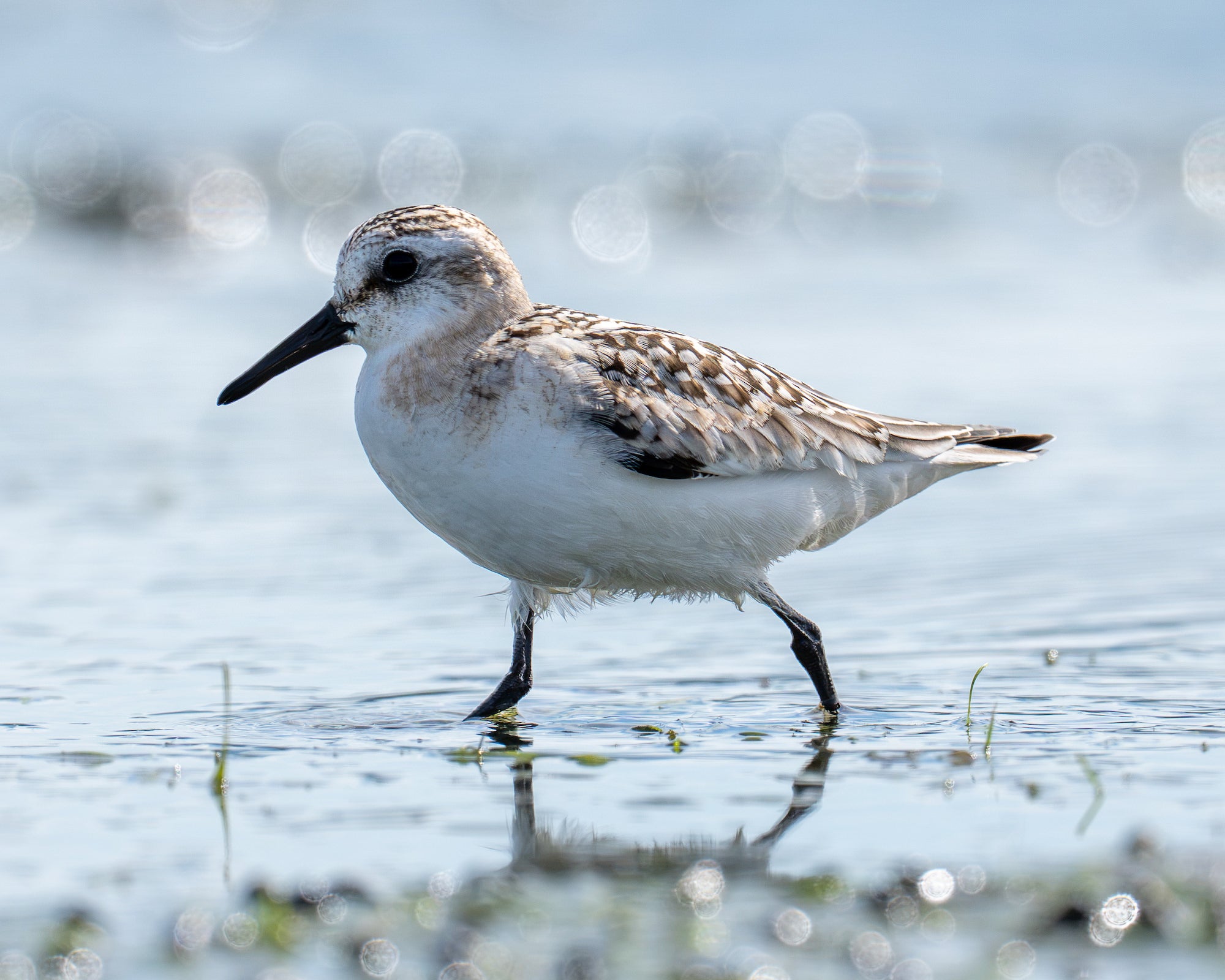
Photo by Jared VanderMeer. Alpha 1 II. 600mm f/6.3 G Master OSS. 1/2500-sec. f/7.1. ISO 1000.
Made For The Moment, Not The Burden
For VanderMeer, the strongest takeaway was not any single specification. It was the complete shooting experience: lenses with the reach, sharpness and responsiveness wildlife work demands, in a package that remains comfortable enough to carry all day.
The Sony 400mm f/4.5 G Master and 600mm f/6.3 G Master lenses gave him the confidence to stay focused on the scene rather than the equipment. And when the wildlife is moving fast, that is exactly the point.
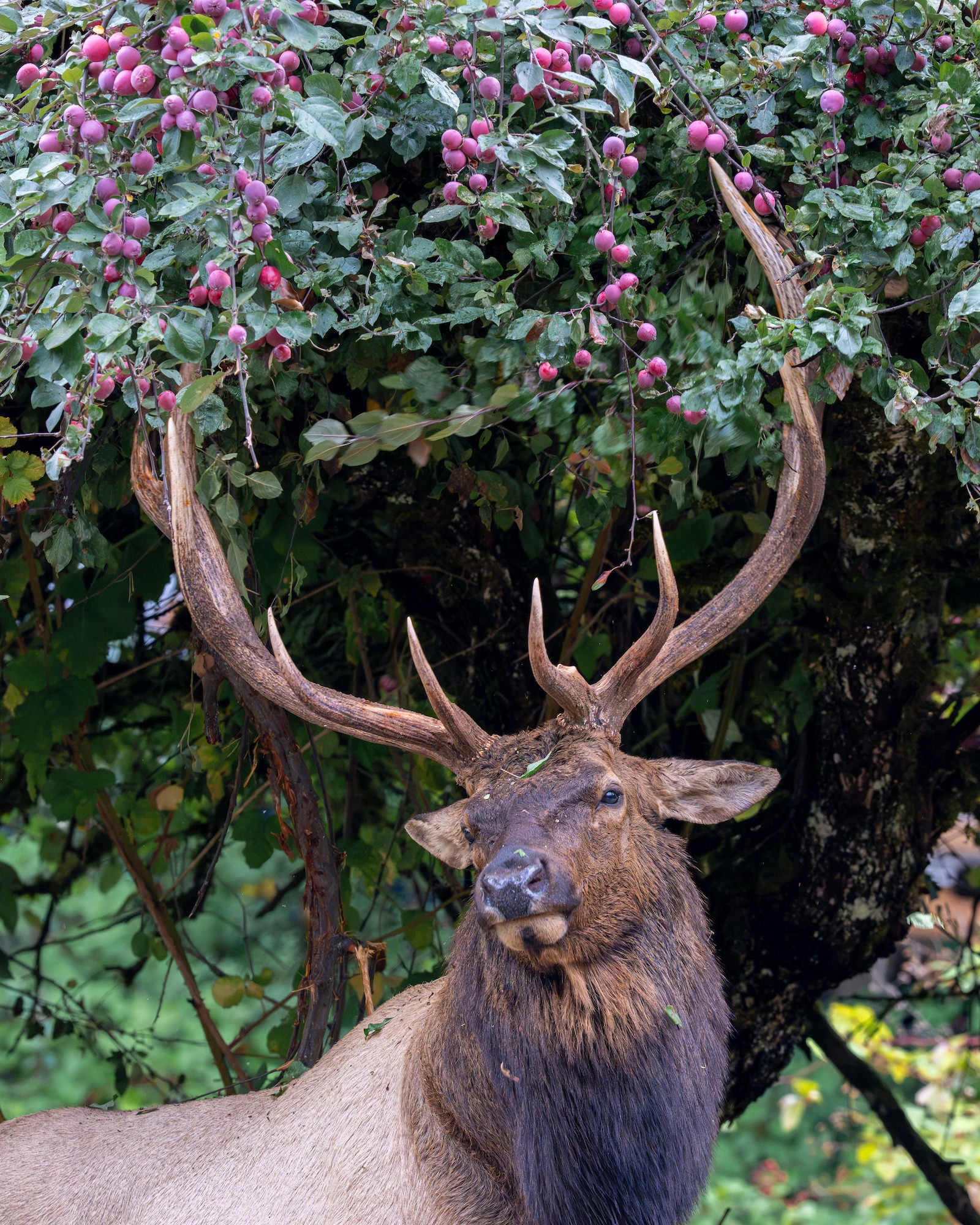
Photo by Jared VanderMeer. Alpha 1 II. 400mm f/4.5 G Master OSS. 1/320-sec. f/7.1. ISO 3200.
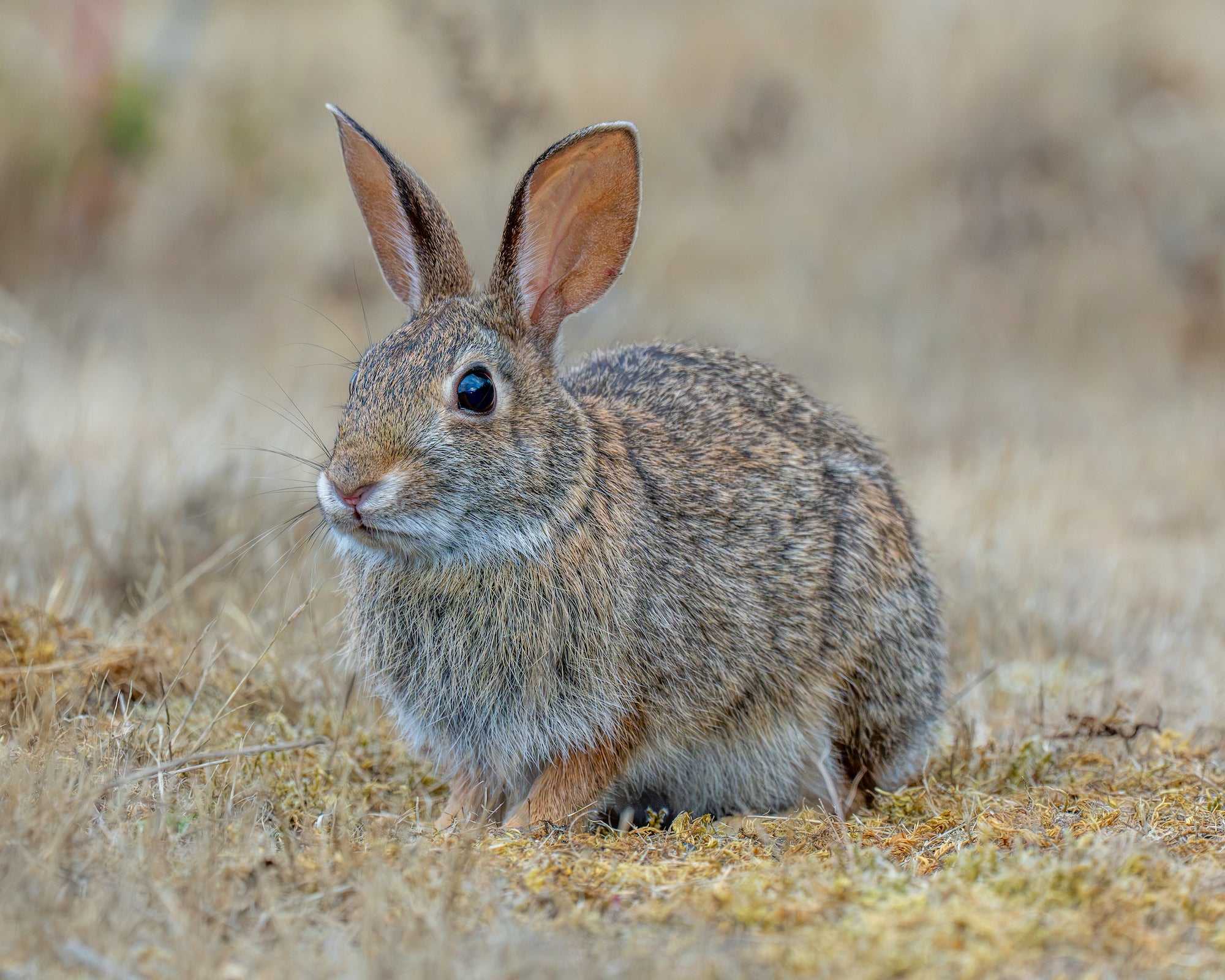
Photo by Jared VanderMeer. Alpha 1 II. 600mm f/6.3 G Master OSS. 1/250-sec. f/7.1. ISO 1600.
See more of Jared VanderMeer’s work on Instagram @jared_vandermeer and at jaredvandermeer.com.
–CLICK HERE to pre-order the 400mm f/4.5 G Master.
–CLICK HERE to pre-order the 600mm f/6.3 G Master.
HAPPENING NOW – YOU COULD WIN A LENS!
From now until October 12, 2026 – we’re running our Bird & Wildlife Photo Contest on Instagram. You can win your choice of a 200-600mm f/5.6-6-3 G, 100-400mm f/4.5-5.6 G Master or 400-800mm f/6.3-8 G lens!
HOW TO ENTER:
1. Post a single image, carousel, or video shot on or featuring your Sony camera — matching the Bird & Wildlife theme
2. Share your favorite Sony camera or lens and why
3. Tag @sonyalpha
4. Include #SonyAlphaWildlifeContest2026 and #SweepstakesEntry
Bonus entry: Tag your favorite retailer or the last place you bought your Sony gear. Read the official rules.