Athens-based photographer and creative director Nicholas Mastoras creates fashion, beauty, travel and lifestyle imagery with a refined yet instinctive eye. For this edition of What’s In My Bag, he shares his upgraded Sony kit that keeps him ready for any assignment.
I’m a photographer and creative director based in Athens, Greece, working across fashion, beauty, lifestyle, travel and hospitality. My work can take me from a controlled studio environment to a remote island, a hotel campaign, a fashion editorial or a completely spontaneous moment while travelling.
That variety has shaped the way I think about equipment. I don't want a bag filled with gear for every possible scenario. I want a relatively compact system where every piece has a purpose and, together, the kit can cover almost anything I am likely to encounter.
I’ve recently upgraded from the Alpha 7R V and 24-70mm f/2.8 G Master II to my current setup. The change wasn't about completely reinventing the way I work, but about refining a system that gives me even more flexibility while keeping the things I value most: image quality, reliability and the ability to react quickly.
Some of the photographs accompanying this article were made with my previous Alpha 7R V and 24-70mm f/2.8 G Master II combination. They are still representative of the kind of work I make and, more importantly, of the way I like to photograph.
My current bag is built around two very different cameras, three lenses and a few essential tools that allow me to work both creatively and practically wherever I am.
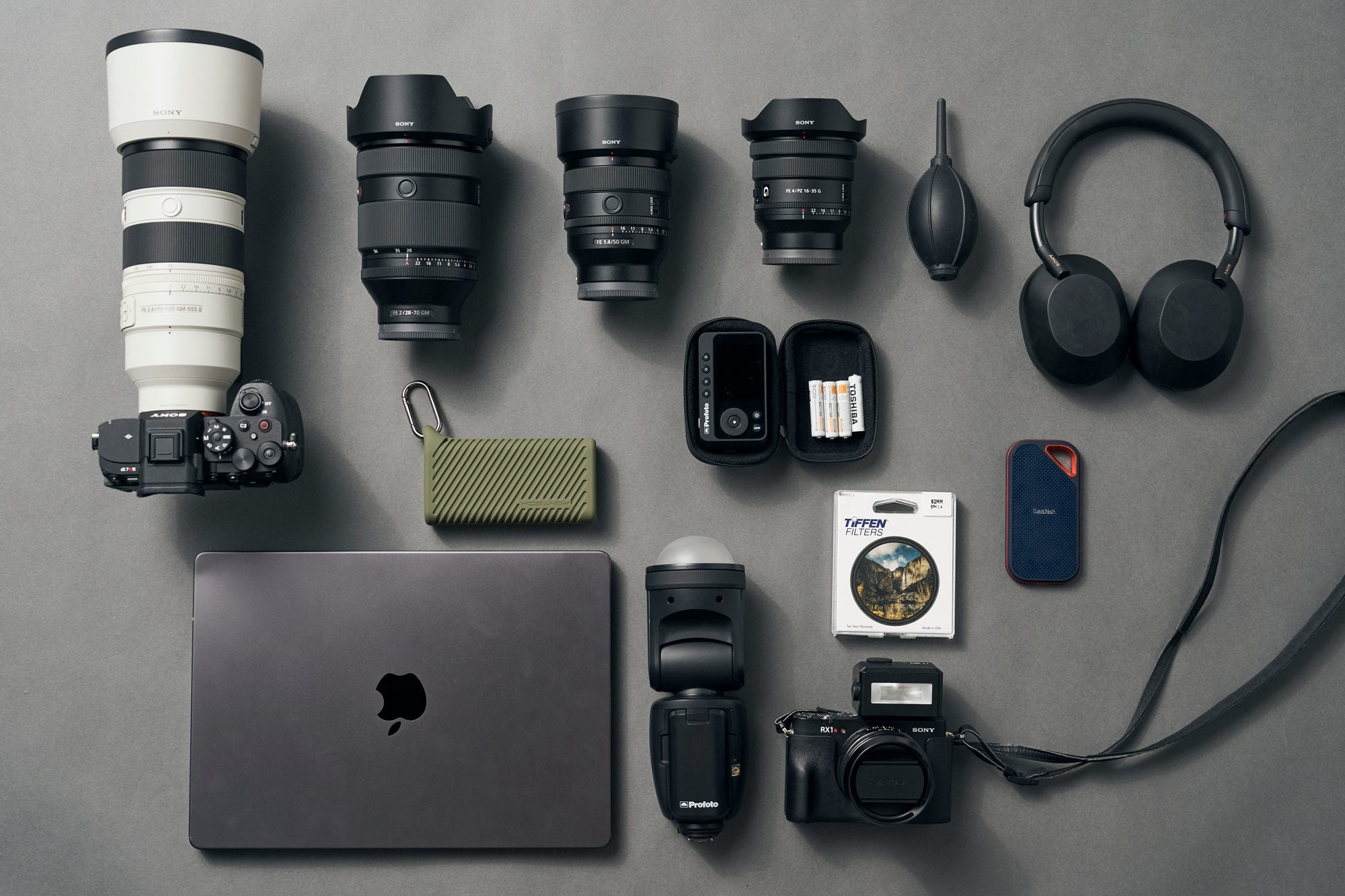
Shop Nicholas’ Upgraded Kit:
Cameras: Alpha 7R VI, RX1R III
Lenses: 28-70mm f/2 G Master, 16-35mm f/4 G PZ, 50mm f/1.4 G Master, 70–200mm f/2.8 G Master II
Cameras
Alpha 7R VI: The Alpha 7R VI is the camera I consider my main working tool. When I'm on a commercial assignment, this is the camera I want in my hands when the image really matters.
A lot of my work involves people, but I rarely photograph them in isolation. A fashion portrait might be about the clothes and the model, but it can also be about the architecture around them, the light, the location or the atmosphere. A travel image can be a landscape one moment and a portrait the next.
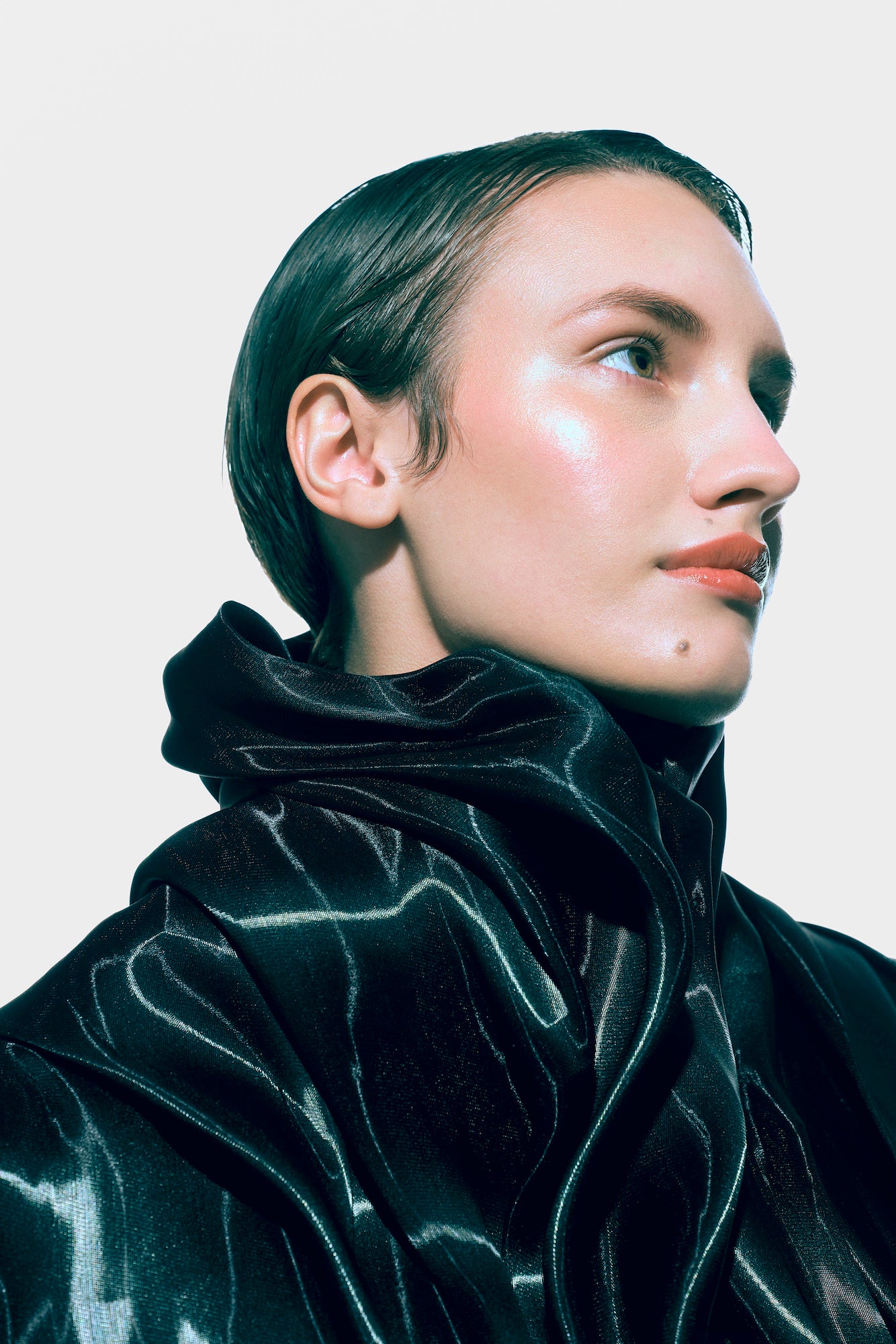
Photo by Nicholas Mastoras. Alpha 7R VI. 28-70mm f/2 G Master. 1/250-sec., f/6.3, ISO 200
The high resolution gives me a lot of freedom at the editing stage. I can make a very precise composition in camera, but I also have the option to crop or reframe when the final image needs to work across different formats. That flexibility is particularly valuable for commercial work, where a single shoot may eventually have to deliver everything from a large campaign image to social media assets.
What I appreciate most, though, is that the camera doesn't dictate how I photograph. It gives me the confidence to concentrate on the subject and the image rather than worrying about whether I have enough information in the file.
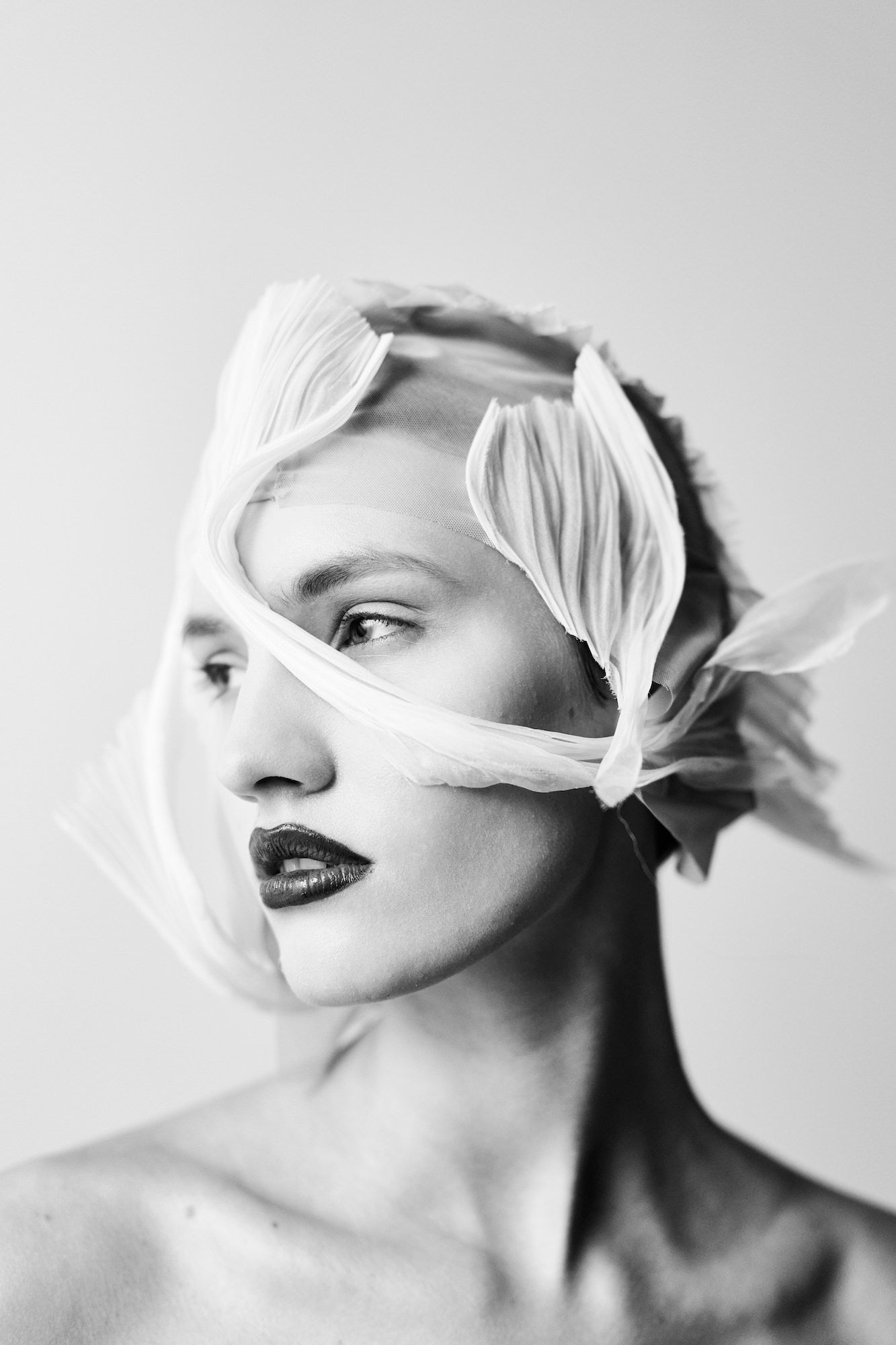
Photo by Nicholas Mastoras. Alpha 7R VI. 28-70mm f/2 G Master. 1/60-sec., f/2, ISO 1600
For me, it is the dependable camera in the bag: the one I can take into a studio, onto a location or halfway around the world and know that it is ready for whatever the assignment demands.
The Alpha 7R VI's full-frame sensor delivers approximately 66.8 megapixels of effective resolution, giving it plenty of scope for detailed commercial and editorial work.
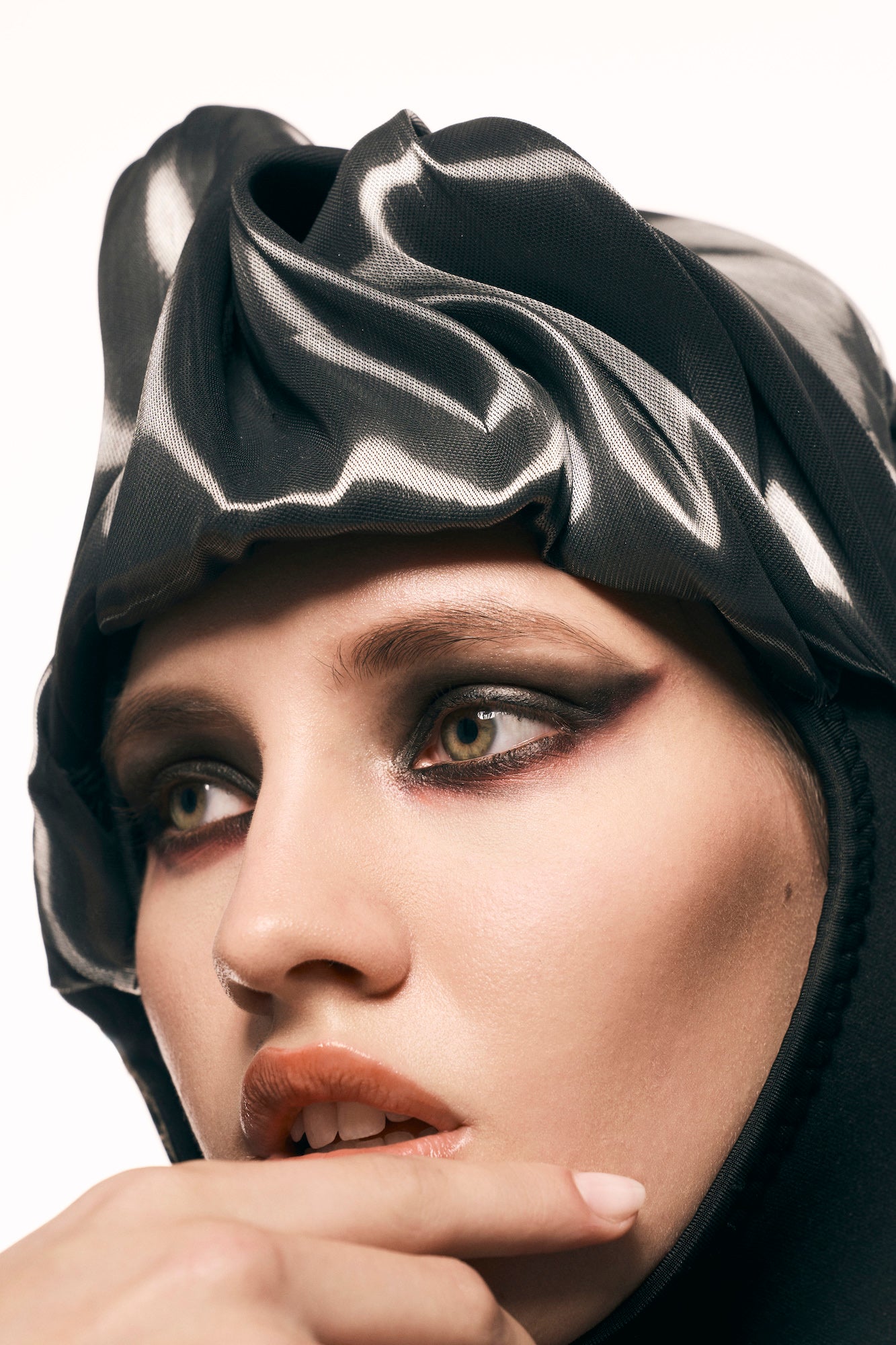
Photo by Nicholas Mastoras. Alpha 7R VI. 28-70mm f/2 G Master. 1/250-sec., f/6.3, ISO 200
RX1R III: The RX1R III has a completely different role in my bag. If the Alpha 7R VI is my professional workhorse, the RX1R III is the camera that makes me want to photograph for the sake of photographing.
There is something liberating about a camera with a fixed 35mm lens. You don't spend time deciding which lens to use. You simply have one focal length and have to move, look and compose with it. I enjoy that constraint.
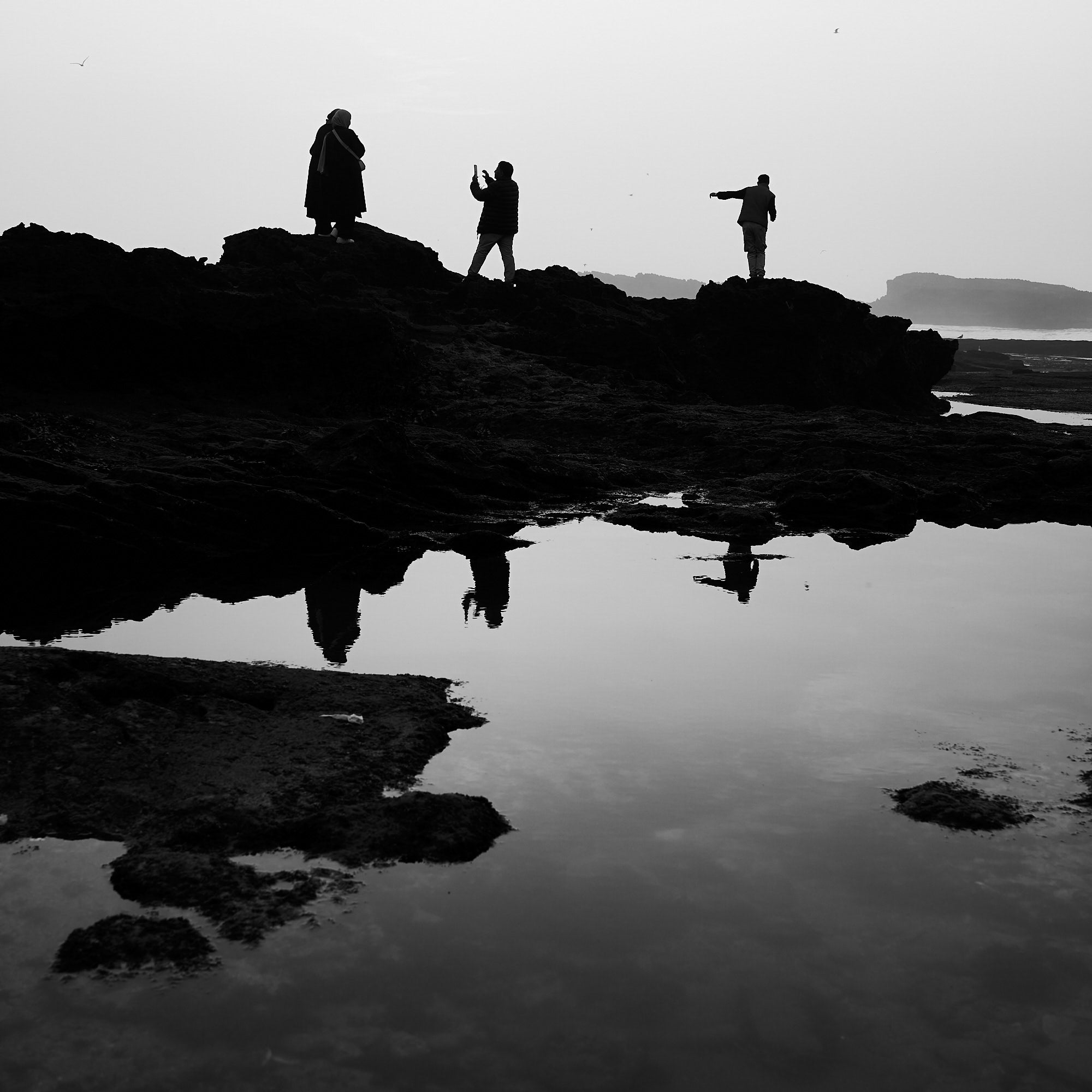
Photo by Nicholas Mastoras. RX1R III. 1/320-sec. f/5. ISO 400.
It is also a camera that I can genuinely carry with me. When travelling, particularly, there is a big difference between deciding to take a camera with you and simply having one with you. The RX1R III makes the latter possible.
The 35mm perspective is also very close to the way I naturally like to photograph. It lets me include context without making the environment overpower the subject. It works beautifully for travel, street photography, environmental portraits and those in-between moments that are often the images I end up liking most.
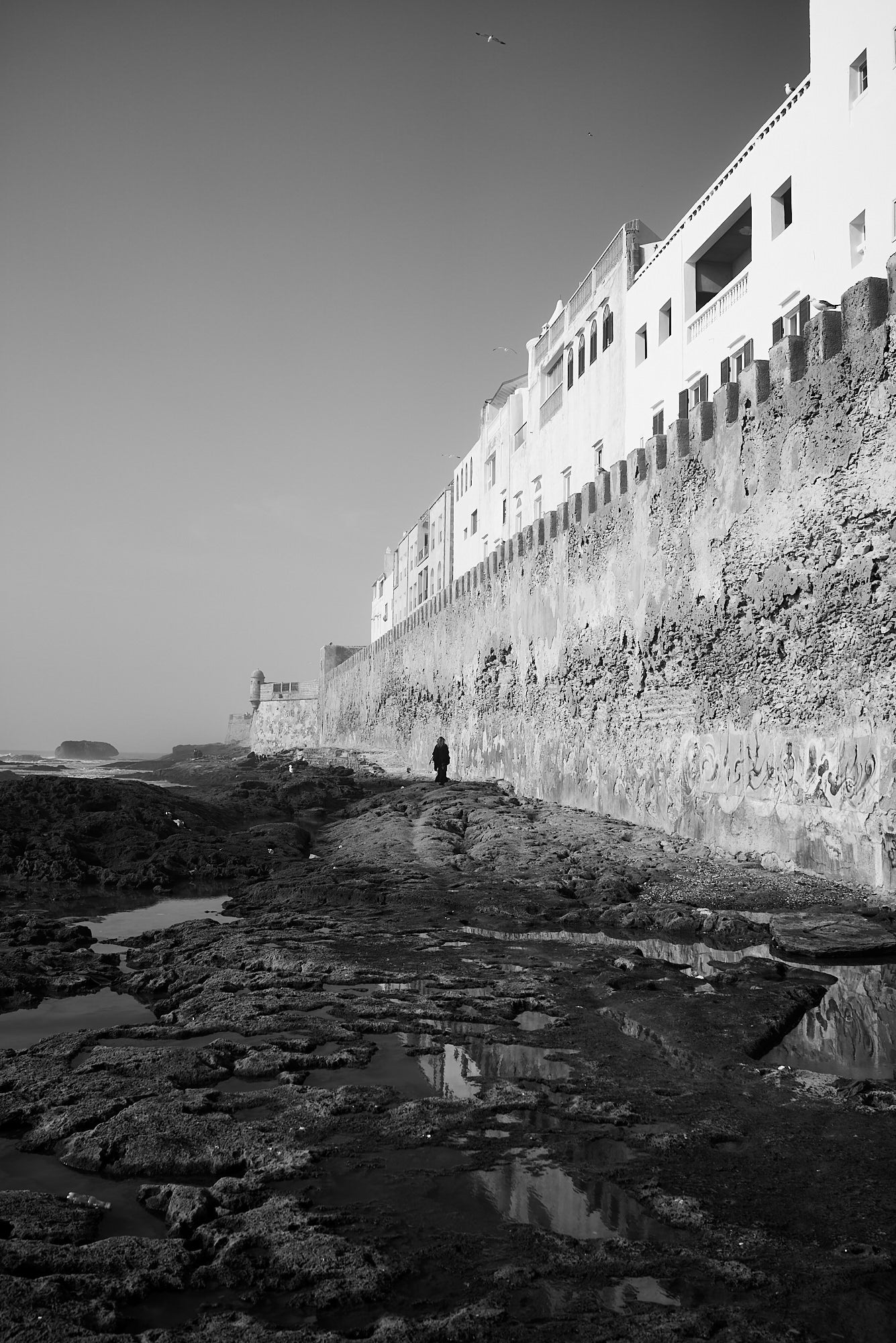
Photo by Nicholas Mastoras. RX1R III. 1/2500-sec. f/4.5, ISO 125
And despite its size, it doesn't feel like a compromise. The RX1R III combines a 61-megapixel full-frame sensor with a fixed ZEISS Sonnar T* 35mm F2 lens, with the lens and sensor designed together to maximise image quality.
For me, that's the appeal: something small enough to disappear into the experience, but capable of producing files that I can take seriously.
The fixed 35mm lens encourages me to work instinctively. I can stay close to the experience, react quickly and make the photograph without feeling like I am setting up a production.
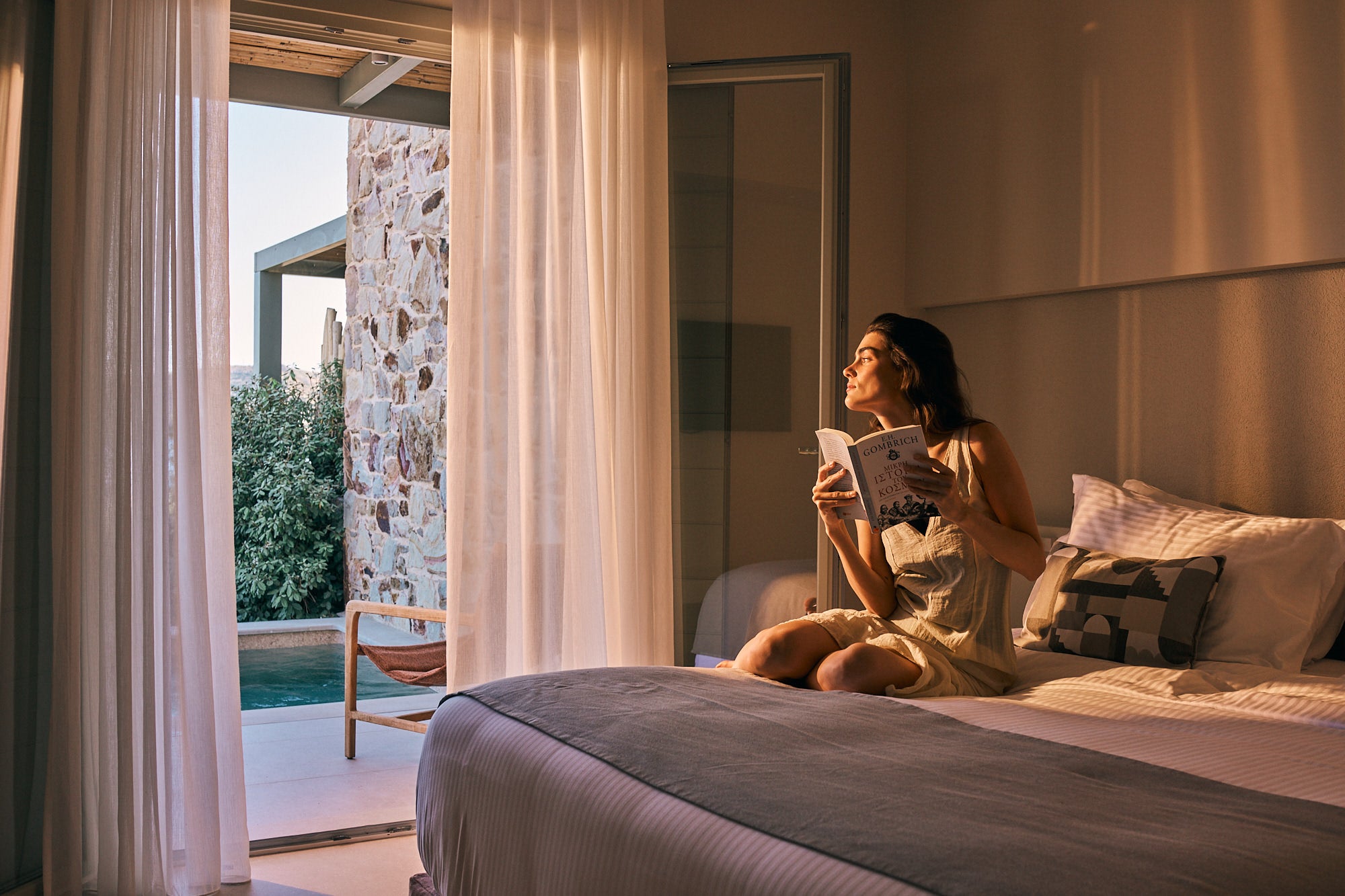
Photo by Nicholas Mastoras. RX1R III. 1/100-sec. f/6.3. ISO 200.
Lenses
28-70mm f/2 G Master: If I had to choose one lens to represent the way I work, this would probably be it. I recently moved from the 24-70mm f/2.8 G Master II to the 28-70mm f/2 G Master, and that change might look relatively small on paper, but the constant f/2 aperture makes a meaningful difference to the way I use the lens.
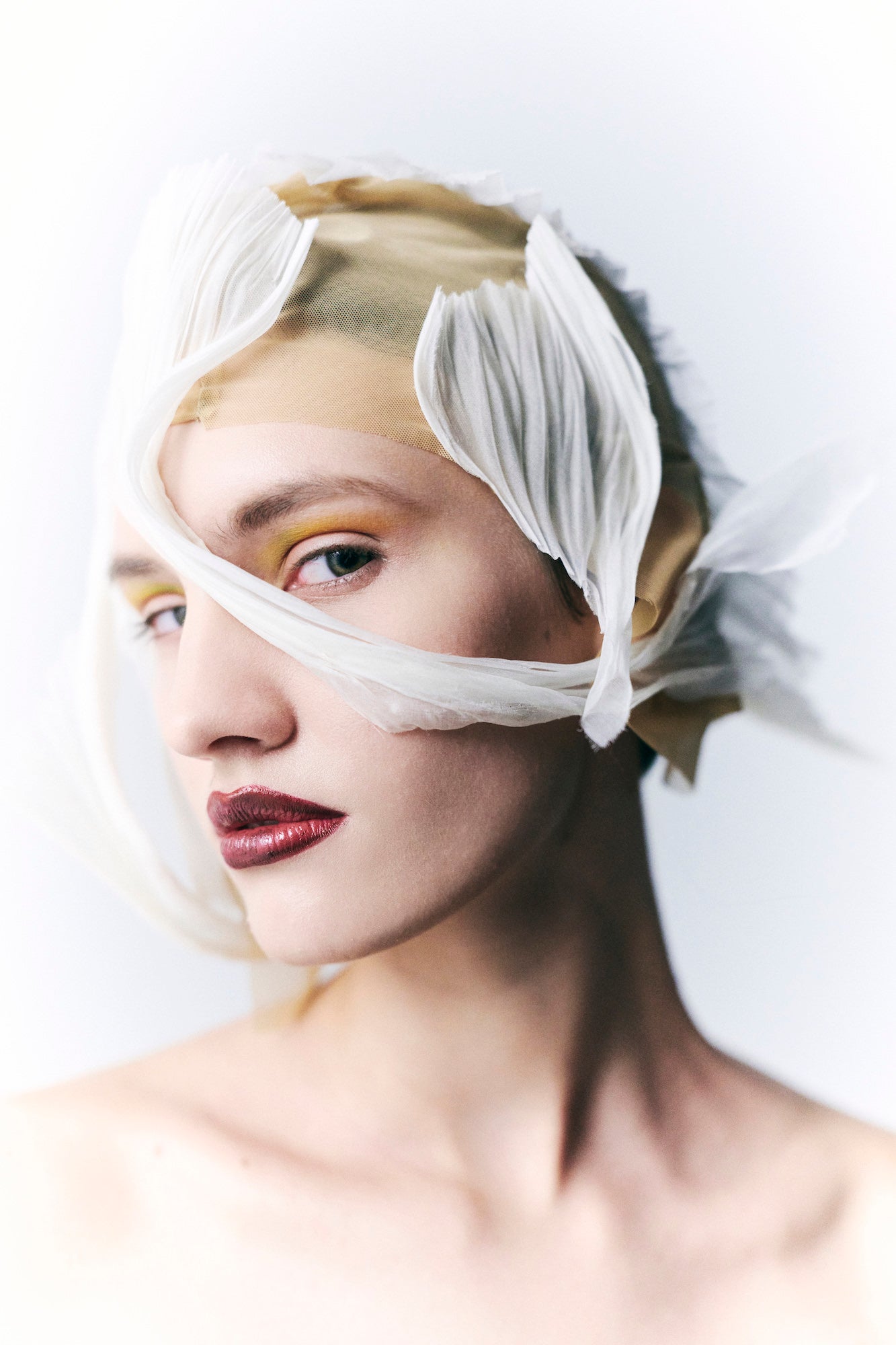
Photo by Nicholas Mastoras. Alpha 7R VI. 28-70mm f/2 G Master. 1/250-sec., f/4, ISO 200
This is the lens I can leave on the camera and know that I'm covered for a huge percentage of a shoot. At 28mm I can work with the environment; in the middle of the range I can make more natural environmental portraits; and towards 70mm I can isolate the subject and create a much more intimate image.
The f/2 aperture is particularly useful for the way I photograph people. It gives me the ability to separate the subject from the background while still retaining the flexibility of a zoom.
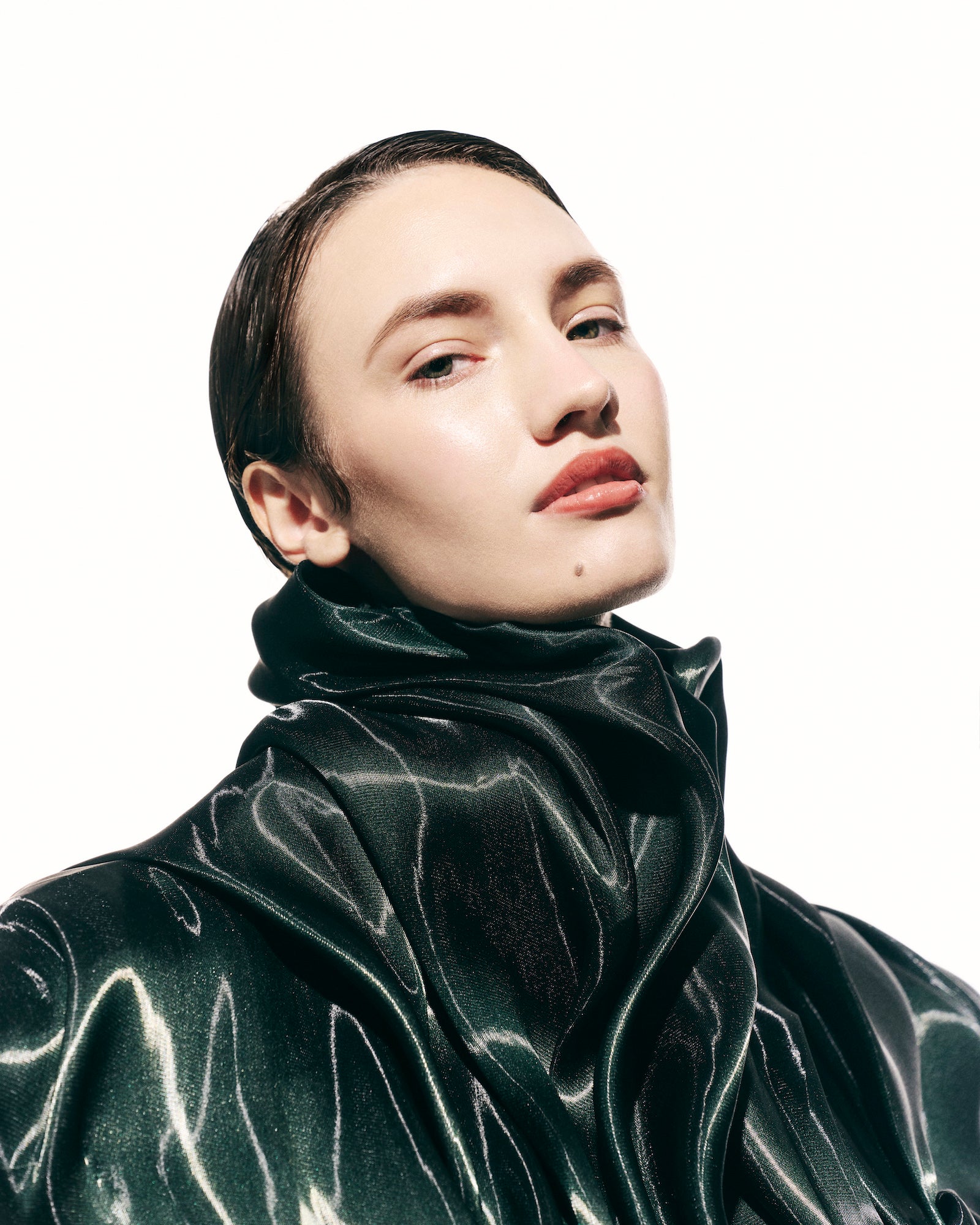
Photo by Nicholas Mastoras. Alpha 7R VI. 28-70mm f/2 G Master. 1/250-sec., f/6.3, ISO 200
What I like most is that it can replace several prime lenses without making me feel like I'm compromising. Sony describes it as a standard zoom designed to offer prime-like sharpness and contrast, while the constant f/2 aperture gives it another level of creative flexibility.
For fashion, portraiture and lifestyle work, this is probably the lens that spends the most time on my camera.
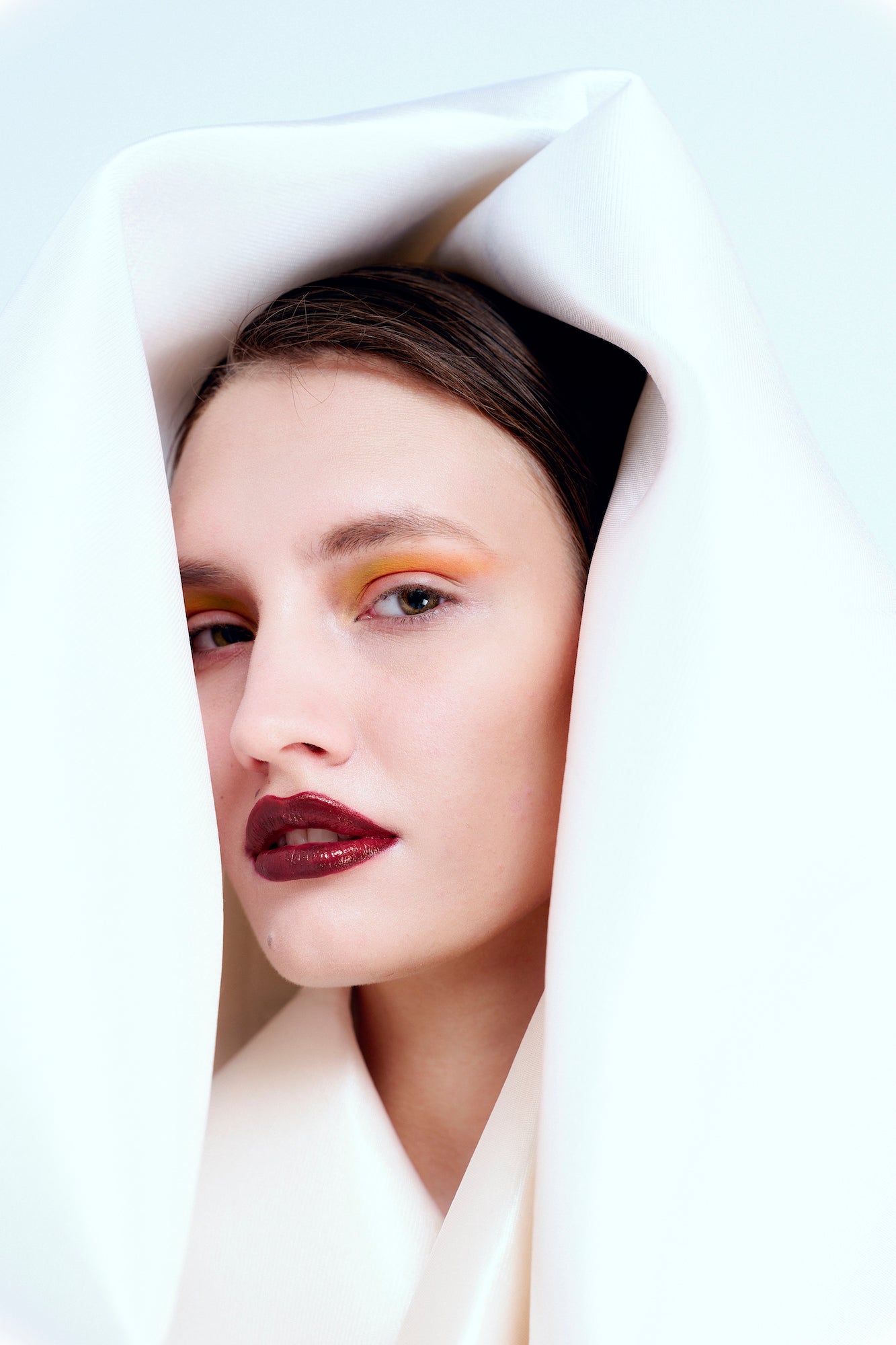
Photo by Nicholas Mastoras. Alpha 7R VI. 28-70mm f/2 G Master. 1/250-sec., f/4, ISO 200
16-35mm f/4 G PZ: I always want an ultra-wide zoom in my bag when I'm traveling or working on location. I especially like to use this one for video content.
The 16-35mm range gives me the ability to create images where the environment becomes an important part of the story. This is particularly useful for hospitality and travel work, where the location isn't simply a background – it is often one of the main characters.
At the wider end, I can exaggerate space and create something graphic and immersive. At 35mm, the perspective becomes much more natural and useful for environmental portraits and documentary-style moments.
I also like using a wide lens for fashion because it doesn't have to look like a typical fashion photograph. Getting close to a subject at the wider end can create a sense of energy and distortion that feels much more contemporary.
The fact that this is a power zoom is also useful when I'm moving quickly between different types of images, particularly when a production includes both stills and moving content.
50mm f/1.4 G Master: I keep a prime with me, for those low light situations, and the one I choose to have in my kit is the 50mm f/1.4 GM because the image quality combined with its size are excellent.
70–200mm f/2.8 G Master II: The 70-200mm is the lens I reach for when I want to change the feeling of a photograph.
At 70mm, I can still work relatively close to my subject. As I move towards 200mm, the perspective becomes much more compressed and the background begins to feel closer to the subject. That can completely change a fashion or portrait image.
I particularly like it for shooting people outdoors. Instead of physically moving into the scene, I can step back and allow the environment to compress around the subject. It gives me a different visual language from the 28–70mm and means that the three lenses in my bag aren't simply overlapping focal lengths – they each give me a different way of seeing.
It is also invaluable when I'm working on location and want to pick out details from a larger environment. A hotel, a landscape or a fashion production can suddenly become a collection of smaller graphic images.
The 70–200mm f/2.8 G Master II gives me that reach while retaining the speed and subject separation I want for portraits and fashion.
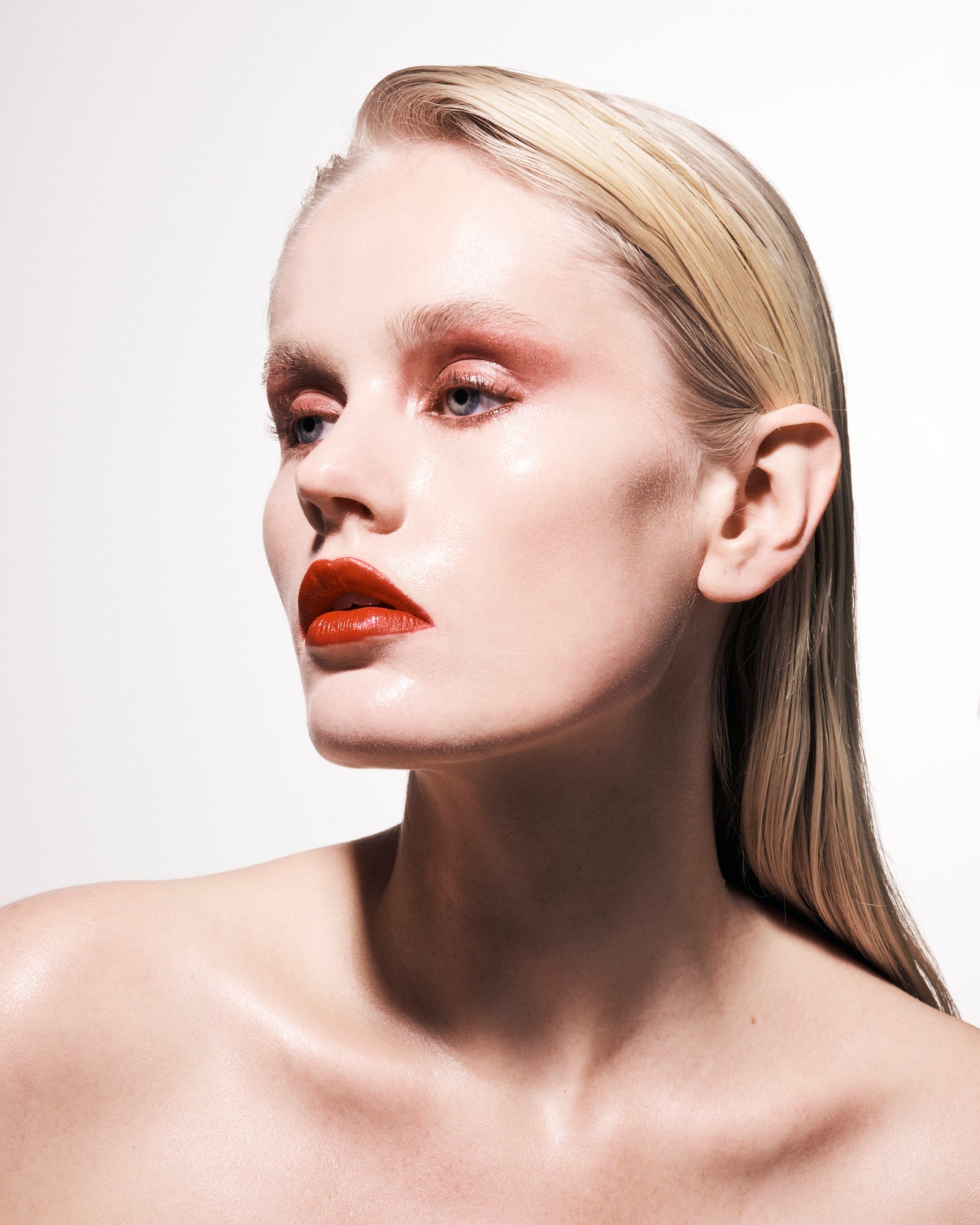
Photo by Nicholas Mastoras. Alpha 7R V. 70-200mm f/2.8 G Master II. 1/250-sec., f/18, ISO 100
Accessories
Flash: I like having a small, powerful flash with me even when most of the time I'm working with available or natural light. The A1X gives me the option to introduce light quickly when I need it, without turning a simple setup into a full lighting production.
Lighting Control: The Connect Pro stays in the bag because it gives me quick, wireless control of my Profoto lighting. When I'm moving between locations, simplicity is important.
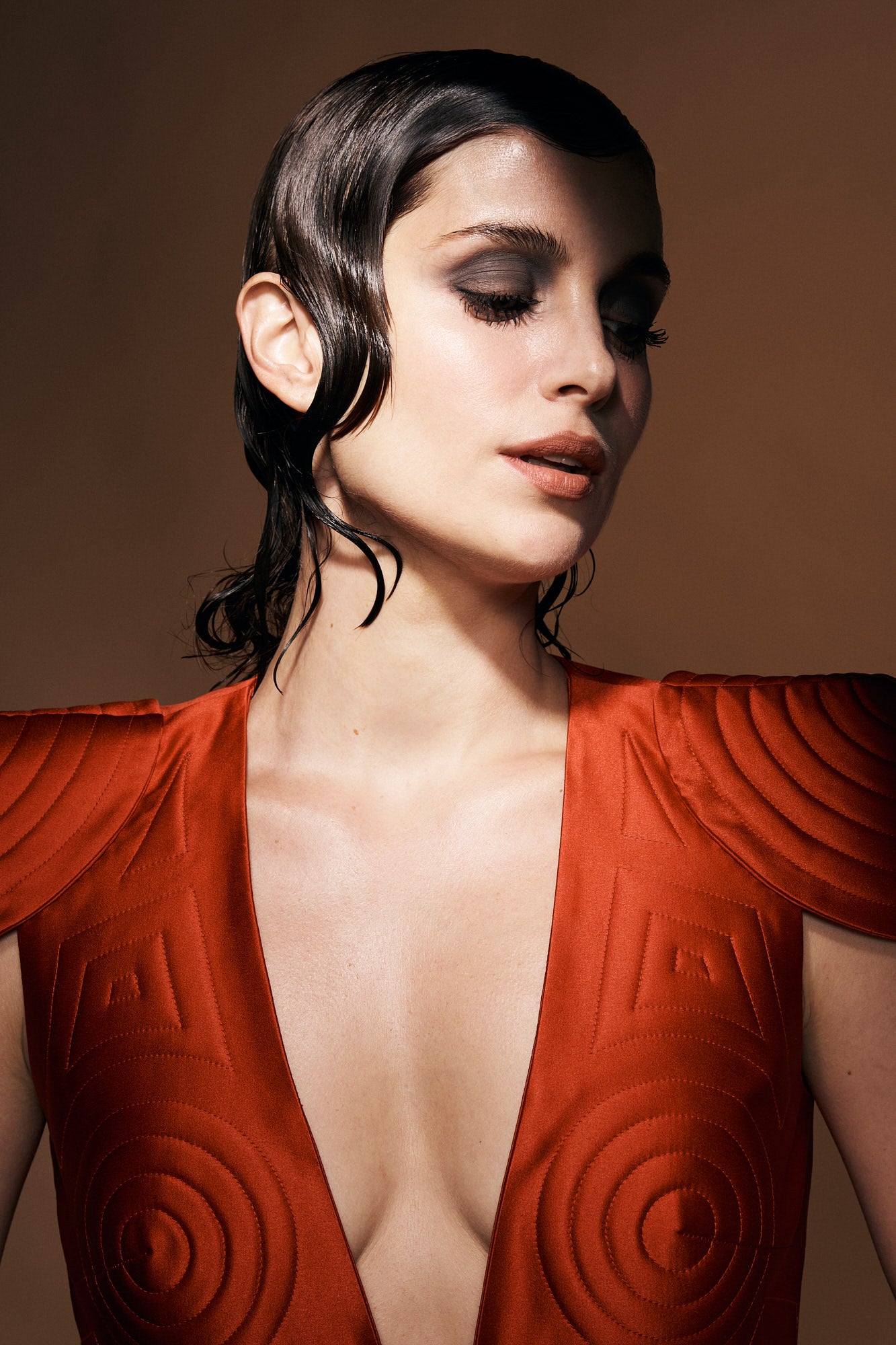
Photo by Nicholas Mastoras. Alpha 7R V. 1/250-sec. f/10. ISO 100.
Laptop: The laptop is as much a part of my working kit as the cameras. On longer productions or while travelling, I use it to review, select, organise and start working on images rather than waiting until I'm back in the studio.
Professional SSD: Backing up is not exciting, but it is one of the most important parts of working professionally. I always want a fast external SSD with me so that I can make a secure copy of the work while I'm still on location.
Tiffen Black Pro-Mist: This is one of the few things in my bag that isn't there for technical necessity. I like having the option of taking some of the digital perfection out of an image. The Black Pro-Mist can soften highlights and introduce a subtle atmospheric quality, which can be particularly interesting for portraits, fashion and cinematic-looking work.
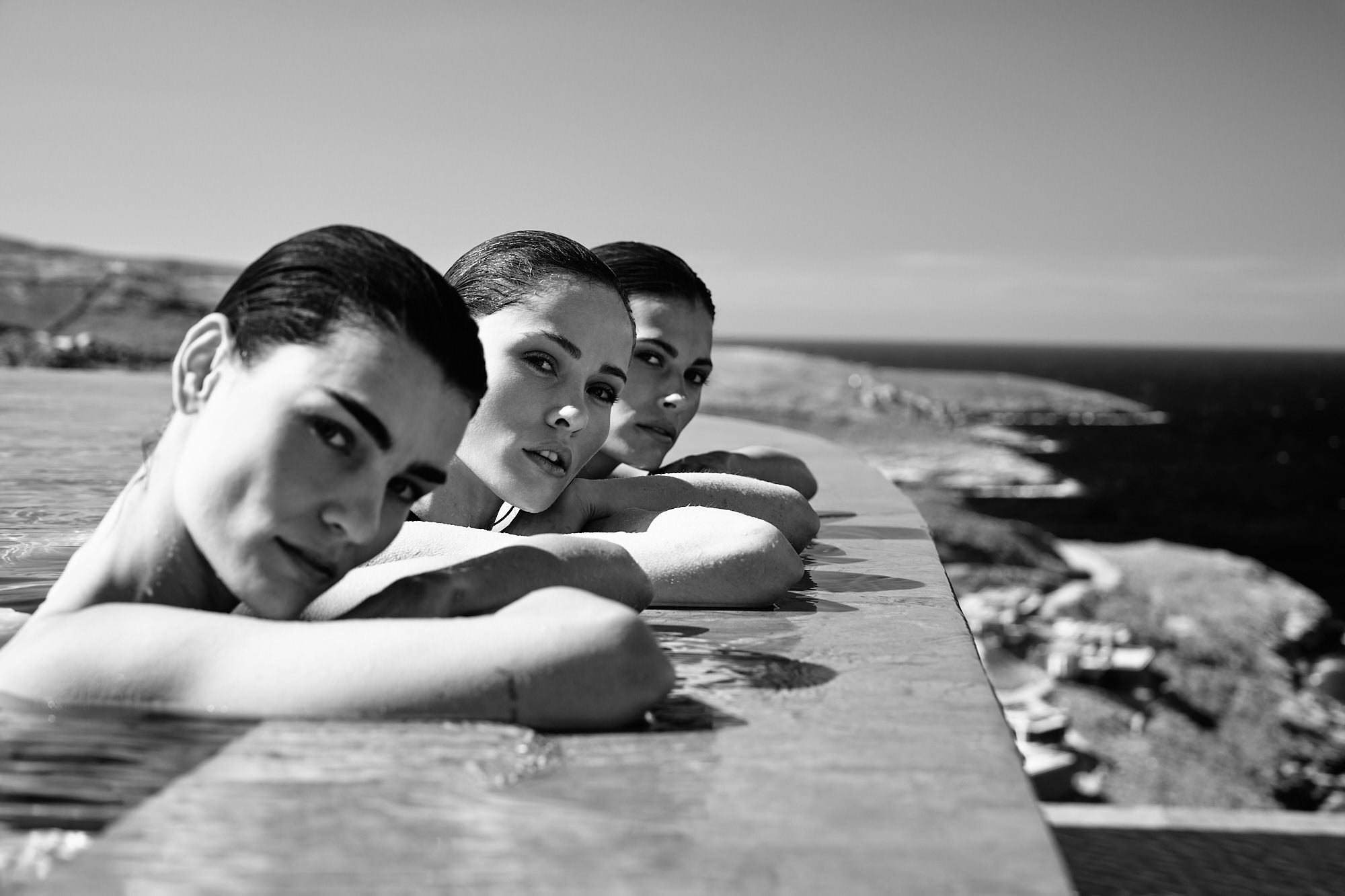
Photo by Nicholas Mastoras. Alpha 7R V. 24-70mm f/2.8 G Master II. 1/250-sec. f/6.3. ISO 320.
Memory Cards: There isn't much to say about memory cards except that you absolutely need them. I carry more than I expect to use because running out of storage is not something I want to think about during a production.
Sony WH-1000XM5: A slightly more personal item in the bag. Production days can be long, and I spend a lot of time travelling, editing and working between shoots. Music is part of my process, whether I'm travelling to a location or sitting down to edit.
Dust Blower: Not glamorous, but essential. I work with cameras and lenses constantly, and a dust blower is one of those small things that takes up almost no space but can save you a lot of frustration – particularly when you're working at high resolution.
The kit, in one bag
What I like about this setup is that it doesn't feel like I am carrying a different system for every kind of photography.
The Alpha 7R VI gives me the resolution and flexibility I need for demanding commercial work. The RX1R III gives me a completely different, more instinctive way of photographing. The 16-35mm, 28-70mm and 70-200mm cover an enormous range of visual possibilities, from expansive travel images to intimate portraits and compressed fashion frames.
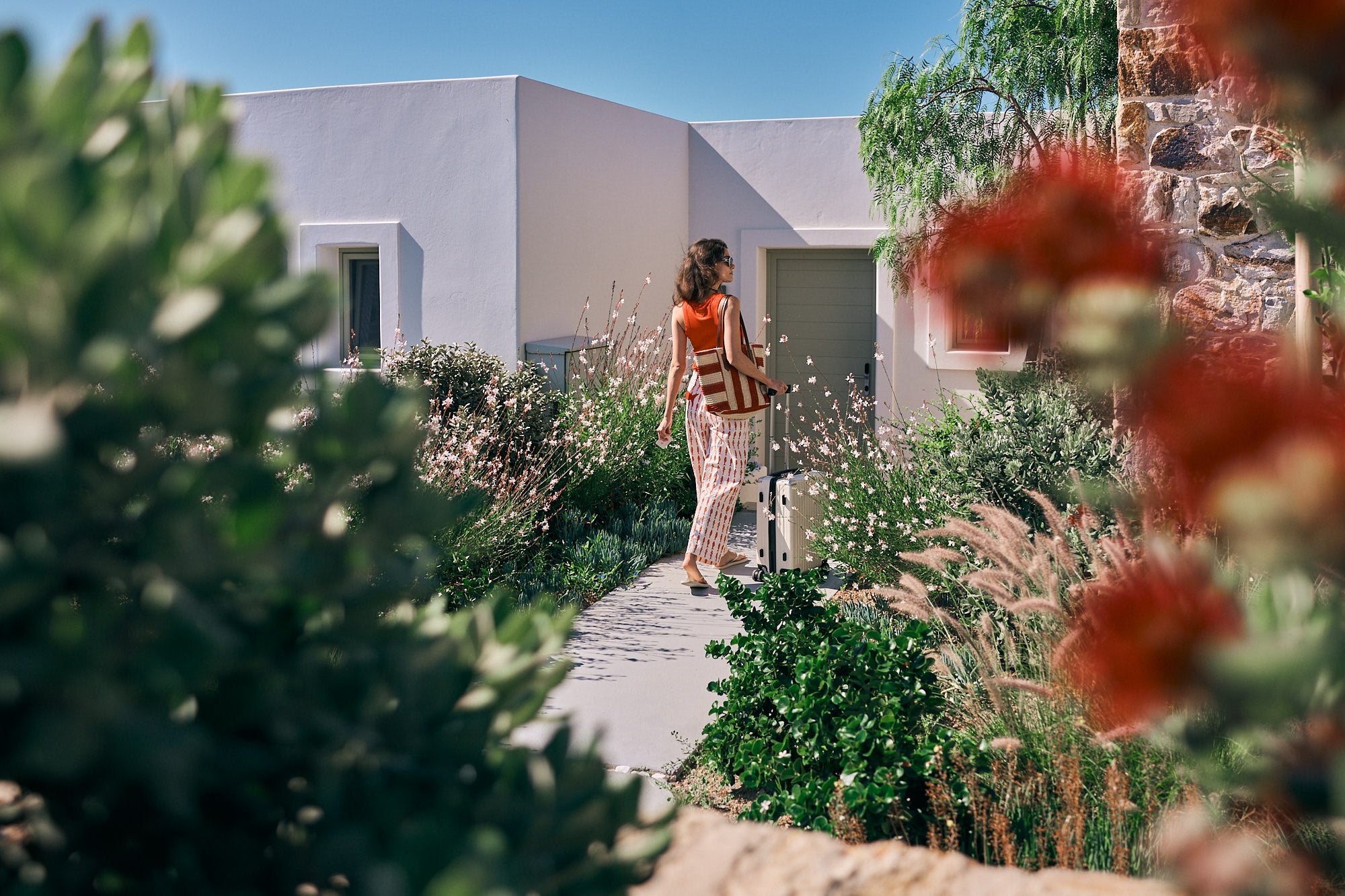
Photo by Nicholas Mastoras. RX1R III. 1/2000-sec. f/3.2. ISO 100.
And that's ultimately what I want from a camera bag.
I don't want the equipment to define the photograph. I want it to give me enough possibilities that, wherever I am and whatever is happening in front of me, I can concentrate on making the image.
See more of Nicholas Mastoras’ work on Instagram @nmastoras.