Chad Sawyer is a wildlife photographer based in Ohio. Since beginning his journey into wildlife photography three years ago, birds have become one of his greatest passions. “Much of my year is spent traveling across the country photographing everything from hummingbirds in the Southwest to owls and raptors closer to home in the Midwest,” he explains. “I also lead bird and wildlife photography workshops, helping others improve their skills while sharing some of my favorite locations and techniques.”
In addition to photography, Chad is also a falconer, which he says has given him an even deeper appreciation for the speed, behavior and beauty of birds of prey. “That connection to birds – both through photography and falconry – has shaped the way I approach wildlife photography and the gear I rely on every day.”
This is the setup Chad reaches for every time he heads into the field. “Whether I’m photographing a ruby-throated hummingbird hovering inches from a flower or a bald eagle soaring over a lake, this combination gives me the speed, reach and image quality I need to capture the moment.” Keep reading as he shares what’s in his bag for bird photography.
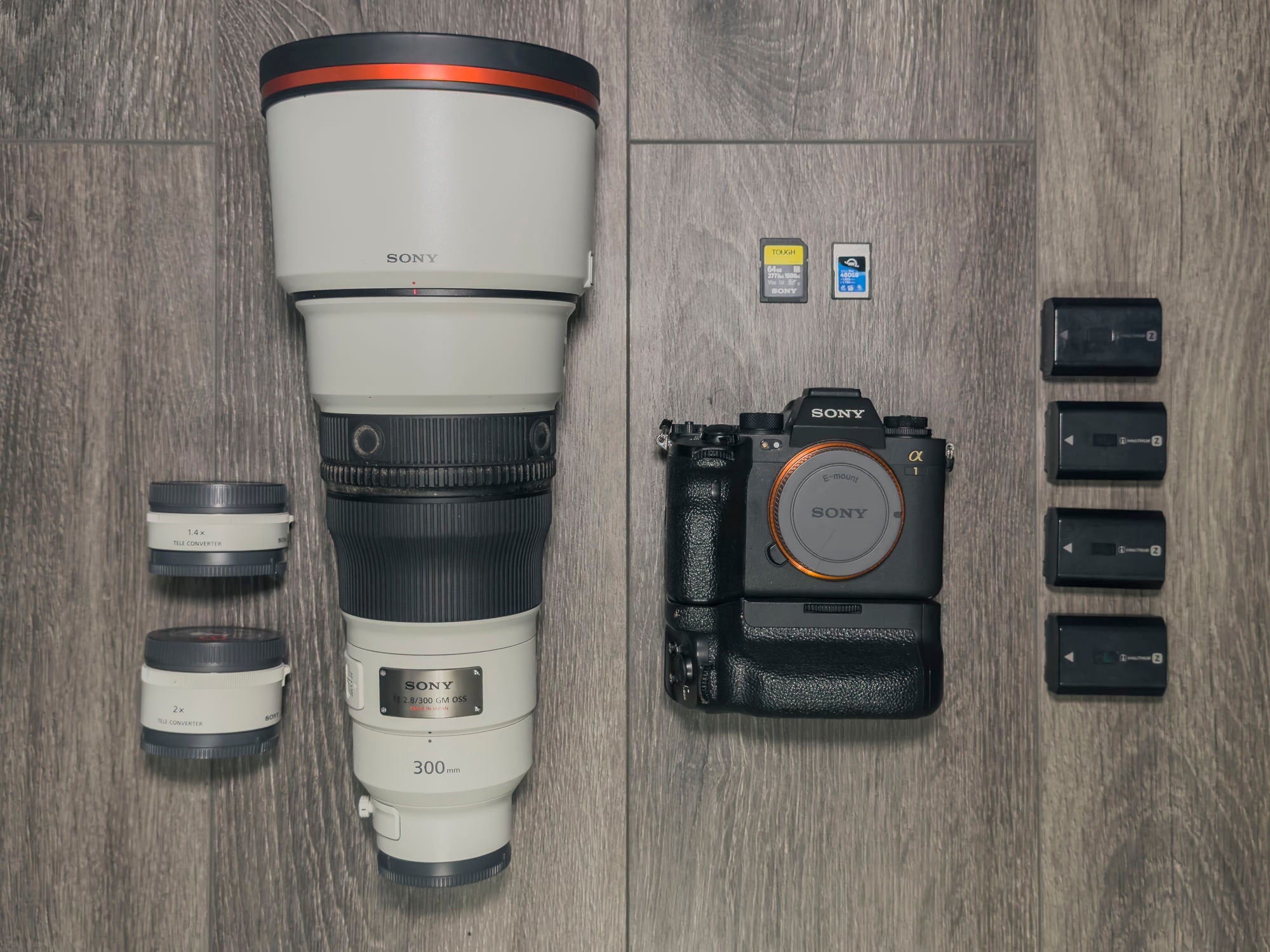
Shop This Kit:
Camera: Alpha 1
Lens: 300mm f/2.8 G Master
Accessories: 1.4X Teleconverter, 2.0X Teleconverter, TOUGH Memory Cards, NP-FZ100 Batteries
Camera
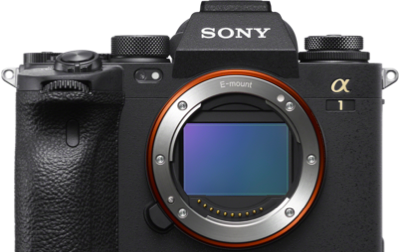
Alpha 1: The Sony Alpha 1 completely changed the way I photograph birds. Birds rarely sit still. Hummingbirds dart from flower to flower, warblers move quickly through branches, and raptors can dive without warning. The Alpha 1 keeps up with all of it effortlessly.
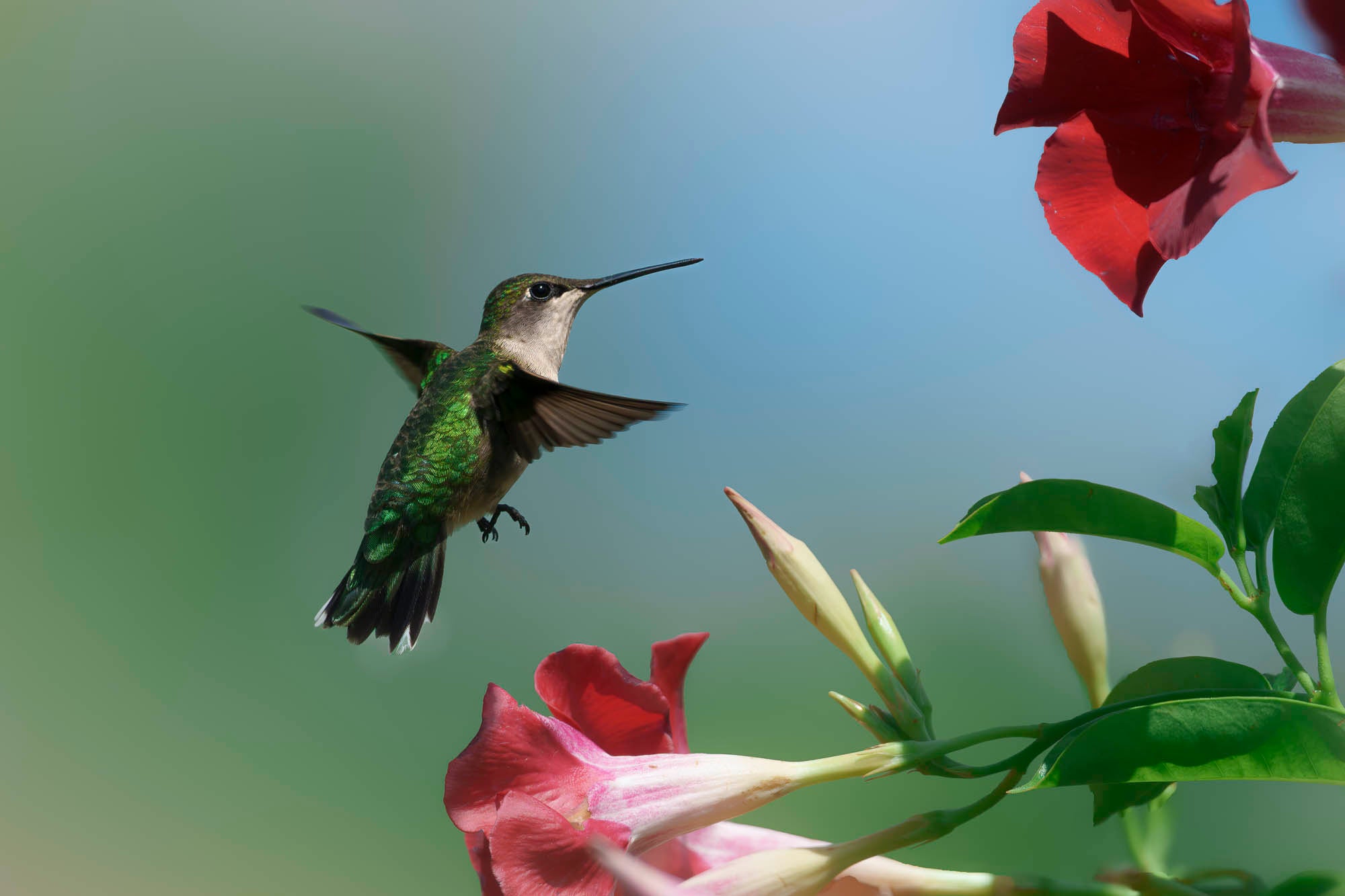
Photo by Chad Sawyer. Alpha 1. 300mm f/2.8 G Master + 2x TC. 1/3200-sec., f/8, ISO 1000
What impresses me most is how reliably it locks onto a bird’s eye and stays focused, even when the subject is moving unpredictably. With blackout-free shooting at up to 30 frames per second and 50 megapixels of resolution, I know I’m capturing sharp images while preserving incredible detail in every feather.
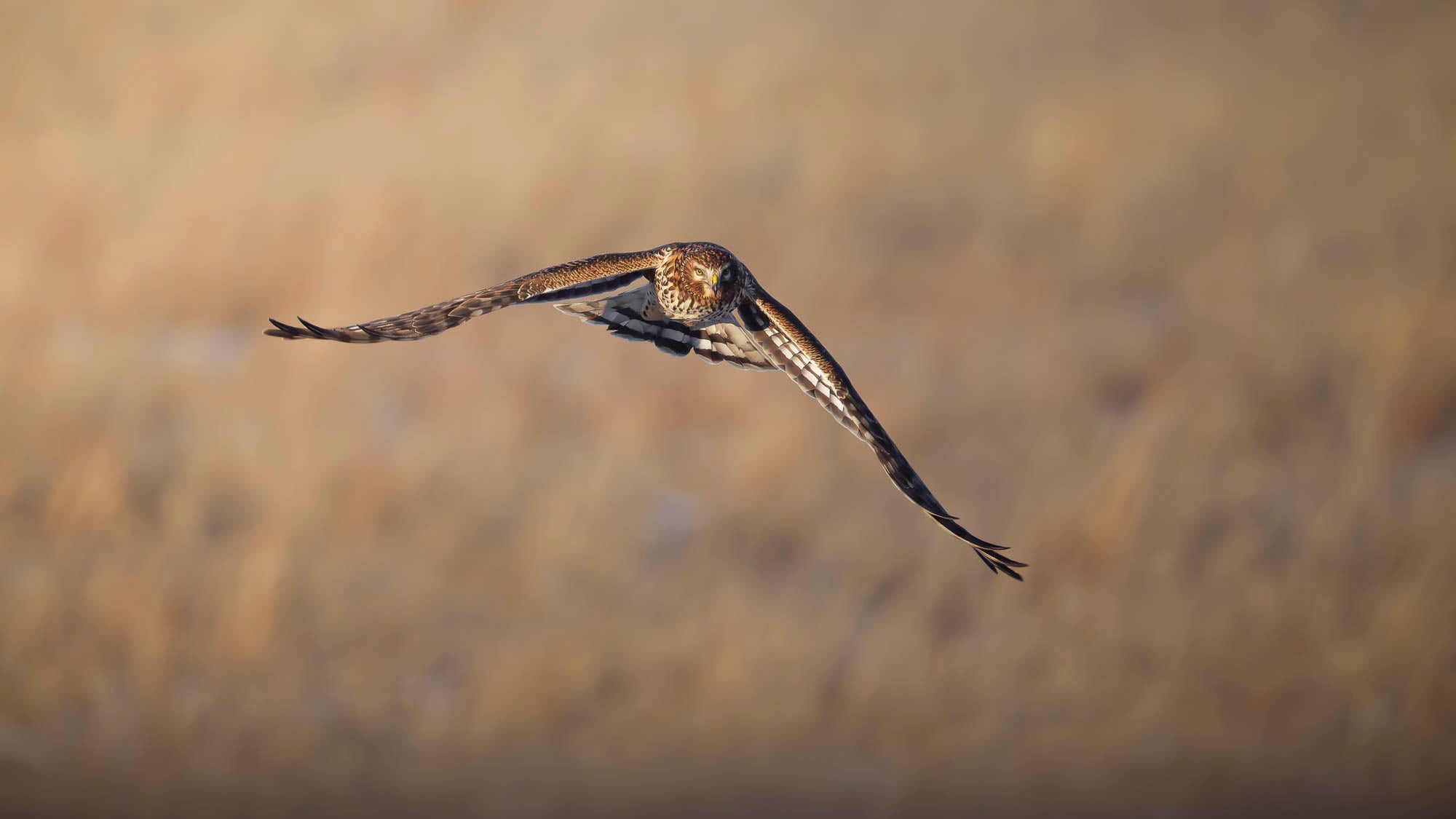
Photo by Chad Sawyer. Alpha 1. 300mm f/2.8 G Master + 2x TC. 1/2000-sec., f/5.6, ISO 640
The high resolution is especially valuable when photographing distant subjects. If I need to crop, I still have plenty of detail to work with. Simply put, the Sony Alpha 1 gives me confidence in the field. I can focus entirely on the bird and the story I want to capture instead of worrying about whether my gear can keep up.
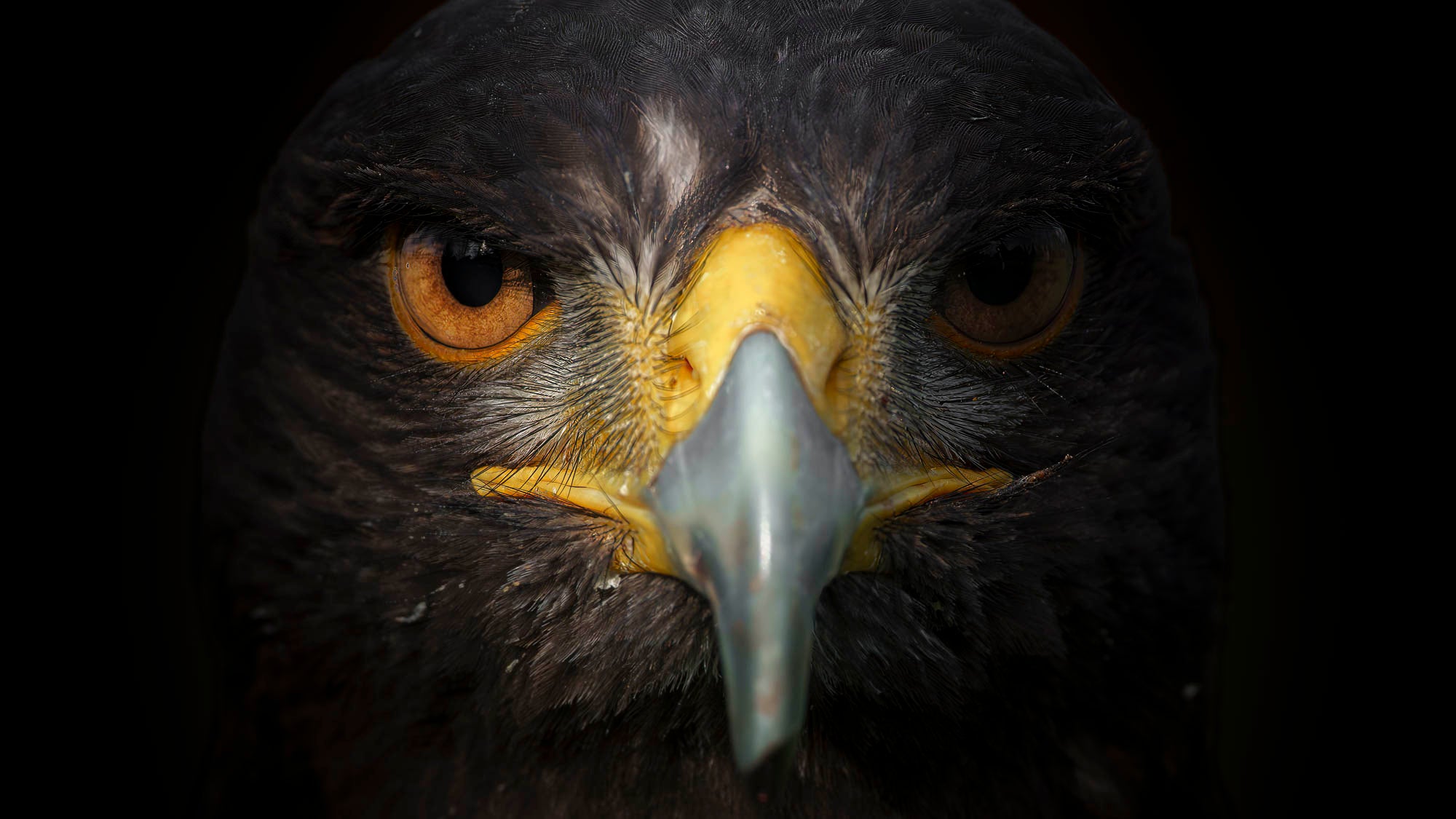
Photo by Chad Sawyer. Alpha 1. 300mm f/2.8 G Master + 1.4x TC. 1/800-sec., f/8, ISO 2500
Lens
300mm f/2.8 G Master: The Sony FE 300mm F2.8 GM OSS quickly became my favorite bird photography lens. The first thing I noticed was how lightweight it is. I can comfortably handhold it for hours without fatigue, which makes a huge difference when tracking birds in flight or hiking into remote locations.
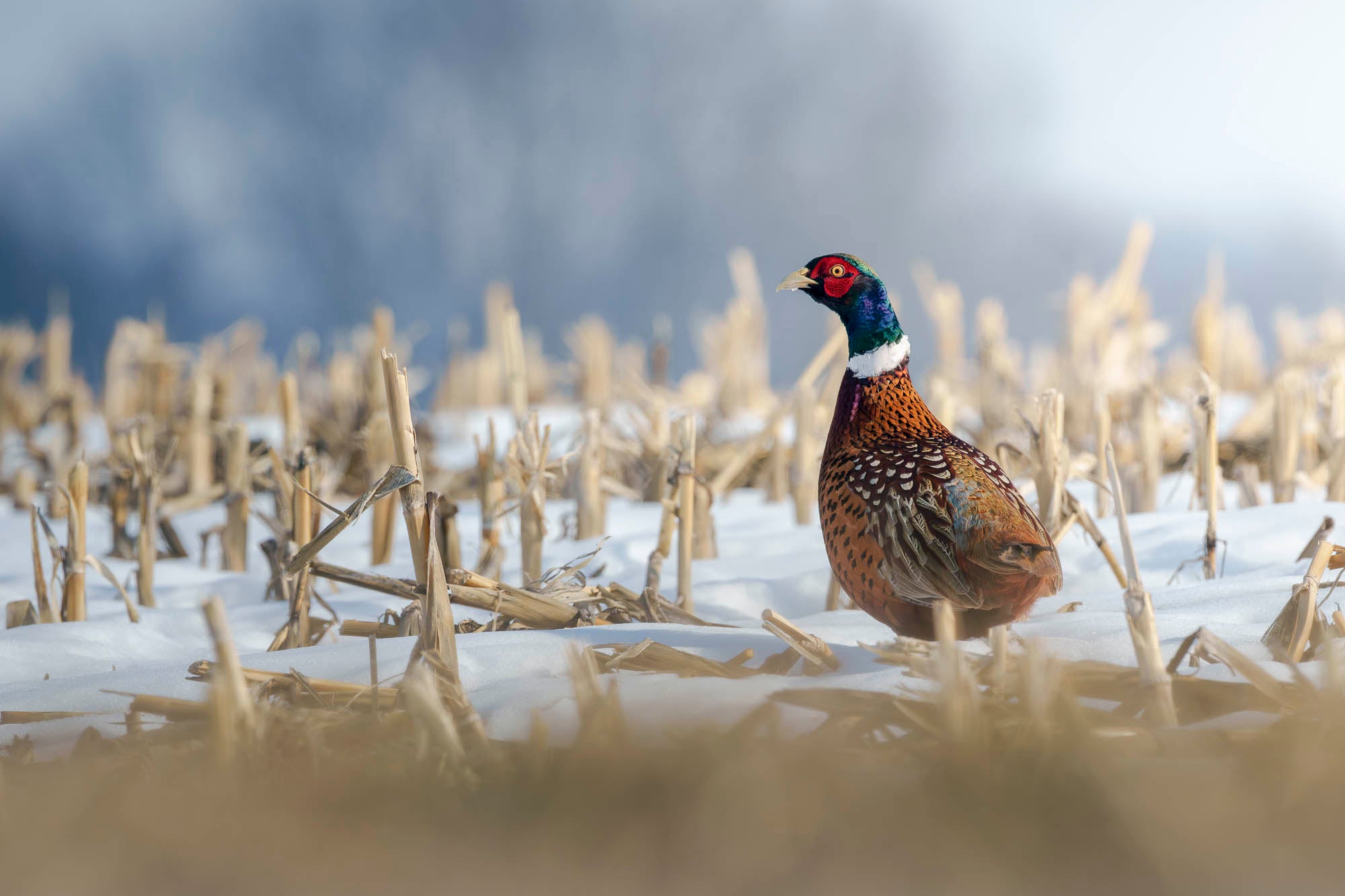
Photo by Chad Sawyer. Alpha 1. 300mm f/2.8 G Master + 1.4x TC. 1/2000-sec., f/7.1, ISO 320
The second thing I noticed was the sharpness. This lens is incredibly crisp, even wide open at f/2.8. That bright aperture also creates beautiful background separation and allows me to shoot in lower light during the golden hours when birds are most active. At 300mm, it’s perfect for birds that approach closely, and it’s ideal for creating environmental portraits that showcase the bird within its habitat.
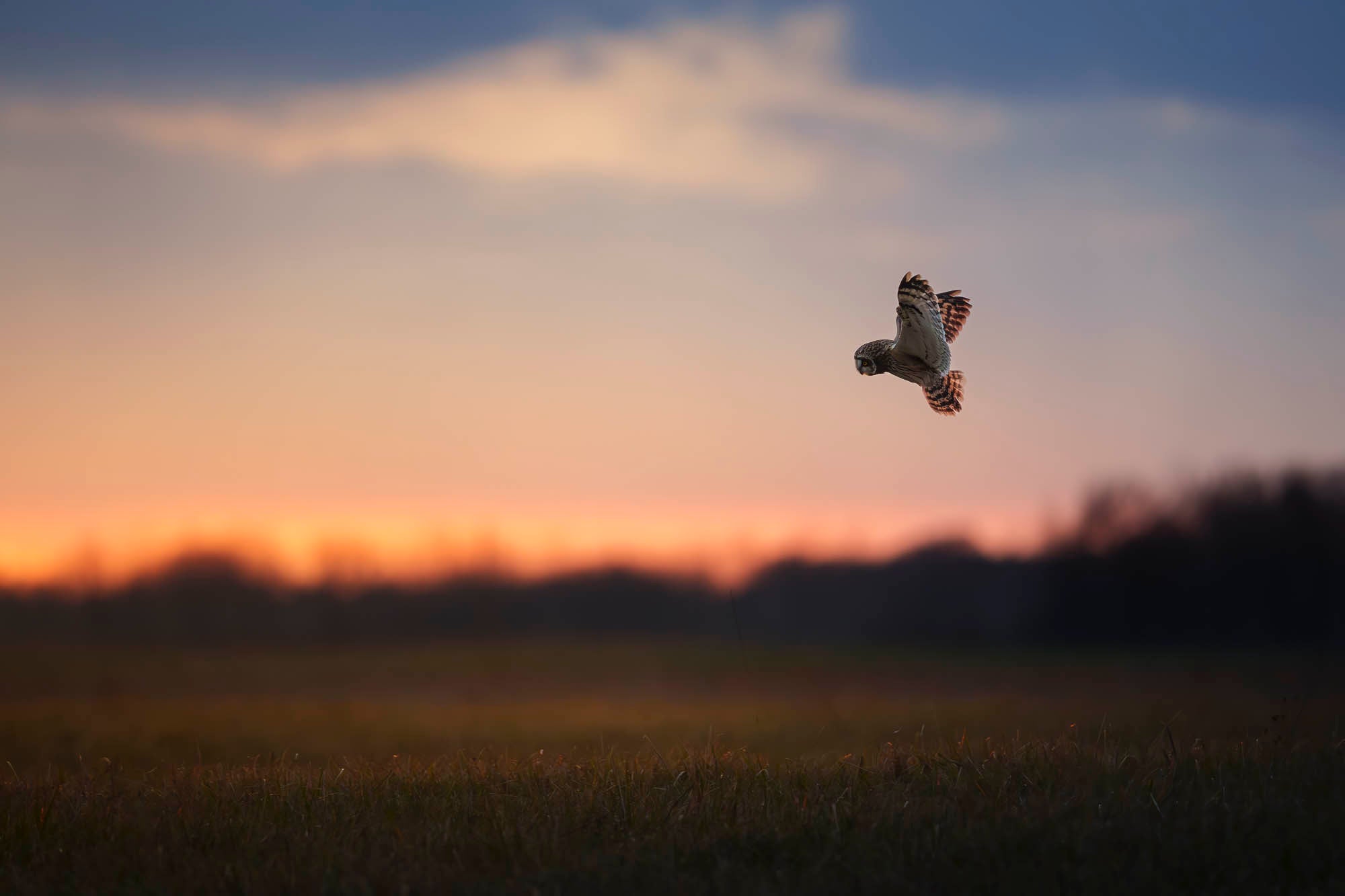
Photo by Chad Sawyer. Alpha 1. 300mm f/2.8 G Master. 1/1250-sec., f/2.8, ISO 1600
Accessories
1.4x Teleconverter: Adding the Sony 1.4x Teleconverter transforms the lens into a 420mm f/4. This is probably my most-used combination because it provides extra reach while keeping autofocus incredibly fast and image quality outstanding.
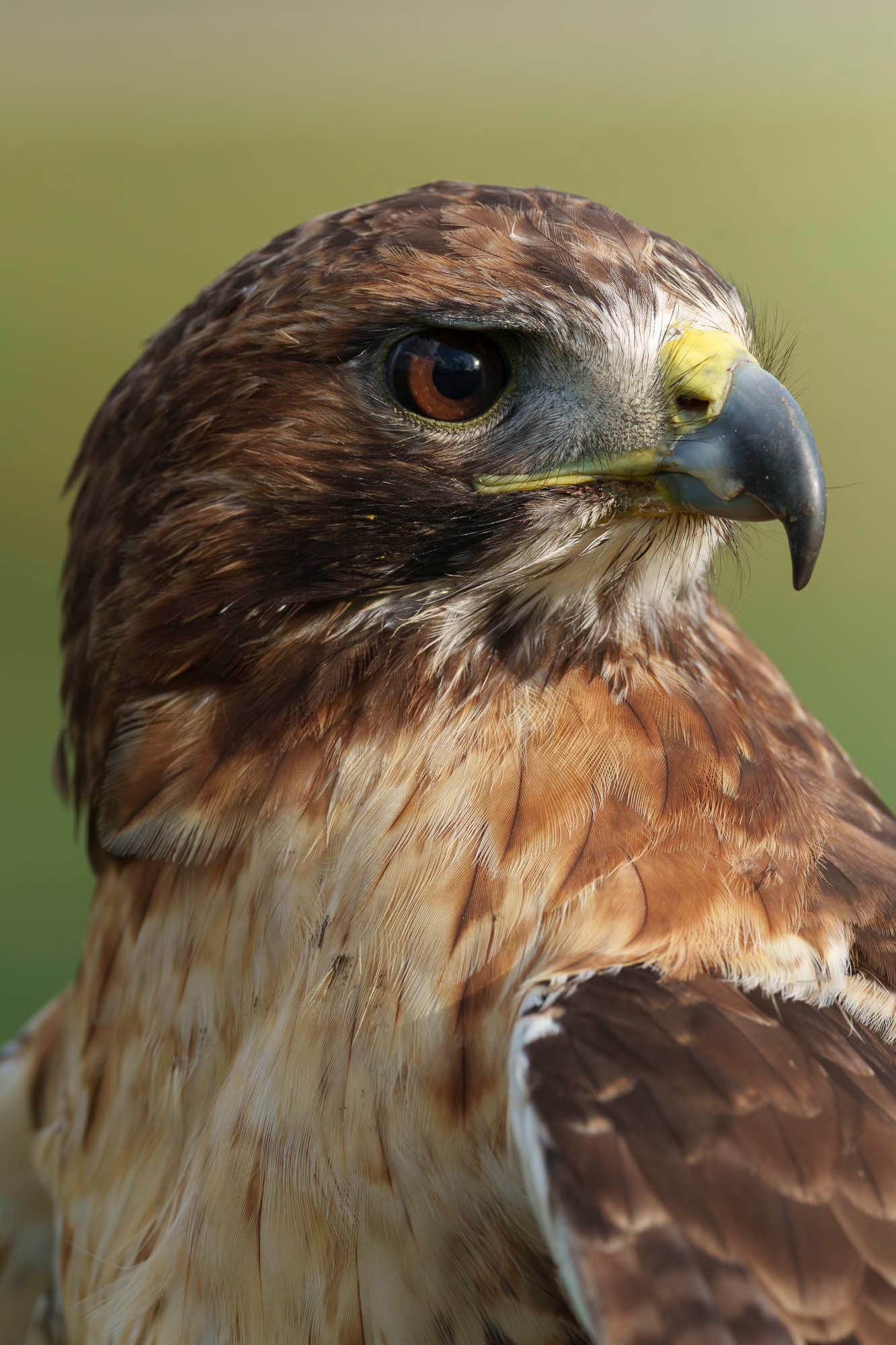
Photo by Chad Sawyer. Alpha 1. 300mm f/2.8 G Master + 1.4x TC. 1/1000-sec., f/8, ISO 1250
2.0x Teleconverter: When I need even more reach, I attach the Sony 2.0x Teleconverter, turning the lens into a 600mm f/5.6. This setup works especially well for distant owls, hawks, eagles, and shorebirds. Even with the 2x attached, the sharpness and autofocus performance continue to impress me.
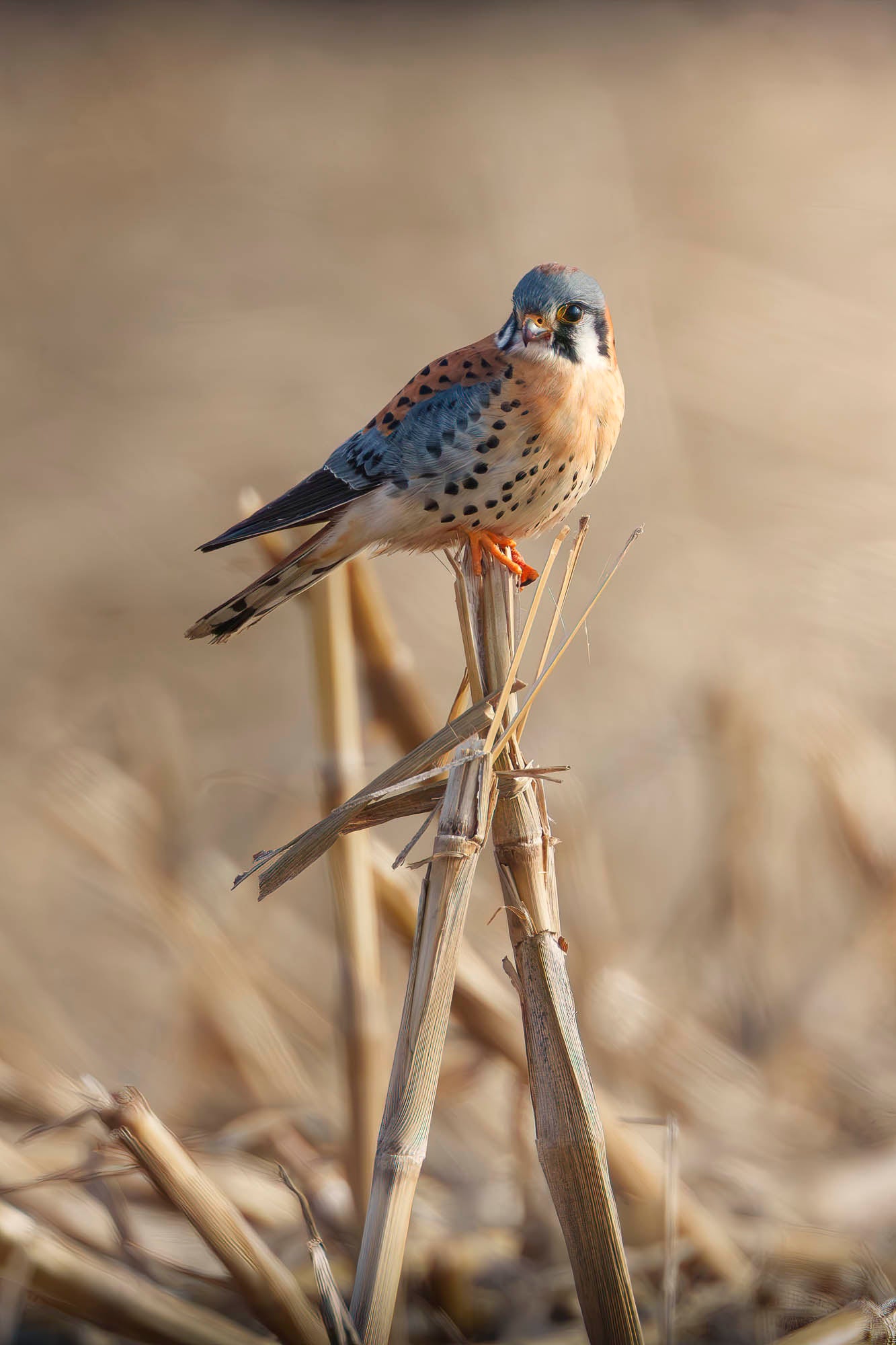
Photo by Chad Sawyer. Alpha 1. 300mm f/2.8 G Master + 1.4x TC. 1/3200-sec., f/5.6, ISO 1250
Cotton Carrier System: This has been one of the biggest game changers for me. Spending long days photographing birds can be physically demanding, and having a comfortable way to carry my gear makes a huge difference. It keeps my camera secure while allowing me to react quickly when unexpected moments happen.
NP-FZ100 Batteries: I also never leave home without extra batteries. Bird photography often means long days in the field, high frame rates, and thousands of images in a single outing, so backup power is essential.
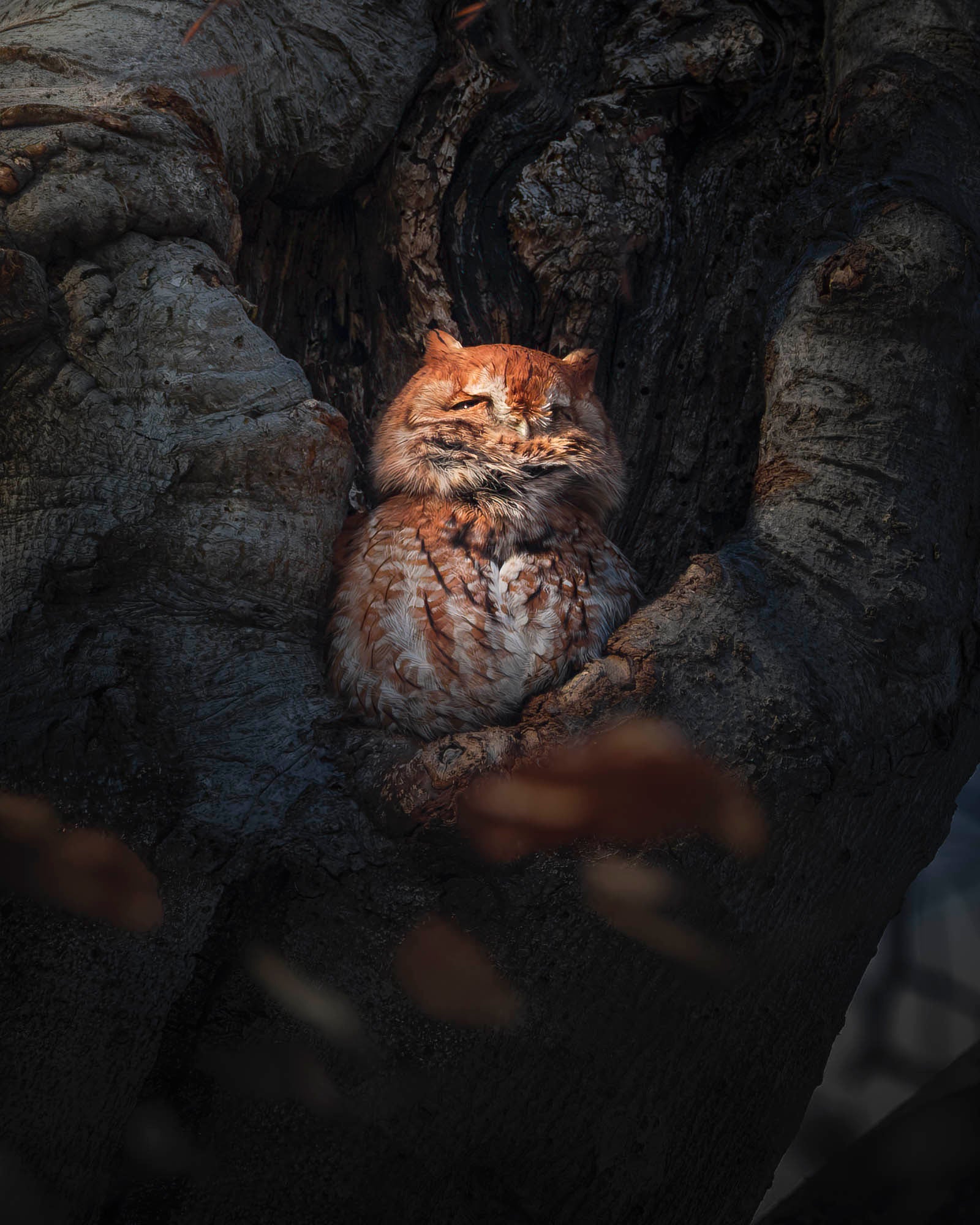
Photo by Chad Sawyer. Alpha 1. 300mm f/2.8 G Master + 1.4x TC. 1/800-sec., f/5, ISO 500
TOUGH Memory Cards: For memory cards, I rely on Sony TOUGH SD cards and CFexpress Type A cards because they’re fast, dependable, and built to handle demanding outdoor conditions. When photographing fast action, I want memory cards I can trust completely.
Beyond camera gear, I always carry sunscreen and natural bug repellent. Many of my favorite bird photography locations involve long hours under the sun, hiking through marshes, standing near wetlands, or quietly waiting in wooded areas. Staying comfortable in the field helps me stay focused and enjoy the experience even more.
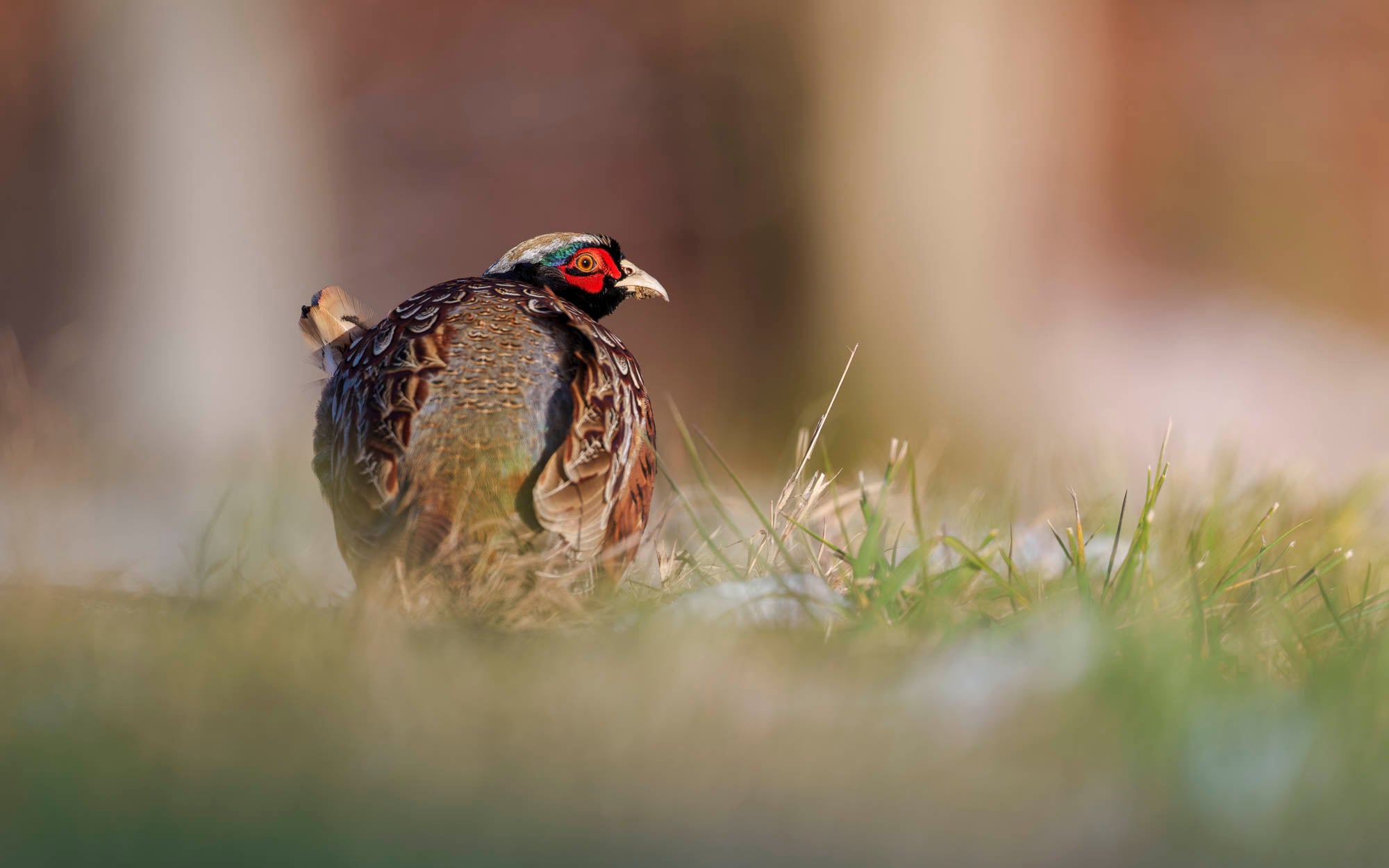
Photo by Chad Sawyer. Alpha 1. 300mm f/2.8 G Master + 1.4x TC. 1/1000-sec., f/4, ISO 125
From Tiny Hummingbirds To Powerful Raptors
What makes this kit so special is how well it handles every type of bird I photograph.
- For hummingbirds, the lightweight lens and lightning-fast autofocus help me capture split-second movements and iridescent colors.
- For songbirds and ducks, the 1.4x Teleconverter provides the perfect balance of reach and speed.
- For owls and raptors, the 2.0x Teleconverter gives me the 600mm reach I need to fill the frame while preserving incredible detail.
No matter what bird is in front of me, this setup is ready.
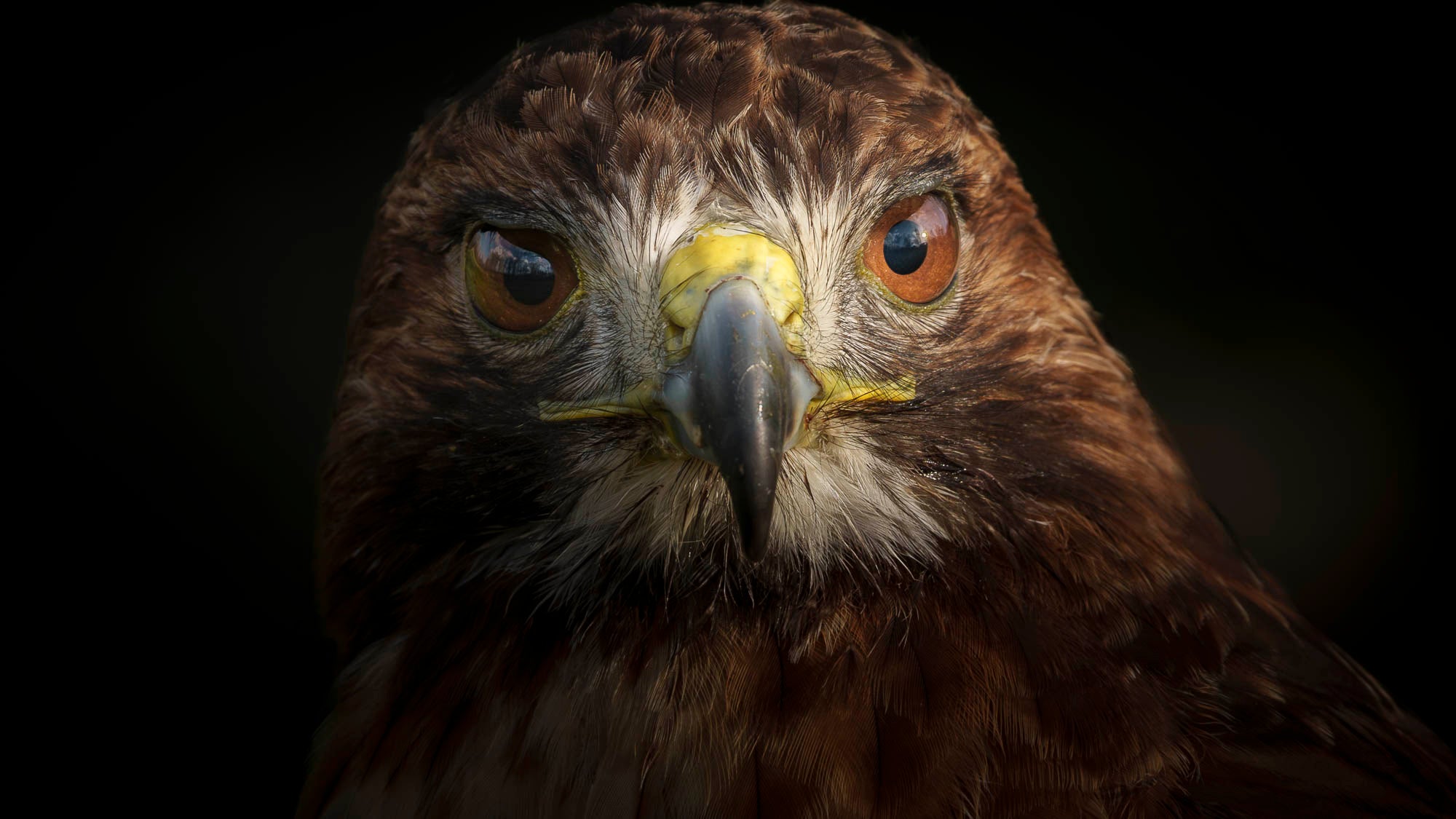
Photo by Chad Sawyer. Alpha 1. 300mm f/2.8 G Master + 1.4x TC. 1/1000-sec., f/8, ISO 1250
Why This Setup Works So Well For Me
As a bird photographer, I need gear that is dependable, sharp, and versatile.
This setup gives me:
- Fast and accurate autofocus
- Incredible image quality
- Lightweight portability
- Flexible focal lengths from 300mm to 600mm
- Confidence in any situation
Most importantly, it allows me to focus on what I love most – observing birds and capturing fleeting moments that tell a story.
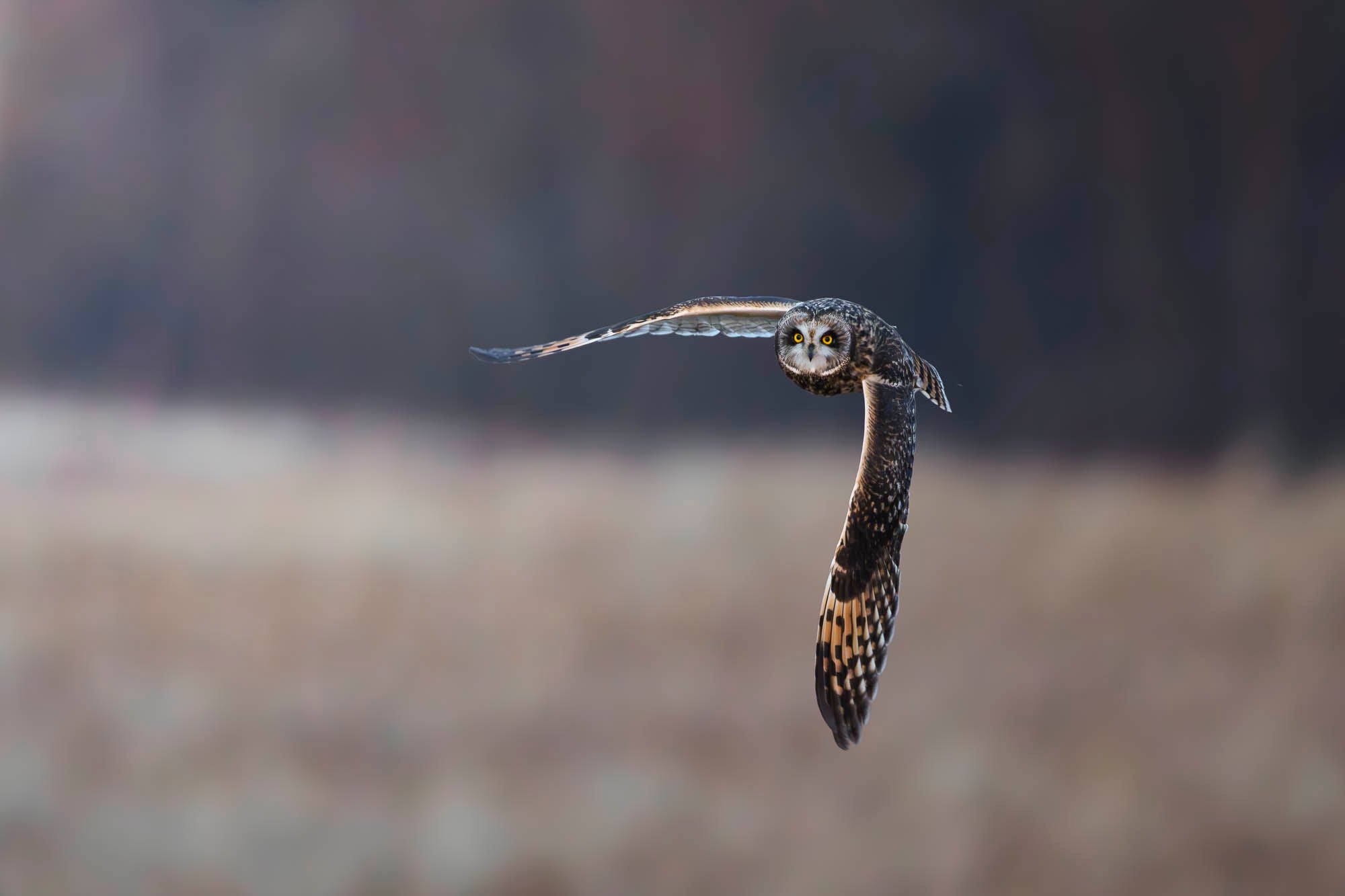
Photo by Chad Sawyer. Alpha 1. 300mm f/2.8 G Master + 1.4x TC. 1/1250-sec., f/4, ISO 6400
See more of Chad Sawyer’s work on Instagram @chad_in_the_wild.
Last Day (6/1) To Enter Our Instagram Birding Photo Sweepstakes!
If you love birding photography too, you should enter our @sonyalpha May Birding Photo Sweepstakes on Instagram between now and 6/1 to win a new Sony lens! You can win your choice of a Sony 200–600mm F5.6–6.3 G OSS, 100-400mm F4.5-5.6 GM OSS, or 400-800mm f/6.3-8 G OSS lens (to go perfectly with your new Alpha 7R VI!)
To enter, post:
1. A single image, image carousel, or video to your Instagram feed either captured using a Sony camera or showcasing your dream Sony camera, and correlating with the associated Bird theme.
2. In the post description, share details of what your favorite Sony camera or lens is and why
3. Tag or mention @sonyalpha in the Instagram post
4. Include the hashtags #SonyAlphaBirdContest2026 and #SweepstakesEntry
Bonus entry: tag your favorite retailer or the place you bought your last Sony camera or lens in your entry post.
Must be located in the United States, 18+ to enter. Contest closes 6/1 11:59 PM PT. Official Rules here.