Ming Han is a travel and street photographer based in Kuala Lumpur, Malaysia. "A lot of my photography comes from traveling – exploring a city on foot, observing everyday life, photographing architecture and street scenes, and finding those quieter moments in between. I also shoot hotels and hospitality, where I focus a lot on interiors, design details and the overall atmosphere of a space."
Because Han travels frequently, he tries to keep his camera bag versatile rather than carrying equipment for only one specific type of photography. "I want a setup that can take me from photographing a hotel interior in the morning, to walking the streets for the rest of the day, and then shooting during blue hour or at night without having to completely change my kit," he says.
Read below as Han walks through the setup he currently relies on for most of his travel, street, hotel photography and video work.
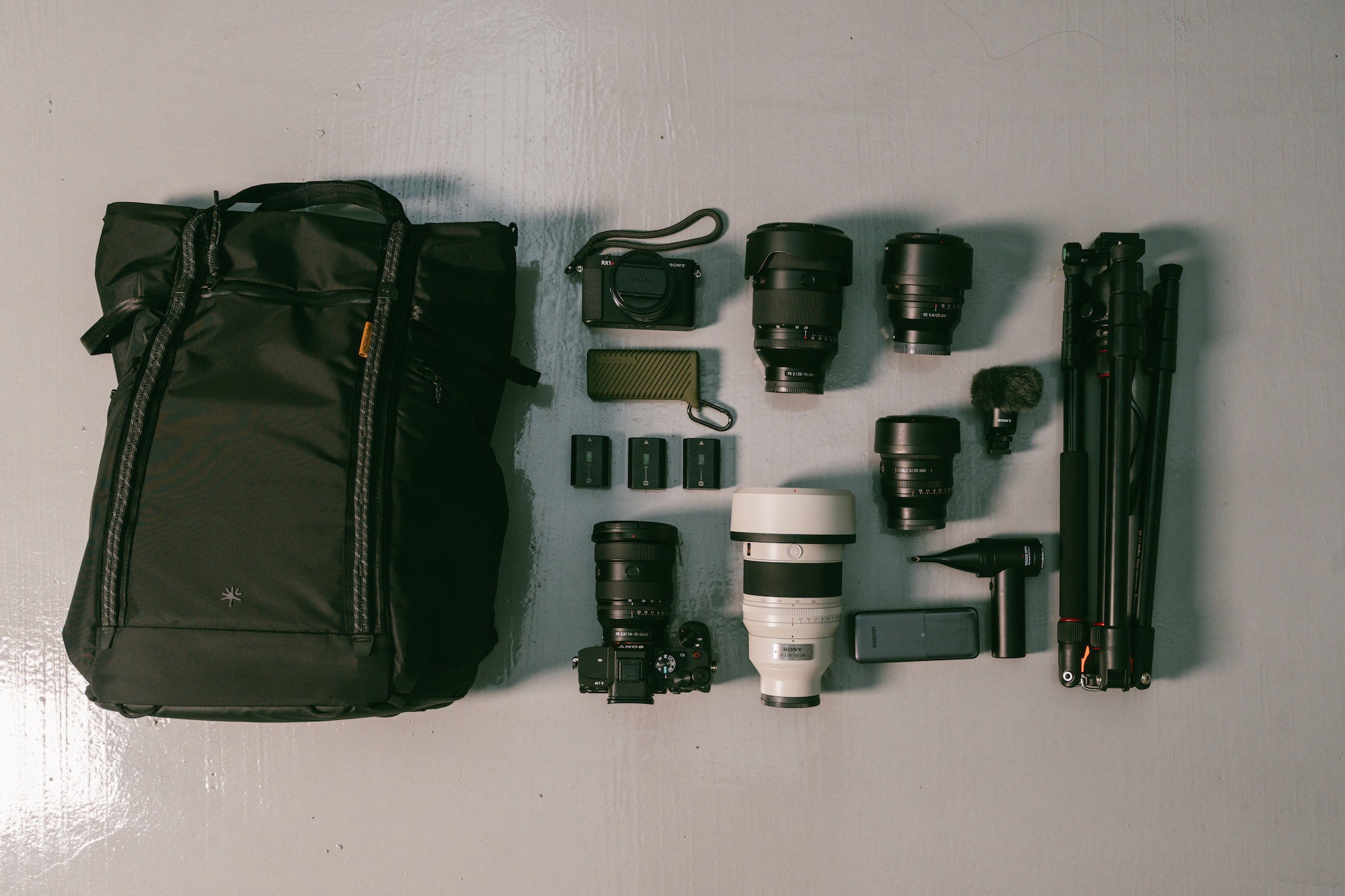
Shop Ming’s Kit:
Cameras: Alpha 7 V, RX1R III
Lenses: 16-35mm f/2.8 G Master II, 28-70mm f/2 G Master, 50–150mm f/2 G Master, 50mm f/1.4 G Master, 35mm f/1.4 G Master
Accessories: ECM-M1
Cameras
Alpha 7 V: The Alpha 7 V has become one of my most-used cameras and is the main body I reach for when I want a versatile hybrid setup. I shoot both photography and video quite regularly, especially when traveling, so I like having one camera that can move easily between the two. For photography, I use it for everything from street scenes and architecture to hotel interiors and portraits. For video, it’s also the camera I use for many of my travel reels and my “Moving Postcards” series.
What I appreciate most is how dependable it feels when I’m moving quickly. Travel photography can be unpredictable – sometimes a scene only lasts for a few seconds – so I want a camera that lets me concentrate on composition and timing rather than thinking too much about the camera itself.
It’s the body I bring when I know I’ll be shooting a little bit of everything.
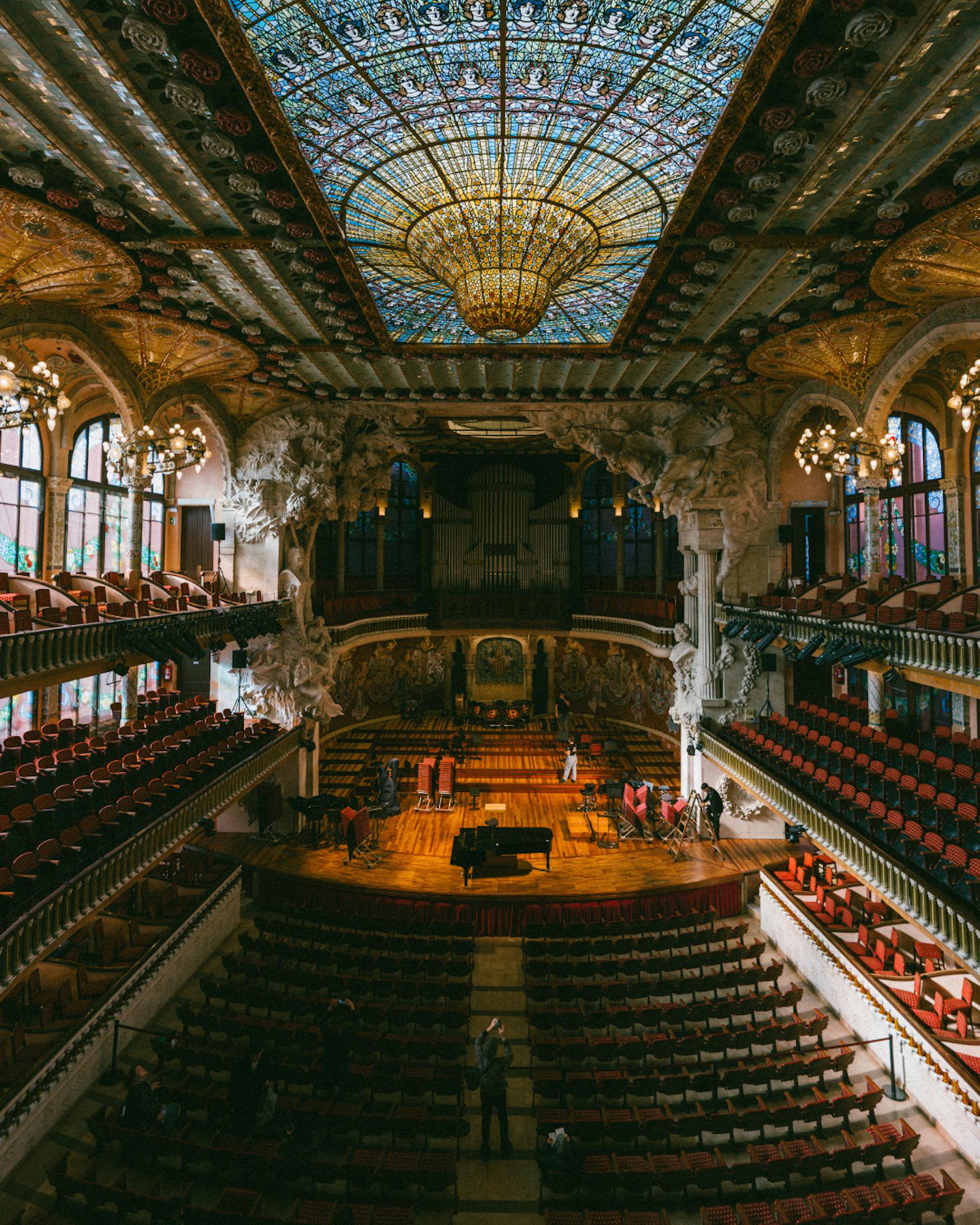
Photo by Ming Han. Alpha 7 V. 16-35mm f/2.8 G Master II.
RX1R III: The RX1R III is almost the opposite of my main camera setup, and that’s exactly why I enjoy carrying it.
There are days when I don’t want to walk around with a larger camera and lens combination. The RX1R III gives me a much smaller setup that I can carry almost anywhere, which makes it especially enjoyable for street photography and casual travel days.
A small camera also changes the way people react around you. When I’m walking through a market, neighbourhood or busy street, people tend to pay much less attention to it. That allows me to observe quietly and photograph more natural moments without interrupting what is happening around me.
For me, it’s a camera that encourages a very simple approach: walk, observe and shoot.
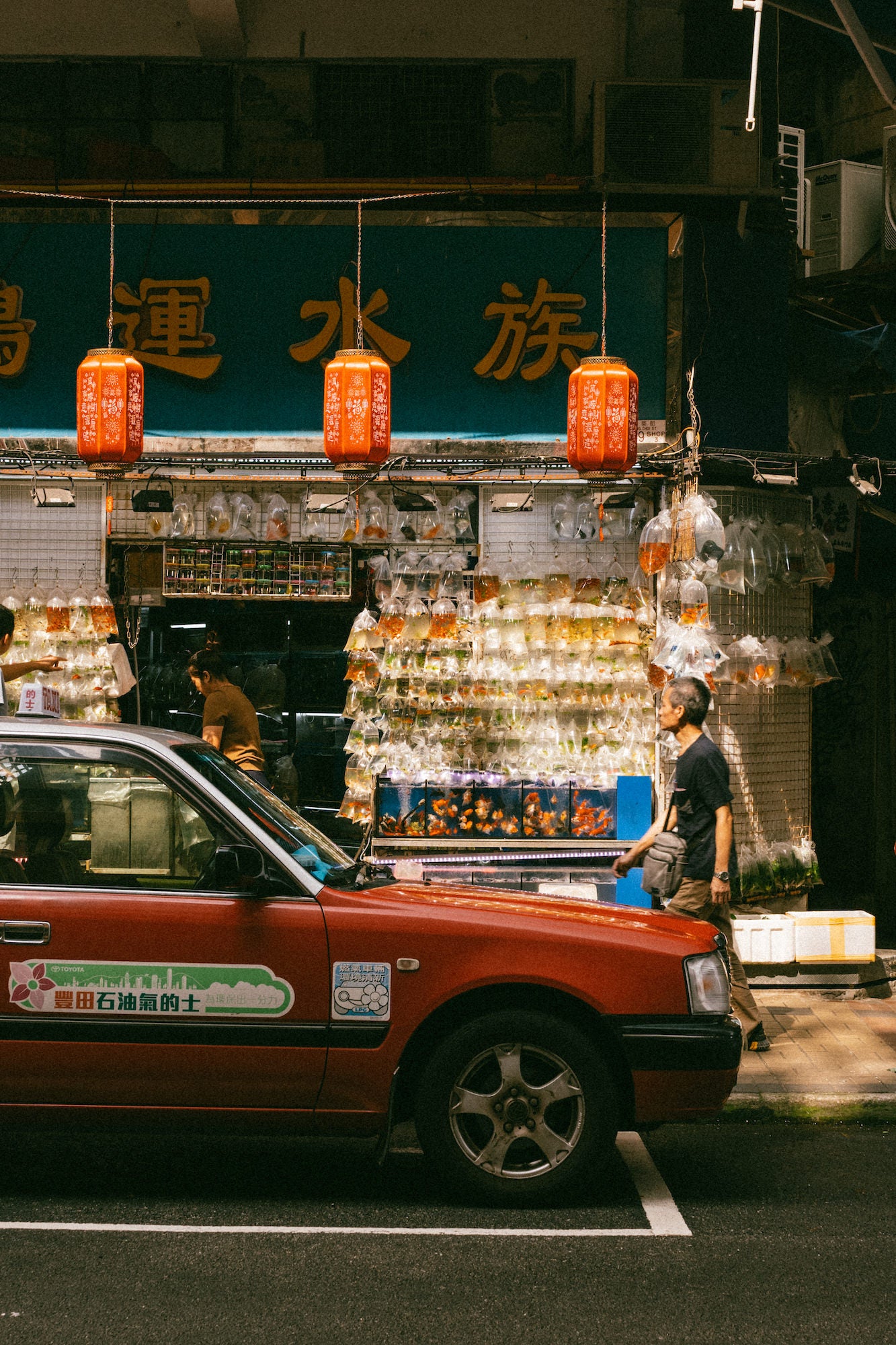
Photo by Ming Han. RX1R III. 16-35mm f/2.8 G Master II. 1/125-sec., f/6.3, ISO 250
Lenses
16-35mm f/2.8 G Master II: If I had to choose the lens that gets the most use in my bag, the 16-35mm f/2.8 G Master II would be very high on the list. It is especially important for my hotel photography. The wider focal lengths allow me to photograph rooms, architecture and interior spaces while still showing the relationship between different design elements.
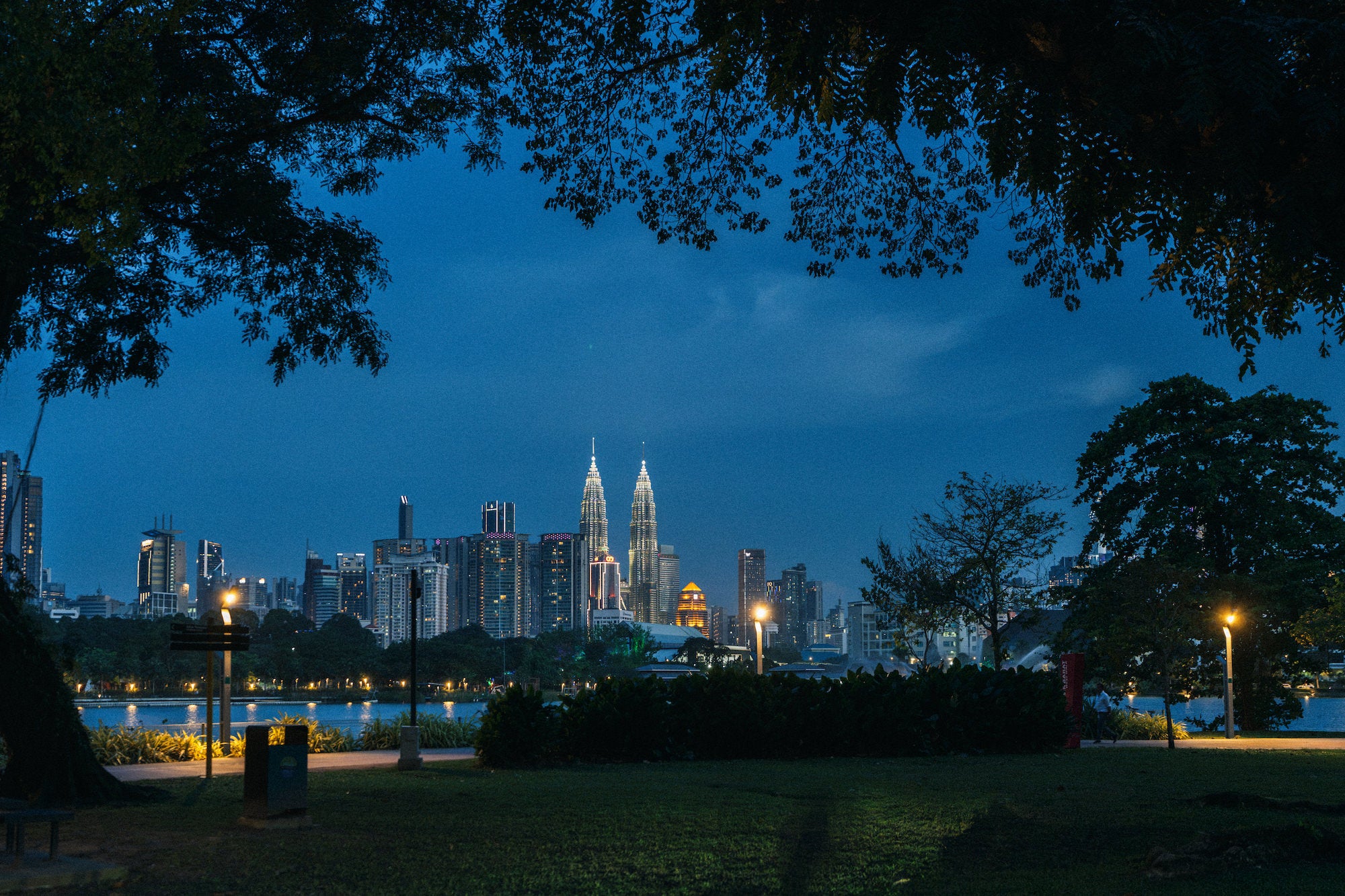
Photo by Ming Han. Alpha 7 V. 16-35mm f/2.8 G Master II. 1/40-sec., f/2.8, ISO 2,500
But I don’t only use it for interiors. I also enjoy taking it onto the streets. At the wider end, I can get close to a subject while keeping plenty of the surrounding environment in the frame, which helps give the photograph more context.
It’s also one of my favorite lenses for video. I use it frequently when creating my “Moving Postcards” travel series because the wide perspective works well for establishing shots, architecture and movement through a city.
28–70mm f/2 G Master: The 28-70mm f/2 G Master is the lens I bring when I want one lens to cover most of the day. When traveling, constantly changing lenses isn’t always practical. With the 28-70mm range, I can photograph wider street scenes and architecture, then quickly move into tighter details, portraits or everyday moments without changing lenses.
I also really like the image quality and sharpness I get from it. Having the constant f/2 aperture gives me another creative option, especially when I want more subject separation or when I’m shooting later in the day. It is a larger lens, but when I know I want maximum versatility from a single setup, this is usually the one I choose.
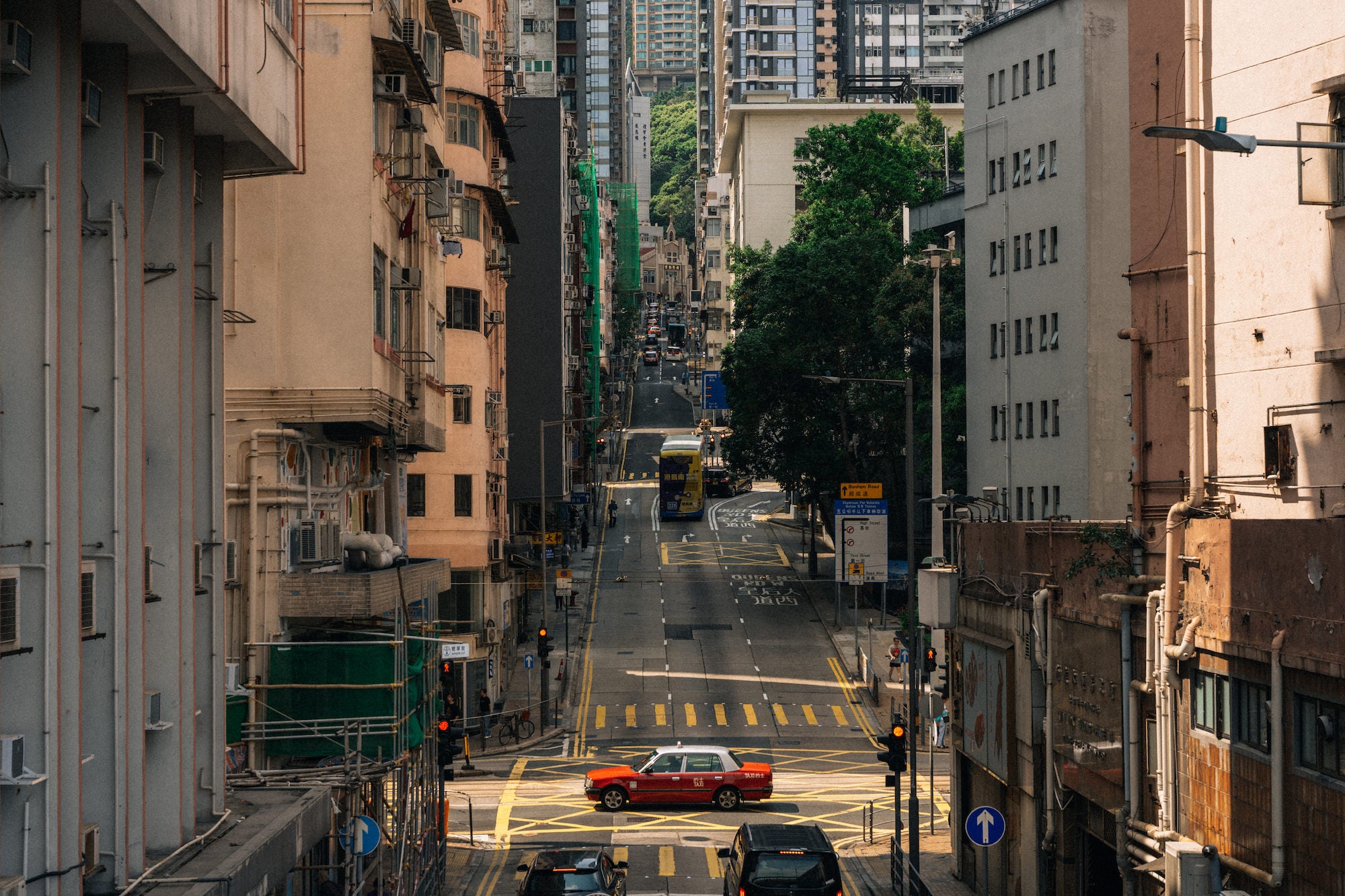
Photo by Ming Han. Alpha 7 V. 28-70mm f/2 G Master. 1/500-sec., f/5.6, ISO 100
50–150mm f/2 G Master: The 50–150mm f/2 G Master was the lens that really made me explore longer focal lengths more seriously. A lot of my earlier photography leaned towards wider perspectives, so using 50-150mm changed the way I looked at a scene. Instead of always moving closer, I started looking for compositions from farther away and using compression to layer people, buildings and other elements together.
I especially enjoy it for street photography in busy cities. Shooting from a distance allows me to isolate small moments within a crowded environment, while the longer focal lengths can make different layers of the city appear much closer together. It has opened up another way of seeing when I travel.
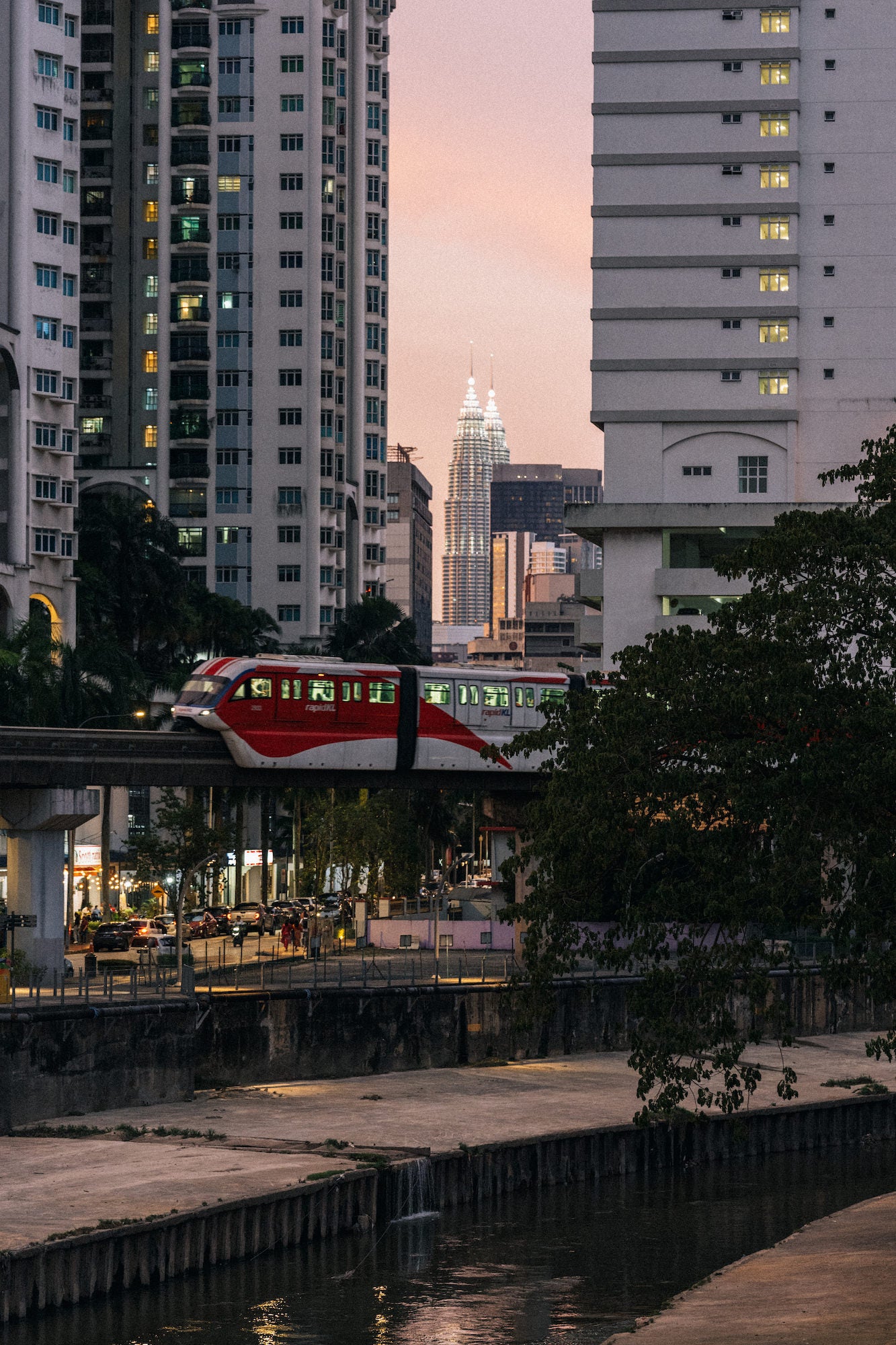
Photo by Ming Han. Alpha 7 V. 50–150mm f/2 G Master. 1/100-sec., f/2.8, ISO 1,600
50mm f/1.4 G Master: The 50mm f/1.4 G Master is one of the lenses I carry when I want something smaller, fast and straightforward. I especially like it for portraits and street photography. The 50mm perspective feels natural to me – it’s tight enough to isolate a subject but still gives enough context to tell a story about where the person is.
When I want stronger separation between the subject and background, the f/1.4 aperture gives me that softer look and beautiful bokeh while still keeping the subject very sharp. It’s also a good lens for walking around at night, when I want to work with available light rather than carrying additional lighting equipment.
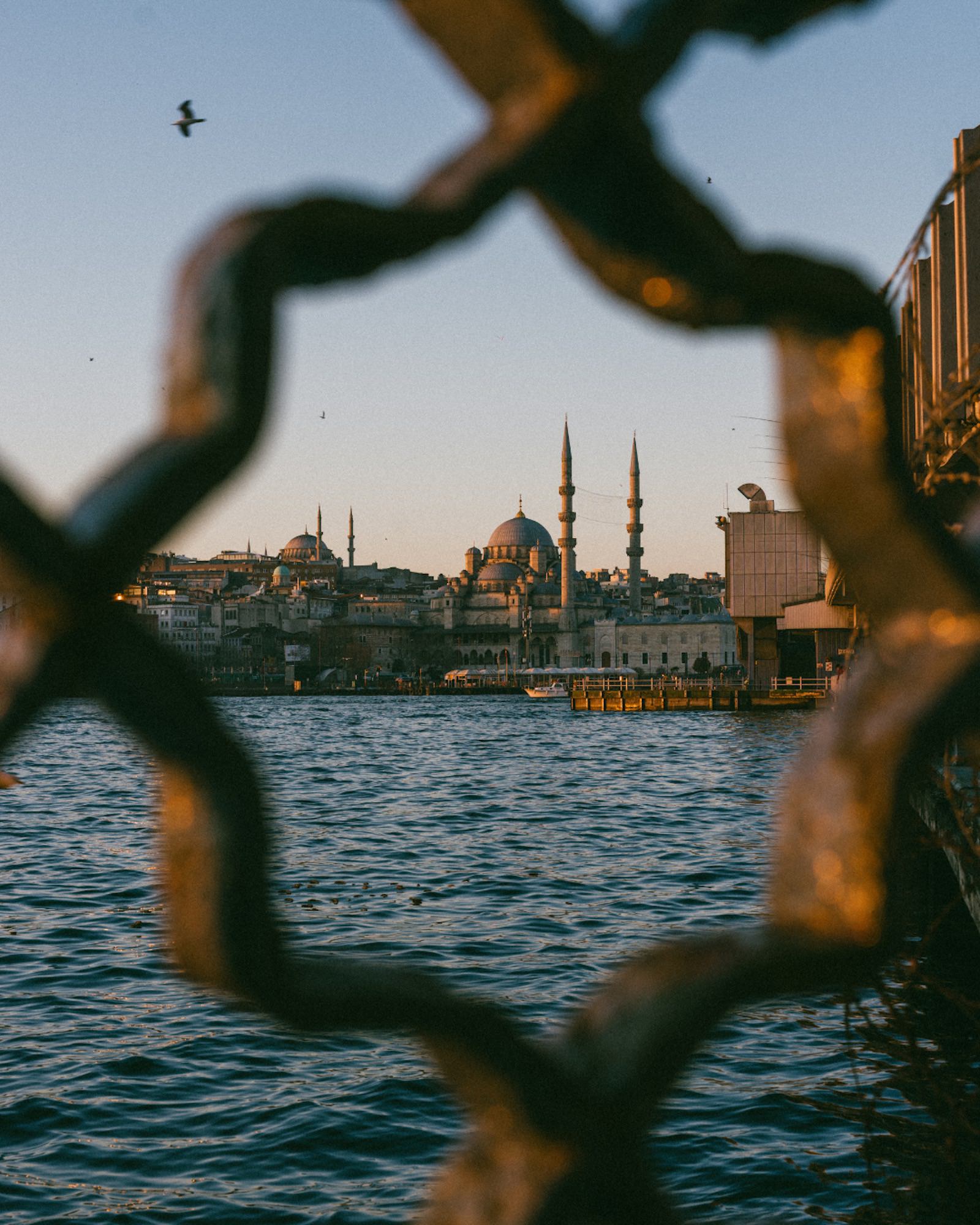
Photo by Ming Han. Alpha 7 V. 50mm f/1.4 G Master.
35mm f/1.4 G Master: The 35mm f/1.4 G Master is one of my favourite lenses for street photography, especially when I want to travel with a lighter setup. I really enjoy the 35mm focal length because it gives me a natural balance between the subject and the environment. It’s wide enough to include the surroundings and tell more of the story, but still lets me get close to a subject without making the frame feel too wide.
Its compact and relatively lightweight design also makes it easy to carry during long walks around a city. Paired with the Alpha 7 V, it becomes a simple setup that I can keep with me for an entire day of exploring.
The f/1.4 aperture is also useful when shooting in lower light or when I want to separate a subject from a busy street background. For street photography, it’s one of those lenses that lets me focus less on the gear and more on simply walking, observing and capturing what happens around me.
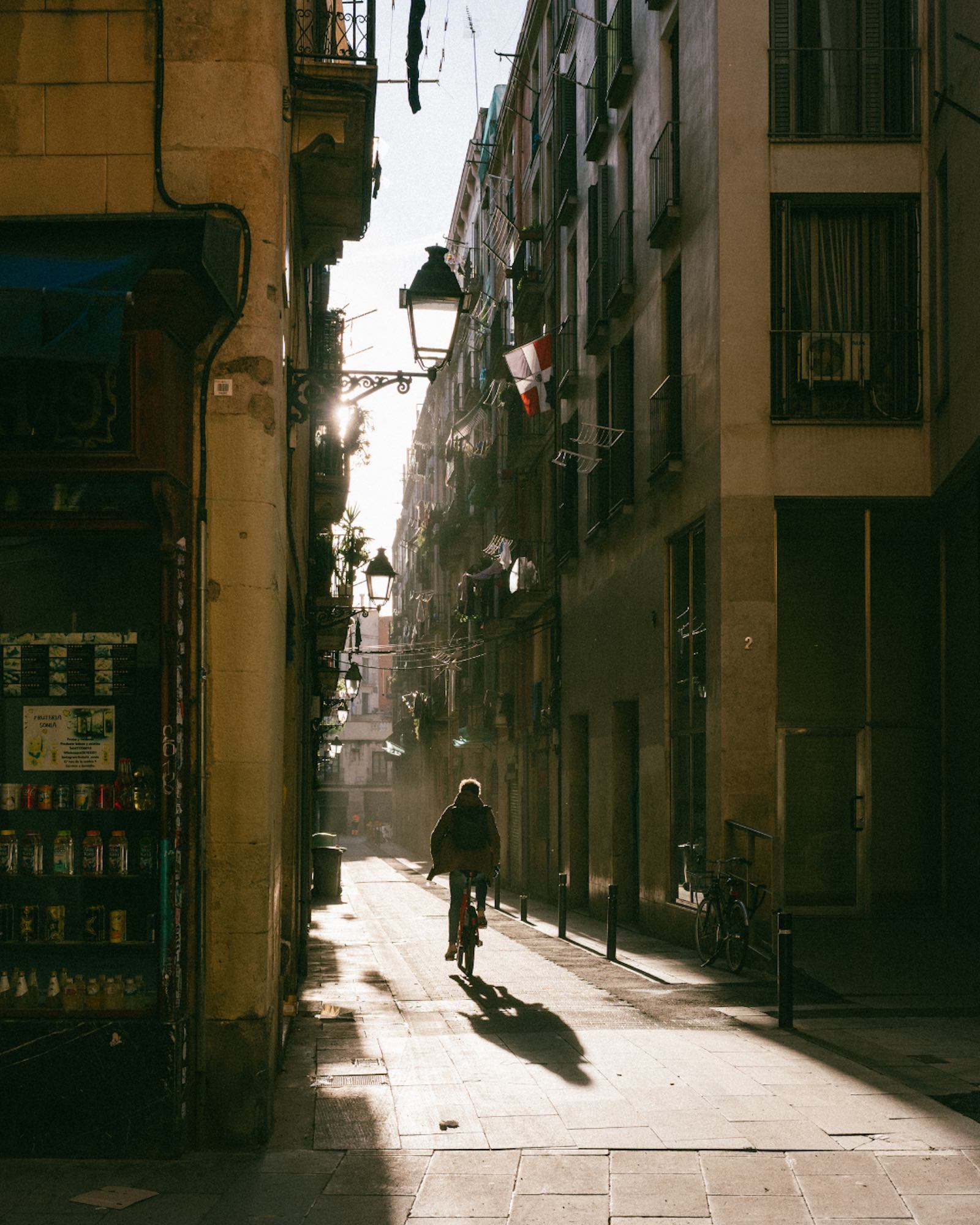
Photo by Ming Han. Alpha 7 V. 35mm f/1.4 G Master
Accessories
ECM-M1: The ECM-M1 is a compact camera-mounted digital shotgun microphone that I use when recording video with my Alpha 7 V.
When I travel, sound is a big part of remembering a place – traffic passing by, trains arriving, conversations in a market, footsteps or the general ambience of a street. I like capturing some of those natural sounds while filming because they make my travel videos feel much more immersive when I edit everything together later.
Extra Batteries: I always carry a few extra camera batteries, especially on travel days when I might be outside shooting from morning until night.
Between photography and video, I can go through batteries fairly quickly, and I would rather carry a few extras than have to think about conserving battery while something interesting is happening in front of me.
Ulanzi Air Duster / Blower: A small Ulanzi electric air duster stays in my bag because dust is unavoidable when travelling and changing lenses regularly.
It’s a simple accessory, but being able to quickly remove dust from my camera, lenses and gear is especially useful when I’m travelling for longer periods.
UGREEN Power Bank: My UGREEN power bank is another travel essential. I use it to keep different devices charged throughout the day, including my camera-related gear, phone and laptop when necessary. On long travel days – especially when moving between airports, trains and different locations – having an additional source of power means I don’t have to worry as much about finding a charging point.
Travel Tripod: I also carry a compact travel tripod, particularly when I know I’ll be photographing architecture, interiors, blue hour or night scenes. I enjoy working with slower shutter speeds when traveling, and a tripod allows me to photograph a city differently once the light starts disappearing. For hotel photography, it is also useful whenever I need more control and consistency while photographing interior spaces.
Final Thoughts
At the end of the day, I don’t think about my camera bag as having a piece of gear for every possible situation. I would rather carry equipment that gives me different ways of seeing the same place.
Some days that means walking around almost unnoticed with the RX1R III. Other days I’ll use the 16–35mm to show the scale of an interior, the 35mm for a lightweight day of street photography, the 50–150mm to compress a street scene from across the road, or the 28–70mm when I simply want one lens to cover almost everything.
The gear changes depending on the trip, but the goal is always the same: to spend less time thinking about equipment and more time paying attention to what is happening around me.
You can find more of Ming Han's work on Instagram @minghan1004.
Explore what's inside the bags of more of your favorite creators at alphauniverse.com/wimb.