In wildlife photography, distance is more than a compositional choice. It is often the respectful, responsible way to work.
That is why long lenses matter – and why Sony’s new 400mm f/4.5 G Master and 600mm f/6.3 G Master lenses drew such interest from photographers Hannah Rheaume and Dani Hamm. Both spent time testing the lenses in and around Yellowstone National Park, where wildlife can appear at a distance, light changes quickly, and every moment in the field asks something different of your gear.
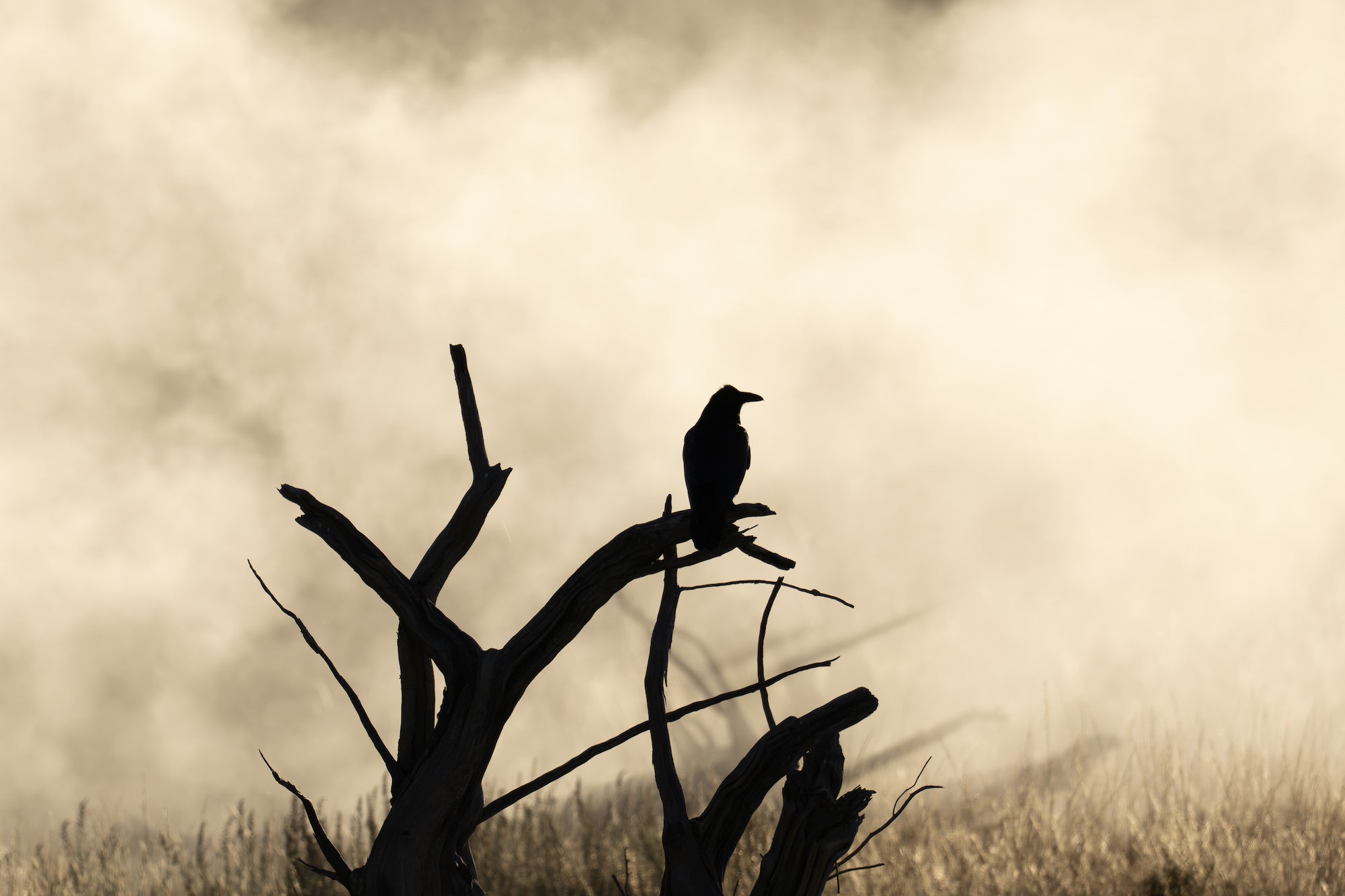
Photo by Hannah Rheaume. Alpha 7R VI. 600mm f/6.3 G Master OSS. 1/2000-sec. f/6.3. ISO 400.
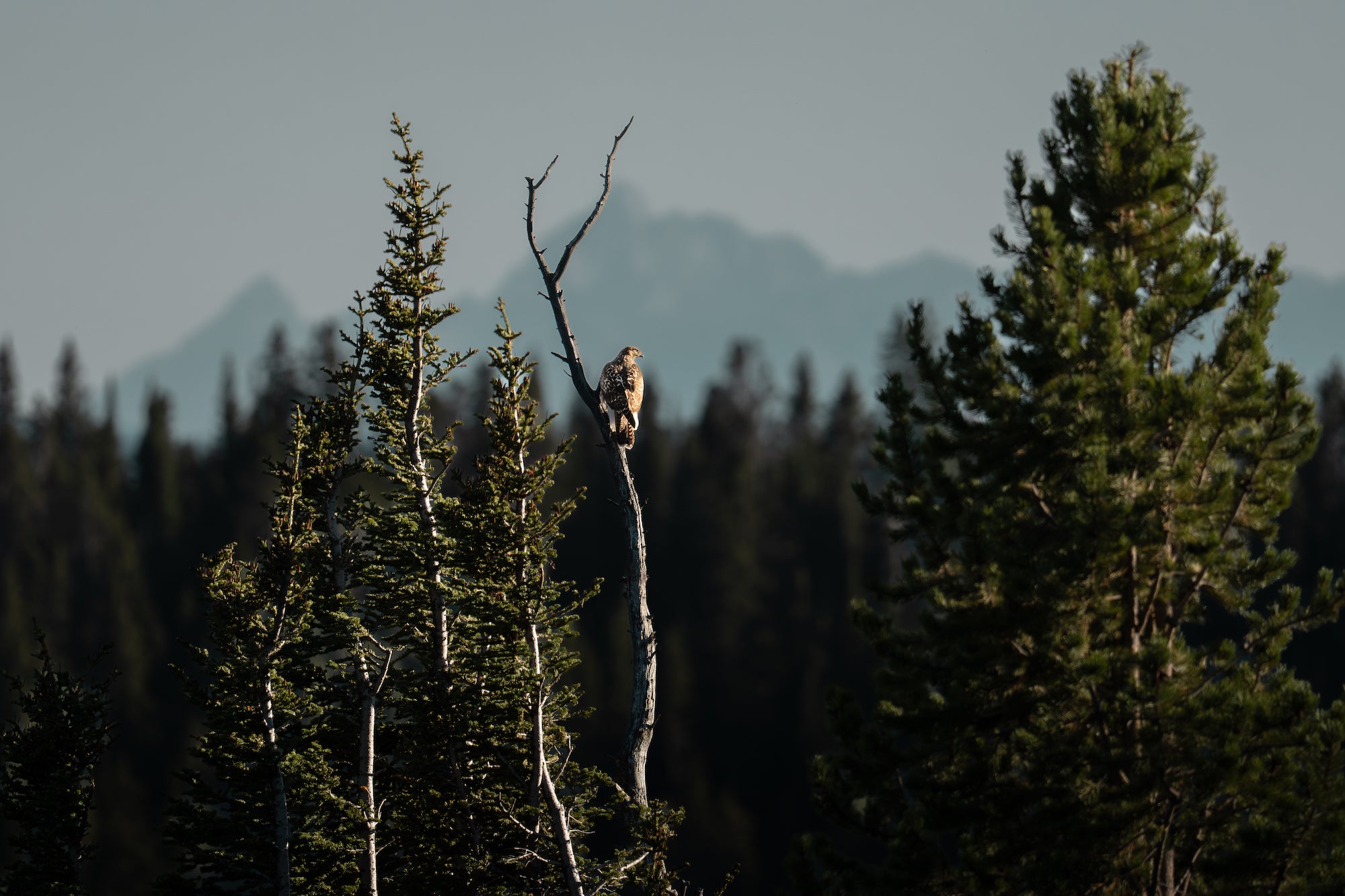
Photo by Dani Hamm. Alpha 7R V. 400mm f/4.5 G Master OSS. 1/1600-sec. f/4.5. ISO 320.
Their takeaways were distinct but complementary. Rheaume gravitated toward the reach of the 600mm, while Hamm found the 400mm to be the lens she wanted to keep in her kit. Together, their experiences paint a clear picture of two lightweight G Master primes built for photographers who need sharpness, subject separation, and flexibility without carrying the weight – or price tag – often associated with long telephoto glass.
The Value Of Reach & Space
For Hamm, who photographs large predators including wolves and bears, 400mm and 600mm focal lengths are essential tools for working safely and ethically.
“Longer focal lengths like 400mm and 600mm are essential for capturing animals while maintaining a safe and respectful distance,” she says. “Giving them space is incredibly important, not only for my own safety, but for the well-being of the animals.”
The lenses also opened up creative possibilities beyond close wildlife portraits. Both photographers used the long focal lengths to isolate details in the landscape, compress mountain layers, and show Yellowstone’s wildlife in the broader environment it calls home.
Hamm, in particular, appreciated the 400mm for helping her move between environmental storytelling and more intimate details. During her week with the lenses, she photographed bison, pikas, marmots, raptors, and a wide range of birds – along with the dramatic Yellowstone landscapes surrounding them.
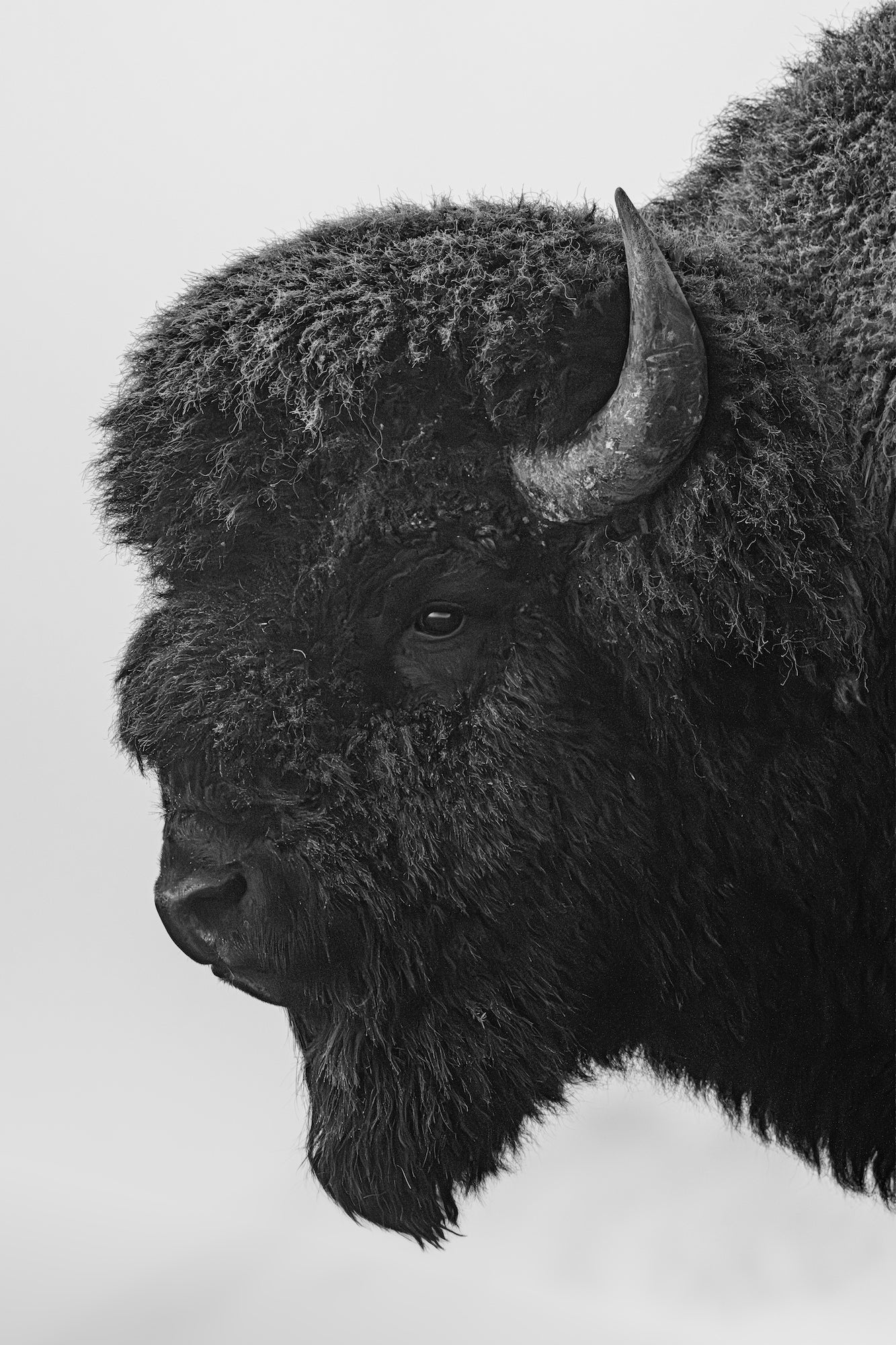
Photo by Dani Hamm. Alpha 7R V. 400mm f/4.5 G Master OSS. 1/800-sec. f/4.5. ISO 3200.
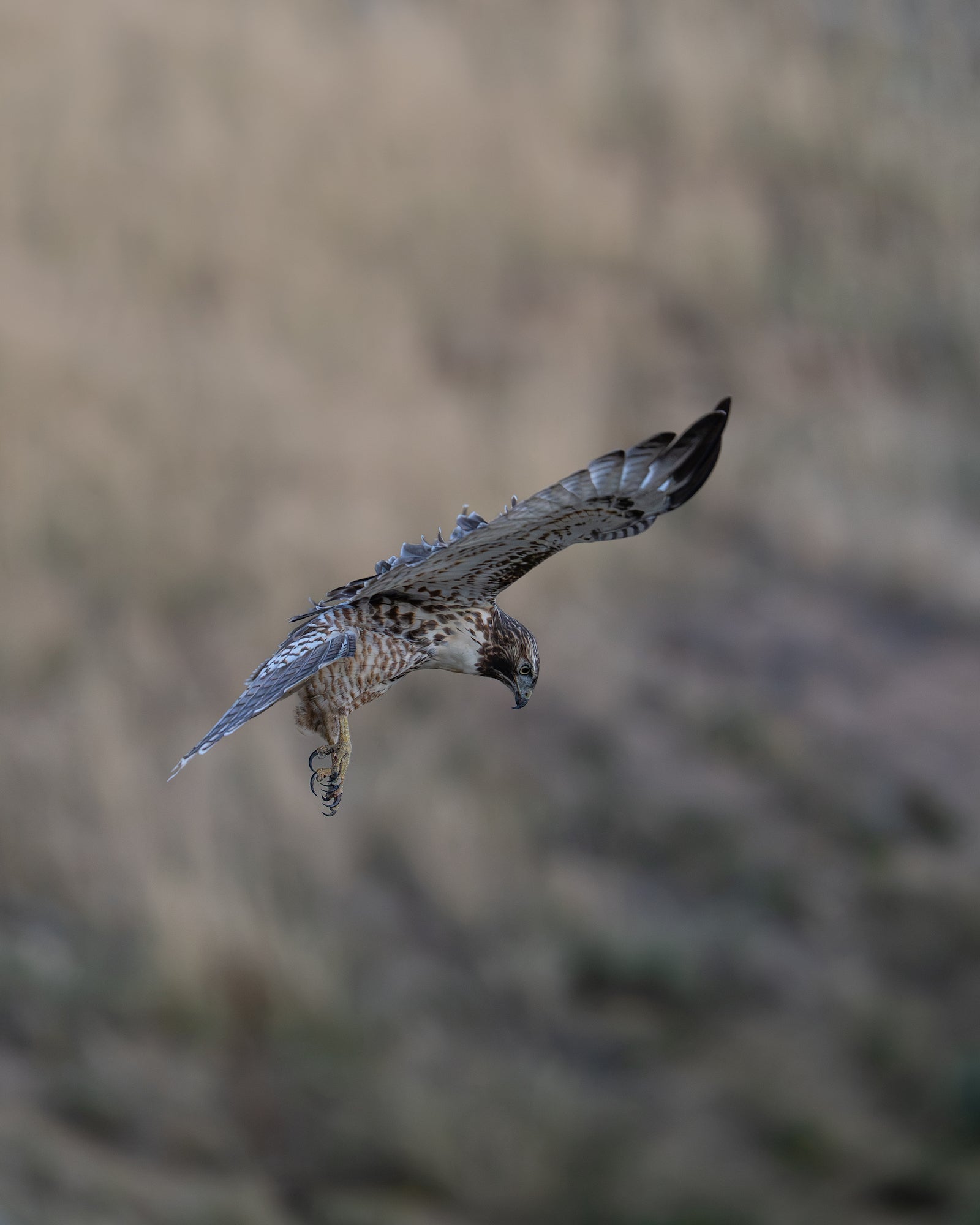
Photo by Dani Hamm. Alpha 7R V. 400mm f/4.5 G Master. 1/800-sec., f/4.5, ISO 1250
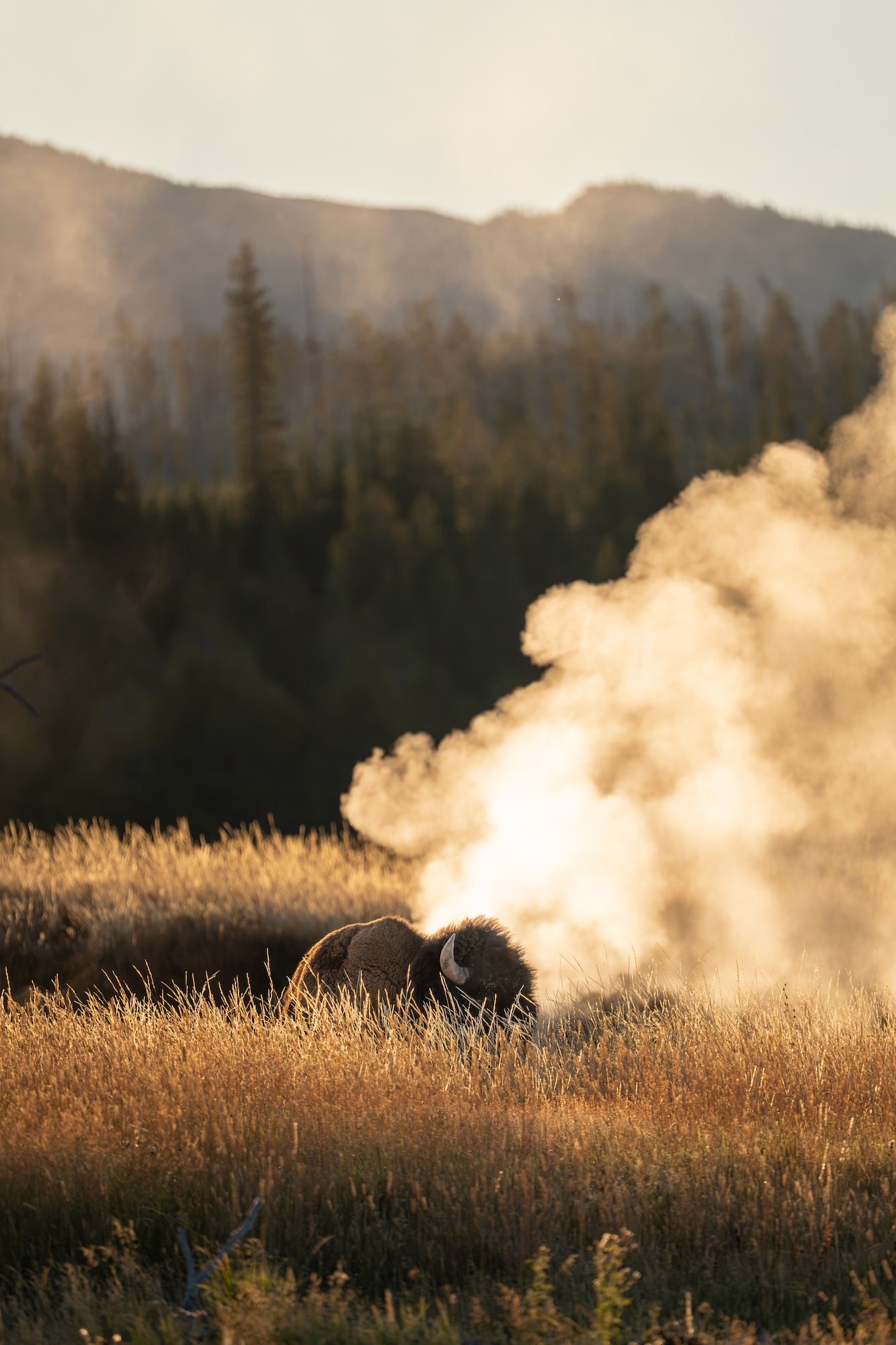
Photo by Dani Hamm. Alpha 7R V. 400mm f/4.5 G Master. 1/3200-sec., f/4.5, ISO 1000
“One of my favorite ways to tell a wildlife story is by showing the bigger picture – the environment the animal lives in, alongside intimate detail shots,” she says. “The 400mm lens was incredibly helpful for this, allowing me to capture those small details.”
Hannah Rheaume Finds Her Favorite In The 600mm
Rheaume tested both lenses for roughly three weeks near Yellowstone National Park, photographing grizzly bears, ravens, bison, and compressed mountain landscapes. While she enjoyed working with both fixed focal lengths, the 600mm became her preferred choice when her subjects were farther away.
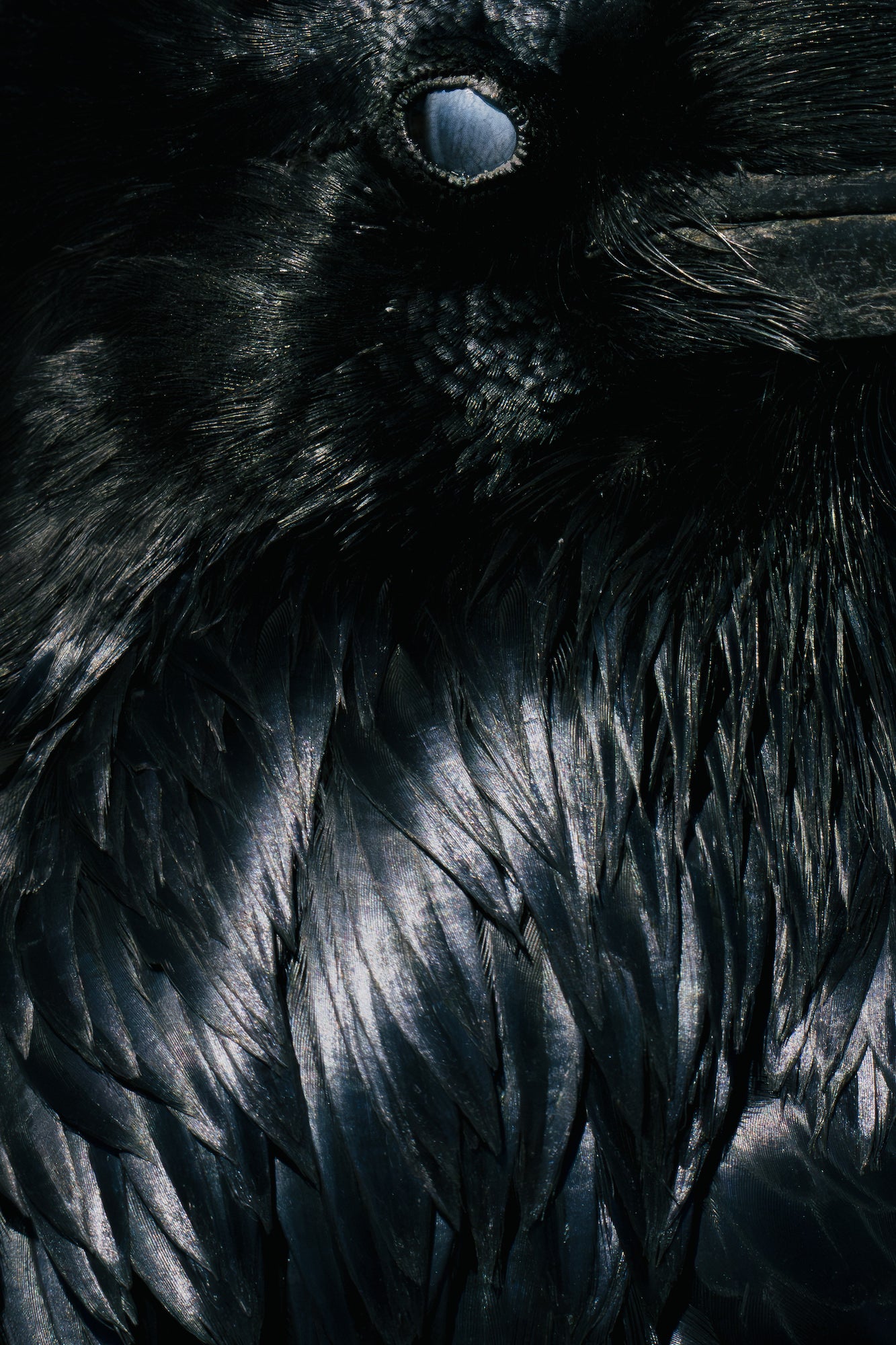
Photo by Hannah Rheaume. Alpha 7R VI. 600mm f/6.3 G Master. 1/1250-sec., f/10, ISO 5000
“I opted for the 600mm most often because my subjects were farther away,” she says. “The sharpness of the images I made paired with my Alpha 7R VI is truly incredible.”
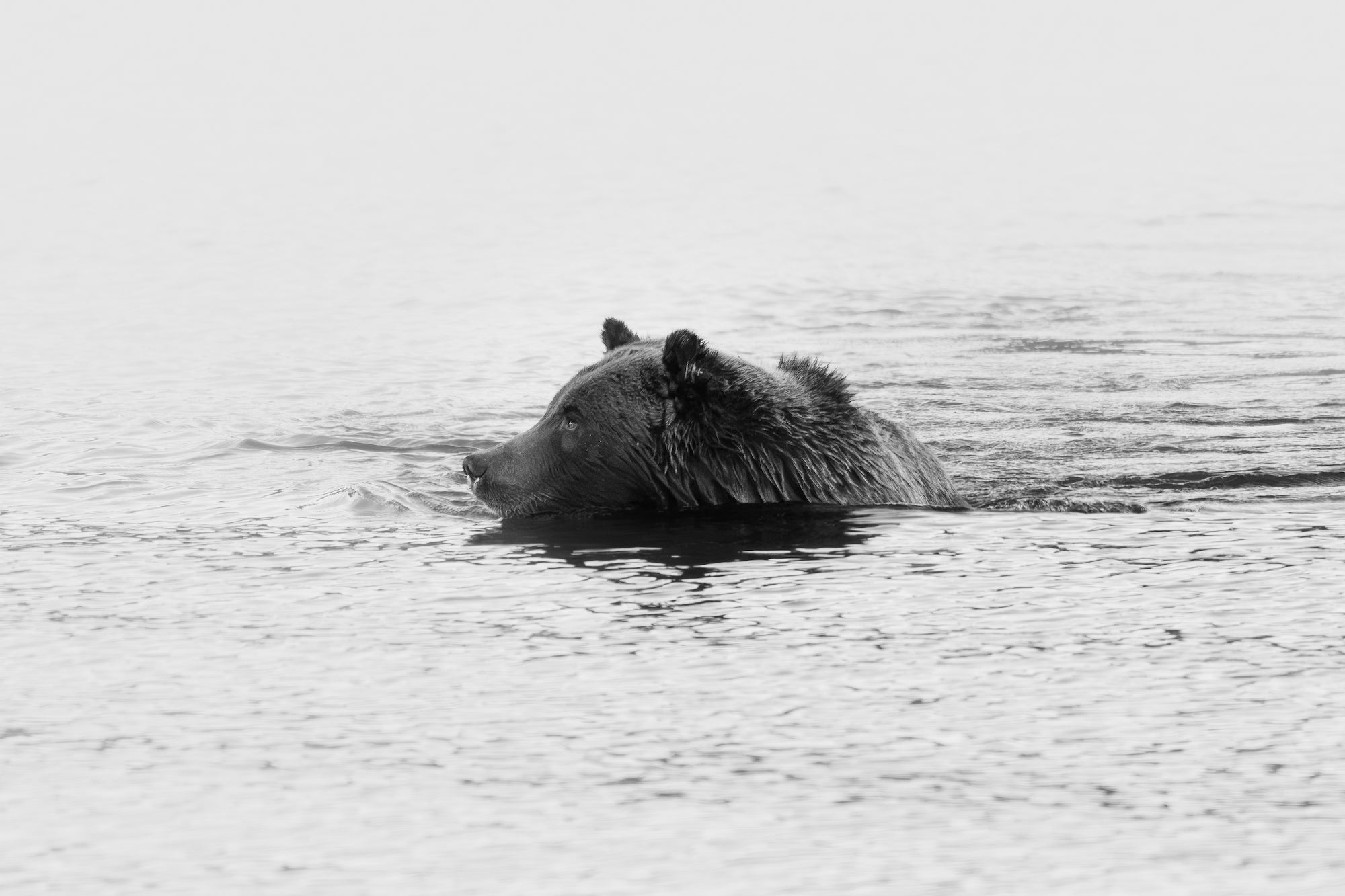
Photo by Hannah Rheaume. Alpha 7R VI. 600mm f/6.3 G Master OSS. 1/800-sec., f/6.3, ISO 3200
One of her most memorable sessions came early one morning on Yellowstone Lake. Before the sun had risen over the mountains, Rheaume and her group encountered a grizzly bear swimming in the lake – a first for her to witness.
“I’d never seen a bear swim before, so this was a novel experience for me,” she says. “Shooting with the Alpha 7R VI and the 600mm f/6.3 G Master proved to be the perfect combination for this scenario.”
The experience reinforced what stood out to her most across both lenses: remarkable sharpness and clean, signature G Master bokeh. “My subjects were always crisp and the background had that signature, clean G Master bokeh,” she says.
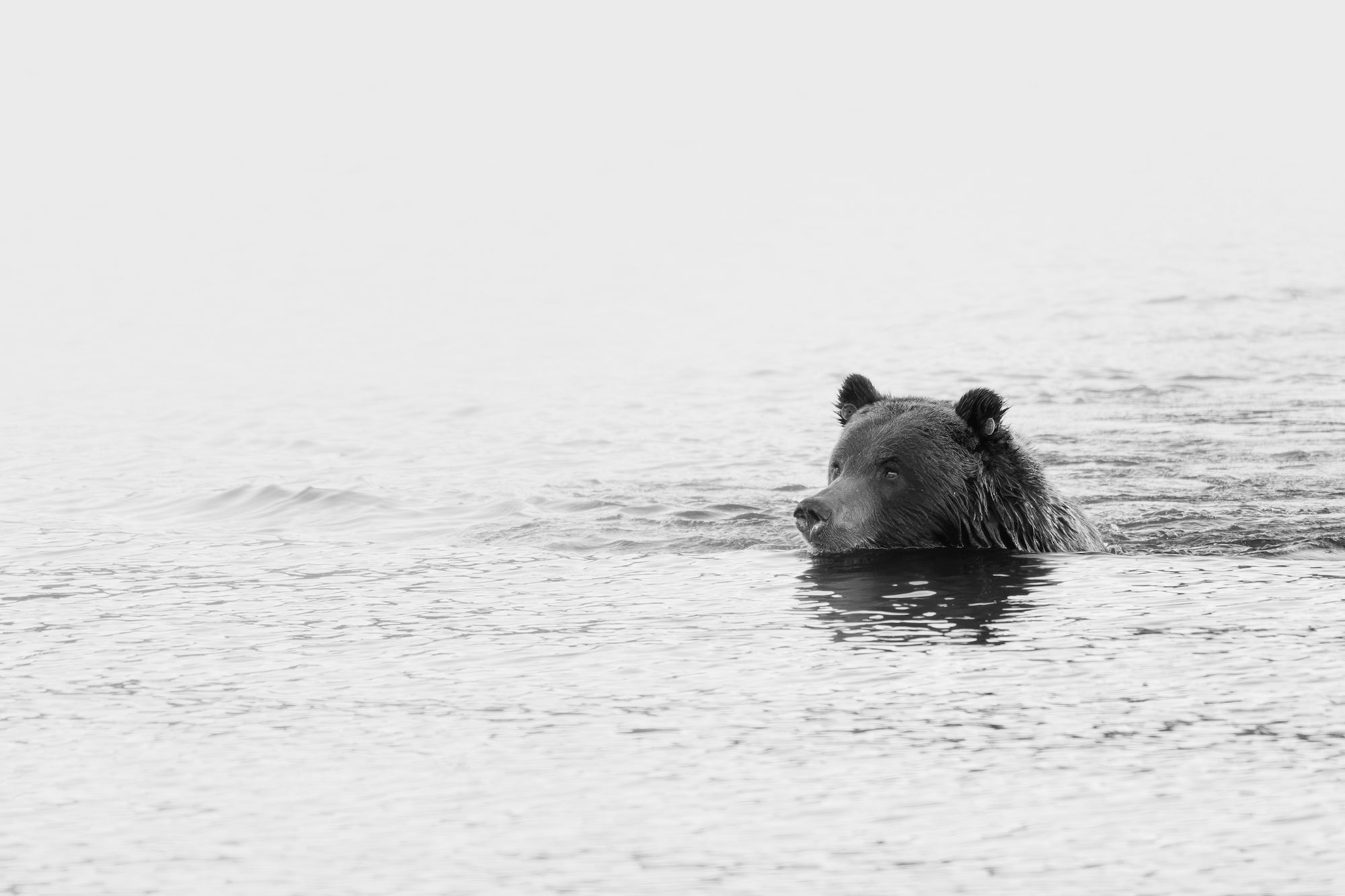
Photo by Hannah Rheaume. Alpha 7R VI. 600mm f/6.3 G Master. 1/800-sec., f/6.3, ISO 3200
For Rheaume, the strongest case for the lenses comes down to their price-to-performance balance. “A G Master look at a much more affordable price tag,” she says. “These lenses are perfect for a wildlife photographer who wants that signature G Master prime quality without the higher price tag.”
Dani Hamm Makes A Case For The 400mm f/4.5 G Master
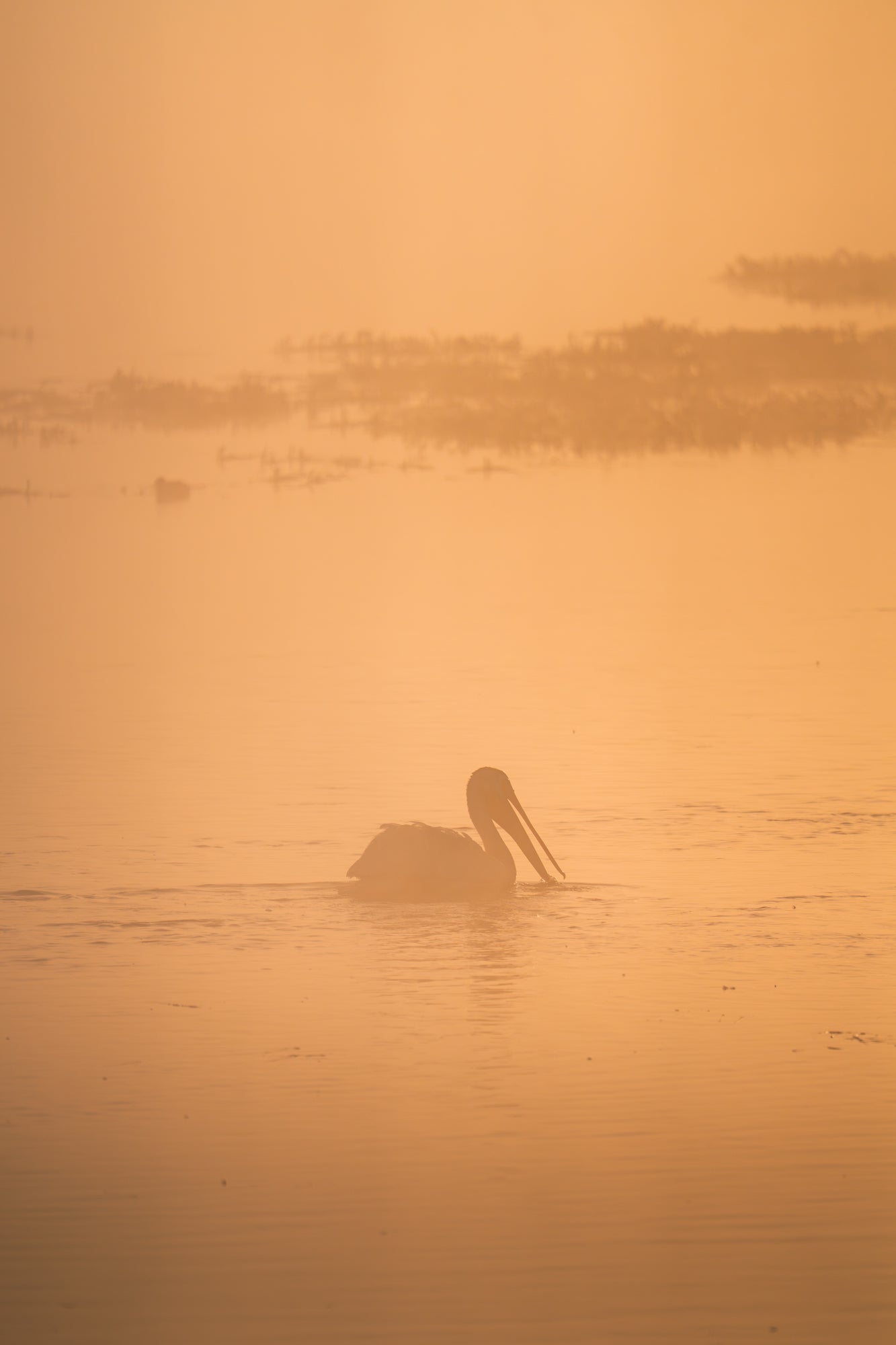
Photo by Dani Hamm. Alpha 7R V. 400mm f/4.5 G Master OSS. 1/6400-sec. f/4.5. ISO 320.
While Hamm enjoyed working with both focal lengths, the 400mm f/4.5 G Master made the lasting impression.
“I definitely want to add the 400mm lens to my kit,” she says.
Its compact, lightweight design immediately stood out during long field days and travel. “Both lenses are incredibly lightweight and compact, which makes traveling with them so much more convenient,” Hamm says. “As GM lenses, they also have the beautiful build quality and signature orange GM details, while delivering incredibly sharp images.”
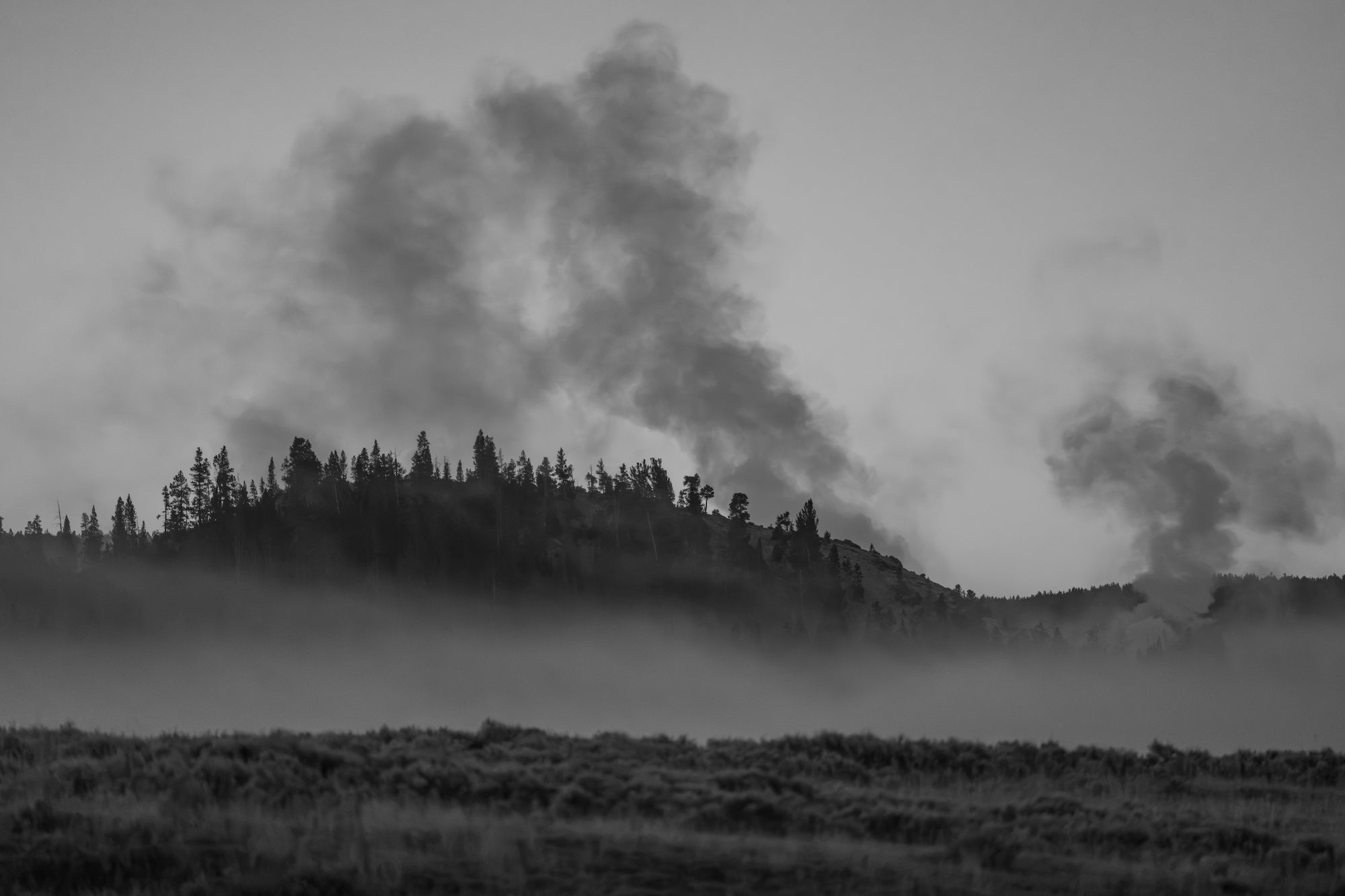
Photo by Dani Hamm. Alpha 7R V. 400mm f/4.5 G Master. 1/2000-sec., f/4.5, ISO 3200
The constant f/4.5 aperture was the deciding factor. Compared with shooting at 400mm and f/6.3 on her 200-600mm zoom, Hamm found the additional light meaningfully expanded her flexibility.
“That extra light makes a noticeable difference,” she says. “It gives me more flexibility in low-light situations, creates beautiful separation and bokeh, and ultimately allows me to keep photographing wildlife for longer during those magical hours around dawn and dusk.”
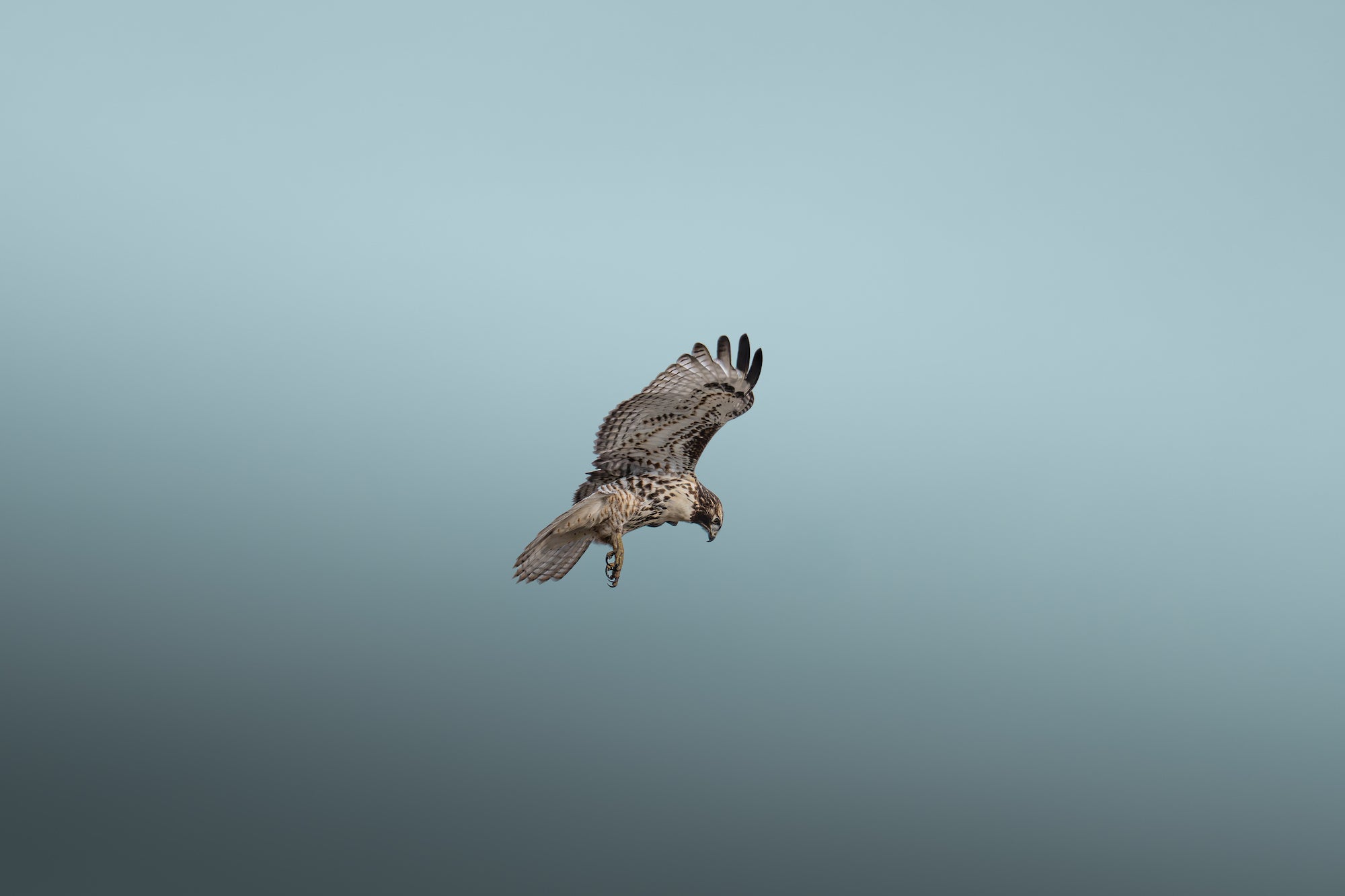
Photo by Dani Hamm. Alpha 7R V. 400mm f/4.5 G Master. 1/800-sec., f/4.5, ISO 1250
For wildlife photographers, those moments are often where the best images happen: just before sunrise, just after sunset, and throughout the low-light windows when animals are most active. The 400mm f/4.5 G Master gives Hamm the compactness she wants for travel and long days outside, along with the aperture she needs to keep working when the light falls away.
Two Lenses, Two Strengths
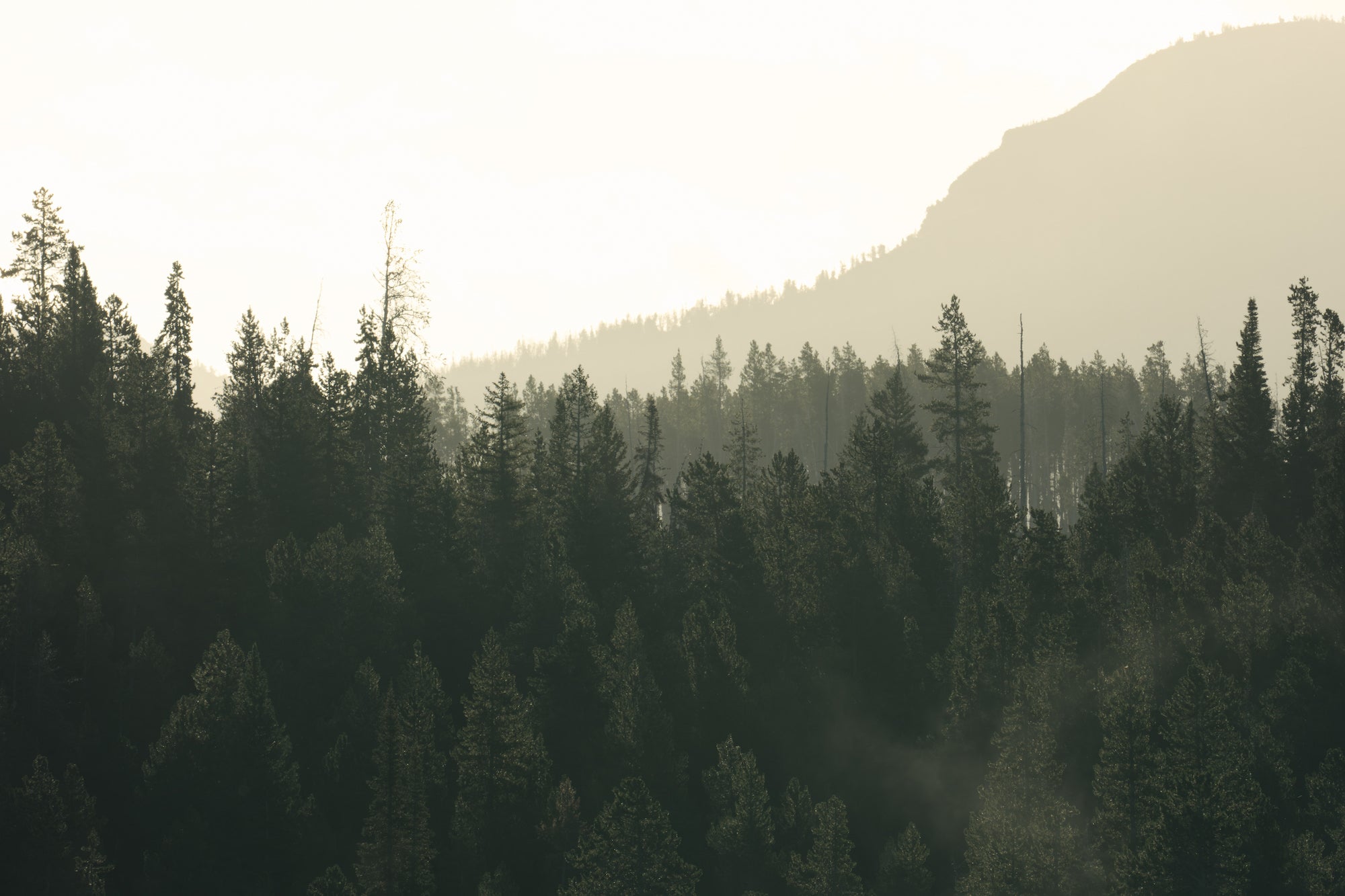
Photo by Hannah Rheaume. Alpha 7R VI. 600mm f/6.3 G Master OSS. 1/250-sec. f/18. ISO 400.
The 400mm f/4.5 G Master and 600mm f/6.3 G Master meet different needs, but Rheaume and Hamm found common ground in the qualities that matter most: sharp rendering, smooth bokeh, thoughtful build quality, and a more approachable path to G Master prime performance.
For photographers prioritizing reach (especially when wildlife is far out in the field) the 600mm f/6.3 G Master offers a compelling combination of detail, image quality and portability. For those looking for a lighter, faster telephoto prime with added low-light flexibility, the 400mm f/4.5 G Master brings a powerful balance of reach, aperture and mobility.
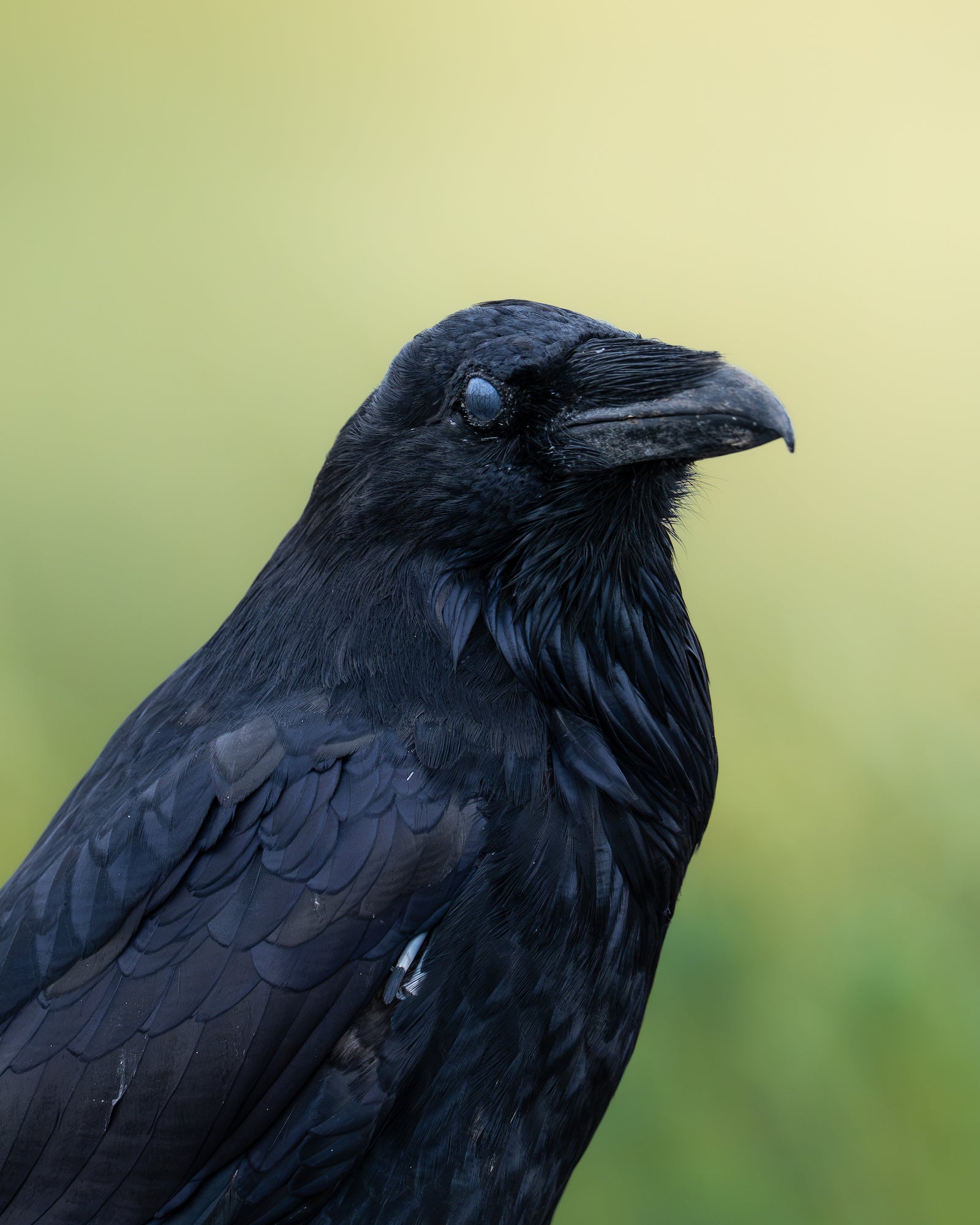
Photo by Dani Hamm. Alpha 7R V. 400mm f/4.5 G Master. 1/400-sec., f/4.5, ISO 1250
In Yellowstone, where a swimming grizzly can appear before sunrise or a distant raptor can become the subject of the day, both lenses proved ready for the moment.
See more of Hannah Rheaume’s work on Instagram @hannahrheaume.
See more of Dani Hamm’s work on Instagram @danigoinhamm.
CLICK HERE to pre-order the 400mm f/4.5 G Master.
CLICK HERE to pre-order the 600mm f/6.3 G Master.