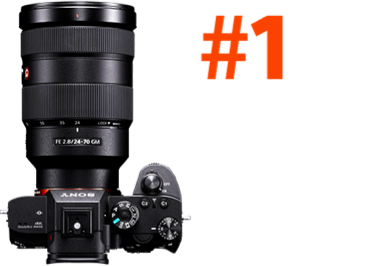
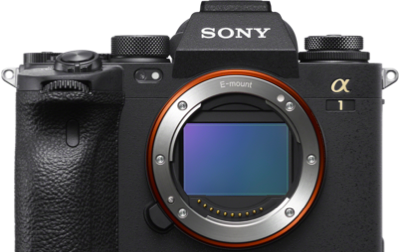
Don Smith is a California-based landscape and nature photographer renowned for capturing the world's most dramatic environments. Armed with the new Sony Alpha 7R VI, Don headed to New Zealand's South Island for his annual photography workshop – and brought back some of the most stunning landscape images the region has to offer. Keep reading below as the Sony Artisan alumnus shares his experience.
Queenstown: Where New Zealand's South Island Begins
I have undoubtedly had the great fortune to visit and teach in some of the most beautiful locations around the world. Of the many parts of the world that I’ve been to, South Island, New Zealand ranks at or near the top of the list. For those of you who have the chance to visit and photograph, you know what I mean. The beauty and ruggedness of this two-island country seems endless.
Earlier this month, fellow photographer Gary Hart and I had a workshop group on the South Island of New Zealand for our annual South Island New Zealand Photo Workshop. I look forward to teaching this workshop annually, but what made it even more pleasurable this year was that I had the new Alpha 7R VI camera to capture my images!
The adventure kicked-off in the Alpine ski resort town of Queenstown. Stepping off the plane, one is greeted with the grandeur of The Remarkables Mountain (a perfect north/south orientation) with its jagged granite peaks and scenic views. It is also their summertime, and we were near winter solstice.
Queenstown is also built along on New Zealand’s longest lake, Lake Wakatipu. The town and the lake sit 1,017 feet above sea level, but the deepest part of Wakatipu is incredibly below sea level.
This lake captures my imagination in a way by allowing me to combine the rugged mountains along with the low sun angle of near winter solstice light. Combine that with the glacial melt blue coloring and it’s hard to miss!
First Light On The Southern Alps: Testing The Alpha 7R VI At Sunrise
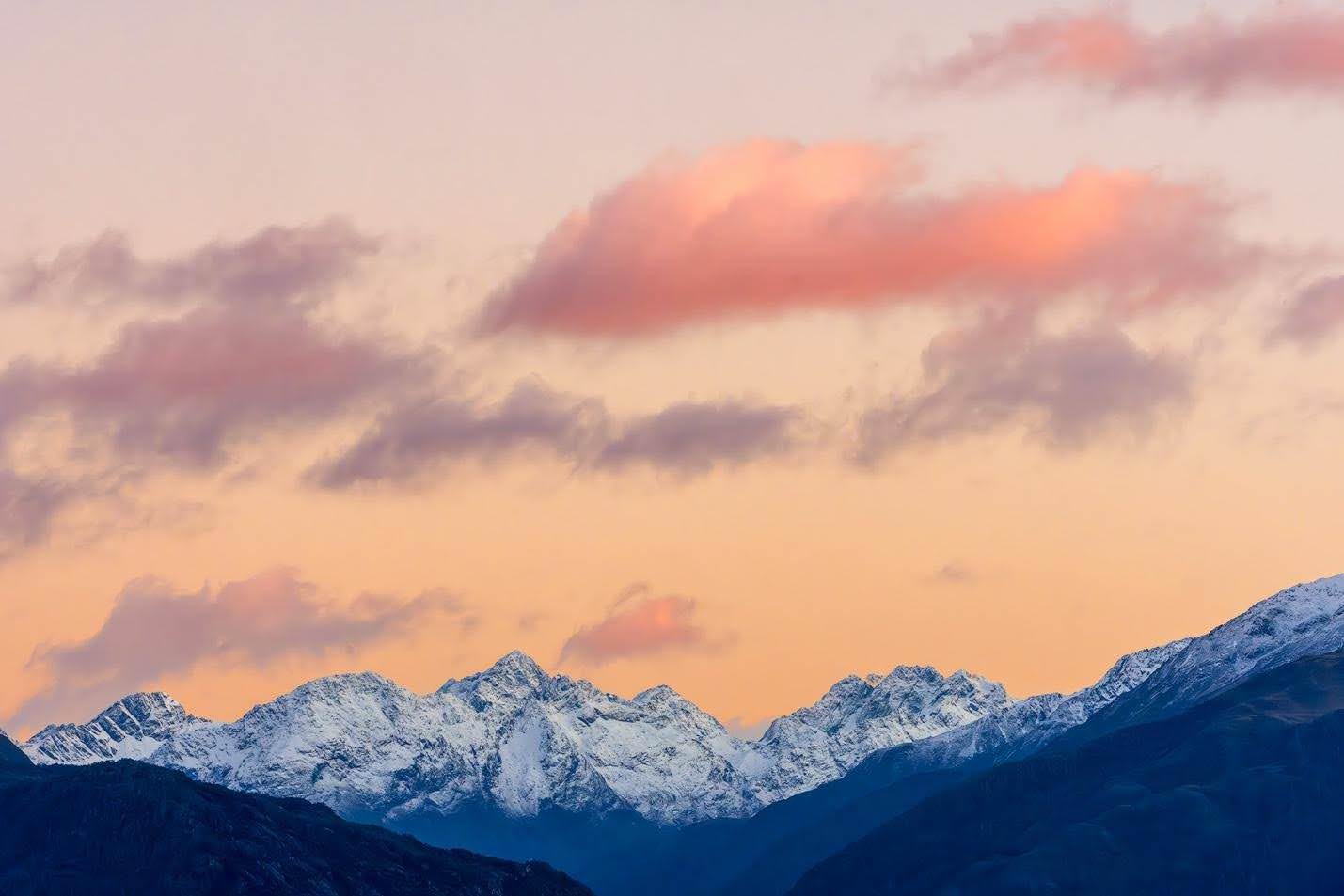
Snow-Covered Sunrise of the Humbolt Mountains, South Island, New Zealand. Photo by Don Smith. Alpha 7R VI. 100-400mm f/4.5-5.6 G Master. 1/30-sec., f/16, ISO 2000
We divide our workshop into (5) locations on the South Island. The first full day commences with a sunrise shoot at the location above. I was very impressed right off the jump at the beautiful colors the camera captures with less blues in the shadows by default. I shot everything in the new 14-bit RAW and the improved 16 stops of dynamic range plus a brand new BIONZ XR2 processor combined for a realistic rendering of the subtle gradation of tones in every scene I captured over the 2-week period.
We then drive down to the quaint town of Glenorchy which has become a favorite spot for blockbuster Hollywood films due to its proximity to the northwestern head of Lake Wakatipu but also the surrounding Humbolt Mountains.
We then continue northwest to the tiny enclave of Paradise and Paradise Forest. It is a lush Southern Beech tree forest. If you are a Lord of the Rings fan, you may know it as Lothlórien, the enchanted home of the elves.
Shooting The Ancient Beech Forests Of Paradise At High ISO
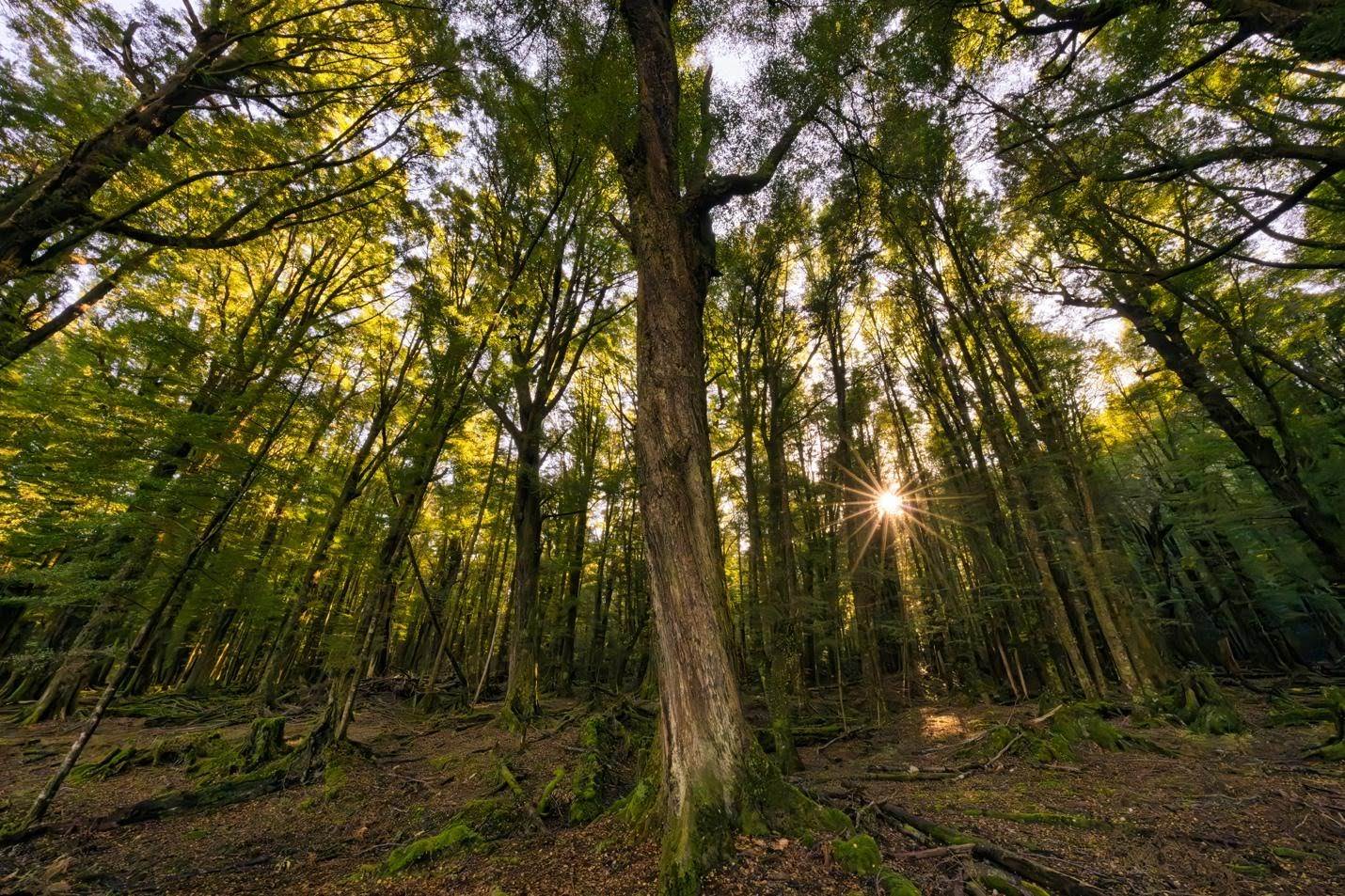
Ancient Beech Tree Forest in Paradise, South Island, New Zealand. Photo by Don Smith. Alpha 7R VI. 12-24mm f/2.8 G Master. 1/160-sec., f/22, ISO 12,800
I decided at this point that I would wander around helping our participants while testing the high ISO of the Alpha 7R VI. I shot the entire 45-minutes handheld.
This image (above) was captured at 12,800 ISO and I simply cleaned the noise up in post. I went with an aperture of f/22 to ensure the starbursts of the sun which stays at a relatively low sun angle at this time of the year.
NOTE: New Zealand is in the Southern Hemisphere, so their June is like North America’s December.
Both images (above) were handheld, thanks in part to an increase in image stabilization up to 8.5 stops and the improved dynamic range. I captured other handheld images on this workshop as low as 1/3-sec. (and I have a tremor) which was exciting for me! [Editor's Note: Don wanted to let you know that he recently had surgery at Standford University for this tremor, and it was a major success!]
This camera is so good with its stabilization that I loved handholding the camera at times and not always being restricted to a tripod! Walking around this forest was a great example!
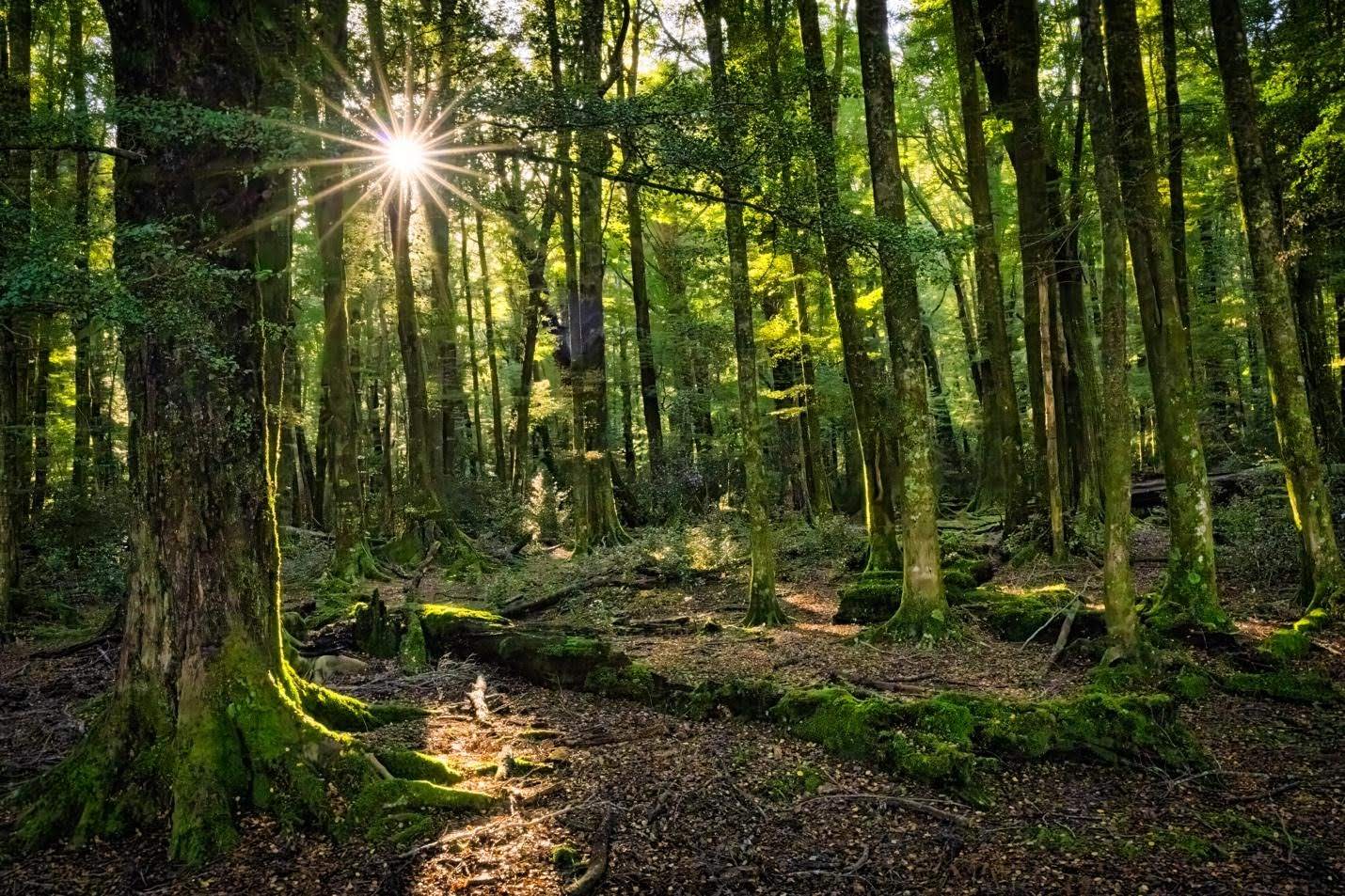
Enchanted Forest in Paradise, South Island, New Zealand. Photo by Don Smith. Alpha 7R VI. 12-24mm f/2.8 G Master. 1/100-sec., f/22, ISO 12,800
Inside Fiordland: Photographing Doubtful Sound Handheld
The following day we moved to group to one of our favorite locations, Te Anau. The first day we took our group on an all-day excursion out to Doubtful Sound which is one of New Zealand's most remote fiords. It’s located inside of Fiordland’s National Park and stretches out to the Tasman Sea.
Within its narrow passageways are incredible beech forests growing on the steep terrain that seemingly rises directly out of the water. Depending on how often it rains (which can be every day) waterfalls cascade randomly into the water below.
Both images (above) were handheld, thanks in part to an increase in image stabilization up to 8.5 stops! I captured other handheld images on this workshop as low as 1/3-sec. (and I have a tremor) which was exciting for me!
This camera is so good with its stabilization that I loved handholding the camera at times and not always being restricted to a tripod!
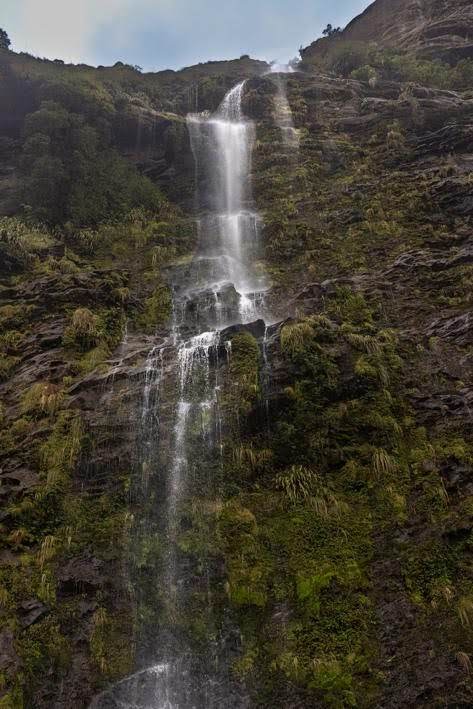
Seasonal Waterfall, Doubtful Sound, South Island, New Zealand. Photo by Don Smith. Alpha 7R VI. 24-105mm f/4 G. 1/400-sec., f/5.6, ISO 3200
Most times the water of the Sound is like glass as the steep hillsides protect the area from wind and noise. Here is an image of a perfect reflection of a group of beech trees.
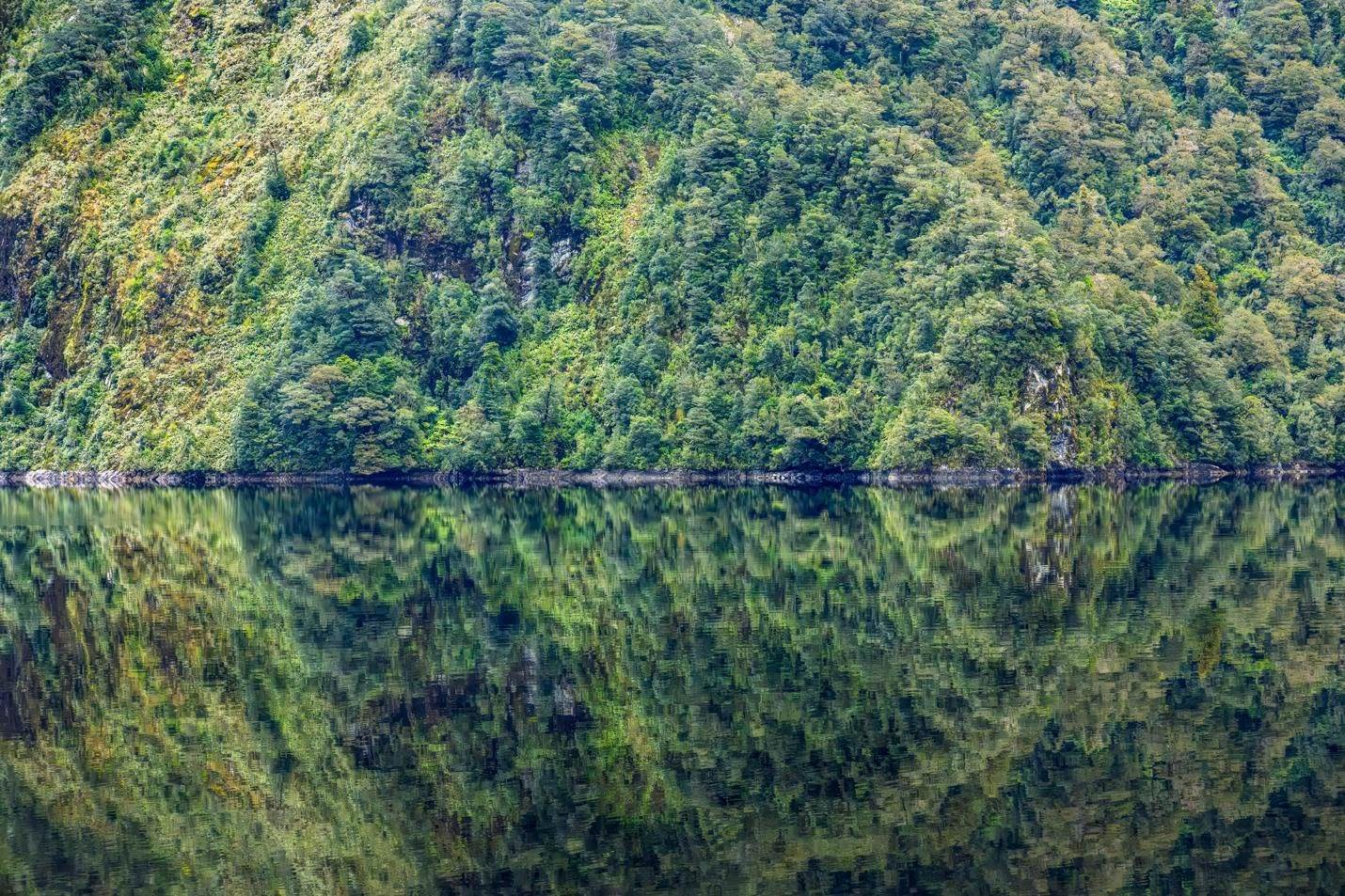
Hillside Reflection into Doubtful Sound, South Island, New Zealand. Photo by Don Smith. Alpha 7R VI. 24-105mm f/4 G. 1/320-sec., f/7.1, ISO 5000
We do not take tripods out onto the boat, so all images are captured handheld which is not a problem with the Alpha 7R VI. The 8.5-stop image stabilization allows for slower shutter speeds if needed but I instead opted to raise my ISO and the results are incredibly noise free.
I also decided to try an abstract as I noticed the white clouds above made for interesting reflections in the wake created by the boat’s engines.
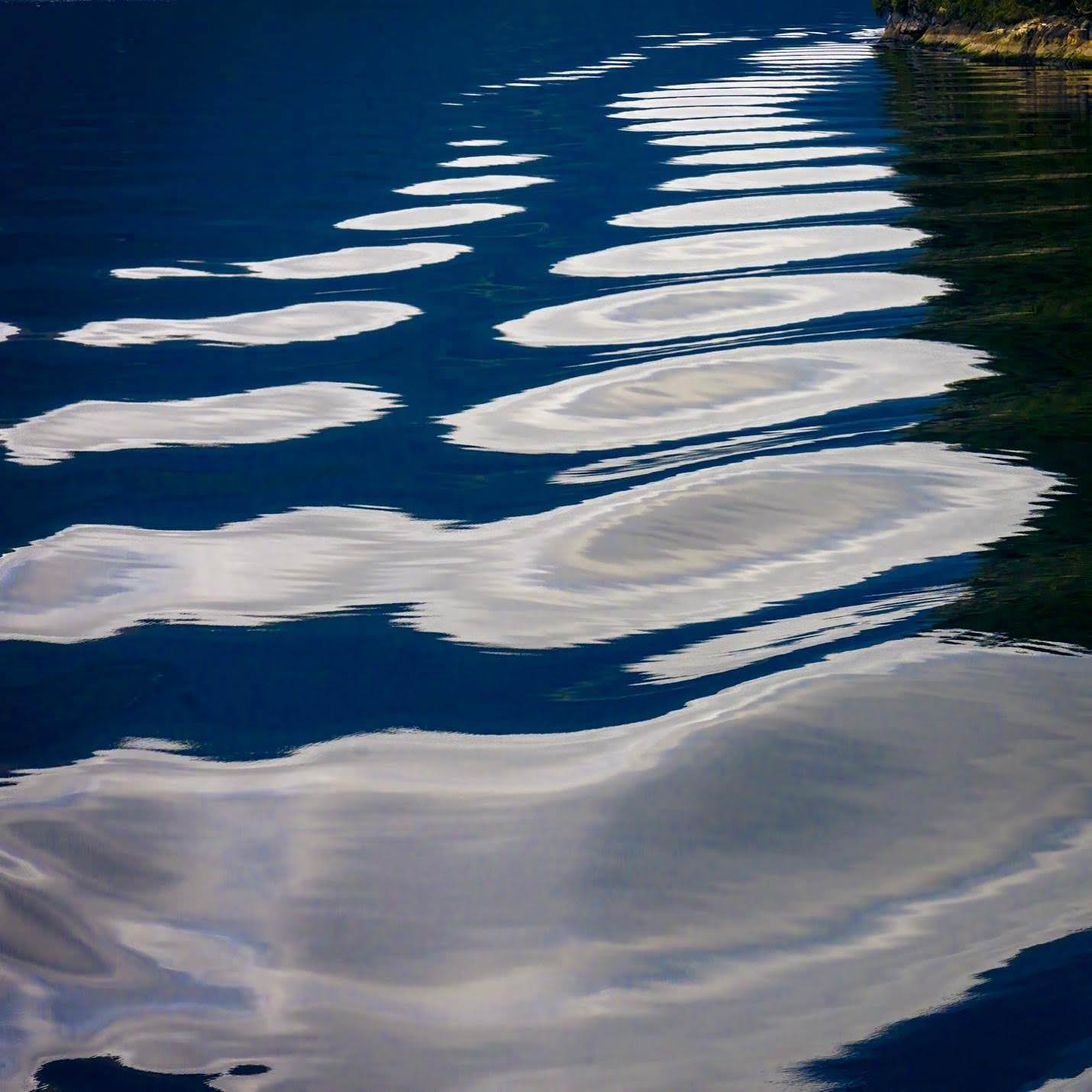
Doubtful Sound Cloud Reflections, South Island, New Zealand. Photo by Don Smith. Alpha 7R VI. 24-105mm f/4 G. 1/320-sec., f/11, ISO 3200
Milford Sound: Capturing Dramatic Winter Skies & Lady Bowen Falls
We also decided to take our group to the other famous Sound outside of Te Anau – Milford Sound. We did not do a boat tour but instead elected to photograph the iconic opening to the Sound which was used in Alien: Covenant, Lord of the Rings and The Hobbit.
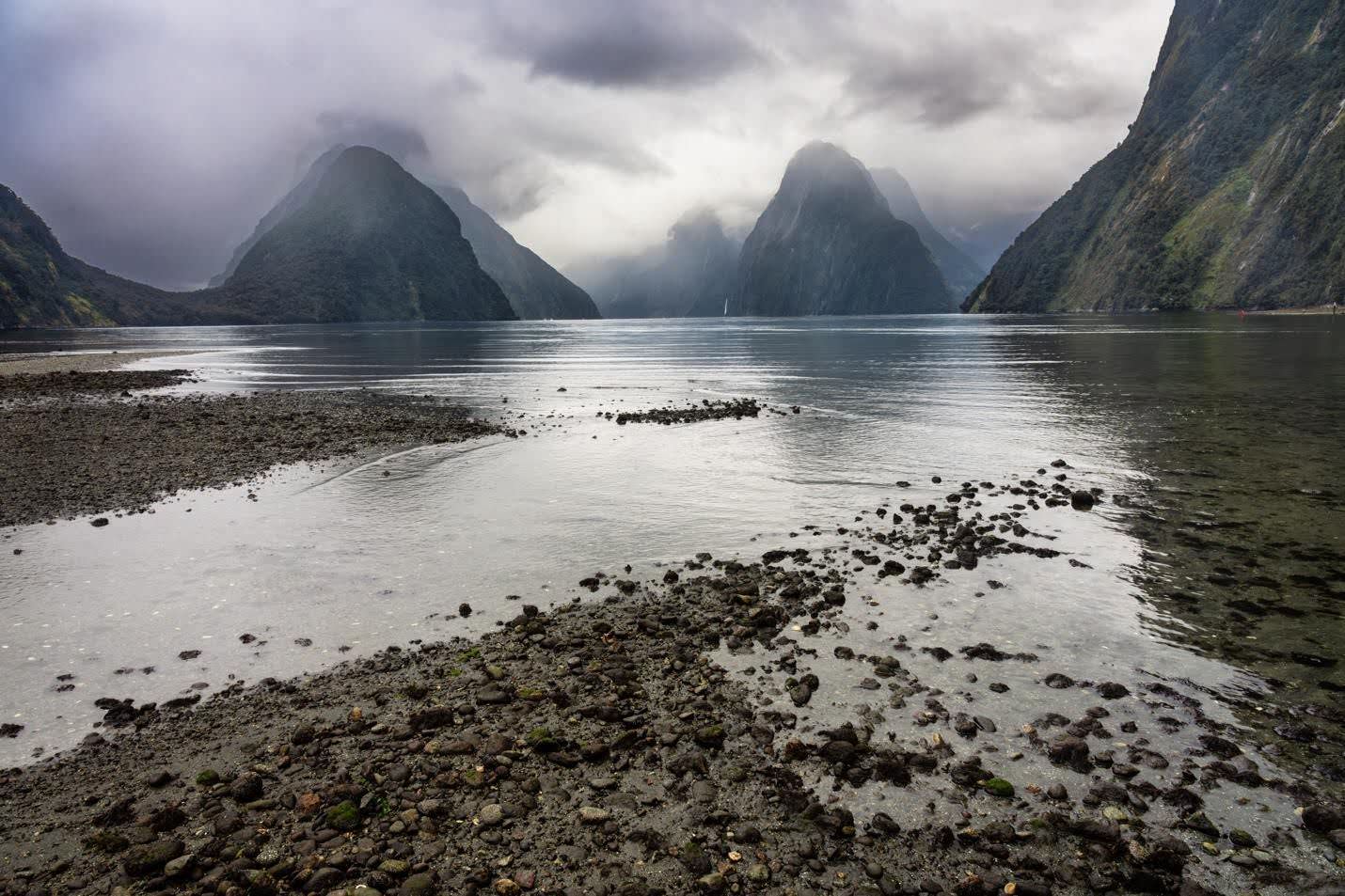
Winter Clouds Over Entrance to Milford Sound, South Island, New Zealand. Photo by Don Smith. Alpha 7R VI. 12-24mm f/2.8 G Master. 1/20-sec., f/16, ISO 200
I had been hoping for this dramatic sky image for my many past attempts at Milford Sound and finally got it on this workshop! Also, I captured many tighter images of the clouds hovering around the peaks of this dramatic opening to the Sound.
One of my last images was of an incredible waterfall named Lady Bowen Falls. I made sure to drop my shutter down to 1/10-sec. to get a smoother look in the waterfall. I stayed on a tripod for this one.
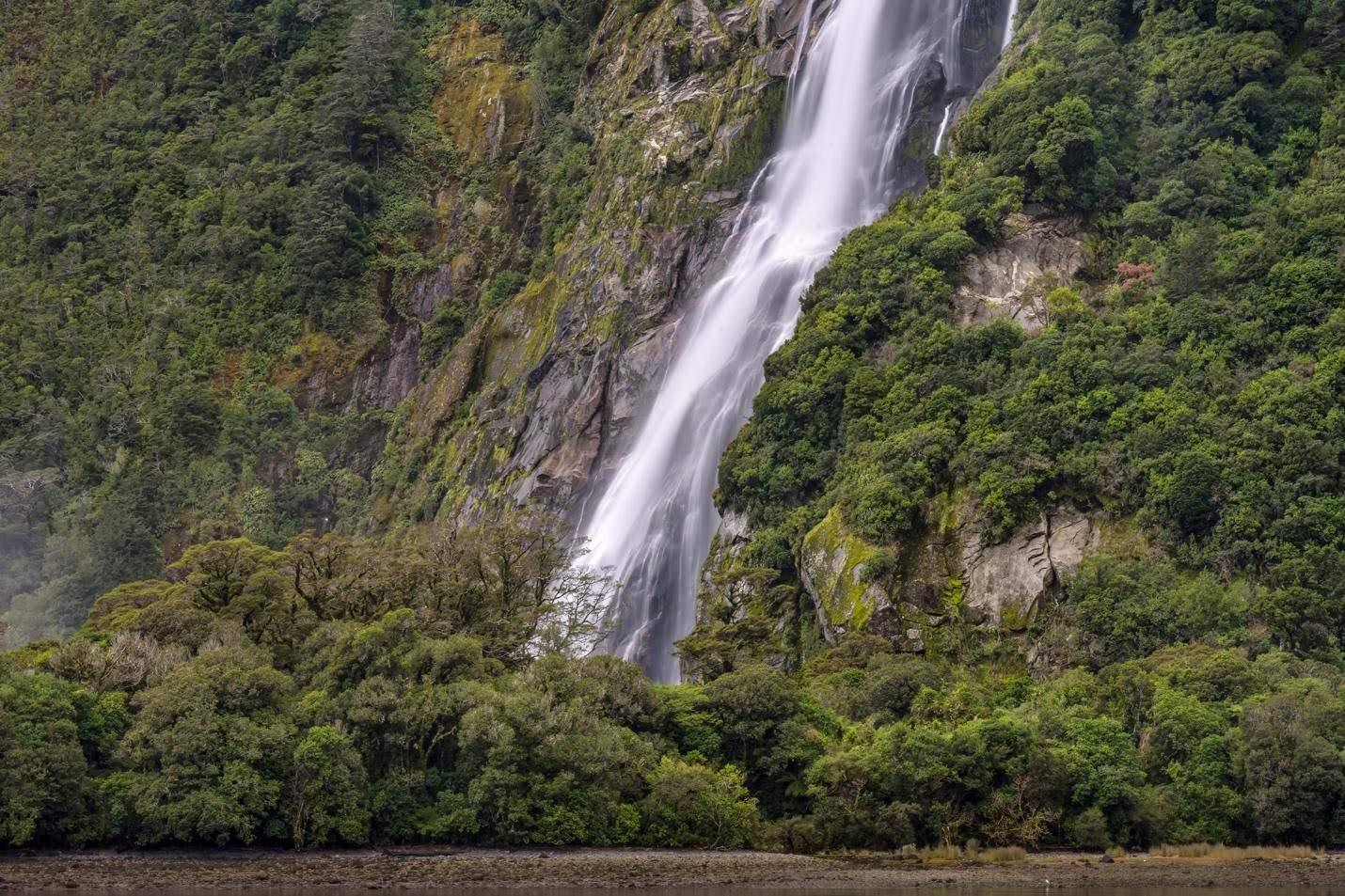
Lady Bowens Falls, Milford Sound, South Island, New Zealand. Photo by Don Smith. Alpha 7R VI. 100-400mm f/4.5-5.6 G Master. 1/10-sec., f/22, ISO 100
Astrophotography In The Southern Hemisphere With The Sony Alpha 7R VI
Each year we try and get at least one night of Milky Way photography in for the group and this year we took advantage of a location that local photographer recommended just outside of Te Anau.
I was excited to test the Alpha 7R VI for astrophotography and it did not disappoint! We plan our yearly workshops to coincide with moonless nights, so this was an area isolated from city light pollution.
Note that in the southern hemisphere, if you compose the Milky Way wide, you will capture the Large and Small Magellanic Clouds as you see below to right of the Milky Way. These are part of a satellite dwarf galaxy that orbit the Milky Way and are cool to see and capture.
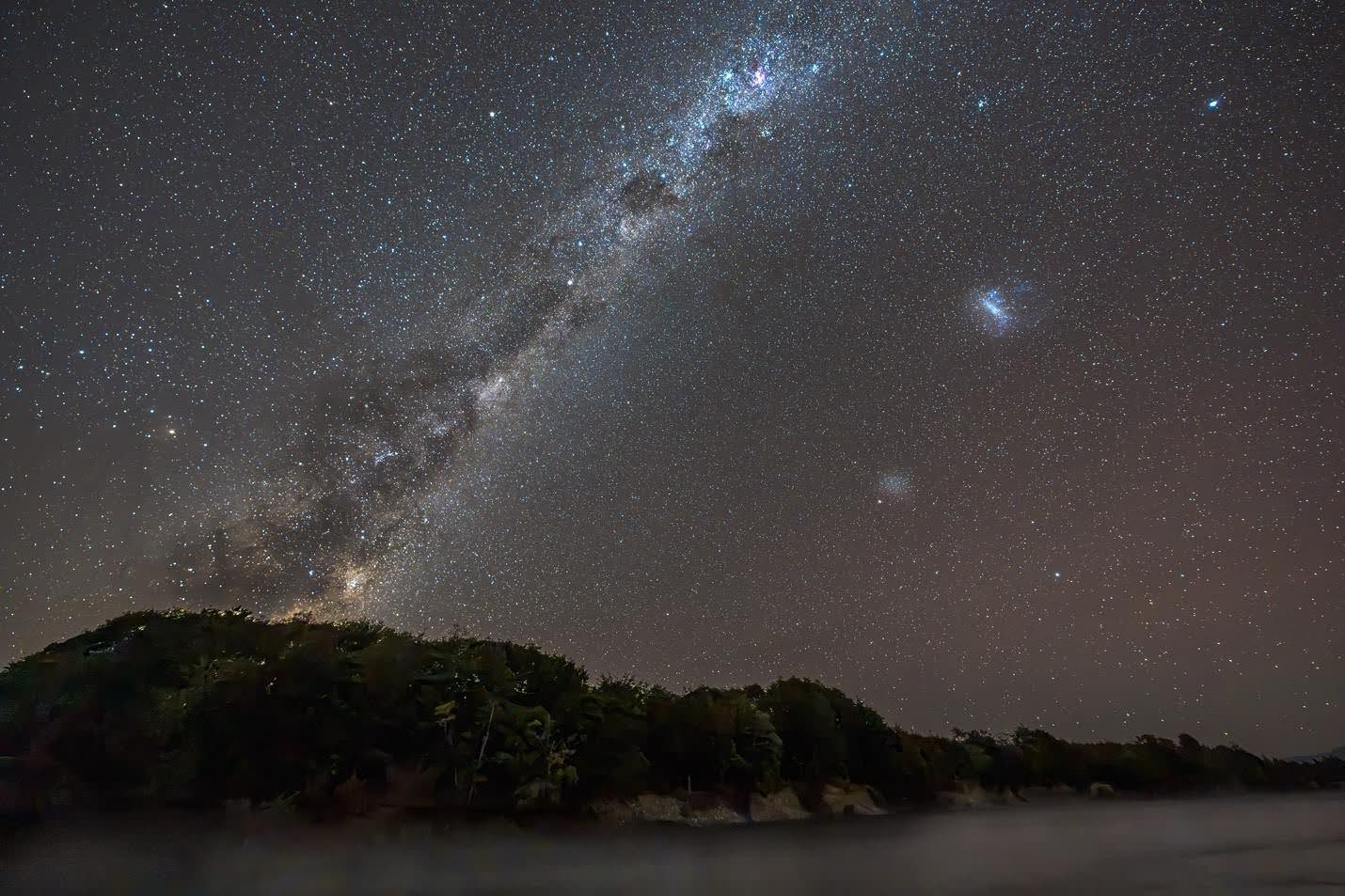
Beech Forest, Milky Way and Magellanic Clouds, South Island, New Zealand. Photo by Don Smith. Alpha 7R VI. 12-24mm f/2.8 G Master. 15-sec., f/2.8, ISO 8000
From Lake Wānaka To Mount Cook: New Zealand's Most Iconic Landscapes
After wrapping up this portion of the trip, we were off to Wanaka which is located on beautiful Lake Wanaka and home to the famous Wanaka Willow tree. This is such an iconic location shoot that we shoot at both sunset the first day and sunrise the second.
As with all landscape photography, the subtleties of light are so important to capture. For this image of the tree, I used a Singh-Ray 5 stop ND filter to help smooth the water with a 3.3-minute exposure. I loved the results!
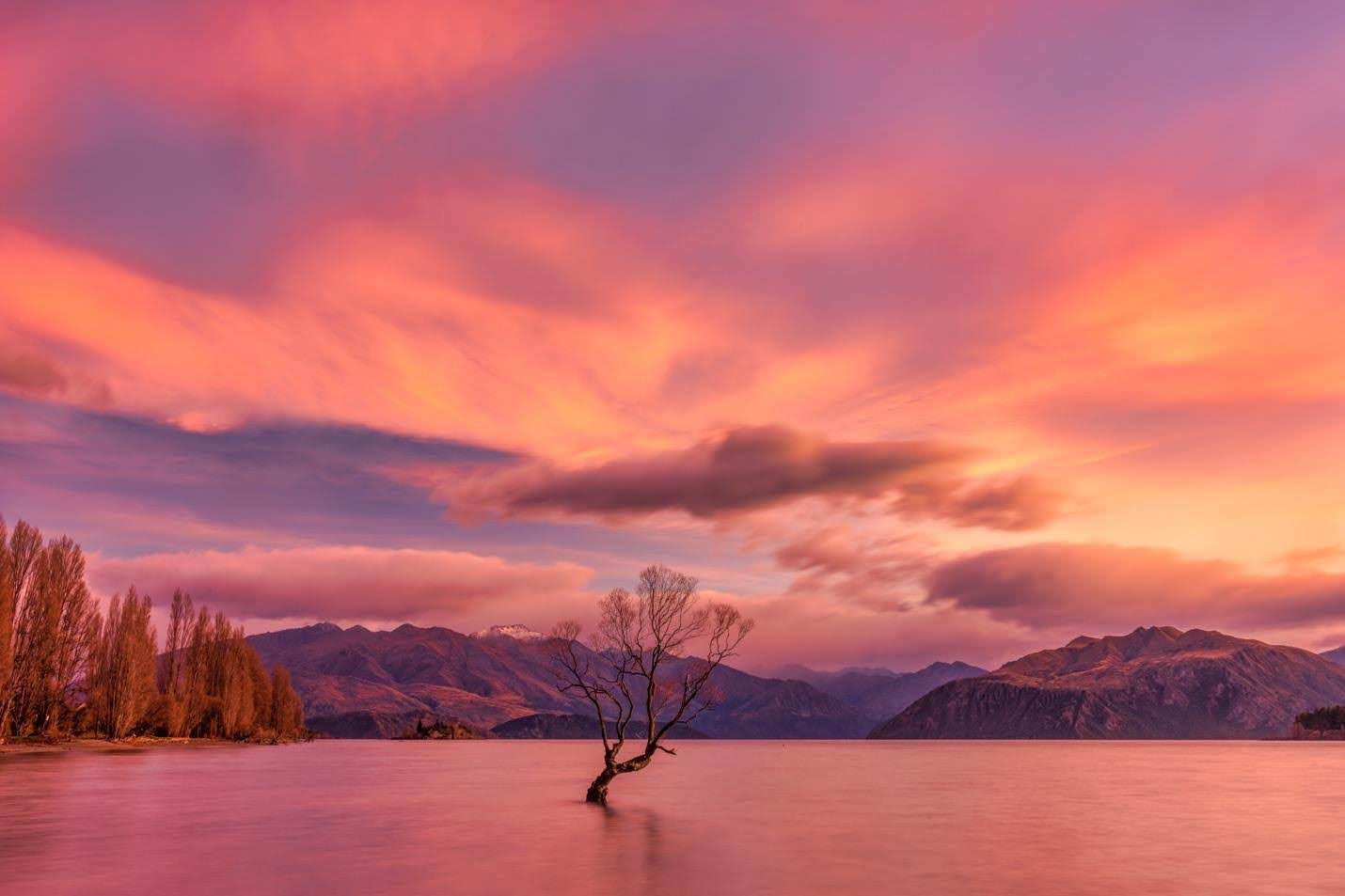
Wanaka Willow at Dawn, Wanaka Lake, Wanaka South Island, New Zealand. Photo by Don Smith. Alpha 7R VI. 24-105mm f/4 G. 130 sec., f/22, ISO 50
The next day we departed for the amazingly beautiful Haast Pass which takes one up and over southern alps from Wanaka to the West Coast of the South Island.
We stopped along the way to photograph different waterfalls and then ended at the Blue Pools which had been closed for renovation the past three years. These pools are created by New Zealand’s famed glacial melt and are a treat to view and capture.
One must cross a river over a suspension bridge that leads eventually to another suspension bridge that places you at above the incredibly blue Makarora River. I just need a few tweaks in Lightroom, and this was the color that the Alpha 7R VI captured! I made no color changes in post.
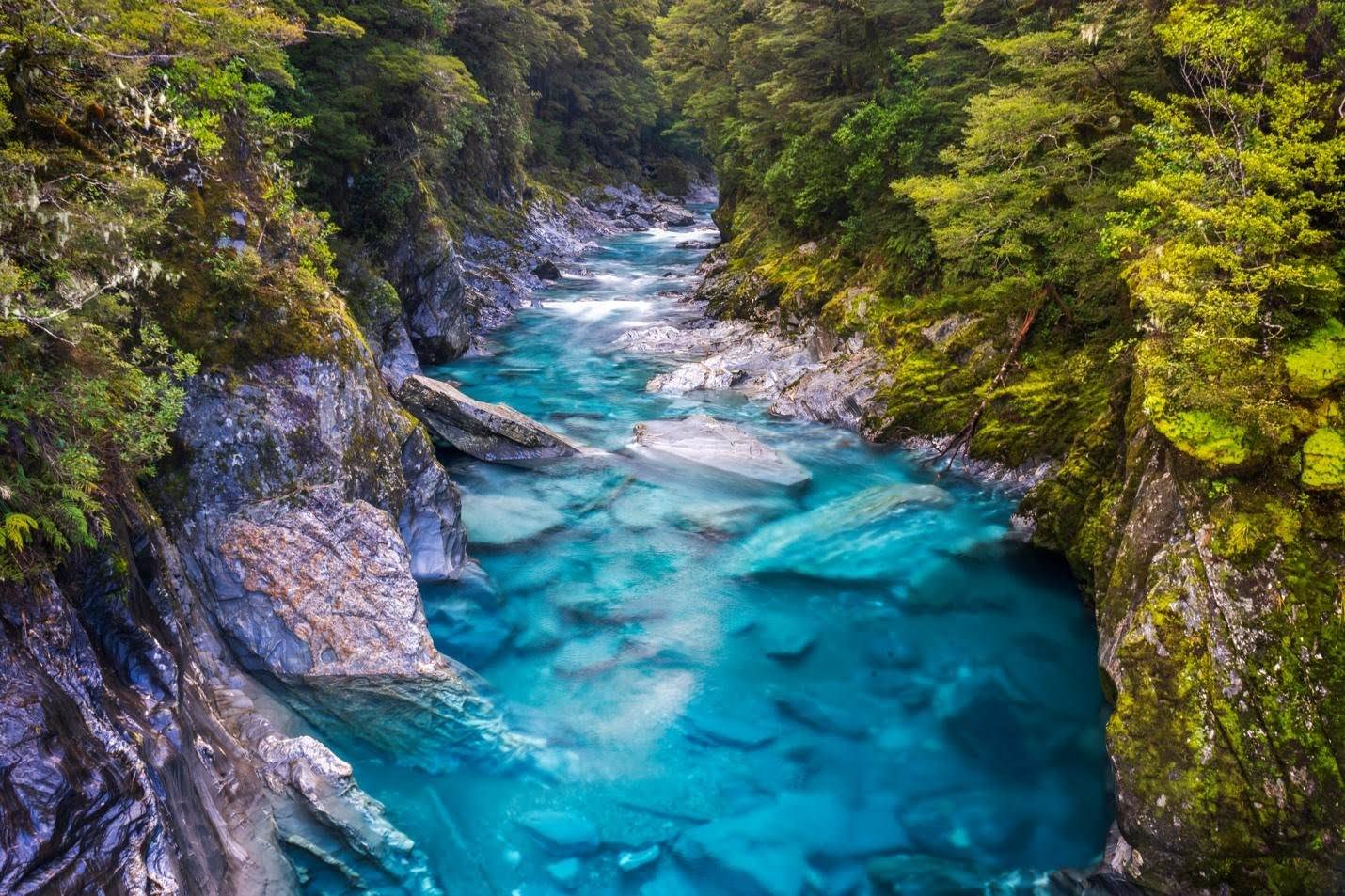
The Glacial Waters of Makarora River's Blue Pools, South Island, New Zealand. Photo by Don Smith. Alpha 7R VI. 24-105mm f/4 G. 4-sec., f/22, ISO 50
Now it was off to one of my favorite destinations of the trip, Mt. Cook National Park! We stay at the Mt. Cook Lodge which places us very close to some of the best locations that the park has to offer. One of those is Tasman Lake which is about a 5-minute drive and then a walk up 350 steps for this view of glacial melt Tasman Lake!
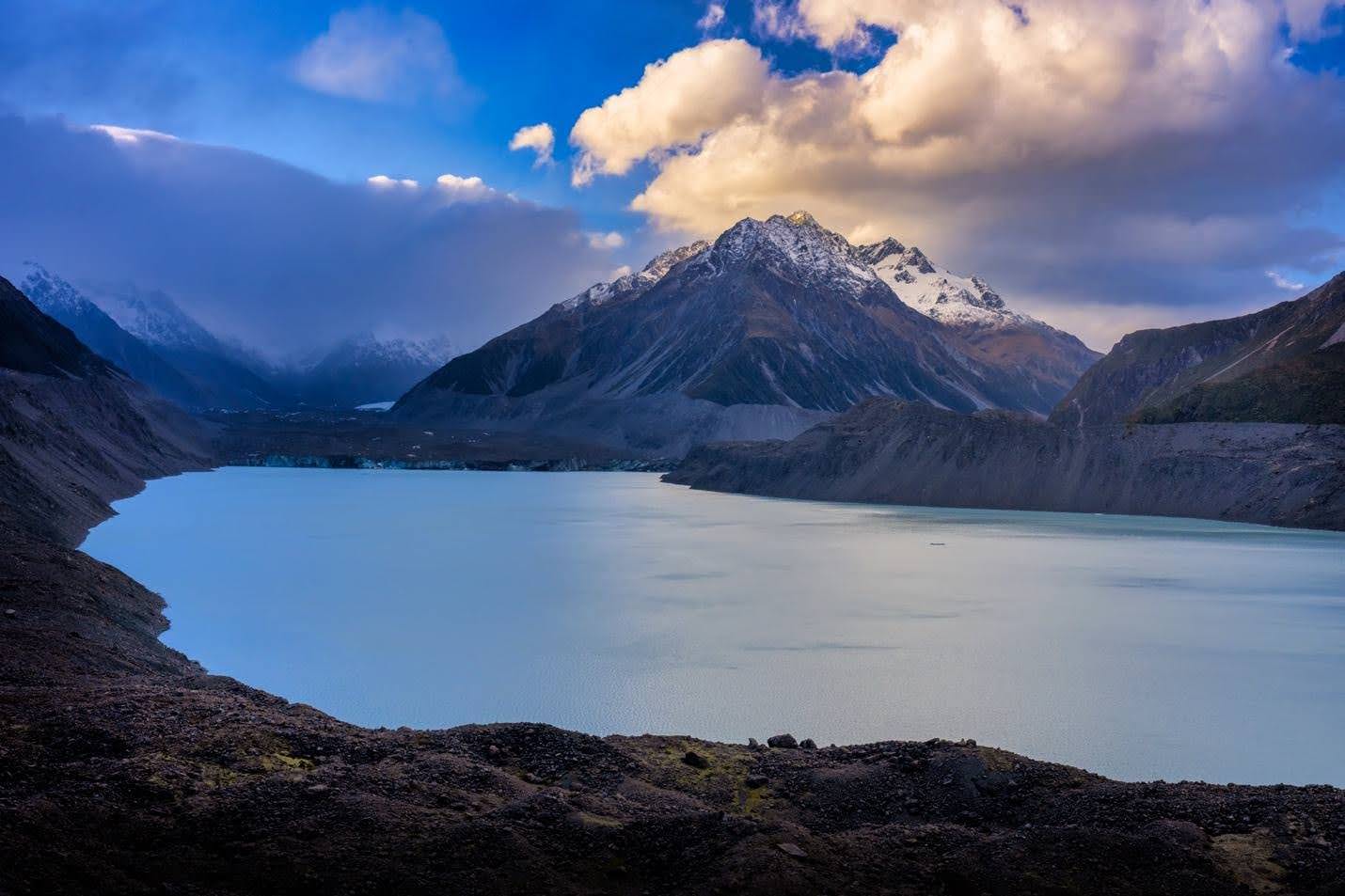
The Glacial Waters of Tasman Lake, Mt. Cook National Park, South Island, New Zealand. Photo by Don Smith. Alpha 7R VI. 24-105mm f/4 G. 1/200-sec., f/11, ISO 500
The following morning, we took off in the dark for the eastern end of Lake Pukaki, the largest of three lakes in the park. A cloudy morning greeted us but allowed just a sliver of an opening for the rising sun to peak its head through.
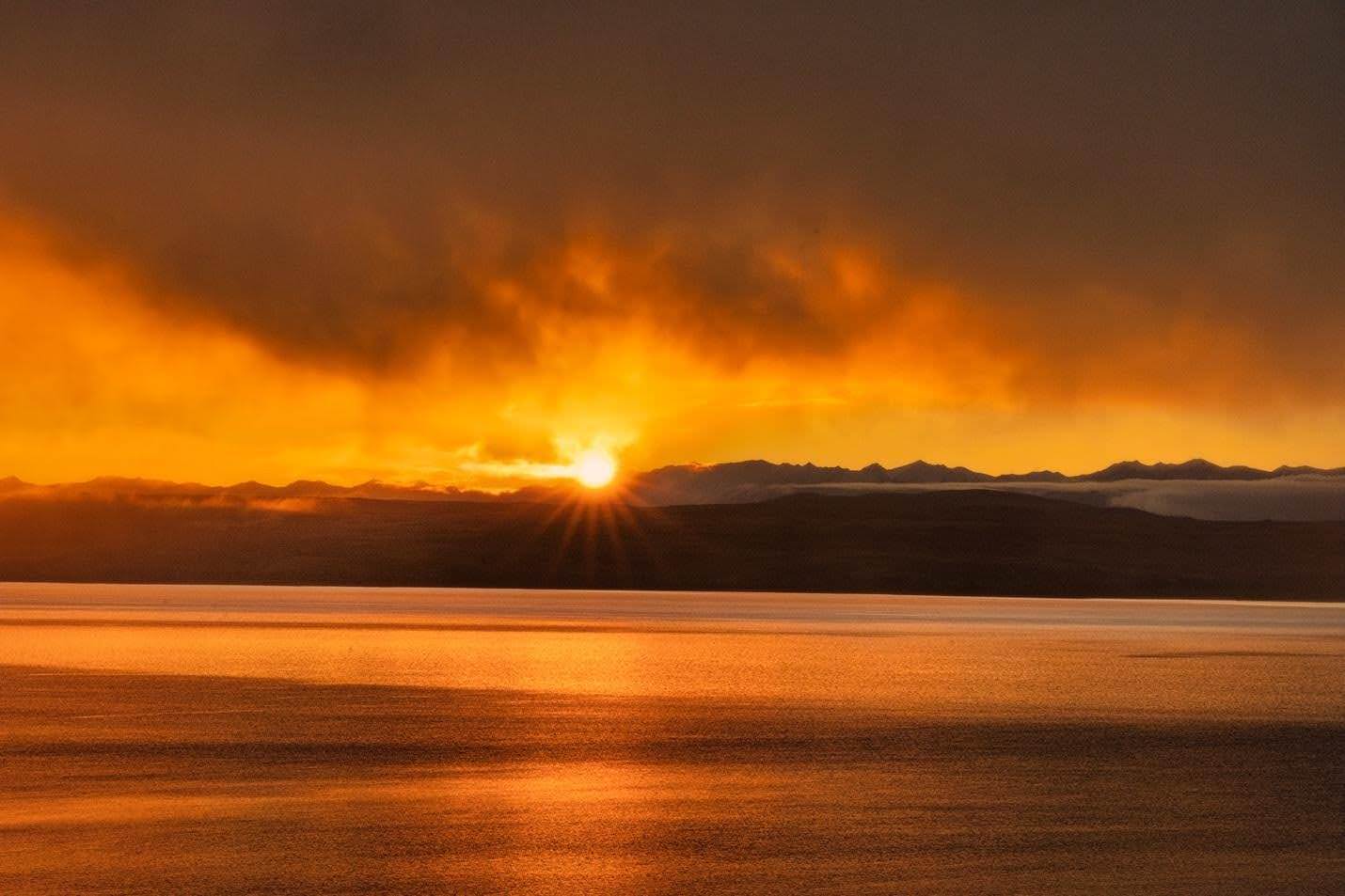
Sunrise Over Lake Pukaki, Mt. Cook National Prak, South Island, New Zealand. Photo by Don Smith. Alpha 7R VI. 100-400mm f/4.5-5.6 G Master. 1/160-sec., f/22, ISO 1600
The light comes in so quickly at altitude and just before capturing this image (above) I looked over my left shoulder and captured this image of fresh overnight snow on the Southern Alps Peaks.
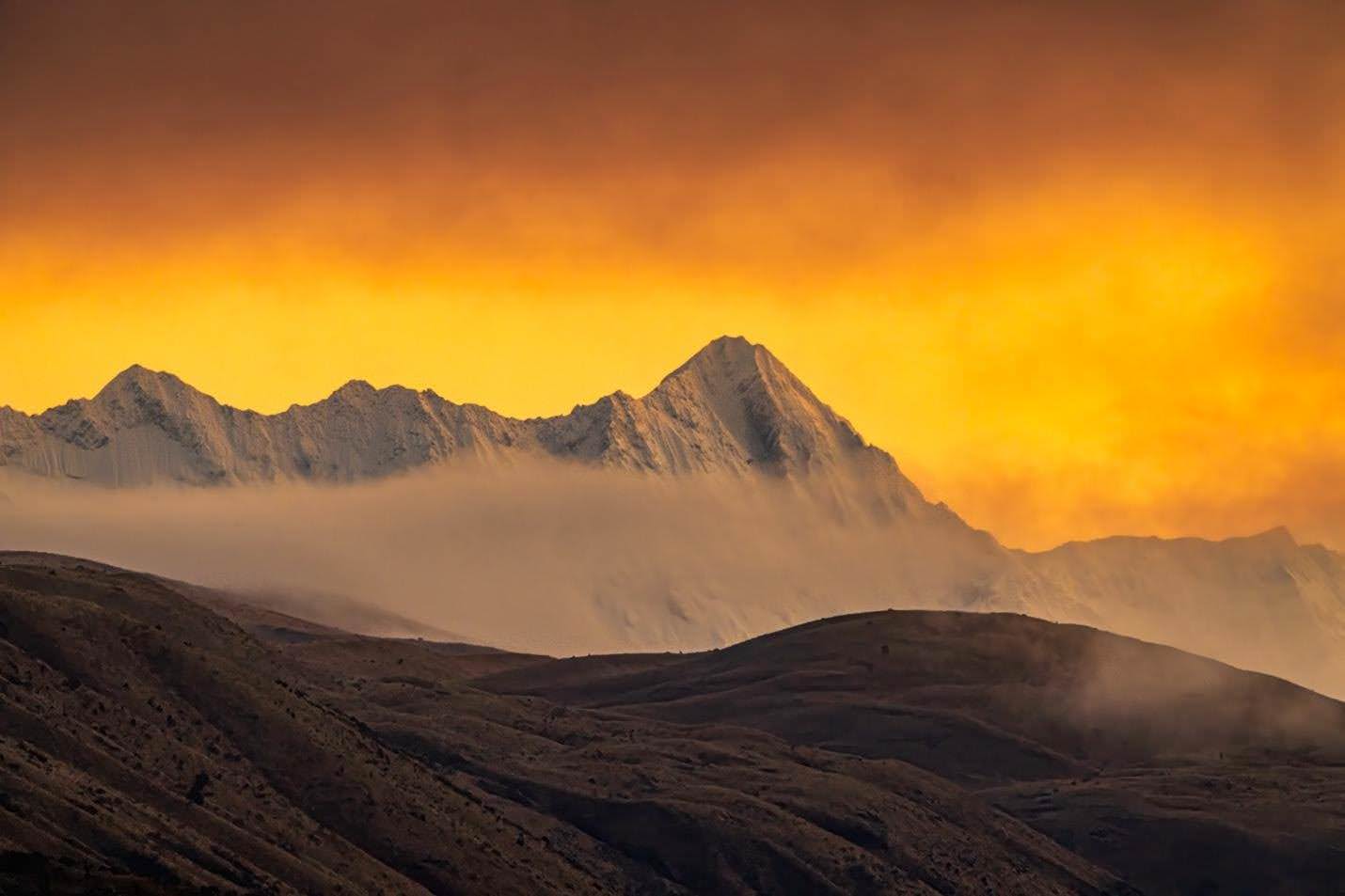
Fresh Snow at Sunrise on the Southern Alps, Mt. Cook National Park, South Island, New Zealand. Photo by Don Smith. Alpha 7R VI. 100-400mm f/4.5-5.6 G Master + 2x TC. 1/30-sec., f/16, ISO 3200
It never ceases to amaze me just how much better breakfast (or dinner) tastes after a shoot that gives you much of what you hoped for. To say I am pleased with the Alpha 7R VI’s ability to capture the subtle gradation of tones and colors in nature would be and understatement. Suffice it to say – I’m blown-away!
If you wish to join Gary and I next June 23 – July 2, you can find more information by CLICKING HERE.
NOTE: Prior to the trip I ordered my very own Alpha 7R VI along with the new 100-400mm f/4.5 G Master lens. Both were awaiting me when I got back home. If you wish to read more of my thoughts on the dynamic duo CLICK HERE.
Find more of Don Smith's work on Instagram @don_smith_photography and at donsmithphotography.com.
–Click here to learn more about the Alpha 7R VI.