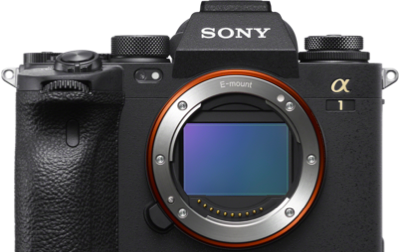
There are cameras you test on a controlled shoot. And then there are cameras you throw into the deep end – two weeks in Yellowstone, chasing wolves and grizzlies across wide-open terrain, where the light doesn't hold and the action doesn't wait. That's exactly how wildlife photographer Hannah Rheaume put the new Sony Alpha 7R VI through its paces. The result? A camera that didn't just keep up – it changed what she thought was possible.
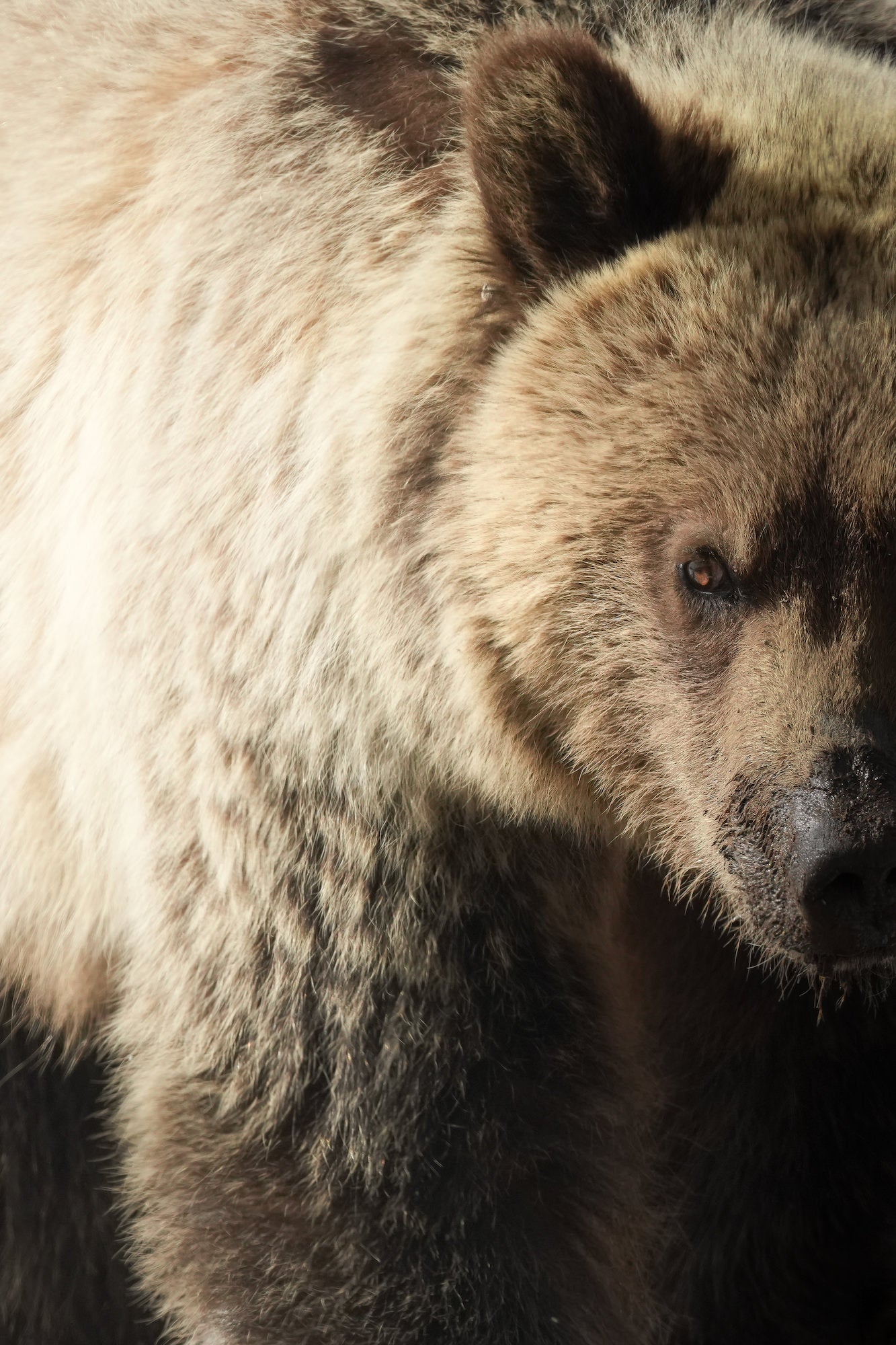
Photo by Hannah Rheaume. Alpha 7R VI. 600mm f/4 G Master. 1/1250-sec., f/9, ISO 800
66.8 Megapixels In the Field: Redefining the Crop
Coming from the Alpha 7R V, Hannah is no stranger to high-resolution shooting. She's built her entire workflow around the freedom that megapixels give you – the ability to frame loosely, crop tight, and still walk away with images that hold up. So when she picked up the Alpha 7R VI and its new 66.8-megapixel full-frame stacked sensor, she wasn't exactly expecting to be surprised.
She was.
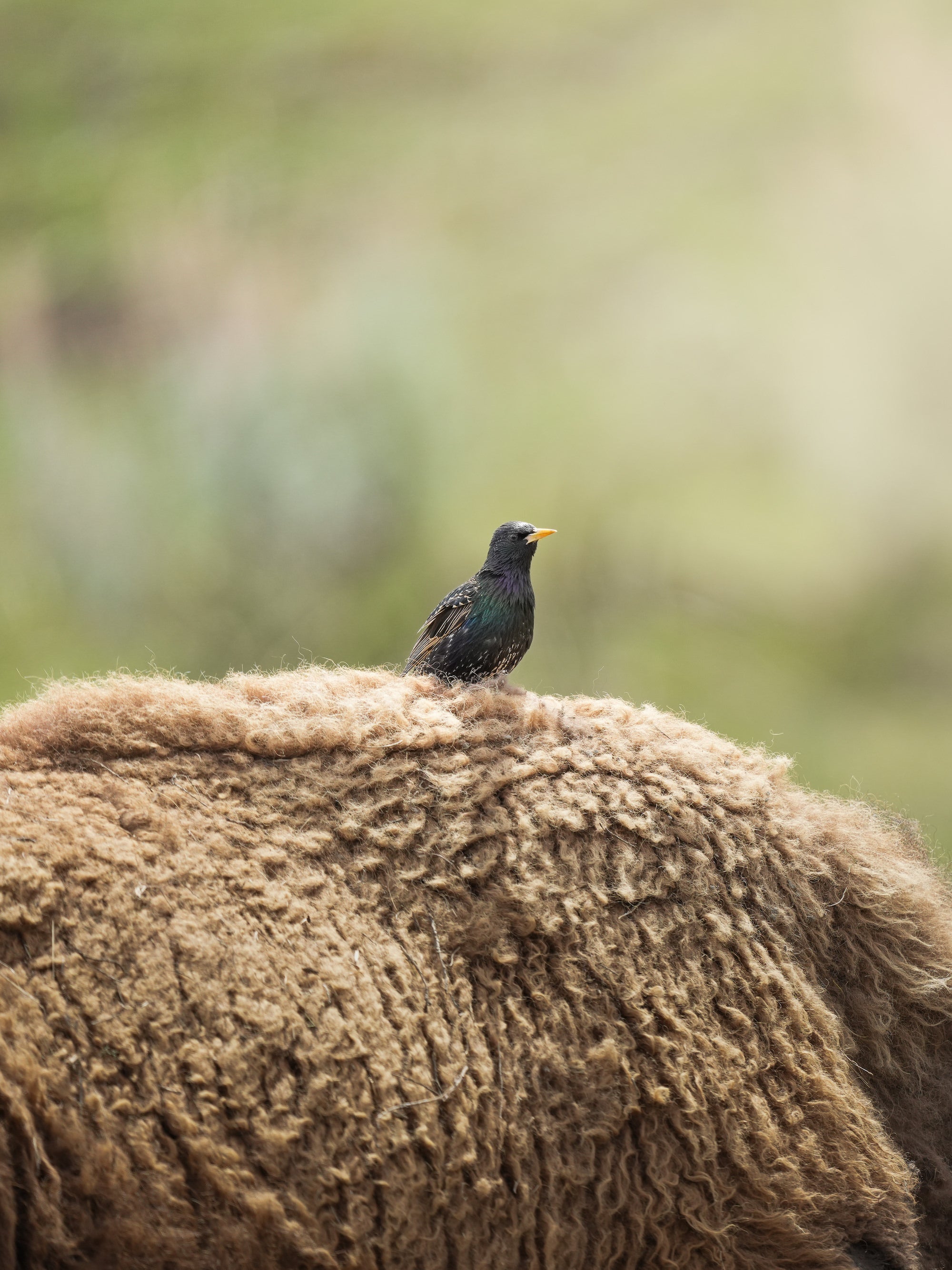
Photo by Hannah Rheaume. Alpha 7R VI. 600mm f/4 G Master. 1/1600-sec., f/4, ISO 500
"My main camera is the Alpha 7R V so I am used to having many megapixels to work with," Hannah says, "but the jump to 66.8MP blew me away. The images are incredibly sharp – allowing me to crop in and reframe if needed."
In the context of wildlife photography, that matters enormously. Whether she's photographing a fox at distance across a sage flat or trying to isolate a mountain bluebird against a chaotic background, having 66.8 megapixels to work with means she can commit to getting the shot first and fine-tune the frame later. That's not really a workaround, it's more like a creative superpower.
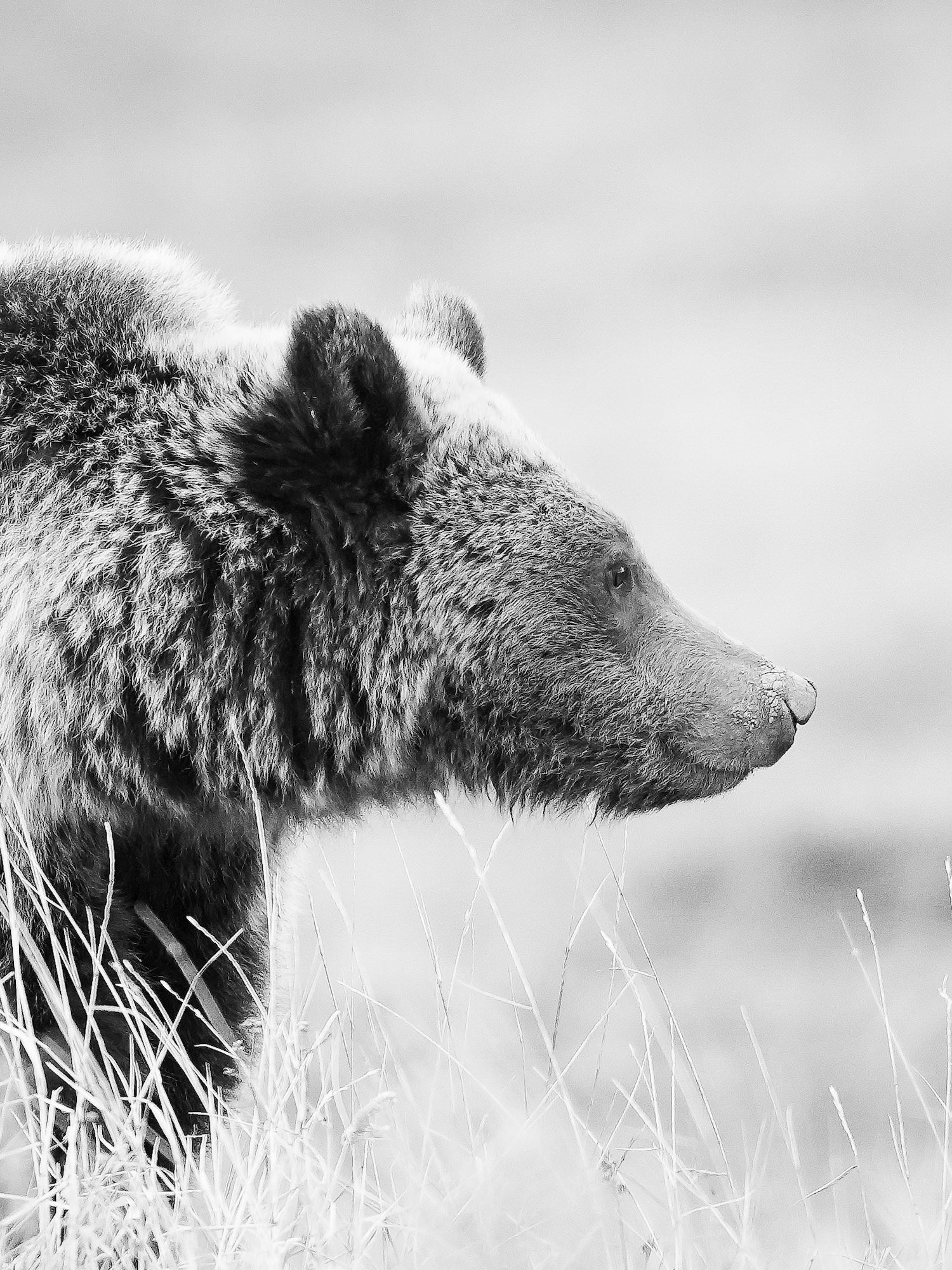
Photo by Hannah Rheaume. Alpha 7R VI. 600mm f/4 G Master. 1/800-sec., f/4, ISO 1000
Resolution. Responsiveness. Why Not Both?
Wildlife photography is storytelling under pressure. A grizzly moving through tall grass, a raven lifting off a bison carcass, a wolf pausing in the open – these are fleeting, unpredictable moments, and your gear either supports your instincts or fights them.
Hannah says the Alpha 7R VI's blackout-free 30fps shooting was one of the most meaningful upgrades she experienced in the field. "Being able to see the scene in real time, without interruption goes a long way for my composition and storytelling," she explains.
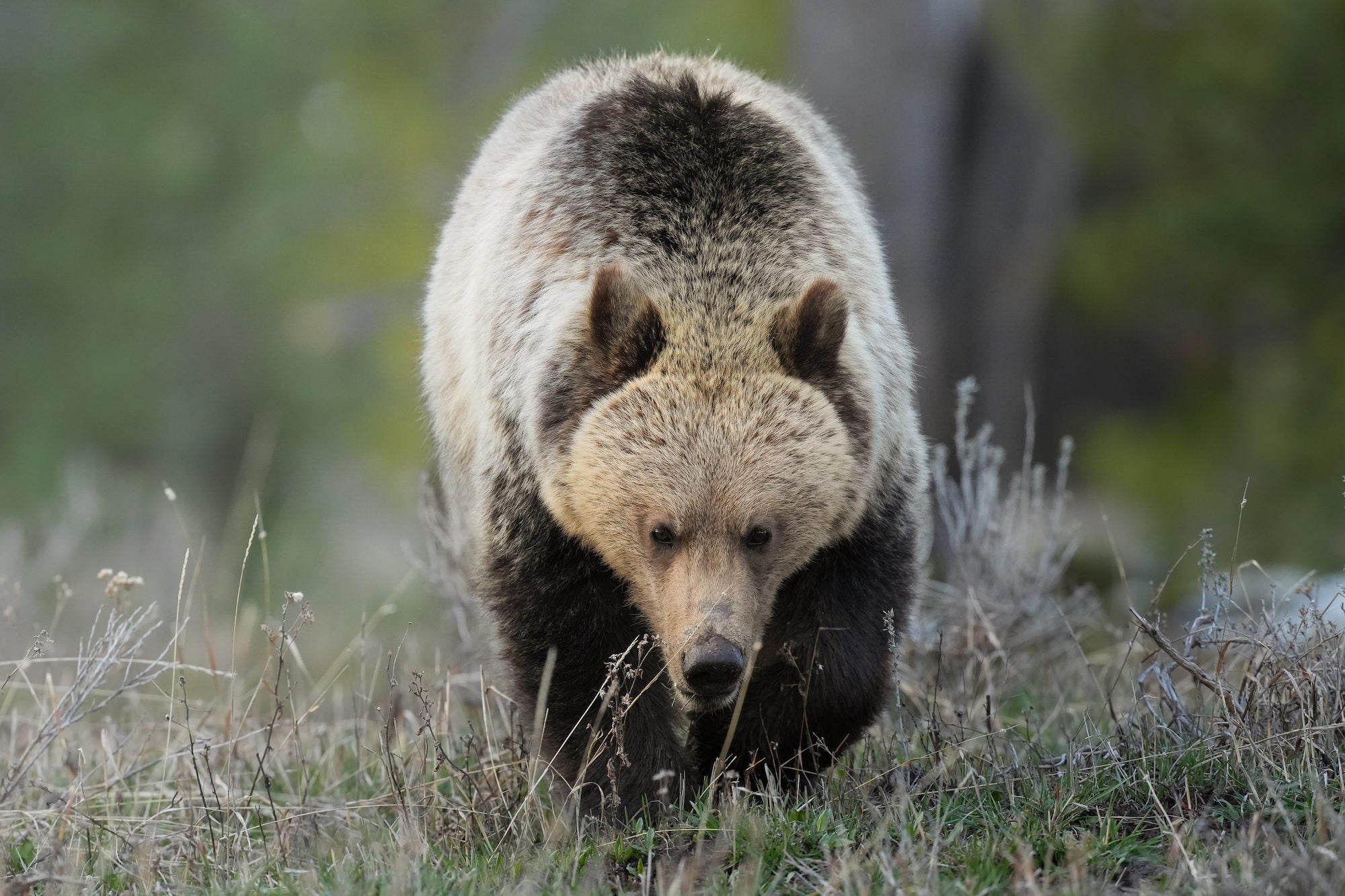
Photo by Hannah Rheaume. Alpha 7R VI. 600mm f/4 G Master. 1/800-sec., f/6.3, ISO 3200
That's the thing about blackout-free shooting that's hard to fully appreciate until you've used it: you're not just capturing more frames, you're staying in the moment. You can watch the action unfold through the viewfinder with full continuity – tracking behavior, reading body language, anticipating what's coming next. At 30fps with 66.8 megapixels and no blackout, the Alpha 7R VI doesn't make you choose between resolution and responsiveness. You get both.
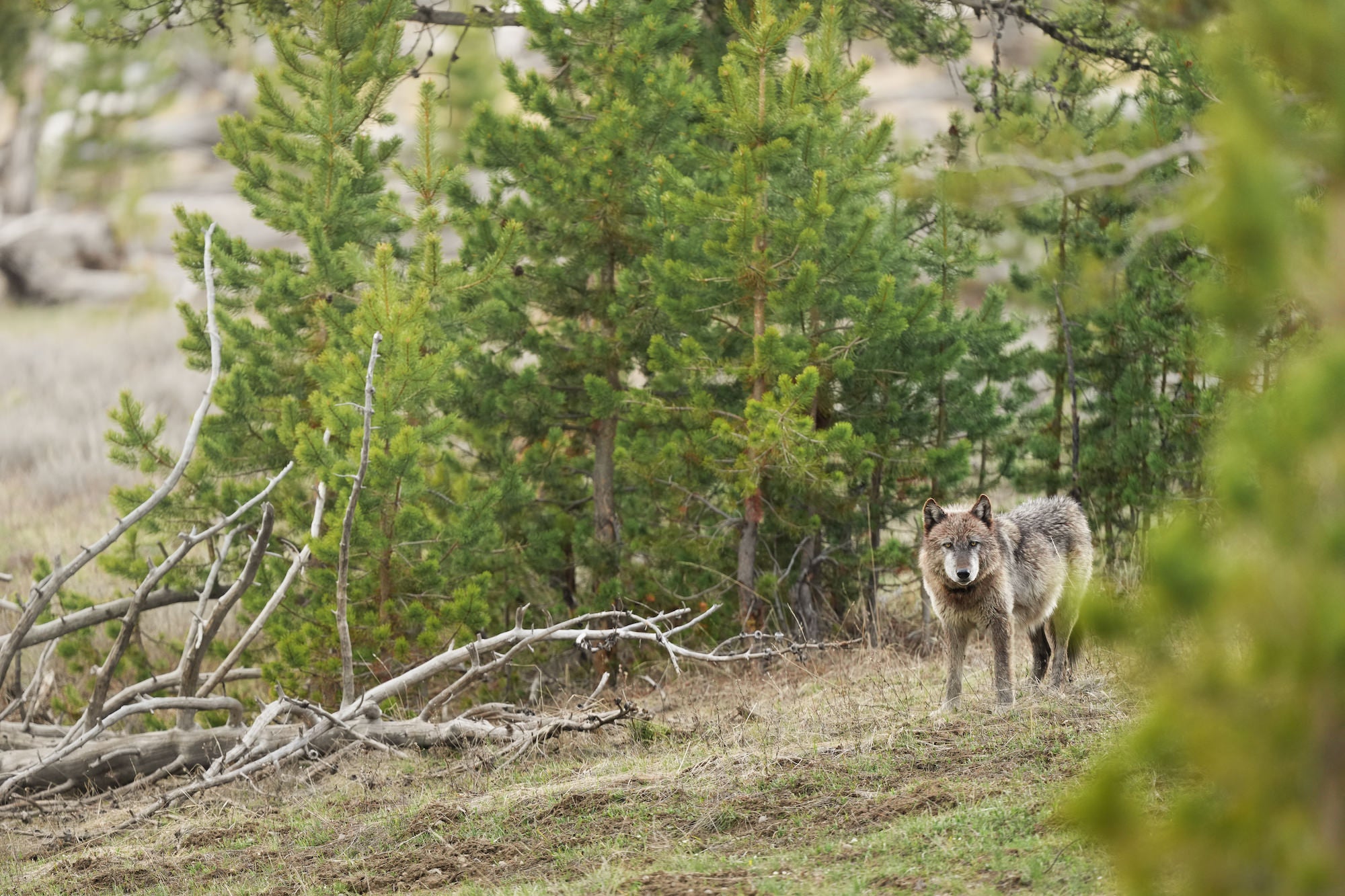
Photo by Hannah Rheaume. Alpha 7R VI. 600mm f/4 G Master. 1/1250-sec., f/4, ISO 1250
Dynamic Active Stabilization: Built For How She Actually Shoots
Hannah doesn't just shoot stills. She shoots a lot of video – fast, handheld, reactive work where setting up a tripod isn't an option. And the Alpha 7R VI's new Dynamic Active Stabilization caught her off guard in the best way.
"I also shoot a lot of run and gun video, so I don't always have time to use a tripod," she says. "The introduction of Dynamic Active Stabilization is huge!"
But the real revelation was in how she could layer the camera's features together. "If I am shooting a subject that's a bit further away, I can shoot 4K 24fps, switch to APS-C mode and turn on Dynamic Active to get a tighter crop AND stabilization." Reach, stability, resolution – all in one setup, without compromise.
And since she's built up an extensive collection of custom picture profiles on her Alpha 7R V, she was first relieved, and then impressed to find those recipes didn't just carry over. They performed better. "There are so many recipes I've created with my Alpha 7R V – it's awesome that not only do they translate to the Alpha 7R VI, but they've also been improved with all the new tech."
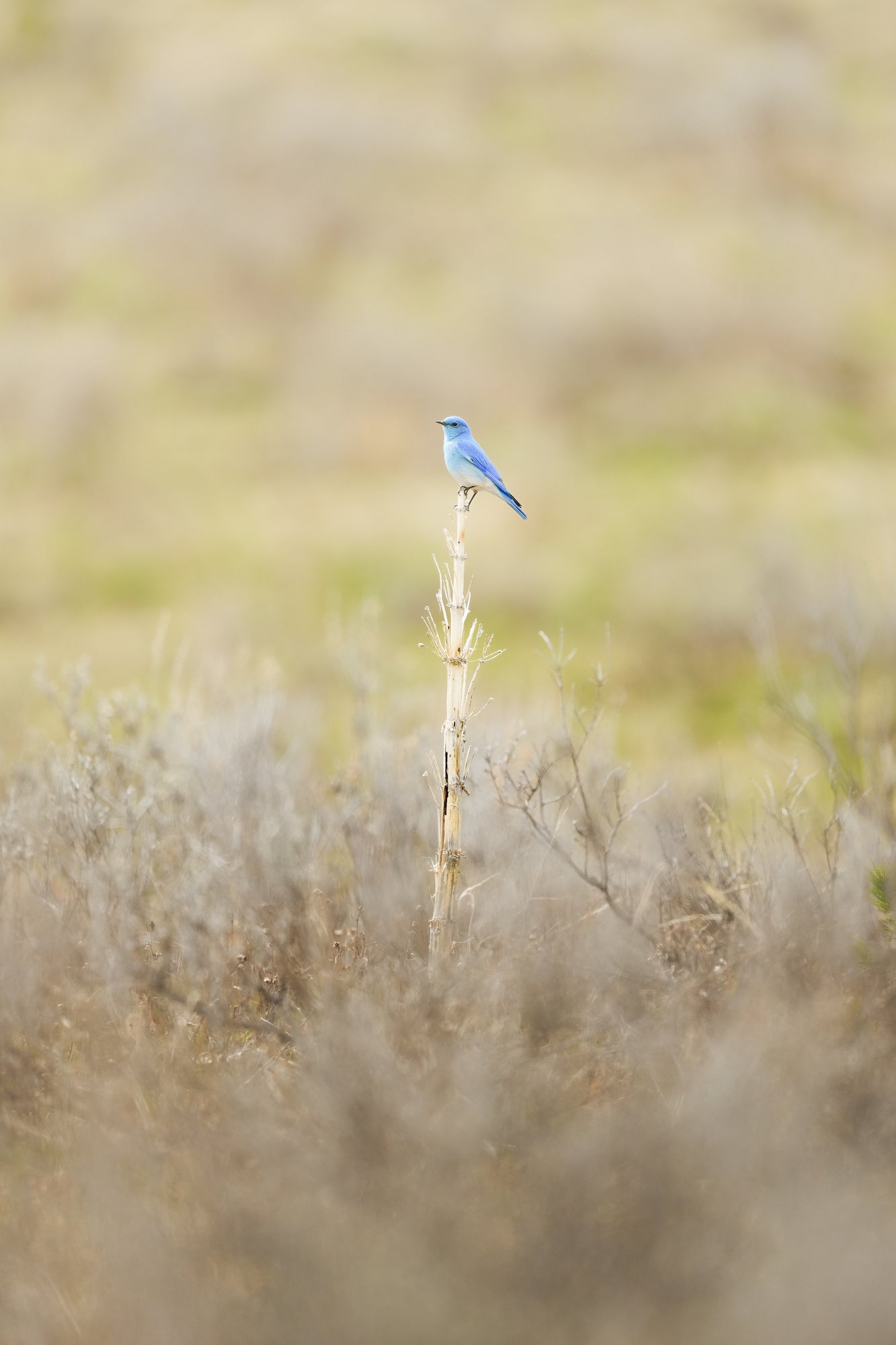
Photo by Hannah Rheaume. Alpha 7R VI. 600mm f/4 G Master. 1/1000-sec., f/4 ISO 500
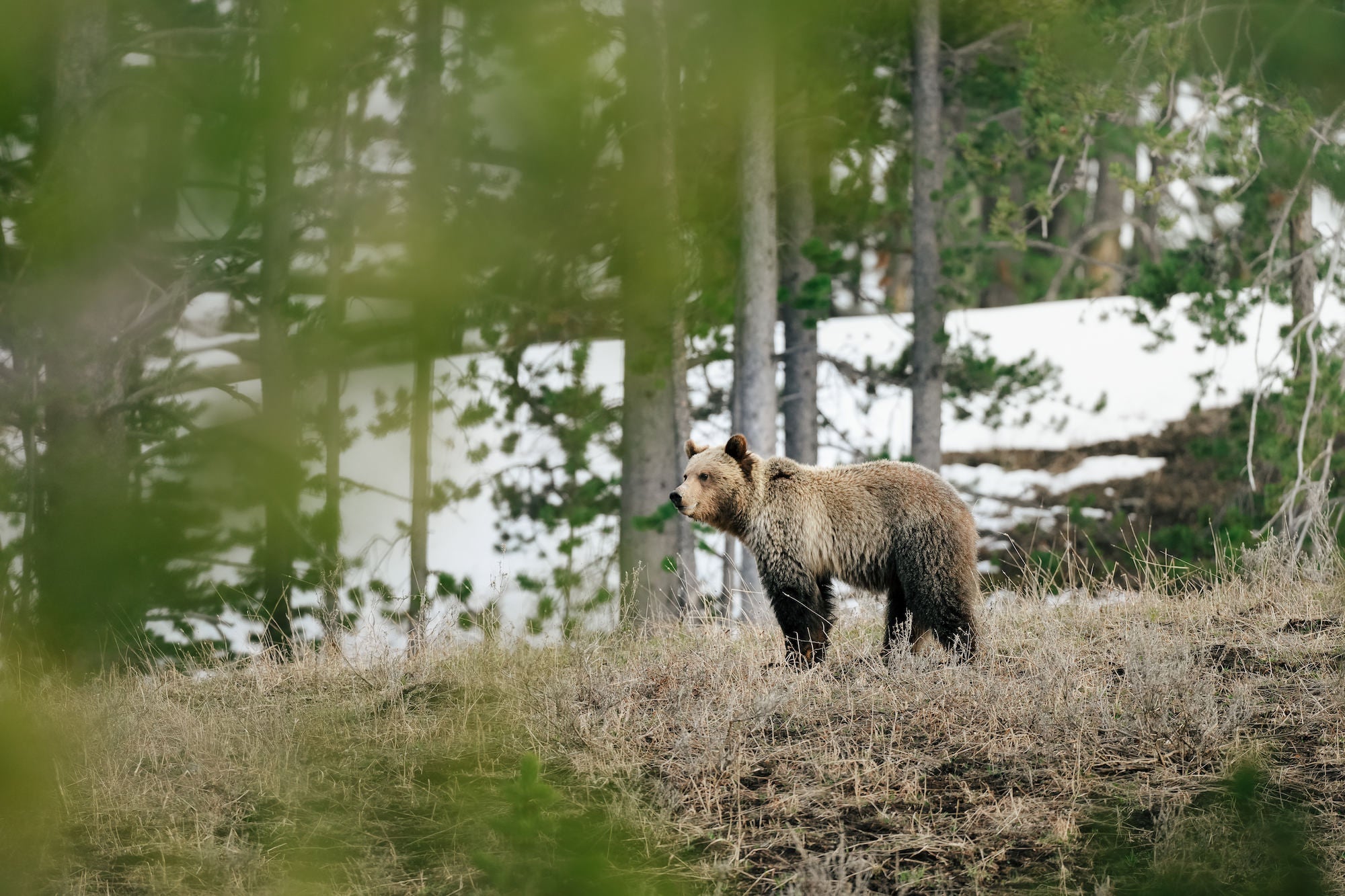
Photo by Hannah Rheaume. Alpha 7R VI. 600mm f/4 G Master. 1/800-sec., f/5, ISO 2000
The Battery That Changed Her Mind
Every photographer who's been deep in the field knows the particular anxiety of watching a battery indicator tick down. Hannah arrived in Yellowstone with a small reservation about the Alpha 7R VI: it ships with an entirely new battery format – meaning her stockpile of Z-series batteries, built up over years of shooting with her Alpha 7R V and FX3, wouldn't apply.
Then came her most shoot-intensive day in the field.
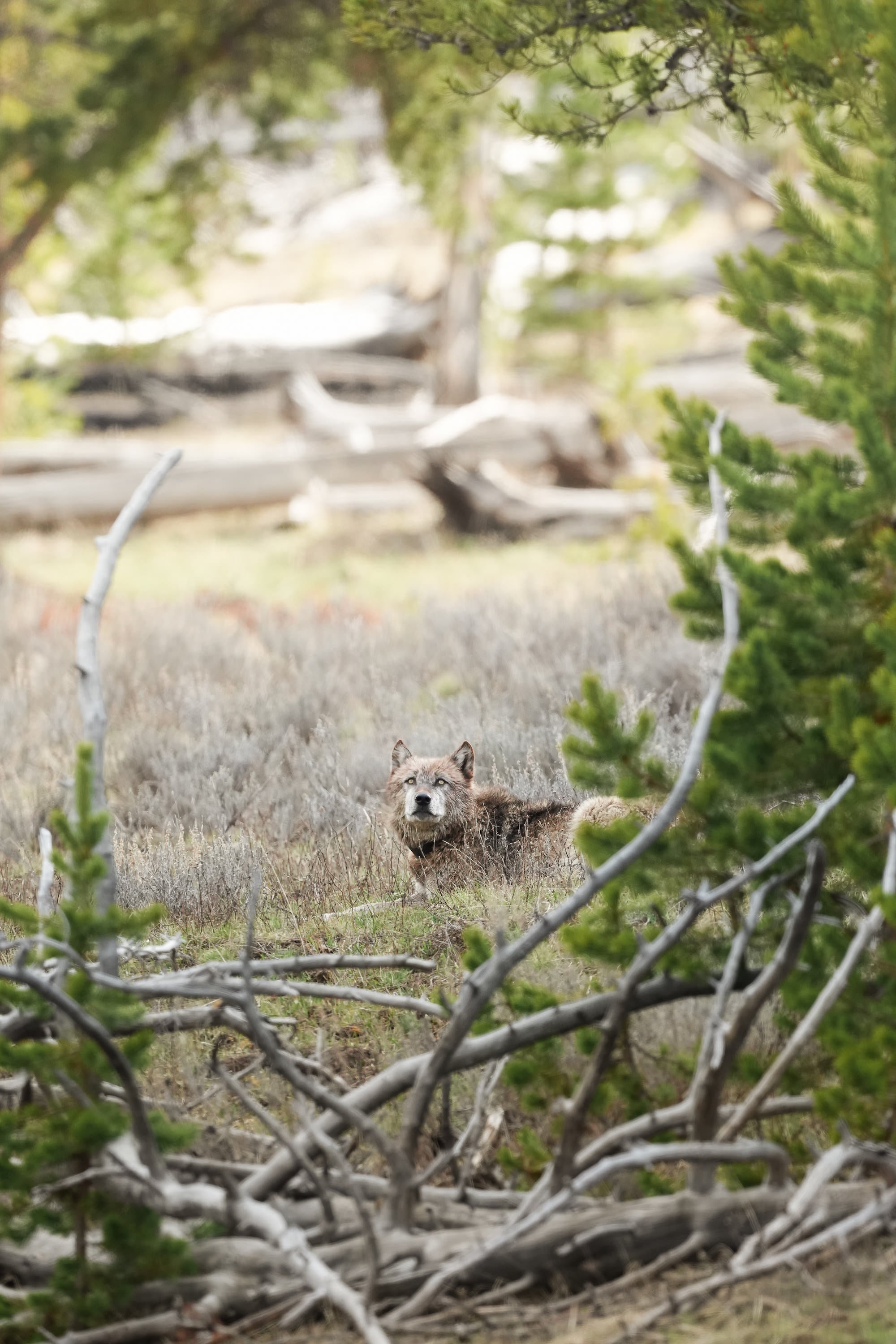
Photo by Hannah Rheaume. Alpha 7R VI. 600mm f/4 G Master. 1/1250-sec., f/5, ISO 1250
"I went an entire day without changing my battery once," she says. "I was a bit skeptical when I learned it was an entirely new battery… but getting my hands on the new batteries and seeing the battery life firsthand, I was blown away."
One full day. No battery swap. In Yellowstone. That's one less thing standing between a photographer and the shot.
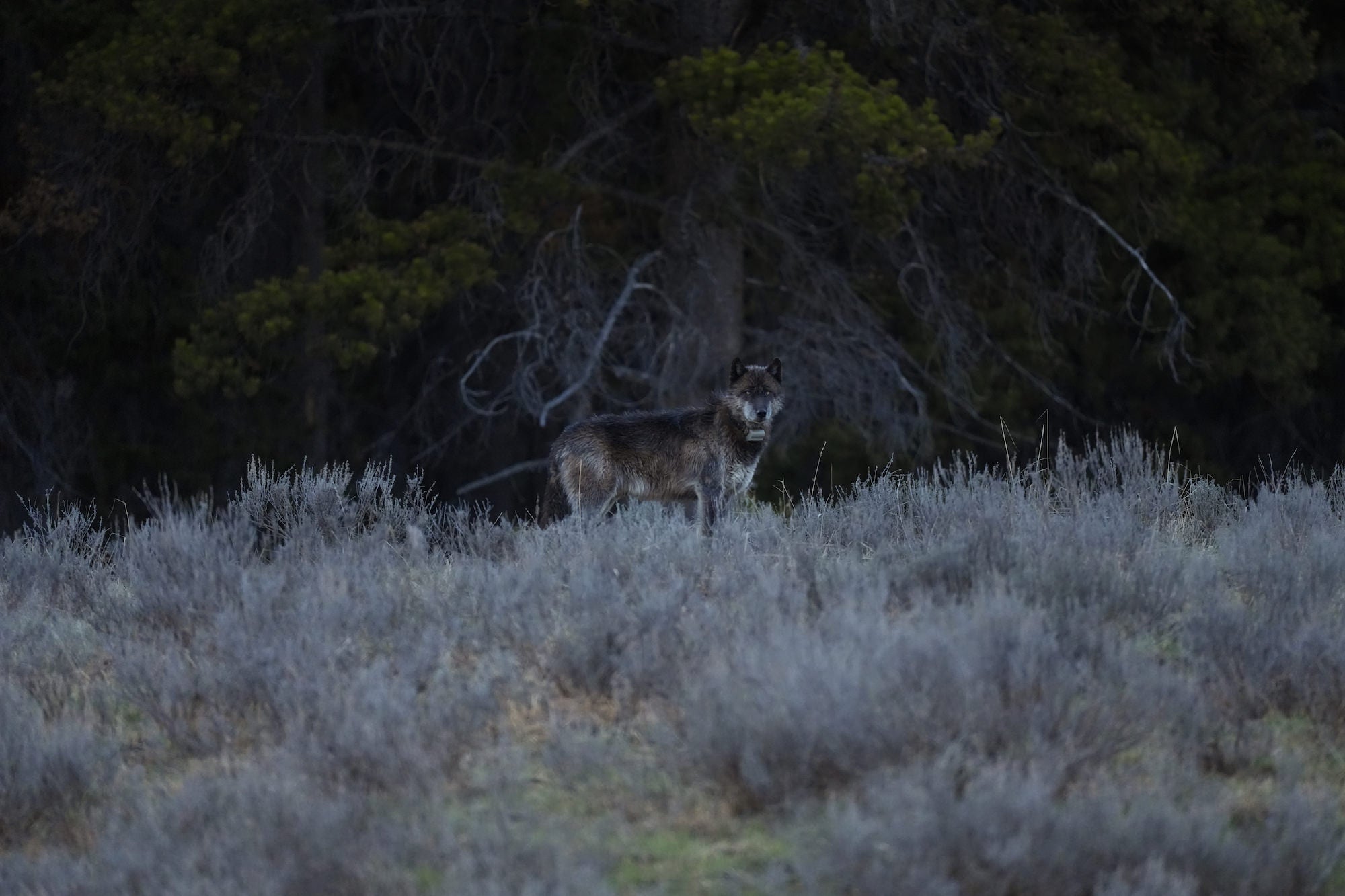
Photo by Hannah Rheaume. Alpha 7R VI.
“A Wildlife Photographer’s Dream Camera”
Two weeks in one of North America's most demanding environments. Wolves, bears, bison, eagles, and foxes. Run-and-gun video, long-lens stills, golden-hour chases across the Lamar Valley. The Alpha 7R VI handled all of it.
"This camera is incredibly powerful," Hannah says. "With nearly 67MP, blackout-free 30fps, Dynamic Active Stabilization, and Pre-Capture – it's sort of a wildlife photographer's dream camera."
See more of Hannah Rheaume’s work on Instagram @hannahrheaume. You can also catch Hannah in the official launch video for the new camera.
Click here to learn more about the Alpha 7R VI.