Landscape, wildlife and astrophotographer David Shockey creates large-scale images with the final print in mind. In this edition of What’s In My Bag, he shares the Sony gear behind his work in the field.
I’m David Shockey, a landscape and wildlife photographer from Willoughby, Ohio. My path into photography started with our dog, Benny.
We rescued Benny in 2012, and I purchased my first camera shortly afterward. As friends began seeing my photographs, they started asking me to take photos for them. Those requests grew into family sessions and weddings, which I photographed for several years. Along the way, I started Capture On Labs with my business partner, a company that has grown into a professional printing and a custom framing lab.
Since 2018, my focus has been landscape, wildlife, and astrophotography, with an emphasis on creating large statement pieces. I’m drawn to the atmosphere of a place and the moments that make me stop: fog moving through a forest, an unexpected encounter with wildlife, or a brief opening in the clouds that changes the entire scene. Sometimes I have time to slow down and work through a composition. Other times, the photograph depends on how quickly I can react.
Co-owning a print lab gives me a connection to the entire process, from capturing an image in the field to seeing it become a finished piece on the wall. Printing large makes every decision visible. Detail, composition, color, and subtle transitions in light all become part of the experience. I want the finished print to hold onto what made that moment worth photographing.
That shapes what I carry. I need speed and dependable autofocus for wildlife, resolution for large prints, and lenses that let me explore everything from a small detail in the forest to the night sky above it. Each piece of gear in my bag has a role in getting from that first moment to the final print.
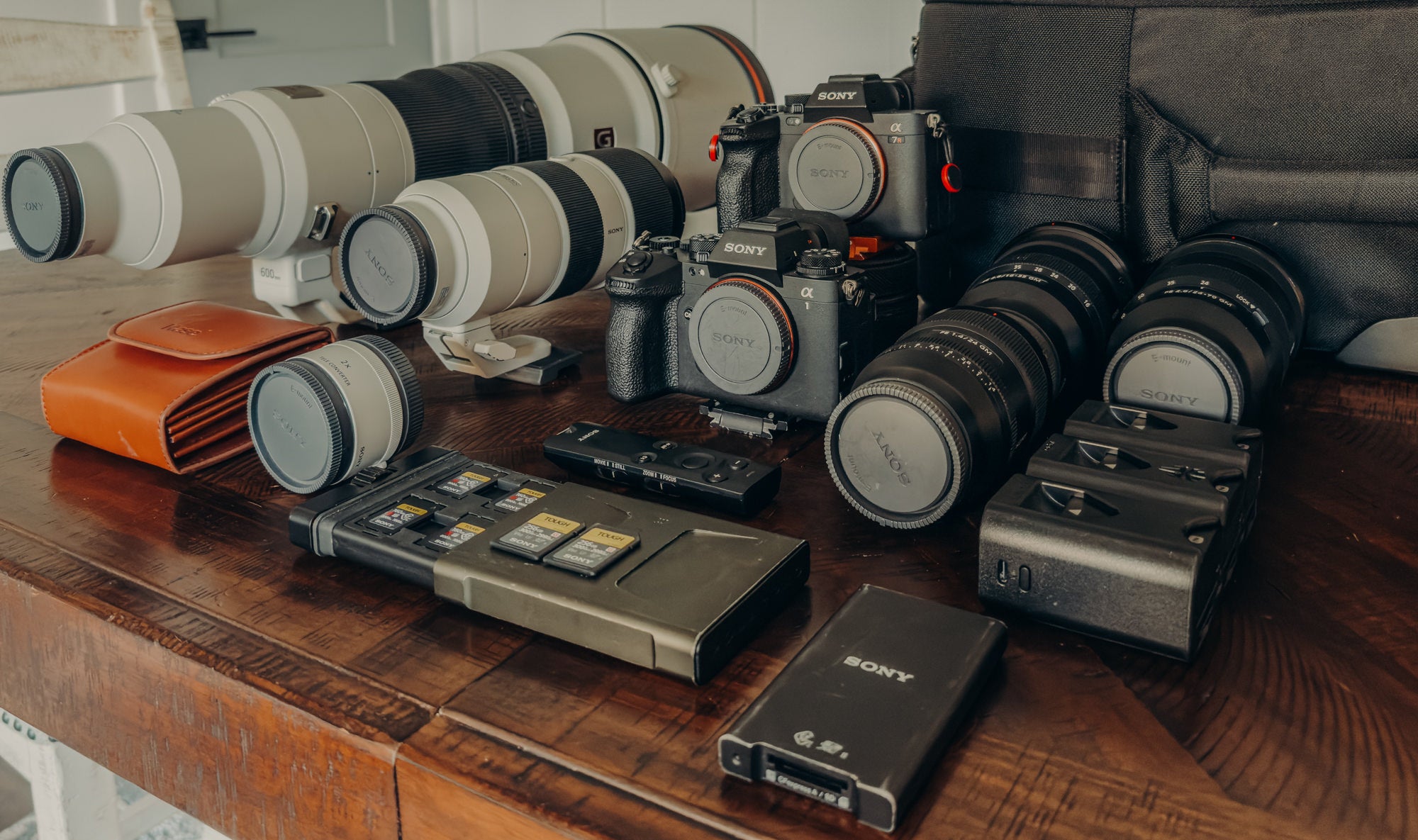
Shop This Kit:
Cameras: Alpha 1 II, Alpha 7R V
Lenses: 16-35mm f/2.8 G Master, 24-70mm f/2.8 G Master, 70-200mm f/2.8 G Master, 24mm f/1.4 G Master, 600mm f/4 G Master
Accessories: Sony 160GB CFexpress Type A Cards, Sony 256GB SF-G TOUGH Series UHS-II SDXC Cards
Cameras
Alpha 1 II: The Alpha 1 II is the camera I reach for when speed and reliability matter most. Wildlife is one of the main reasons it has a permanent place in my bag. Animals rarely wait for you to get ready, and the combination of fast autofocus, high resolution, and rapid shooting gives me a much better chance of capturing the moment I’m waiting for.
What I value most is that the Alpha 1 II does not force me to choose between speed and image quality. It gives me the confidence to react quickly while still producing files that can hold up as large prints.
This image was captured with the Alpha 1 II during a fast-changing moment in the field. Its autofocus and shooting speed allowed me to focus on the subject and react naturally instead of worrying about missing the shot.
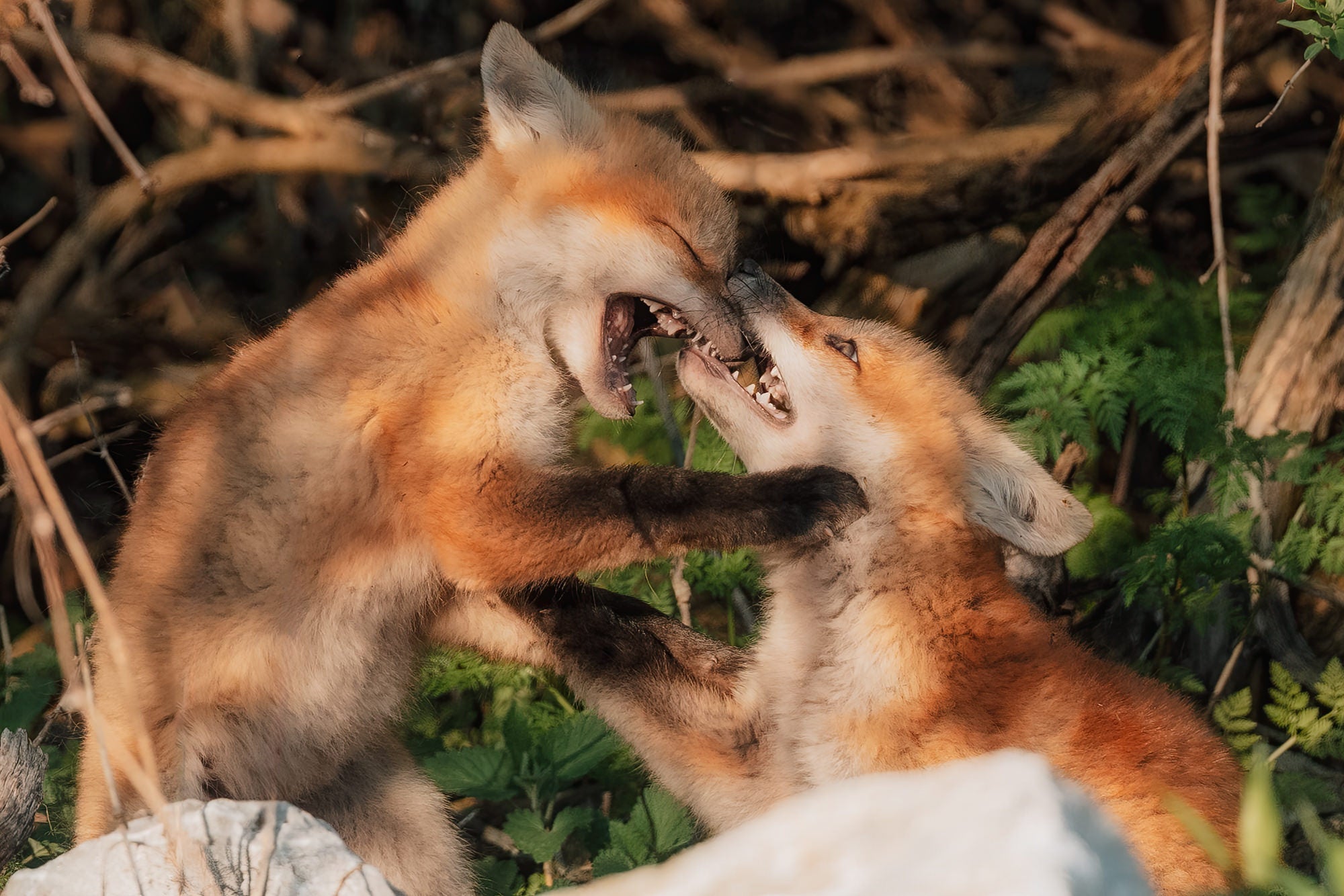
Photo by David Shockey. Alpha 1 II. 600mm f/4 G Master. 1/2500-sec., f/4, ISO 500
Alpha 7R V: The Alpha 7R V is my workhorse. This camera is a tank and has taken a beating. From frigid temps, to soaking wet conditions, this has performed flawlessly. I use it for landscapes, night skies, and scenes where detail and dynamic range are especially important. Because many of my images eventually become large prints, I appreciate having the resolution and flexibility to crop, refine, and enlarge the file without sacrificing the details that made me want to photograph the scene in the first place.
Owning a print lab has made me pay close attention to what happens beyond the screen. An image can look great on a phone, but large prints reveal everything. The Alpha 7R V gives me the confidence that the file will continue to hold together when it becomes a finished piece.
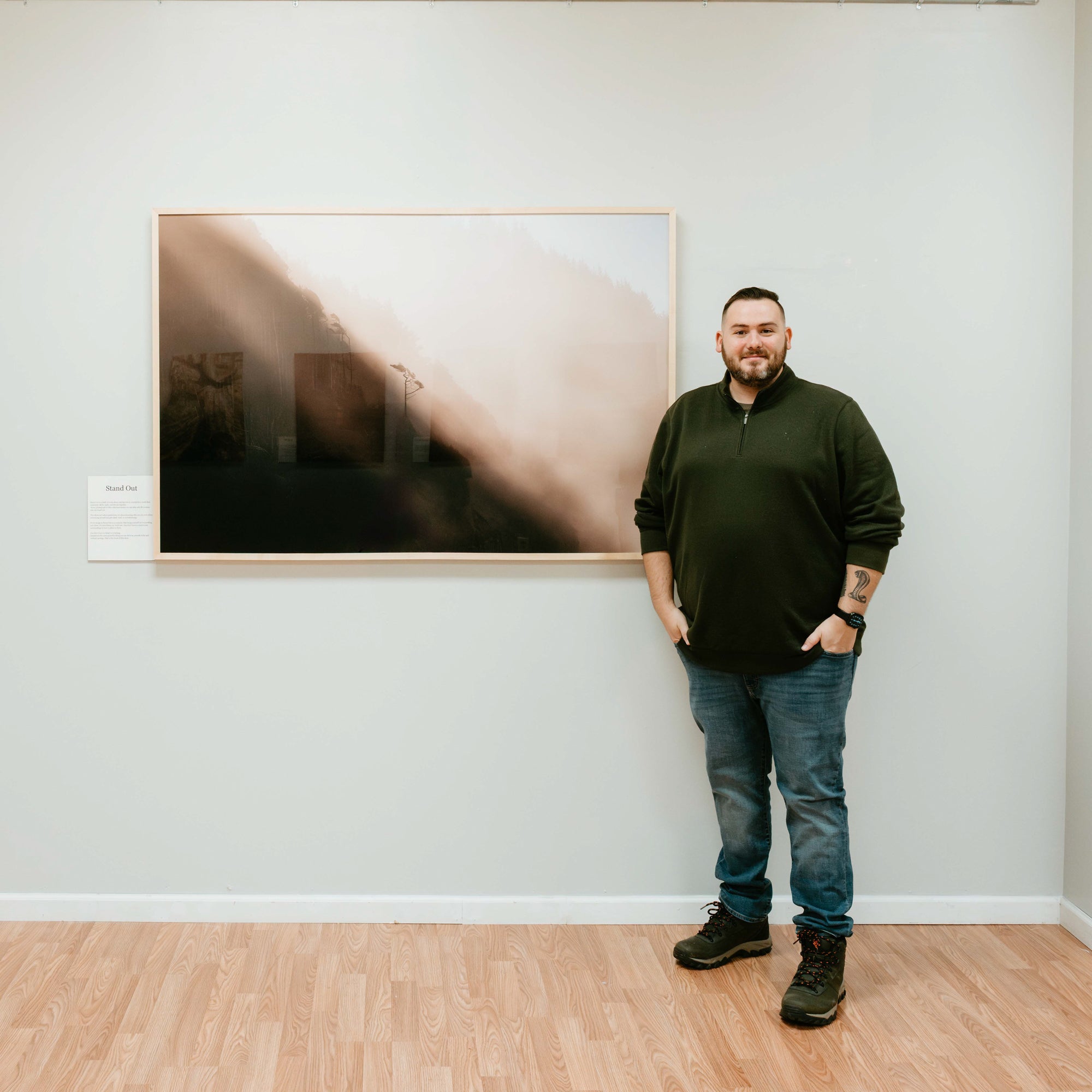
I used the Alpha 7R V for this landscape because I wanted to preserve the fine detail and subtle changes in light throughout the scene. The image was later prepared as a 40x60 metal print for my Solo exhibition, Stand Out.
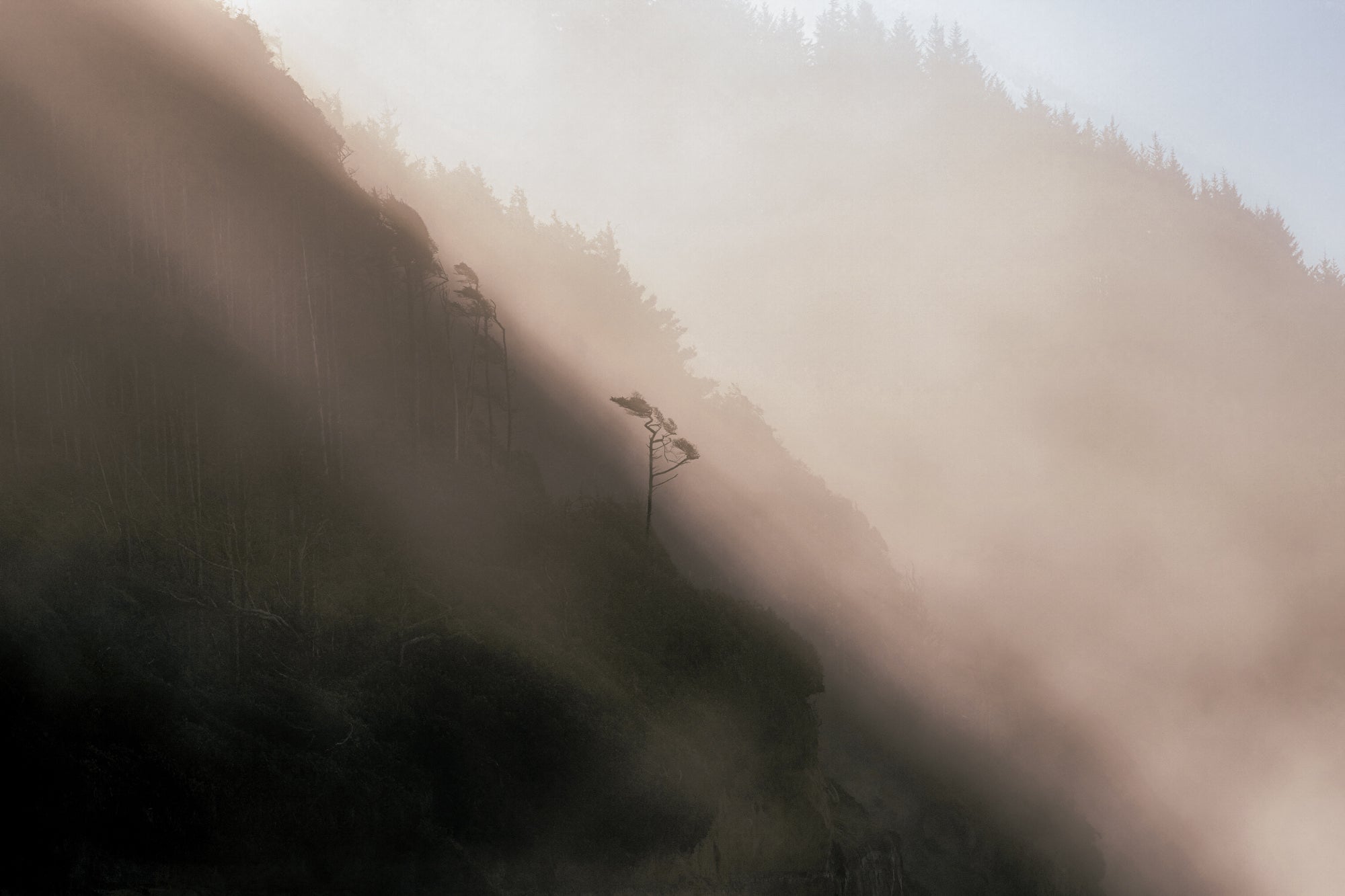
Photo by David Shockey. Alpha 7R V. 70-200mm f/2.8 G Master 1/2500-sec., f/6.3, ISO 160
Lenses
600mm f/4 G Master: The 600mm f/4 gives me the reach to make a distant animal the focus of the photograph while keeping my distance. That matters with birds and other wildlife, where moving closer can change the behavior I’m trying to capture.At that focal length, small details become a much bigger part of the image: feather texture, the catchlight in an eye, or the way an animal is watching its surroundings. The f/4 aperture also gives me flexibility when I need a fast shutter speed in limited light.
For me, those details need to carry through to the print. I want someone standing in front of a large wildlife photograph to feel connected to the animal, and this lens helps me create that sense of closeness.
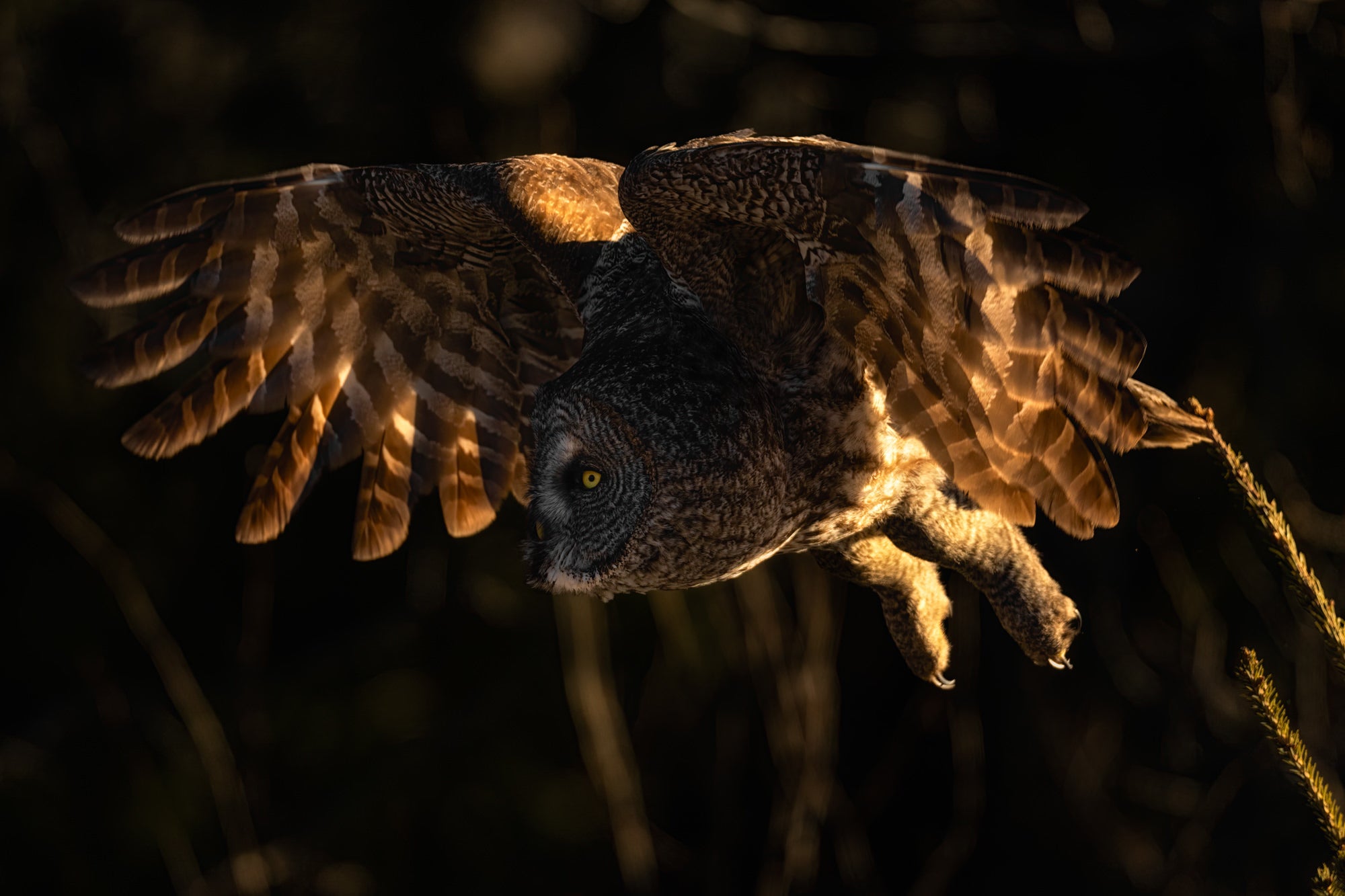
Photo by David Shockey. Alpha 1 II. 600mm f/4 G Master. 1/3200-sec., f/4, ISO 500
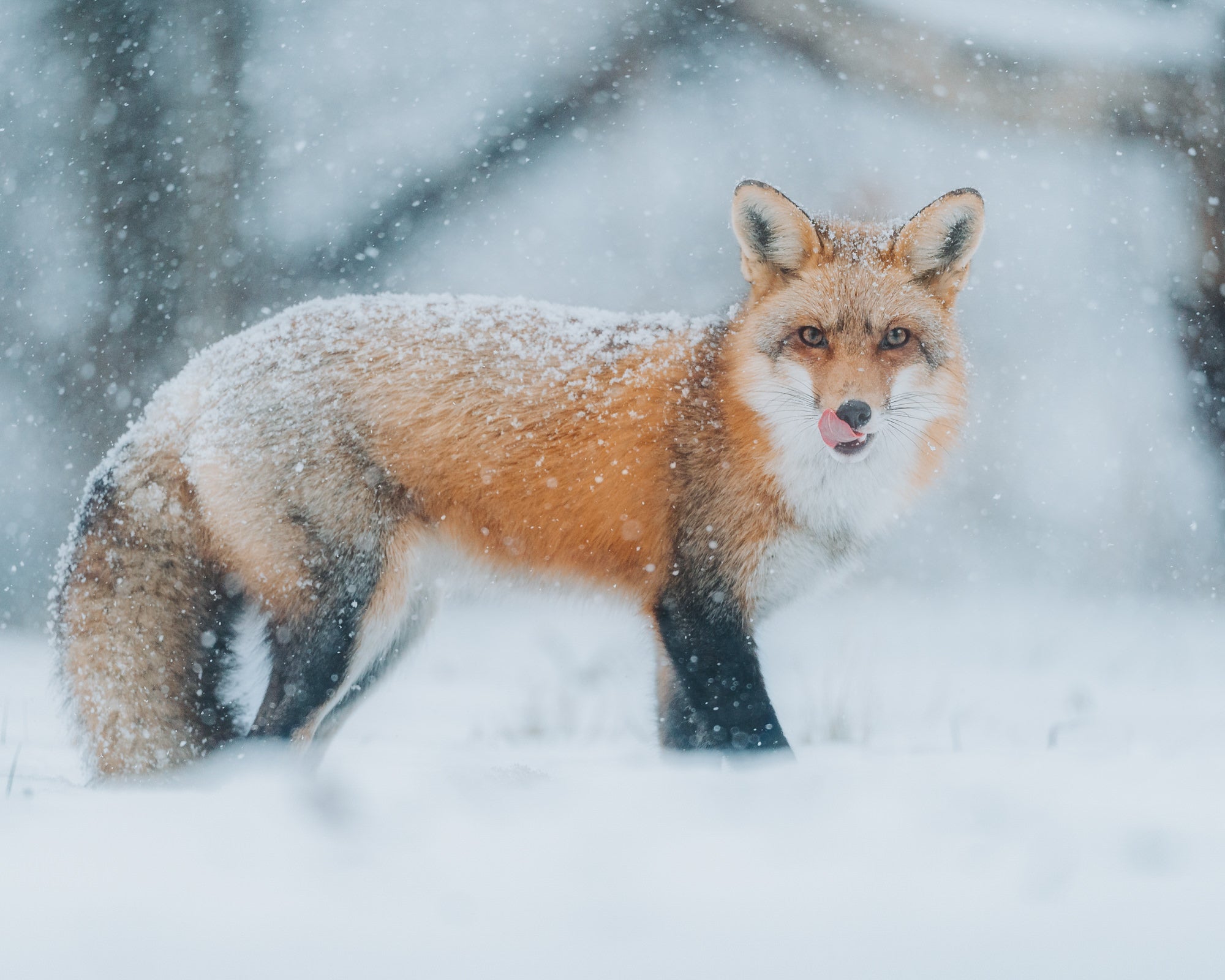
Photo by David Shockey. Alpha 9 II. 600mm f/4 G Master. 1/1000-sec., f/4, ISO 640
16-35mm f/2.8 G Master: The 16-35mm is the lens I reach for when I want the viewer to feel like they’re standing in the landscape with me. It gives me room to connect a close foreground with the scene beyond it, whether that’s moving water, a forest, or a wide stretch of coastline. What matters most to me is how the elements work together. A rock, a curve in the shoreline, or the direction of the water can give the eye a place to enter the photograph and a path through it. Small changes in camera position can completely change those relationships, so this lens encourages me to be deliberate about where I stand and what I include.That sense of depth is especially important when I’m creating a large print. I want the composition to hold someone’s attention and give them room to explore the scene.
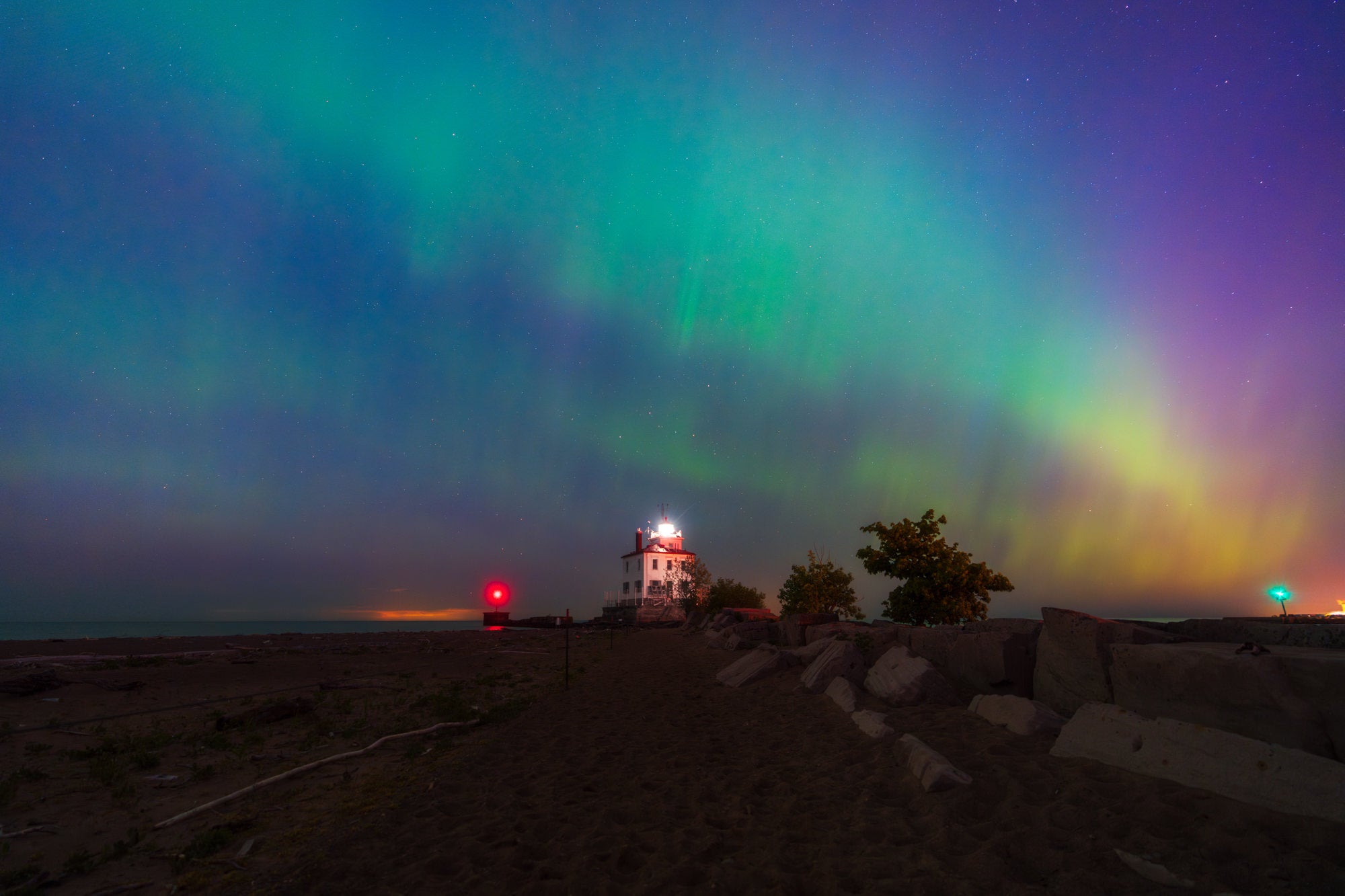
Photo by David Shockey. Alpha 7R V. 16-35mm f/2.8 G Master. 5-sec., f/2.8, ISO 2000
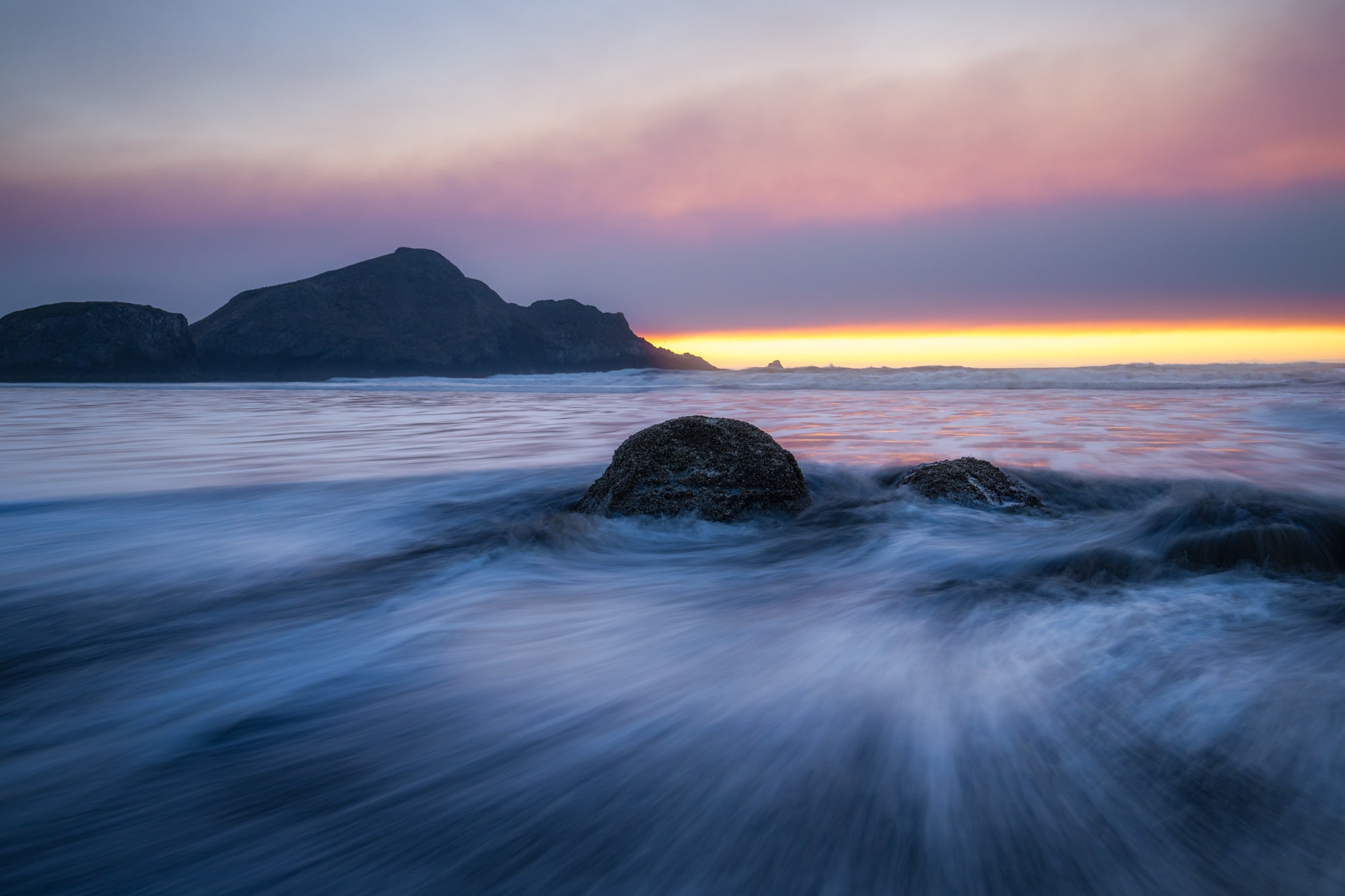
Photo by David Shockey. Alpha 7R V. 16-35mm f/2.8 G Master. 6-sec., f/6.3, ISO 100
24-70mm f/2.8 G Master: The 24-70mm is probably the most versatile lens in my bag. If I could only take one lens on a trip, this would be one of the first ones I would consider. It covers a useful range for landscapes, details, travel, and everyday situations.
At 24mm, I can still create a strong sense of place. At 70mm, I can isolate a detail or compress the scene enough to make the composition feel more focused.
This is also the lens I bring when I don’t know exactly what I’m going to find. I can go from a wide landscape to a tighter detail without constantly changing lenses, which is especially valuable when the light is changing quickly.
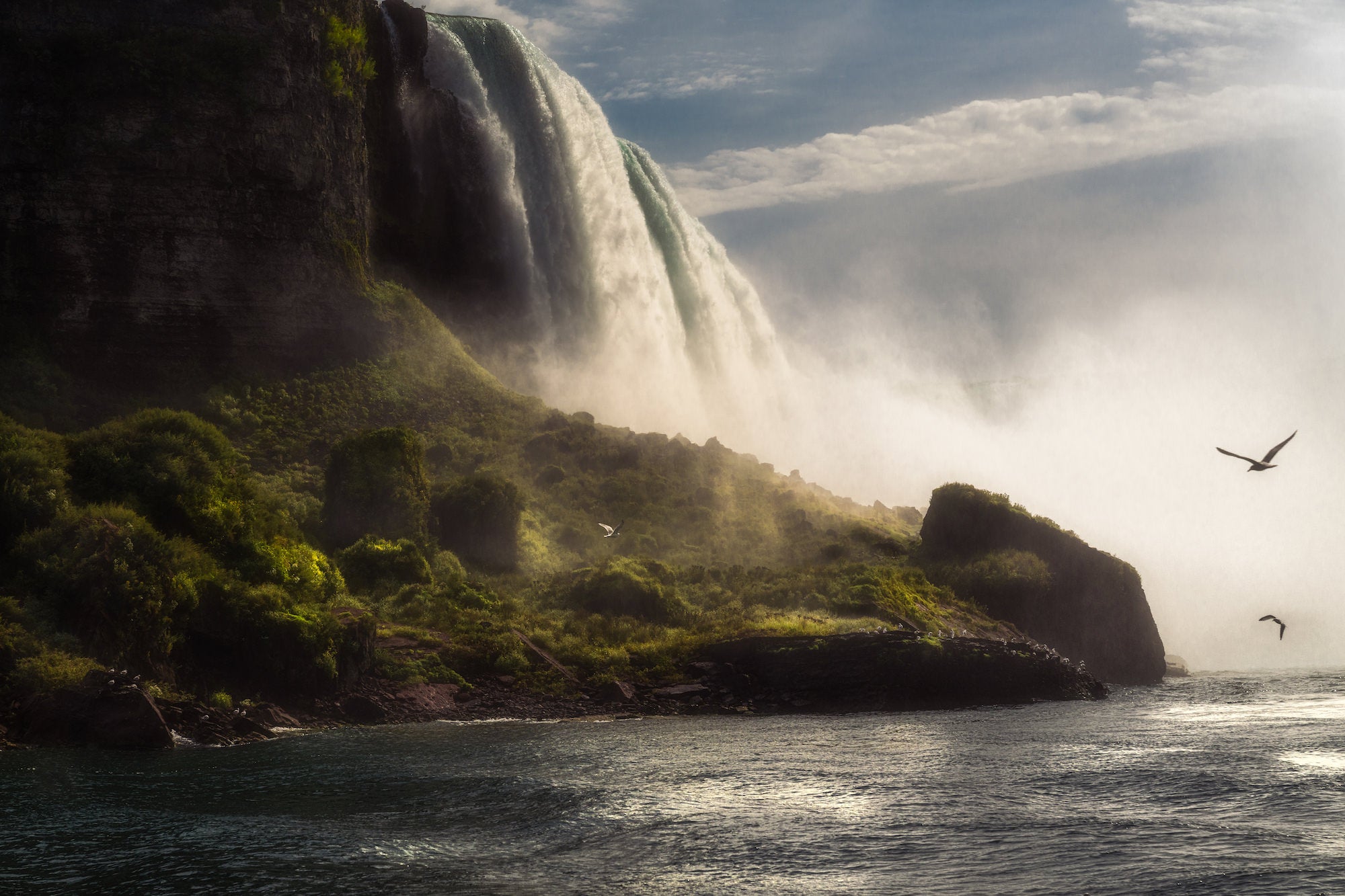
Photo by David Shockey. Alpha 7R V. 24-70mm f/2.8 G Master. 1/1000-sec. f/5.6. ISO 400
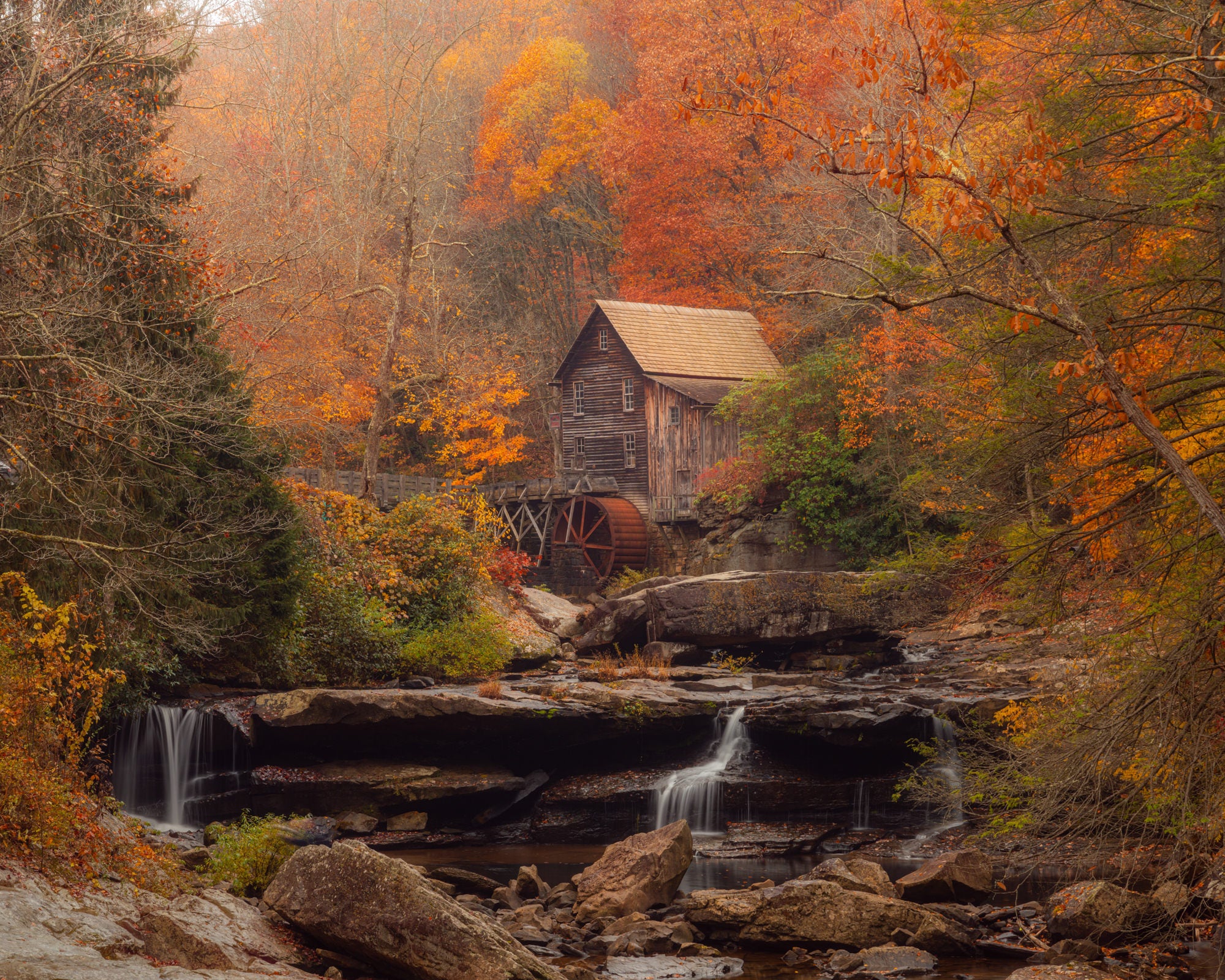
Photo by David Shockey. Alpha 7R V. 24-70mm f/2.8 G Master. 4-sec., f/11, ISO 100
70-200mm f/2.8 G Master: The 70-200mm is one of the lenses I rely on most landscapes where I really want to focus in a certain part and give a lot of compression to the background. Its also a nice lens to bring with me for wildlife as a back up. I’ll throw a tele convertor on it to get a little more reach if I need to. Sometimes my main wildlife lens is too tight and I need flexibility to zoom out.
For landscapes, this lens helps me find smaller compositions that I might miss with a wider lens. A pocket of light on a mountain, fog between the trees, or a distant waterfall can become its own photograph.
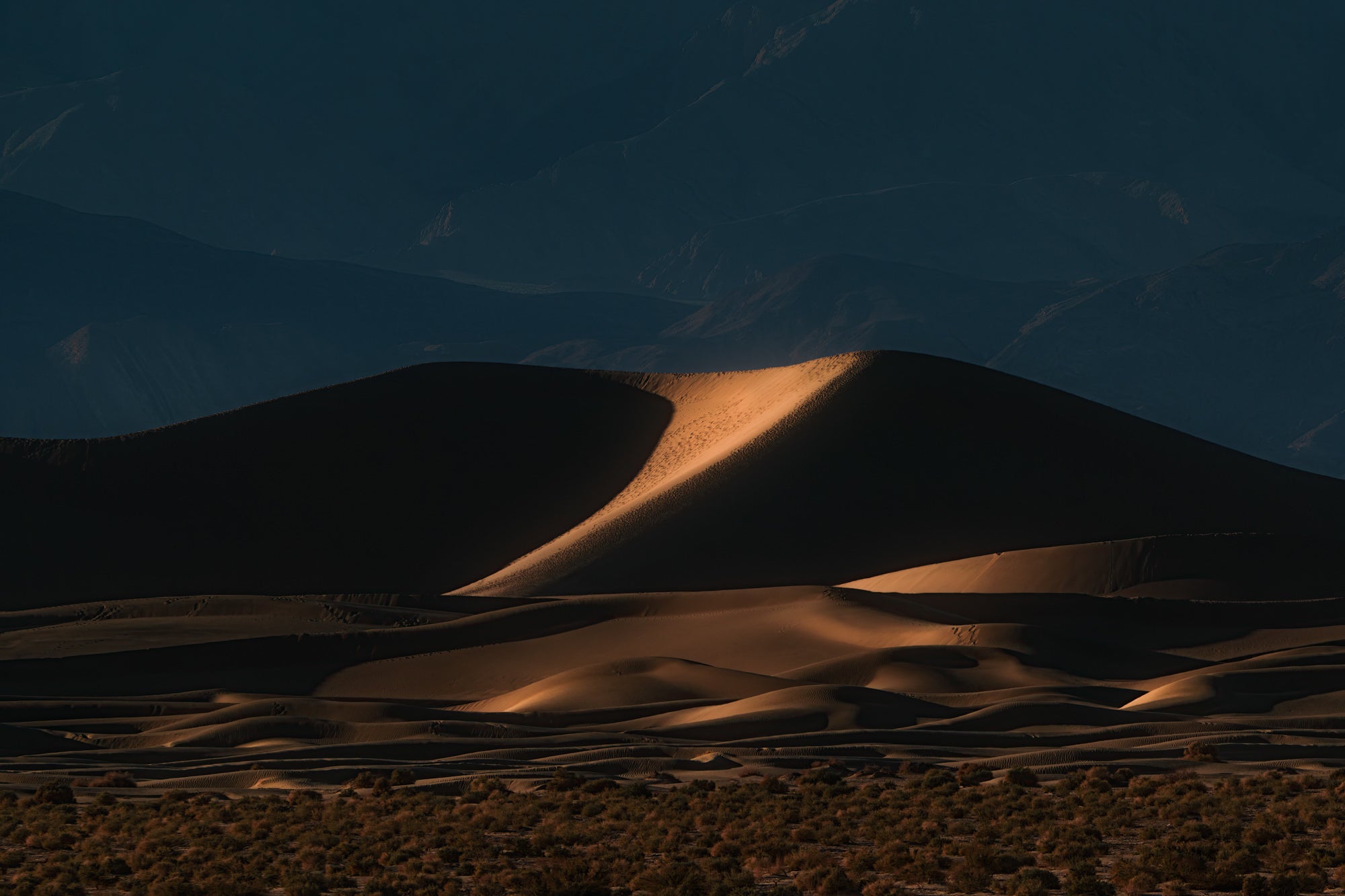
Photo by David Shockey. Alpha 7R V. 70-200mm f/2.8 G Master + 1.4 teleconverter. 1/320-sec, f/7.1, ISO 100
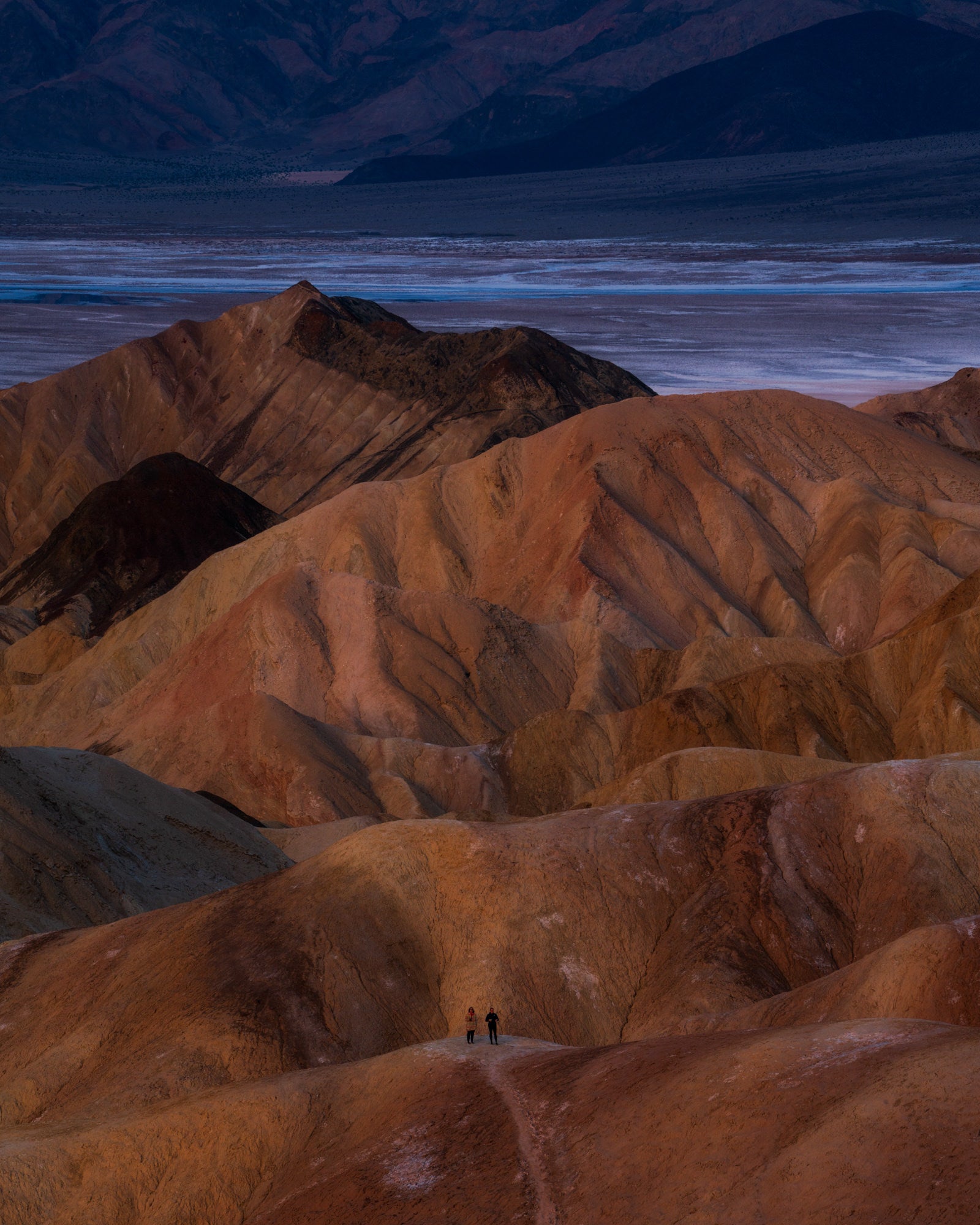
Photo by David Shockey. Alpha 7R V. 70-200mm f/2.8 G Master. 1/60-sec. f/14. ISO 320
24mm f/1.4 G Master: The 24mm f/1.4 is my favorite lens for night photography, Northern Lights, Milky Way images, and other low-light scenes.
It is wide enough to include a strong foreground while still showing the sky and the surrounding environment. The f/1.4 aperture is especially useful when I’m photographing under a dark sky and trying to gather as much light as possible.
I also like that it forces me to get involved in the composition. With a wide lens, I can’t simply stand far away and record the scene. I have to find something interesting in the foreground and build the photograph around it.
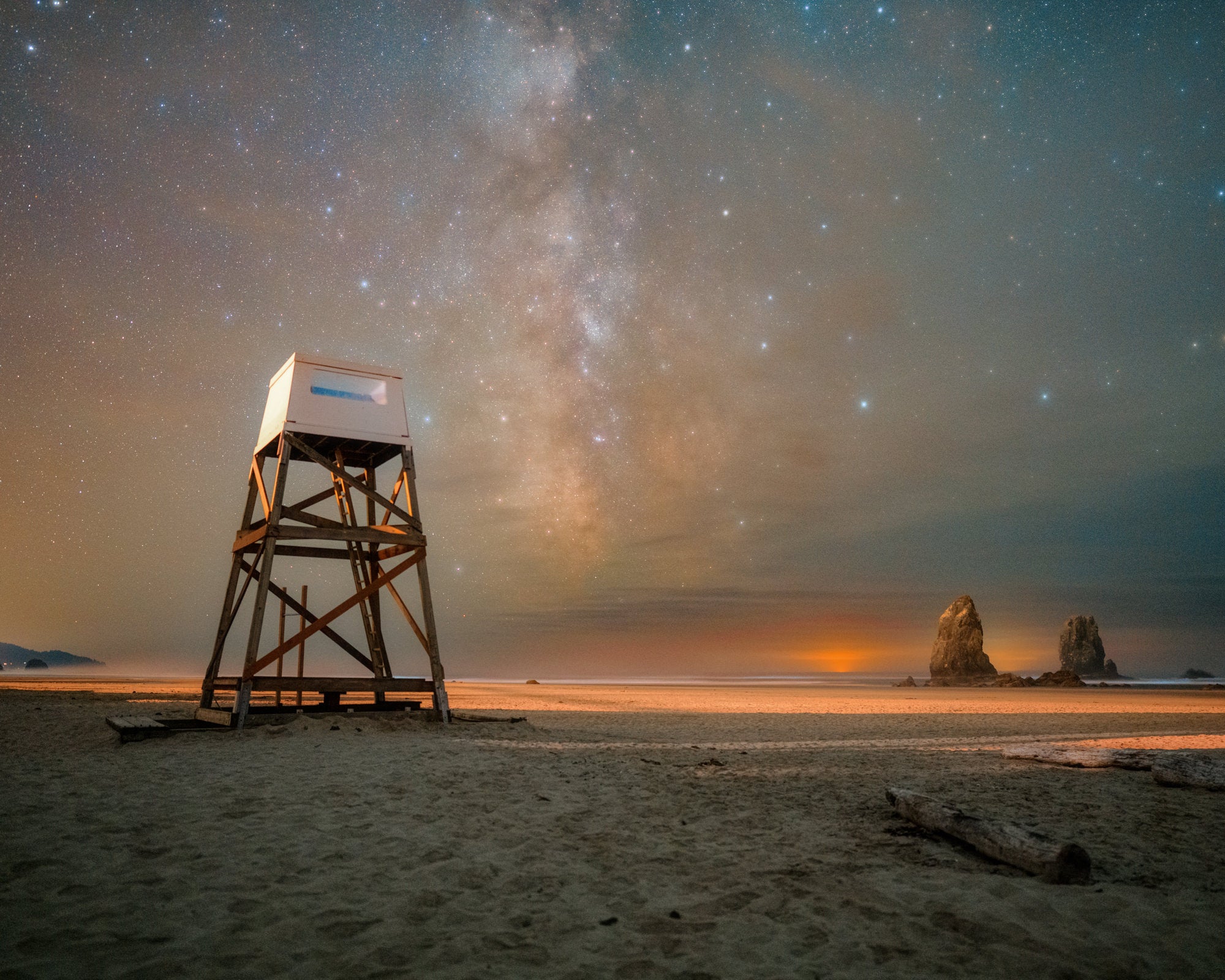
Photo by David Shockey. Alpha 7R V. 24mm f/1.4 G Master. 6.0sec. f/1.4 ISO 5000
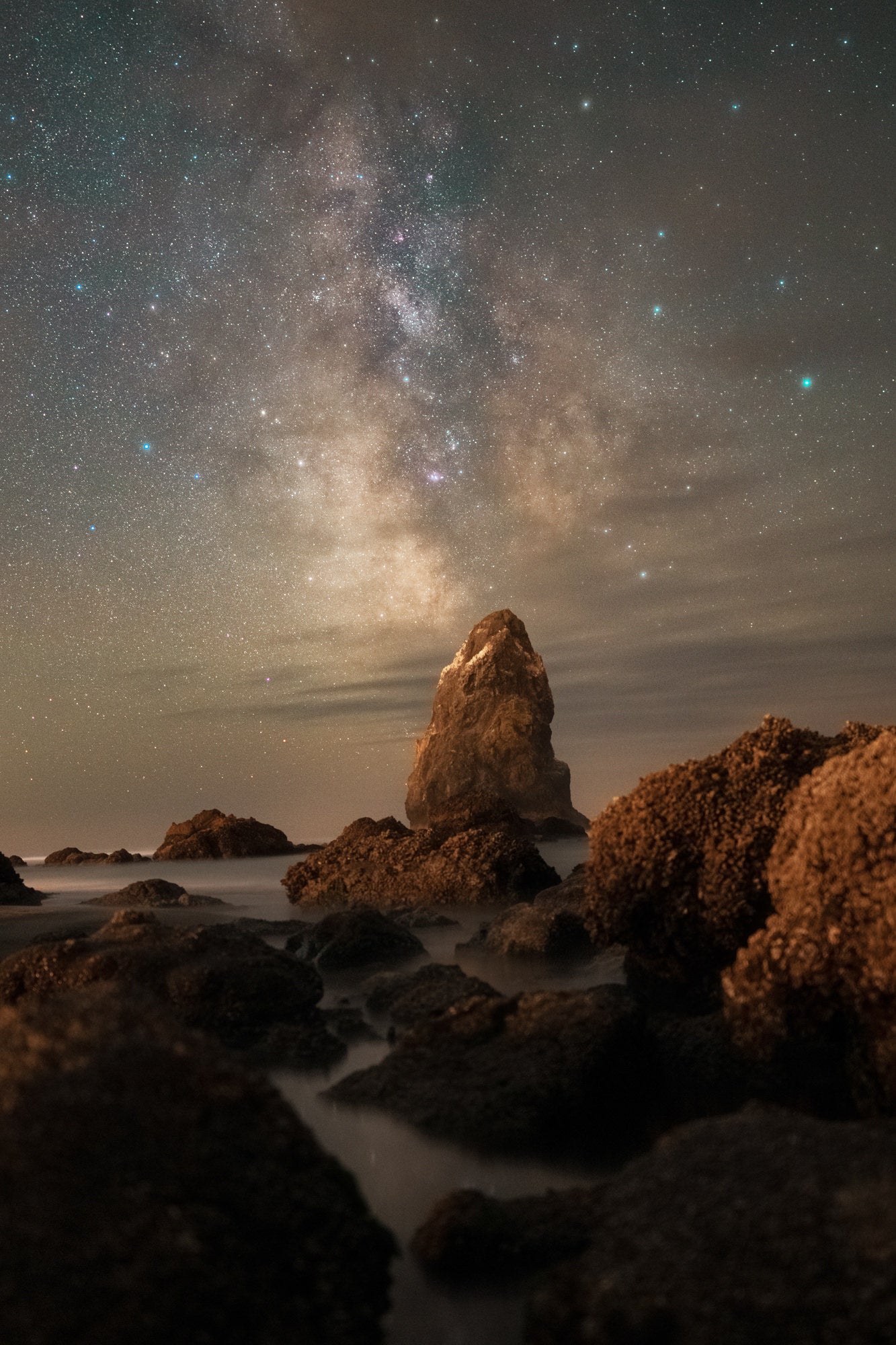
Photo by David Shockey. Alpha 7R V. 24mm f/1.4 G Master. 6.0sec. f/1.4 ISO 6400
Accessories
My accessories are about being prepared and keeping things organized. I carry a Sony remote, four batteries, and a charging bay that holds three batteries. That gives me spare power for long days in the field and a convenient way to recharge between outings.
Extra Memory Cards: For storage, I carry four Sony 160GB CFexpress Type A Cards and two Sony 256GB SF-G TOUGH Series UHS-II SDXC Cards. I also keep my lens filters together in a small bag so they’re easy to find when I need them.
See more of David Shockey's work on Instagram @davidshockeyjr and davidshockeyphotography.com.
Interested in learning more about wildlife photography? Check out: http://alphauniverse.com/wildlife-photography.