Our What’s In My Bag series reveals some of the most popular pieces of gear among photographers – and among those is the 14mm f/1.8 G Master lens. A sharp, wide-angle prime that shines at night, the 14mm f/1.8 GM is a mainstay for astro, low-light and even underwater photographers who need to see in the dark. In this article, we feature 20 photographers, each with a unique perspective, who rely on this lens for their work. Explore how this lens has become an essential part of their photography kits, enabling them to capture the world during both day and night:
Photographers Who Love The 14mm f/1.8 G Master
Renan Ozturk
“I love this lens for low-light astro. There really isn’t a lighter lens that is this wide and this fast at 1.8! This particular image was a unique execution different from the norm with this lens. We noticed that during our week-long crossing there was a good mix of moon and stars just enough to be able to pull off a night shot on deck, keeping the subject sharp but the ocean and stars moving!”
Read more in What’s In My Bag: A Film Director & Photojournalist’s On-Assignment Kit.
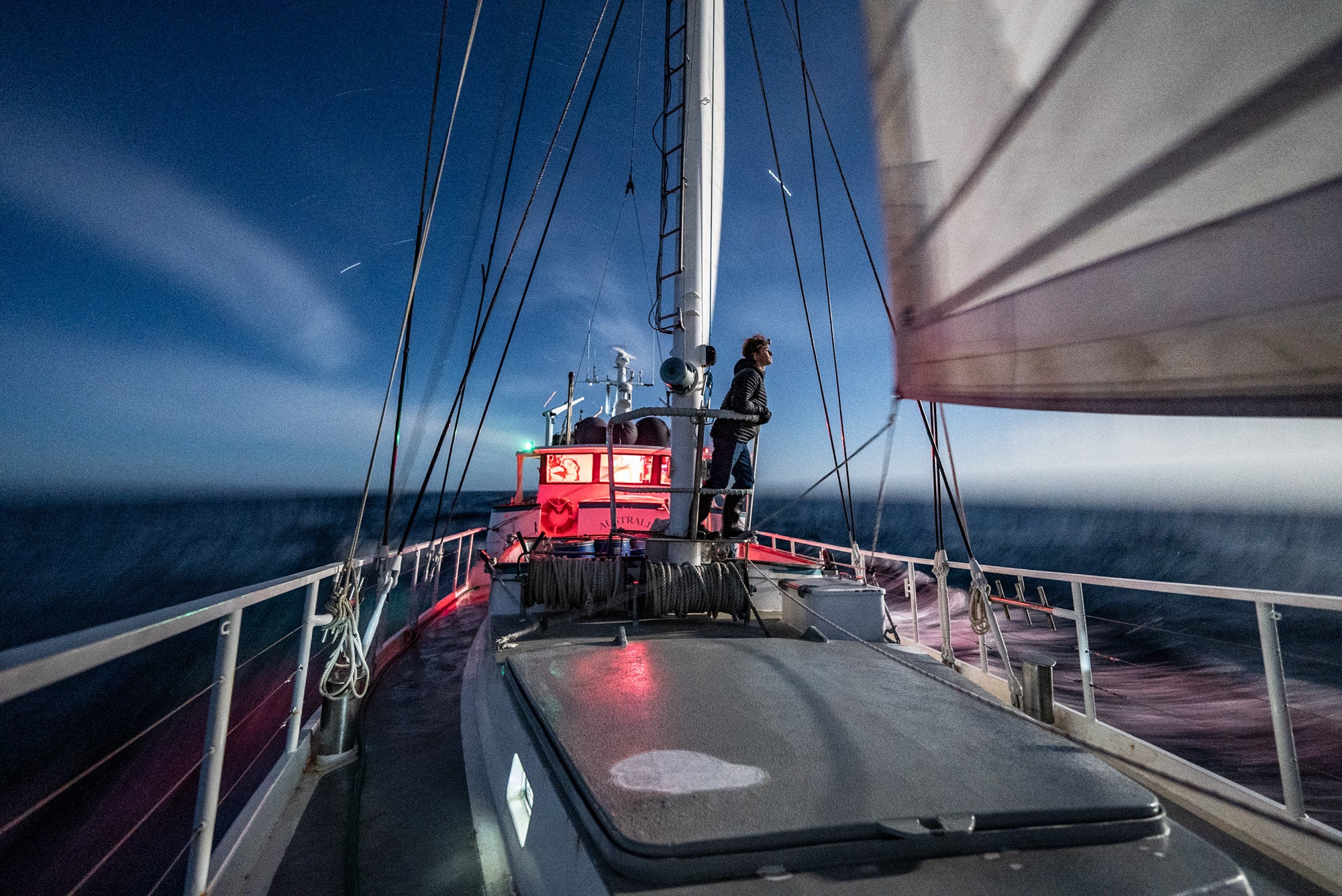
Photo by Renan Ozturk. Alpha 7S III. 14mm f/1.8 G Master. 1/3-sec., f/1.8, ISO 6400
Rachel Jones Ross
“On darker nights I can open the aperture to f/1.8 while still retaining super sharp stars from corner to corner, with zero coma. The 14mm f/1.8 G Master is always in my bag. I own two of these lenses – one for each camera… It’s just that good.”
Read more in What’s In My Bag: How This Adventurer And Nightwatcher Gets Ready For Prime Aurora Time.
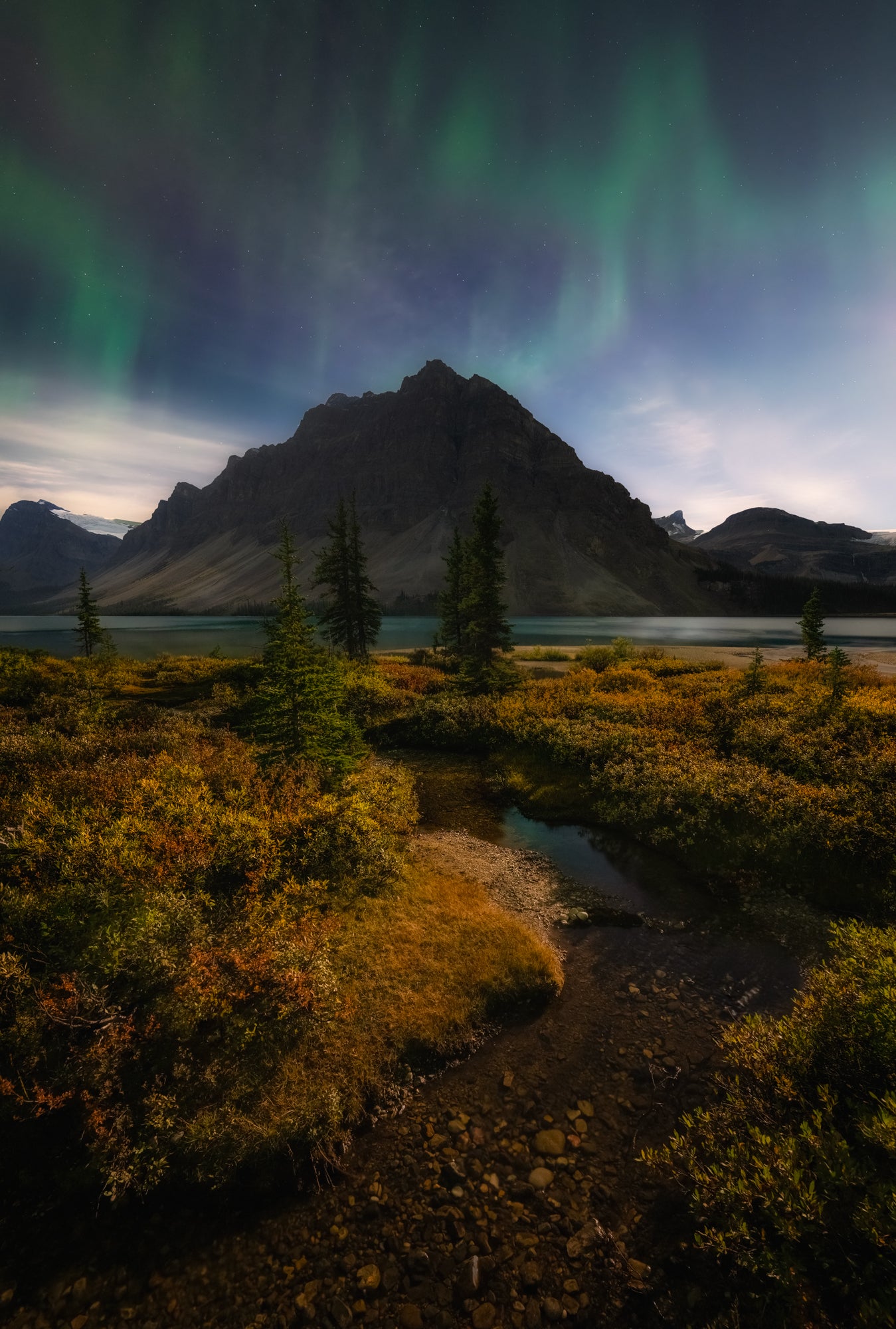
Photo by Rachel Jones Ross. Alpha 1. 14mm f/1.8 G Master.
Evan Lobeto
“This lens is the bread-and-butter for the majority of my astrophotos. Its compact size and wide field of view allow me to carry it deep into the backcountry without added weight and capture sweeping scenes of the night sky. Its bright aperture is perfect for letting in the maximum amount of light possible at night.”
Read more in What’s In My Bag: An Avid Astrophotographer’s Kit For Capturing The Night Sky.
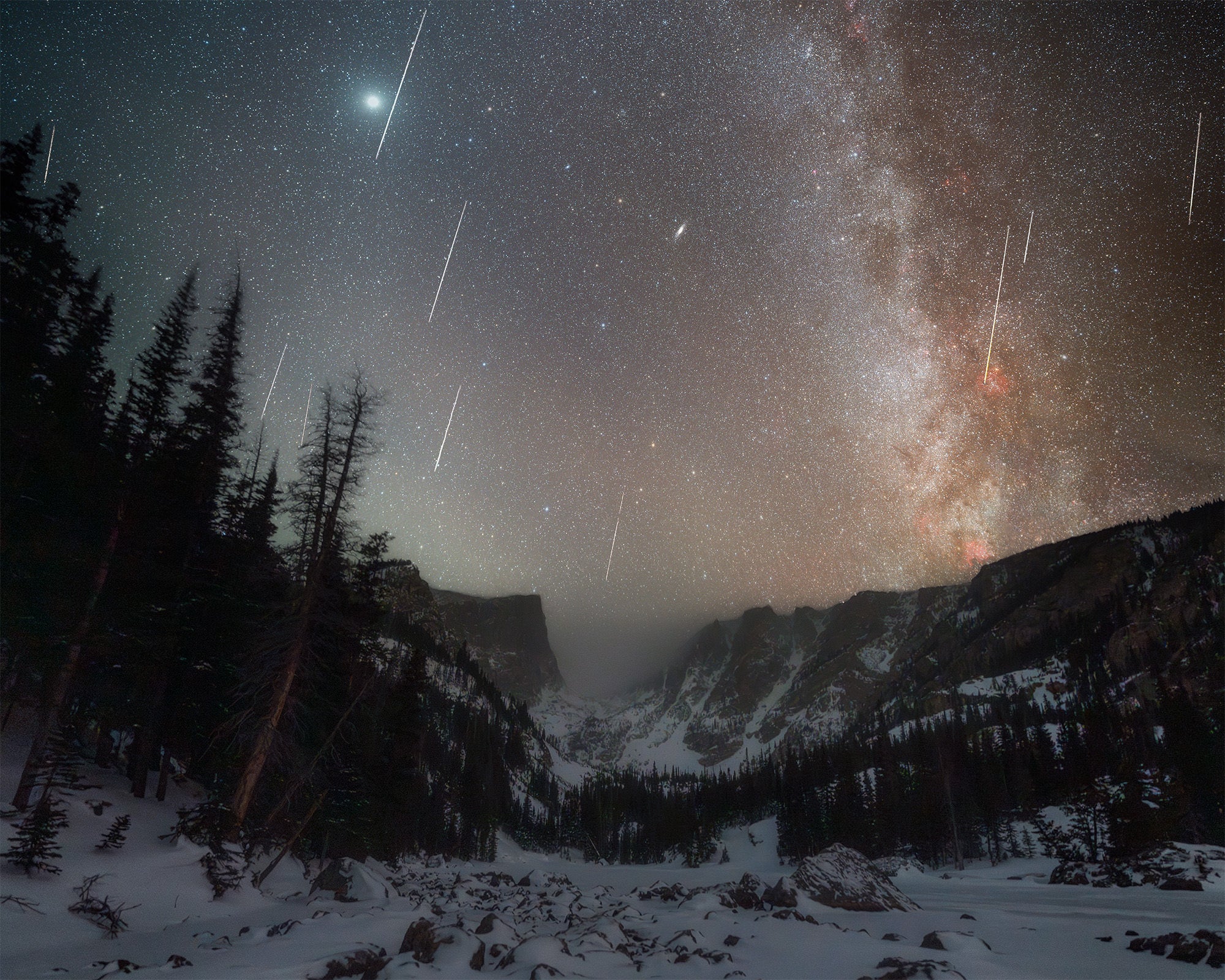
Photo by Evan Lobeto. Foreground: Alpha 7R V. 14mm f/1.8 G Master. 30-sec., f/2.8, ISO 2500. Sky: 10 images stacked. Astro mod Alpha 7R III. Sony 14mm f/1.8 G Master. 30-sec., f/2.2, ISO 640
Vladimir Voronin
“I once read a phrase that stuck in my mind: 'It’s easy to take a great shot with a telephoto lens because it naturally isolates the subject from the background, but taking a great shot with an ultra-wide lens is much harder.' This is because an ultra-wide lens captures a lot of details in the frame, requiring you to master composition and lighting. So this tiny wide-angle lens takes second place in my lineup. First, it’s super lightweight, making it perfect for travel. Second, it has minimal distortion, meaning straight lines stay straight even at the edges. And third, thanks to its fast F1.8 aperture, it can sometimes separate the subject from the background with a bit of blurry bokeh. I also use this lens for underwater photography since water significantly magnifies the image, and ultra-wide lenses compensate for that effect best.”
Read more in What's In My Bag: A G Master Kit For Extreme Adventure Sports Photography.
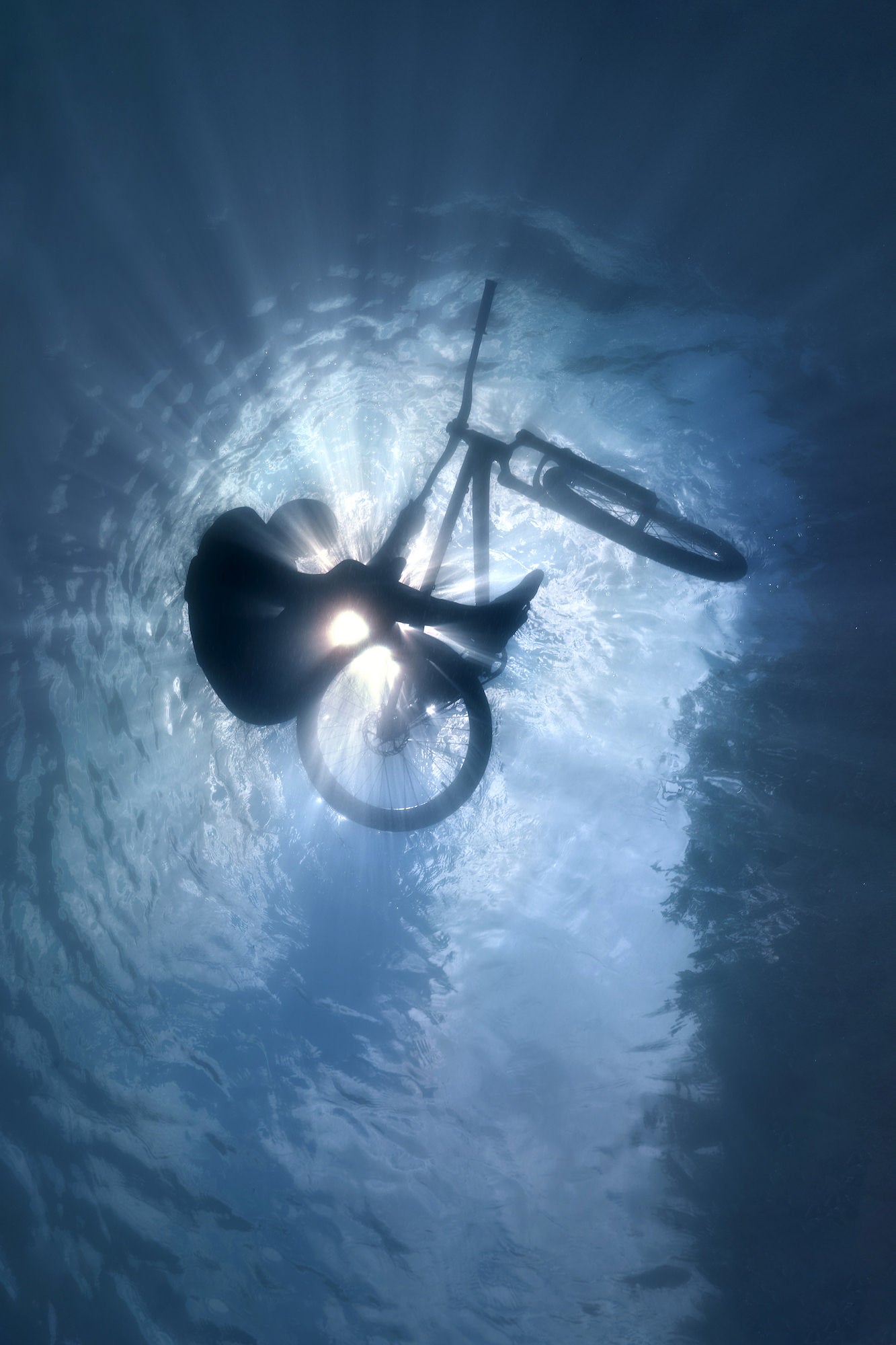
Underwater MTB trick scene. MTB athlete: Arthur Churakov. Photo by Vladimir Voronin. Alpha 9 III. 14mm f/1.8 G Master. 1/250-sec., f/14, ISO 250
Lorenzo Ranieri Tenti
“This is the lightest wide angle lens that I have ever owned...and it’s even f/1.8! This incredible lens gives me the freedom to shoot in a great variety of situations, especially when it comes to immersive and captive foreground captured from extreme angles. I really love it for its fast aperture and its incredible lightweight and my back loves it too.”
Read more in What’s In My Bag: A Lightweight Kit To See The Light In The Darkest Skies.
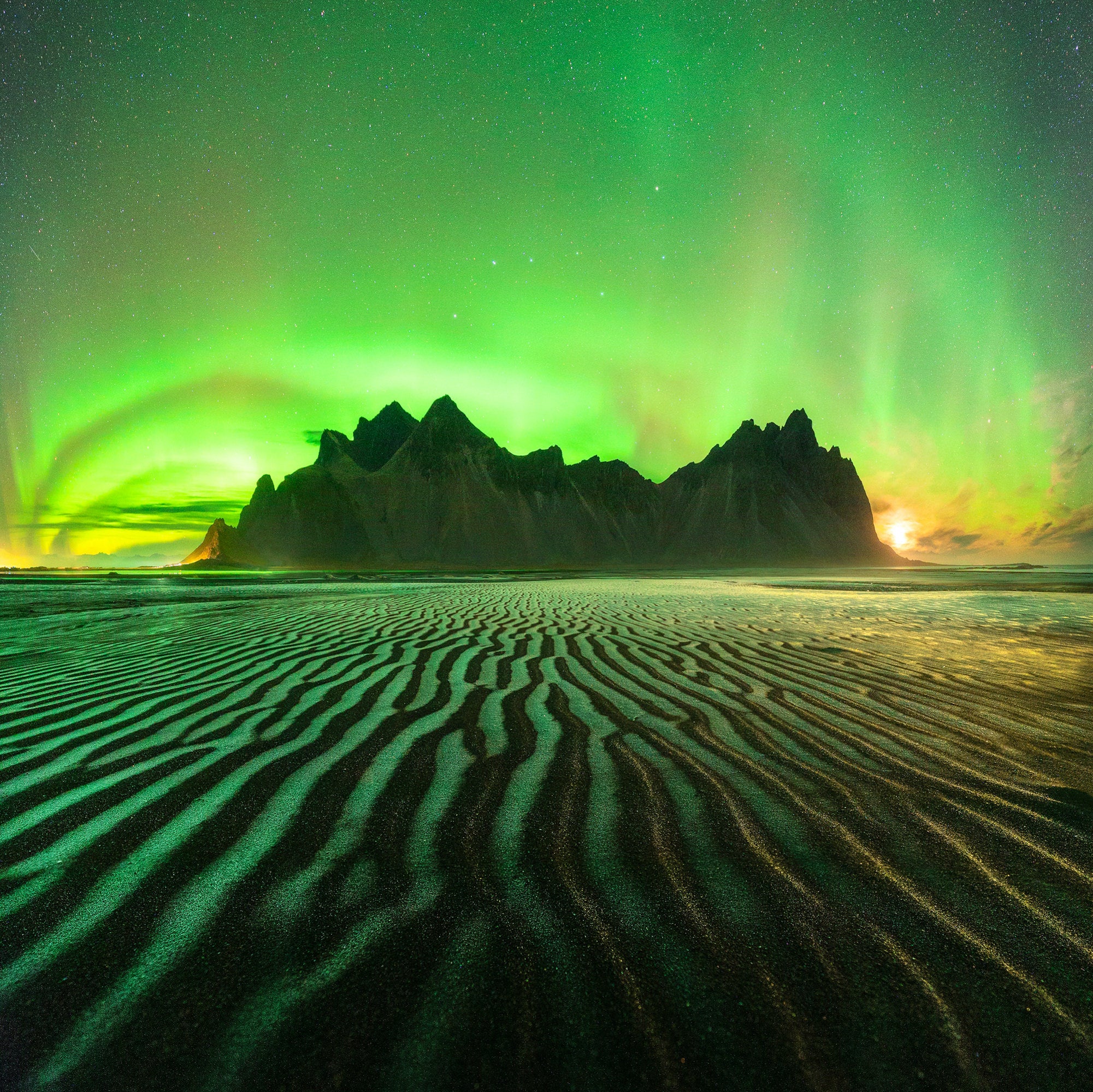
Photo by Lorenzo Ranieri Tenti. Alpha 7S. 14mm f/1.8 G Master. 15-sec., f/2.8, ISO 6400
Daniele Boffelli
“I love shooting with prime lenses. I use them primarily when I shoot in low light conditions: nightscapes, street and travel photography and indoor weddings. I love how small and light they are compared to what I used before with reflex cameras. Also they are so precise with the autofocus and they produce such sharp images. If I had the choice, I would only ever use prime lenses. But obviously in some situations I just can’t shoot with them, so I use some zoom lenses as well.”
Read more in What’s In My Bag: 2 Cameras, 3 Primes & 4 Zooms For High-End Travel Photography.
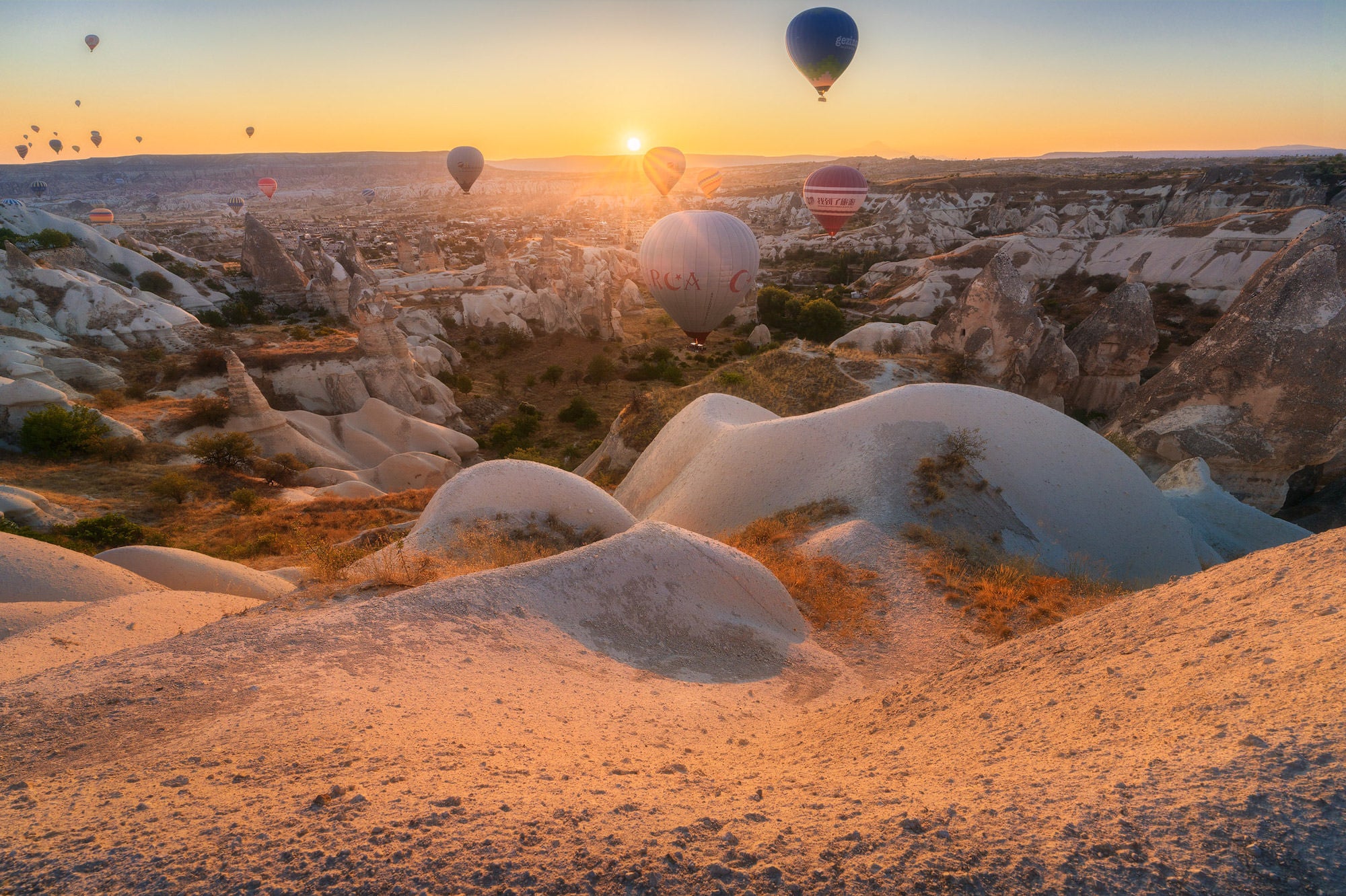
Photo by Daniele Boffelli. Alpha 7R IV. 14mm f/1.8 G Master. 1/125-sec., f/11, ISO 100
Jesús Garrido
“The 14mm f/1.8 G Master is my favorite lens for astrophotography. After trying some others, the f/1.8 aperture, together with the Alpha 1's high ISO performance, allows me to capture real-time videos of the auroras when they are dancing. It also produces incredibly sharp images even at f/1.8. Additionally, shooting with the Alpha 1 means I don't have to worry about not using a zoom lens. If I want, I can crop the image and make it look like 24mm or 35mm without losing quality. However, when photographing the sky, I usually prefer the 14mm wide-angle to showcase the beautiful display of the auroras.”
Read more in What’s In My Bag: A Telephoto Zoom & An Ultra-Wide Prime For Photographing Arctic Wildlife & Northern Lights.
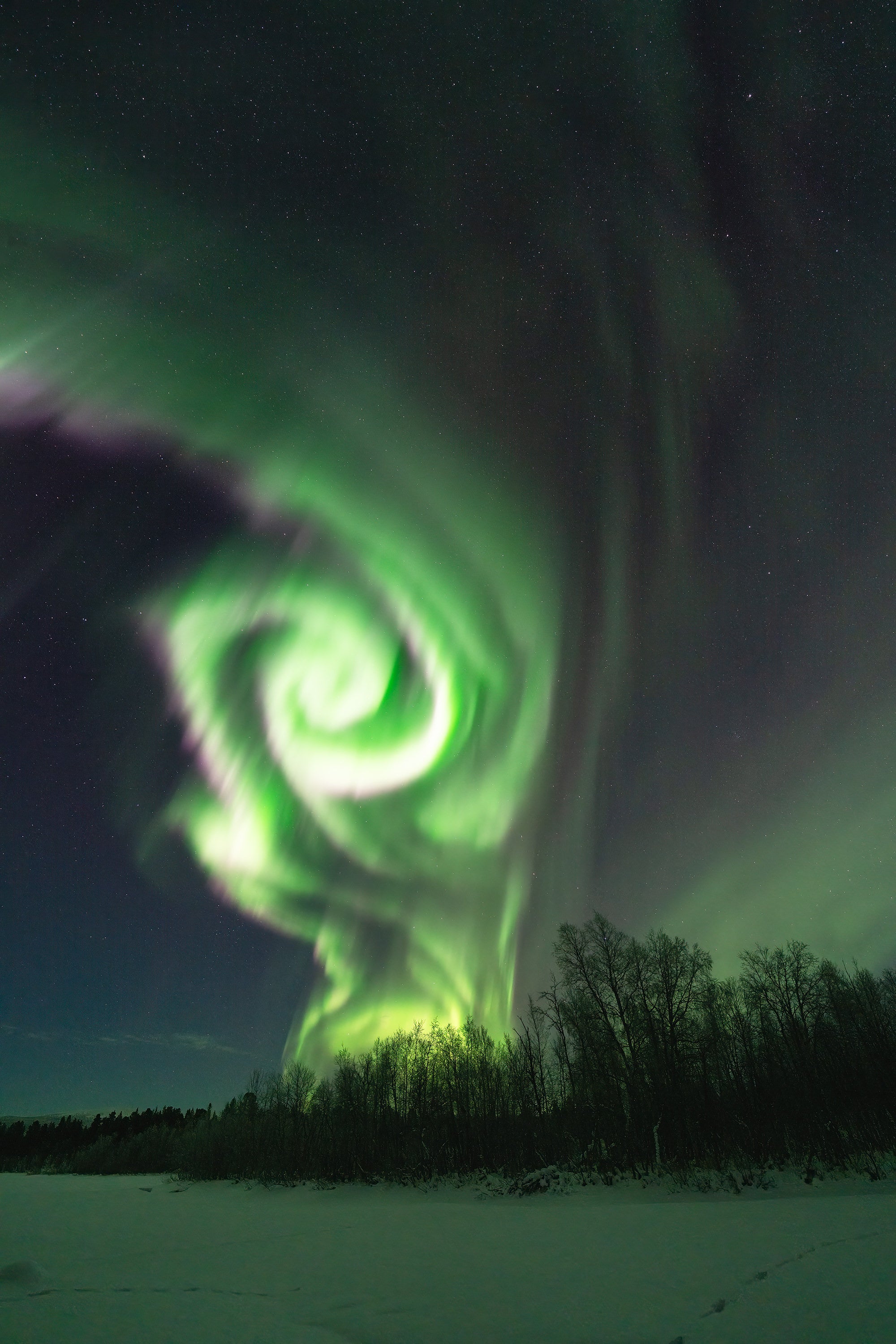
Photo by Jesús Garrido. Alpha 1. 14mm f/1.8 G Master. 1.3-sec., f/1.8, ISO 2500
Paul Browning
“This lens is absolutely stunning and my go-to for landscape. I use it with the NISI ND filters for the rare occasions I try some landscape photography. It’s actually the same perspective as my phone’s wide angle lens, which is why I chose it. It means I don’t need to set up the camera, tripod and lens to check out a location or composition, I can use my phone to get an idea before I set it all up.”
Read more in What’s In My Bag: Two Cameras And A Quiver Of Lenses from 14mm to 600mm For Wildlife, Nature & Landscapes.
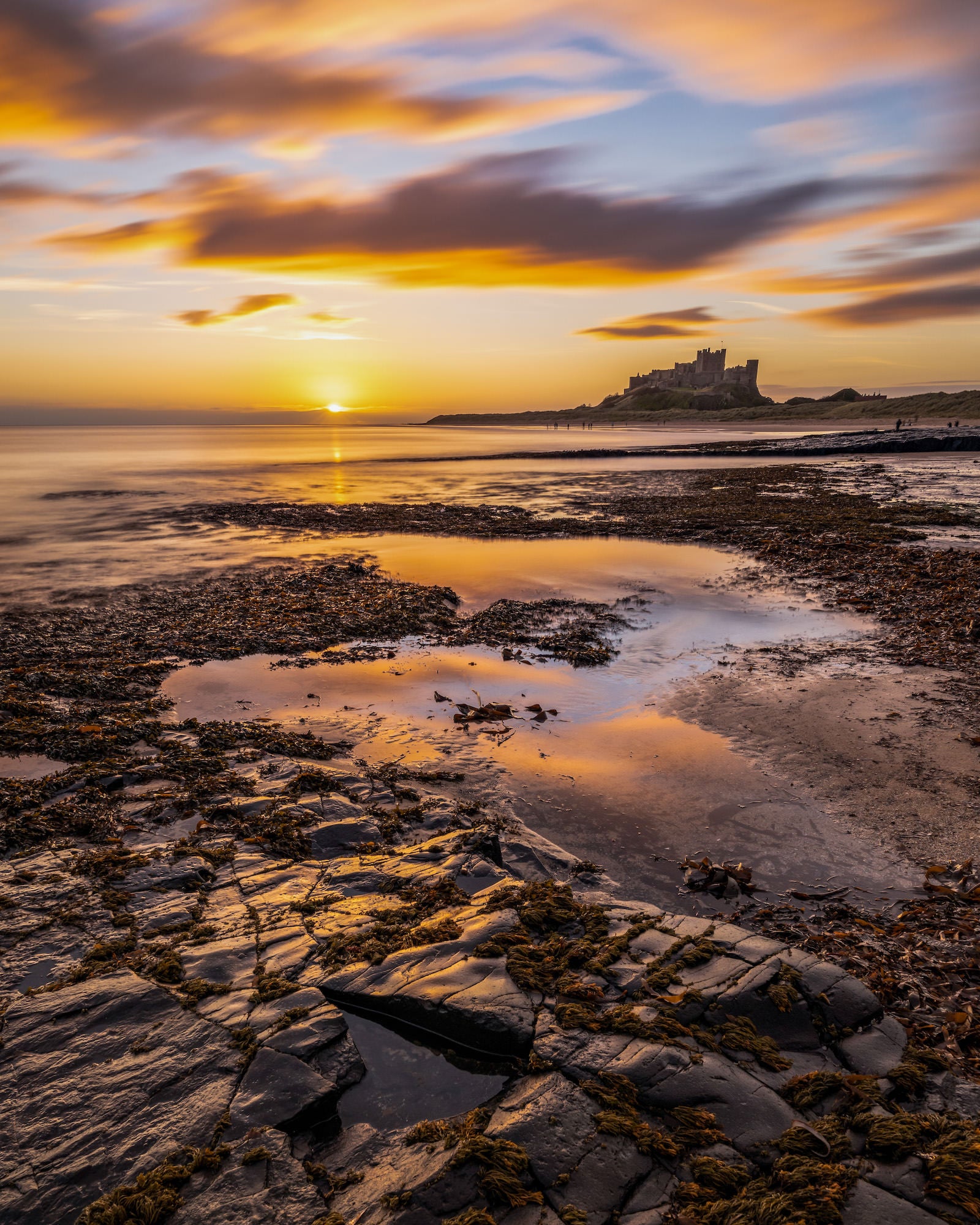
Photo by Paul Browning. Alpha 7R IV. 14mm f/1.8 G Master. 34-sec., f/11, ISO 100
Titouan Le Roux
“While I have used this lens on many video projects, taking advantage of its wide and dynamic look, I carried this lens during my thru-hike for a more specific purpose: night sky time lapses. Its 1.8 aperture allowed plenty of light in to shoot the starry sky and capture the Milky Way moving through the night during my journey through the high Sierra Nevada thanks to the built-in timelapse mode of the Sony Alpha 7S III. Plus, this lens is small and light, which makes it easier to carry with me on a hike.”
Read more in What’s In My Bag: A Lightweight Kit For A Thru-Hiking Photographer & Filmmaker.
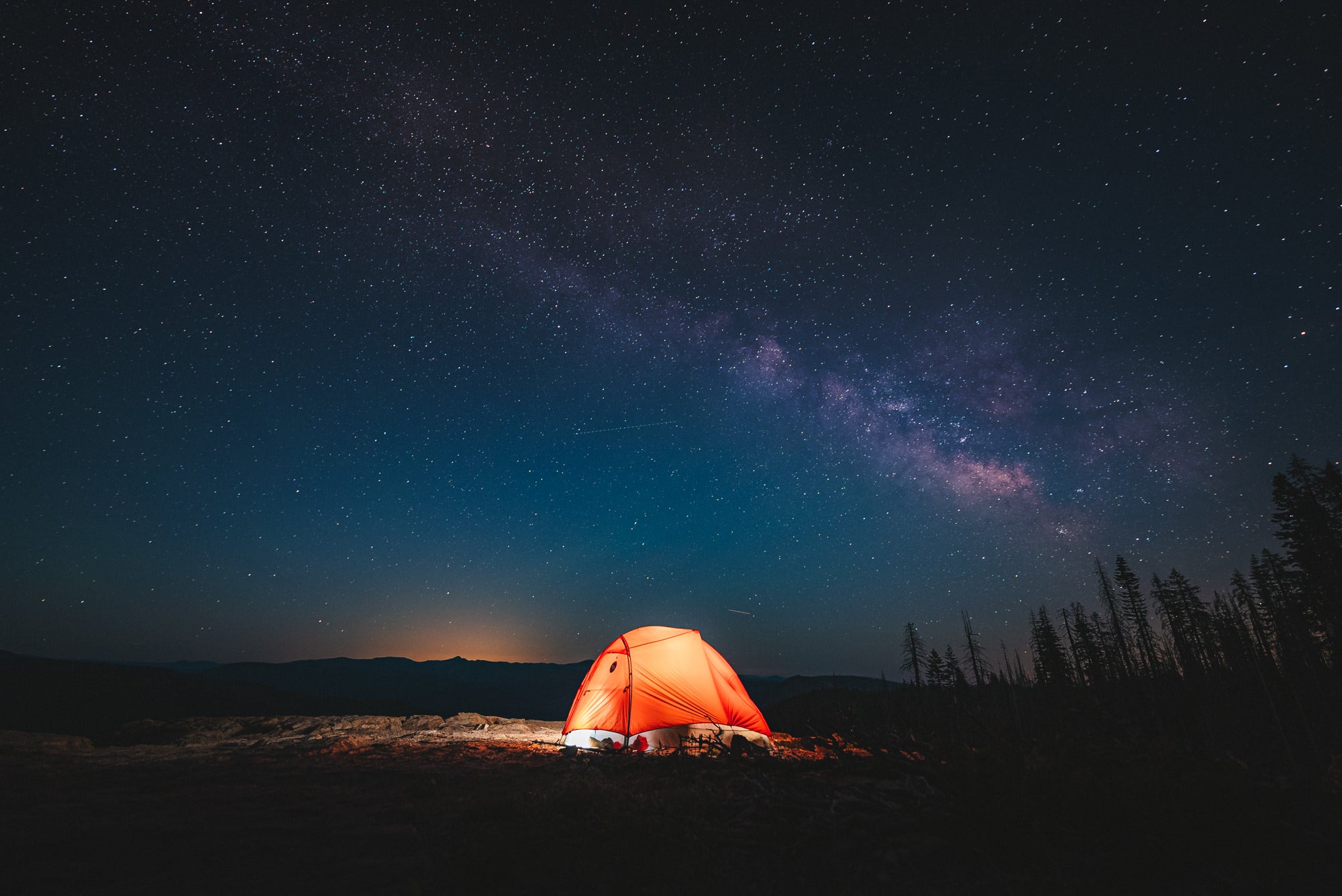
Photo by Titouan Le Roux. Alpha 7S IIl. 14mm f/1.8 G Master. 25-sec. f/1.8, ISO 3200
Jess Santos
“I’ve been including this lens more and more in my kit, most of my stills are shot on the 12-24mm GM, but this little lightweight lens is great to throw on my Alpha 7S III for timelapse captures. At f/1.8 it is the perfect choice for night photography and can be used wide open to photograph or timelapse the Milky Way.”
Read more in What’s In My Bag: An Adventurer’s Kit For Dreamy Landscapes, Astroscapes & Timelapses.
Brandt Ryder
“Ultrawide angle lenses are a landscape photographer’s best friend (once you know how to use them). My obsession with wildflower foregrounds typically drives my frequent use of the 14mm. Landscape photographers rarely use them, however, for mountains because they tend to dwarf them as a subject matter. That is unless you take advantage of the barrel distortion (pro tip). However, on a recent trip to Patagonia the mountains were so big that I literally needed a UWA lens to fit everything in! The 14mm f/1.8 G Master also happens to shine for astrophotography. Best of all it can literally fit in the palm of your hand making it the perfect companion for those backcountry trips where every ounce counts.”
Read more in What’s In My Bag: A Complete G Master Kit For Landscapes & Astroscapes.
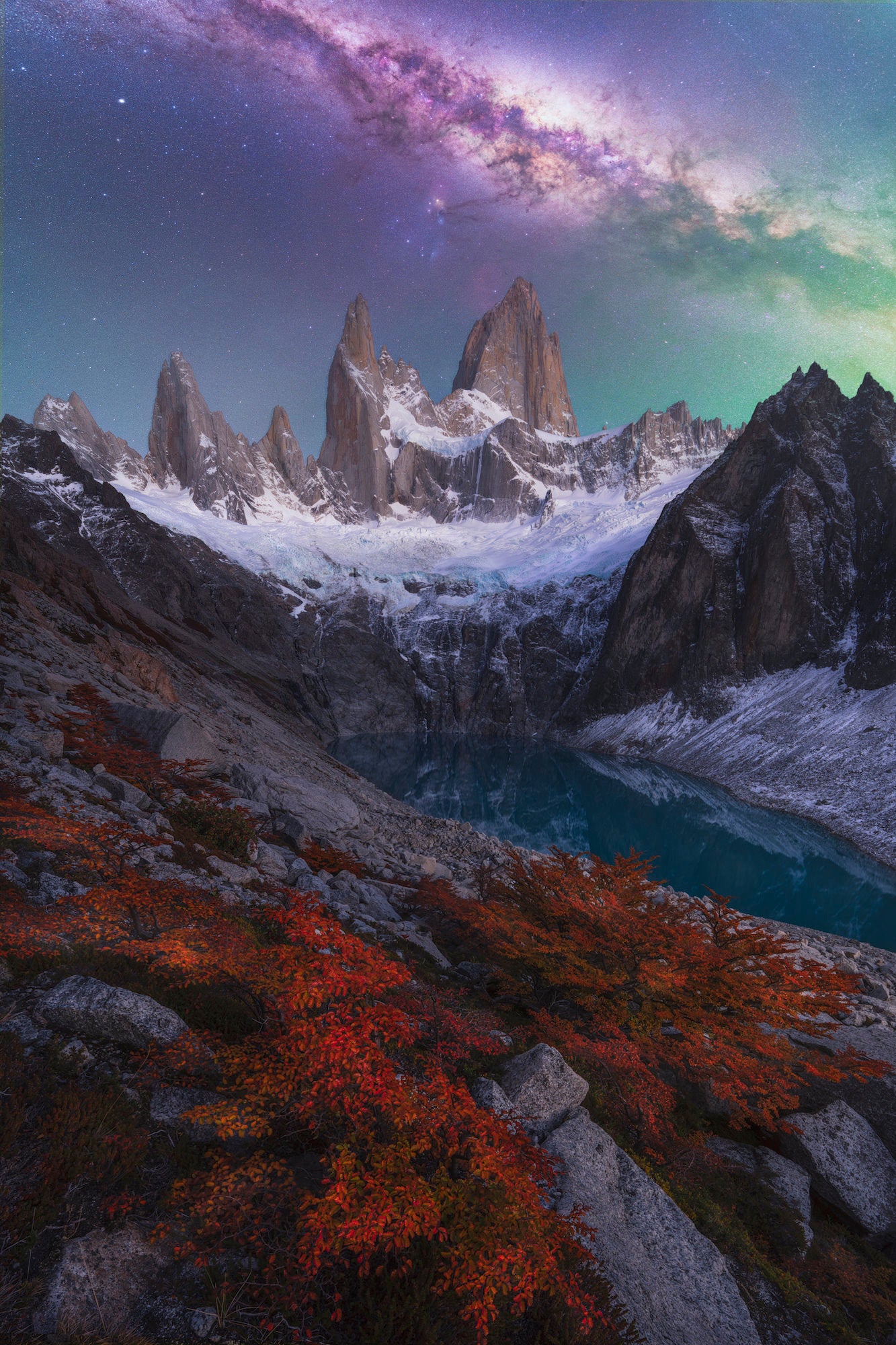
Photo by Brandt Ryder. Alpha 7 IV Astromodified Visible + H-Alpha. 14mm f/1.8 G Master. Ground, 4-Focus Stacked. .6-sec., f/13, ISO 100. Sky: 60-sec., f/2, ISO 1600
Jonny Gios
“The 14mm f/1.8 G Master gives me an option if a composition isn’t getting it all in with my 16-35mm f/2.8 G Master. I can swap it out for my 14mm f/1.8 G Master to everything in the frame I need. A good example of that is a lone tree near to where I live – I just couldn’t get everything in frame that I wanted with my 16-35mm f/2.8 G Master, but the 14mm coped really well with it. Being such a fast lens, it also handled the low light really well.”
Read more in What’s In My Bag: A High-Res Photo Kit For Landscapes & More.
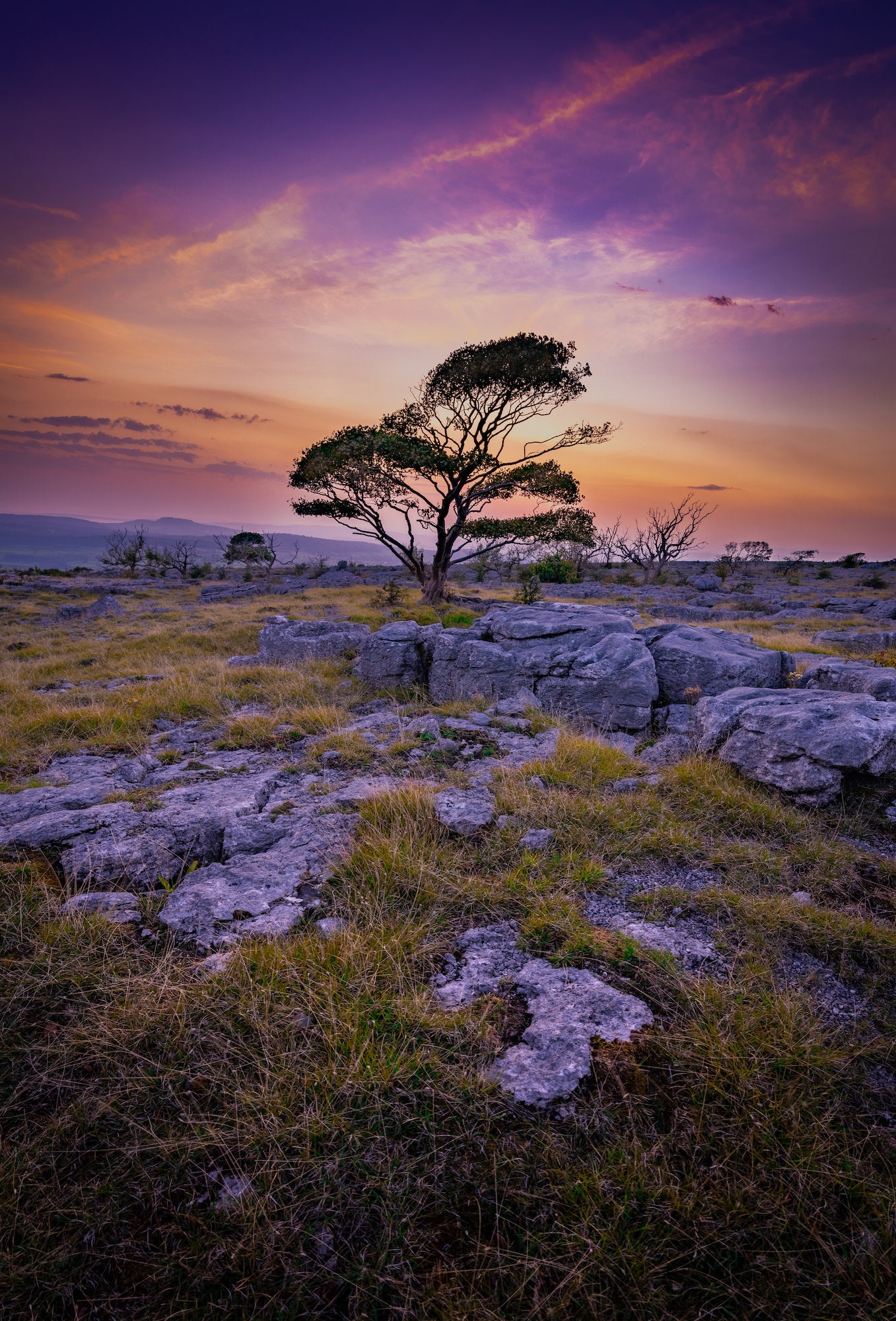
Photo by Jonny Gios. Alpha 7R V. 14mm f/1.8 G Master. 1/100-sec., f/7.1, ISO 125
Ezekiel Coppersmith
“The extremely ultra-wide field of view that it offers allows me to get everything I need in the frame with minimal distortion and incredible sharpness from corner to corner. The lightweight of such a fast aperture lens and being so ultra-wide has made my hikes a lot less strenuous and enjoyable.”
Read more in What’s In My Bag: Why This Astrophotographer Switched To A Sony Alpha Kit For Capturing The Stars.
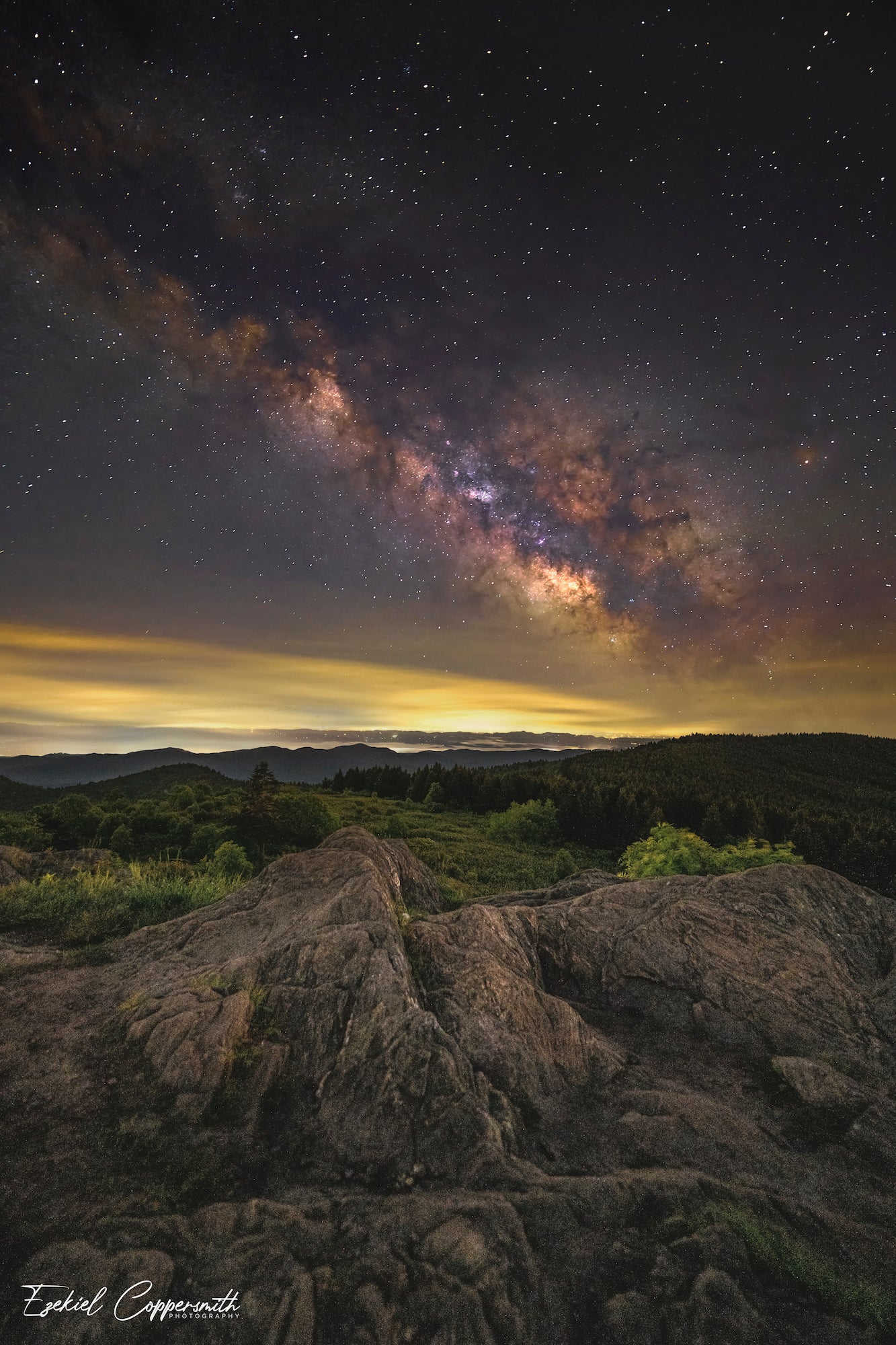
Photo by Ezekiel Coppersmith. Alpha 7 III. 14mm f/1.8 G Master.
Lester Tsai
“This lens is now one of my primary shooters for astrophotography. The sharpness edge to edge is amazing. Being able to capture such a wide field of view with so much light in one high quality image makes taking photos of the night sky a treat!”
Read more in What’s In My Bag: This Might Be The Ultimate Sony Alpha Kit For Max Versatility.
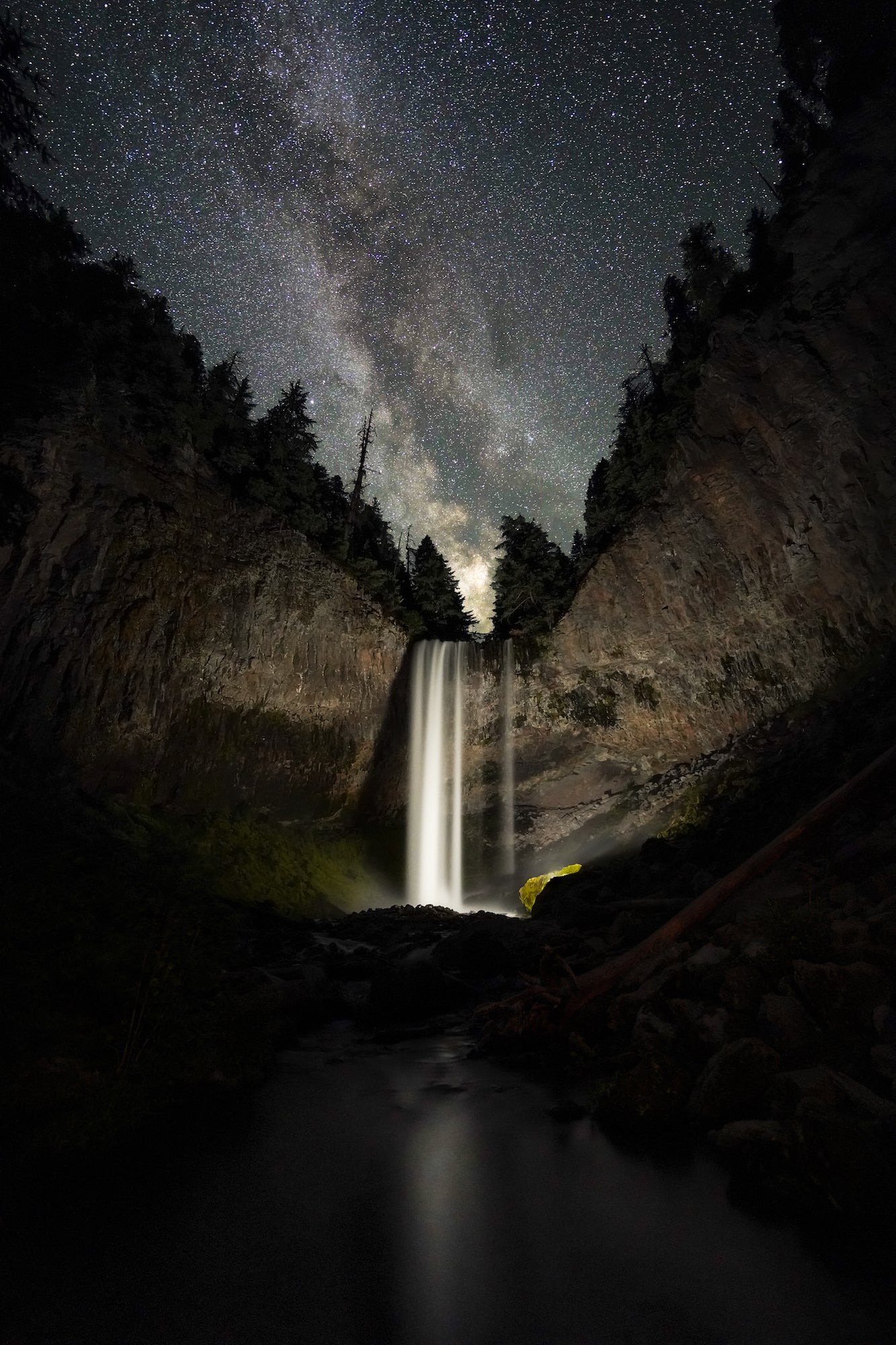
Photo by Lester Tsai. Alpha 1. 14mm f/1.8 G Master. 15-secs., f/1.8, ISO 3200
Stefan Liebermann
“My favorite lens for night landscape photography. With this wide open and wide angle lens you can easily create stunning panoramas of night phenomenons.”
Read more in What’s In My Bag: A Sony Alpha Kit For Mesmerizing Astro-Landscapes & Beyond.
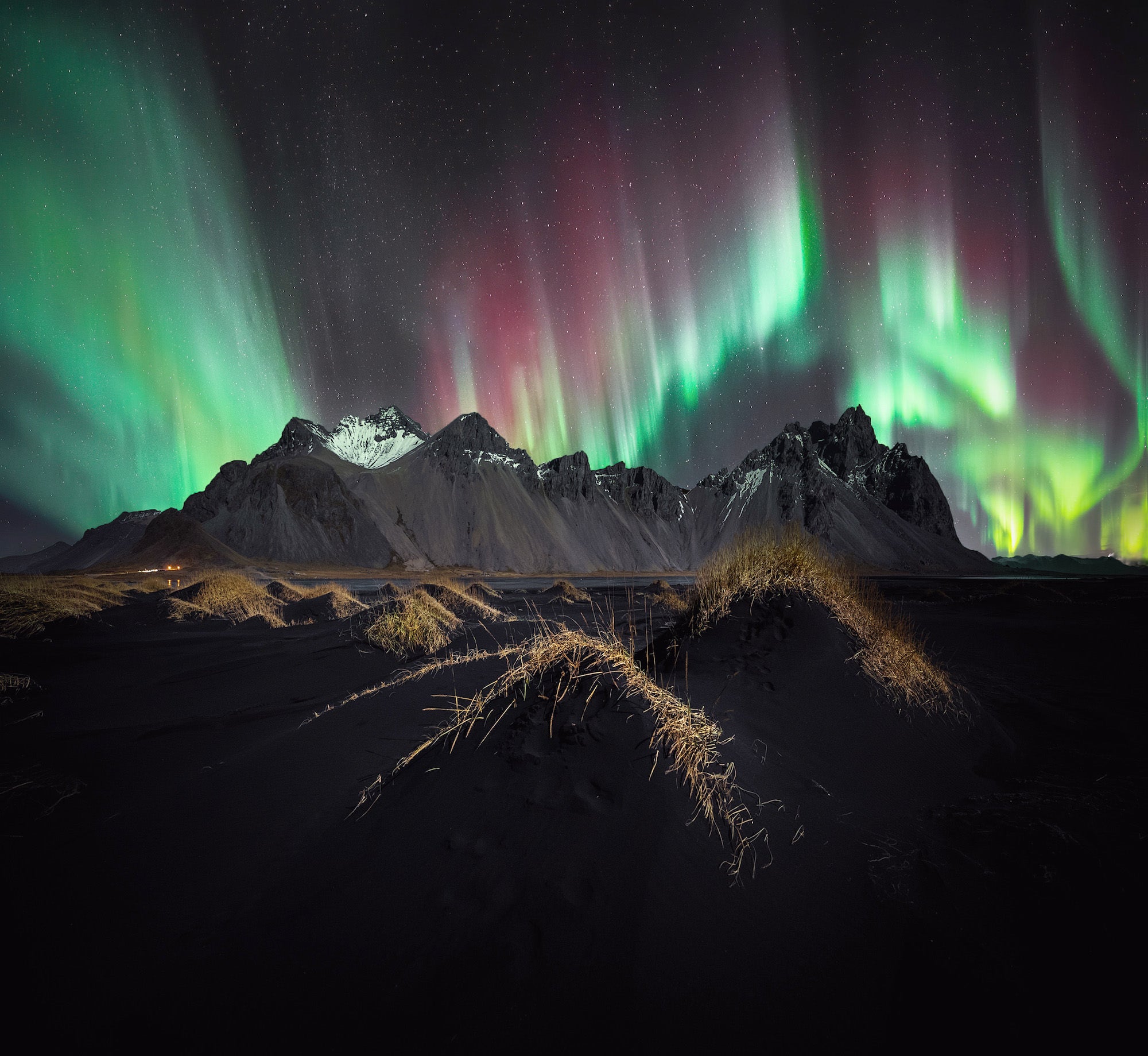
Photo by Stefan Liebermann. Panorama of 3 photos: Alpha 7 III. 14mm f/1.8 G Master. 4-sec., f/1.8, ISO 1600
Lawrence Leyderman
“Holy Moly!!! How can a wide-angle lens be so sharp and have so much detail throughout!?!? This lens is mind blowing. When I go through photos shot using the 14mm 1.8, I’m always astonished by the quality! Like a lot of my other lenses, I got this one for one reason, but it turned out to be so useful in so many more scenarios. Initially I added this to the lineup for the added light and wider focal length to shoot the night sky, but it ended up getting a lot of use during the day as well. When going into slot canyons, this lens replaced my 12-24 G as well as in most situations that I could use a wider focal length than 16mm. It’s also fun to get up close to objects and make them look bigger than the world. You can create a caricature effect with this lens if you shoot a person or animal close to its face making the face huge and the rest of the body tiny – those are always fun.”
Read more in What’s In My Jeep: See This Outdoor Adventurer's Epic Kit For Overlanding Photography.
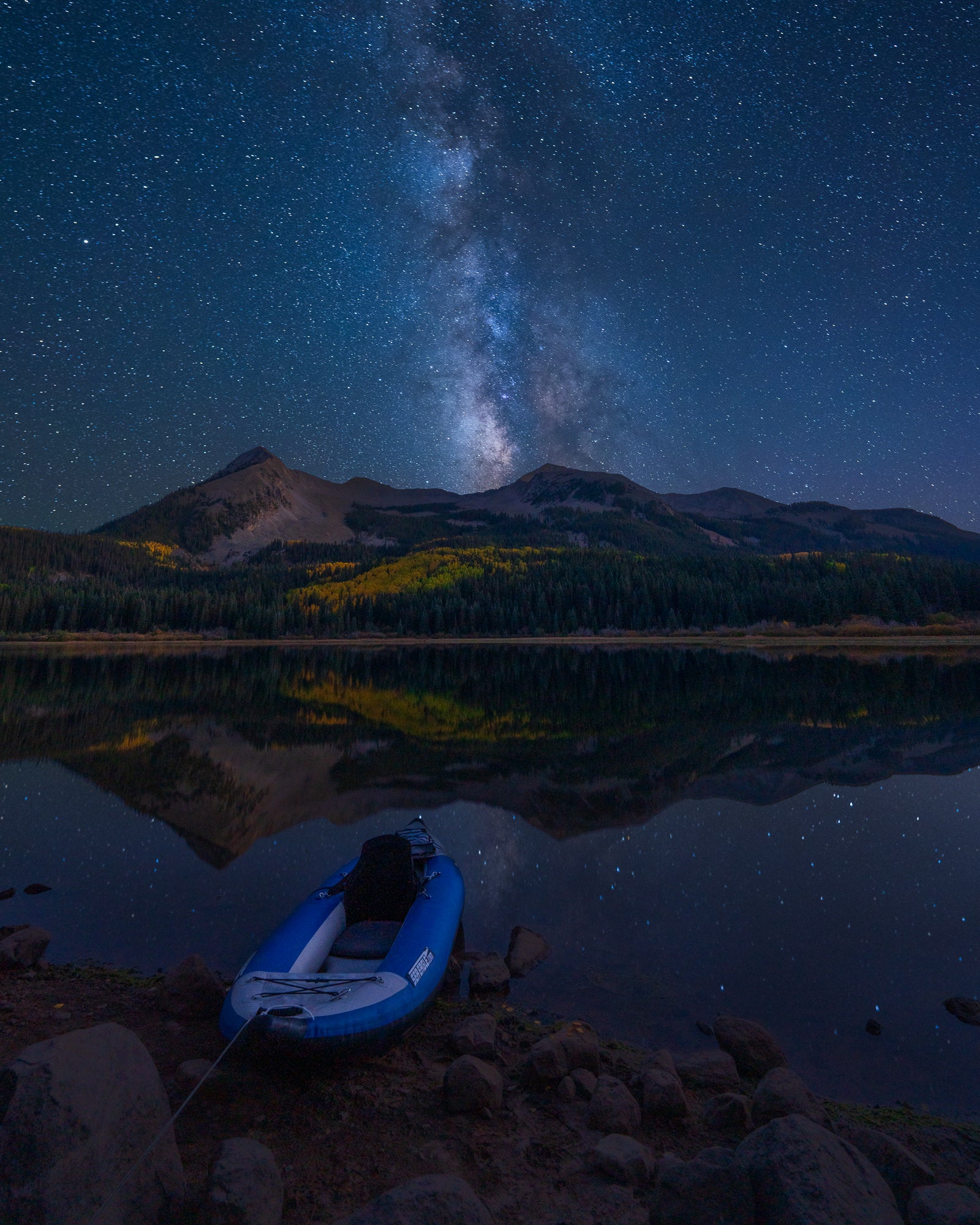
“This lens worked exceptionally well on this scene. It was able to capture a lot of the Milky Way, while giving us a powerful foreground and midground as well.” Photo by Lawrence Leyderman. Alpha 7R IV. 14mm f/1.8 G Master. Foreground: 30-secs., f/8, ISO 50, Sky: 20 images stacked for noise reduction. f/2.2, ISO 12800.
Mihail Minkov
“I was waiting for some time to get me hands on this lens. Since I’ve purchased it, it has become one of my go-to lenses, especially when I have an interesting foreground that I want to highlight. I love a fast aperture lens because I want to use a lower ISO, in order to have less noise, more dynamic range, and once I post process my shots, I want to print them large and keep all the quality and details my camera and lens offer. The lens is ultra-sharp from corner to corner, very light with no coma and chromatic aberration.”
Read more in What’s In My Bag: Capturing The Milky Way With A Pair Of Wide-Angle G Master Primes.
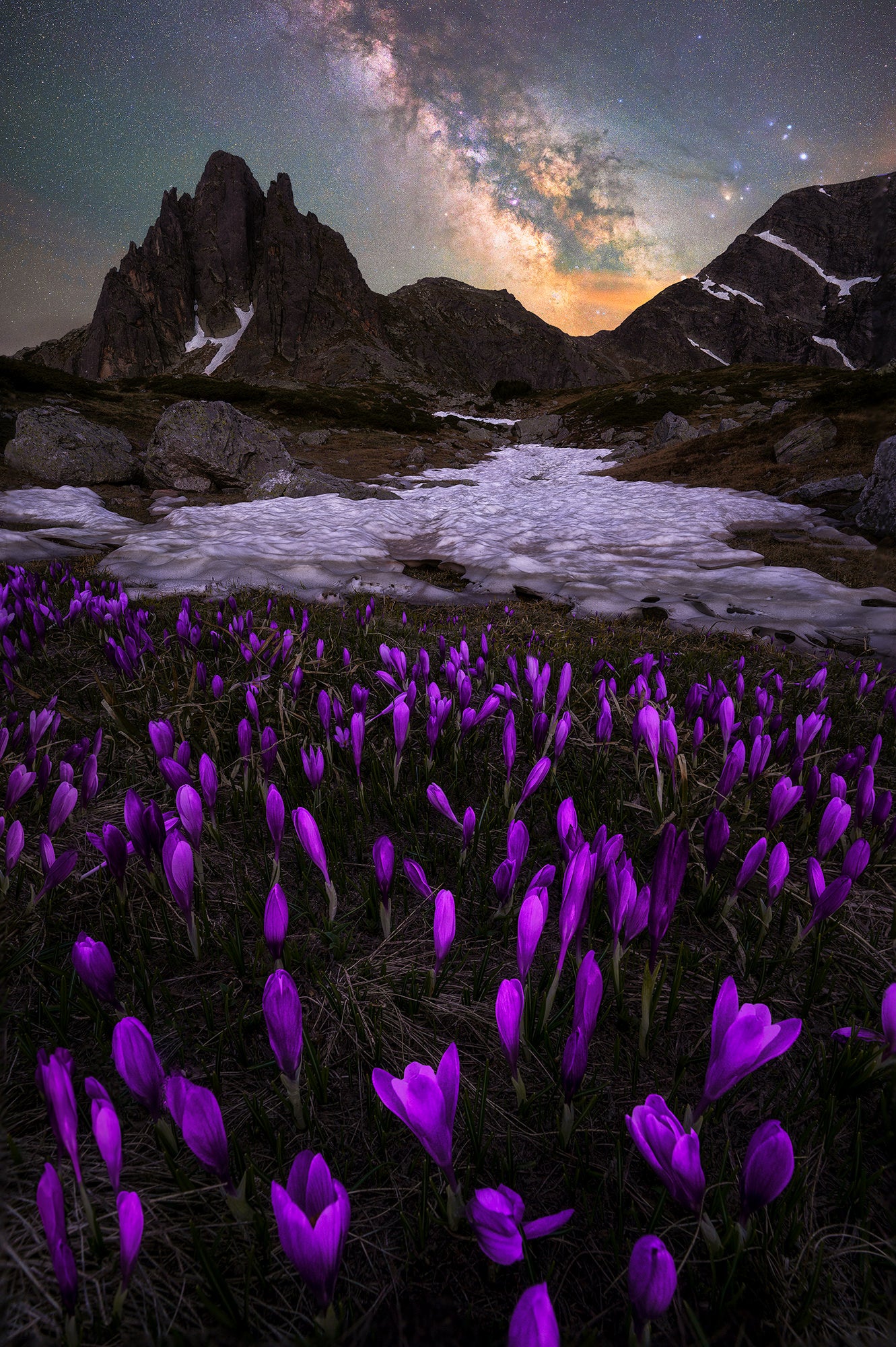
"Spring is here." Photo by Mihail Minkov. Alpha 7 III. 14mm f/1.8 G Master.
Burak Esenbey
“An extreme lightweight lens that I always have with me when shooting night photography. I love to use it for timelapses, because it’s sharp wide open, so it performs perfectly.”
Read more in What’s In My Bag: A Modified Sony Alpha Kit For Capturing Landscapes and Starscapes.
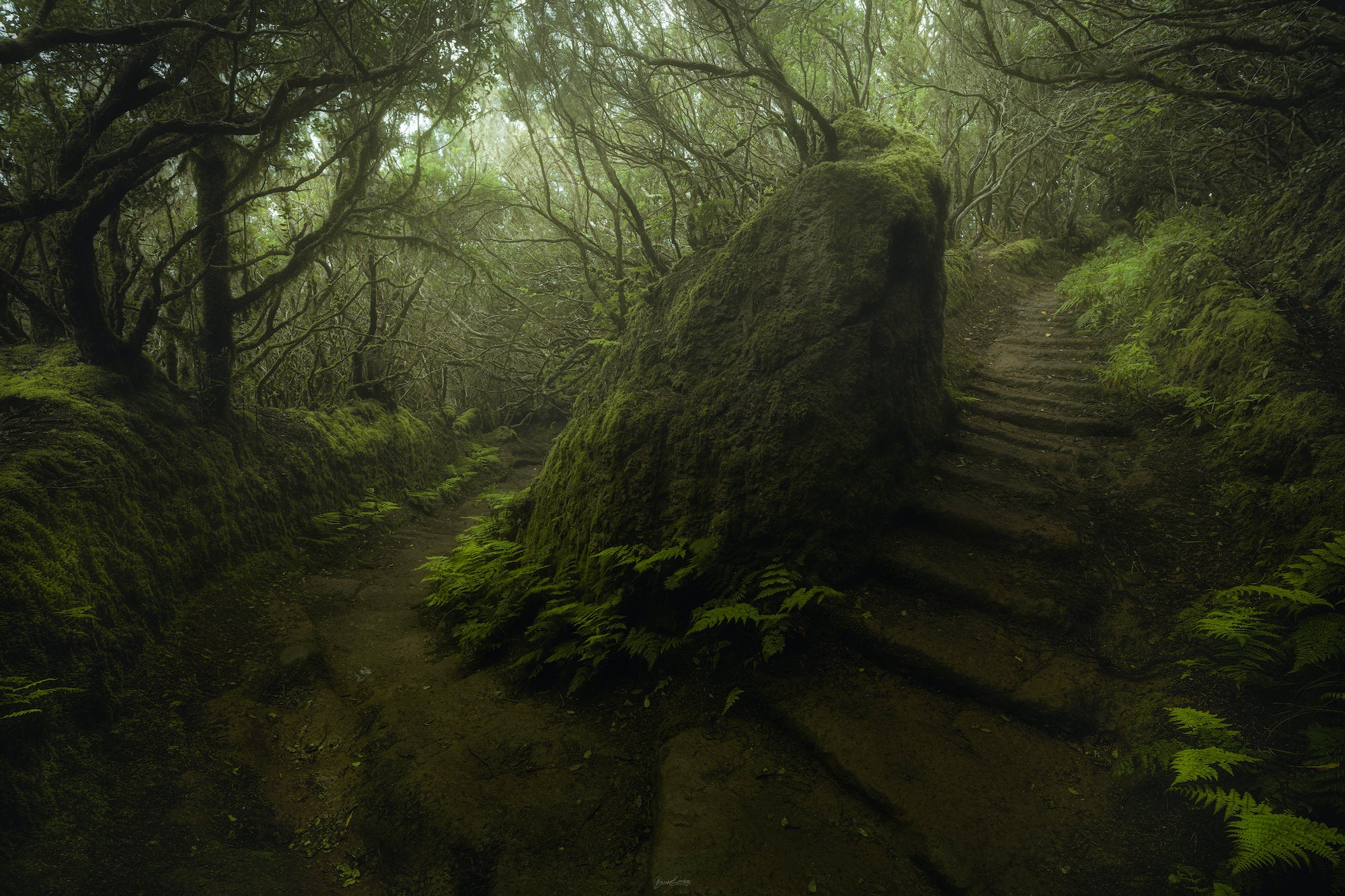
Photo by Burak Esenbey. Alpha 7 IV. 14mm f/1.8 G Master. 1/3-sec., f/9, ISO 160
Manoj Galle
"Normally I prefer zoom lenses for my work, but over time I found that I was almost always at the lower end of the focal length range in the wide-angle range. So I learned that I get along well with a fixed focal length. The 14mm f/1.8 G Master is ideal for this, as it is much more compact than a zoom lens and the high open aperture makes it perfect for low light conditions."
Read more in Behind The Shot: Using Internal Focus Stacking To Create A Low Light Landscape.
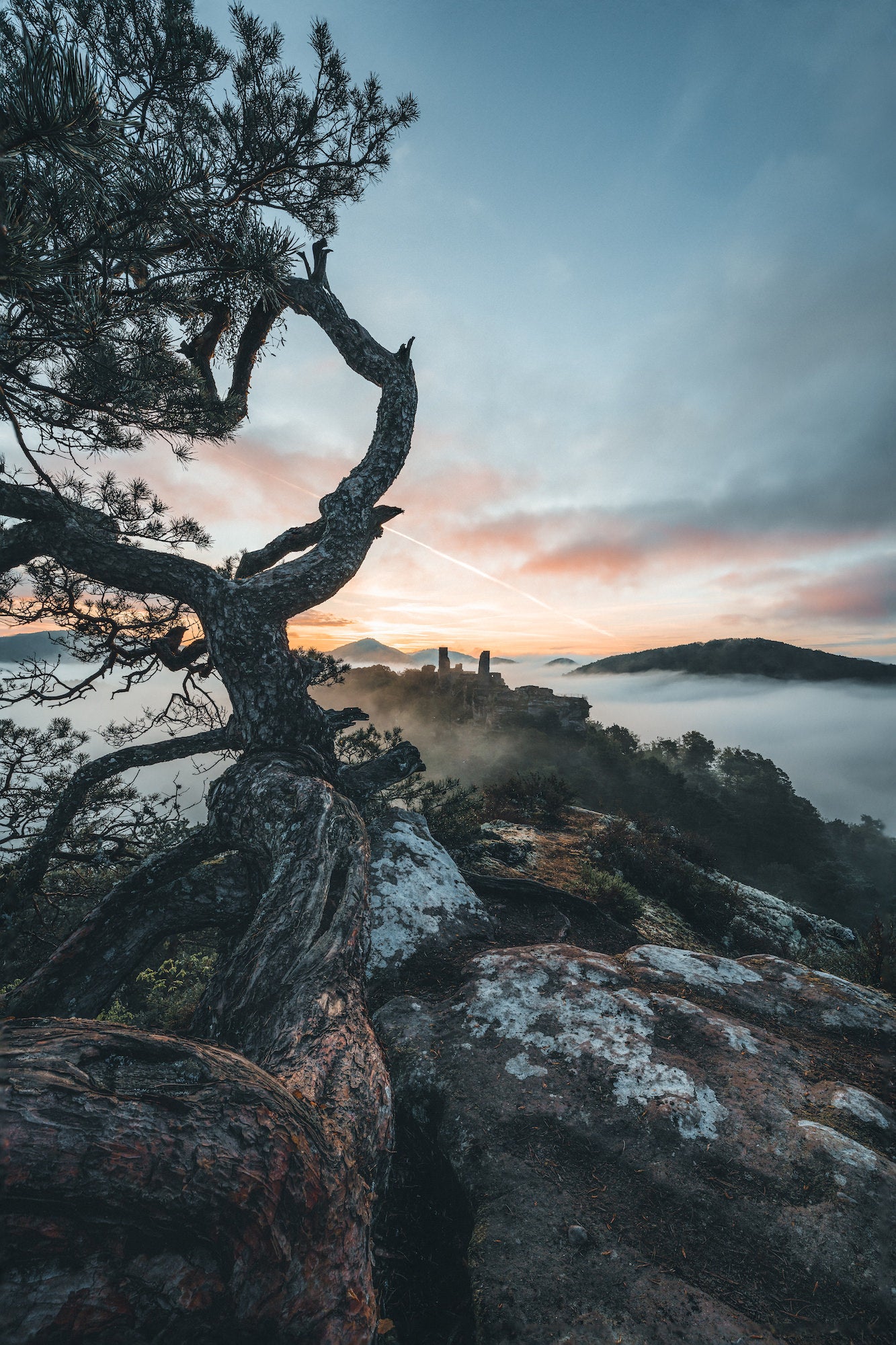
Photo by Manoj Galle. Alpha 7R V. 14mm f/1.8 G Master.
Allegra Hutton
"The 14mm f/1.8 G Master lens is a dream for underwater work. That ultra-wide angle is ideal for so many reasons. First, it’s perfect for split shots – being able to capture both above and below the surface in one frame is one of my favorite things to try. The wide field of view also means you can get close to your subject while still fitting the whole scene in, which is so important underwater. The closer you are, the less water (and distortion) between you and your subject – translating to more color, more clarity, and more impact."
Read more in Behind The Shot: Underwater Photography In A Jellyfish Forest.
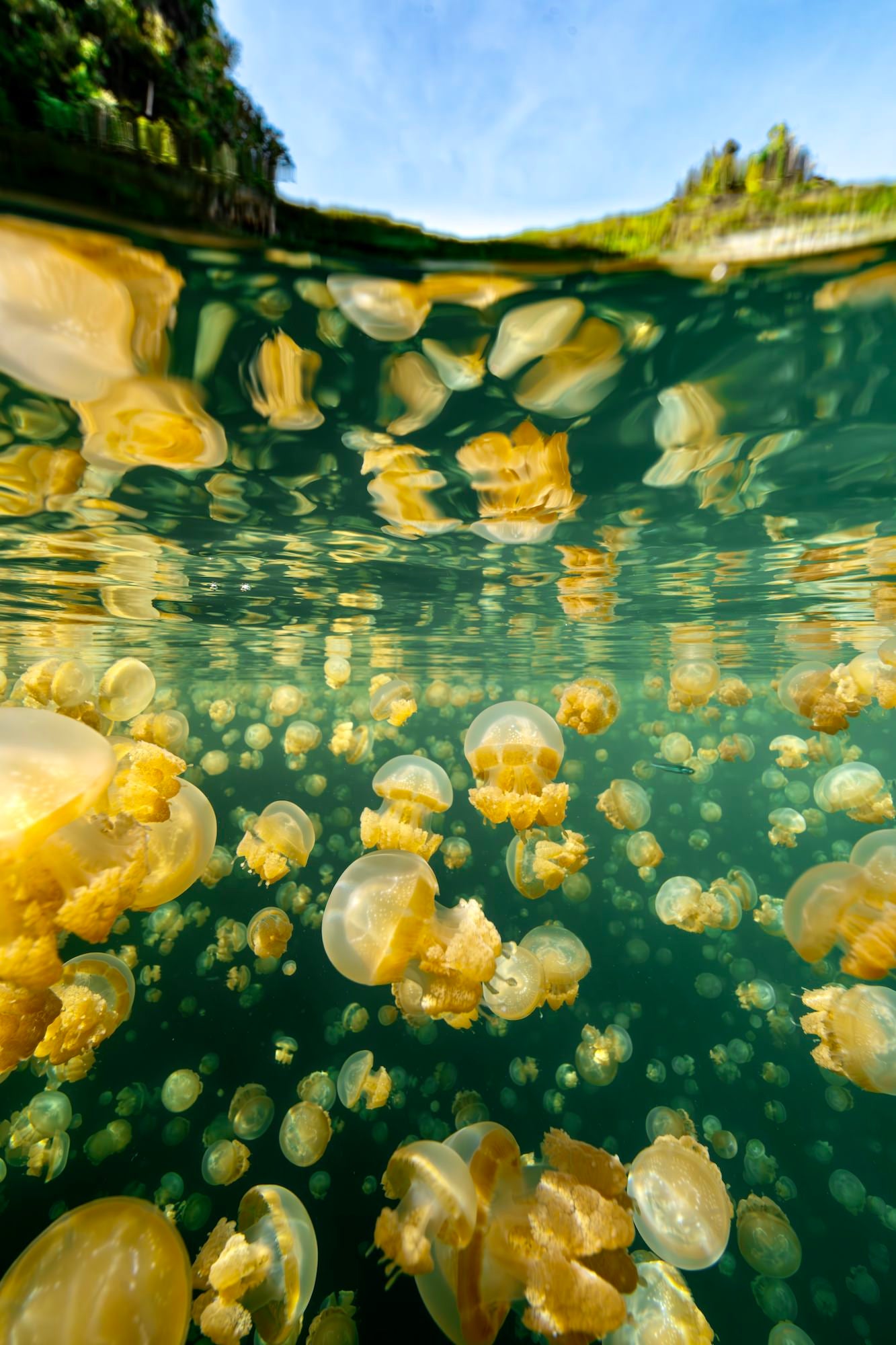
Photo by Allegra Hutton. Alpha 7R V. 14mm f/1.8 G Master. 1/125-sec., f/11, ISO 320
To learn more about the 14mm f/1.8 G Master lens, click here.
Explore the gear used by your favorite photographers in our What's In My Bag series.