On August 12, 2026, a total solar eclipse will sweep across parts of the North Atlantic and Europe. Many photographers are planning to travel to capture the event, and we want to help make sure you’re prepared and don’t miss the moment. We’ve put together a complete guide to help you plan for and photograph the upcoming eclipse.
When & Where To Photograph The Eclipse
The path of totality will cross Greenland, Iceland, the North Atlantic Ocean, Spain, northern Russia and a small corner of Portugal. Many locations in the Northern Hemisphere will experience a partial eclipse, including parts of the northern United States from Alaska to North Carolina, most of Canada, much of Europe and northwestern Africa.
Weather is a major consideration, especially for a late-day eclipse in Europe. Be ready to adjust your plan if conditions change, and consider scouting more than one location in advance.
NASA is an excellent resource for eclipse timing, maps and viewing guidance. Below are local times for a few cities in or near the path of totality:
City: León, Spain
Partial Eclipse Begins: 7:32 p.m.
Totality Begins: 8:28 p.m.
Totality Ends: 8:30 p.m.
Partial Eclipse Ends: 9:22 p.m.
City: Reykjavík, Iceland
Partial Eclipse Begins: 4:47 p.m.
Totality Begins: 5:48 p.m.
Totality Ends: 5:49 p.m.
Partial Eclipse Ends: 6:47 p.m.
City: Valencia, Spain
Partial Eclipse Begins: 7:38 p.m.
Totality Begins: 8:32 p.m.
Totality Ends: 8:33 p.m.
Sunset: 9:01 p.m.
City: Zaragoza, Spain
Partial Eclipse Begins: 7:34 p.m.
Totality Begins: 8:29 p.m.
Totality Ends: 8:30 p.m.
Sunset: 9:07 p.m.
For some observers in mainland Europe and northwestern Africa, the sun will set while it is still partially eclipsed – creating a rare opportunity to photograph a sunset eclipse. NASA provides maps and visualizations for the 2026 event to help you understand what will be visible from your intended shooting location.
Another popular resource for establishing the best location to photograph events like this is PhotoPills. It allows you to scout a potential photo, calculate the best time and place for the composition you want, and plan around the Sun’s position at your location. It’s a useful resource for eclipse planning and for landscape, night-sky and travel photography throughout the year.
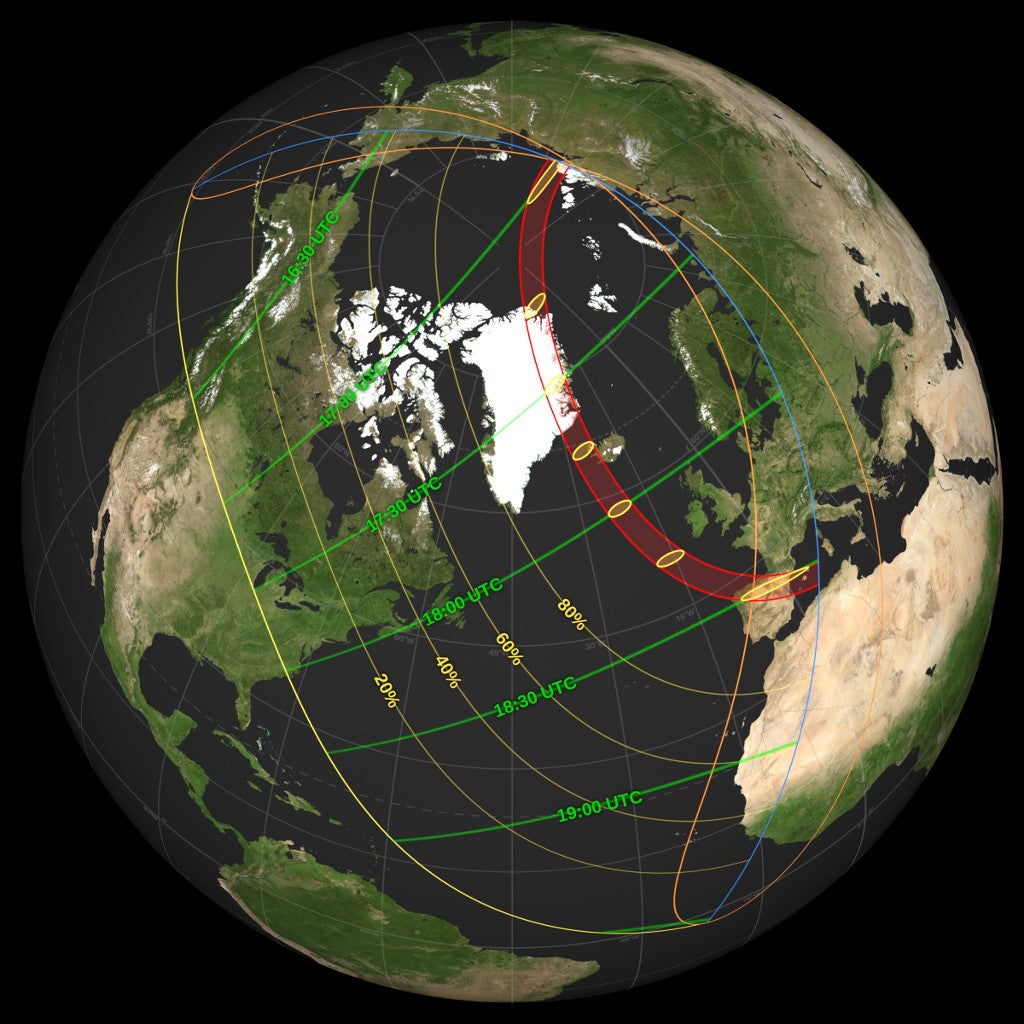
Credits: NASA's Scientific Visualization Studio
What To Pack
When it comes to photographing the eclipse, you need specific gear to create safe and successful imagery. You can’t simply point a typical camera and lens setup at the sun – you risk damaging your equipment. You also can’t look directly at the sun without proper protection, as doing so can permanently damage your vision.
Here are a few of the items to include in your eclipse photography kit.
Camera
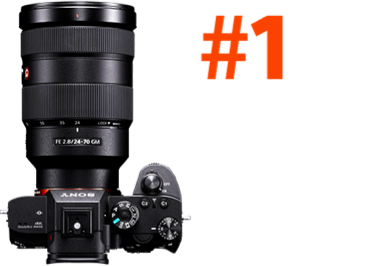
Your location, available gear and intended images will all influence which camera and lenses you bring. Pack the Sony Alpha camera you know best, and pay particular attention to the focal-length range of your lens selection. This isn’t the best time to try unfamiliar gear – you want to work confidently and quickly when totality arrives.
Lenses
Your lens selection will depend on the images you plan to make, but telephoto zooms such as the Sony 100-400mm f/4.5-5.6 G Master, Sony 200-600mm f/5.6-6.3 G, Sony 400-800mm f/6.3-8 G and Sony 70-200mm f/2.8 G Master II are excellent options.
To capture larger detail in the corona and solar disc, many photographers choose a telephoto prime such as the Sony 400mm f/2.8 G Master or Sony 600mm f/4 G Master, sometimes paired with the Sony 1.4x Teleconverter or Sony 2x Teleconverter.
Longer lenses are useful for capturing the diamond-ring effect just before and after totality. A slightly wider focal length can better include the corona, which extends far beyond the solar disc during totality. Think about the image you want to make, then plan your focal length accordingly.
Solar Filter
You must use a proper solar filter on the front of your lens when photographing the Sun during the partial phases of the eclipse. It is important to buy from an authorized dealer so you can be confident the filter provides real protection and is not counterfeit. The American Astronomical Society maintains a list of reputable suppliers.
Solar Eclipse Glasses
When viewing the eclipse with your own eyes, wear certified solar eclipse glasses or use a handheld solar viewer. Safe solar viewers should comply with the ISO 12312-2 international standard. Regular sunglasses are not safe for solar viewing.
Never look at the Sun through a camera lens, telescope, binoculars or any other optical device while wearing eclipse glasses or using a handheld viewer. Concentrated sunlight can burn through the viewer and cause serious eye injury. A special-purpose solar filter must be securely attached to the front of any camera lens, telescope or binoculars used to observe the Sun.
During the brief period of totality – when the Moon completely blocks the Sun’s bright face – it is safe to look directly at the eclipsed Sun without eclipse glasses. Before and after totality, however, eye protection is required. In locations that experience only a partial eclipse, proper eye protection is required at all times.
Learn more in NASA’s eclipse safety guidance.
Tripod & Remote Shutter
During totality, you will be photographing in relative darkness and should approach the situation much like twilight or night photography. Set your camera on a sturdy tripod and use a remote shutter release, if possible, to reduce camera shake. The last thing you want is for every other part of the plan to go right, but for your images to be soft because of movement during a longer exposure.
Extra Batteries & Memory Cards
Extras are a smart idea for any shoot. For an event this rare, they’re essential. You never know what may happen, and you may shoot far more frames than planned as the eclipse unfolds.
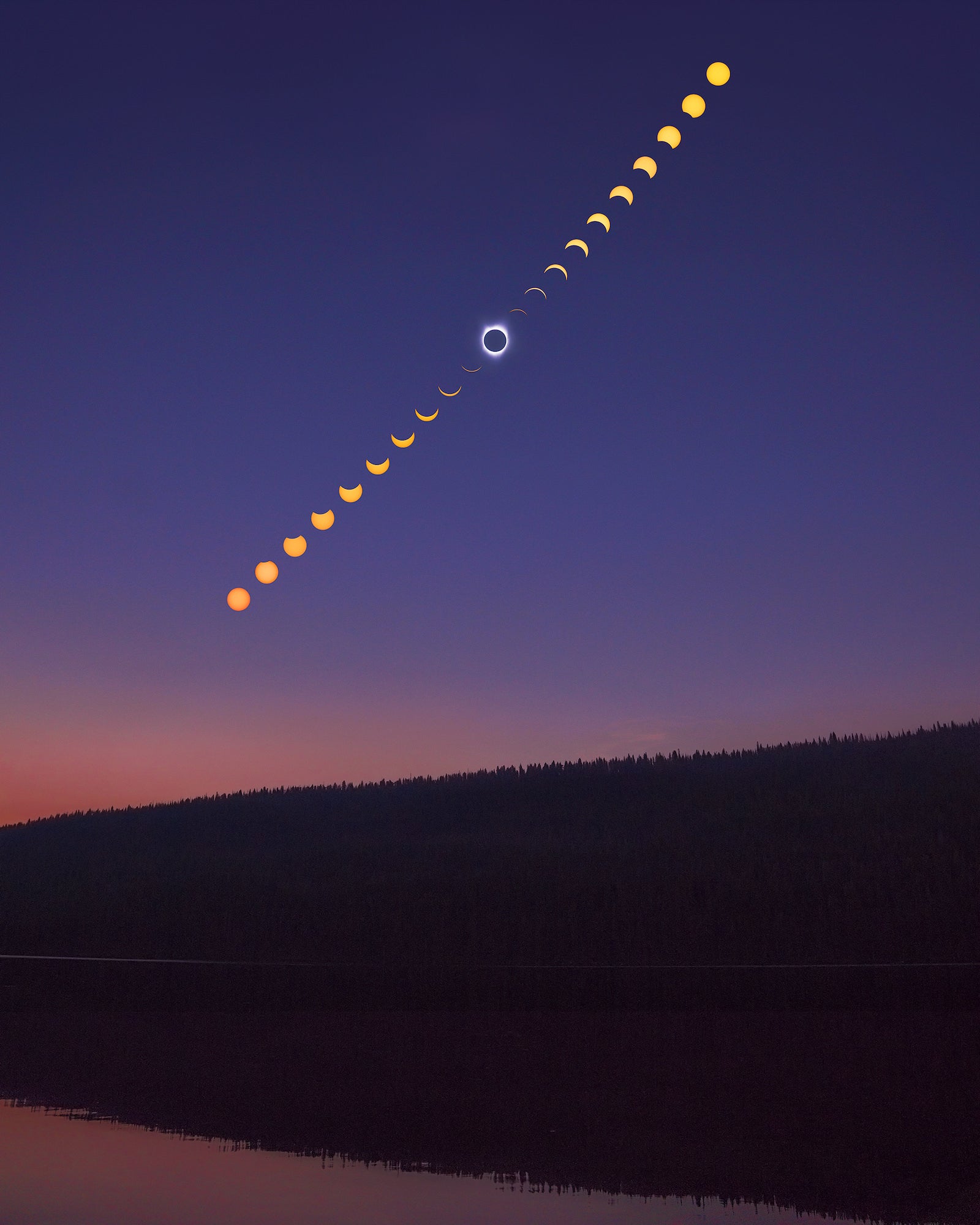
Photo by Autumn Schrock
How To Actually Photograph The Event
So you have your certified solar eclipse glasses ready, your Sony Alpha camera and Sony lens mounted on a stable tripod, and a proper solar filter secured to the front of the lens. Now what?
Set your camera to shoot RAW and experiment with exposure times and apertures ahead of the event. You can test your exposure by photographing the Sun when it is at roughly the same height it will be during the eclipse. Keep the solar filter on your lens whenever you photograph the Sun or the eclipse’s partial phases.
By preparing your exposure settings in advance, you can spend less time troubleshooting when the event begins. During totality only, you may remove the solar filter to photograph the corona and other details that are otherwise hidden by the Sun’s brightness. You must put the filter back on before the partial phase resumes.
If you are outside the path of totality, do not remove your solar filter at any point. The partial eclipse remains bright enough to damage both your camera and your eyes without appropriate protection.
In this Alpha Universe guide, Sony Artisan Andrew Geraci provides more advice on capturing compelling eclipse photos and timelapse footage.
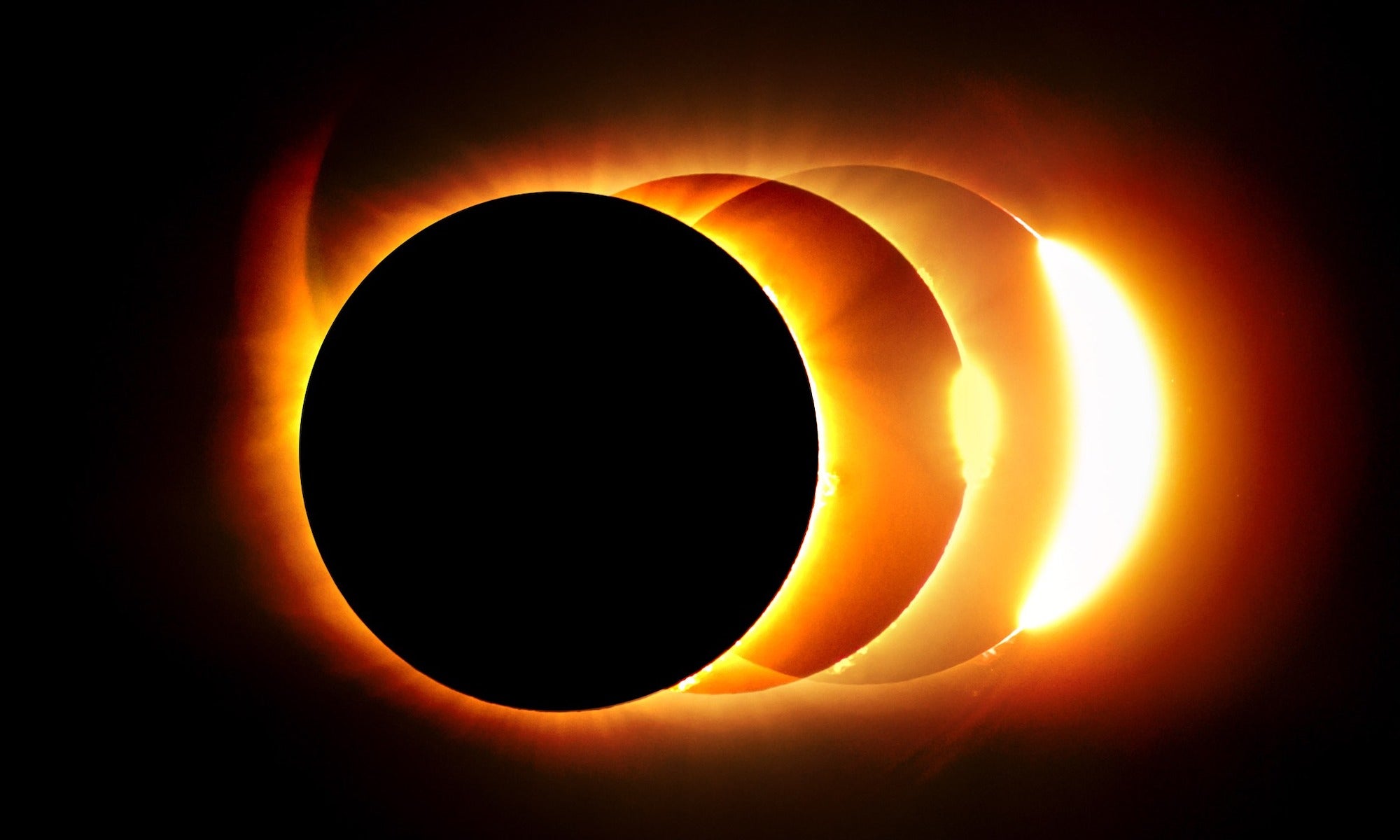
Photo by Andrew Geraci
Other Useful Eclipse Resources For Photographers From The Alpha Universe
Previous eclipse photography guidance remains useful for photographers preparing for August 12. Explore these Alpha Universe resources before you travel:
- What You Need to Know to Safely Capture the Solar Eclipse
- Your Last-Minute Foolproof Eclipse Guide
- Editing Eclipse Photos
- Beyond Totality: How This Creator Kept It Simple For A High-Impact Solar Eclipse Composite
- Eclipse 2019: Capturing Totality
- In Search of Totality: How a Pair of Creatives Captured the 2019 Total Eclipse
- A Long-Lens, Three-Camera Approach to the Eclipse
More Eclipse Resources
For authoritative information on the August 12, 2026 total solar eclipse, including maps, local timing and safety guidance, visit NASA’s 2026 total solar eclipse page.
NASA will also livestream the eclipse beginning at 1:15 p.m. EDT on August 12 via NASA Live.
For additional planning tools, visit PhotoPills to scout compositions and calculate the Sun’s position, and review the American Astronomical Society’s solar viewer and filter guidance.
Get more eclipse photography tips and detailed exposure guidance in this resource from MrEclipse.com.